


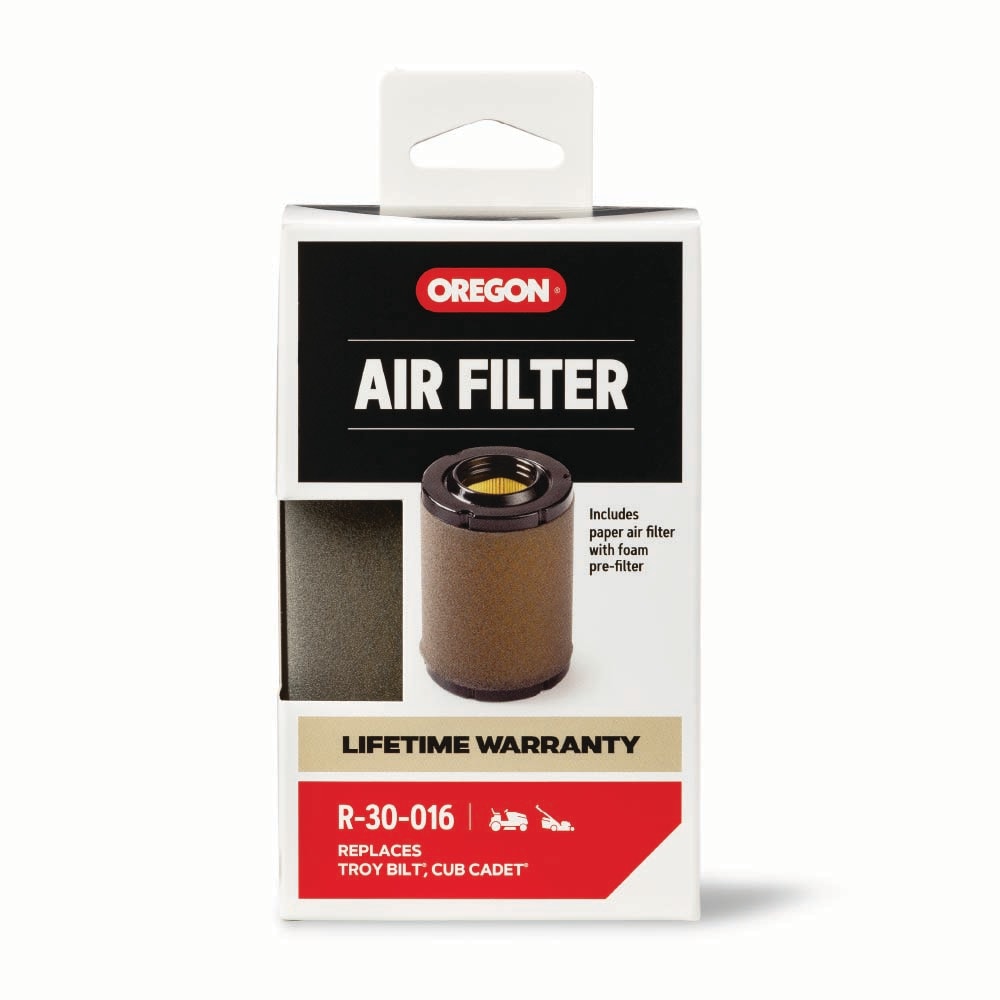
Foam filters suit dusty mowing, while paper filters offer simple, reliable filtration with less maintenance.
Choosing between a foam vs paper air filter lawn mower setup can affect engine life, fuel use, and cutting performance. After cleaning and replacing mower filters over many seasons, I have learned that the best choice depends on your mower’s design, yard conditions, and maintenance habits. This guide explains the real differences so you can choose with confidence.
Why the Air Filter Matters on a Lawn Mower
A lawn mower air filter stops dust, grass bits, pollen, and small grit from entering the engine. The engine needs clean air to mix with fuel and burn properly. If dirt reaches the carburetor or cylinder, it can cause wear, poor starting, and costly repairs.
The air filter also helps maintain the correct air and fuel balance. A clogged filter restricts air, while a damaged filter allows dirt to pass through. Both problems can make the mower run poorly.
The main options are foam filters, paper filters, and combination filters that use both materials. Understanding how each one works makes the foam vs paper air filter lawn mower choice much easier.
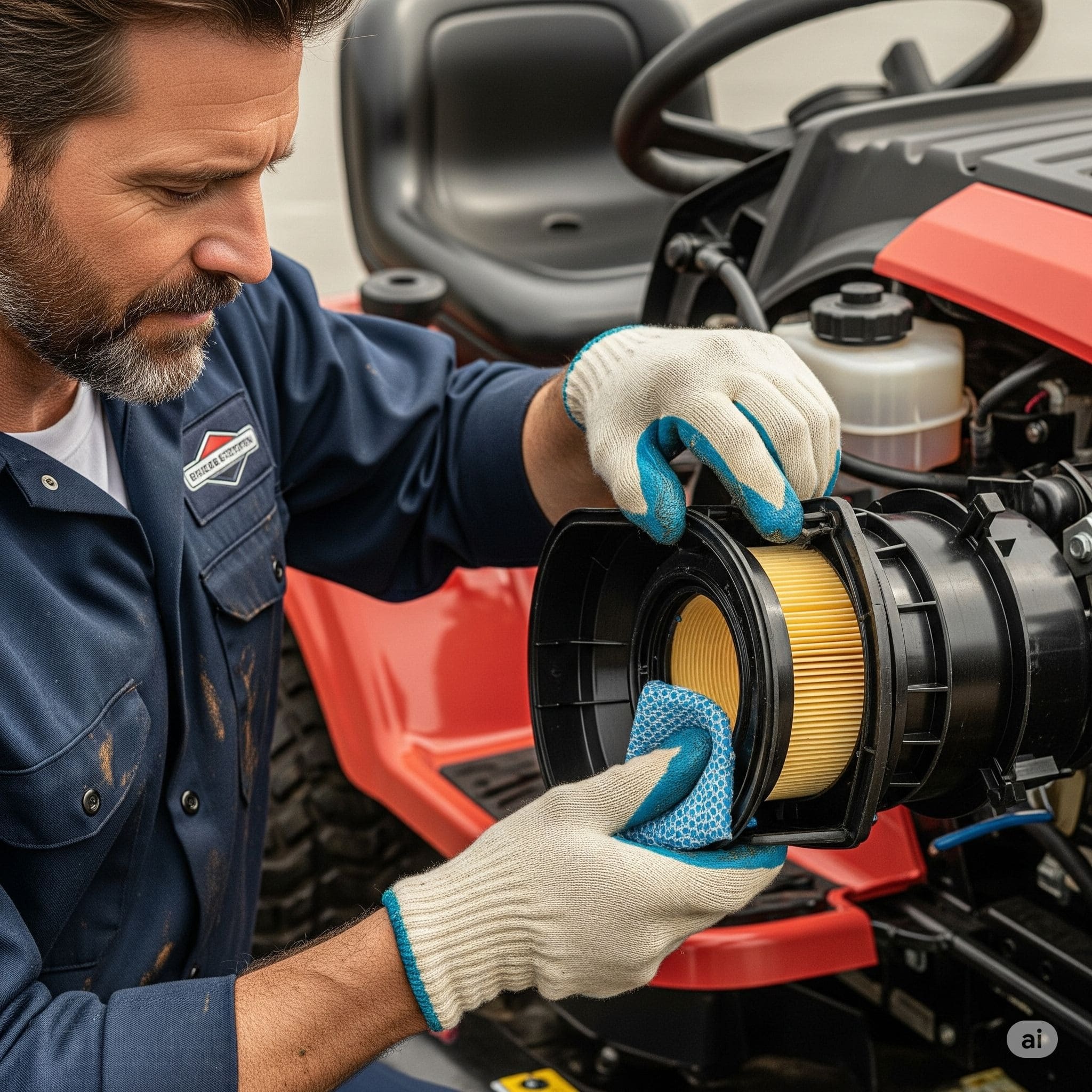
Foam vs Paper Air Filter Lawn Mower: Main Differences
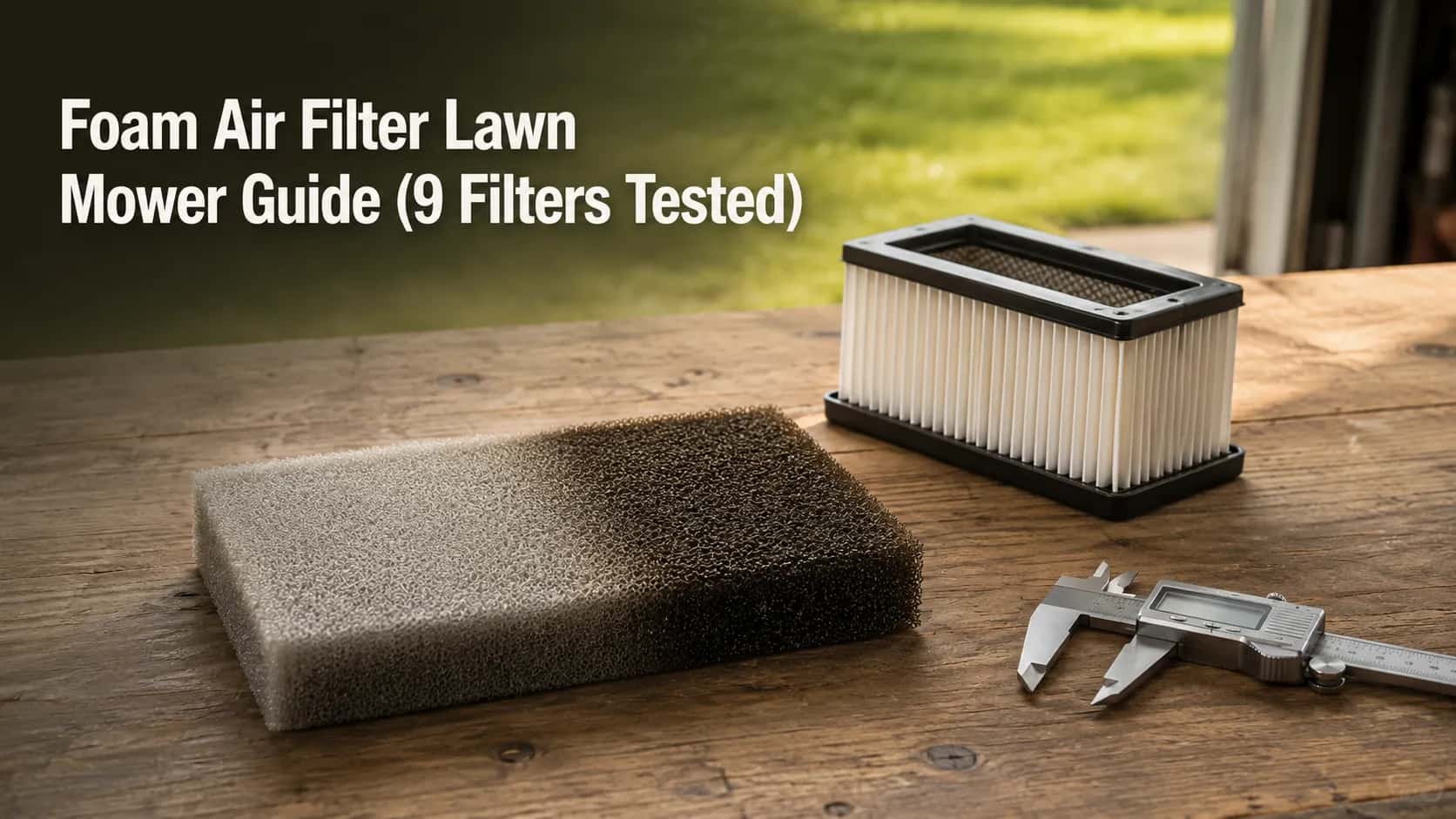
Foam and paper filters both protect small engines, but they work in different ways. Foam filters use a porous material coated with oil. Paper filters use pleated, dry filter media that traps dirt as air passes through.
Here is a quick comparison:
| Feature | Foam air filter | Paper air filter |
|---|---|---|
| Cleaning | Wash and re-oil | Replace when dirty |
| Dust handling | Very good when oiled | Very good when sealed |
| Maintenance | More frequent hands-on care | Quick replacement |
| Water resistance | Can handle some moisture | Paper can become damaged when wet |
| Cost over time | Often lower if cleaned correctly | Higher if replaced often |
| Common use | Older and dusty-use engines | Many modern walk-behind mowers |
| Main risk | Poor oiling reduces protection | Washing can ruin the filter |
A foam filter is reusable, but it must be cleaned and oiled correctly. A paper filter is convenient, but it cannot usually be washed or reused.
The correct foam vs paper air filter lawn mower choice is not based on material alone. The mower manufacturer designed the engine around a specific filter type and airflow rate. Never replace one type with another unless the engine manufacturer approves the change.

How Foam Lawn Mower Air Filters Work
A foam filter catches dirt through its open-cell structure. Filter oil makes the foam sticky, so dust clings to the material instead of passing into the engine. This is why a dry foam filter may protect the engine poorly.
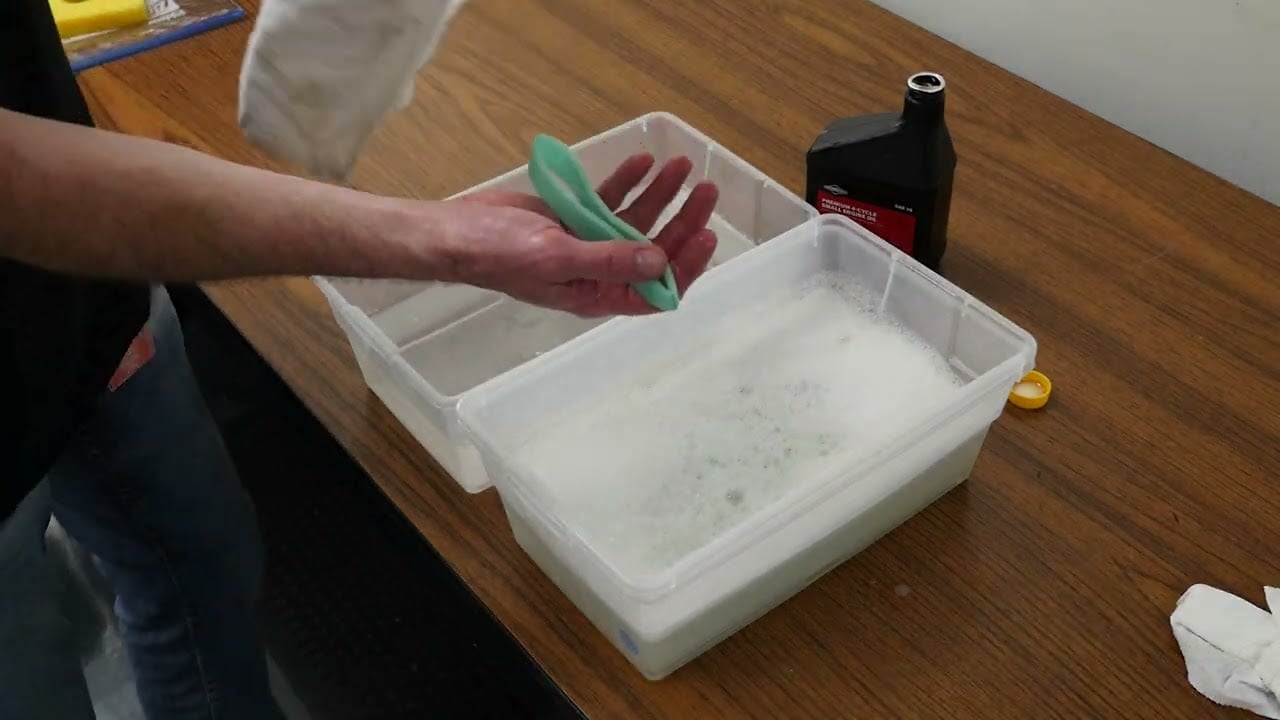
To clean a foam filter, first remove loose dirt. Wash it in warm water with mild dish soap or a cleaner made for foam filters. Rinse it well, let it dry fully, and then apply the correct filter oil.
Do not pour a large amount of oil onto the filter. Too much oil can restrict airflow and make the engine run rich. After oiling, squeeze the foam gently to spread the oil. Do not twist or wring it, because this can tear the foam.
Foam filters work well in yards with dry soil, sandy spots, or heavy dust. They are also useful for owners who do not mind regular cleaning. In my experience, the most common foam filter mistake is reinstalling it while it is still damp or barely oiled.
How Paper Lawn Mower Air Filters Work
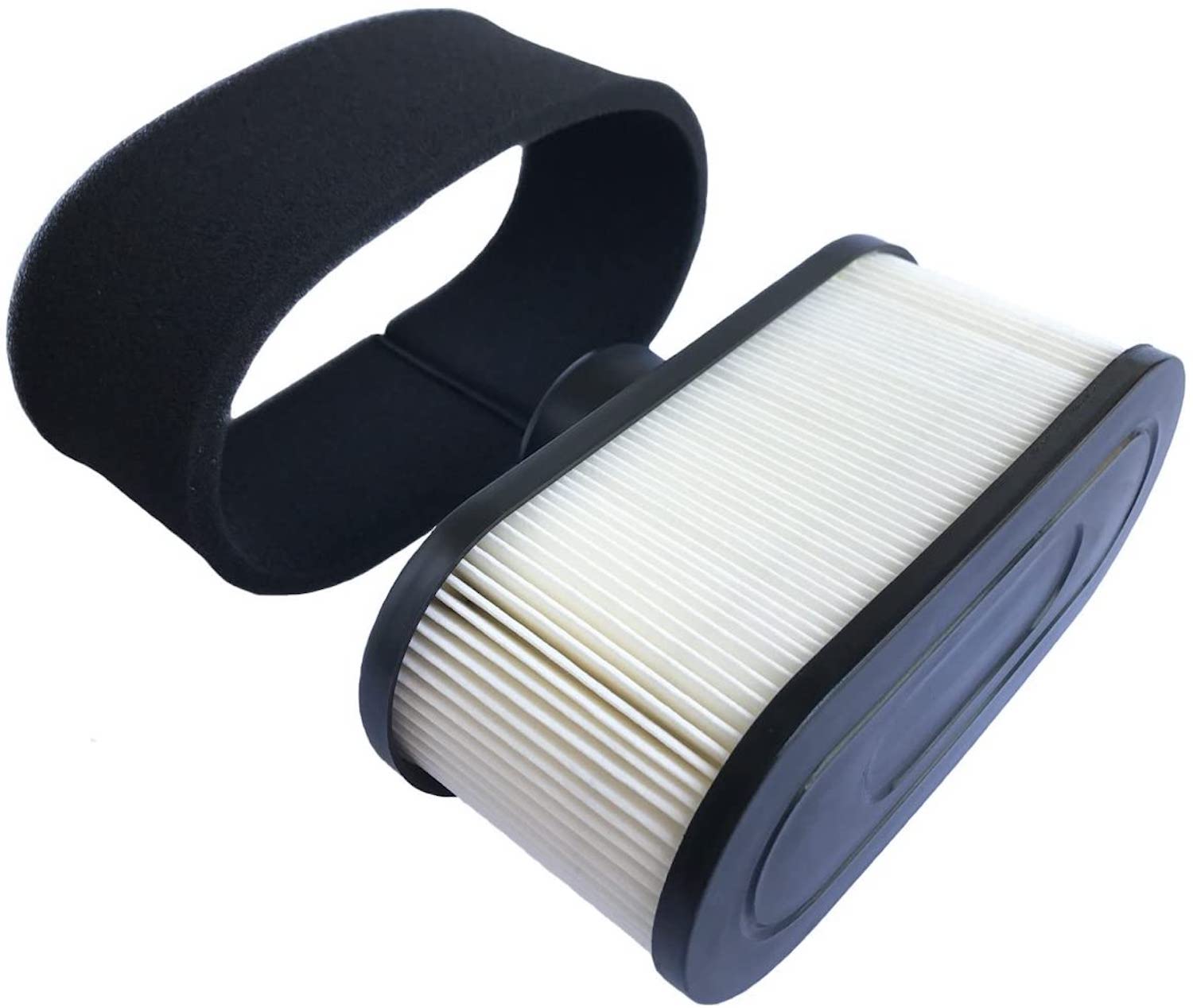
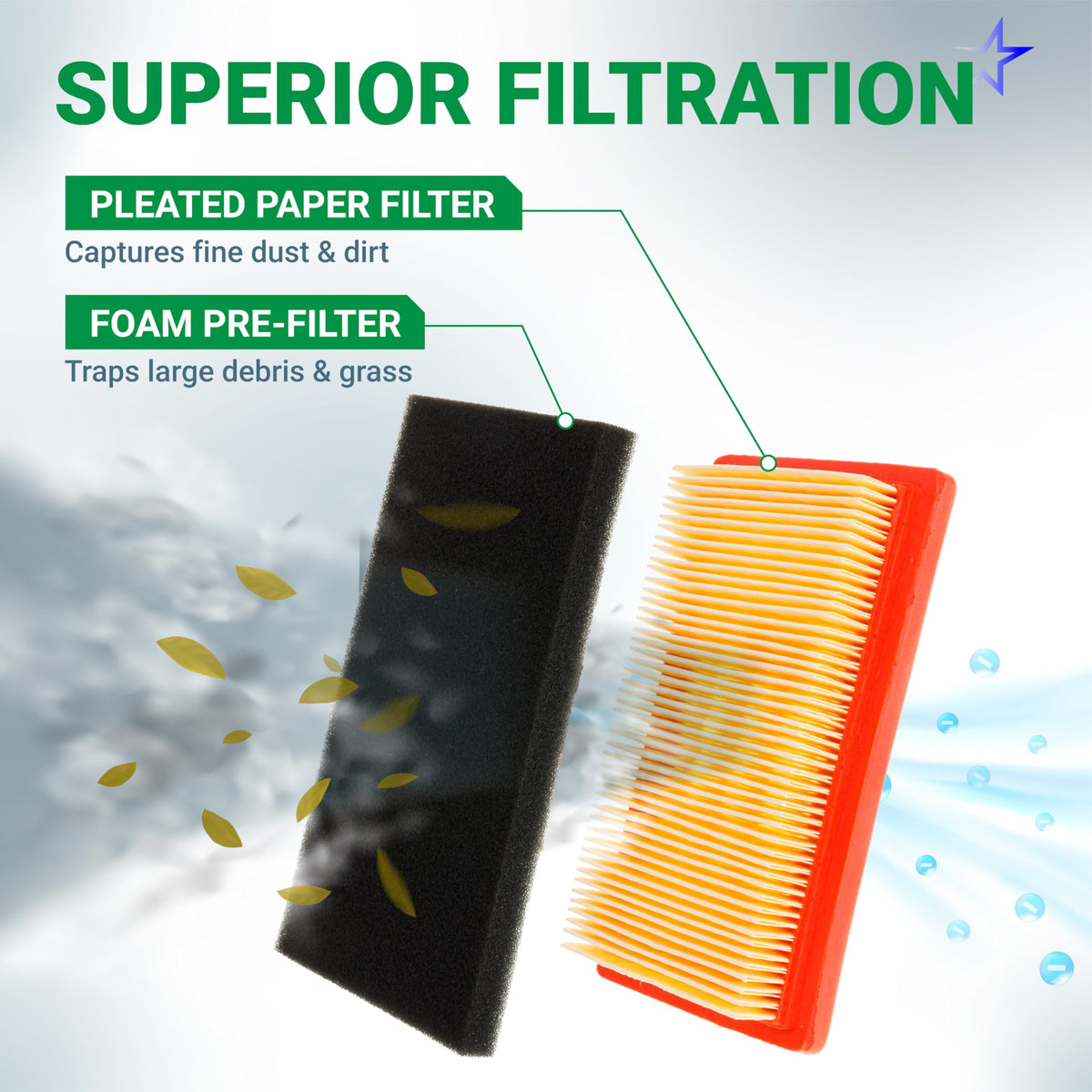
Paper filters use pleated media to create a large filtering surface in a small space. The folds catch dirt while allowing air to reach the engine. Many paper filters also include a foam pre-filter around the outside.
Paper filters are simple to service. Remove the cover, take out the filter, and inspect it under good light. If the paper is dark, crushed, oily, torn, or heavily clogged, replace it with the correct part.
Do not wash a standard paper air filter. Water can damage the paper fibers and change the filter’s shape. Compressed air can also create tiny holes if used at high pressure or aimed from the dirty side.
A paper filter is often the better choice for people who want quick maintenance. It also works well when the mower is used in normal residential conditions and the owner follows the replacement schedule.

Foam vs Paper Air Filter Lawn Mower Performance
Both filter types can support good engine performance when they are clean and correctly installed. The difference appears when the filter becomes dirty or receives poor maintenance.
A clean filter helps the engine receive the air it needs. This can support smoother starting, steady idle speed, and normal fuel use. A clogged filter may cause black smoke, weak power, stalling, or hard starting.
Foam filters can perform very well in dusty conditions because their oil captures fine particles. However, a foam filter loses much of that advantage if it is installed dry. Paper filters provide consistent filtration without oil, but they need replacement once dirt blocks the pleats.
The biggest performance factor is not whether the filter is foam or paper. It is whether the filter matches the engine and receives proper care.
Which Air Filter Is Better for Dusty Yards?
A foam filter can be a strong choice for dusty yards, dry fields, and areas with loose soil. You can clean it often and restore airflow without buying a new filter each time. This makes it practical for frequent mowing.
A paper filter can also handle dust well when it is the correct size and properly sealed. Its pleated surface can hold a large amount of dirt. Once it becomes restricted, though, replacement is the safest option.
For very dusty conditions, some engines use a foam pre-filter over a paper cartridge. This design offers two layers of protection. The foam layer catches larger particles, while the paper element captures finer dust.
If your mower uses a dual-filter system, keep both parts in place. Removing the pre-filter may allow dirt to reach the paper element faster. Changing the filter design can also alter airflow and engine tuning.

Pros and Cons of Foam Air Filters
Foam filters have clear benefits, but they also require more care. Consider these points before choosing a foam vs paper air filter lawn mower replacement.
Benefits of foam filters
- They can be cleaned and reused many times.
- They work well in dusty mowing conditions.
- They may cost less over several seasons.
- They can resist light moisture better than dry paper.
- They are easy to inspect for dirt and damage.
Limitations of foam filters
- They need proper cleaning and filter oil.
- They can tear if twisted or scrubbed too hard.
- Too much oil can reduce airflow.
- A dry filter may allow more fine dust to pass.
- Cleaning takes more time than installing a new paper filter.
A reusable filter is only economical when it is maintained correctly. A neglected foam filter can protect the engine less effectively than a properly replaced paper filter.
Pros and Cons of Paper Air Filters
Paper filters are popular because they are clean and easy to replace. Still, they have limits that matter in wet or very dusty yards.
Benefits of paper filters
- They provide dependable filtration when properly sealed.
- They do not need filter oil.
- Replacement takes only a few minutes.
- They are widely available for common mower engines.
- They reduce the chance of incorrect cleaning.
Limitations of paper filters
- They are normally disposable.
- They should not be washed.
- Water can damage the paper media.
- A clogged filter can reduce engine airflow.
- Frequent replacement can cost more over time.
For many homeowners, the convenience of a paper filter outweighs the reusable nature of foam. The best foam vs paper air filter lawn mower decision should fit your maintenance habits, not just the filter price.

How to Choose the Right Lawn Mower Air Filter
Start with the owner’s manual or the part number printed on the old filter. Look for the engine brand, model number, and exact filter code. Engine model numbers are often found on the top, side, or rear of the engine.
Use these steps:
- Turn off the mower and disconnect the spark plug wire.
- Remove the air filter cover.
- Identify whether the filter is foam, paper, or a combination.
- Check the filter part number and engine model.
- Inspect the housing for cracks, grass, or loose dirt.
- Install only a filter that matches the manufacturer’s specifications.
- Make sure the cover and seal sit tightly.
Do not choose a filter only because it appears to fit. A filter with the wrong height, thickness, or airflow rate may not seal correctly. An imperfect seal can let unfiltered air enter the engine.
When comparing a foam vs paper air filter lawn mower replacement, the original equipment specification should come first. Personal preference comes second.
How Often Should You Clean or Replace the Filter?
The correct schedule depends on mowing conditions. A mower used weekly in a clean suburban yard may need less service than one used in dry, dusty grass.
A practical inspection schedule is:
- Check the filter before the mowing season.
- Inspect it every 25 hours of use in normal conditions.
- Check it more often in dust, heat, or tall dry grass.
- Clean a reusable foam filter whenever it looks dirty.
- Replace a paper filter when it is clogged, damaged, oily, or wet.
- Replace any filter that no longer seals against the housing.
Many small-engine manuals suggest checking the air filter regularly and servicing it at scheduled intervals. Severe conditions may require more frequent care than the standard schedule.
One lesson I learned from mower maintenance is that visual inspection is not enough. A filter can look acceptable from the outside but still have packed dirt deep in the pleats or foam.
Common Air Filter Problems and Symptoms
A dirty or damaged filter can create several noticeable symptoms. The symptoms may also come from stale fuel, a dirty carburetor, a worn spark plug, or other engine problems. The filter is a good first check, but it is not always the only cause.
Watch for these signs:
- The engine starts and then stalls.
- The mower loses power in thick grass.
- The engine produces black smoke.
- Fuel use increases.
- The engine surges or runs unevenly.
- Starting requires many pulls.
- Grass clippings appear inside the filter housing.
- The filter looks wet with fuel or oil.
Black smoke often means the engine is receiving too much fuel or not enough air. A blocked filter can cause this condition. However, black smoke that continues after installing a clean filter may point to a carburetor or choke problem.
Never run the mower without its air filter. Even a short test can pull abrasive dust into the engine. That dust can act like fine sandpaper on internal parts.
Mistakes to Avoid With Foam and Paper Filters
Small mistakes can reduce filter life or damage the engine. Avoid these common errors:
- Washing a disposable paper filter.
- Installing a foam filter without oil.
- Applying motor oil instead of foam filter oil.
- Over-oiling the foam.
- Using high-pressure air on paper media.
- Reusing a torn or crushed filter.
- Forgetting the rubber seal.
- Running the mower without the filter cover.
- Buying a filter based only on its shape.
- Ignoring dirt inside the filter housing.
Clean the filter housing before installing the replacement. Use a clean, dry cloth and keep loose debris away from the carburetor opening. Do not push dirt deeper into the engine.
If the filter is soaked with fuel, let the mower cool and check the carburetor and float system. A fuel-soaked filter may signal a separate problem, not just a filter issue.
Cost, Convenience, and Environmental Impact
Foam filters may save money over time because they can be cleaned and reused. The savings depend on buying the correct filter oil and taking time to service the filter. A badly damaged foam filter still needs replacement.
Paper filters are convenient and clean to install. Their main cost is repeated replacement. Used filters should be discarded according to local waste rules, especially if they contain oil or fuel residue.
Neither option is automatically more environmentally friendly. A reusable foam filter may reduce waste, but cleaning uses water and filter oil. A paper filter uses more replacement materials, but it requires less cleaning.
For a homeowner who mows a small lawn a few times each month, the cost difference may be minor. For someone managing several acres, a reusable foam filter may offer greater long-term value.
A Practical Maintenance Routine
A simple routine can keep either filter type working well:
- Park the mower on a level surface.
- Stop the engine and allow it to cool.
- Disconnect the spark plug wire.
- Brush loose grass away from the air filter cover.
- Remove and inspect the filter.
- Clean or replace it according to its type.
- Wipe the filter housing carefully.
- Check the cover gasket and retaining clips.
- Reinstall the filter without forcing it.
- Secure the cover before starting the engine.
For a foam filter, use mild soap, dry it fully, and add the correct filter oil. For a paper filter, tap it gently only if the manual allows this, and replace it when dirty or damaged.
Do not skip the safety steps. A lawn mower can start unexpectedly if the blade or engine moves during service.
Foam vs Paper Air Filter Lawn Mower: Best Choice by User
The best choice changes from person to person. Use this guide as a simple starting point:
- Choose the original foam design if you mow in dusty conditions and are willing to clean it.
- Choose the original paper design if you prefer fast, low-mess maintenance.
- Choose a combination filter if the engine manufacturer specifies one.
- Choose a heavy-duty filter when mowing dry fields or loose soil.
- Replace rather than modify a filter when the old one is damaged.
- Follow the manual when your preference conflicts with the original design.
The foam vs paper air filter lawn mower decision is easiest when you match the filter to your yard and routine. A careful owner with a paper filter may get excellent results, while a careless owner can damage an engine with a neglected foam filter.
Frequently Asked Questions About Foam vs Paper Air Filter Lawn Mower
Is a foam air filter better than a paper air filter on a lawn mower?
Neither type is always better. Foam filters are reusable and useful in dusty conditions, while paper filters are simple and dependable when replaced as needed.
Can I replace a paper air filter with a foam filter?
Only if the mower or engine manufacturer approves that filter design. Different filters can have different airflow, size, and sealing requirements.
Can I wash a paper lawn mower air filter?
A standard paper filter should not be washed. Water can weaken the paper and reduce its filtering ability, so replacement is usually the correct solution.
How do I oil a foam lawn mower air filter?
Clean and dry the foam first, then apply the correct foam filter oil evenly. Squeeze the filter gently to spread the oil, but do not twist or wring it.
How often should I change a paper mower air filter?
Inspect it at least once each mowing season and more often in dusty conditions. Replace it when it is clogged, damaged, oily, wet, or unable to seal correctly.
Can a dirty air filter damage a lawn mower engine?
Yes. A dirty filter can restrict airflow and cause poor combustion, while a damaged or missing filter can allow abrasive dirt into the engine.
Should I run my lawn mower without an air filter?
No. Running without an air filter can allow dust and grass particles into the engine. Even a short test may increase internal wear.
Conclusion
The foam vs paper air filter lawn mower choice comes down to engine design, mowing conditions, and maintenance habits. Foam filters are reusable and useful in dusty yards, but they need proper cleaning and oil. Paper filters offer easy service and consistent protection, but they must be replaced when dirty or damaged.
Always check the mower manual and use the correct filter part number. Inspect the filter often, keep the housing clean, and never run the engine without the filter installed. Put these simple steps into practice before your next mowing session, and share your filter experience or maintenance tips in the comments.
