How To Winterize Lawn Mower Fuel: Easy Storage Guide
To winterize lawn mower fuel, add stabilizer, run the engine, or drain the tank before storing the mower.
Learning how to winterize lawn mower fuel helps prevent hard starts, clogged carburetors, rust, and costly spring repairs. The right method depends on your mower, fuel type, storage time, and the instructions in the owner’s manual. This guide explains both safe options, common mistakes, and a simple end-of-season routine you can trust.
Why You Should Winterize Lawn Mower Fuel
Gasoline changes as it sits. Light parts of the fuel can evaporate, while moisture may collect inside the tank and fuel system. This is especially common with ethanol-blended gas, such as E10, which can attract water over time.
Old fuel can leave sticky gum and varnish in the carburetor. These deposits may block small fuel passages and make the engine surge, stall, or refuse to start in spring.
Knowing how to winterize lawn mower fuel protects more than the engine. It also helps protect the fuel line, carburetor, fuel filter, tank, and spark plug from problems caused by stale fuel.
The main benefits include:
• Easier spring starting
• Less risk of a clogged carburetor
• Reduced moisture and corrosion
• Fewer fuel leaks and odors
• Longer life for engine parts
• Less time spent on spring repairs
Many mower manufacturers recommend either using fresh fuel with an approved stabilizer or draining the fuel system before long-term storage. Always check your owner’s manual first, since some engines have special steps.

Should You Drain the Fuel or Add Stabilizer?
There are two safe ways to winterize lawn mower fuel: drain the system or stabilize the fuel. Both methods can work, but one may suit your mower better.
Option 1: Drain the fuel system
Draining is often a good choice for a push mower with a simple carburetor. It removes gasoline that could become stale during storage.
This method usually involves:
-
Run the mower outdoors until the tank is nearly empty.
-
Turn off the engine and let it cool.
-
Drain any remaining fuel into an approved gas container, if the manual allows it.
-
Start the engine again and let it run until it stops.
-
Check the manual for any final carburetor draining step.
Do not pour gasoline onto the ground or into a drain. Store it in an approved container and take unwanted fuel to a local household hazardous waste center or an approved recycling site.
Option 2: Stabilize the fuel
Fuel stabilizer is useful when you want to store the mower with gas in the tank. It slows fuel breakdown and helps protect the fuel system during storage.
Use only a stabilizer made for gasoline engines. Follow the label for the correct amount. Adding extra stabilizer does not improve protection and may waste product.
Add the stabilizer to fresh fuel, not fuel that has already become dark, sour-smelling, or gummy. After adding it, run the engine for several minutes so the treated fuel reaches the carburetor and fuel line.
In my experience, the most common mistake is adding stabilizer and then shutting the mower off immediately. The treated fuel stays in the tank, but untreated fuel may remain in the carburetor. Running the engine gives the additive a chance to move through the whole system.
How to Winterize Lawn Mower Fuel Step by Step
This step-by-step process works for most gas-powered push mowers. Riding mowers may need extra steps, so use the manufacturer’s storage instructions as your main guide.
1. Choose a safe work area
Work outdoors or in a well-ventilated space. Keep the mower away from cigarettes, heaters, pilot lights, sparks, and open flames.
Wear safety glasses and gloves. Gasoline can irritate skin and eyes, and its fumes can build up in enclosed areas.
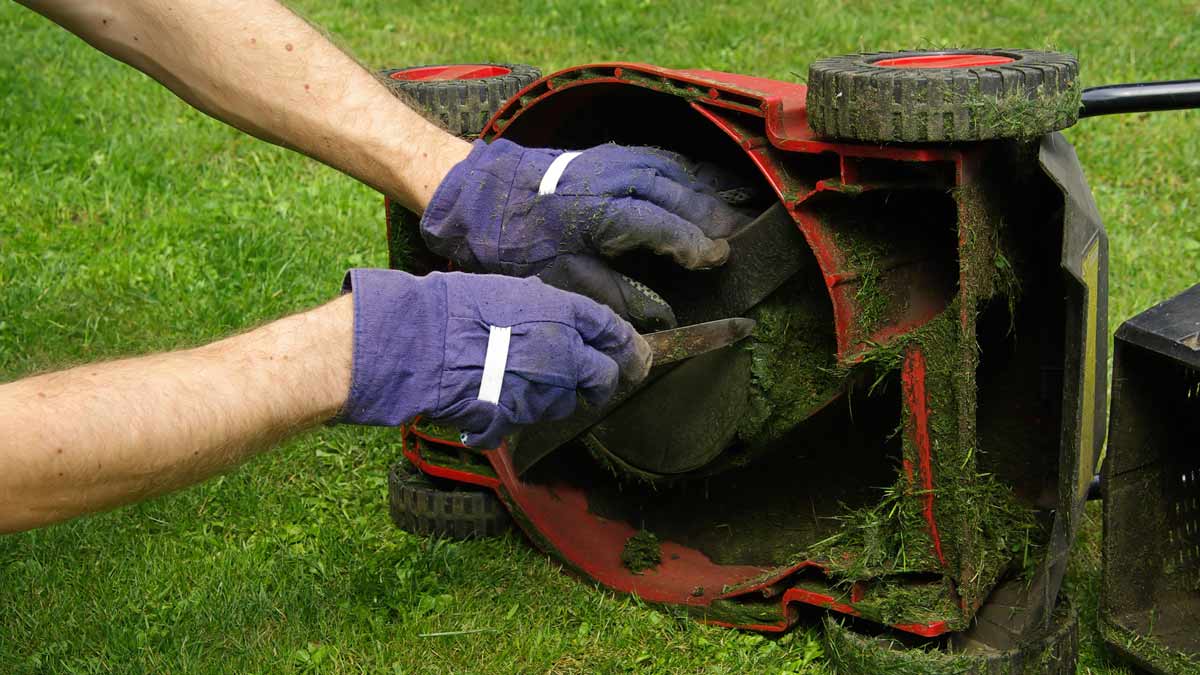
2. Remove grass and debris
Brush grass from the deck, wheels, engine cover, and cooling fins. Debris can hold moisture and block airflow around the engine.
Do not spray water directly onto the engine, air filter, muffler, or electrical parts. Use a dry brush or a slightly damp cloth instead.
3. Check the fuel’s condition
Look at the fuel before deciding how to winterize lawn mower fuel. Fresh gasoline should look clear and should not have a strong sour or varnish-like smell.
If the fuel looks cloudy, has floating debris, or smells stale, do not preserve it with stabilizer. Drain it safely and replace it with fresh fuel.
4. Add fresh fuel and stabilizer, if using the stabilizer method
Pour fresh gasoline into the tank. Add the correct amount of fuel stabilizer based on the product label.
Close the fuel cap and gently rock the mower from side to side if the manual permits. This helps mix the stabilizer with the fuel.
5. Run the engine
Start the mower outdoors and let it run for about five to ten minutes. The exact time is less important than allowing treated fuel to move through the tank, fuel line, and carburetor.
Let the engine reach normal operating temperature. Then turn it off and allow it to cool before continuing maintenance.
6. Drain the system, if using the drain method
If you choose to drain the fuel, follow the manual carefully. Some mowers have a fuel shutoff valve, a carburetor drain screw, or a removable fuel line.
Never force a plastic fitting or remove a part if you are unsure of its purpose. A damaged fuel line can create a dangerous leak.
7. Store the mower correctly
Keep the mower in a dry, covered area with good ventilation. Do not store gasoline near the mower, furnace, water heater, or other heat source.
Avoid covering a warm mower. Let it cool fully first, because trapped heat can damage the cover and increase fire risk.

How to Winterize Lawn Mower Fuel With Ethanol Gas
Many regular gasolines contain up to 10% ethanol. Ethanol can absorb water from the air, especially when fuel sits for a long time in a partly filled tank.
Water in the fuel may cause corrosion and poor engine performance. It can also separate from gasoline if enough moisture enters the system. This process is called phase separation.
To reduce these risks:
• Buy fresh fuel from a busy gas station.
• Avoid storing gasoline for long periods before using it.
• Keep the fuel container tightly closed.
• Store fuel in an approved container.
• Keep the mower’s fuel cap clean and secure.
• Use a stabilizer labeled for ethanol-blended fuel.
Some owners prefer ethanol-free gasoline for seasonal equipment. It can be a helpful choice for long storage, but it may cost more and is not available everywhere. It is still important to use fresh fuel and follow the engine maker’s instructions.
Learning how to winterize lawn mower fuel with ethanol requires attention to moisture. A full tank can reduce the amount of humid air above the fuel, but do not overfill the tank. Leave room for fuel expansion, as the manual directs.

Common Mistakes to Avoid
Even a simple storage routine can fail when one small step is missed. These mistakes often lead to spring starting problems.
Leaving untreated fuel in the mower
Untreated gasoline can lose quality during several months of storage. The risk is higher when the mower is kept in a warm shed or when the tank is nearly empty.
Adding stabilizer to bad fuel
Stabilizer can slow fuel aging, but it cannot restore gasoline that is already stale. Drain questionable fuel and use fresh gasoline instead.
Using too much additive
More is not better. Too much stabilizer may not improve performance and can make it harder to follow the product’s fuel ratio.
Forgetting the carburetor
A mower may have a nearly empty tank but still contain fuel in the carburetor bowl. That small amount can evaporate and leave residue.
Storing the mower in a damp place
Moisture affects more than fuel. It can cause rust on the deck, cable ends, fasteners, and metal engine parts.
Running the engine indoors
Never run a gasoline mower inside a garage, basement, shed, or other enclosed space. Carbon monoxide is invisible and can become deadly very quickly.
Pouring old gas into the soil
Gasoline can contaminate soil and water. Keep it in an approved container and use a proper disposal program.
A lesson I have seen repeatedly during seasonal mower care is that rushing the last ten minutes causes most problems. A careful fuel check, a few minutes of engine run time, and safe storage can prevent hours of troubleshooting later.

Extra Maintenance to Complete Before Storage
Fuel is important, but it is only one part of winter mower care. A few extra checks can help the machine start safely next season.
Change the engine oil
Old oil may contain dirt, moisture, and combustion byproducts. Change it according to the owner’s manual, preferably when the engine is warm but not hot.
Use the correct oil grade for your expected temperatures. Dispose of used oil at an approved collection point.
Inspect the air filter
A dirty air filter restricts airflow and can make the engine run poorly. Replace a disposable filter or clean a reusable one as directed.
Do not wash a paper filter. Foam filters may need cleaning and a small amount of approved filter oil.
Check the spark plug
Remove the spark plug and inspect it for heavy carbon, cracks, or a worn electrode. Replace it if needed, and use the correct gap listed in the manual.
Disconnect the spark plug wire before working near the blade or underside of the mower. This reduces the chance of an accidental start.
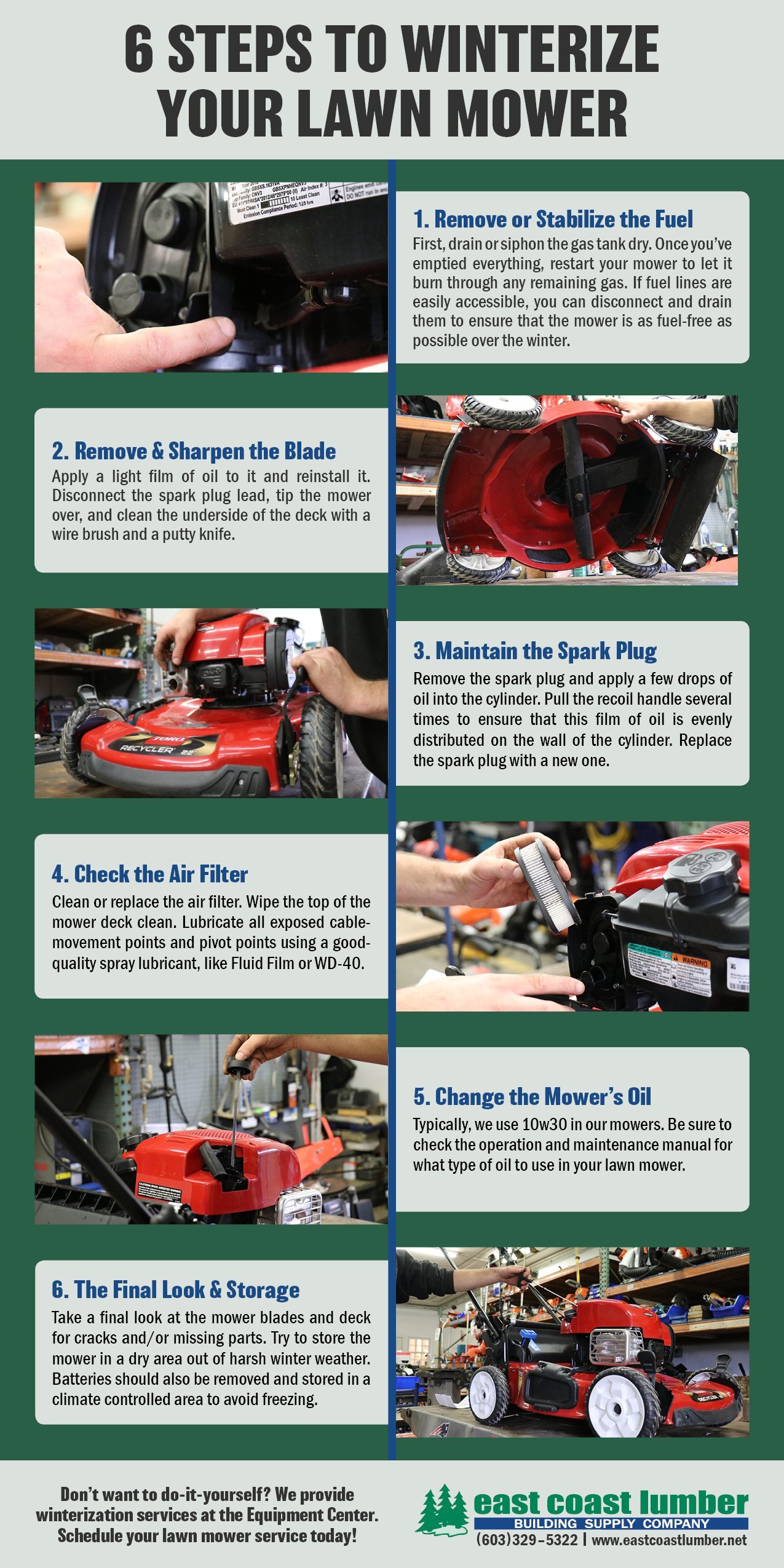
Sharpen and protect the blade
A sharp blade gives a cleaner cut and puts less strain on the engine. Remove the blade only when you can secure the mower safely and follow the manual.
Wipe the blade dry and apply a light coat of rust protection to clean metal surfaces. Keep oil away from the belt and other friction parts.
Inspect belts, cables, and tires
Look for cracked belts, loose cables, damaged tires, and worn handles. Repairing these parts before spring makes the first mowing job safer and easier.

What to Do When You Start the Mower in Spring
Even if you know how to winterize lawn mower fuel, spring startup still deserves care. Move the mower outdoors and inspect it before adding fuel or starting the engine.
Use this checklist:
-
Remove the cover and look for nests, insects, or chewed wires.
-
Check the oil level.
-
Inspect the fuel line and tank for cracks or leaks.
-
Install a clean air filter if needed.
-
Add fresh gasoline if the tank is empty.
-
Make sure the spark plug wire is connected.
-
Start the mower according to the manual.
If the engine does not start after a few attempts, stop pulling the cord repeatedly. Check for fresh fuel, a clean air filter, a working spark plug, and a fuel valve that is turned on.
A strong fuel smell may mean the engine is flooded. Wait several minutes and follow the manual’s flooded-engine procedure. If the carburetor is clogged, a small-engine repair shop may need to clean it.
Frequently Asked Questions About How to Winterize Lawn Mower Fuel
Is it better to drain a lawn mower or use fuel stabilizer?
Both methods can work when done correctly. Drain the fuel if your mower manual recommends an empty system, or use fresh fuel and stabilizer when the manual supports treated-fuel storage.
How long can gasoline stay in a lawn mower?
Fresh gasoline may begin to lose quality after several weeks to a few months, especially when exposed to heat, air, or moisture. Stabilized fuel can last longer, but the product label and engine manual should guide storage time.
Should I fill the tank before storing my mower?
A full tank can reduce humid air inside the tank, but it must not be overfilled. If you fill it, use fresh fuel with the correct stabilizer and leave room for expansion.
Can I use old gas in my lawn mower after winter?
Do not use fuel that smells sour, looks cloudy, or contains sediment. When in doubt, dispose of it safely and use fresh gasoline to reduce the risk of starting and carburetor problems.
Can I leave fuel stabilizer in my mower all winter?
Yes, if the stabilizer is designed for gasoline engines and is mixed with fresh fuel at the correct ratio. Run the mower for several minutes so the treated fuel reaches the carburetor.
Should I use ethanol-free gas for winter storage?
Ethanol-free gas may reduce moisture-related concerns, but it is not essential for every mower. Fresh fuel, proper storage, and an approved stabilizer are still important.
How do I dispose of leftover lawn mower gas?
Keep the gasoline in a labeled, approved fuel container. Contact your local household hazardous waste program, fuel recycling center, or municipal disposal service for instructions.
[CodeImg? no, user says no placeholder after FAQ. Remove. Need ensure preceding h2 section got placeholder. FAQ h2 no placeholder.]
Conclusion
The best way to winterize lawn mower fuel is to remove old gasoline or treat fresh fuel with an approved stabilizer, then run the engine long enough for the treated fuel to reach the carburetor. Clean the mower, change the oil, inspect the air filter, and store the machine in a cool, dry, well-ventilated place.
Do not ignore stale fuel, moisture, or unsafe storage. A careful fall routine takes only a short time and can make spring startup much smoother. Check your owner’s manual before beginning, and share your own mower storage tips or questions in the comments.