


The John Deere F525 is a reliable lawn tractor, but like any machine, it can face issues over time. Common problems include engine stalling, transmission slipping, and electrical gremlins. This guide walks you through each issue, explains why it happens, and gives practical steps to fix or prevent them—so you spend less time troubleshooting and more time mowing.
The John Deere F525 is a popular mid-range lawn tractor known for its durability, ease of use, and solid performance in medium to large yards. With a 21-inch cutting deck, a 14.5 HP Briggs & Stratton engine, and a hydrostatic transmission, it’s a favorite among homeowners who want a reliable machine without breaking the bank. But even the best equipment isn’t immune to problems. Over time, users have reported a handful of common issues—some minor, others more serious—that can disrupt your mowing schedule.
If you’ve noticed your John Deere F525 isn’t starting, cutting unevenly, or stalling when you push it hard, you’re not alone. These problems are often fixable with a little know-how and the right tools. In this guide, we’ll walk through the most frequent John Deere F525 problems, explain what causes them, and offer step-by-step solutions so you can get back to enjoying a well-manicured lawn. Whether you’re a first-time owner or a seasoned user, this article will help you troubleshoot like a pro.
Key Takeaways
- Engine Won’t Start: Often caused by faulty spark plugs, old fuel, or a bad ignition coil. Check these first before diving deeper.
- Transmission Issues: Slipping belts or low fluid levels can cause poor performance. Regular maintenance prevents most problems.
- Stalling Under Load: Usually a carburetor or fuel delivery issue. Cleaning or rebuilding the carburetor often solves it.
- Electrical Gremlins: Dead batteries, corroded terminals, or loose wiring can cause intermittent power loss. Inspect regularly.
- Uneven Cutting: Often due to dull blades, uneven deck height, or worn deck belts. Keep blades sharp and deck balanced.
- Overheating: Blocked air filters or dirty cooling fins restrict airflow. Clean or replace filters and check the radiator.
- Preventive Maintenance: Follow the manual’s schedule for oil changes, filter replacements, and belt inspections to avoid surprises.
📑 Table of Contents
Common John Deere F525 Problems and How to Fix Them
Like any piece of mechanical equipment, the John Deere F525 can develop issues over time. Most of these problems stem from wear and tear, poor maintenance, or environmental factors. The good news? Many are preventable or easily fixable with routine care. Let’s break down the most frequent complaints and how to address them.
1. Engine Won’t Start
One of the first things you’ll notice if your John Deere F525 won’t start is frustration—especially if you’re mid-mow. But don’t panic. Most starting issues are simple to diagnose and fix.
Possible Causes:
- Dead or weak battery
- Old or contaminated fuel
- Faulty spark plug
- Clogged air filter
- Bad ignition coil or solenoid
How to Fix It:
Start with the basics. Check the battery first—make sure it’s fully charged and the terminals are clean and tight. Corrosion on the terminals can prevent power from reaching the engine. If the battery is good, inspect the spark plug. Remove it, check for carbon buildup or damage, and replace if necessary. A simple spark test with a screwdriver can confirm if the plug is firing.
Next, look at the fuel. Old gas (more than 30 days old) can gum up the carburetor. Drain the tank, flush it, and refill with fresh fuel. If the problem persists, inspect the air filter. A dirty filter restricts airflow and can prevent combustion. Replace it if it’s clogged.
If none of these work, check the ignition coil and solenoid. These components can fail over time, especially in older models. A multimeter can test for continuity, and replacement parts are widely available.
2. Transmission Slipping or Poor Response
The hydrostatic transmission in the John Deere F525 is smooth and responsive when well-maintained. But if you notice the tractor lurches forward when you release the pedal or feels sluggish, the transmission may be slipping.
Common Causes:
- Worn drive belt
- Low transmission fluid
- Contaminated fluid
- Misaligned pulleys
How to Fix It:
First, check the transmission fluid. Locate the dipstick (usually near the engine), pull it out, and check the level. It should be between the min and max marks. If it’s low, top it off with the manufacturer-recommended fluid (typically SAE 10W-30 or 15W-40). If the fluid is dirty or smells burnt, drain and replace it.
Next, inspect the drive belt. Over time, belts stretch and wear. Look for cracks, fraying, or signs of glazing. If the belt is loose or damaged, replace it. The belt is easy to remove—just release the tensioner pulley and slide it off.
Finally, check the belt alignment. If the pulleys are misaligned, the belt can slip. Adjust the idler pulley if necessary to ensure proper tracking.
3. Engine Stalling Under Load
If your John Deere F525 stalls when you try to climb a hill or mow thick grass, it’s likely a fuel or carburetor issue. The engine simply can’t get enough air or fuel under heavy demand.
Why It Happens:
- Clogged carburetor
- Dirty fuel filter
- Restricted air intake
- Faulty throttle linkage
How to Fix It:
Start by cleaning the carburetor. Remove it and disassemble it carefully. Use carb cleaner to spray out jets and passages. Be gentle—plunger valves can break easily. Reassemble and reinstall.
Next, replace the fuel filter. A clogged filter restricts fuel flow, especially when the engine is under load. It’s a cheap and easy fix that can make a big difference.
Check the air filter again—this time while the engine is running. If it’s clogged, the engine will struggle to breathe. Replace it if needed.
Finally, inspect the throttle linkage. If it’s stiff or misaligned, the engine won’t respond properly. Lubricate it with a light machine oil and adjust if necessary.
4. Electrical Issues: Lights Not Working, Intermittent Power
The John Deere F525 has a 12-volt electrical system that powers the headlights, ignition, and other accessories. If your lights flicker, the engine won’t turn over, or the dashboard lights go out, it’s likely an electrical problem.
Common Causes:
- Dead or weak battery
- Corroded battery terminals
- Faulty alternator
- Bad fuses
- Loose or damaged wiring
How to Fix It:
Begin with the battery. Test it with a multimeter—it should read around 12.6 volts when fully charged. If it’s below 12 volts, charge it or replace it.
Clean the battery terminals. Corrosion acts like a resistor, reducing power flow. Use a wire brush and baking soda solution to scrub the terminals, then tighten the connections.
Check the alternator. If the battery is good but the lights still don’t work, the alternator may not be charging it. A mechanic can test this, but for DIYers, replacing the alternator is often the most reliable fix.
Inspect fuses and wiring. A blown fuse is easy to spot—replace it with one of the same rating. For wiring, look for frayed or disconnected wires, especially near moving parts like the steering column.
5. Uneven Cutting or Scalping
A lawn that looks patchy or scalped isn’t just unsightly—it’s a sign your mower isn’t doing its job. Uneven cutting can result from several factors.
Common Causes:
- Dull or damaged blades
- Uneven deck height
- Worn deck belts
- Improper tire pressure
- Grass that’s too long or wet
How to Fix It:
Start with the blades. Dull blades tear grass instead of cutting it cleanly, leading to uneven results. Remove the blades, sharpen them with a file or grinder, and balance them. An unbalanced blade can cause vibration and wear out the spindle.
Next, check the deck height. The cutting deck should be level from side to side and front to back. Use the adjustment knobs to level it. If one side is too low, it will scalp the lawn.
Inspect the deck belts. Worn belts can cause the blades to spin unevenly. Replace them if they’re cracked or glazed.
Finally, ensure proper tire pressure. Underinflated tires can cause the deck to sit unevenly. Check the PSI on the tires and inflate to the recommended level (usually around 15–18 PSI).
6. Overheating Issues
If your John Deere F525 runs hot or shuts down after short use, it may be overheating. This can damage the engine if not addressed.
Why It Happens:
- Clogged air filter
- Dirty cooling fins
- Blocked radiator
- Low coolant (if applicable)
- Stuck thermostat
How to Fix It:
First, check the air filter. A dirty filter restricts airflow to the engine, causing heat buildup. Replace it if it’s clogged.
Next, clean the cooling fins and radiator. Grass, leaves, and debris can block airflow. Use a brush or compressed air to clear out the fins. Be gentle—don’t damage the fins.
If your model has a coolant system (note: the F525 typically doesn’t, but some variants do), check the coolant level and replace it if it’s old or low.
Finally, inspect the thermostat. If it’s stuck closed, it can prevent proper cooling. This is rare but possible in older models.
Preventive Maintenance Tips for the John Deere F525
The best way to avoid John Deere F525 problems is through regular maintenance. The manufacturer recommends a service schedule that includes oil changes, filter replacements, and belt inspections. Following this schedule can prevent 80% of common issues.
Monthly Tasks:
- Check and clean the air filter
- Inspect the battery and terminals
- Clean under the deck to remove grass clippings
- Check tire pressure
Seasonal Tasks:
- Change the engine oil and oil filter
- Replace the fuel filter
- Sharpen or replace blades
- Inspect and replace drive belts
- Flush the fuel system if storing for winter
Pro Tips:
– Store the tractor in a dry place to prevent rust.
– Use fresh fuel and add a fuel stabilizer if storing for more than 30 days.
– Keep a log of maintenance to track when parts were last serviced.
When to Call a Professional
While many John Deere F525 problems can be fixed at home, some issues require professional attention. If you’ve tried troubleshooting and the problem persists, it’s time to call a certified technician.
Signs You Need a Pro:
- Engine won’t start after checking battery, spark plug, and fuel
- Transmission makes unusual noises or leaks fluid
- Electrical issues that persist after cleaning and testing
- Suspected internal engine damage (knocking, overheating)
Benefits of Professional Service:
- Access to genuine John Deere parts
- Expert diagnosis using specialized tools
- Warranty protection (if applicable)
Don’t hesitate to call a pro—ignoring serious issues can lead to costly repairs later.
Frequently Asked Questions About the John Deere F525
How often should I change the oil in my John Deere F525?
It’s recommended to change the oil every 50 hours of use or once a year, whichever comes first. Use SAE 10W-30 or 15W-40 oil. Regular oil changes prevent engine wear and overheating.
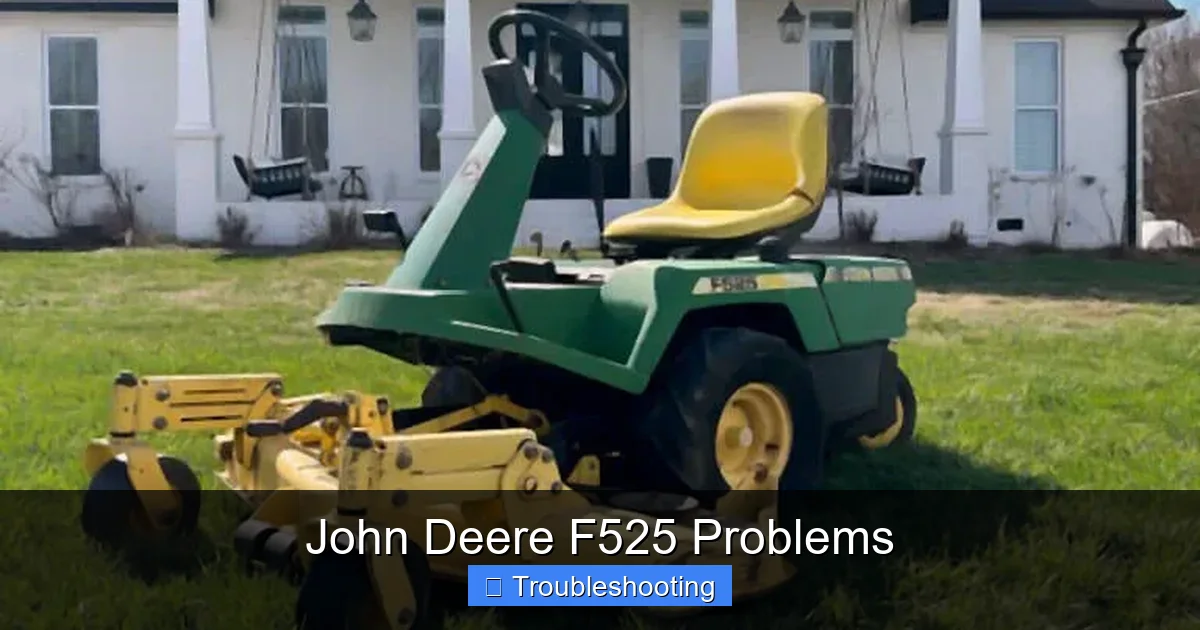
Visual guide about John Deere F525 Problems
Image source: thebrightesthub.com

Visual guide about John Deere F525 Problems
Image source: thebrightesthub.com
Can I use regular gasoline in my John Deere F525?
Yes, but use fresh, unleaded gasoline with an octane rating of 87 or higher. Avoid ethanol blends above 10%, as they can degrade fuel and damage the engine over time.
Why is my John Deere F525 vibrating during mowing?
Vibration is often caused by unbalanced blades, a loose belt, or a damaged spindle. Remove the blades, balance them, and check the belt tension. If the problem continues, inspect the deck for damage.
How do I winterize my John Deere F525?
Drain the fuel tank or add a stabilizer, change the oil, clean the deck, and store it in a dry place. Remove the battery and store it in a cool, dry area. Cover the tractor to protect it from dust.
What’s the best way to clean the cutting deck?
After each use, tilt the deck and use a hose to wash away grass clippings and debris. Use a brush to scrub stuck-on material. Never spray water directly into the engine or electrical components.
Can I upgrade the engine on my John Deere F525?
It’s not recommended. The engine is matched to the transmission and frame. Upgrading could cause compatibility issues and void your warranty. Instead, focus on maintenance and blade quality.
Frequently Asked Questions
How often should I change the oil in my John Deere F525?
It’s recommended to change the oil every 50 hours of use or once a year, whichever comes first. Use SAE 10W-30 or 15W-40 oil. Regular oil changes prevent engine wear and overheating.
Can I use regular gasoline in my John Deere F525?
Yes, but use fresh, unleaded gasoline with an octane rating of 87 or higher. Avoid ethanol blends above 10%, as they can degrade fuel and damage the engine over time.
Why is my John Deere F525 vibrating during mowing?
Vibration is often caused by unbalanced blades, a loose belt, or a damaged spindle. Remove the blades, balance them, and check the belt tension. If the problem continues, inspect the deck for damage.
How do I winterize my John Deere F525?
Drain the fuel tank or add a stabilizer, change the oil, clean the deck, and store it in a dry place. Remove the battery and store it in a cool, dry area. Cover the tractor to protect it from dust.
What’s the best way to clean the cutting deck?
After each use, tilt the deck and use a hose to wash away grass clippings and debris. Use a brush to scrub stuck-on material. Never spray water directly into the engine or electrical components.
Can I upgrade the engine on my John Deere F525?
It’s not recommended. The engine is matched to the transmission and frame. Upgrading could cause compatibility issues and void your warranty. Instead, focus on maintenance and blade quality.

1 Comment
Pingback: Lawn Mower Cutting Unevenly: Causes And Easy Fixes - Toplawnmower