How To Prevent Lawn Mower Deck Rust: Easy Prevention Tips
Rust can turn a sound mower deck into a weak, rough surface that holds wet grass and spreads corrosion. The good news is that deck rust is usually preventable. A few minutes of cleaning, drying, and touch-up work can protect the steel for years.
The best routine depends on your mower type, climate, and storage space. A push mower used on a small, dry yard needs less care than a riding mower used on wet grass each week. Hilly lawns, heavy clay soil, coastal air, and poor shed ventilation all raise the risk.
This guide explains how to prevent lawn mower deck rust before it starts. It also covers safe cleaning, paint repair, storage, mower blades, wash ports, battery and gas models, seasonal care, and when a rusty deck needs professional help.
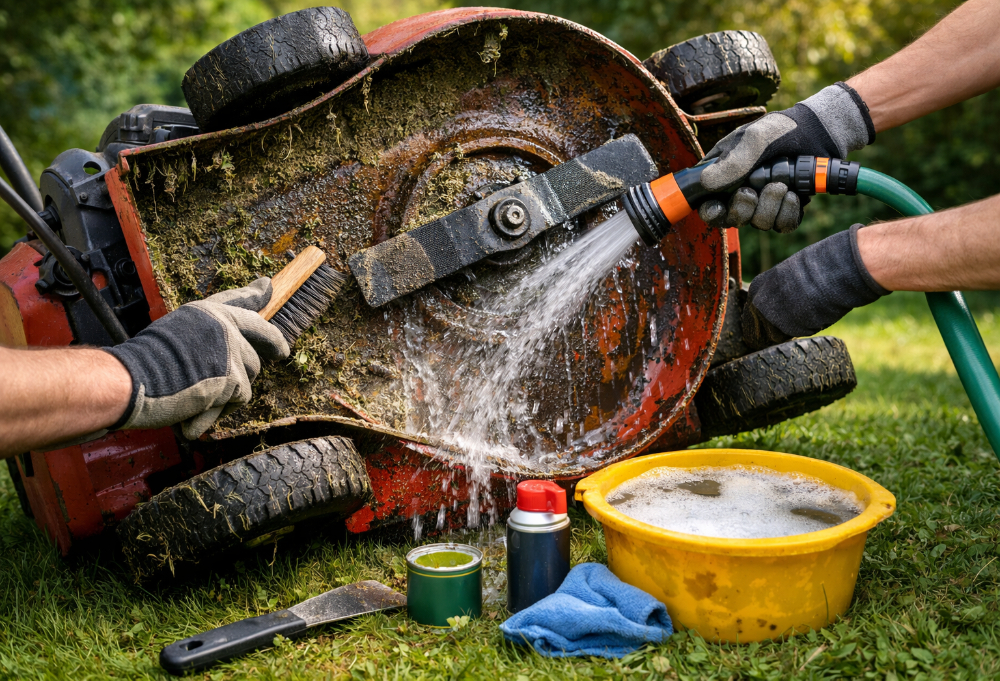
Quick answer: The best way to prevent lawn mower deck rust
The best way to prevent lawn mower deck rust is to remove wet grass and soil after each use, dry the underside fully, repair chipped paint, and store the mower in a dry, covered space. Apply a light rust-inhibiting spray to clean metal, but keep oil and coatings away from belts, pulleys, blades, and brake parts. Never store a mower while the deck is damp.

A simple routine works well:
- Clear grass and debris after mowing.
- Disconnect the spark plug wire or remove the battery before cleaning.
- Scrape stuck material from the deck.
- Rinse only when the owner’s manual allows it.
- Dry the deck before storage.
- Touch up bare steel with rust-resistant paint.
- Keep the mower under cover with airflow.
- Check for rust at the end of each mowing season.
The main cause of deck rust is trapped moisture. Grass clippings hold water against steel much like a wet towel left on a tool. Over time, oxygen and moisture react with the steel and form rust.
Understanding your mower deck and yard
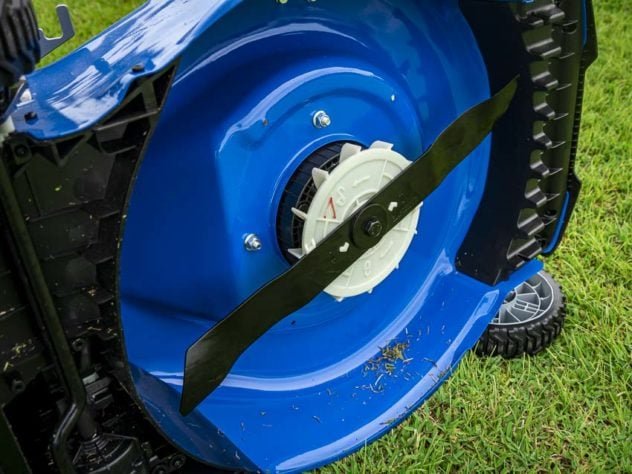
Your mower deck is the housing around the spinning blade. It directs grass into the cutting path and may send clippings through side discharge, into a grass catcher, or back onto the lawn through a mulching kit. Most decks use painted steel, stamped steel, fabricated steel, or plastic.
Steel decks are strong and often repairable, but they need care. Aluminum decks resist red rust but can still corrode, pit, and weaken. Plastic decks do not rust, yet they can crack from impact, sunlight, or cold weather.
Your yard also affects deck wear. Wet turfgrass, sandy soil, road salt, and fertilizer residue can speed up corrosion. A mower that cuts damp grass every week needs more cleaning than one used on a small suburban lawn during dry weather.

Deck types and their rust risk
Stamped steel decks are pressed from one piece of metal. They are common on many push mowers and riding mowers. The smooth shape has fewer seams, but thin areas can rust through if paint chips remain untreated.
Fabricated decks use welded steel plates. They are common on some riding and zero-turn mowers. They can be very strong, but welds, corners, bolt holes, and seams may hold moisture.
Aluminum decks resist ordinary red rust. However, they may develop white or gray oxidation. Do not use harsh steel tools that gouge the surface.
Plastic decks need a different inspection. Look for cracks, loose mounting points, and holes near the blade area. A cracked deck can throw debris and should be repaired or replaced according to the manual.
Yard conditions that speed up corrosion
The following conditions raise the need for deck care:
- Wet grass and morning dew
- Heavy clay that sticks under the deck
- Sandy soil that removes paint
- Salt air near the coast
- Road salt in cold climates
- Fertilizer dust
- Poor air movement in a shed
- Mowing over damp leaves
- Washing without full drying
- Storing the mower on wet concrete
A small yard does not always mean low rust risk. A compact push mower stored in a damp corner may corrode faster than a large riding mower kept in a dry garage.
Gear that makes deck care easier
Basic hand tools are enough for most owners. You do not need an expensive pressure washer or a large set of specialty tools. The right gear helps you clean without damaging paint, seals, belts, or electrical parts.
The table below covers useful supplies for push mowers, self-propelled mowers, riding mowers, and zero-turn mowers.
| Tool or material | Main use | Good choice for |
|---|---|---|
| Plastic scraper | Removes packed grass without gouging paint | Painted steel decks |
| Nylon brush | Loosens dry debris around seams | All mower types |
| Safety glasses | Protects eyes from chips and dust | Every cleaning job |
| Work gloves | Protects hands from sharp edges | Blade and deck work |
| Rust converter | Treats small areas of surface rust | Bare steel spots |
| Rust-resistant enamel | Seals repaired steel | Chipped or sanded areas |
| Clean towels | Dries the deck and hidden seams | Wet climates |
| Light corrosion spray | Adds a moisture barrier | Clean, dry metal |
The most important items are safety glasses, gloves, a scraper, and a dry place to work. A wire brush can help with heavy rust, but use it with care because it may remove good paint around the damaged area.

A garden hose can remove loose clippings, but it is not always the best tool. Water can enter bearings, electrical connectors, air filters, and belt covers. Always check the owner’s manual before using a wash port or tipping the mower.
Choosing a rust treatment
Rust treatment depends on the damage. A light surface stain may need sanding and paint. A deeper spot may need a rust converter. A hole, swollen seam, or thin metal area may need deck replacement or professional repair.
Do not spray a general lubricant on the whole underside without a plan. Oil can collect dust and grass. It can also reach the blade belt, pulleys, clutch, or brake parts.
Use coatings only on clean, dry metal. Follow the product label for surface prep, drying time, ventilation, and safe use near equipment.
A practical rust-prevention routine
The best routine is short enough to repeat. Cleaning once at the end of the season helps, but quick care after each mowing session is more effective.
1. Clear the mowing area first
Before mowing, remove sticks, stones, wire, toys, and other debris. A blade strike can chip paint and bend metal. It can also create a small opening where rust begins.
Walk the yard before using a riding mower or zero-turn mower. Pay close attention near tree roots, fence lines, garden borders, and driveways. String trimmers and edgers can help clean these areas, but they do not replace a debris check.
2. Let the mower cool
Park on a flat surface and let a gas engine cool before cleaning or inspecting it. Never refuel a hot engine. Shut off the mower and remove the key when the model has one.
For a battery mower, switch it off and remove the battery pack. Store the battery in a cool, dry place that meets the manufacturer’s guidance.

3. Disconnect the power source
For a gas push mower, disconnect the spark plug wire before reaching under the deck. Keep the wire away from the plug so the engine cannot start by accident.
For electric and battery mowers, remove the battery. For riding mowers and zero-turn mowers, follow the manual for ignition, parking brake, blade engagement, and battery-disconnect steps.
Never trust the blade brake alone. The blade may still move if the mower is tilted, repaired, or handled incorrectly.
⚠️ Safety Warning: Wear eye protection, hearing protection when the mower is running, gloves, and closed-toe shoes. Keep children and pets away. Never mow wet grass on slopes, and disconnect the spark plug or remove the battery before servicing.
4. Remove loose grass and soil
Use a plastic scraper or nylon brush to remove clippings from the underside. Work around the blade, deck edges, discharge chute, and grass catcher opening.
Packed grass can hold moisture for days. It may also block airflow and reduce cutting performance. Do not use your bare hand to test for debris or blade sharpness.
If grass is hard and dry, tap it loose with a plastic tool. Avoid striking the deck with a hammer. Dents can change airflow and create low spots that hold water.

5. Decide whether to rinse
Rinsing is useful when mud or fertilizer residue remains. It is not needed after every mow. A dry scrape often removes enough material and creates less risk for bearings and electrical parts.
Use the mower’s wash port only if the owner’s manual approves it. Keep water away from the engine, air filter, muffler, battery compartment, control panel, and wiring.
Do not use a pressure washer on the deck unless the manufacturer clearly allows it. High-pressure water can force moisture into bearings and seals. It can also lift paint and push grit into moving parts.
6. Dry every surface
Drying is as important as cleaning. Tilt or position the mower only as the manual allows. Let water drain, then wipe the deck with clean towels.
Use a fan in a garage or shed if the weather is humid. You may use low-pressure air to move water from seams, but avoid blasting dirt into bearings or electrical connectors.
Give the underside extra attention. The deck lip, welds, blade spindle area, discharge opening, and bolt heads often stay wet after the main surface looks dry.

7. Inspect paint and bare steel
Look for chips, scratches, bubbles, orange spots, and flaking paint. Small damage is easier to repair than a rust blister that has spread under the coating.
Check the deck after cleaning because dirt can hide corrosion. Use a flashlight for riding mower decks and areas beneath foot plates.
If you see a small bare spot, clean it and touch it up before the next wet mowing session. Match the coating to the deck material and follow the paint maker’s instructions.
8. Treat small rust spots
For light surface rust, brush away loose rust and sand the edge until it feels smooth. Wipe away dust with a clean, dry cloth. Apply a rust converter only if its label says it is suitable for the surface.
A rust converter changes some rust into a harder coating. It does not rebuild metal that has already disappeared. After the treatment cures, apply a compatible primer or rust-resistant enamel.
Do not paint over oily dirt, damp rust, or loose flakes. The new coating may trap moisture and peel.

9. Protect the repaired area
Use thin coats instead of one heavy coat. A heavy coat may run, stay soft, or hide a problem. Keep the blade and all moving parts free of paint.
Allow the coating to cure fully before mowing. The label may list a dry time and a longer cure time. Follow the longer time when the mower will face wet grass or abrasion.
For a mower used in a wet climate, inspect the repair after the first few mowing sessions. Touch-up paint is a shield, not a permanent fix for a weakened deck.
10. Store the mower dry and covered
A garage is often better than an outdoor cover, but a garage can still be damp. Place the mower on a dry surface and leave room for air to move around it.
Use a breathable mower cover if dust is a problem. Avoid wrapping a damp mower in plastic. Plastic can trap condensation and make rust worse.
Keep the mower away from sprinklers, leaking doors, water heaters, and fertilizer bags. Do not store gasoline, oil, or batteries in ways that violate local fire rules or the product manual.

Rust prevention by mower type
Different mower designs have different weak points. The same cleaning method does not suit every deck.
| Mower type | Main rust concern | Care approach |
|---|---|---|
| Push mower | Thin steel deck and underside lip | Scrape, dry, and touch up chips often |
| Self-propelled mower | Deck plus drive system near wet debris | Keep water away from drive parts and belts |
| Riding mower | Large deck, spindles, seams, and wash ports | Inspect beneath the deck and around welded areas |
| Zero-turn mower | Fabricated deck corners and discharge side | Clean corners and check spindle areas |
| Battery mower | Deck plus battery and electronic controls | Remove the battery before washing |
| Robotic mower | Small deck, charging contacts, and rain exposure | Follow outdoor storage and charging guidance |
| Reel mower | Cutting cylinder and frame | Dry metal parts and protect exposed steel |
A push mower may suit a small, mostly flat yard and a first-time homeowner. It is also easy to clean by hand. A riding mower or zero-turn mower can suit a larger lot, but its broad deck takes more time to inspect and clean.

Push and self-propelled mowers
Push mowers often have a deck close to the ground. They collect more sand, wet grass, and fine soil than many riding mowers. Clean the front lip and side discharge opening because these areas often lose paint first.
Self-propelled models add a drive system. Avoid spraying water near the transmission, cables, belt covers, or wheel hubs. If the mower has a plastic deck, inspect mounting points and cracks instead of looking only for rust.
Riding and zero-turn mowers
Riding mower decks may have multiple blades and spindles. A spindle is the shaft and bearing assembly that turns a blade. Packed grass around a spindle can retain moisture and may also affect belt tracking.
Zero-turn decks often have strong fabricated steel, but their corners and welds can trap debris. Use a light and inspect the deck after the mower is dry. Follow the manual for deck removal, lifting, and wash-port use.
Never crawl under a raised riding mower deck unless it is supported by equipment rated for its weight. A jack alone is not a safe support.
Battery and robotic mowers
Battery mowers need special care around electronics. Remove the battery before cleaning, and keep water out of the battery bay. Do not charge a wet battery or use a damaged battery.
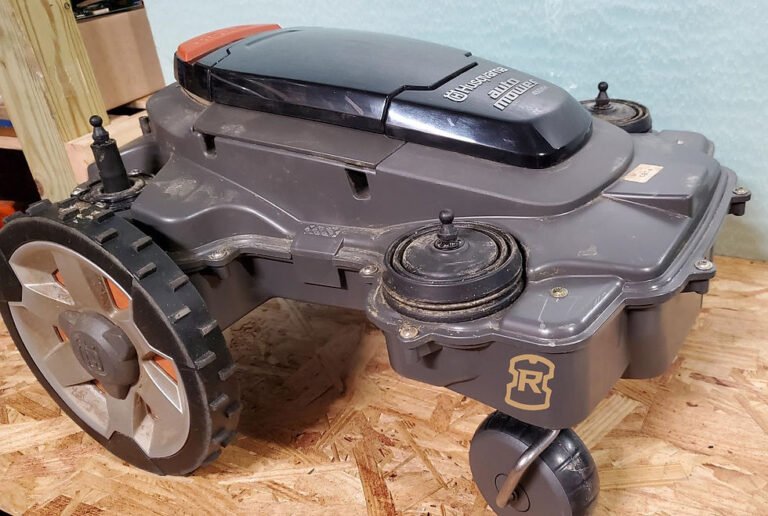
Robotic mowers may operate in light rain, depending on the model. That does not mean every underside part can stay wet. Follow the manufacturer’s storage instructions, clean the charging contacts, and bring the mower inside during severe weather if directed.
Seasonal deck care
Seasonal changes affect rust in different ways. Wet spring grass, hot summer storms, falling leaves, and winter condensation each create a different risk.
| Season | Main deck risk | Useful action |
|---|---|---|
| Spring | Wet grass and leftover winter moisture | Inspect rust, clean old residue, touch up chips |
| Summer | Storm water and frequent mowing | Dry the deck after wet cuts and check paint |
| Fall | Leaves, sap, and damp clippings | Clean often and remove leaf buildup |
| Winter | Condensation, salt, and poor storage | Store dry and protect bare steel |
A mower that sits for months needs a deeper inspection before storage. Check blades, belts, spark plugs, air filters, tires, battery condition, and fuel system as well as the deck.

Spring inspection
Look beneath the deck before the first full mowing session. Small rust spots may have formed during winter storage. Check the deck lip, discharge chute, spindle mounts, and blade bolt areas.
Remove old debris and wash only when safe for your model. Dry the mower completely before starting it. A sharp mower blade and correct mowing height also reduce the amount of wet grass that sticks under the deck.
Summer habits
Summer storms can leave a mower wet even when the grass seems dry. If you mow after rain, clean the underside sooner. Do not mow wet slopes because traction and braking can suffer.
Drought changes the type of debris you see. Dry dust and sand can scratch paint, while brittle grass may collect around the deck edge. Brush the mower clean before dust turns into a damp paste.
Fall cleanup
Leaves can hold moisture against steel. Sap and leaf residue may also become hard to remove after storage. Clean the deck more often during leaf season, especially if you use a grass catcher.
Do not let a full grass catcher drag on the ground or spill into the deck area. Empty it as needed. A clogged discharge chute can push wet material into places that are hard to reach.
Winter storage
Before long storage, clean and dry the deck. Repair bare steel and inspect the mower for cracks or thin metal. Follow the manual for fuel, oil, battery, and spark plug storage.
In cold climates, salt and deicing products can travel into garages on tires and boots. Keep the mower away from wet salt residue. Check local fuel storage rules before storing gasoline or fuel containers.
📜 Check Local Rules: Some cities restrict gasoline equipment, fuel storage, or operating hours. HOAs may also limit mower noise, storage sheds, and outdoor equipment. Confirm local rules before changing storage or mowing habits.
What to do when rust has already started
Early rust is often manageable. Deep rust needs a more careful decision because paint can hide weak steel.
| Rust condition | What it means | Recommended response |
|---|---|---|
| Orange surface dust | Early oxidation | Clean, sand lightly, treat, and paint |
| Bubbling paint | Rust is spreading beneath paint | Remove loose coating and inspect the steel |
| Deep pits | Steel has lost some thickness | Repair only if the deck remains sound |
| Rust holes | Structural strength is reduced | Seek professional advice or replace the deck |
| Cracked weld or seam | Possible deck failure | Stop mowing and arrange an inspection |
Do not keep mowing when the deck has a hole near the blade, a cracked spindle mount, or a loose section of steel. The deck helps contain moving parts and discharged material.

Surface rust
Surface rust appears as orange or brown discoloration. It may feel rough but does not yet create deep pits. Clean it early, remove loose rust, and protect the steel.
Use a small brush or sanding pad for narrow areas. Work outdoors or in a well-ventilated place. Wear eye protection because rust dust and paint chips can irritate your eyes.
Flaking paint and bubbling
Bubbling paint often means rust is growing underneath. Scrape away loose paint and inspect the metal around the bubble. If the surrounding steel is thin, a simple spray coat will not restore its strength.
Use a rust converter only after removing loose material. Paint cannot bond well to peeling edges. A smooth edge helps the new coating last longer.
Holes and weak metal
A small hole in a nonstructural area may be repairable, but deck repairs require skill. Welding thin mower steel can warp the deck or damage nearby parts. Patches can also change airflow and blade clearance.
Stop using the mower if rust affects a blade spindle mount, deck hanger, brake area, discharge shield, or structural seam. Ask a mower repair shop to inspect it. The safest repair may be a replacement deck.
Oils, sprays, and coatings: what helps and what hurts
A light corrosion inhibitor can help protect clean metal during storage. It should not be treated as a substitute for cleaning. If moisture and grass remain under the deck, a spray may trap the problem.
Avoid coating the blade, belt, pulley, clutch, brake, or traction parts. Slippery residue can affect operation. It can also attract dust and form an abrasive paste.
Paint is useful for bare steel. Rust converter can help with certain surface rust. Grease belongs only on points named in the owner’s manual.
| Product type | Useful purpose | Important limit |
|---|---|---|
| Rust-resistant enamel | Seals clean, repaired steel | Needs proper prep and cure time |
| Rust converter | Treats some surface rust | Does not replace missing metal |
| Corrosion-inhibiting spray | Adds short-term moisture protection | Must stay off moving parts |
| Silicone or wax coating | Helps protect clean painted areas | May make future paint repair harder |
| Penetrating oil | Frees stuck hardware | Not a full deck coating |
Read the label before using any product around gasoline, batteries, hot engines, or electrical parts. If you are unsure, ask the mower maker or a qualified repair shop.

Common mistakes that create more rust
Many deck problems come from well-meant cleaning. Avoid these habits:
- Storing the mower wet
- Wrapping a damp mower in plastic
- Using a pressure washer near bearings
- Leaving packed grass under the deck
- Painting over loose rust
- Spraying oil on belts or pulleys
- Ignoring small paint chips
- Parking on wet soil
- Using a steel scraper with too much force
- Forgetting to inspect after coastal or winter use
The biggest mistake is treating the deck as clean when it is only hidden under dry clippings. A dry layer can absorb moisture later and hold it against the steel.

Using a pressure washer
A pressure washer can remove grass fast, but speed has a cost. High pressure can strip paint, force water into bearings, and damage seals. It may also spread contaminated water onto walkways and soil.
If you use one, keep pressure low, stay away from bearings and electrical parts, and follow the manual. Hand cleaning is slower but often safer for routine care.
Applying too much oil
Oil may seem like a simple rust barrier. Too much oil attracts grit and grass. It can also create a slip risk around the blade system.
A thin, targeted coating on clean metal is different from soaking the deck. Use only a product suitable for the job, and wipe away excess.
Ignoring deck airflow
A full mulch plug or clogged discharge chute may keep wet grass under the deck. Clean the chute and check the mulching kit. Mowing at the right height also helps reduce excessive clumping.
Do not remove safety shields or discharge guards to improve airflow. Replace damaged parts with the correct part number.
Safety and environmental care
Deck maintenance has real hazards. Blades can remain sharp when the engine is off. A mower can roll, tip, or start if it is not secured.
Follow these rules every time:
- Wear safety glasses and closed-toe shoes.
- Use work gloves when handling blades or rusty metal.
- Keep children and pets away.
- Work on a flat, stable surface.
- Disconnect the spark plug or remove the battery.
- Never refuel a hot engine.
- Keep flames and sparks away from fuel.
- Use hearing protection when operating loud gas equipment.
- Support riding mower decks with rated stands.
- Follow the owner’s manual.
Do not pour dirty wash water, oil, gasoline, or rust chemicals into a storm drain. Collect used fluids as local rules require. Old gas and oil usually belong at a household hazardous-waste site.
🌿 Eco or Disposal Note: Recycle lithium-ion mower batteries at a designated battery drop-off. Take old gas and oil to a hazardous-waste location. Donate or recycle a usable mower instead of sending it to a landfill.
Storage for small spaces
Renters and gift buyers may have only a balcony shed, shared garage, or narrow storage area. Measure the mower before buying a cover or storage rack. Include handle height, deck width, and room to move the mower safely.
A folding handle can help with a small push mower, but confirm that the folded unit stays dry and stable. Do not store a gas mower in a living space, stairwell, or enclosed area not intended for fuel equipment.
Battery mowers can suit small yards and shared storage, but the battery should follow the maker’s temperature and charging rules. Corded mowers avoid fuel storage, yet the cord needs safe use and suitable outdoor power protection.
A maintenance schedule that works
A short schedule prevents small problems from becoming deck repairs.
| Frequency | Deck task | Other mower check |
|---|---|---|
| After each mow | Remove clippings and dry wet areas | Check for blade strikes |
| Monthly in season | Inspect paint, seams, and discharge areas | Check blade sharpness and belt wear |
| Every few months | Clean hard-to-reach areas | Inspect air filter, spark plug, and fasteners |
| Before winter storage | Wash if allowed, dry, and touch up bare steel | Follow fuel and battery storage steps |
| Before spring use | Look for rust, cracks, and thin metal | Check tires, oil, battery, and controls |
A mower blade wears before a deck does in many yards. Replace or sharpen it according to the manual. A dull blade can tear grass and may increase clumping under the deck.

Blade and deck checks
Inspect the blade for bends, cracks, heavy nicks, and thinning. Never try to straighten a bent blade. Use the correct replacement blade and confirm the part number.
Check the blade bolt and washer. Do not use a random washer or hardware-store bolt unless the manufacturer specifies it. Correct blade balance matters for the spindle and deck.
Belts, pulleys, and spindles
Look for grass wrapped around spindles and pulleys. Remove the battery or disconnect the spark plug first. Do not spray rust treatment on belts.
A squeal, vibration, or uneven cut may point to a worn blade, belt, spindle, or deck problem. Rust may be part of the issue, but do not assume it is the only cause.
Engine and electric components
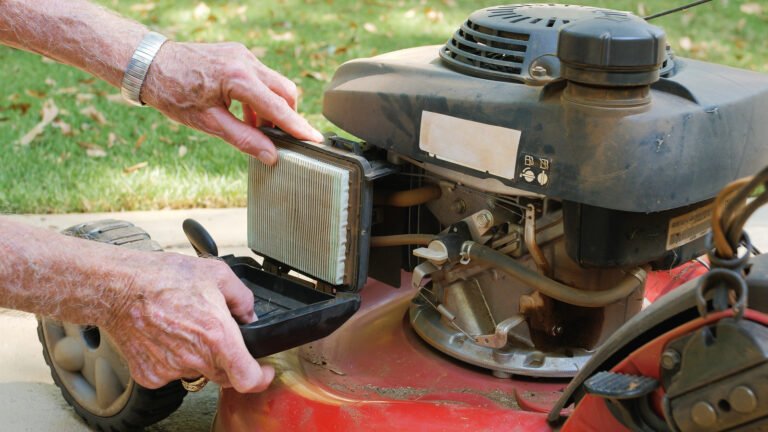
Gas mowers need clean oil, a suitable spark plug, and a clean air filter. An air filter is not part of deck rust prevention, but a poorly running engine can make mowing rough and increase vibration.
Battery mowers need clean contacts and correct charging habits. Keep battery terminals dry. Use only compatible batteries and chargers.
Who needs a professional repair?
A homeowner can handle cleaning, drying, light sanding, and small paint touch-ups. More serious damage deserves an experienced mower technician.
Call a repair shop when:
- The deck has a hole near a blade or spindle.
- A weld has cracked.
- The deck is badly warped.
- The blade rubs the deck.
- A spindle mount looks thin or loose.
- The mower vibrates after a blade strike.
- You cannot safely lift or tip the mower.
- You are unsure how to support a riding mower.
- Fuel, wiring, or battery damage is involved.
A professional can measure deck condition, check blade clearance, inspect spindle bearings, and identify the correct replacement parts. For an older budget mower, compare repair cost with the price of a suitable replacement.
Is preventing deck rust worth the effort?
For most owners, yes. Cleaning after mowing takes little time compared with replacing a deck. Rust prevention is especially worthwhile for riding mowers, zero-turn mowers, and commercial-style machines because their decks are larger and replacement parts can cost more.
It is also useful for a small push mower. A first-time homeowner may not need premium coatings or a custom storage system. A scraper, dry storage spot, and touch-up paint may provide enough care.
Experienced DIY users may prefer a more complete routine with seasonal coating, deck removal, and spindle inspection. Gift buyers should focus on simple care tools that match the recipient’s strength, yard size, and storage space.
🎁 Gift-Buyer Note: For a senior or new homeowner, a lightweight scraper, safety glasses, work gloves, a breathable cover, and a simple care checklist may be more useful than a complex pressure-washer kit. Choose items that reduce lifting and bending.
Frequently asked questions
Q: How often should I clean under my mower deck?
A: Remove loose grass after each mowing session. Give the underside a deeper cleaning when clippings become packed, after mowing wet grass, or before seasonal storage.
Q: Can I use WD-40 or another spray to prevent deck rust?
A: A suitable corrosion spray may help on clean, dry metal, but it is not a replacement for cleaning or paint. Keep all spray away from blades, belts, pulleys, brakes, clutches, and electrical parts.
Q: Should I wash my mower after every use?
A: Not always. Dry scraping is often enough after a normal mow. Wash when mud, fertilizer, or wet grass remains, and dry the mower fully afterward.
Q: Is it safe to pressure-wash a lawn mower deck?
A: Check the owner’s manual first. High-pressure water can damage paint, bearings, seals, belts, and electrical components. Low-pressure hand cleaning is often safer.
Q: Can I paint over rust on a mower deck?
A: Do not paint over loose, flaky, or oily rust. Remove loose rust, clean the area, use a compatible rust treatment if needed, and apply thin coats of suitable paint.
Q: What is the best mower deck material for rust resistance?
A: Aluminum and plastic resist ordinary red rust better than steel. Steel can still be a durable choice when the paint stays intact and the deck receives regular care. Each material has limits, including cracking, pitting, or impact damage.
Q: Does mulching cause more deck rust?
A: Mulching can leave more fine grass under the deck if the grass is wet or too tall. Keep the deck clear, mow at a suitable height, and avoid mowing wet turfgrass.
Q: Why does my mower deck rust even when I keep it in a garage?
A: Garages can hold humidity, condensation, fertilizer dust, and water from vehicles. Improve airflow, keep the mower off wet concrete, and inspect areas beneath the deck and around seams.
Q: Can I prevent rust with a mower deck coating?
A: A deck coating can help protect clean, prepared steel. It will not fix thin metal, holes, or trapped moisture. Confirm that the coating is suitable for mower decks and safe near heat and moving parts.
Q: How long can a mower deck last?
A: Service life varies with deck material, mowing frequency, impacts, climate, storage, and maintenance. A well-cared-for deck may last many seasons, while wet storage, salt, and repeated blade strikes can shorten its life.
Q: Should I replace a mower because of rust?
A: Replace or professionally repair it when rust causes holes, cracks, weak spindle mounts, deck warping, or unsafe blade clearance. Surface rust and small paint chips usually do not require a new mower.
Q: Is a battery mower easier to protect from rust than a gas mower?
A: The deck still needs the same cleaning and drying. A battery mower avoids fuel storage and spark plug care, but its battery bay and controls need protection from water.
Q: Can I store a mower outside under a tarp?
A: Indoor storage is better. If outdoor storage is the only option, use a weather-rated, breathable cover, keep the mower off wet ground, and allow airflow. Do not cover it while damp.
Final thoughts
The best way to prevent lawn mower deck rust is to treat moisture as the main enemy. Clear grass, dry the underside, repair paint chips early, and store the mower where air can move.
You do not need a costly setup. A safe scraper, clean towels, a suitable touch-up coating, and a dry storage spot can protect a small push mower. Larger riding and zero-turn mowers need the same habits, plus careful inspection of welds, spindles, belts, and deck supports.
Choose a routine that fits your yard, mower, climate, and storage space. When rust becomes deep, structural, or close to the blade system, stop mowing and ask a qualified repair shop to inspect it.
Affiliate disclosure: This article may contain affiliate links. If you buy through a link, we may earn a commission at no extra cost to you. Product features, compatibility, prices, and safety instructions can change, so confirm current details on the manufacturer’s product page and in the owner’s manual before buying or using any mower-care product.