


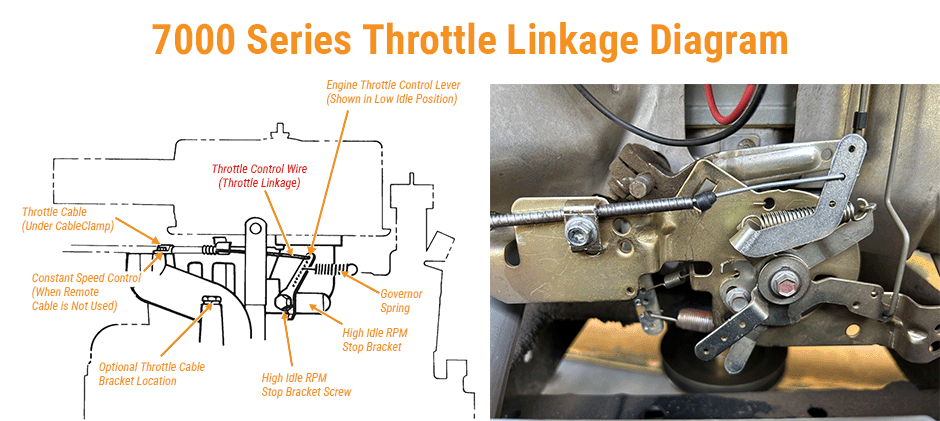
Lawn mower carburetor adjustment screws control the fuel and air mix that keeps an engine running smoothly.
Understanding lawn mower carburetor adjustment screws makes many engine problems easier to solve. With the right steps, you can improve starting, reduce surging, and protect the engine from a poor fuel mix without guessing or forcing delicate parts.
What Are Lawn Mower Carburetor Adjustment Screws?
Lawn mower carburetor adjustment screws are small controls that regulate fuel flow, air flow, or engine speed. They work inside or beside the carburetor, where fuel mixes with air before entering the engine.
Think of the carburetor as a kitchen mixer. It must blend the right amount of fuel and air for the engine to burn fuel well. If the mix is too rich, the engine gets too much fuel. If it is too lean, the engine gets too much air.
Most adjustment screws have one of these jobs:
• The idle mixture screw controls the fuel and air mix at low engine speed.
• The high-speed mixture screw controls the mix when the engine runs under load.
• The idle speed screw sets how far the throttle plate stays open at idle.
• The main adjustment screw controls fuel flow through the main jet on some older carburetors.
Many modern walk-behind mowers do not have adjustable mixture screws. Manufacturers often use fixed jets, limiter caps, or tamper-resistant screws to reduce emissions and prevent incorrect adjustments.

Types of Carburetor Adjustment Screws
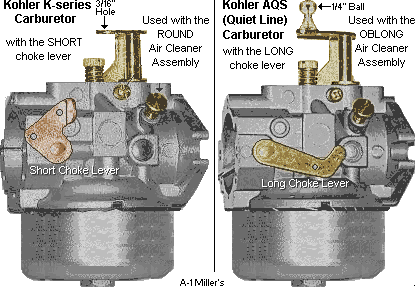
The screw names can vary by engine maker. Their location and function also depend on the carburetor design. Always check the engine manual before turning any screw.
Idle mixture screw
The idle mixture screw manages the fuel mix when the engine runs at low speed. It may be called a pilot screw, fuel screw, or idle needle.
Turning this screw changes the amount of fuel that enters the low-speed circuit. A small change can affect starting, idling, and how the engine responds when you move the throttle.
Air screw
An air screw controls air entering the low-speed circuit. It is often placed on the air filter side of the carburetor.
This distinction matters because turning an air screw in may reduce air, while turning a fuel screw in may reduce fuel. The same direction does not always produce the same result.
High-speed mixture screw
The high-speed mixture screw controls fuel delivery when the throttle opens. It matters most when the blade engages or the mower cuts thick grass.
A high-speed mixture that is too lean may cause overheating, surging, or a sharp hesitation. A mixture that is too rich may cause smoke, weak power, and a sooty spark plug.
Idle speed screw
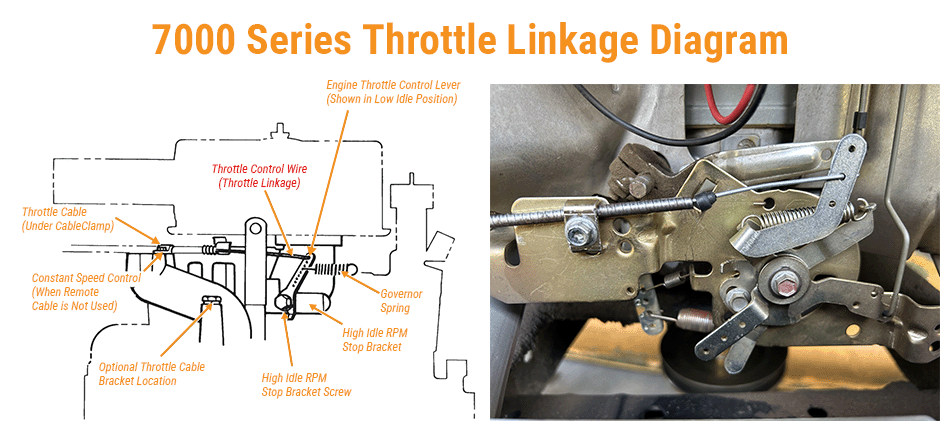
The idle speed screw is not usually a fuel mixture control. It sets throttle position by stopping the throttle plate from closing fully.
If the mower stalls at idle, this screw may help. However, increasing idle speed will not fix a dirty carburetor, blocked jet, or bad fuel.
Main jet adjustment screw
Some older carburetors use a main adjustment needle. It controls fuel flow through the main circuit.
Many newer lawn mower carburetors use a fixed main jet instead. Do not drill or enlarge a fixed jet. That can create an overly rich mixture and may damage engine performance.

Where Are Lawn Mower Carburetor Adjustment Screws Located?
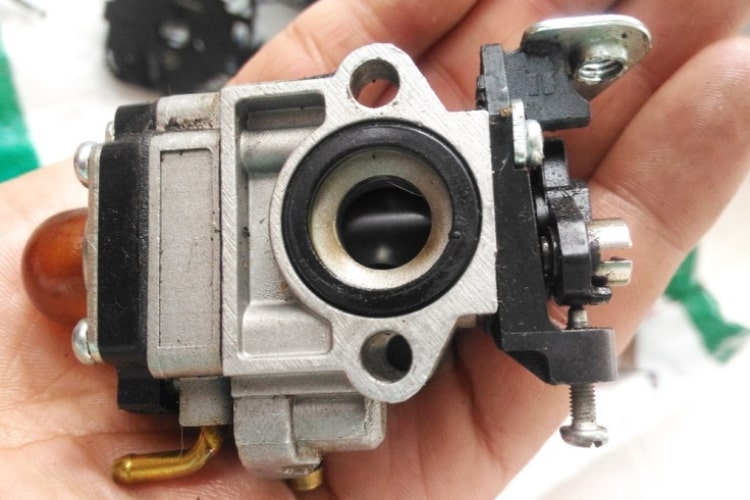
The screws are usually found on the side or bottom of the carburetor. The carburetor sits between the air filter housing and the engine intake.
Look for:
• A small spring around the screw
• A brass or steel needle near the carburetor bowl
• A screw with a limiter cap
• A screw connected to the throttle linkage
• A screw facing the air filter or engine side
A screw with a spring often indicates an adjustment point. Still, the spring alone does not prove that the screw controls the mixture.
Some screws are hidden under plastic caps. Others have unusual heads that require a special tool. These features are common on modern engines because careless changes can increase emissions or create unsafe operation.
Never remove a limiter cap unless the service instructions allow it. If a screw has been sealed with paint, that seal may show that the manufacturer does not want routine adjustment.

How Carburetor Adjustment Screws Affect Engine Performance
The engine needs a balanced fuel and air mixture. The ideal mix changes with engine temperature, load, altitude, and fuel quality.
A rich mixture has too much fuel and not enough air. Common signs include:
• Black smoke from the muffler
• A wet or black spark plug
• Poor fuel economy
• Weak acceleration
• A strong fuel smell
• Difficulty running after the engine warms up
A lean mixture has too much air and not enough fuel. Common signs include:
• Surging at steady speed
• Popping through the muffler
• Overheating
• Stalling when the blade engages
• A pale spark plug
• Hesitation when the throttle opens
A small amount of adjustment can help when the carburetor is clean and the engine is healthy. It cannot correct a blocked jet, cracked gasket, restricted fuel line, or failing ignition coil.
Why a Lawn Mower May Need Carburetor Adjustment
Carburetor adjustment is less common on newer mowers, but older engines may need it after years of use. Changes in operating conditions can also affect the fuel mix.
Common causes include:
• Long storage with fuel in the carburetor
• Stale gasoline or fuel containing water
• A dirty air filter
• A partially blocked fuel passage
• A damaged carburetor gasket
• Wear in the throttle shaft
• High-altitude operation
• A replacement carburetor with a different jet
• Previous adjustment by another person
Before touching lawn mower carburetor adjustment screws, inspect the simple items first. Replace old fuel, clean or replace the air filter, check the spark plug, and confirm that the throttle linkage moves freely.
One useful repair lesson is that adjustment is often blamed too soon. A mower that surges may need a clean main jet, not a new screw setting. Turning the screw repeatedly can hide the real problem and make later diagnosis harder.

How to Adjust Lawn Mower Carburetor Adjustment Screws
Adjust only a carburetor that is designed for adjustment. Work outside in a clear area, away from sparks, children, and open flames.
Tools and supplies
You may need:
• The engine owner’s manual
• A flat screwdriver or special adjustment tool
• Fresh gasoline
• A clean air filter
• A tachometer
• Safety glasses and gloves
• Carburetor cleaner
• A clean rag
A tachometer is helpful because engine speed should not be guessed by ear. Many small engines have a specified maximum speed. Running above that speed can damage the engine and create a blade safety risk.
Step 1: Prepare the mower
Park the mower on a level surface. Disconnect the spark plug wire before inspecting the carburetor.
Clean dirt from around the air filter and carburetor. Dirt can enter the engine when you remove parts or adjust the screw.
Step 2: Check basic engine condition
Install fresh fuel and inspect the fuel line. Check the air filter, spark plug, muffler, and throttle linkage.
If the engine has a mechanical problem, carburetor adjustment will not solve it. Fix those problems first.
Step 3: Find the correct screw
Use the engine manual to identify the idle mixture, main mixture, and idle speed screws. Do not assume that every screw near the carburetor is an adjustment screw.
If the screw has a limiter cap or a fixed stop, follow the manufacturer’s service instructions. Some adjustments require a special procedure or should be left to a qualified technician.
Step 4: Record the starting position
If the screw is already adjustable, turn it clockwise very gently until it lightly seats. Do not force it.
Count the turns and write down the number. For example, the screw may be one and a half turns out from lightly seated. Return it to that setting before making small changes.
This step prevents a common mistake: losing the original setting and then trying to find it by guesswork.
Step 5: Warm the engine
Reconnect the spark plug wire and start the mower according to the manual. Let the engine reach normal operating temperature.
A cold engine often needs a richer mix than a warm engine. Adjusting too early can give you a setting that works cold but runs poorly after several minutes.
Step 6: Make small changes
Turn the mixture screw no more than one-eighth to one-quarter turn at a time. Pause after each change and listen for a stable idle and clean throttle response.
The best setting is usually near the point where the engine runs smoothly at the correct speed. Do not chase a perfect sound while ignoring the manufacturer’s speed specification.
Step 7: Test the engine under load
Engage the mower blade only if the manual permits adjustment with the blade engaged and the area is safe. Watch for hesitation, surging, smoke, or stalling.
A mower that idles well may still have a main jet problem. The engine must respond smoothly when cutting grass, not only when sitting still.
Which Direction Should You Turn the Adjustment Screw?
The correct direction depends on whether the screw controls fuel or air. This is why lawn mower carburetor adjustment screws cannot all be adjusted by using one simple rule.
For a fuel screw:
• Turning the screw out often adds fuel.
• Turning the screw in often reduces fuel.
For an air screw:
• Turning the screw out often adds air.
• Turning the screw in often reduces air.
These patterns are common, but they are not universal. Carburetor design varies, and some engines use a screw that controls fuel through a passage rather than air around a passage.
Make one change at a time. If the engine gets worse, return to the previous position and try the opposite direction in a small amount.

A Simple Adjustment Example
Suppose a warm mower idles unevenly but improves when the choke is partly closed. That symptom often suggests a lean mixture or a restricted fuel passage.
First, confirm that the air filter is clean and that fresh fuel reaches the carburetor. Then locate the approved idle mixture screw and record its original setting.
If the screw is a fuel screw, turning it out by one-eighth turn may add fuel. If the idle becomes smoother, test the engine again. If it becomes worse, return to the original position.
This example does not prove that the screw needs adjustment. A partly closed choke can also hide a dirty idle jet, air leak, or weak fuel supply.
Common Mistakes to Avoid
Carburetor screws are small, but mistakes can have large effects. Avoid these common errors:
• Do not force a needle screw against its seat. The tip can bend and permanently damage the carburetor.
• Do not turn every nearby screw. Some screws hold parts in place or control linkage travel.
• Do not adjust a cold engine and assume the setting is correct when warm.
• Do not ignore the air filter. A blocked filter changes the fuel and air balance.
• Do not use old gasoline for testing. Bad fuel can imitate carburetor trouble.
• Do not remove emission limiter caps without proper instructions.
• Do not raise engine speed beyond the rated limit.
• Do not run the mower indoors. Carbon monoxide can build up quickly.
A mistake I often see in basic mower repair is repeated screw turning without notes. The person makes one change, forgets it, makes another change, and soon has no useful starting point. A pencil mark and a turn count can save a great deal of time.

When Adjustment Will Not Fix the Problem
Lawn mower carburetor adjustment screws cannot repair damaged or blocked parts. A replacement carburetor may also need the correct jet rather than a different screw setting.
Look for these clues:
• The engine will run only with the choke on.
• Fuel leaks from the carburetor bowl.
• The mower dies as soon as the blade engages.
• The engine surges even after the screw returns to its original setting.
• The adjustment has no effect at all.
• The screw tip is damaged.
• The carburetor gasket is cracked.
• The fuel tank contains rust or dirt.
A carburetor cleaning may be needed. In some cases, replacement is more practical than rebuilding, especially when a low-cost carburetor has a worn throttle shaft or damaged needle seat.
If the mower runs dangerously fast, backfires often, leaks fuel, or has a damaged fuel system, stop using it. A repair shop can test fuel delivery, engine speed, compression, and ignition safely.
Benefits and Limits of Carburetor Adjustment
Correct adjustment can provide several benefits:
• Easier starting
• Smoother idle
• Better throttle response
• More consistent cutting power
• Lower fuel waste
• Less smoke and plug fouling
However, adjustment has limits. It cannot overcome low compression, a weak ignition system, a restricted muffler, or major engine wear.
Modern engines may also have little or no adjustment range. A fixed-jet carburetor is usually designed to work with a specific air filter, fuel system, and governor setting. Changing one part may require replacing the carburetor with the correct model.
The safest approach is to treat adjustment as fine tuning, not as a cure-all. Start with inspection and cleaning, then adjust only when the design and symptoms support it.
How Altitude and Fuel Affect Carburetor Settings
Air becomes less dense at higher altitude. The engine then receives less oxygen during each intake cycle. A setting that works at sea level may run richer in the mountains.
Some engines have altitude adjustment instructions. Others use a fixed jet that should be replaced for a different altitude range. Follow the engine maker’s guidance instead of making a large screw adjustment.
Fuel also matters. Gasoline that has absorbed water, degraded during storage, or contains unsuitable additives can cause hard starting and poor running. Use fresh fuel that matches the engine manual, and store it in a clean, approved container.
Fuel stabilizer helps during storage, but it does not restore badly degraded gasoline. Drain the tank and carburetor when the manufacturer recommends it.
Maintenance That Reduces Adjustment Problems
Good maintenance keeps lawn mower carburetor adjustment screws from becoming the first thing you blame.
Follow these habits:
• Change or clean the air filter at the recommended interval.
• Use fresh fuel and avoid leaving untreated gasoline in the mower for long storage.
• Keep grass and dust away from the carburetor intake.
• Inspect the fuel line for cracks and soft spots.
• Replace the spark plug when it becomes worn or fouled.
• Run the engine at the correct governed speed.
• Store the mower in a dry place.
• Follow the service schedule in the owner’s manual.
A clean air filter and good fuel often restore normal operation without any adjustment. This simple maintenance-first approach is cheaper, safer, and more reliable than changing a screw at random.
Frequently Asked Questions About Lawn Mower Carburetor Adjustment Screws Explained
What do lawn mower carburetor adjustment screws do?
They control fuel flow, air flow, idle speed, or throttle position. Their exact function depends on the carburetor design and engine model.
How do I know if my mower carburetor needs adjustment?
Signs may include surging, hard starting, stalling, smoke, or hesitation after basic maintenance is complete. These symptoms can also come from dirty jets, bad fuel, air leaks, or ignition problems.
Should I turn the carburetor screw clockwise or counterclockwise?
There is no universal direction. A fuel screw and an air screw react differently, so identify the screw type and make changes in small steps.
Can I adjust a lawn mower carburetor without a tachometer?
You can make a basic mixture adjustment, but a tachometer is safer for checking engine speed. Never rely only on sound when the engine has a specified maximum RPM.
Why does my mower run only with the choke partly on?
That often points to a lean fuel mixture, a clogged main jet, restricted fuel flow, or an air leak. Cleaning and inspection should come before changing the adjustment screw.
Do all lawn mowers have adjustable carburetor screws?
No. Many newer lawn mowers use fixed jets, limiter caps, or sealed settings. The owner’s manual can confirm whether adjustment is allowed.
Can turning the screw too far damage the engine?
Yes. A very lean setting can increase heat and cause poor lubrication or engine damage. Forcing the screw into its seat can also damage the needle and carburetor body.
Conclusion
Lawn mower carburetor adjustment screws help fine-tune the fuel and air balance, idle speed, and engine response. Their job is important, but adjustment should come after checking fuel, the air filter, the spark plug, linkage, and carburetor passages.
Identify the correct screw, record the original position, warm the engine, and make only small changes. If the mower still surges, smokes, leaks fuel, or stalls, stop adjusting and inspect the underlying problem. Use your owner’s manual as the final guide, and share your mower model or repair experience in the comments for more practical troubleshooting help.
