How Often To Replace Lawn Mower Air Filter: Simple Guide
A lawn mower air filter keeps dust, grass bits, and dirt out of the engine. When the filter gets packed with debris, the engine must work harder to pull in air. The mower may then start poorly, lose power, use more fuel, smoke, or run unevenly.
So, how often should you replace a lawn mower air filter? Most filters need replacement once each mowing season or after about 25 to 100 hours of use. The right interval depends on the filter type, grass conditions, dust, engine design, and care. A mower used on a dry, sandy lot may need a new filter much sooner than one used on a small, damp lawn.
Quick answer: replace the air filter at least once per season
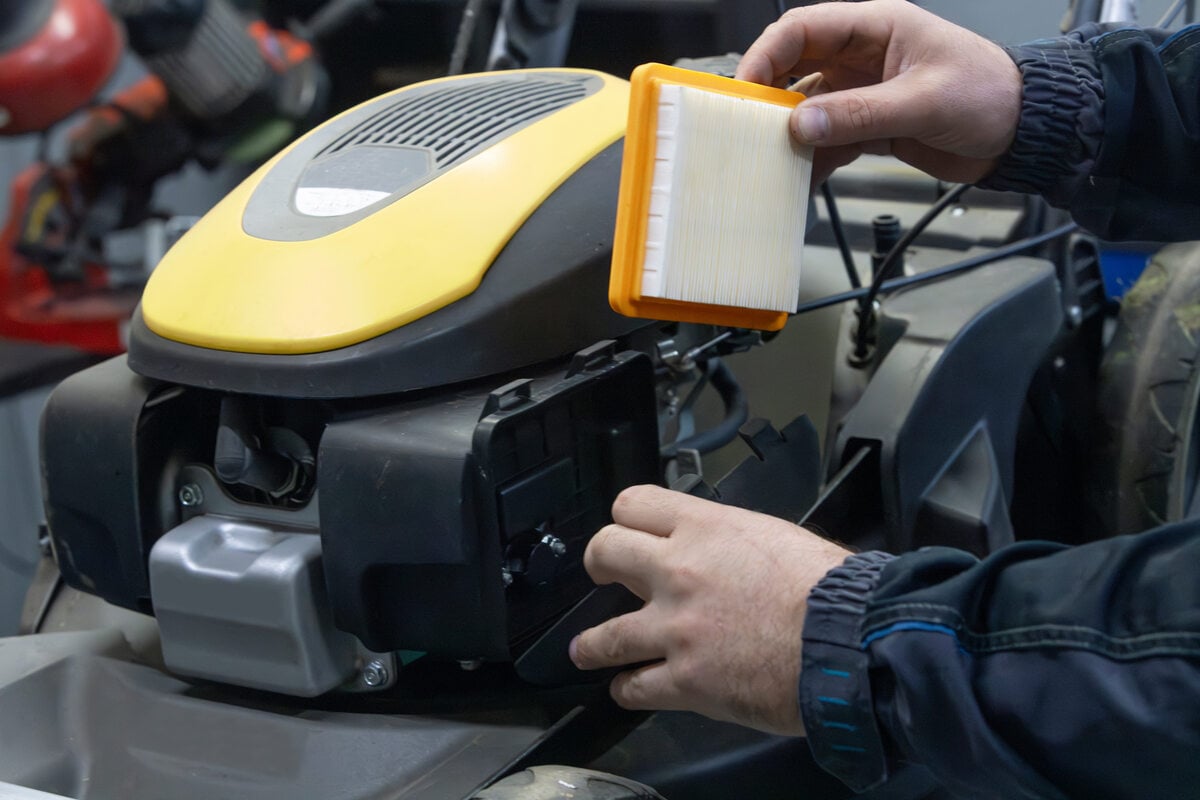
For most push mowers and self-propelled gas mowers, inspect the air filter every 25 hours of use and replace it every 50 hours or once per year. Replace it sooner if it is dirty, torn, wet, oily, or hard to clean. Foam filters may be washable, while paper filters usually need replacement rather than washing.
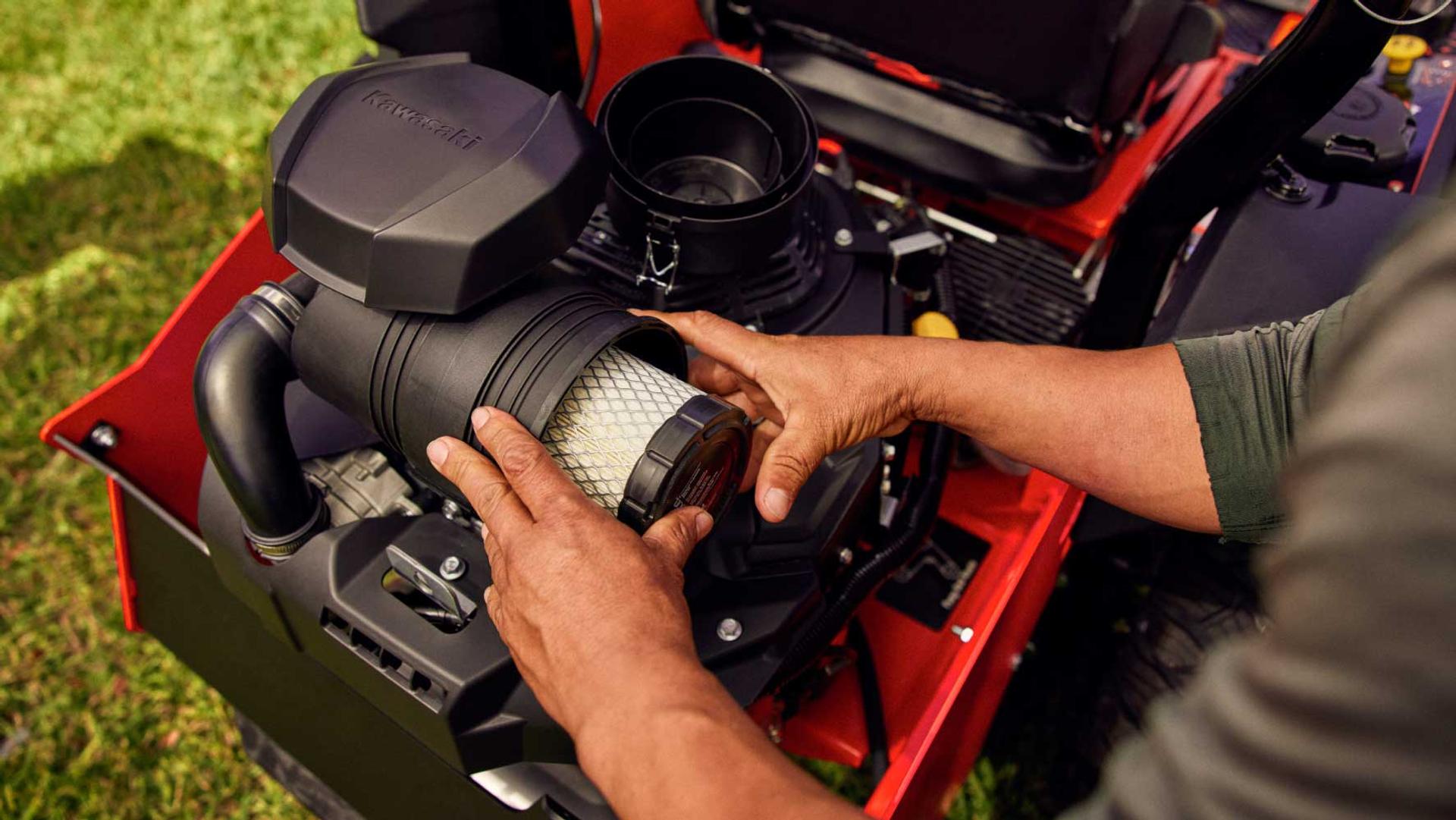
A small yard with light use may need only one new filter each year. A mower used several times each week, or one that cuts dry grass and dusty soil, may need two or more filters per season. Always check the owner’s manual because the correct part and service interval vary by engine.
Battery mowers usually do not have an engine air filter. Riding mowers, zero-turn mowers, and some larger gas machines may use one or more filters and may need service at different intervals.
A simple replacement guide
This table gives a useful starting point. It is not a substitute for the engine manual.
| Mower use | Inspect filter | Common replacement point |
|---|---|---|
| Small yard, light dust | Every 25 hours | Once per season |
| Average suburban lawn | Every 15–25 hours | Every 25–50 hours |
| Dry, dusty, or sandy yard | Every 10–15 hours | Every 15–25 hours |
| Commercial or very heavy use | Daily or every 8 hours | As needed by condition |
The main takeaway is simple: hours provide a guide, but filter condition matters more. A filter that looks blocked should not stay in service just because the calendar says it is still usable.
Why a lawn mower air filter matters
A mower engine needs the right mix of air and fuel to run well. The air filter cleans the air before it enters the carburetor or fuel-injection system. This protects small engine parts from abrasive grit.
Dust acts like fine sandpaper inside an engine. Over time, it can wear piston rings, cylinder walls, valves, and other parts. A clean filter helps reduce that risk and supports steady engine performance.
A lawn mower air filter also affects daily mowing. A clogged filter can lead to:
- Hard starting
- Rough idling
- Stalling
- Weak power in tall grass
- More fuel use
- Black exhaust smoke
- Poor response when the blade engages
- A strong fuel smell
- Uneven engine speed
These signs can have other causes. A dirty spark plug, stale gas, a blocked carburetor, a dull mower blade, or a damaged fuel line can create similar symptoms. Still, the air filter is one of the easiest parts to inspect first.
How the filter protects the engine
The filter traps particles before they reach the engine. The filter material must allow air to pass while stopping dirt. As it fills with debris, air flow drops.
The engine may then receive too much fuel for the available air. This rich mixture can cause black smoke, poor power, and carbon buildup. It can also make the mower harder to start after it sits.
A filter that is missing, cracked, or badly fitted creates a different problem. Dirt can bypass the filter and enter the engine. Never run a gas mower without its correct air filter and cover in place.
When should you replace a lawn mower air filter?
The best time to replace a mower air filter is when it is damaged, badly dirty, or no longer allows good air flow. Time alone is not enough. A filter that looks clean after a short season may still need inspection, while a dusty filter may need replacement after only a few mowing sessions.
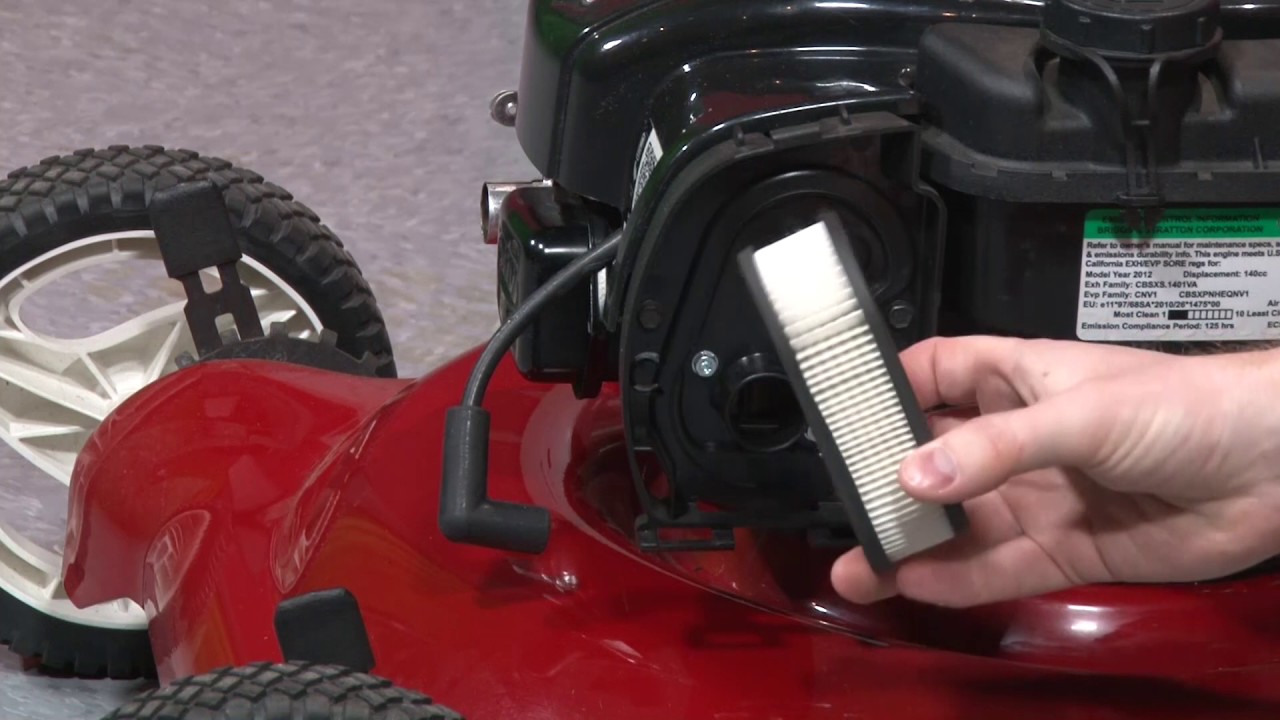
Use these checks along with the schedule in your manual:
- Inspect the filter before the first mowing session of the season.
- Check it every 15 to 25 hours of use.
- Inspect it after mowing dry, dusty, or sandy grass.
- Replace it after a heavy dust event or when debris covers much of the filter.
- Replace it if the paper is torn or the foam has started to crumble.
- Replace a fuel-soaked filter after finding and fixing the fuel problem.
- Install a new filter before storing the mower if the old one is dirty.
Signs it is time for a new filter
A paper filter usually needs replacement when it is dark, clogged, crushed, wet, or torn. Do not judge only by color. A filter can look fairly clean on the outside while dirt has filled the inner folds.
For a foam filter, look for hardening, cracks, tears, oil saturation, or crumbling foam. A washable foam filter may last more than one season if it remains sound and is cleaned correctly. However, foam is inexpensive compared with engine repairs, so replacement is wise when its condition is doubtful.
The light test
Hold a paper filter near a bright work light. You should see some light through the filter material. A little shade is normal. If large areas block the light, or if dirt has formed a thick mat, replace the filter.
Do not use this test as the only rule. A damaged filter must be replaced even if light passes through it. Never hold a filter near a flame, hot engine, or fuel source.
Filter types: paper, foam, and dual-element
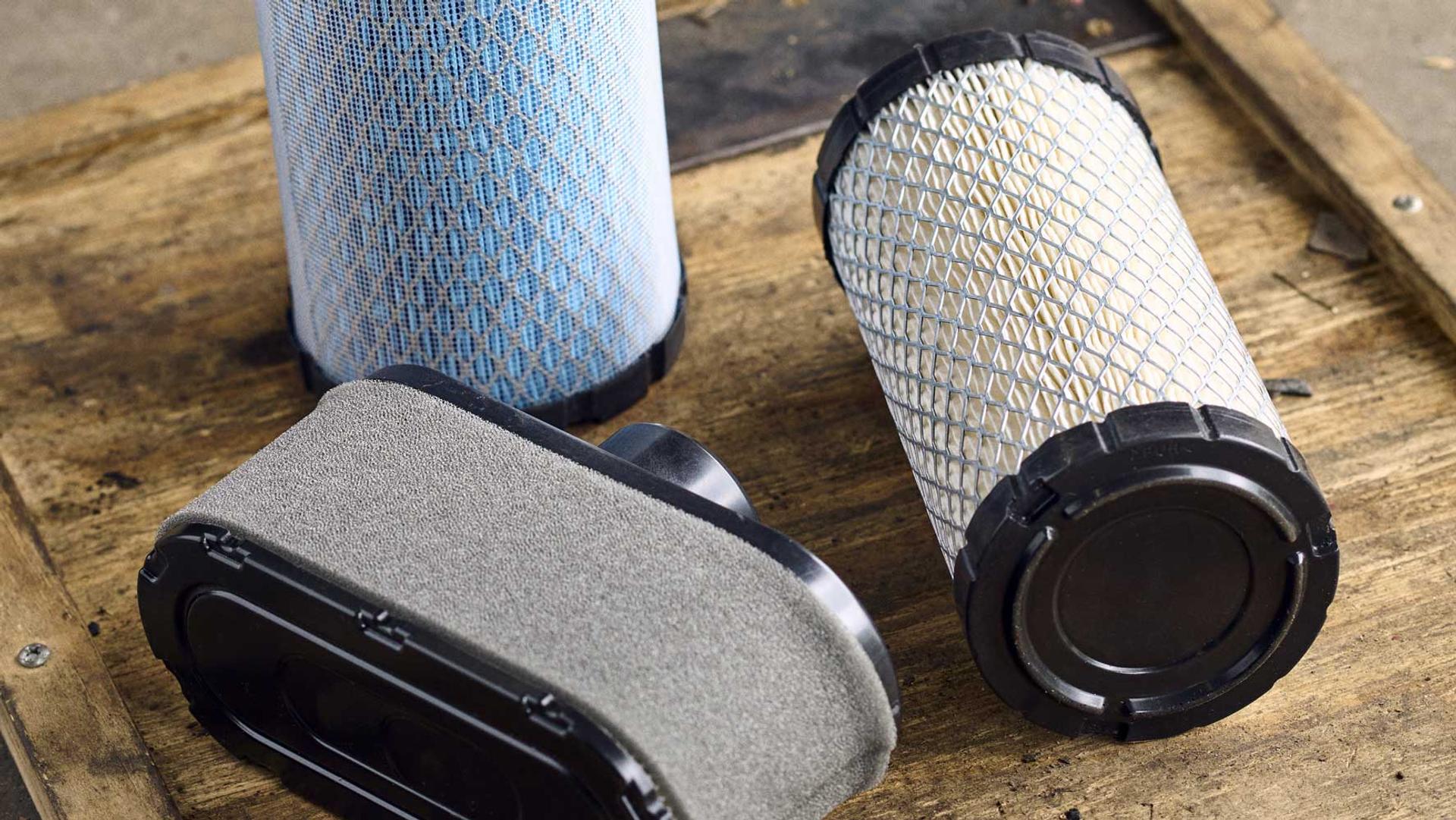
The filter type changes how you clean and replace it. Paper filters are common on walk-behind gas mowers. Foam filters are also common on small engines. Some riding mowers and zero-turn mowers use a foam pre-filter over a paper cartridge.

The chart below explains the main differences.
| Filter type | Usual care | Replace when |
|---|---|---|
| Paper cartridge | Tap gently or replace; do not soak | Dirty, wet, torn, crushed, or blocked |
| Oiled foam | Wash, dry, and re-oil if the manual allows | Torn, hard, cracked, or unable to hold oil |
| Dual-element | Clean foam pre-filter; replace paper element | Either part is damaged or blocked |
Paper filters are not normally washable. Water can damage the material and change its shape. Compressed air can also damage the filter if used at high pressure or from the wrong side.
Foam filters need the correct filter oil when the manual calls for it. Ordinary motor oil may not provide the right tack. Too much oil can restrict air flow and cause rich running.
Paper air filters
Paper filters have folded pleats that create a large filtering area in a small package. They are convenient and often inexpensive. Once they become heavily dirty, replacement is safer and faster than trying to restore them.
Tap a paper filter lightly against your hand to remove loose dust. Do not hit it against a hard surface. Do not brush the paper pleats with a stiff brush, because this can create holes.
Foam air filters
Foam filters can often be cleaned with warm water and mild dish soap. Rinse until the water runs clear. Then squeeze out water without twisting the foam and let it dry fully.
If the manual requires oil, add the correct filter oil after the foam dries. Work the oil through the foam, then squeeze out extra oil. A wet filter should never go back into the mower.
How often to replace filters on different mower types
The mower type affects both the filter design and the amount of air and dust the engine handles. A small push mower and a large zero-turn mower may have very different service needs.

| Mower type | Typical filter concern | Good starting point |
|---|---|---|
| Push gas mower | Dust and grass clippings | Inspect each season; replace yearly or as needed |
| Self-propelled gas mower | More engine load and use | Inspect every 15–25 hours |
| Riding mower | Larger filter and longer run time | Follow engine-hour schedule closely |
| Zero-turn mower | Heavy use and dusty work | Inspect often during dry mowing |
| Electric or battery mower | Usually no engine air filter | Check vents and cooling areas instead |
A push mower used on a small, flat yard may not need frequent filter changes. A self-propelled mower used on a hilly lawn works harder and may run longer, so more frequent inspections make sense.
Riding mowers and zero-turn mowers often cover larger lots. Their engines may collect more dust during long mowing sessions. They may also have a foam pre-cleaner that needs service before the main paper filter.
Battery and corded electric mowers do not use gasoline engines. They normally do not have a replaceable engine air filter. Keep grass and dust away from cooling vents, and follow the manual for cleaning.
How dust, grass, and climate change filter life
The same filter may last a full season in one yard and fail early in another. Yard conditions matter as much as the mower brand.

Dry weather creates loose dust. Sandy soil is especially hard on filters because fine particles stay in the air. Mowing beside a gravel driveway, dirt path, construction area, or road can also load a filter quickly.
Wet grass creates a different risk. It can stick to the deck, block discharge paths, and increase engine load. Wet clippings may also reach the filter housing if the cover is loose or the mower is stored while damp.
Climate and mowing habits influence service needs in these ways:
- Drought: Dry soil and brittle grass create more airborne dust.
- Rainy weather: Wet clippings can clog the deck and create moisture problems.
- Cold starts: Thick oil and stale fuel can make starting harder, even with a clean filter.
- High heat: A clogged filter can add to engine heat and power loss.
- Leaf season: Dry leaves can enter the filter housing during mowing or cleanup.
- Thatched lawns: Thatch is a layer of old stems near the soil. It can create extra dust when disturbed.
Do not mow wet grass on slopes. Wet turf can make the mower hard to control, and the machine may slide. Wait for safer conditions.
Yard size and terrain
A 1,000-square-foot lawn may take only a short time to mow. A two-acre property may require hours. A hilly yard can also place more load on a self-propelled mower than a flat yard of the same size.
If you are buying a mower for a senior, a new homeowner, or someone with limited strength, a battery mower may reduce fuel and filter maintenance. For a large or hilly property, compare deck size, drive system, battery capacity, and weight. An air filter is only one part of the ownership cost.
How to inspect and replace a lawn mower air filter
Replacing a filter is often a simple task. Most homeowners can do it with basic tools, but the exact steps vary by engine.

Tools and materials
| Item | Purpose |
|---|---|
| Correct replacement filter | Matches the engine and housing |
| Screwdriver or nut driver | Removes the filter cover if needed |
| Clean rag | Wipes dust from the housing |
| Mild soap and water | Cleans a reusable foam filter |
| Correct filter oil | Re-oils foam when required |
| Work gloves and safety glasses | Protect hands and eyes |
Check the engine model number, not only the mower brand. Two mowers from the same brand may use different engines and filters. Confirm the replacement part number in the owner’s manual or on the manufacturer’s product page.
Step-by-step replacement
- Park on a flat surface. Turn off the mower and let the engine cool fully.
- Disconnect the power source. Remove the battery on a battery mower. On a gas mower, disconnect the spark plug wire and keep it away from the plug.
- Close the fuel valve if fitted. If the mower has no valve, follow the manual before tipping or moving it.
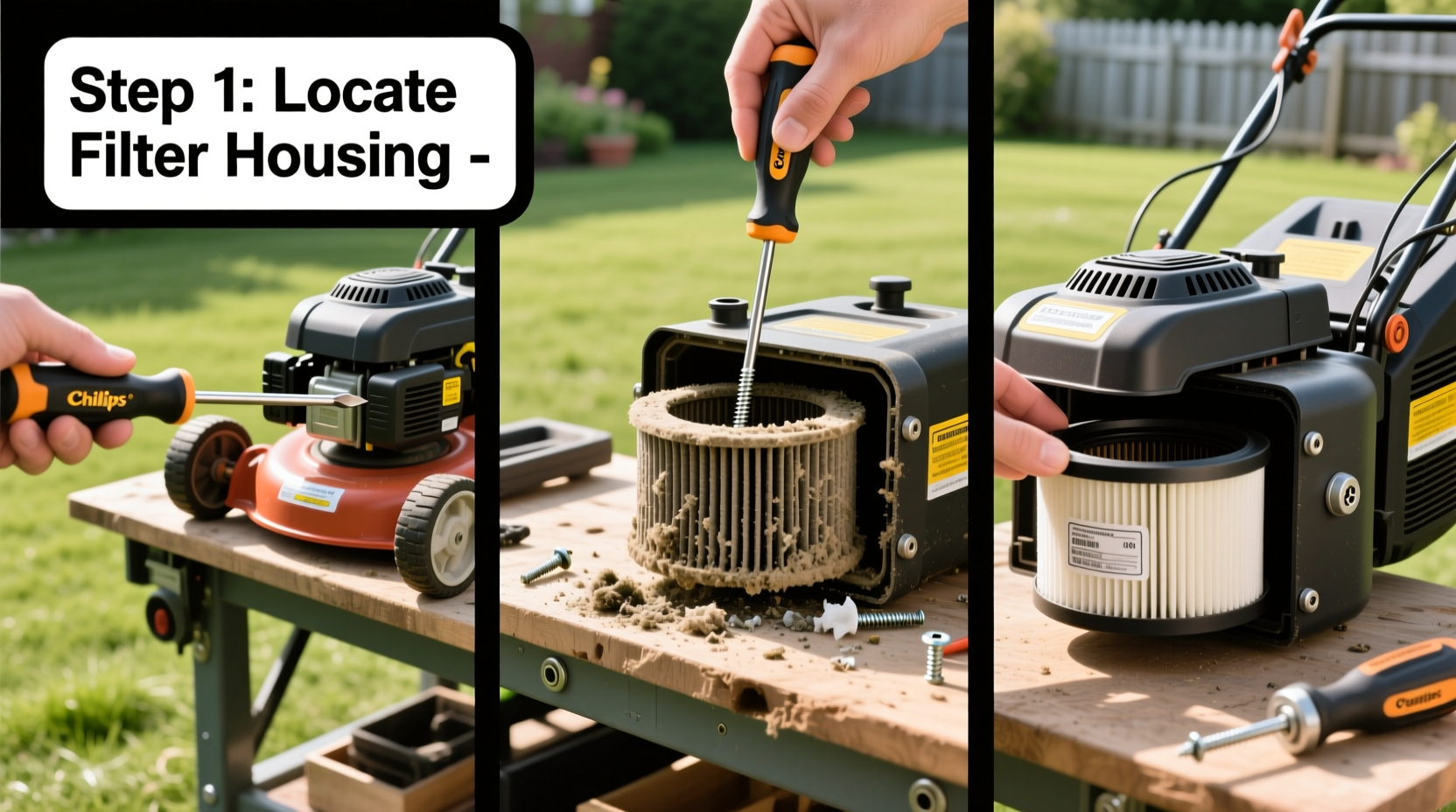
- Find the air filter housing. It is often a black plastic box near the carburetor.
- Remove the cover. Set screws or clips in a safe place.
- Note the filter direction. Take a quick photo if the shape is not clear.
- Remove the old filter. Do not let dirt fall into the intake opening.
- Wipe the housing. Use a clean, dry rag. Avoid pushing debris into the intake.
- Clean or replace the filter. Use only the method approved in the manual.
- Install the new filter. Make sure it sits flat and seals around the edge.
- Replace the cover. Tighten screws evenly, but do not strip plastic threads.
- Reconnect the spark plug wire or battery.
- Start the mower outdoors. Check for smooth running and unusual smoke.

Never use a filter that is the wrong size. Even a filter that seems close may leave a gap. That gap can let dirt into the engine.
Cleaning a reusable foam filter
Remove loose dirt outdoors or over a trash bin. Wash the foam in warm water with mild dish soap. Rinse it well, press out water gently, and let it dry completely.
Apply the filter oil only if the manual calls for it. Spread the oil through the foam. Then squeeze out extra oil. Do not reinstall a damp or dripping filter.
Common mistakes that shorten filter life
Most air filter problems come from small care errors. These mistakes can reduce engine life or create hard-start problems.
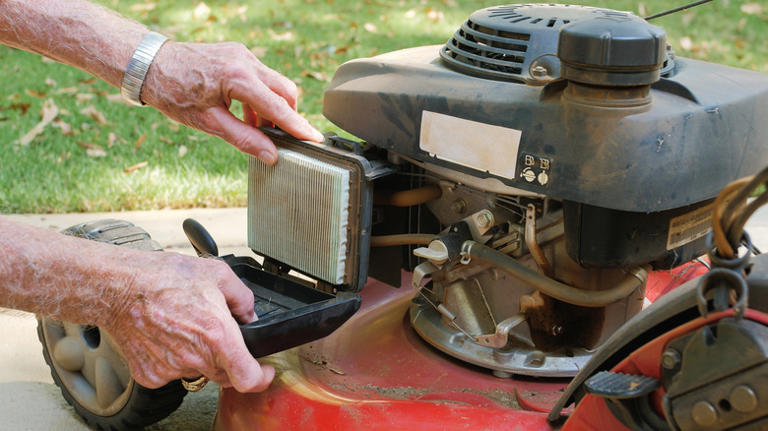
Washing a paper filter
Paper filters are designed for replacement. Washing them can ruin the pleats and weaken the material. Install a new filter instead.
Blowing dirt into the engine
Compressed air can push grit through the filter or into the intake. It can also tear paper. If you use air on an approved filter, follow the manual and use low pressure from the clean side outward.
Running without the cover
The cover helps seal the filter. A missing or loose cover can allow unfiltered air into the engine. Check that clips and screws are secure after service.
Using the wrong oil on foam
Foam filter oil is made to stay in the filter without flowing too freely. Motor oil may be too thin or too heavy. Use the product listed by the engine maker.
Over-oiling foam
Too much oil reduces air flow. It may also drip into the carburetor. Squeeze out excess oil before installation.
Ignoring a dirty pre-filter
A foam pre-filter protects the main filter. If it is blocked, the engine may struggle even when the paper cartridge looks clean. Service both elements when the manual calls for it.
Tipping the mower the wrong way
Fuel and oil can move into places they should not. Some mowers should be tipped only with the air filter and carburetor facing upward. Follow the manual or avoid tipping the machine.
⚠️ Safety Warning: Wear safety glasses, hearing protection, work gloves, and closed-toe shoes. Clear debris first, keep children and pets away, disconnect the spark plug wire or remove the battery before service, never refuel a hot engine, and follow the owner’s manual.
What else should you service with the air filter?
A clean air filter cannot fix every mower problem. Pair filter checks with basic seasonal maintenance.
| Part | Common check | Why it matters |
|---|---|---|
| Mower blade | Inspect and sharpen | A dull blade raises engine load |
| Spark plug | Inspect or replace as listed | Supports reliable starting |
| Fuel | Use fresh fuel and stabilizer when stored | Helps limit stale-fuel problems |
| Oil | Check level and change as listed | Protects moving engine parts |
| Deck | Remove packed grass | Supports safe discharge and air flow |
Mower blades wear faster than many owners expect. A dull or bent blade can make the engine sound strained. It can also tear grass instead of making a clean cut.
Spark plugs are separate from air filters, but both affect starting. Replace a fouled or worn spark plug according to the engine manual. Do not guess at the plug gap.
Fuel stabilizer can help when fuel will sit during storage. It does not restore old fuel. Follow the stabilizer label and local rules for fuel storage.
Storage in a shed or garage
Store the mower in a dry, well-ventilated space. Keep it away from open flames, water heaters, pilot lights, and heat sources. Do not cover a hot mower.
Before seasonal storage, inspect the filter. A clean filter reduces the chance that old debris will sit in the housing for months. Store spare paper filters in a dry place away from oil and gasoline.
For battery mowers, remove the battery if the manual says to do so. Store lithium-ion batteries in a cool, dry place. Do not leave a damaged, swollen, or overheated battery in service.
🌿 Eco or Disposal Note: Recycle lithium-ion batteries at a designated drop-off. Take old gasoline and oil to a household hazardous-waste site. Usable mowers can often be donated, repaired, or recycled through local programs.
Filter costs and value
A replacement filter is usually a small part of mower ownership. The exact cost changes by engine type, brand, material, and seller. Confirm the current listing before buying.

| Budget level | What you may find | Best fit |
|---|---|---|
| Low | Basic paper or foam filter | Light-duty home mowing |
| Mid-range | Branded filter or dual-element set | Frequent residential use |
| Higher | Multiple filters or engine service kit | Riding and zero-turn maintenance |
A low-cost filter is not automatically a poor choice. It must fit correctly and meet the engine maker’s requirements. A premium filter may be worth considering for dusty yards or frequent mowing, but compatibility matters more than packaging.
Buying a small maintenance kit can save a trip to the store. Check that it includes the correct air filter, spark plug, oil, and any needed pre-filter. Do not buy a kit based only on mower color or deck size.
Is an expensive filter worth it?
Sometimes. A higher-priced filter may offer a sturdy seal, better construction, or a useful pre-filter. Yet the most expensive option is not always needed for a small, flat yard with light use.
For a large property, dry climate, or commercial-style workload, spending more on correct filters and regular service can be sensible. For a first-time homeowner, the best value is often a filter that matches the manual and is replaced on time.
A practical mower maintenance schedule
A written schedule helps prevent small issues from becoming repair bills. Use hours when your mower has an hour meter. Otherwise, estimate based on mowing time.

| Service task | Light home use | Heavy or dusty use |
|---|---|---|
| Inspect air filter | Monthly in season | Every few mowing sessions |
| Check blade | Monthly | Before each major mowing job |
| Check oil | Before use | Before every use |
| Clean deck | As needed | After each mowing session |
| Change oil | Per manual | Per manual or more often |
| Check spark plug | Each season | More often if starting is poor |
The owner’s manual always takes priority. Some engines list service by hours, while others use calendar intervals. Warranty requirements may also require approved parts or service steps.
Keep a simple note on your phone. Record the date, filter change, oil change, blade sharpening, and fuel treatment. This helps new homeowners and gift recipients know what has been done.
A seasonal plan
At the start of spring, inspect the filter, spark plug, blade, oil, and fuel. During summer, check the filter more often if grass is dry or the mower runs for long periods.
In fall, leaves can enter the filter housing. Inspect it after leaf work. Before winter storage, clean the mower, service the filter, and follow the manual for fuel and battery storage.
When a new filter does not solve the problem
A new filter should help only when the old filter caused the symptom. If the mower still runs poorly, look at other possible causes.

| Symptom | Other possible cause |
|---|---|
| Engine will not start | Stale fuel, bad spark plug, blocked carburetor |
| Engine surges | Fuel flow issue, governor problem, air leak |
| Black smoke continues | Over-oiled foam, carburetor issue, too much fuel |
| Mower lacks cutting power | Dull blade, tall wet grass, engine problem |
| Engine stops under load | Dirty carburetor, ignition fault, blocked fuel flow |
Do not keep replacing filters to chase a carburetor or ignition problem. If the mower smells strongly of fuel, leaks, backfires, or overheats, stop using it and seek qualified service.
A repair shop can test compression, ignition, fuel flow, and governor operation. This makes sense for a riding mower, zero-turn mower, or newer machine that costs more to replace.
🔧 Quick Fix: If a new filter causes immediate rough running, confirm that the cover is sealed, the filter is facing the right way, and a foam filter is not over-oiled. Also check that no rag or packaging remains in the housing.
Choosing the right mower for filter maintenance
Air filter service is one factor in mower choice. Think about the whole yard, not only the replacement part.

A battery push mower may suit a small, flat yard with limited storage. It has no gas filter, spark plug, or fuel tank. Its limits may include battery charge time, runtime, and the cost of a replacement battery.
A self-propelled battery mower can help on slopes or for users who want less pushing. Check the battery voltage, amp-hours, charger, deck width, and replacement battery price. Amp-hours, or Ah, describe battery capacity. They do not guarantee runtime because grass height, slope, speed, and blade load change energy use.
A gas mower may suit larger lawns, long sessions, or users who prefer quick refueling. It needs air filter service, oil changes, spark plug care, fuel storage, and more noise control.
A riding mower or zero-turn mower may suit a large property with open space. These machines need more storage room and may require more expensive parts. Measure gates, shed doors, slope, and turning space before buying.
Reel mowers can suit very small, flat yards with short grass. They are quiet and simple, but they may struggle with tall grass, rough ground, sticks, and thick turfgrass.
Robotic mowers can reduce regular mowing labor, but they need setup, boundary planning, charging space, and ongoing blade checks. Local rules and HOA policies may affect where and when you use any mower.
🎁 Gift-Buyer Note: For a senior or new homeowner, include the manual, a correct spare filter, safety glasses, hearing protection, and a simple maintenance card. Choose a mower that fits the yard, gate, storage area, slope, and user’s strength.
Local rules and neighbor concerns
Gas mower use may be limited by local noise rules, HOA policies, or city restrictions. Some communities also limit gas-powered outdoor equipment during certain hours or seasons.
Check your city, county, and HOA before buying a gas mower, riding mower, leaf blower, string trimmer, or edger. Electric and battery equipment may be quieter, but they still create noise and may have use-hour rules.
Fuel storage rules vary. Store gasoline only in approved containers and in the location required by local code. Never store fuel in a living area, near a furnace, or beside an ignition source.
Noise can also affect neighbors. Avoid early morning and late evening mowing. Hearing protection helps the operator, but it does not remove the need to respect local hours.
Frequently asked questions
Q: How often should I replace my lawn mower air filter?
A: Inspect it every 15 to 25 hours and replace it about once per season or every 25 to 100 hours, depending on the manual and yard conditions. Replace it sooner if it is dirty, damaged, wet, or blocked.
Q: Can I wash a paper lawn mower air filter?
A: Usually no. Paper filters should be replaced when dirty. Water and strong air pressure can damage the paper and reduce its ability to stop dirt.
Q: Can I clean a foam mower air filter?
A: Often yes. Wash it with mild soap and water, let it dry fully, and apply the correct filter oil if the manual requires it. Replace foam that is torn, cracked, hard, or crumbling.
Q: How do I know if my mower air filter is bad?
A: Look for heavy dirt, blocked pleats, tears, moisture, oil saturation, or a poor seal. Hard starting, rough running, black smoke, and weak power can also point to a clogged filter.
Q: Will a dirty air filter stop a mower from starting?
A: It can. A blocked filter may limit air flow and create an overly rich fuel mixture. However, stale fuel, a dirty carburetor, or a worn spark plug may cause the same symptom.
Q: Should I replace the air filter every year if it looks clean?
A: Follow the manual. Some filters can last longer under light use, while others should be changed on a calendar schedule. A yearly inspection is wise even when replacement is not required.
Q: Do electric lawn mowers have air filters?
A: Battery and corded electric mowers usually do not have gasoline-engine air filters. They may have cooling vents that need cleaning. Follow the manual and keep grass away from those vents.
Q: Can I use any air filter that fits inside the housing?
A: No. Use the correct part number or an approved equivalent. Confirm the engine model, filter shape, seal, and dimensions before purchase.
Q: Is a foam filter better than a paper filter?
A: Neither is best for every mower. Foam filters can be washable and reusable. Paper filters can offer convenient replacement and strong filtration. The engine maker’s design should guide your choice.
Q: How often should I replace a riding mower air filter?
A: Inspect it according to engine hours and the manual. Riding and zero-turn mowers often run longer and in dustier conditions, so their filters may need more frequent checks than a small push mower.
Q: Can I run my mower without an air filter for a short time?
A: No. Running without the filter can let abrasive dirt enter the engine. It may also create a safety and warranty problem. Install the correct filter and cover before starting.
Q: Why does my mower smoke after I change the filter?
A: A foam filter may contain too much oil, or oil may have entered the intake during service. The mower could also have a separate fuel or engine issue. Stop the engine and check the manual.
Q: Does a new air filter improve fuel use?
A: A clean, correctly fitted filter can help the engine receive the air it needs. Fuel use also depends on blade sharpness, grass height, terrain, fuel condition, and engine health.
Q: Should I replace the spark plug when I replace the air filter?
A: Not always. Inspect both during seasonal service, but replace the spark plug only at the interval or condition listed in the manual.
Q: Can I store a dirty filter over winter?
A: It is better to clean or replace it before storage. Dirt left in the housing can harden, and a clogged filter may make the first start of the next season harder.
Final thoughts
For most gas lawn mowers, inspect the air filter every 15 to 25 hours and plan on replacement once a season. Move that schedule forward when you mow dry grass, sandy soil, dusty areas, leaves, or large lots.
The filter type matters. Replace paper filters when they are dirty or damaged. Clean and re-oil foam filters only as the manual directs. Always match the filter to the engine model, and treat hard starting or weak power as a possible sign of other maintenance needs.
A clean filter is a small part with an important job. Regular checks can support reliable mowing, protect the engine from grit, and help you avoid an easy-to-prevent repair.
Affiliate disclosure: This article may contain affiliate links. If you buy through one of these links, we may earn a commission at no extra cost to you. Product details, compatibility, availability, and pricing can change, so confirm current information with the manufacturer or seller before purchasing.


One Comment