


Clean, dry, scrape, and protect the mower deck after every use to stop rust before it starts.
Learning how to prevent lawn mower deck rust can save money, improve cutting quality, and extend the life of your mower. Moist grass, soil, fertilizer, and chipped paint create the perfect path for corrosion, but a simple care routine can block that damage. This guide explains the best cleaning methods, protective coatings, storage habits, repair steps, and seasonal checks for both push mowers and riding mowers.

Why Lawn Mower Decks Rust
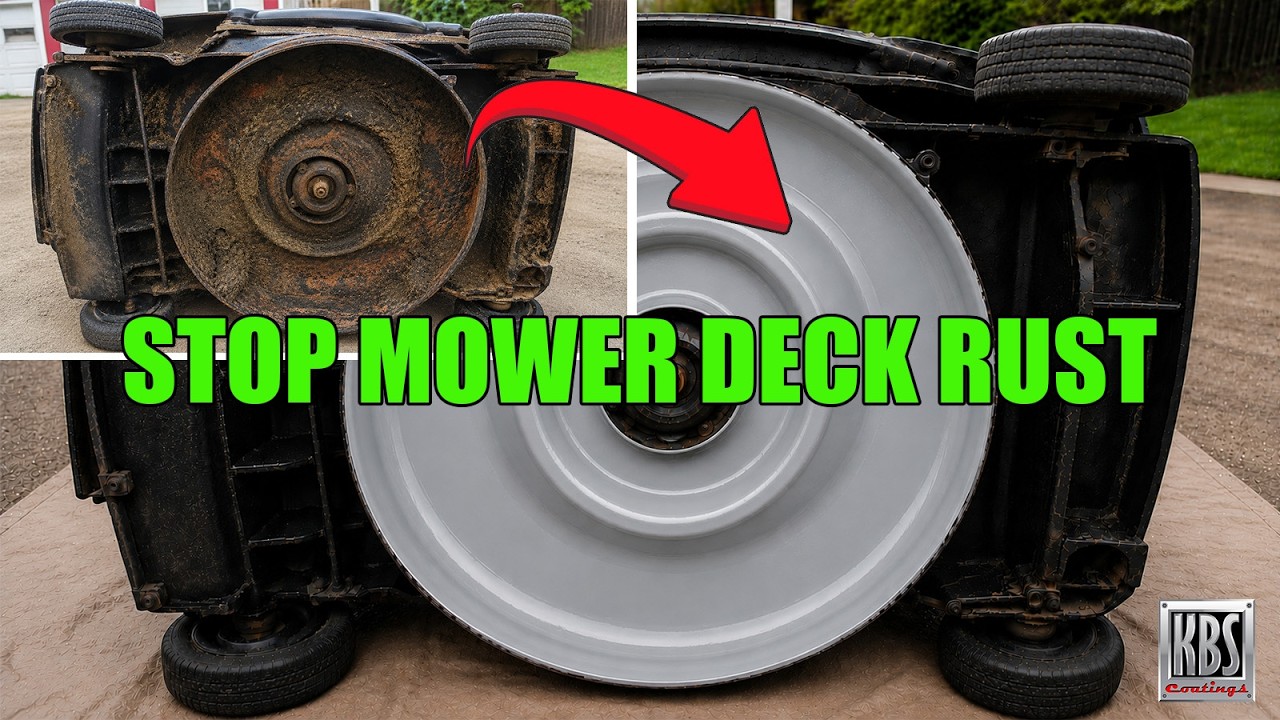
Most mower decks are made from steel. Steel rusts when iron meets water and oxygen for long enough. Wet grass makes this process worse because it holds moisture against the underside of the deck.
Grass clippings also contain plant acids and salts. Soil may hold water, while lawn fertilizer can speed up metal corrosion. A small paint chip can become a starting point for rust, much like a tiny crack in a windshield.
Common causes of lawn mower deck rust include:
• Leaving wet grass under the deck
• Washing the deck without drying it
• Scraping the deck with sharp tools that remove paint
• Storing the mower on damp ground
• Ignoring small chips and scratches
• Using a deck with blocked drainage holes
• Mowing wet lawns on a regular basis
Rust often starts on the underside because that area receives little air and almost no sunlight. It can also form around the blade spindle, deck edges, discharge chute, and welded joints.
How to Prevent Lawn Mower Deck Rust After Each Use
The best way to prevent lawn mower deck rust is to make deck care part of your mowing routine. A few minutes after each use can prevent hours of scraping and repainting later.
Follow these steps after mowing:
-
Turn off the engine and remove the ignition key.
-
Disconnect the spark plug wire on a gas mower. This helps prevent an accidental start.
-
Wait until the blade stops and the engine cools.
-
Brush away loose grass and soil from the deck.
-
Tip a push mower only as the owner’s manual allows. Keep the air filter and carburetor side facing upward.
-
Use a plastic scraper or stiff nylon brush to remove stuck clippings.
-
Wipe the deck with a damp cloth if needed.
-
Dry the metal with a clean towel.
-
Let the mower sit in a dry, open place until hidden moisture evaporates.
-
Apply a light protective coating to clean metal.
Never put your hands near the blade, even when the engine is off. Wear gloves and eye protection when removing packed debris.
A plastic scraper works better than a screwdriver or metal pry bar. Sharp tools can gouge the paint and leave a fresh place for water to enter.

Clean the Deck Without Trapping Moisture
Cleaning helps prevent lawn mower deck rust, but poor cleaning can create the same problem it was meant to solve. The main goal is to remove debris without leaving water behind.
Many mowers include a deck wash port. If yours has one, connect a garden hose and follow the instructions in the owner’s manual. Run the blade only for the time stated by the manufacturer. Then stop the mower, disconnect the hose, and dry the deck.
Do not assume a wash port cleans every area. Grass can remain near the deck edge, belt cover, spindle housing, and discharge opening. Inspect these spots by hand only after the mower is fully off and safe.
For a deeper clean:
• Park the mower on a level surface.
• Disconnect the spark plug wire or battery.
• Remove the deck only if the manual permits it and you can reinstall it correctly.
• Scrape heavy buildup with a plastic tool.
• Use mild soap and water on painted surfaces.
• Rinse lightly instead of flooding the deck.
• Dry all seams, bolt heads, and corners.
Compressed air can help remove water from tight areas. Keep the air pressure moderate, and wear eye protection because grass and grit may shoot out quickly.
Avoid storing the mower immediately after washing it. A deck that feels dry on top may still hold water underneath.
Apply a Protective Coating
A protective coating creates a barrier between steel, air, and moisture. It is one of the most useful parts of learning how to prevent lawn mower deck rust.
Suitable options include:
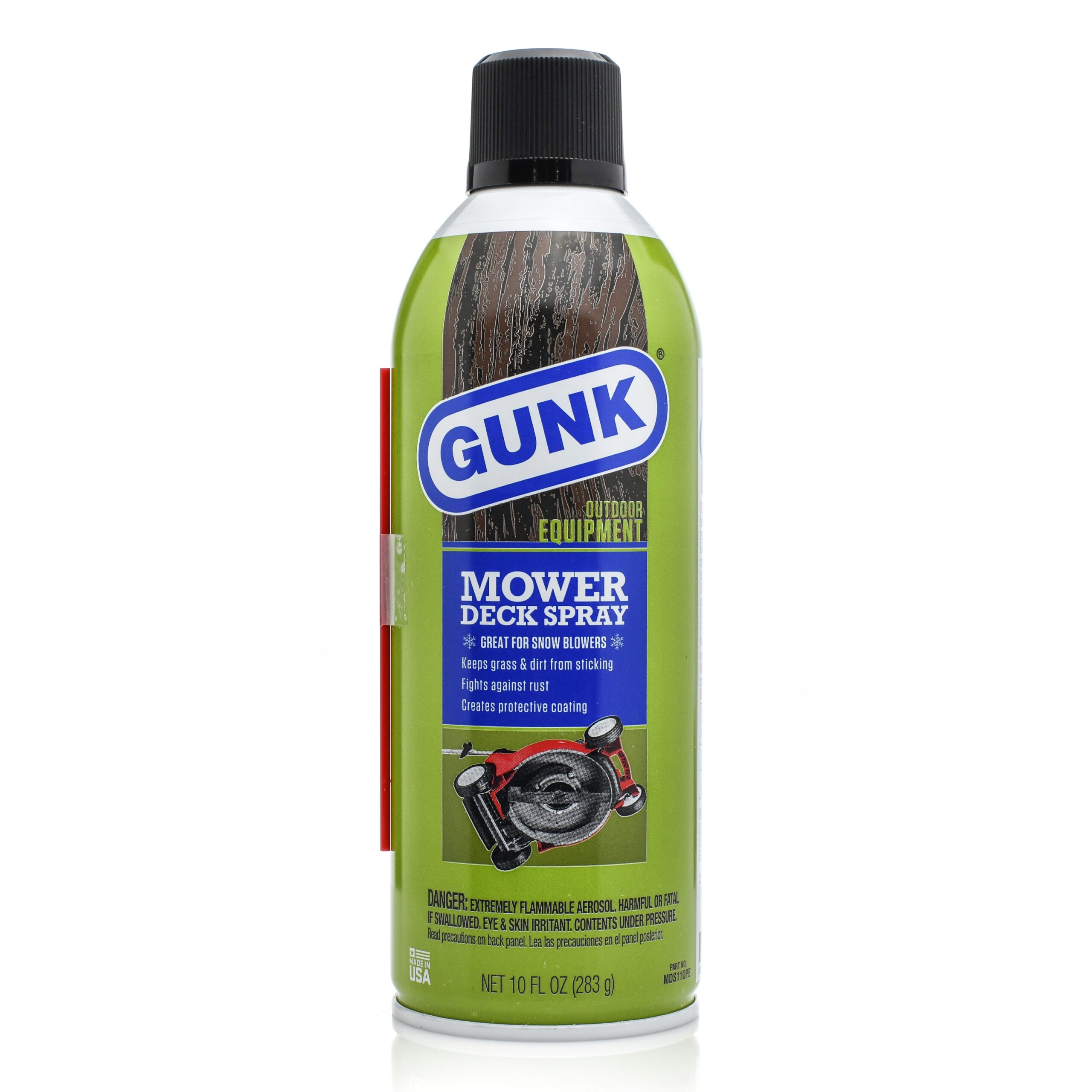
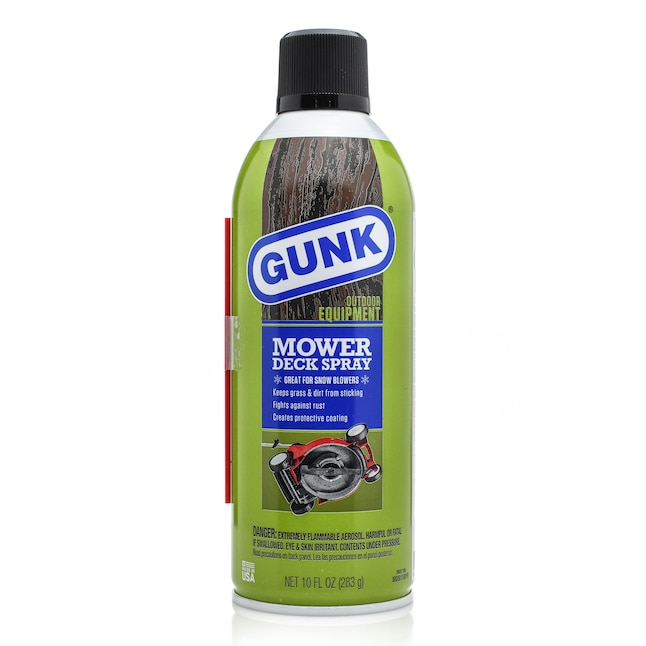
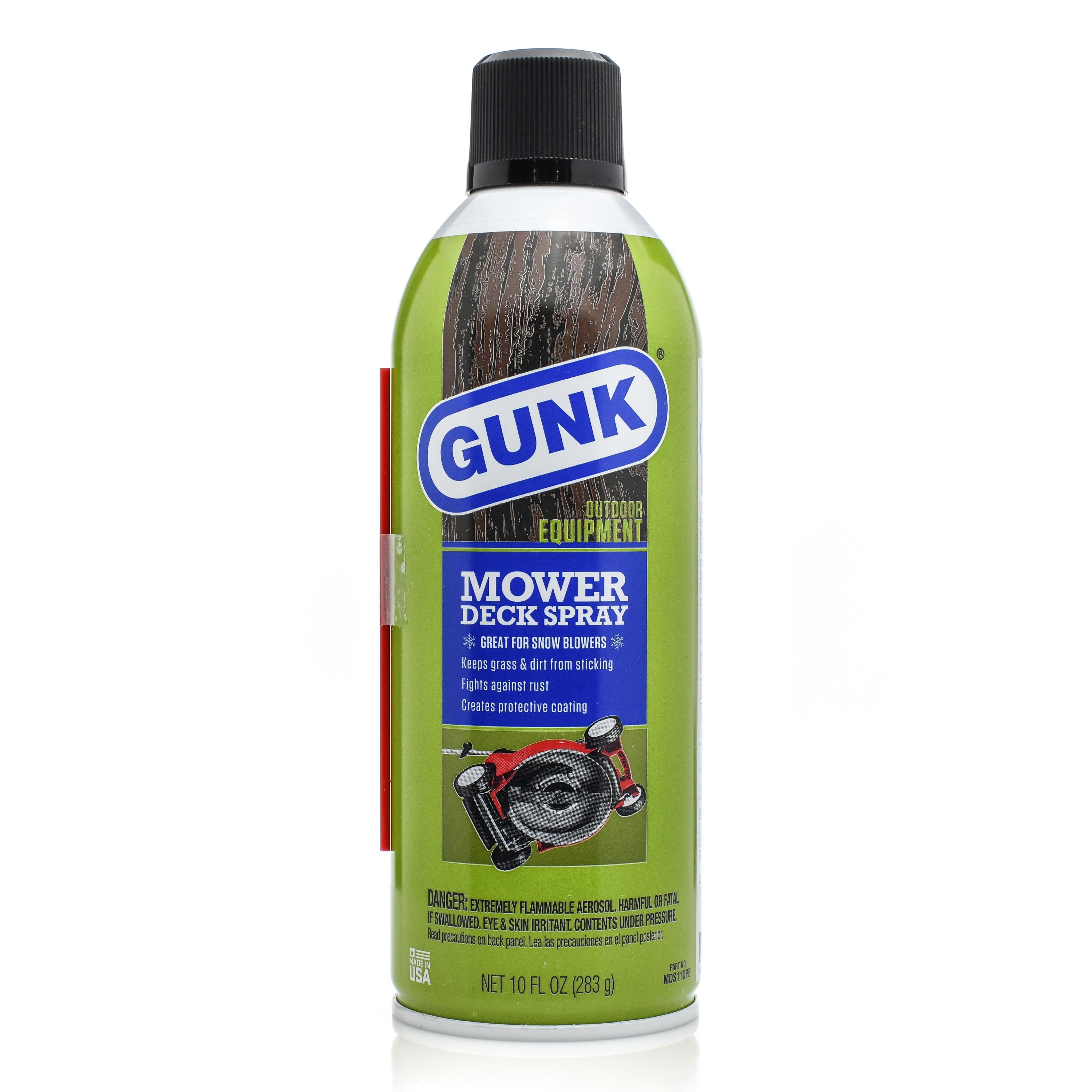
• Mower deck spray designed for grass release
• Light machine oil
• Silicone based protectant
• Corrosion inhibitor spray
• Paste wax made for painted metal
Read the product label before use. Keep oil, wax, and spray away from belts, pulleys, brakes, tires, and electrical parts. Never coat the blade unless the product instructions clearly allow it.
A grass release spray may help reduce buildup. Less buildup means less moisture stays against the deck. However, these sprays do not replace cleaning, drying, or paint repair.
For a working mower deck, apply a thin coat rather than a heavy layer. Thick coatings collect dust and grass. They can also drip onto parts that need friction, such as belts and pulleys.
Spray the product onto a cloth when possible. Then wipe the deck surface. This method gives you better control and reduces overspray.

Repair Rust Before It Spreads
Small rust spots are easier to repair than large damaged areas. If you see orange stains, bubbling paint, or flaking metal, act soon.
Use this basic repair process:
-
Clean the area with a degreaser or mild soap.
-
Let the metal dry fully.
-
Remove loose paint and flaky rust with a wire brush or abrasive pad.
-
Sand the edge until it feels smooth.
-
Wipe away dust with a clean cloth.
-
Apply a rust converter if the product label suits the metal and repair.
-
Add a metal primer made for outdoor use.
-
Finish with matching mower deck paint.
-
Allow each coat to dry for the full label time.
Rust converter can change remaining surface rust into a darker, more stable coating. It does not rebuild missing steel. Deep pits, holes, or cracked welds may need professional repair or deck replacement.
Do not paint over loose rust. The new coating may look good for a short time, but moisture can continue spreading underneath it.
A simple touch up can prevent lawn mower deck rust from turning into a structural problem. Pay special attention to the front lip and discharge side, where grass and soil often strike the metal.

Improve Deck Drainage and Airflow
Water needs a place to leave the deck. If grass blocks drainage openings, moisture may remain trapped after mowing or washing.
Check the underside for:
• Packed grass near drain holes
• Mud around the deck edge
• Blocked discharge areas
• Dirt around spindle housings
• Water trapped beneath deck covers
Clear debris with a plastic scraper or nylon brush. Do not enlarge holes or drill new ones unless the manufacturer specifically approves it. The deck’s shape and openings can affect strength and airflow.
Good airflow also helps dry the deck. Store the mower where air can move around it. Avoid pushing a damp mower tightly against a wall or covering it while wet.
A breathable mower cover can protect against rain and dust. A plastic sheet wrapped tightly around a damp mower can trap condensation and make rust worse.

Store the Mower Correctly
Proper storage is a major part of how to prevent lawn mower deck rust, especially during winter or long periods without mowing.
Before storage:
• Clean and dry the deck.
• Repair chipped paint and surface rust.
• Apply a light protective coating.
• Store the mower indoors if possible.
• Place it on a dry floor, not bare soil or wet grass.
• Use a breathable cover.
• Keep sprinklers and roof leaks away from the mower.
For a gas mower, follow the engine manufacturer’s storage directions. Depending on the model, this may include stabilizing the fuel, draining the fuel system, changing the oil, and removing the battery. These steps protect the engine, but they also give you a good chance to inspect the deck.
For an electric mower, remove the battery before cleaning or storage. Store the battery in the temperature range listed in the manual. Keep both the mower and battery away from rain and heavy humidity.
Once a month, inspect the deck during storage. Look for moisture, paint bubbles, and new orange marks. Early inspection is easier than a spring repair project.
Choose Better Mowing Conditions
Mowing habits affect deck moisture more than many owners realize. Wet grass sticks to the deck and forms a damp layer that can remain for hours.
When practical, mow after morning dew has dried. Avoid mowing soon after heavy rain. If the lawn must be cut while slightly damp, clean the deck right away and dry it carefully.
Correct mowing height also helps. Cutting too low can push more soil and moisture into the deck. Follow the grass type and mower manufacturer recommendations.
Keep the blade sharp and balanced. A dull blade may tear grass and create more clippings. An unbalanced blade can cause vibration, which may loosen paint, damage welds, or stress deck components.
Do not use the mower to cut thick brush, stones, or hidden debris. Striking hard objects can chip paint and expose bare steel. Remove sticks and objects from the lawn before mowing whenever possible.
These habits do more than prevent lawn mower deck rust. They can also improve cutting results, reduce vibration, and protect the spindle and blade.

Common Mistakes That Cause Deck Rust
Many rust problems come from small habits rather than one major failure.
Avoid these common mistakes:
• Leaving clippings under the deck overnight
• Storing a mower with wet grass on the wheels and deck
• Using a metal screwdriver to scrape paint
• Spraying oil on belts or pulleys
• Painting over loose rust
• Covering a wet mower with plastic
• Ignoring a blocked drain hole
• Washing the deck and skipping the drying step
• Parking the mower on damp soil
• Assuming stainless or coated parts cannot corrode
One mistake deserves special attention: tipping a mower the wrong way. Gas can enter the air filter or muffler, and oil can move into areas where it does not belong. Always check the owner’s manual before lifting or tilting a mower.
Another lesson repair workers often learn is that cosmetic rust can hide deeper damage. Tap suspicious areas lightly with a plastic handle. If the metal sounds weak, flexes, or shows a hole, stop using the mower until it is inspected.
A Simple Maintenance Schedule
A regular schedule makes it easier to prevent lawn mower deck rust without thinking about it every day.
After every mowing session
• Remove grass and soil.
• Dry the deck.
• Check for fresh chips and scrapes.
• Store the mower in a dry place.
Every month during mowing season
• Inspect the deck underside.
• Clean around the spindle and discharge chute.
• Check drain openings.
• Inspect belts, pulleys, and blade hardware.
• Touch up exposed metal.
Before winter storage
• Complete a deep cleaning.
• Repair rust and damaged paint.
• Apply a protective coating.
• Follow the engine or battery storage directions.
• Cover the mower with a breathable cover.
Before spring mowing
• Inspect for new rust.
• Check the deck for cracks and holes.
• Confirm that the blade is sharp and balanced.
• Test the discharge chute and safety controls.
This schedule takes little time. It also helps you find problems before they affect cutting performance or become expensive.
When to Replace or Professionally Repair the Deck
Surface rust does not always mean you need a new deck. Cleaning, sanding, primer, and paint can solve many small problems.
Professional repair may be wiser when:
• Rust has created holes.
• The deck flexes under light pressure.
• A weld has cracked.
• The blade or spindle no longer sits straight.
• The deck has severe pitting.
• A safety shield or discharge guard is damaged.
• Repair would cost close to a replacement deck.
A weak deck can affect blade clearance and safety. Do not patch a structural area with thin sheet metal unless the repair is designed and installed correctly.
Deck replacement costs vary by mower type, brand, and availability. Compare the price of the part and labor with the age and condition of the mower. A good cleaning and repair routine may extend the life of a sound deck, but it cannot restore metal that has already disappeared.
Frequently Asked Questions
Does WD 40 prevent lawn mower deck rust?
A water displacing spray can give short term protection on clean metal, but it is not a complete rust prevention plan. Clean, dry, repair, and store the deck properly, then use a product made for longer lasting corrosion protection when needed.
Should I oil the underside of my mower deck?
You can apply a light coat of suitable oil to clean bare metal, but keep it away from belts, pulleys, brakes, and electrical parts. Too much oil attracts grass and dust, so use a thin film rather than a heavy spray.
Can I wash my lawn mower deck with a hose?
Yes, if the mower and its manual allow it, but avoid flooding the engine, electrical parts, bearings, and battery. Dry the deck completely after washing because trapped water can increase rust.
How often should I clean the mower deck?
Clean loose grass after every mowing session and perform a deeper cleaning when buildup appears. Mowers used in wet conditions may need more frequent cleaning to prevent lawn mower deck rust.
Is it safe to paint over rust on a mower deck?
Paint should not go over loose rust or flaking paint. Remove the unstable material first, then use a compatible rust treatment, primer, and outdoor metal paint.
Does a mower deck cover stop rust?
A breathable cover can protect against rain and dust, but it cannot remove moisture already trapped on the mower. Never cover a wet mower tightly because condensation may speed up corrosion.
Can rust damage a mower’s cutting performance?
Yes, severe rust can weaken the deck, change airflow, damage mounting points, and create unsafe cracks or holes. Small surface rust usually does not change cutting performance when treated early.
Conclusion
The easiest way to prevent lawn mower deck rust is to clean the underside, dry it fully, protect exposed metal, and store the mower in a dry, ventilated place. Fix paint chips early, avoid mowing wet grass when possible, and inspect the deck often for bubbling paint, pitting, or weak spots.
A few minutes of care after each mowing session can protect your investment for many seasons. Start with your next mow, follow the simple maintenance schedule, and share your own deck care tips in the comments.
