


Lawn mower deck rusting from underneath usually comes from trapped moisture, wet grass, poor cleaning, and damaged protective paint.
When you notice lawn mower deck rusting from underneath, the problem is often older than it looks. Rust may begin as a thin orange stain, then spread beneath clumps of grass and weaken the steel deck from the inside out. This guide explains how to find the cause, judge the damage, repair the deck safely, and prevent rust from returning.
Why Is My Lawn Mower Deck Rusting From Underneath?
The underside of a mower deck faces harsh conditions every time you cut grass. It collects wet clippings, soil, sand, plant juice, and fertilizer residue. These materials hold water against the steel and slowly break down the paint and metal.
Lawn mower deck rusting from underneath is most common when the deck is washed but not dried well. Water can remain in seams, around spindle housings, near the discharge chute, and along the deck lip. In time, these damp areas become small rust centers.
The main causes include:
• Wet grass sticking to the deck after mowing
• Washing the mower and storing it before it dries
• Scraping away paint while removing hard clippings
• Parking the mower on damp soil or grass
• Storing the mower in a humid shed
• Using strong chemicals that damage the paint finish
• Scratching the deck with stones or hidden objects
• Failing to touch up exposed steel
Steel needs both water and oxygen to rust. Salt, fertilizer, and plant acids can speed up this reaction. Even a small scratch can become a serious problem if moisture reaches the bare metal.

Signs of Lawn Mower Deck Rusting From Underneath
Early rust is easier to fix than deep corrosion. Check the underside of the deck at least a few times each mowing season. Use a flashlight if the deck is still mounted on the mower.
Look for these warning signs:
• Orange or reddish-brown spots
• Blistered or bubbling paint
• Flaking paint around the deck edge
• Rough patches that feel like sandpaper
• Small pits in the steel
• Thin areas that flex when pressed
• Pinholes or small holes
• Rust flakes falling onto the ground
• Grass sticking to one rough area
Lawn mower deck rusting from underneath often starts near the front edge and discharge opening. These areas receive more grass, water, and impact from stones. Rust also develops around bolt heads because fasteners can damage paint and trap moisture.
A soft spot is more serious than surface discoloration. Press it gently with a screwdriver or pick, but do not stab hard into the deck. If the tool breaks through, the steel may need welding or deck replacement.
How to Inspect the Deck Safely
Safety comes first. A mower blade can move even when the engine is off if the machine is handled poorly. Before inspection, park the mower on a flat surface and let the engine cool.
For a gas mower:
-
Remove the spark plug wire and keep it away from the plug.
-
Disconnect the fuel source if the mower manual advises it.
-
Tip the mower only in the direction stated by the manufacturer.
-
Keep the air filter and carburetor side facing upward when required.
-
Wear work gloves and safety glasses.
For an electric mower:
-
Remove the battery.
-
Unplug the charger.
-
Keep the battery away from water and metal tools.
For a riding mower, remove the key, set the parking brake, and disconnect the battery if the manual recommends it. Use a mower lift or approved jack stands when you need to work beneath the machine. Never trust a hydraulic jack alone.
When checking lawn mower deck rusting from underneath, inspect the full deck rather than only the visible spot. Look around blade openings, spindle mounts, welds, baffles, the discharge chute, and the deck rim.
How to Tell if Rust Is Surface-Level or Structural
Surface rust usually appears as a thin stain or light roughness. The steel remains firm, and the paint around it is mostly intact. This type of corrosion can often be cleaned and sealed at home.
Deep rust has different signs. The metal may show pits, cracks, holes, or swollen layers. A deck with deep rust can lose its shape, allow grass to escape, or expose moving parts.
Use this simple guide:
• Light surface rust: Orange color with firm steel underneath
• Moderate rust: Rough pits, peeling paint, and thin edges
• Severe rust: Holes, cracks, soft spots, or loose welds
• Unsafe damage: A damaged blade area, spindle mount, or deck section that moves
Lawn mower deck rusting from underneath becomes a safety concern when corrosion affects the blade housing. The deck helps contain debris and supports key components. If the deck is weak near a spindle or blade opening, stop using the mower until it has been inspected.
A replacement deck may be wiser than a repair when rust covers a large area. Compare the cost of welding, painting, parts, and labor with the value of the mower. A sound used deck can sometimes cost less than a major repair.

How to Repair Lawn Mower Deck Rusting From Underneath
A small rust spot can often be repaired with basic tools. Work in a dry, well-ventilated area. Avoid creating dust near fuel, batteries, or open flames.
You may need:
• A wire brush or drill brush
• A plastic scraper
• Sandpaper
• Rust converter made for steel
• Rust-resistant metal primer
• Outdoor enamel or mower deck paint
• Clean rags
• Degreaser
• Safety glasses, gloves, and a dust mask
Follow these steps.
1. Clean the underside
Remove grass and dirt with a plastic scraper. Do not use a sharp tool that cuts deep grooves into the steel. Wash away grease and plant residue, then allow the deck to dry fully.
2. Remove loose rust and paint
Brush the affected area until you reach firm metal and firmly attached paint. You do not always need to remove every dark stain, but loose flakes must go. Feather the edges of the old paint with sandpaper.
3. Check the metal again
Look for pinholes and thin spots. Tap the area lightly with a small metal object. A dull, weak sound may suggest thin steel, although this test is not perfect. If you see a hole near a spindle or weld, seek professional advice.
4. Apply rust converter when suitable
Some products change remaining surface rust into a stable coating. Use the product only as directed. Rust converter will not rebuild missing metal or repair a cracked deck.
5. Prime the bare steel
Apply a primer designed for outdoor steel. Cover the cleaned area and a small amount of surrounding paint. Let it cure for the time listed on the label.
6. Add protective paint
Apply two or more thin coats rather than one thick coat. Keep paint away from blade mounting surfaces, spindle bearings, belts, and adjustment parts. Allow the paint to cure before mowing.
7. Recheck the repair
After the first few mowing sessions, inspect the area. If the rust returns under the new paint, moisture or grass may still be trapped in a seam. The surface may also need more cleaning.
Lawn mower deck rusting from underneath cannot be fixed well by painting over loose rust. That approach hides the damage for a short time but often lets corrosion continue beneath the coating.

When a Rusted Deck Needs Welding or Replacement
A professional repair may be needed when the deck has holes, cracks, or major thin spots. Welding can restore some decks, but the steel must still have enough strength to hold a safe repair.
Do not weld a mower deck without proper preparation. Fuel vapors, oil, batteries, and nearby plastic parts can create serious hazards. A repair shop can remove the deck, assess the metal, and check whether it remains straight.
Replace the deck or mower when:
• Rust reaches the blade spindle mounts
• The deck has several large holes
• The deck edge has lost its shape
• Welds are splitting
• The blade rubs against the deck
• The repair cost approaches the value of the mower
• The deck keeps cracking after repair
A warped deck can create uneven cutting and vibration. It can also place stress on the blade, spindle, belt, and engine. Lawn mower deck rusting from underneath is not only a cosmetic issue when the deck loses strength.
How to Prevent Lawn Mower Deck Rusting From Underneath
Prevention is easier than removing deep rust. The best routine is simple: clean the deck, dry it, protect exposed steel, and store the mower in a dry place.
Use these habits:
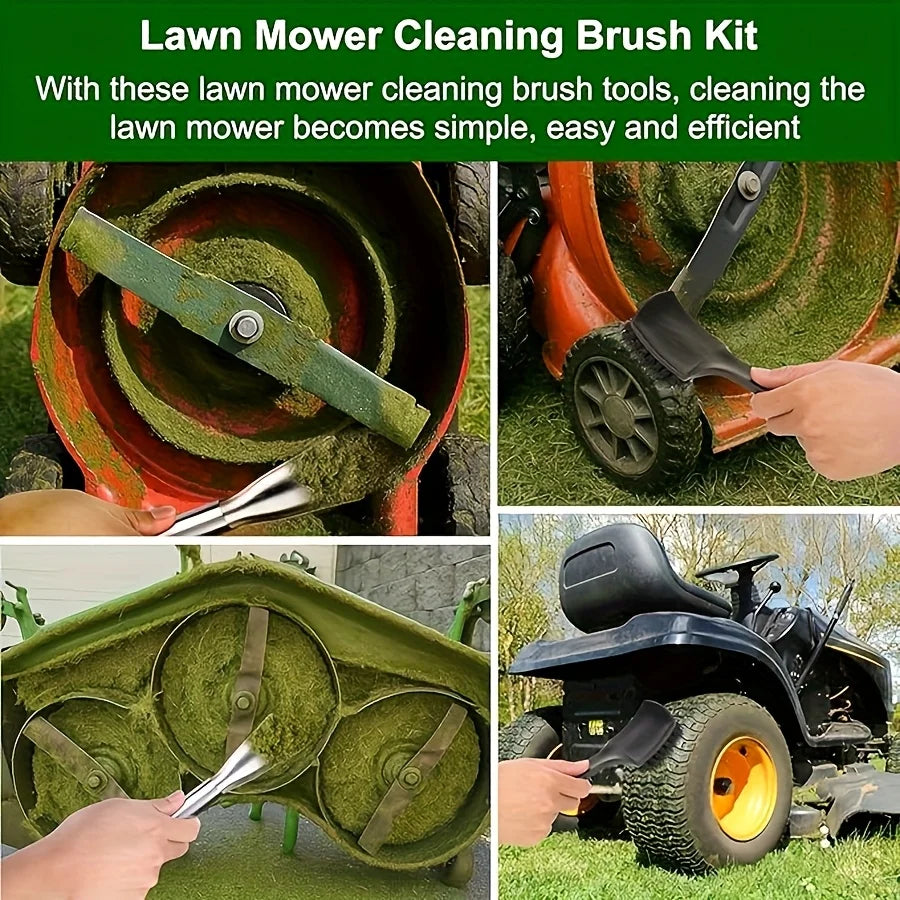
• Scrape off wet grass after each mowing session
• Clean the underside before clippings become hard
• Dry the deck with a towel or leaf blower
• Let the mower air-dry before covering it
• Touch up scratches as soon as you find them
• Store the mower on a dry surface
• Keep the mower under a roof or in a ventilated shed
• Inspect the underside at the start and end of the season
• Keep blades sharp to reduce excess grass buildup
• Avoid mowing very wet grass when possible
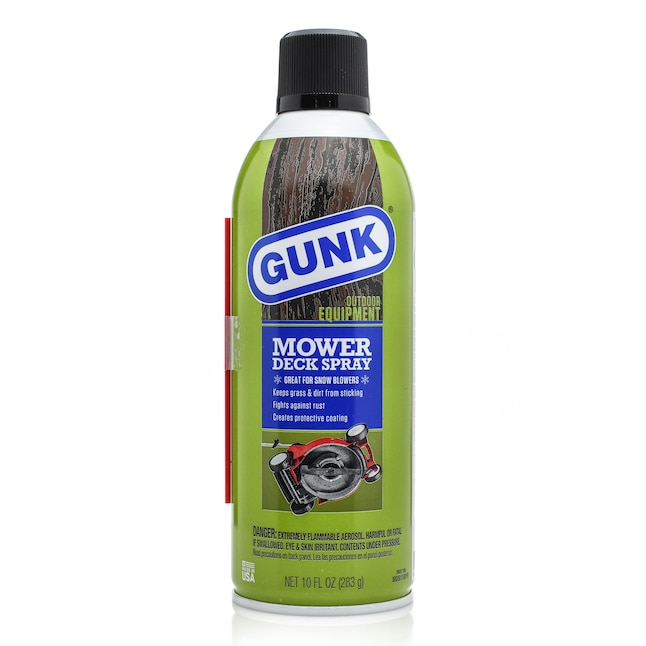
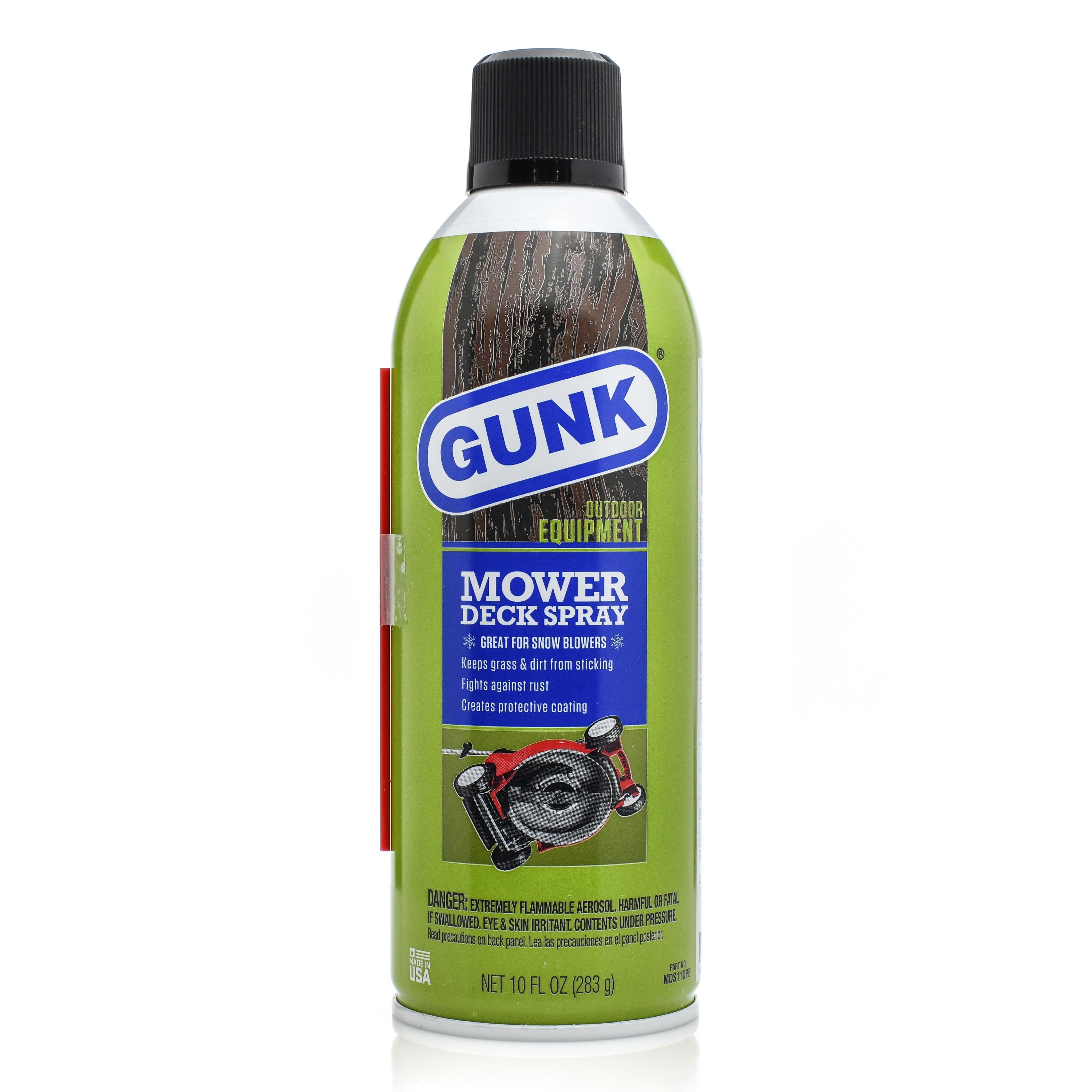
Do not rely on a thick layer of oil or grease. It can collect dust and grass, which may hold moisture against the deck. A thin protective product made for outdoor metal may help, but it should not replace cleaning and paint repair.
Some owners install a deck wash port. These ports can help rinse the underside, but they do not remove every clump. They also add water to the deck, so drying remains important.
In my experience, the most common mistake is putting a mower away while the underside is still wet. It feels clean, but the trapped moisture works like a wet towel pressed against the steel. A few minutes with a towel or blower can prevent months of corrosion.
Can You Use a Mower With Rust Under the Deck?
You may continue using a mower with light surface rust if the deck is solid and the blade area is safe. Clean and seal the rust soon, because vibration and moisture can make the damage spread.
Stop using the mower if you notice:
• A hole near the blade
• A loose or cracked spindle mount
• Severe vibration
• A blade touching the deck
• A deck panel that flexes
• Metal pieces falling during mowing
• A crack that grows after use
Lawn mower deck rusting from underneath can create weak spots that fail under vibration. The deck also helps direct grass and debris away from the operator. When in doubt, have a qualified mower technician inspect it.
Common Mistakes That Make Rust Worse
Many failed repairs come from rushing the preparation. Paint cannot bond well to greasy steel, loose rust, or damp metal.
Avoid these mistakes:
• Painting over loose flakes
• Using household wall paint
• Leaving water in deck seams
• Washing the mower while the engine is hot
• Spraying water directly at electrical parts
• Using a pressure washer too close to bearings
• Ignoring rust around spindle bolts
• Storing the mower on wet ground
• Using the mower before repair paint cures
• Scraping with tools that gouge the deck
One mistake I made early on was treating a rust spot as a paint problem only. After cleaning it, I found a small pinhole hidden beneath the bubbling paint. Since then, I always inspect the metal after removing the loose coating. That extra minute can prevent a poor repair.
Best Materials for a Long-Lasting Deck Repair
Choose products based on the deck material and the size of the repair. Most mower decks use stamped steel, although some machines use aluminum or composite materials.
For steel decks, use:
• A steel-safe degreaser
• A wire brush
• Rust converter for light remaining rust
• Metal primer
• Durable outdoor enamel
For larger damage, a repair shop may use a steel patch and welding equipment. The patch must be strong and shaped correctly. A badly placed patch can catch grass or affect airflow beneath the deck.
Avoid applying thick coatings to areas that must fit together. Paint can change the fit of covers, guards, and spindle parts. Keep all rotating parts clean and free of coating.
Product instructions matter. Dry time, temperature, and surface preparation can vary. Even the best paint may fail if applied in cold, damp weather.
Frequently Asked Questions About Lawn Mower Deck Rusting From Underneath
Can I stop lawn mower deck rusting from underneath without removing the deck?
You can treat small spots in place if you can clean and inspect them safely. Removing the deck often gives you a better view and helps you reach hidden rust near the spindle and deck edges.
Is it safe to pressure wash the underside of a mower?
Pressure washing can remove grass, but it may force water into bearings, electrical parts, seals, and belt areas. Use low pressure, avoid sensitive components, and dry the mower completely before storage.
Will painting over rust stop lawn mower deck rusting from underneath?
Paint may slow rust only when the surface is clean, firm, and properly prepared. Painting over loose rust traps corrosion beneath the coating and usually leads to peeling.
Should I use oil on the underside of a mower deck?
A light protective spray may help on clean metal, but heavy oil can collect grass and dirt. A sound paint finish, regular cleaning, and dry storage usually offer better long-term protection.
When should I replace a rusty mower deck?
Replace or professionally repair the deck when it has holes, cracks, soft spots, severe warping, or damage near the blade spindle. Safety-related rust is more important than the cost of cosmetic repair.
Can wet grass cause a mower deck to rust?
Yes. Wet grass holds water and plant acids against the deck. If clippings remain there after mowing, they can damage paint and speed up corrosion.
Conclusion
Lawn mower deck rusting from underneath usually begins with moisture, trapped grass, and damaged paint. Early surface rust can often be cleaned, primed, and sealed, but holes, cracks, thin steel, and damaged spindle areas need professional attention.
Make underside cleaning and drying part of your normal mowing routine. Inspect the deck often, repair scratches quickly, and store the mower in a dry, covered space. If this guide helped, share your mower repair experience or explore more maintenance resources to keep your equipment safe and ready to work.
