


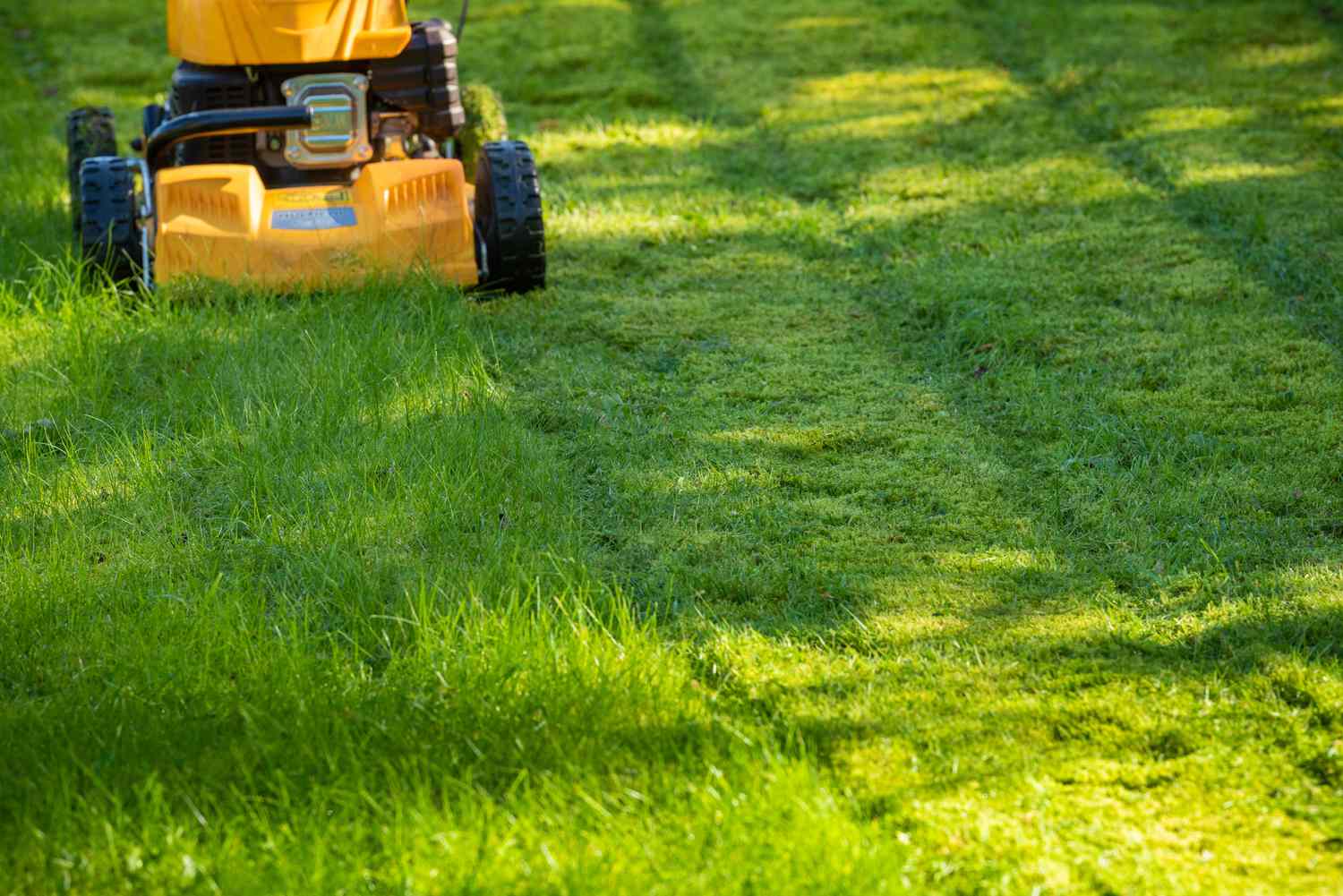
Most lawns need mowing every 7 to 14 days in spring, based on grass growth, weather, and the one-third rule.
Spring lawn care can feel like a guessing game. One week, the grass seems asleep. The next week, it grows several inches after warm rain. Knowing how often should you mow in spring helps you keep the lawn thick, neat, and healthy without cutting it too short.
The best mowing schedule depends on your grass type, local climate, soil moisture, and sunlight. This guide explains how to read your lawn, choose the right mowing height, avoid common spring mistakes, and build a simple schedule that works.
How Often Should You Mow in Spring?
Most homeowners should mow every 7 to 14 days in spring. Fast-growing lawns may need mowing every 5 to 7 days, while slow-growing lawns may need mowing only every 10 to 14 days.
The exact timing matters less than the height of the grass. Follow the one-third rule: never remove more than one-third of the grass blade in one mowing session. Cutting more can shock the plant, expose the soil, and weaken the roots.
For example, if your ideal grass height is 3 inches, mow when the lawn reaches about 4 to 4.5 inches. This may mean mowing once a week during a wet, warm spring.
Your lawn may need mowing more often when:
• Days are warm and nights stay mild
• Rain keeps the soil moist
• The lawn receives six or more hours of sun
• You apply spring fertilizer
• You grow cool-season grass
• The grass is recovering from winter stress
Your lawn may need mowing less often when:
• The soil is cold
• Spring is dry
• Frost is still common
• The lawn grows in deep shade
• The grass is thin or damaged
• You have warm-season grass that has not fully turned green

When Should You Start Mowing in Spring?
Start mowing when the grass is actively growing and reaches about one-third higher than your target height. Do not mow only because the calendar says spring has arrived.
In many northern areas, cool-season grass begins growing in early or mid-spring. In southern areas, warm-season grass may remain brown until late spring. Your lawn is ready when the blades look green, stand upright, and grow enough to need trimming.
Before the first cut, check these signs:
• The grass has mostly recovered from winter
• The soil is firm enough to support a mower
• The lawn is not covered with frost
• Grass blades are tall enough to trim safely
• The mower blades are sharp and ready
Avoid mowing frozen grass. Frost makes the blades stiff and easy to bruise. Mowing frozen turf can also damage the crown, which is the part of the grass plant where new growth begins.
Avoid mowing saturated soil, too. If your shoes sink into the lawn, wait. A heavy mower can leave deep ruts and press air out of the soil. Compacted soil limits water, oxygen, and root growth.
A common mistake I have seen is starting too early with a dull mower. The lawn may look cut, but the blades are torn instead of sliced. That damage can create brown tips and make the lawn look rough for days.
:max_bytes(150000):strip_icc()/GettyImages-11804836261-0e8875690dff42c08d7df1d7ac8ad77c.jpg)
Spring Mowing Frequency by Grass Type
Grass type plays a major role in how often should you mow in spring. Cool-season grasses usually grow earlier in spring. Warm-season grasses often begin active growth later.
Cool-season grasses
Cool-season grasses include Kentucky bluegrass, perennial ryegrass, tall fescue, and fine fescue. They grow strongly during cool spring weather and may need mowing every 5 to 10 days.
Common mowing heights include:
• Kentucky bluegrass: about 2.5 to 3.5 inches
• Perennial ryegrass: about 2.5 to 3.5 inches
• Tall fescue: about 3 to 4 inches
• Fine fescue: about 2.5 to 3.5 inches
Keep cool-season grass slightly taller during dry periods. Taller blades shade the soil and help reduce moisture loss.
Warm-season grasses
Warm-season grasses include Bermuda, zoysia, St. Augustine, and centipede grass. They prefer warm soil and may not need regular mowing until late spring.
Typical mowing heights include:
• Bermuda grass: about 0.5 to 2 inches, depending on the variety and mower
• Zoysia grass: about 1 to 2.5 inches
• St. Augustine grass: about 2.5 to 4 inches
• Centipede grass: about 1.5 to 2.5 inches
Do not use one height for every lawn. A mowing height suitable for Bermuda may severely damage St. Augustine grass. If you are unsure, check your seed label, local university extension guidance, or a trusted turf professional.

A Simple Spring Mowing Schedule
A flexible schedule works better than a fixed calendar. Use the grass height and weather as your guide.
Early spring
Mow only when the lawn begins active growth. The first cut may be lighter than normal if the grass is uneven or flattened by snow.
Remove fallen branches, stones, toys, and other debris before mowing. These objects can damage the mower and become dangerous projectiles.
Do not scalp the lawn to remove brown winter growth. Scalp mowing can expose crowns and soil to cold air, weeds, and drying winds.
Mid-spring
This is often the fastest growth period for cool-season lawns. Check the grass twice each week. You may need to mow every 5 to 7 days after warm rain.
Alternate your mowing direction. If you mow north to south one time, mow east to west the next time. This helps prevent soil compaction and reduces the striped, leaning look that can develop from repeated mowing in one direction.
Late spring
Growth may slow as temperatures rise, especially in cool-season grass. Warm-season lawns may begin growing rapidly during this period.
Continue following the one-third rule. Raise the mowing height if the weather becomes hot or dry. A slightly taller lawn usually handles spring-to-summer stress better than a closely cut lawn.
:max_bytes(150000):strip_icc()/GettyImages-11804836261-0e8875690dff42c08d7df1d7ac8ad77c.jpg)
The Best Spring Mowing Height
The best spring mowing height depends on grass type, shade, climate, and lawn use. In general, a height of 2.5 to 4 inches works well for many home lawns.
Taller grass often develops deeper roots and provides more shade for the soil. It can also hide small bare spots and reduce the space available for some weeds.
Short grass may look neat after mowing, but it has limits. Cutting too low can:
• Weaken the root system
• Increase weed pressure
• Dry the soil faster
• Cause brown patches
• Increase stress during heat
• Leave the crown open to damage
The one-third rule is more useful than a strict weekly schedule. If you keep your lawn at 3 inches, mow when it reaches about 4 inches. If you keep it at 4 inches, mow when it reaches roughly 5 to 5.5 inches.
Grass height is measured from the soil surface to the top of the blade. Set your mower on a flat surface and measure from the ground to the mower deck if you need a close estimate.
Should You Mow Wet Grass in Spring?
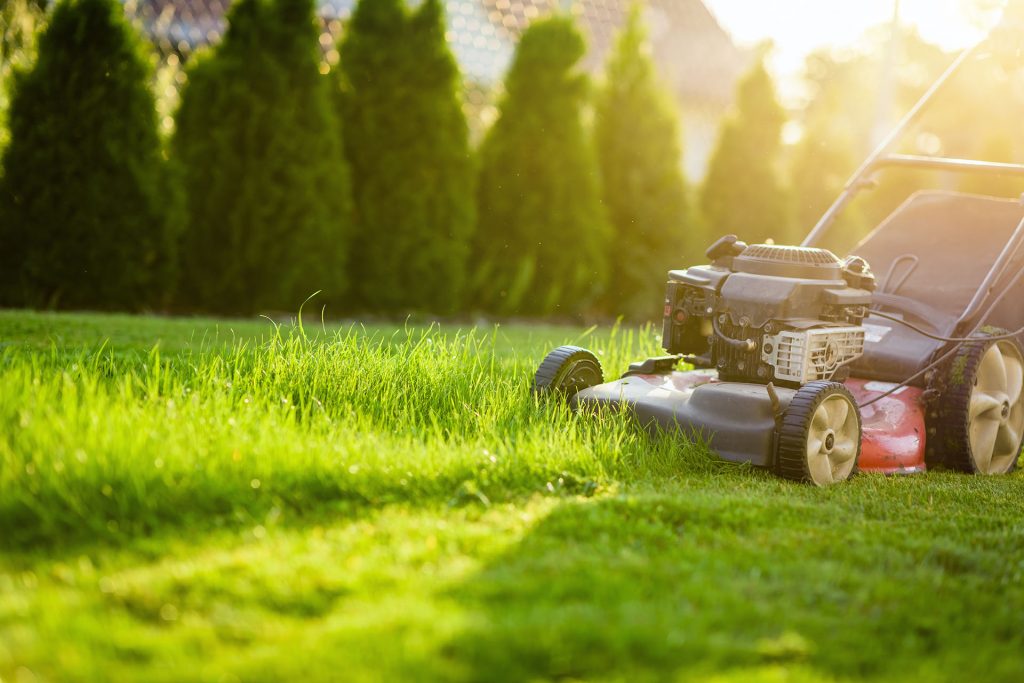
It is best to mow when grass is dry or only slightly damp. Wet grass bends under the mower, clumps together, and can produce an uneven cut.
Mowing wet grass can also:
• Clog the mower deck
• Leave clumps that block sunlight
• Spread some lawn diseases
• Create wheel ruts
• Compact soft soil
• Make slopes more dangerous
A light morning dew usually dries quickly. If the grass is wet from heavy rain, wait until the blades and soil have dried.
If you must mow damp grass, raise the deck slightly, slow your pace, and clean the mower afterward. Never mow wet slopes if your mower loses traction. Safety should come before appearance.

How Spring Weather Changes Your Mowing Schedule
Weather is one of the main reasons mowing frequency changes from week to week. Warm temperatures and steady rain can turn a slow lawn into a fast-growing lawn.
A lawn may grow quickly when:
• Soil temperatures rise above the grass plant’s active growth range
• Rain provides steady moisture
• Cloud cover reduces heat stress
• Fertilizer supplies extra nutrients
• Spring nights remain mild
Dry or cold weather slows growth. During these periods, mowing every two weeks may be enough.
Do not water simply to follow a mowing schedule. Water deeply when the lawn needs it rather than watering lightly every day. Many established lawns perform well with about 1 inch of water per week from rain and irrigation, although soil type, climate, and grass type change that need.
Use a rain gauge or small container to track irrigation. This is more accurate than guessing from the color of the grass. Footprints that remain visible, folded blades, and dry soil can signal that the lawn needs water.
How to Mow for a Healthier Spring Lawn
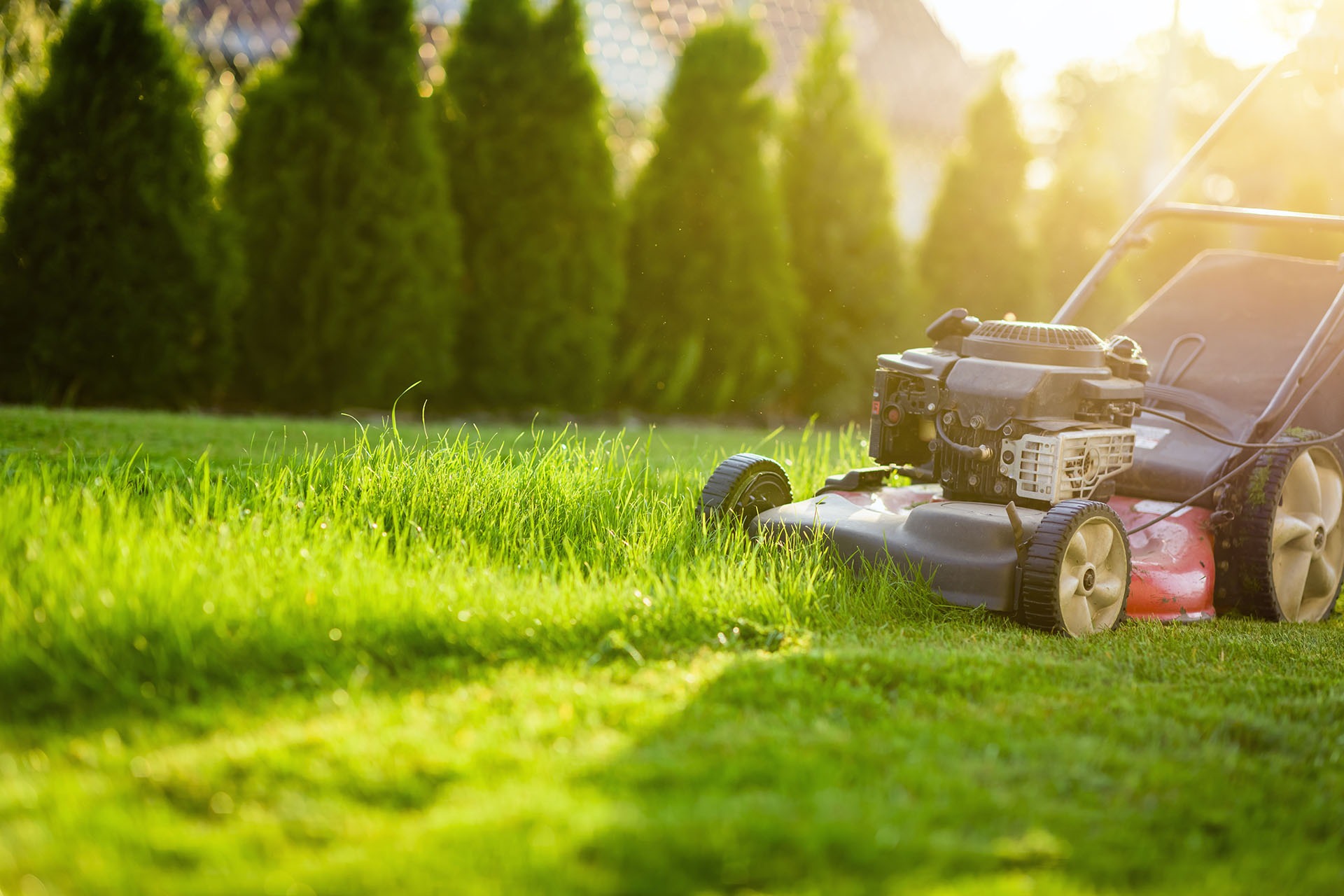
A good mowing method protects the grass before, during, and after each cut.
1. Sharpen the mower blade
A sharp blade makes a clean cut. A dull blade tears the grass and leaves white or brown tips.
Check the blade several times during the growing season. Many lawn care experts recommend sharpening at least once or twice a year, but sandy soil and frequent mowing can require more service.
2. Set the correct deck height
Measure the height instead of relying only on the mower’s numbered settings. Different mower models use different height systems.
When in doubt, choose a higher setting. You can always lower the height later, but you cannot undo a scalped lawn.
3. Mow in changing patterns
Change direction each time you mow. This reduces ruts and helps the grass grow upright.
Avoid tight turns that tear the turf, especially when the soil is soft. Lift the mower slightly or make wider turns around corners.
4. Leave fine clippings
Grass clippings can return nutrients to the soil when they are short and spread evenly. This practice is called grasscycling.
Clippings do not create thatch when the lawn is mowed properly. Thatch is made mostly from stems, roots, and other slow-decaying plant parts. Long, wet clumps are different because they can block light and air.
5. Clean the mower
Remove clippings from the deck after mowing. Cleaning helps maintain airflow and reduces the chance of spreading lawn problems from one area to another.

Common Spring Mowing Mistakes
Many lawn problems begin with small mowing mistakes. The good news is that most are easy to prevent.
Cutting too short
Scalping is one of the most damaging spring habits. It removes too much leaf tissue and forces the plant to use stored energy for recovery.
Mowing on a schedule instead of by height
A weekly schedule is useful, but it should not control every mowing decision. If the grass is still short, wait. If it grows quickly and reaches the one-third limit, mow sooner.
Mowing with a dull blade
Torn grass tips lose moisture faster and may look pale. A sharp blade improves appearance and reduces unnecessary stress.
Removing every clipping
Bagging is helpful when clippings are wet, long, or diseased. However, collecting every dry clipping removes nutrients that could return to the soil.
Mowing wet soil
This creates ruts and compaction. Wait until the soil can support the mower without leaving deep tracks.
Applying too much spring fertilizer
Heavy fertilizer can cause sudden growth and increase mowing needs. It may also wash into waterways during spring rain. Follow the product label and consider a soil test before adding nutrients.
Ignoring mower safety
Wear sturdy shoes and eye protection. Keep children and pets away from the mowing area. Turn off the mower before clearing a clog, and never place your hands near a moving blade.

Spring Mowing and Lawn Health
Mowing does more than improve appearance. It affects how the lawn uses water, stores energy, and competes with weeds.
A correctly mowed lawn has enough leaf area to make food through photosynthesis. If you remove too much leaf tissue, the plant has less surface area to produce energy.
Regular mowing can also help the lawn stay dense. Dense turf leaves less open soil for weeds. However, mowing alone cannot solve every weed problem. Poor soil, low light, overwatering, and compacted ground may still need attention.
A healthy mowing plan works with other spring tasks:
• Test the soil before using fertilizer
• Repair thin areas with suitable seed or sod
• Aerate only when soil and grass conditions support it
• Water deeply when needed
• Remove heavy leaf buildup
• Watch for pests and disease
• Keep mower blades sharp
Research from turf specialists consistently supports proper mowing height and the one-third rule. Still, lawn care is local. A sandy lawn in Florida will not follow the same schedule as a clay lawn in Ohio.
How Often Should You Mow a New Lawn in Spring?
Newly seeded grass needs special care. Wait until the seedlings are tall enough for the first cut, often when they reach about 3 to 4 inches, depending on the grass type.
Use a sharp mower blade and remove no more than one-third of the height. Avoid turning sharply, mowing wet soil, or using heavy equipment while the roots are still shallow.
New sod may need mowing after the roots begin to connect with the soil below. A gentle tug can provide a basic check: if the sod lifts easily, it may not be rooted enough. Follow the grower’s instructions because rooting time varies with weather, soil, and watering.
Do not let new grass become extremely tall before the first cut. Very tall seedlings can bend, mat, and become difficult to mow evenly.
What to Do With Spring Grass Clippings
Leave clippings on the lawn when they are short, dry, and evenly spread. They break down quickly and return small amounts of nutrients to the soil.
Bag clippings when:
• The grass is unusually tall
• Clippings form thick piles
• The lawn is wet
• You see signs of a disease
• Weeds have mature seed heads
• You want a very clean appearance
Never dump clippings into storm drains, streams, or streets. They can wash into waterways and add excess nutrients.
If you collect clippings, compost them with dry leaves and other brown material. Avoid using grass clippings treated with certain herbicides or weed control products in vegetable beds unless the product label confirms they are safe.
A Practical Spring Mowing Checklist
Use this checklist before each mowing session:
- Check the forecast and avoid mowing before heavy rain.
- Walk the lawn and remove sticks, stones, toys, and pet waste.
- Check that the soil is firm enough to support the mower.
- Inspect the mower blade and tire condition.
- Set the deck to the correct height.
- Mow only when the grass has exceeded the one-third limit.
- Change your mowing direction.
- Spread clippings evenly or collect them when needed.
- Inspect the lawn for bare areas, weeds, pests, or disease.
- Clean the mower before storing it.
This routine takes only a few extra minutes. It prevents many spring lawn problems before they become expensive repairs.
Frequently Asked Questions About How Often Should You Mow in Spring
How often should you mow in spring if it rains a lot?
You may need to mow every 5 to 7 days during warm, rainy periods. Wait until the grass and soil are dry enough to prevent clumps, ruts, and compaction.
Is it better to mow weekly or wait until the grass grows?
Wait until the grass reaches the correct mowing height rather than mowing only because a week has passed. Weekly mowing often works in spring, but rapid growth may require more frequent cuts.
What is the one-third rule for mowing?
The one-third rule means removing no more than one-third of the grass blade at one time. This reduces stress and helps the lawn recover quickly.
Should you mow the lawn short in early spring?
No. Cutting the lawn very short in early spring can damage crowns, expose soil, and encourage weeds. Begin with the proper height for your grass type and increase or decrease it only when needed.
Can you mow spring grass when it is wet?
It is better to wait until the grass is dry and the soil is firm. Wet mowing can cause clumps, uneven cuts, mower clogs, disease spread, and soil ruts.
How often should you mow newly seeded grass in spring?
Mow newly seeded grass when it reaches the recommended height for its type, while removing no more than one-third of the blade. After the first cut, continue mowing based on growth rather than a strict calendar.
Does mowing more often make grass grow faster?
Mowing does not usually make grass grow faster, but frequent, proper mowing can help maintain dense turf. Cutting too much at once can weaken grass and create a thin, stressed lawn.
Conclusion
How often should you mow in spring depends on growth, not the calendar alone. Most lawns need mowing every 7 to 14 days, while fast-growing grass may need a cut every 5 to 7 days.
Watch the blade height, follow the one-third rule, keep mower blades sharp, and avoid mowing wet soil. With these simple habits, your spring lawn can grow thicker, greener, and better prepared for summer.
Walk your lawn this week and measure the grass before you mow. Then adjust your schedule to match its real needs, and share your best spring lawn care tips in the comments.
