


John Deere SCV problems can disrupt your farm or job site operations. From electrical glitches to hydraulic leaks, these issues often stem from wear, improper maintenance, or faulty components. Understanding the root causes and knowing how to fix them saves time, money, and frustration. This guide walks you through the most common SCV malfunctions and how to resolve them effectively.
Key Takeaways
- SCV Malfunctions Are Common: Electrical faults, hydraulic leaks, and mechanical wear are frequent causes of SCV problems in John Deere tractors.
- Regular Maintenance Prevents Issues: Routine inspections and timely servicing significantly reduce the risk of SCV-related breakdowns.
- Diagnosis Starts with Symptoms: Unusual noises, erratic behavior, or dashboard warnings are early signs of SCV trouble.
- Proper Wiring and Connections Matter: Corroded or loose wiring harnesses can cause intermittent SCV failures.
- Hydraulic Fluid Quality Is Key: Contaminated or degraded hydraulic fluid leads to poor SCV performance and component damage.
- Seek Professional Help When Needed: Complex electrical or hydraulic issues often require certified John Deere technicians.
📑 Table of Contents
- Introduction: Why John Deere SCV Problems Matter
- What Is an SCV and Why Does It Matter?
- Common John Deere SCV Problems and Their Causes
- How to Diagnose SCV Problems: Step-by-Step
- Preventive Maintenance: Keep SCVs Running Strong
- When to Call a Professional
- Real-World Examples: SCV Problems and Fixes
- Conclusion: Mastering SCV Troubleshooting
Introduction: Why John Deere SCV Problems Matter
If you’re running a farm, managing a landscaping business, or working in construction, your John Deere tractor or utility vehicle is more than just a machine—it’s your workhorse. And at the heart of many of these powerful machines is the Selective Control Valve (SCV), a critical component that directs hydraulic fluid to various attachments like loaders, backhoes, or mowers. But when John Deere SCV problems arise, they can bring your entire operation to a standstill.
SCVs control the flow, direction, and pressure of hydraulic systems. A malfunction here means no lift, no tilt, or no movement at all. That’s why understanding what causes SCV issues and how to address them is essential. Whether you’re troubleshooting a slow response or a complete failure, this article is your go-to guide for diagnosing, fixing, and preventing common SCV-related headaches.
From electrical gremlins to worn-out seals, SCV problems come in many forms. But don’t panic—most issues are fixable with the right knowledge and tools. Let’s dive into the most frequent SCV malfunctions, their symptoms, and how you can keep your equipment running smoothly.
What Is an SCV and Why Does It Matter?
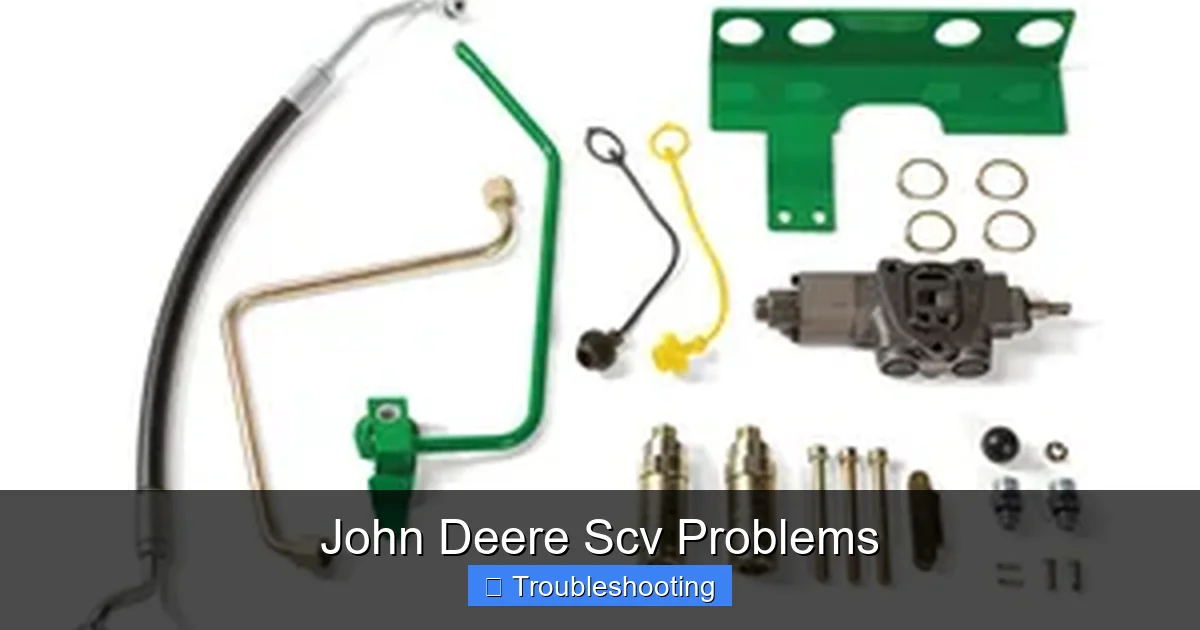
Visual guide about John Deere Scv Problems
Image source: greenpartstore.com
The Selective Control Valve (SCV) is essentially the traffic cop of your hydraulic system. It regulates how much fluid goes to each hydraulic cylinder or motor, ensuring smooth, precise control of attachments. In a John Deere tractor, for example, the SCV controls the loader arms, the three-point hitch, or even the power take-off (PTO) depending on the model.
Without a properly functioning SCV, your tractor becomes limited in utility. You might be able to drive, but you won’t be able to lift, tilt, or operate any hydraulic tools. That’s why even minor SCV problems can feel like major disasters—especially during planting season or harvest time.
Common SCV setups include pilot-operated valves, spool valves, and proportional control systems. Each has its own quirks and failure points. Understanding your specific SCV type helps narrow down the problem and choose the right fix.
How SCVs Work: A Simple Breakdown
Think of the SCV as a series of gates in a canal. Hydraulic fluid flows from the pump, and the SCV opens or closes gates (ports) to send fluid to the right place at the right time. When you lower the loader, the SCV redirects fluid to the cylinder that allows the arm to drop. When you lift it, it reverses the flow.
If a gate sticks, leaks, or doesn’t open at all, the whole system suffers. That’s why even small SCV problems—like a slow response or jerky movement—can indicate a deeper issue.
Common John Deere SCV Problems and Their Causes
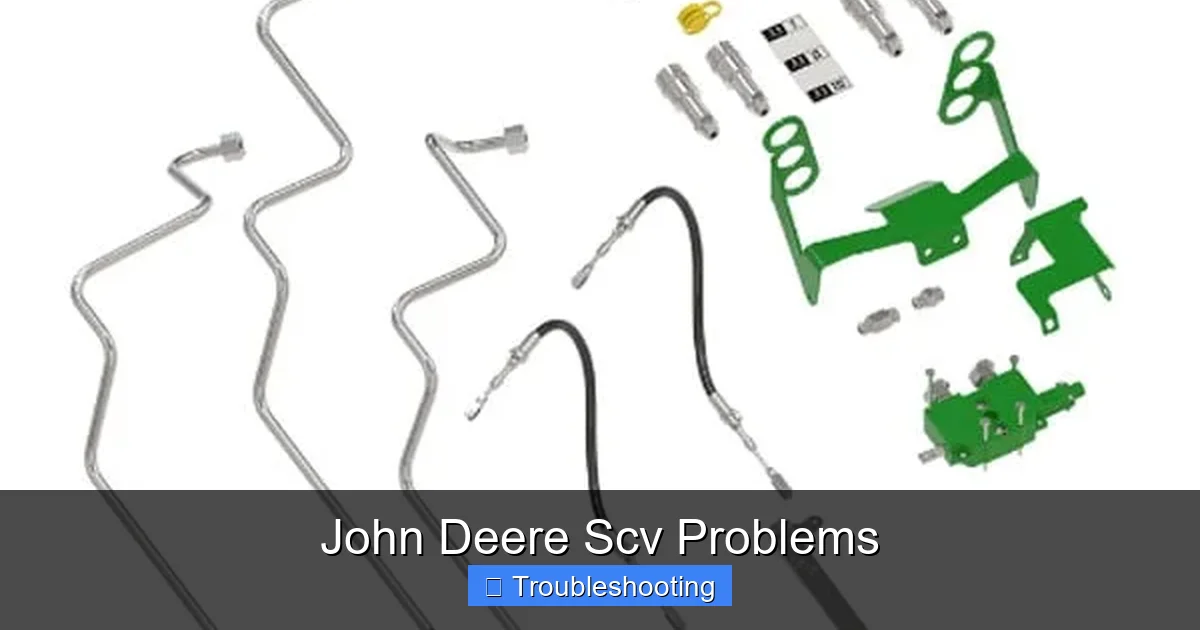
Visual guide about John Deere Scv Problems
Image source: greenpartstore.com
Let’s face it—no machine is perfect. John Deere SCVs, despite their reputation for reliability, aren’t immune to wear and tear. Here are the most frequent SCV problems farmers and operators encounter, along with their root causes.
1. Hydraulic Leaks
One of the most noticeable SCV issues is fluid leaking from the valve or its connections. Leaks can come from worn O-rings, cracked seals, or loose fittings. Over time, constant pressure and temperature changes take a toll on rubber seals, causing them to degrade.
A small drip might seem harmless, but even minor leaks reduce hydraulic pressure. This leads to weak performance—like a loader that barely lifts. In severe cases, the system loses pressure entirely, making attachments unresponsive.
To fix leaks:
– Inspect O-rings and seals during routine maintenance.
– Replace damaged seals with OEM parts.
– Tighten fittings using the correct torque specs.
2. Erratic or Slow Response
Have you ever noticed that your loader moves sluggishly or jerks when you operate it? That’s a classic sign of an SCV response issue. It could be due to:
– Contaminated hydraulic fluid
– Air trapped in the system
– Worn internal components like spools or springs
Contaminated fluid—filled with dirt, moisture, or old oil—can clog small internal passages, slowing valve movement. Air in the lines causes spongy, unpredictable behavior.
Solution steps:
– Change hydraulic fluid and filter.
– Bleed the system to remove air.
– Check for wear in the spool or valve body.
3. Electrical Malfunctions
Modern John Deere SCVs often rely on electronic controls. Faulty wiring, loose connectors, or a failing solenoid can cause complete or partial SCV failure. For example, a solenoid stuck in the “off” position means no fluid flows, even if the valve is physically intact.
Symptoms include:
– No response from the attachment
– Dashboard error codes (like “E102” or “E203”)
– Intermittent operation
Diagnosis tips:
– Use a multimeter to test solenoid resistance.
– Inspect wiring for fraying or corrosion.
– Check the control module for faults.
4. Internal Wear and Corrosion
Over time, internal components of the SCV can wear down or corrode. This is especially common in humid or salty environments. Worn spools may not seat properly, leading to internal leakage. Corrosion can block ports or damage delicate surfaces.
Signs of internal wear:
– Consistent loss of pressure
– Unusual grinding or scraping sounds
– Fluid discoloration (dark or gritty)
Prevention:
– Use high-quality hydraulic fluid.
– Store equipment in dry conditions.
– Flush the system regularly.
5. Overheating of Hydraulic System
If the hydraulic system runs hot, the SCV is often the first to suffer. Overheating causes seals to fail faster and reduces fluid viscosity, making it harder for the SCV to regulate flow accurately.
Causes of overheating:
– Low fluid levels
– Clogged cooler lines
– Excessive load or continuous use
Fix:
– Top up fluid to recommended levels.
– Clean or replace the hydraulic cooler.
– Allow system cooldown periods during heavy use.
How to Diagnose SCV Problems: Step-by-Step
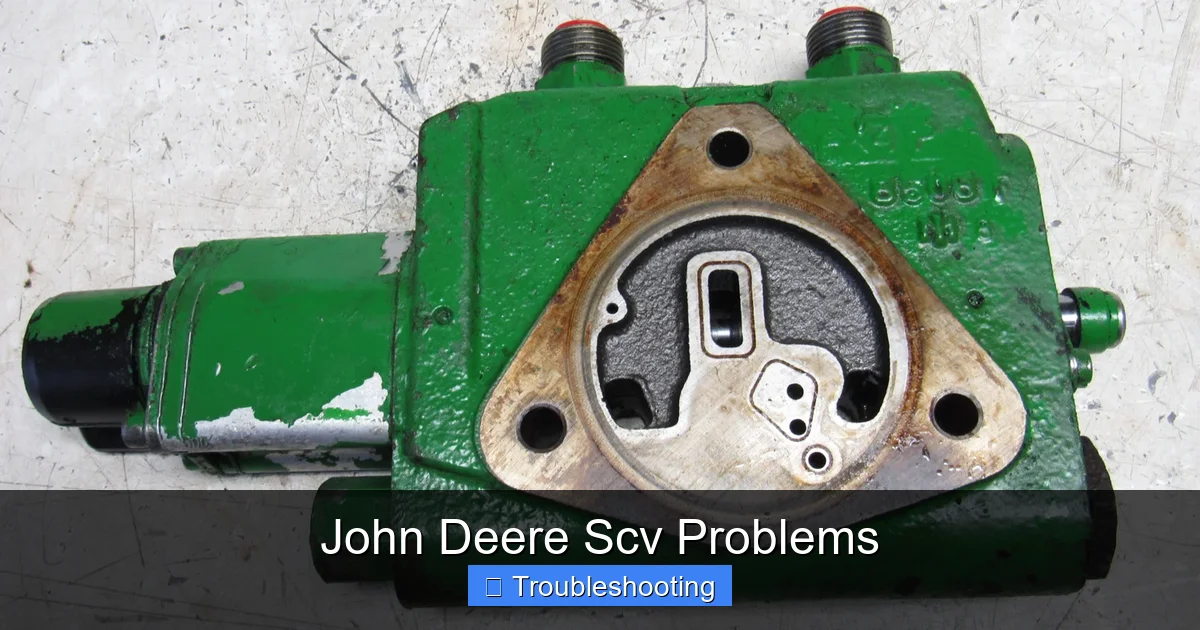
Visual guide about John Deere Scv Problems
Image source: eastern-triangle.com
Diagnosing SCV issues doesn’t require a degree in engineering—just patience and a systematic approach. Start by observing the symptoms, then move to simple checks before diving into complex repairs.
Step 1: Identify the Symptoms
Ask yourself:
– Is the attachment completely dead?
– Is it slow or unresponsive?
– Are there unusual noises (hissing, knocking)?
– Does the tractor show error codes?
Write down what you see and when it happens. This helps narrow the problem.
Step 2: Check Hydraulic Fluid
Low or dirty fluid is often the culprit. Check:
– Fluid level (use the dipstick or sight glass)
– Color and smell (burnt smell = contamination)
– Filter condition
Replace fluid and filter if needed. Use only the type recommended in your operator’s manual.
Step 3: Inspect for Leaks
Look around the SCV and hoses for:
– Wet spots or fluid puddles
– Discolored or sticky residue
– Loose or cracked fittings
Tighten connections and replace damaged seals.
Step 4: Test Electrical Connections
Unplug and inspect wiring harnesses. Look for:
– Cracks or fraying
– Corrosion on connectors
– Loose terminals
Use a multimeter to test continuity and voltage.
Step 5: Operate the System
Turn on the tractor and try the attachment. Note:
– Speed of response
– Smoothness of movement
– Any error lights
Compare to normal behavior. If something feels off, the SCV may be failing.
Preventive Maintenance: Keep SCVs Running Strong
Prevention is always better than cure—especially when it comes to hydraulic systems. Regular maintenance can extend the life of your SCV and prevent costly breakdowns.
Follow the Maintenance Schedule
John Deere provides detailed service intervals in the operator’s manual. Stick to them. Key tasks include:
– Hydraulic fluid and filter changes (every 250–500 hours)
– Inspecting O-rings and seals
– Checking electrical connections
Skipping these tasks increases the risk of SCV problems.
Use Quality Fluids and Filters
Cheap or incorrect hydraulic fluid can damage internal components. Always use the fluid type specified by John Deere. Pair it with high-quality filters to trap contaminants.
Keep the System Clean
Dirty fluid is a silent killer of SCVs. Avoid topping off with old fluid. When changing fluid, clean the reservoir and inspect the suction filter.
Store Equipment Properly
Moisture and temperature swings accelerate wear. Store tractors in a dry, covered area. Use protective covers and consider adding a desiccant to the hydraulic reservoir.
Train Your Team
Ensure everyone operating the equipment understands basic maintenance and warning signs. A small issue noticed early can prevent a major failure.
When to Call a Professional
While many SCV problems are DIY-friendly, some require expert attention. Know when to stop and call in a John Deere technician.
Signs You Need Professional Help
– Persistent error codes that won’t clear
– Internal valve damage (confirmed by inspection)
– Hydraulic system contamination beyond cleaning
– Electrical faults in the control module
Attempting complex repairs without experience can make things worse. Certified technicians have diagnostic tools and genuine parts.
Finding the Right Technician
Look for:
– John Deere Certified Technicians (JDT)
– Experience with your specific model
– Access to service manuals and software
Don’t settle for just any mechanic. SCVs are precision components—they deserve expert care.
Real-World Examples: SCV Problems and Fixes
Let’s look at a few real-life scenarios to see how common SCV issues play out on the farm.
Case Study 1: Slow Loader Response
Farmer Joe noticed his loader arms took longer to lift than usual. After checking the fluid, he found it was dark and gritty. He replaced the fluid, filter, and cleaned the reservoir. Within a week, the loader responded smoothly again.
Lesson: Dirty fluid often causes slow SCV response. Regular changes prevent buildup.
Case Study 2: Complete SCV Failure
Lisa’s tractor suddenly lost all hydraulic function. The dashboard showed error code E102. She traced the issue to a corroded solenoid connector. After cleaning and reconnecting, the system worked normally.
Lesson: Corrosion in electrical connections is a hidden cause of SCV failure. Regular inspections save time.
Case Study 3: Hydraulic Leak from SCV Body
Mike noticed fluid leaking from the SCV housing. He replaced the O-rings and tightened all fittings. The leak stopped, but he realized he’d been using aftermarket seals that degraded faster than OEM parts.
Lesson: Always use genuine John Deere parts for critical components like SCVs.
Conclusion: Mastering SCV Troubleshooting
John Deere SCV problems can be frustrating, but they’re not insurmountable. With the right knowledge, tools, and mindset, you can diagnose and fix most issues yourself. The key is to stay proactive—regular maintenance, clean fluid, and timely inspections go a long way.
Remember, an SCV isn’t just a part—it’s the lifeline of your hydraulic system. Ignoring warning signs or delaying repairs only leads to bigger, costlier problems down the road.
By understanding common SCV malfunctions, learning how to diagnose them, and knowing when to call a pro, you’ll keep your John Deere running strong for years to come. Stay vigilant, stay prepared, and your tractor will keep working as hard as you do.
Frequently Asked Questions
What are the most common causes of John Deere SCV problems?
Common causes include hydraulic leaks from worn seals, electrical faults in solenoids or wiring, contaminated fluid, internal wear, and overheating. Regular maintenance can prevent most of these issues.
How can I tell if my SCV is failing?
Symptoms include slow or unresponsive attachments, hydraulic leaks, unusual noises, dashboard error codes, and erratic movement. Early detection through routine checks helps prevent total failure.
Can I fix SCV problems myself?
Yes, many issues like fluid changes, seal replacements, and connection checks are DIY-friendly. However, complex electrical or internal repairs should be handled by a certified technician.
How often should I change hydraulic fluid?
Most John Deere models recommend changing hydraulic fluid every 250 to 500 operating hours, or at least once a year. Always follow the schedule in your operator’s manual.
Is it safe to use aftermarket parts for SCV repairs?
While some aftermarket parts work, OEM (Original Equipment Manufacturer) parts are recommended for critical components like SCVs to ensure proper fit and longevity.
What should I do if I see an error code related to the SCV?
Note the code and consult your operator’s manual or use a diagnostic tool. If the issue persists or you’re unsure, contact a John Deere technician for professional diagnosis.
