A typical push mower weighs between 40 and 90 pounds, with most residential gas-powered push mowers averaging about 60 to 75 pounds. Battery-powered and electric models often weigh less, while larger self-propelled mowers can exceed 80 pounds.
For homeowners across the United States, a push mower’s weight affects how easy it is to move around a yard, store in a garage, load into a vehicle, and control on uneven ground. The right weight depends on the mower type, power source, cutting deck size, battery capacity, and included features.
A lightweight mower can be easier to handle in smaller yards, while a heavier mower may offer stronger construction, wider cutting capability, or longer runtime. Understanding average lawn mower weights helps buyers choose equipment that matches their property, physical ability, and maintenance needs.
Push mower weight varies significantly by power source and design. A basic manual reel mower may weigh less than 40 pounds, while a feature-rich gas or battery mower can approach or exceed 90 pounds.
The table below shows common weight ranges for residential push mower categories. Actual weight can vary by manufacturer, model size, battery capacity, and accessories.
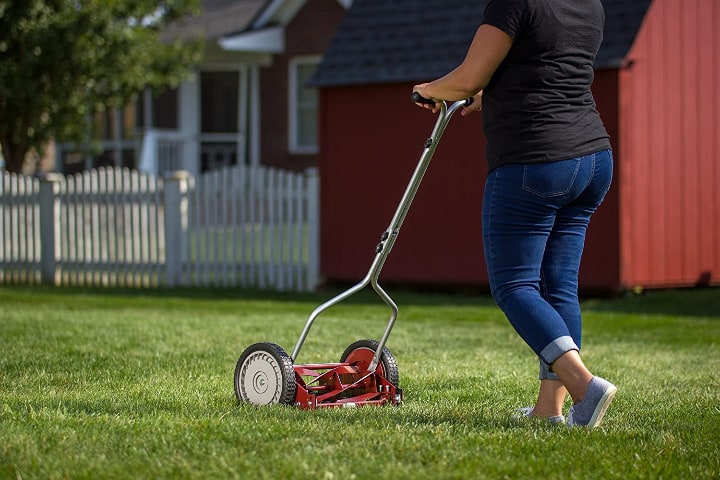
Usually weigh about 20 to 50 pounds. They are among the lightest options because they do not have an engine, fuel tank, or battery.
Corded electric push mowers
Often weigh around 35 to 60 pounds. Their lighter motors make them easier to move, although the power cord limits mobility.
Battery-powered push mowers
Commonly weigh about 40 to 75 pounds. The battery adds weight, but these models are often lighter than comparable gas mowers.
Gas-powered push mowers
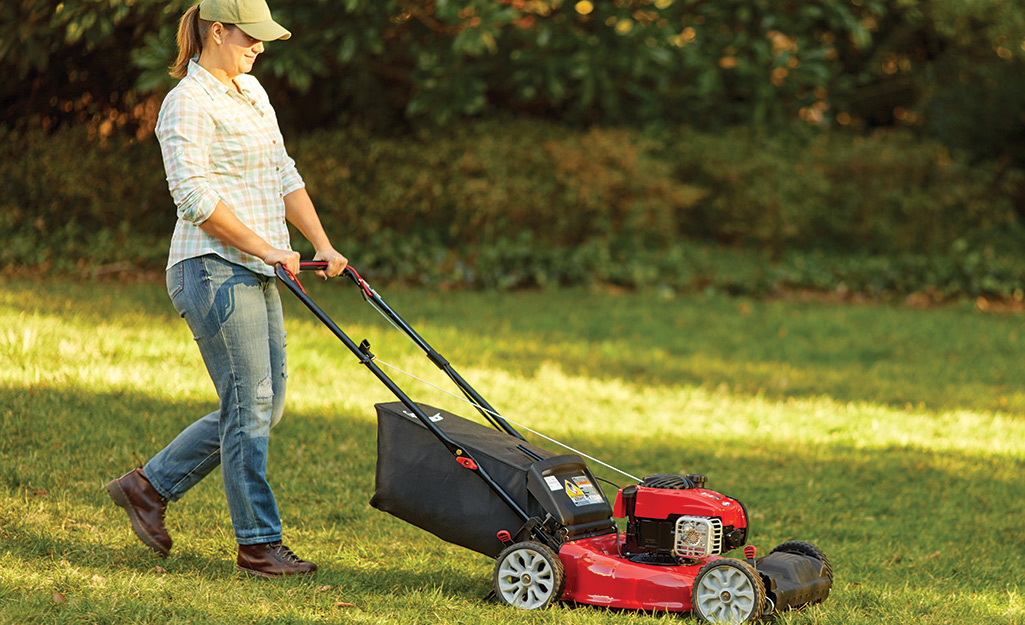
Typically weigh around 55 to 90 pounds. Engines, fuel tanks, steel decks, and larger components increase overall weight.
Why push mower weights vary
Two push mowers with similar cutting widths can have very different weights because manufacturers use different materials and designs. A steel deck, larger wheels, self-propelled drive system, and bigger engine can all increase weight.
Cutting deck material
Steel decks are usually heavier than plastic or composite decks but may provide added durability.
Power system
Gas engines and large lithium-ion batteries contribute significant weight compared with simple manual designs.
What Factors Determine a Push Mower’s Weight?
The weight of a push mower is determined by several physical components. Understanding these factors makes it easier to compare different mower types instead of focusing only on the advertised features.
Manufacturers balance durability, performance, and handling when designing lawn mowers. A heavier machine may provide stability, but it can also require more effort to push, lift, and store.
Source: hitchesguide.com
Engine or motor size
Larger engines and stronger motors generally add weight because they require bigger components and stronger frames.
Battery size
Battery-powered mowers with longer runtime often use larger batteries, which increases total weight.
Deck width
A wider cutting deck usually requires more material, increasing the mower’s overall weight.
Self-propelled features
Self-propelled systems add transmissions and mechanical parts that can make a mower heavier than a standard push model.
Does mower weight affect cutting performance?
Weight alone does not determine cutting quality. Blade design, engine power, cutting height adjustment, maintenance condition, and mower construction all influence performance. However, weight can affect how easily the mower moves through thick grass or uneven terrain.
Heavy mowers
May feel more stable and can reduce bouncing on rough lawns, but they require more effort to maneuver.
Light mowers
Are easier to transport and turn, making them useful for smaller yards and users who prefer easier handling.
A mower’s weight matters most during tasks beyond simply cutting grass. Homeowners often need to move mowers across driveways, lift them into storage areas, or transport them for repairs.
Choosing the correct weight can improve comfort and reduce unnecessary strain during regular lawn care.
Source: fridayparts.com
Storage
Lightweight mowers are easier to hang, lift, or move into compact storage spaces.
Transportation
A heavier mower may require ramps, assistance, or more careful handling when loading into a vehicle.
Terrain handling
Lighter models are easier to turn on small lawns, while heavier models may feel more planted on uneven surfaces.
Choosing the right mower weight for your yard
The best mower weight depends on yard size, terrain, storage conditions, and the person operating the machine. A small flat lawn may not require a heavy mower, while a larger property with thick grass may benefit from a more robust design.
Small yards
A lightweight electric or manual mower may provide easier handling and storage.
Large yards
A heavier gas or battery mower may offer wider cutting capability and longer operating time.
Common Mistakes When Comparing Push Mower Weight
Many buyers compare only the listed weight number without considering how the mower will actually be used. Weight is one factor among many, and a lighter mower is not always the most practical choice.
Looking at the complete design helps prevent choosing a mower that is difficult to operate or does not match the lawn conditions.
Source: weightofstuff.com
Ignoring battery weight
Battery mowers are often listed with and without the battery installed, so buyers should check the operating weight.
Comparing different mower types
A manual reel mower and a gas-powered mower serve different purposes, so their weights should not be compared without considering use.
Choosing based only on weight
Cutting width, power, reliability, and maintenance needs also influence whether a mower is suitable.
When lifting or transporting a heavy push mower, avoid unsafe handling practices. Remove fuel or follow manufacturer instructions before transport, keep blades away from contact, and use proper lifting techniques or assistance when needed.
Before lifting
Turn off the mower and ensure moving parts have stopped completely.
During storage
Store the mower in a stable position where it cannot roll or fall.
Frequently Considered Push Mower Weight Comparisons
Comparing mower categories can help homeowners understand why some machines feel easier to handle than others. The following examples show typical differences between common designs.
Source: yarbo.com
Lightweight option
Manual and small electric mowers are generally easier to push and store but may have limitations for large or demanding lawns.
Mid-weight option
Most residential battery and gas push mowers fall into this category and balance power with maneuverability.
Heavy-duty option
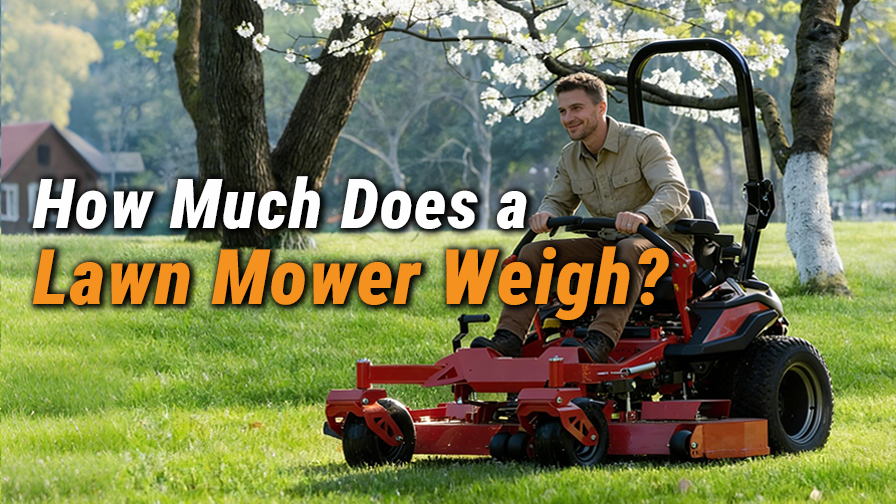
Larger self-propelled models provide additional capability but require more storage space and handling effort.
Frequently Asked Questions
Q
How much does a typical push mower weigh?
Most residential push mowers weigh between 40 and 90 pounds. Gas-powered models are commonly heavier than electric and manual versions because of their engines and fuel systems.
Q
Are battery lawn mowers lighter than gas lawn mowers?
Many battery-powered lawn mowers are lighter than comparable gas models, but the battery adds weight. The final difference depends on the mower design and battery size.
Q
What is the lightest type of push mower?
Manual reel mowers are usually the lightest push mower type because they do not contain an engine, fuel tank, or battery.
Q
Does a heavier mower cut grass better?
Not necessarily. Cutting performance depends more on blade quality, motor power, maintenance, and design. Weight mainly affects stability and handling.
Q
How can I find the exact weight of my mower?
The most accurate source is the manufacturer’s specification sheet or owner’s manual for the exact model. Product listings may show shipping weight instead of operating weight, so check carefully.
✦ Wrapping Up
Conclusion
A push mower usually weighs between 40 and 90 pounds, but the exact weight depends on the mower type, materials, power source, and features. Gas models are often heavier, while manual and some electric models are easier to move.
The best push mower weight is the one that matches your yard conditions, storage situation, and ability to comfortably operate the machine. Consider weight along with cutting performance, maintenance needs, and durability before making a decision.
💡 Key Takeaway
Before buying apush mower, check the operating weight rather than only the advertised size, and choose a model you can safely move, store, and control throughout the mowing season.
It’s Saturday morning, the sun is shining, and you’re ready to give your lawn a fresh trim. You pull the starter cord or hit the electric start—yet nothing happens. Your Toro lawn mower will not start, and that’s enough to ruin anyone’s weekend plans. But before frustration takes over, take a deep breath. In most…
Learn how to sharpen a reel lawn mower blade with practical steps, required tools, maintenance tips, safety advice, and troubleshooting methods for a cleaner cut.
When you’re ready to mow your lawn and your lawn mower blades are not engaging, it can be one of the most frustrating moments of the week. You’ve planned your afternoon, the sun’s shining, the grass is tall, and then—nothing. The engine roars, but the blades refuse to spin. That feeling of confusion is universal…