To use a lawn mower blade sharpener, remove the mower blade, secure it safely, sharpen the cutting edge at the original angle, balance the blade, and reinstall it correctly before mowing.
Across the United States, homeowners rely on lawn mowers throughout the growing season to maintain lawns ranging from small suburban yards to large residential properties. A dull mower blade can tear grass instead of cutting it cleanly, which may leave uneven patches and make the lawn look stressed. Learning how to use a lawn mower blade sharpener helps many homeowners maintain cutting performance while extending the usable life of their mower blades.
A lawn mower blade sharpener is a tool designed to restore the cutting edge of a mower blade by removing small amounts of metal from the dull edge. The process requires careful preparation, the correct sharpening angle, and proper safety practices. This guide explains the complete method, from removing the blade to checking the final result.
What Is a Lawn Mower Blade Sharpener and When Should You Use One?
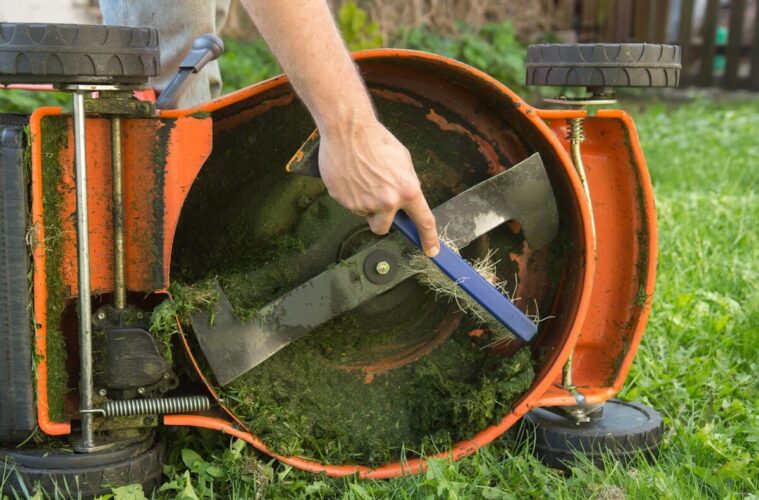
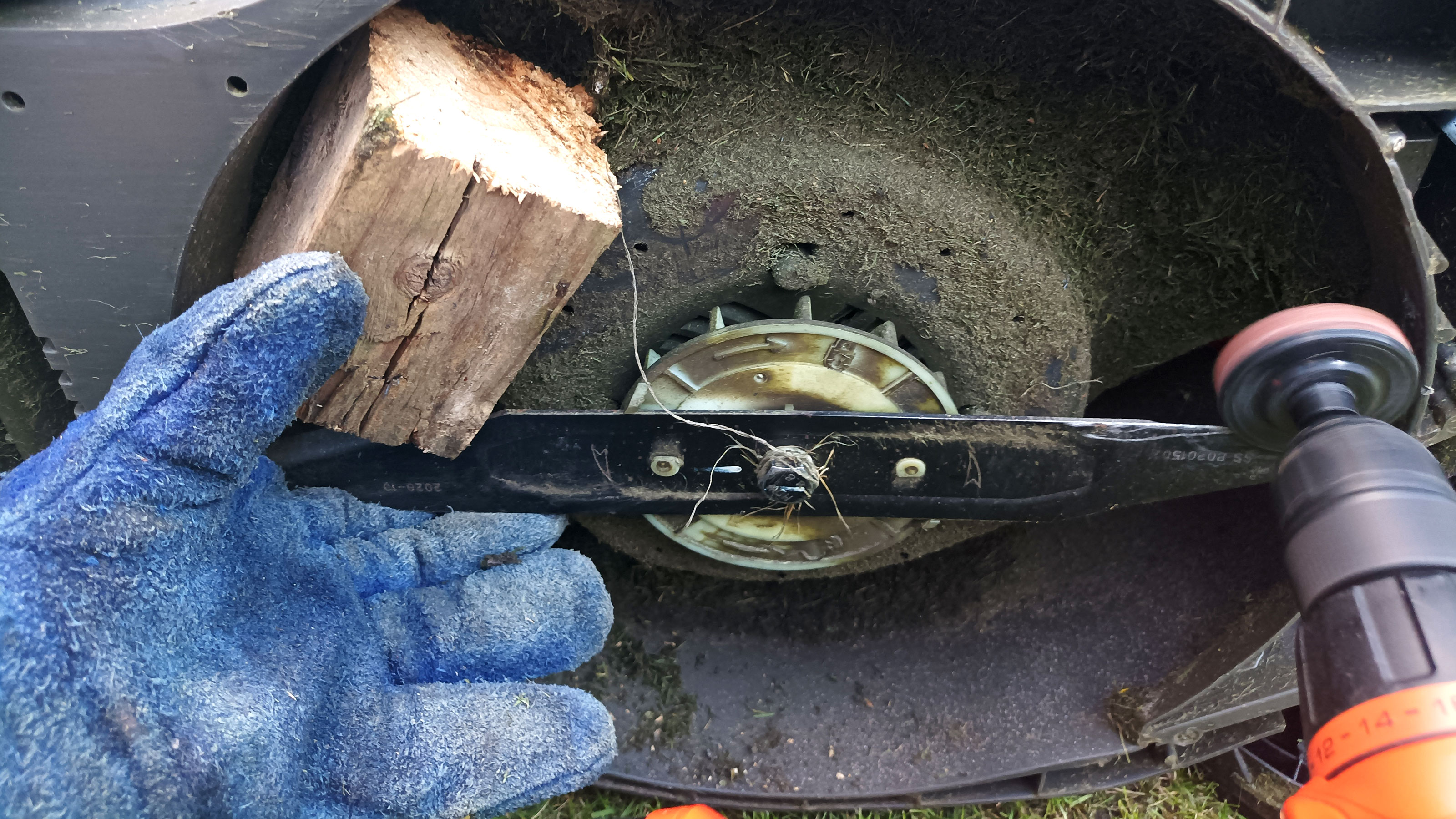
A lawn mower blade sharpener is a tool used to restore a worn cutting edge on a mower blade. Common types include handheld files, sharpening stones, drill-powered sharpening attachments, angle grinders with sharpening discs, and dedicated blade sharpening machines.
Most residential mower blades become dull after repeated mowing, especially when cutting thick grass, encountering dirt, or hitting small rocks and debris. A sharp blade creates a cleaner cut, while a dull blade often bends and tears grass blades.
Source: thearchitecturedesigns.com
Signs your mower blade needs sharpening
Look for uneven grass height, ragged grass tips, brown discoloration at the cut edges, reduced mowing performance, or increased mowing time.
Recommended maintenance timing
Many homeowners sharpen mower blades several times during the mowing season, depending on lawn size, mowing frequency, and yard conditions.
Types of Lawn Mower Blade Sharpeners
Different sharpeners work for different maintenance preferences. Manual tools provide more control, while powered sharpeners can remove material faster but require more caution.
File or sharpening stone
Best for small adjustments and homeowners who prefer a controlled manual method.
Drill attachment sharpener
Uses a household drill to sharpen blades quickly while helping maintain a consistent angle.
Angle grinder
Works quickly but requires careful handling to avoid overheating or removing too much metal.
Tools and Safety Equipment Needed Before Sharpening
Before using a lawn mower blade sharpener, prepare the correct tools and create a safe workspace. The blade should be removed from the mower whenever possible because sharpening underneath a mower deck is less controlled and increases the risk of injury.
Safety preparation is essential because mower blades are heavy metal parts with sharp edges. Even a blade that appears dull can cause serious cuts during handling.
Source: homebuilding.co.uk
Required tools
Common supplies include a blade sharpener, wrench or socket set, blade holder or clamp, work gloves, safety glasses, and a blade balancer.
Safety steps
For gas mowers, disconnect the spark plug wire. For electric or battery mowers, remove the battery or disconnect the power source before starting.
How to Use a Lawn Mower Blade Sharpener Step by Step
Using a lawn mower blade sharpener involves removing the blade, cleaning it, restoring the edge, and checking balance before installation. Follow a careful process rather than trying to make the blade extremely sharp like a knife because mower blades need a durable cutting edge.
Turn off the mower, disconnect the power source, tilt the mower safely, and remove the blade using the correct wrench or socket.
Step 2: Clean and inspect the blade
Remove grass buildup and check for cracks, deep damage, bends, or excessive wear. Replace damaged blades instead of sharpening them.
Step 3: Secure the blade
Place the blade in a vise or clamp so it cannot move while sharpening.
Step 4: Sharpen the cutting edge
Move the sharpener along the existing cutting angle using steady strokes. Remove only enough metal to restore the edge.
Step 5: Balance the blade
Use a blade balancer or similar method to confirm both sides have similar weight before reinstalling.
Step 6: Reinstall the blade
Install the blade in the correct orientation, tighten the fastener securely, and reconnect the mower power source.
How to Know the Blade Is Sharpened Correctly
A properly sharpened mower blade should have a clean, even cutting edge without visible damage or excessive sharpness. The blade should also remain balanced and rotate without causing unusual vibration.
Visual check
The edge should look smooth and consistent from one end of the cutting area to the other.
Performance check
After mowing, grass should have clean cuts instead of shredded or torn tips.
Common Lawn Mower Blade Sharpening Mistakes to Avoid
Many sharpening problems happen because too much metal is removed, the original angle is changed, or safety steps are skipped. Avoiding these mistakes improves blade life and mower performance.
Source: detroitchinatown.org
Sharpening without removing the blade
Working under the mower deck makes it harder to maintain control and can create safety risks.
Changing the blade angle
A different angle can reduce cutting efficiency and may weaken the blade edge.
Over-sharpening the blade
Removing excessive metal shortens blade life and may create an uneven cutting surface.
Skipping blade balance checks
An unbalanced blade can create vibration, noise, and additional stress on mower components.
When Sharpening Is Not Enough and You Need a Replacement Blade
Sharpening cannot repair every damaged mower blade. A replacement is usually the safer option when a blade has major cracks, severe bends, missing sections, or significant corrosion that affects its structure.
Before sharpening, inspect the entire blade rather than focusing only on the cutting edge. A sharp but damaged blade can still create safety problems during operation.
Source: artofit.org
Replace instead of sharpen
Choose replacement when the blade has structural damage or has lost too much material from repeated sharpening.
Seek professional help
If the blade cannot be removed, appears severely damaged, or the mower has unusual vibration after installation, professional inspection may be appropriate.
Frequently Asked Questions
Q
How often should I sharpen a lawn mower blade?
The sharpening schedule depends on mowing conditions, lawn size, and how often the mower is used. Many homeowners check blade condition throughout the mowing season and sharpen when cutting performance declines.
Q
Can I sharpen a lawn mower blade without removing it?
Some tools are designed for limited sharpening while the blade remains installed, but removing the blade generally allows better control, inspection, and safer sharpening.
Q
What angle should a lawn mower blade be sharpened at?
Most mower blades should be sharpened while maintaining the original factory cutting angle. The exact angle can vary by blade design, so following the mower or blade manufacturer’s guidance is recommended when available.
Q
Why does my mower vibrate after sharpening the blade?
Excessive vibration may happen if the blade is installed incorrectly, bent, damaged, or unbalanced after sharpening. Recheck blade balance and installation before operating the mower again.
Q
Can a dull mower blade damage my lawn?
A dull blade can tear grass instead of making a clean cut. This may leave ragged tips that affect lawn appearance and can contribute to poor mowing results.
✦ Wrapping Up
Conclusion
Learning how to use a lawn mower blade sharpener allows homeowners to maintain better mowing results while keeping their equipment in good condition. The key steps are safe blade removal, careful sharpening, proper balance checking, and correct reinstallation.
A mower blade should be sharpened only when it is in suitable condition for maintenance. Inspect the blade regularly, avoid removing excessive metal, and replace damaged blades when sharpening cannot restore safe performance.
💡 Key Takeaway
Before your next mowing session, inspect your blade condition, gather the correct safety equipment, and sharpen only enough to restore a clean cutting edge while keeping the blade balanced.
Learn how to drive a zero turn mower safely and efficiently with beginner-friendly steps, steering tips, operating techniques, and common mistakes to avoid.
Learn how to sharpen zero turn mower blades safely and correctly. This guide explains tools, removal steps, sharpening methods, balancing, installation, and common mistakes.
When your lawn mower is not turning over, it can quickly turn a peaceful weekend plan into frustration. You head out to mow the yard, turn the key or pull the cord, and… nothing. No crank, no sound, sometimes just a faint click. This is one of the most common problems homeowners face during mowing…
Find the best aerators for grass to improve lawn health, reduce thatch, and boost growth. Expert picks, pros/cons, and buying tips to choose the right tool.