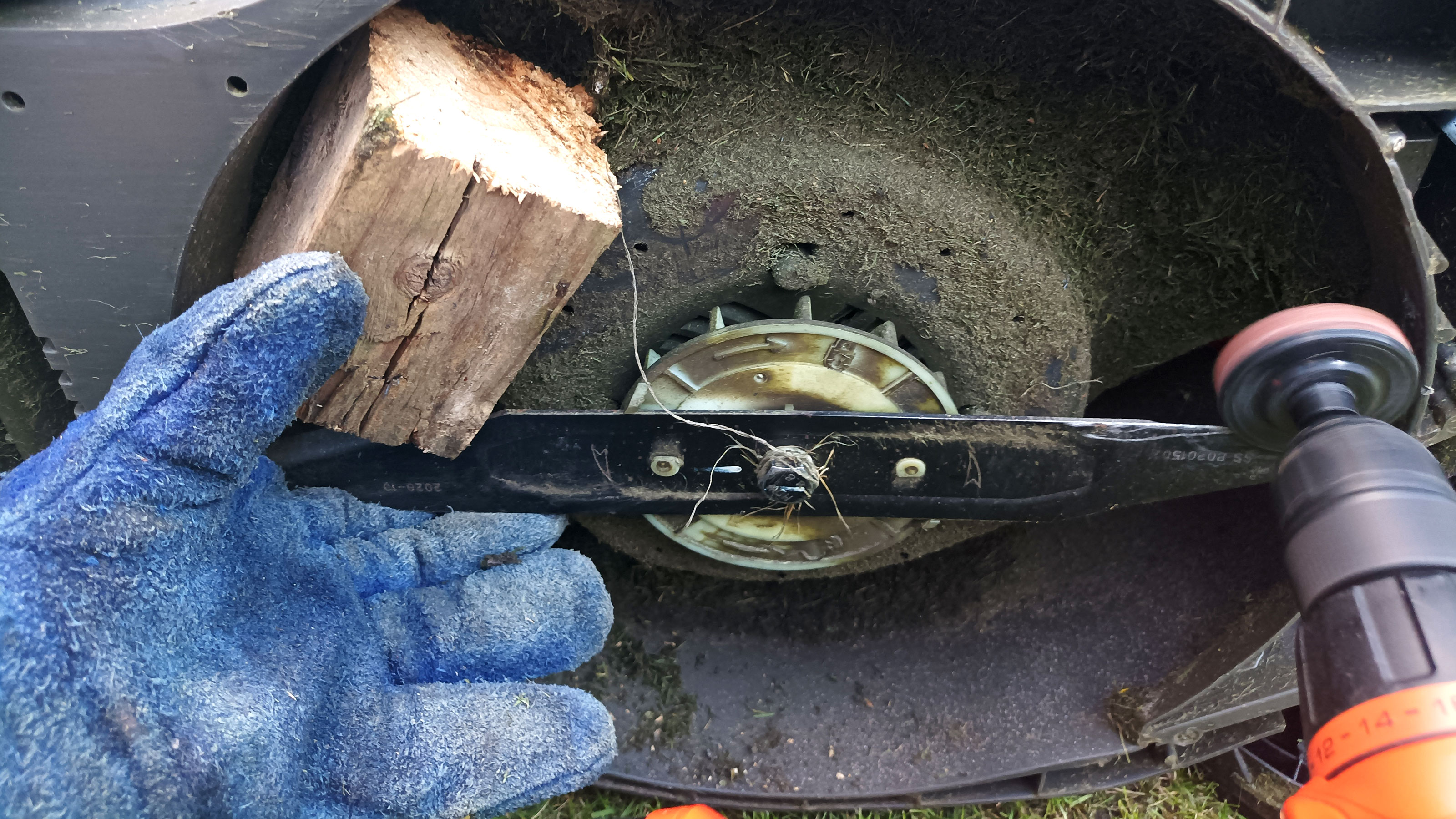
The best way to sharpen riding mower blades is to remove the blades, clean them, sharpen the cutting edges with a file, angle grinder, or bench grinder, balance them, and reinstall them securely before mowing again.
In the United States, many homeowners rely on riding lawn mowers to maintain large yards, especially during the spring and summer mowing season. A dull mower blade can leave grass torn instead of cleanly cut, creating an uneven appearance and putting extra stress on the mower engine.
Sharpening riding mower blades is a routine maintenance task that most homeowners can complete with basic tools when proper safety steps are followed. The process involves disconnecting the mower safely, removing the blades, restoring a sharp edge, checking balance, and reinstalling the blades according to the mower manufacturer’s instructions.
A sharp blade does not mean a razor-thin edge. The goal is a durable cutting edge that can handle normal mowing conditions without becoming damaged quickly. Regular inspection and sharpening help maintain cutting performance and reduce unnecessary wear on mower components.
What You Need Before Sharpening Riding Mower Blades
Before starting the job, gather the correct tools and prepare a safe workspace. Having everything ready reduces the chance of rushing through steps that affect safety or blade quality.
The exact tools needed can vary depending on the mower model and blade condition, but most riding mower blade sharpening jobs require common garage or workshop equipment.
Source: cdn.mos.cms.futurecdn.net
Safety equipment
Wear work gloves and eye protection to protect against sharp metal edges and flying debris.
Basic tools
Common tools include a socket wrench, mower jack or ramps, a blade removal tool, a file, angle grinder, or bench grinder.
Blade balancing tool
A blade balancer helps confirm that both sides of the blade have similar weight after sharpening.
Check the Blade Condition First
Not every mower blade should be sharpened. A blade with small dull areas can usually be restored, but blades with cracks, deep rust damage, major bends, or missing metal should be replaced.
Inspecting the blade before sharpening prevents wasting time on a damaged component that may not be safe to reuse.
Sharpen when
The blade edge is dull but the metal shape remains intact.
Replace when
The blade has structural damage, severe wear, or visible cracks.
How to Remove Riding Mower Blades Safely
Removing the blade before sharpening provides better control and allows you to inspect and balance it properly. Always follow the safety procedures recommended for your specific riding mower model.
Park the mower on a flat surface, turn off the engine, remove the key, and allow hot components to cool before working underneath the deck.
Source: grindercritic.com
Step 1: Disconnect power
Disconnect the spark plug wire or battery connection according to the mower design to prevent accidental starting.
Step 2: Raise and secure the mower
Use proper lifting equipment and make sure the mower is stable before reaching under the deck.
Step 3: Remove the blade
Loosen the blade bolt carefully and note the blade orientation before removal.
Why Blade Direction Matters
Riding mower blades are designed with a specific cutting direction and installation orientation. Marking the blade position before removal makes reinstallation easier and helps avoid installing it upside down.
Helpful practice
Take a photo of the installed blade before removing it so the correct orientation is clear.
The sharpening method depends on the tools available, but the goal is the same: restore a consistent cutting edge while preserving the original blade shape.
Remove rust, grass buildup, and debris before sharpening so you can clearly see the cutting edge.
Source: familyhandyman.com
Clean the blade
Remove dirt and grass buildup using a wire brush or scraper before sharpening.
Match the original angle
Follow the existing bevel instead of changing the blade geometry.
Sharpen evenly
Remove similar amounts of metal from both ends to maintain balance.
Using an Angle Grinder
An angle grinder can quickly restore a dull blade, but it removes metal faster than hand tools. Use controlled passes and avoid overheating the blade edge, which can affect the metal.
Best for
Blades that need faster sharpening and users who can control power tools safely.
Using a File
A hand file removes metal more slowly but gives better control for minor sharpening jobs. It is a practical option for homeowners who want a simple method without power tools.
Best for
Small touch-ups and controlled sharpening work.
How to Balance and Reinstall Riding Mower Blades
After sharpening, blade balance is one of the most important checks before reinstalling the blade. An unbalanced blade can create vibration, uneven cutting, and additional stress on mower components.
Place the blade on a blade balancer or a suitable balancing tool. If one side drops lower, remove a small amount of material from the heavier side and check again.
Source: i.ytimg.com
Install correctly
Return the blade in the same orientation it was removed and tighten the mounting bolt according to the mower manufacturer’s specifications.
Test carefully
After installation, start the mower in a safe area and check for unusual vibration or noise.
Signs the Blade Was Installed Incorrectly
A blade installed upside down may fail to cut properly because the cutting edge is not positioned correctly. The mower may also leave uneven grass or appear to push grass over instead of cutting it.
Common signs
Poor cutting performance, excessive vibration, unusual noise, or grass that looks torn.
An uneven blade can cause vibration even when the cutting edge is sharp.
How Often Should Riding Mower Blades Be Sharpened
The sharpening schedule depends on mowing frequency, lawn size, grass conditions, and whether the mower encounters dirt, rocks, or other debris. Many homeowners inspect blades regularly during the mowing season and sharpen when cutting quality decreases.
Inspect regularly
Check blade condition whenever mowing performance changes or during routine maintenance.
Frequently Asked Questions
Q
How sharp should a riding mower blade be?
A riding mower blade should have a sharp cutting edge but does not need to be razor sharp. A durable edge that maintains the original bevel angle is usually better for normal lawn mowing.
Q
Can I sharpen riding mower blades without removing them?
It is possible with some mower designs, but removing the blade is generally safer and allows better inspection, sharpening accuracy, and balancing.
Q
How do I know if my riding mower blade needs sharpening?
Common signs include grass blades that look torn, uneven cutting, increased mowing time, or visible dullness on the blade edge.
Q
Can a bent riding mower blade be sharpened?
A bent blade should usually be replaced rather than repaired. A damaged blade can affect mower balance and may create safety concerns.
Q
What tool is best for sharpening riding mower blades?
The best tool depends on your experience and blade condition. A file offers control, while an angle grinder or bench grinder can complete the job faster when used carefully.
✦ Wrapping Up
Conclusion
Sharpening riding mower blades is a practical maintenance task that helps improve cutting quality and keeps the mower operating efficiently. The process requires more than creating a sharp edge; safe removal, correct sharpening technique, balance checking, and proper installation are all essential.
By inspecting blades regularly and sharpening them when needed, homeowners can maintain healthier-looking lawns and reduce unnecessary strain on their riding mower.
💡 Key Takeaway
Before your next mowing session, inspect your riding mower blades, sharpen them if the edges are dull, balance them carefully, and reinstall them correctly for safer and cleaner cutting.
Maintaining a lawn mower isn’t just about sharpening blades and changing oil. One often overlooked but critical component is the gas line. Over time, standard rubber hoses can crack, harden, or leak, especially due to modern gasoline blends containing ethanol. A compromised gas line can cause sputtering, fuel leaks, or even a mower that refuses…
When was the last time you checked the blades under your Toro lawn mower? Many homeowners don’t realize how much a dull or bent blade affects their lawn’s appearance. A worn-out blade can tear grass instead of slicing it cleanly, leaving brown tips and exposing your turf to disease. If you’ve noticed your mower leaving…
Learn what type of gas a Craftsman lawn mower uses, including the recommended fuel type, ethanol limits, octane requirements, storage tips, and common fuel mistakes to avoid.
If you’ve ever struggled with uneven grass, scalped patches, or a mower deck that refuses to stay in place, you already know how vital the lawn mower height adjustment lever is. This small but powerful component determines how your mower adapts to the landscape. When it wears out or breaks, your mower can no longer…