
How Much Does An Automatic Lawn Mower Cost: Price Guide
An automatic lawn mower, also called a robotic lawn mower, usually costs $800 to $2,500 for a residential model in the United States. Premium wire-free models can cost $2,500 to more than $5,000. Commercial units may cost $3,000 to $20,000 or more.
The mower is only part of the budget. You may also pay for boundary wire, installation, replacement blades, a cellular plan, and battery service. A realistic first-year budget for many U.S. homeowners is $1,000 to $3,500.
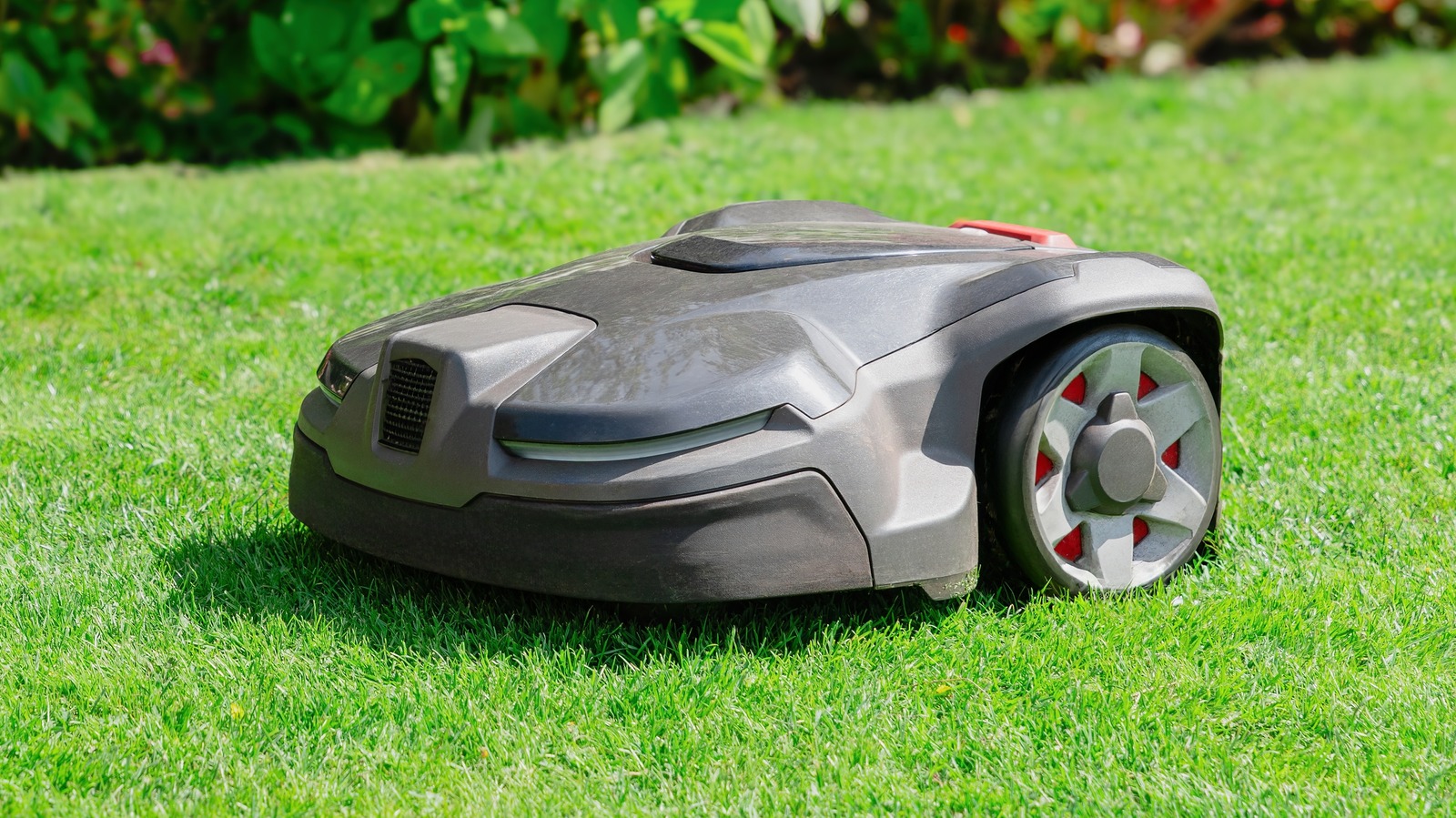
Automatic Lawn Mower Cost at a Glance
The best price range depends on the mower’s cutting area, navigation system, slope rating, and need for professional setup.
| Mower type | Typical U.S. price | Best for |
|---|---|---|
| Basic robotic mower | $800–$1,300 | Small, simple lawns |
| Mid-range mower | $1,300–$2,500 | Typical suburban yards |
| Premium wire-free mower | $2,500–$5,000+ | Large or complex lawns |
| Commercial robotic mower | $3,000–$20,000+ | Large properties and grounds |
| Installation service | $200–$1,500+ | Boundary-wire or complex setup |
| Replacement battery | $100–$500+ | Long-term ownership |
| Replacement blades | $15–$50 per set | Routine maintenance |
| Optional cellular service | $0–$200 per year | Remote tracking and alerts |
These are broad retail planning ranges, not fixed prices. Brands, sales, lawn size, shipping, taxes, and installation needs can change the final cost.
A basic model may be cheaper at checkout but cost more to install if the yard has several planting beds or narrow passages. A more expensive mower may reduce setup work if it uses GPS, satellite positioning, cameras, or other boundary-free navigation tools.

What Changes the Price of a Robotic Lawn Mower?
The largest price drivers are lawn size, navigation, terrain, cutting performance, and smart features.
Lawn size and mowing capacity
Manufacturers rate robotic mowers for a maximum lawn area. U.S. product pages may list capacity in square feet, acres, or both.
A mower rated for 0.15 acre may work well on a small open lawn but struggle with a larger property or a yard split into separate sections. Capacity ratings also depend on mowing schedules, weather, grass growth, and the amount of time the mower can run each day.
Choose a mower with extra capacity rather than buying one that matches your yard exactly. For example, a 0.25-acre mower may be a better fit for a 0.20-acre usable lawn than a model rated for only 0.20 acre.
Boundary wire versus wire-free navigation
Many lower-cost robotic mowers use a buried or pinned boundary wire. The wire tells the mower where it may travel.
Wire-based systems often cost less, but installation takes time. You may need to:
- Measure the usable grass area.
- Keep the wire away from flower beds and ponds.
- Create channels between separate lawn areas.
- Secure the wire with ground stakes.
- Protect the wire from future digging or landscaping work.
Wire-free mowers use tools such as GPS, real-time kinematic positioning, cameras, radar, or onboard sensors. They may be easier to change when the yard layout changes, but they usually cost more. Trees, tall buildings, poor satellite visibility, and complex yard shapes can affect performance.
Slope and rough terrain
a mower with stronger traction and a higher slope rating often costs more. Flat lawns need less power than yards with steep grades, loose soil, tree roots, or rough transitions.
Check the manufacturer’s slope rating carefully. Some brands state the limit in degrees, while others use a percentage. These measurements are not interchangeable.
A mower that can climb a slope on dry grass may not perform the same way on wet grass, leaves, loose soil, or uneven ground.
Cutting width and mowing time
A wider cutting deck can reduce mowing time. However, cutting width alone does not determine performance.
A small mower may run for more hours each week to cover the same area. A larger unit may finish sooner but cost more. Battery size, charging speed, weather limits, and mowing patterns also matter.
Smart controls and theft protection
App control, geofencing, rain sensors, obstacle detection, GPS tracking, and theft alerts can increase the price.
Some functions work through Wi-Fi or Bluetooth. Others need a cellular connection and may require a paid service plan. Check whether the subscription is optional, included for a limited period, or needed for key features.
Do not pay for smart features you will not use. A simple mower with a reliable schedule may be a better fit than a connected model for a small, open lawn.

How Much Does Installation Cost?
Robotic lawn mower installation can cost about $200 to $1,500 or more in the United States. A simple lawn may need little help. A large yard with several zones, slopes, paths, and obstacles can require much more labor.
DIY installation
Do-it-yourself installation is common for boundary-wire models. It may cost only the price of extra stakes, connectors, protective conduit, or tools.
The main cost is time. Plan the layout before placing the wire. The mower must reach its charging station and, when needed, move between lawn sections.
DIY installation can fail when the wire:
- Crosses itself in the wrong place.
- Sits too close to a drop-off or pond.
- Leaves a gap near a driveway or walkway.
- Does not create a usable route to another grass area.
- Gets cut during edging, aeration, or landscaping work.
Read the exact owner’s manual before installing the wire. Different systems use different spacing and layout rules.
Professional installation
Professional installation may make sense when:
- The lawn has multiple zones.
- The yard includes steep slopes.
- The boundary system uses advanced positioning equipment.
- The property has many trees or structures.
- You do not want to troubleshoot wire faults.
- The mower must cross a path or travel between separated areas.
Ask for a written quote. Confirm whether the price includes mapping, wire, stakes, setup, app pairing, testing, and return visits.

What Is the Total Cost of Ownership?
The purchase price does not show the full cost. A simple ownership estimate includes the mower, installation, maintenance, electricity, and optional services.
Example first-year budgets
These examples are hypothetical planning figures.
| Example | Mower | Setup | Accessories and service | Estimated first year |
|---|---|---|---|---|
| Small DIY lawn | $900 | $0–$150 | $50–$150 | $950–$1,200 |
| Typical suburban yard | $1,700 | $300–$800 | $100–$250 | $2,100–$2,750 |
| Premium wire-free system | $3,500 | $300–$1,000 | $100–$400 | $3,900–$4,900 |
These totals exclude sales tax and major repairs. They also assume that the mower can handle the lawn without major landscaping changes.
Maintenance costs
Robotic mowers use small blades that need regular inspection and replacement. Costs vary by brand and blade design, but many replacement sets cost less than a traditional riding mower service visit.
You may also need to budget for:
- A replacement battery after several years.
- Charging-station parts.
- Boundary-wire repairs.
- Wheel or motor repairs.
- Winter storage supplies.
- A protective garage or shelter.
- Cellular connectivity fees.
Electricity is usually a smaller cost than fuel for a gas mower, but the difference depends on use, local electric rates, and the mower’s charging efficiency. Do not assume a specific energy saving without data for the exact model.
Battery replacement
The battery is one of the most important long-term costs. Battery life depends on the chemistry, charge cycles, temperature, storage conditions, and use.
Check whether the battery is user-replaceable. Also check its price and whether the manufacturer or an authorized service center must install it.
A low purchase price may be less attractive if the battery is difficult to replace or unavailable in the United States.

Are Automatic Lawn Mowers Worth the Cost?
An automatic lawn mower can be worth the cost when you value regular mowing, have a suitable lawn, and plan to keep the machine for several years.
The main benefit is time. A robotic mower cuts small amounts of grass often, then returns to its charger. It does not usually collect grass in a bag, so it works best when the lawn is mowed often and clippings can remain on the ground.
A robotic mower may be a poor value when:
- You have a very small lawn that takes minutes to mow.
- The property has many disconnected grass areas.
- The yard contains toys, hoses, pet waste, or loose objects.
- You need tall grass cut down quickly.
- The mower cannot safely manage your slopes.
- You expect a fully hands-off system.
- Local theft risk is high and the mower lacks useful security controls.
The value is not just the cost of one mowing session. Compare the mower with the time, fuel, maintenance, and storage cost of your current method.
A simple break-even calculation
Use this formula:
Break-even years = total robotic mower cost ÷ annual cost of your current mowing method
For example, suppose a robotic mower costs $2,400 after installation. If your current method costs $600 per year in fuel, maintenance, and hired mowing, the simple break-even point is:
$2,400 ÷ $600 = 4 years
This calculation does not include your time, financing charges, repairs, or resale value. It is a comparison tool, not a guarantee of savings.

How to Choose a Robotic Mower by Budget
Your lawn should determine the model class, not the advertised feature list.
If your budget is under $1,000
Look for a basic mower designed for a small, mostly flat lawn. Expect boundary wire, fewer navigation features, and a smaller cutting area.
Before buying, confirm that the package includes the charging station, power supply, boundary wire, and enough installation hardware.
If your budget is $1,000 to $2,500
This range covers many residential models. You may find better slope handling, larger coverage, stronger weather protection, app control, and more flexible scheduling.
Compare the actual usable area, not only the maximum area in the product description.
If your budget is $2,500 to $5,000
This range includes premium residential units and many wire-free models. You may get improved mapping, obstacle detection, satellite positioning, cameras, or better performance on complex lawns.
The extra cost is most useful when your yard is large or difficult to map. It may not provide much value on a small, open lawn.
If your budget exceeds $5,000
Consider the reason for the cost. A high price may reflect large-area capacity, commercial construction, advanced navigation, multiple mower support, or professional service.
For a residential lawn, compare the price with the cost of hiring a lawn service. For commercial property, also consider downtime, service contracts, security, and the cost of managing several units.

Common Costs and Mistakes Buyers Miss
The most common budgeting mistake is treating the listed mower price as the complete project cost.
Watch for these issues:
- The rated lawn area is too low. Capacity ratings are not always equal to the grass area on your property.
- The yard has separate zones. Some mowers cannot move between zones without a special layout or manual relocation.
- The charger needs a suitable location. It requires power, drainage, and enough clearance.
- The wire is not protected. Landscaping, edging, digging, and rodents can damage it.
- The mower is left outside in severe weather. Follow the storage instructions in the manual.
- The yard is not cleared before mowing. Hoses, toys, tools, and pet waste can cause damage or spread waste.
- A subscription is overlooked. Cellular mapping, tracking, or theft alerts may require payment.
- The battery cannot be sourced easily. Check long-term parts support before purchase.
- The mower is used on unsafe ground. Wet slopes, water edges, stairs, and public paths require special care.
Keep people and pets away while the mower is operating if the manufacturer’s instructions require it. Never place hands or feet under the deck while the mower is powered on. Turn the mower off before cleaning, clearing a jam, or inspecting the blades.

What to Check Before You Buy
Use this short checklist before comparing prices:
- Measure the actual grass area.
- Mark slopes, narrow paths, islands, and separate lawn zones.
- Decide whether boundary wire is acceptable.
- Check the mower’s slope rating and weather limits.
- Confirm the charging-station location.
- Add installation, tax, accessories, and service fees.
- Check blade and battery prices.
- Confirm app, Wi-Fi, GPS, and cellular requirements.
- Read the warranty and U.S. service terms.
- Plan winter storage and theft protection.
Look for the owner’s manual before purchase. The manual often reveals limits that are not clear in a short product listing.

Frequently Asked Questions
How much does a robotic lawn mower cost for a quarter-acre?
A residential mower for a quarter-acre lawn may cost roughly $1,300 to $3,500, depending on terrain and navigation. A wire-based model may cost less than a premium wire-free model. Installation can add several hundred dollars.
Do automatic lawn mowers need boundary wire?
No. Some models use GPS, satellite positioning, cameras, or other sensors instead of a physical boundary wire. Wire-free systems usually cost more and may need good signal conditions. A boundary-wire mower can be a better value for a simple yard.
Do robotic lawn mowers use a lot of electricity?
Most residential robotic mowers use relatively small amounts of electricity, but actual cost depends on the model, mowing schedule, battery, and local utility rate. Check the manufacturer’s energy data when available instead of relying on a general estimate.
How often do robotic mower blades need replacement?
Blade life depends on grass type, soil, sticks, sand, and mowing frequency. Inspect the blades often and replace them when they are dull, bent, damaged, or unable to cut cleanly. Follow the model’s service instructions.
Can a robotic mower cut wet grass?
Some models can operate in light rain, while others should return to the charger. Wet grass can reduce traction, cause clumping, and make slopes less safe. Follow the exact weather and operating limits in the manual.
Are robotic lawn mowers safe around pets?
They include safety systems, but they are not a substitute for supervision. Keep pets away from the mower if they may interfere with its path, chew cables, or react badly to the machine. Remove pet waste and loose objects from the lawn before operation.
Bottom Line: Plan on $1,000 to $3,500 for Most U.S. Homes
Most U.S. homeowners should budget $1,000 to $3,500 for the mower, setup, and common first-year costs. Small, simple lawns may cost less. Large yards, difficult slopes, wire-free navigation, and professional installation can raise the total above $5,000.
Start by measuring the usable grass area and checking the lawn’s slope and layout. Then compare the mower’s capacity, navigation method, battery support, warranty, and ongoing costs—not just the sticker price.
Sources for further checking
Manufacturer specifications and manuals are the best sources for model capacity, slope limits, installation rules, warranty terms, and service requirements. Useful U.S. sources include:
- Husqvarna Automower support
- WORX Landroid support
- Segway Navimow support
- Mammotion support
- Consumer Product Safety Commission for general outdoor equipment safety information
Prices, features, subscriptions, and parts availability can change. Check the current U.S. product page and owner’s manual before placing an order.


