
How Much Is A Self Mowing Lawn Mower: 2026 Cost Guide
A self-mowing lawn mower usually costs $800 to $5,000 in the United States, depending on its cutting area, navigation system, terrain rating, and setup needs. Most homeowners pay about $1,500 to $3,000 for a capable robotic mower for a typical suburban lawn.
Budget models may cost less than $1,000. Large-lawn models, wire-free systems, and advanced robotic mowers can cost more than $4,000. You may also need to budget for installation, replacement blades, boundary wire, a cellular plan, or a docking station.
In this guide, “self-mowing lawn mower” means an autonomous robotic lawn mower. It is not the same as a self-propelled mower, which still requires a person to steer it.

Self-Mowing Lawn Mower Prices at a Glance
The price depends mainly on lawn size and mower features. A small, simple mower costs much less than a model built for large yards with slopes, narrow passages, and complex borders.
| Robotic mower type | Typical U.S. price | Best for |
|---|---|---|
| Small basic model | $700–$1,200 | Small, simple lawns |
| Mid-range model | $1,200–$2,500 | Typical suburban yards |
| Premium wire-free model | $2,500–$4,500 | Larger or complex lawns |
| Large-area commercial or premium model | $4,000–$6,000+ | Large properties and heavy use |
| Professional installation | $200–$1,500+ | Boundary setup and difficult yards |
These are typical retail ranges, not guaranteed prices. Promotions, bundles, regional dealers, and seasonal sales can change the final cost.
A robotic mower is often more expensive than a standard push mower at the time of purchase. Its value comes from repeated automatic mowing. It cuts small amounts of grass often, returns to charge, and follows a schedule without the homeowner walking behind it.
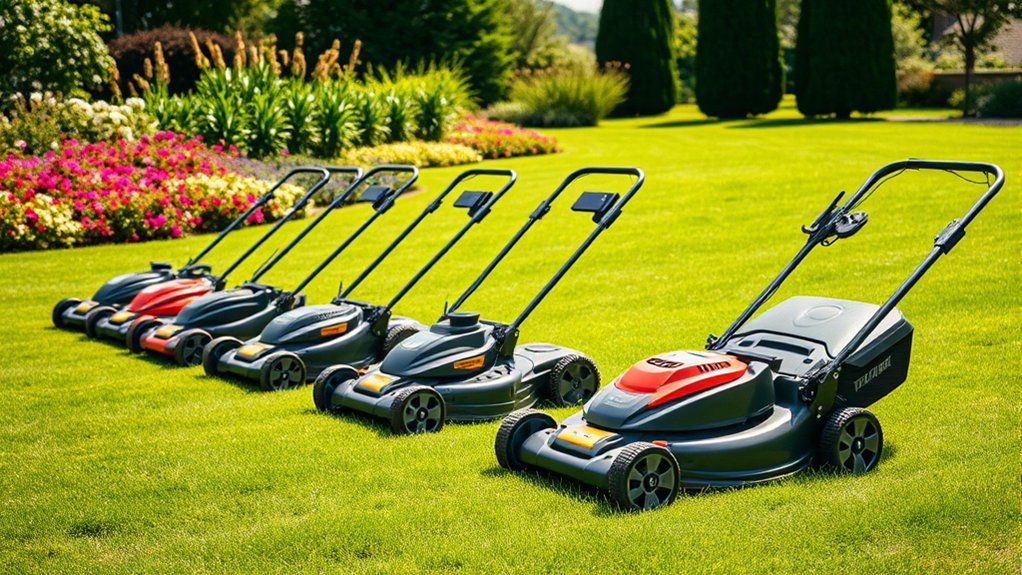
What Does a Robotic Lawn Mower Cost by Lawn Size?
A small lawn does not always require the cheapest mower. The mower must still handle the yard’s shape, slopes, narrow areas, and grass type.
Small lawns: about $700 to $1,500
A small robotic mower can suit a lawn of roughly 2,000 to 5,000 square feet. These models often use a boundary wire and have a smaller cutting width.
They are a practical choice when the lawn is:
- Mostly flat
- Open and easy to map
- Free of many trees, beds, and tight passages
- Close to an outdoor power outlet
A lower price may mean a smaller battery, less cutting capacity, or fewer smart features. Check the mower’s recommended lawn area, not only its maximum area.
Medium lawns: about $1,500 to $3,000
This is the most common price range for a full-featured residential robotic mower in the United States.
A mid-range model may offer:
- App control
- Rain detection
- Automatic charging
- Theft alerts
- Better slope handling
- Multiple mowing zones
- More robust wheels
- A larger battery
This range often provides the best balance for a typical suburban lawn. The exact fit still depends on obstacles and slope.
Large lawns: about $2,500 to $5,000 or more
Large yards need longer battery life, stronger traction, better navigation, or more efficient scheduling. Some models use GPS, satellite positioning, cameras, radio beacons, or other systems to reduce the need for boundary wire.
Large-property models may also support separate zones. For example, you may be able to send the mower to a front lawn, side yard, and back lawn at different times.
The mower’s stated capacity can be less useful when the yard has steep hills or many narrow sections. A complicated 15,000-square-foot lawn may be harder to mow than a simple 20,000-square-foot lawn.
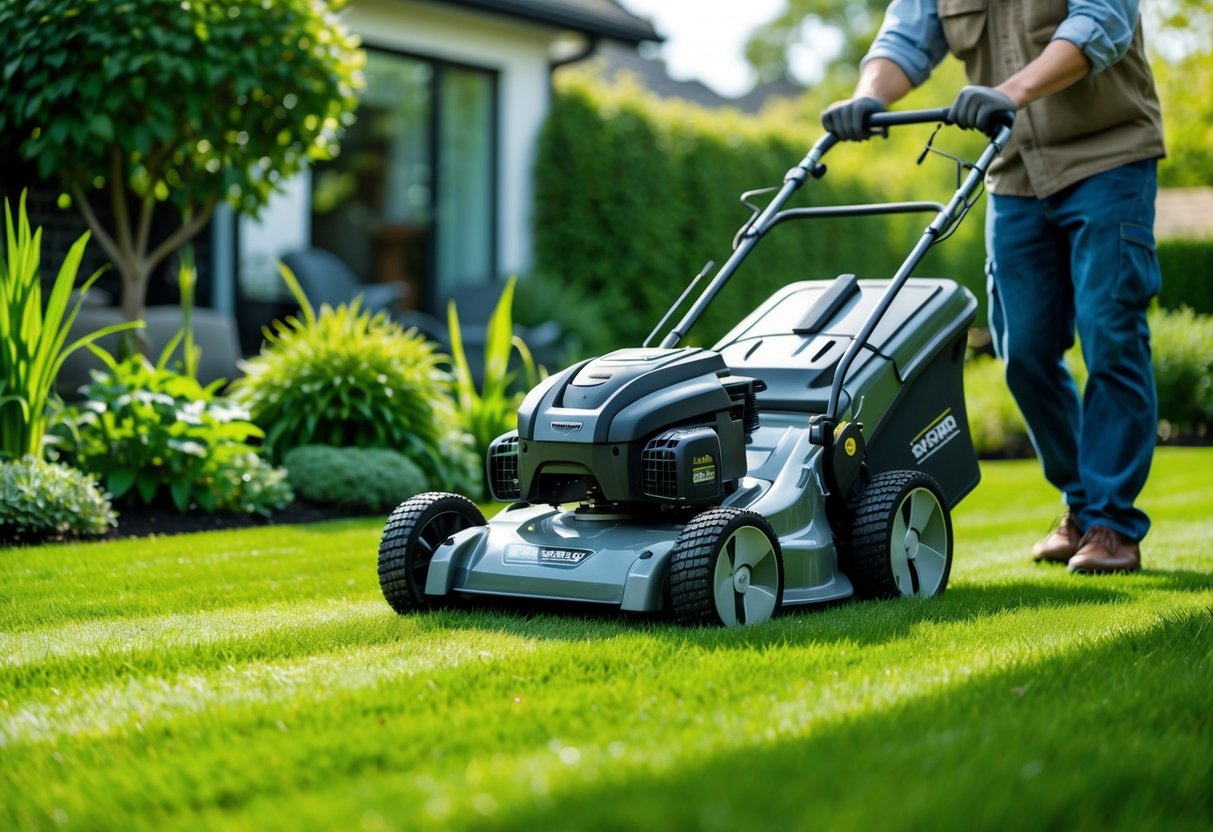
What Is Included in the Purchase Price?
The base price may include the mower, charging station, power supply, and basic installation parts. It may not include everything needed for your yard.
Common included items
Most residential robotic mower packages include:
- The mower
- A charging station
- A power adapter
- Some boundary wire or guide wire
- Wire connectors
- Charging contacts
- Basic cutting blades
- A setup guide or mobile app
The amount of boundary wire varies by model. A large or divided yard may need extra wire.
Common extra costs
Plan for these possible expenses:
- Extra boundary wire
- Wire stakes
- Replacement blades
- A protective shelter
- Professional installation
- A cellular or connected-services subscription
- Extra charging equipment
- A second charging station, if supported
- Repairs after accidental damage
A mower advertised at $1,000 may cost more after setup. A mower that does not need boundary wire may cost more at first but save installation time.
Installation cost
Professional installation often costs about $200 to $1,500 or more. A simple lawn may need only a short setup visit. A large lawn with several zones, slopes, walkways, and garden beds takes more work.
Some manufacturers and dealers include installation during a promotion. Others charge separately. Ask whether the quoted service includes:
- Mapping the full mowing area
- Installing and testing boundary wire
- Setting no-go areas
- Connecting the app
- Checking the charging station
- Training you to make basic changes

What Makes One Self-Mowing Mower More Expensive Than Another?
The largest price differences come from navigation, lawn capacity, terrain support, and installation needs.
Navigation system
Many robotic mowers use a boundary wire around the mowing area. The wire creates a clear limit for the mower.
Other models use wire-free navigation. Depending on the product, they may use GPS, satellite positioning, cameras, sensors, or a combination of systems.
Wire-free models can reduce installation work. However, they may have higher prices and more setup limits. Trees, tall buildings, poor signal conditions, and dense landscaping can affect some navigation systems.
Lawn capacity
Manufacturers usually list a recommended lawn size. This number assumes normal conditions and a suitable mowing schedule.
A mower rated for 10,000 square feet may not be ideal for a 10,000-square-foot lawn with steep hills and many obstacles. The mower may need more charging time and more frequent trips through narrow paths.
For a smoother fit, choose a mower with more capacity than your exact lawn size. This gives the mower time to charge and still maintain the grass.
Slope performance
Slopes can raise the purchase price. Look for the manufacturer’s stated maximum incline and check whether it applies to straight travel, cross-slope travel, or both.
Wet grass can reduce traction. Loose soil, pine needles, leaves, and uneven ground can also make a slope harder to manage.
Do not rely only on a product listing that says “handles hills.” Read the manual for the exact limit and surface conditions.
Cutting width and battery size
A wider cutting deck can reduce mowing time. A larger battery can help the mower cover more area before it returns to the station.
These features often raise the price. They matter most on larger lawns or lawns that must be maintained within a short schedule.
Object detection and mapping
Some premium mowers use cameras or other sensors to detect objects. These systems may help the mower avoid certain items, but they are not a reason to leave toys, hoses, tools, or pet waste on the lawn.
Before each mowing cycle, remove objects that could damage the mower or harm people and animals.
Smart controls
Many robotic mowers connect to a phone app. Features may include:
- Scheduling
- Zone control
- Mowing history
- Error alerts
- Theft notifications
- Firmware updates
- Weather pauses
Some connected features may require a cellular subscription. Check the service terms before buying if remote control is important to you.
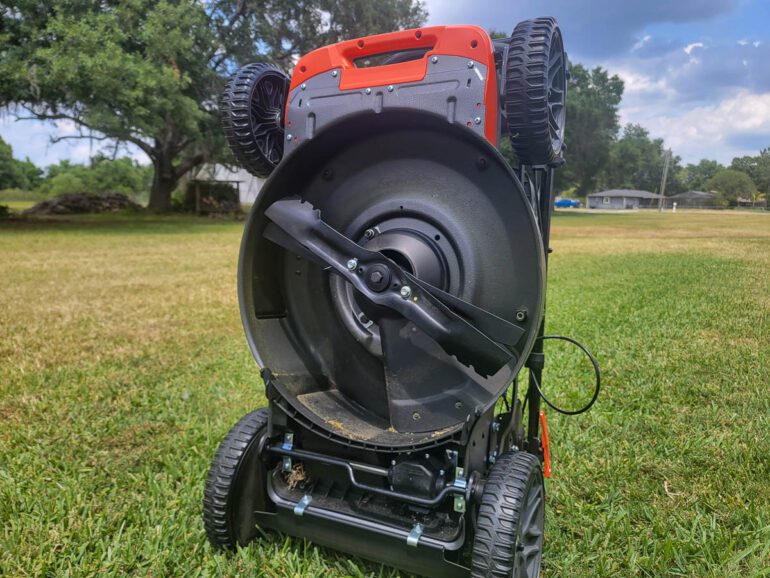
How Much Does a Robotic Mower Cost to Run?
A robotic mower has lower routine labor needs than a conventional mower, but it is not maintenance-free.
Typical ongoing costs include:
| Ongoing item | Typical cost or frequency |
|---|---|
| Replacement blades | About $15–$50 per set |
| Blade replacement | Often every 1–3 months, depending on use |
| Boundary wire repairs | Varies by damage and labor |
| Battery replacement | Often several years, depending on use and model |
| Cellular service | May be free or may require a subscription |
| Electricity | Usually a modest household charging cost |
| Professional service | Varies by mower and local labor rates |
Blade life depends on mowing frequency, grass type, soil, sticks, and hidden objects. Dull blades can tear grass and increase the mower’s workload.
Battery replacement is a larger future cost. Lithium-ion batteries lose capacity over time. The replacement price depends on the model and whether the owner or a service center can install it.
Read the manufacturer’s warranty and battery terms before purchase. Some warranties cover the mower but use different terms for the battery.
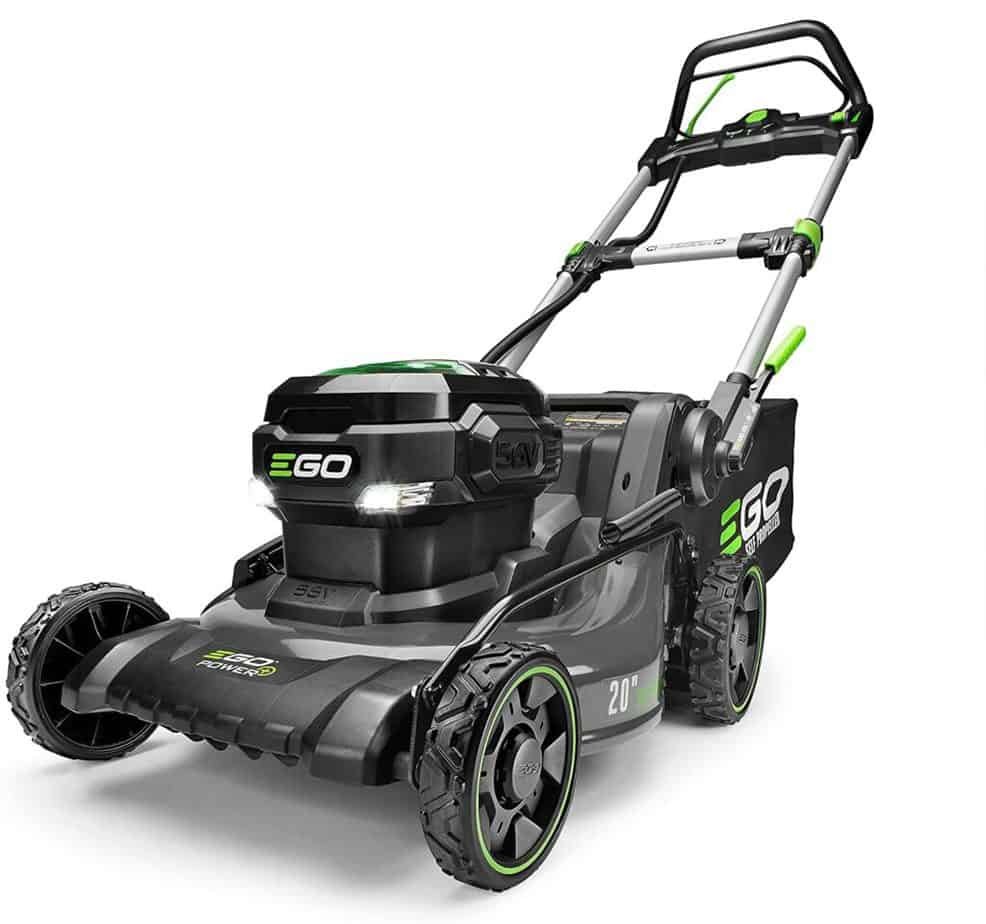
Is a Self-Mowing Lawn Mower Worth the Price?
A robotic mower can be worth the price when you value regular mowing, have a suitable lawn, and plan to use the mower for several years.
A simple cost comparison can help.
Example cost calculation
Assume a robotic mower costs $2,000 and installation costs $400. The initial cost is:
$2,000 + $400 = $2,400
If you use it for five years:
$2,400 ÷ 5 = $480 per year
That is about $40 per month, before blades, repairs, electricity, and possible subscriptions.
This does not automatically make the mower cheaper than hiring a lawn service. Local lawn-care prices differ widely. It also does not include the value of your time if you mow your own lawn.
A robotic mower may be a better fit when:
- You want the lawn cut on a regular schedule
- You dislike routine mowing
- Your yard has clear boundaries
- You can keep children and pets away during operation
- You can store or service the mower as required
- You expect to use it for several seasons
It may not be worth the cost when:
- Your lawn is very small
- The yard has many separate sections
- The property has steep or rough terrain
- You need a mower for tall, overgrown grass
- You move often
- You expect the mower to handle leaves, branches, and cleanup work
A robotic mower is a grass-maintenance tool. It is not a full replacement for trimming, edging, leaf removal, or seasonal yard cleanup.

Robotic Mower vs. Other Lawn Mower Costs
The right comparison depends on what work you want the machine to do.
| Mower type | Typical U.S. purchase range | Requires a person during mowing? |
|---|---|---|
| Basic push mower | $150–$500 | Yes |
| Battery push mower | $250–$800 | Yes |
| Self-propelled mower | $350–$1,000 | Yes |
| Robotic lawn mower | $700–$5,000+ | Usually no during scheduled mowing |
| Riding mower | $1,500–$5,000+ | Yes |
| Zero-turn mower | $3,000–$15,000+ | Yes |
A self-propelled mower helps move itself forward, but a person still guides it. A self-mowing robotic mower operates on its own within its programmed area.
A riding mower may be a better value for a large open lawn that needs occasional cutting. A robotic mower may be more useful when you want frequent light cuts without spending time behind the machine.

What Should You Check Before Buying?
Measure the lawn and inspect its layout before comparing models. Product price alone does not show whether the mower will work well on your property.
1. Measure the actual mowing area
Exclude driveways, patios, buildings, ponds, and garden beds. Include only grass that the mower can safely reach.
If the mower must cross a walkway, check whether the manufacturer allows that setup. Some yards need separate mowing zones or manual relocation.
2. Check slope and surface conditions
Walk the yard after rain and look for:
- Slopes
- Soft soil
- Exposed roots
- Loose gravel
- Deep holes
- Raised edges
- Narrow paths
Compare these conditions with the manual, not just the product page.
3. Identify pet and child safety needs
Robotic mowers have moving blades. Follow the manufacturer’s instructions about operation near children and pets.
Many owners schedule mowing when people and pets are indoors. Keep the mower away from swimming pools, steep drop-offs, and areas where a pet could become trapped.
4. Check the charging station location
The station needs a suitable power source and enough open space for the mower to enter and leave. It should not sit where water collects.
The manual may specify clearance in front of and beside the station. Poor placement can cause charging or navigation problems.
5. Confirm app and connectivity requirements
Check whether setup requires:
- Wi-Fi
- Bluetooth
- Cellular coverage
- A smartphone
- A paid subscription
- A specific phone operating system
A mower can still operate without some remote features, but the exact limits vary by model.
6. Ask about parts and service
Before buying, find out where to get:
- Blades
- Batteries
- Wheels
- Charging parts
- Boundary wire
- Software support
- Warranty repairs
A low purchase price may be less attractive if parts are difficult to obtain.

Common Mistakes That Increase the Real Cost
The most expensive mistake is buying a mower that cannot handle the lawn.
Avoid these errors:
Buying by price alone
A cheap mower may lack the capacity, traction, or navigation method your yard needs. Compare the mower’s limits with your actual lawn.
Trusting the maximum lawn rating
The maximum rating may assume a simple, flat lawn. Choose based on real conditions and allow extra capacity when possible.
Ignoring boundary details
Trees, fences, garden beds, ponds, and slopes can make installation harder. Ask for a property-specific installation estimate if the layout is complex.
Leaving objects on the grass
Hoses, toys, tools, pet waste, and fallen branches can cause damage or create safety risks. Inspect the lawn before operation.
Assuming “wire-free” means “setup-free”
Wire-free systems still need mapping, charging-station placement, app setup, and no-go zones. Some also depend on good satellite or signal conditions.
Forgetting winter storage
Cold, wet, and freezing conditions can harm equipment and batteries. Follow the manufacturer’s storage instructions. Some products require the battery to be charged to a certain level before long-term storage.

How to Choose a Price Range
Use the following guide as a starting point:
- Under $1,000: Choose this range for a small, flat, simple lawn. Expect fewer premium features.
- $1,000 to $2,000: Consider this range for many small and medium suburban lawns.
- $2,000 to $3,500: Look here for larger lawns, better slope handling, stronger navigation, and more convenience.
- More than $3,500: Consider this range when you need large-area coverage, advanced navigation, professional installation, or premium terrain support.
Do not spend more for features your lawn does not need. A simple boundary-wire model may be the better choice for a flat, open yard.
On the other hand, saving money on capacity or slope performance can lead to poor coverage, repeated errors, or extra installation work.

Frequently Asked Questions
How much does a self-mowing lawn mower cost for a quarter-acre?
A quarter-acre equals about 10,890 square feet, but not all of that may be grass. A suitable robotic mower often costs about $1,500 to $3,500, depending on terrain, layout, and navigation.
Choose a model with more capacity than the measured grass area if the yard has slopes, narrow paths, or many obstacles.
Do self-mowing lawn mowers need boundary wire?
Some do, and some do not. Boundary-wire models use a physical wire to mark the mowing area. Wire-free models may use GPS, satellite positioning, cameras, sensors, or other navigation tools.
Wire-free operation can reduce installation work, but it does not remove the need for careful setup.
How often do robotic mower blades need replacing?
Many manufacturers recommend checking blades often and replacing them regularly. Actual replacement time can range from several weeks to a few months.
Grass type, mowing frequency, dirt, sticks, and contact with hard objects all affect blade life. Use the maintenance schedule in the exact owner’s manual.
Can a robotic mower mow in the rain?
Some models can operate in light rain, while others pause when rain is detected. The mower’s manual controls the answer.
Even when the mower is weather-resistant, wet grass may reduce traction and increase clumping. Do not assume that weather resistance means the mower should remain outside during storms, flooding, or freezing conditions.
Can a robotic mower handle hills?
Some can handle moderate slopes, but the limit varies by model. Check the stated incline rating and whether it applies to travel across the slope or only up and down it.
Wet grass, loose soil, leaves, and uneven ground can reduce traction. A mower that meets the published limit on paper may still struggle on a slippery surface.
Does a robotic mower replace a lawn service?
Not completely. It can reduce or remove routine mowing, but you may still need edging, trimming, leaf cleanup, fertilizing, irrigation work, and seasonal maintenance.
A lawn service may remain useful for properties with steep slopes, complex landscaping, or heavy seasonal cleanup.
Final Cost Recommendation
For most U.S. homeowners, a realistic budget for a reliable self-mowing lawn mower is $1,500 to $3,000, plus possible installation and maintenance costs.
Choose a model under $1,500 only when the lawn is small, flat, and simple. Consider spending $2,500 or more when the property is large, sloped, divided into zones, or difficult to map.
Before buying, measure the grass area, check the slope rating, confirm the navigation method, price installation, and review battery and service costs. The best value is not the lowest sticker price. It is the mower that can safely cover your lawn with few interruptions over several years.


