
How Do Corded Lawn Mowers Work: Simple Guide
Corded lawn mowers use electricity from a U.S. household outlet to spin a motor and cutting blade. A power cord carries 120-volt AC power to the mower. The motor changes that electrical energy into rotation, which turns the blade beneath the deck. When you release the safety handle, the mower cuts power and the blade stops.
For many American yards, a corded electric mower offers simple starting, low routine maintenance, and no gasoline storage. Its main limits are the cord’s reach, outlet access, and the need to manage the cable safely while mowing.
What Is a Corded Electric Lawn Mower?
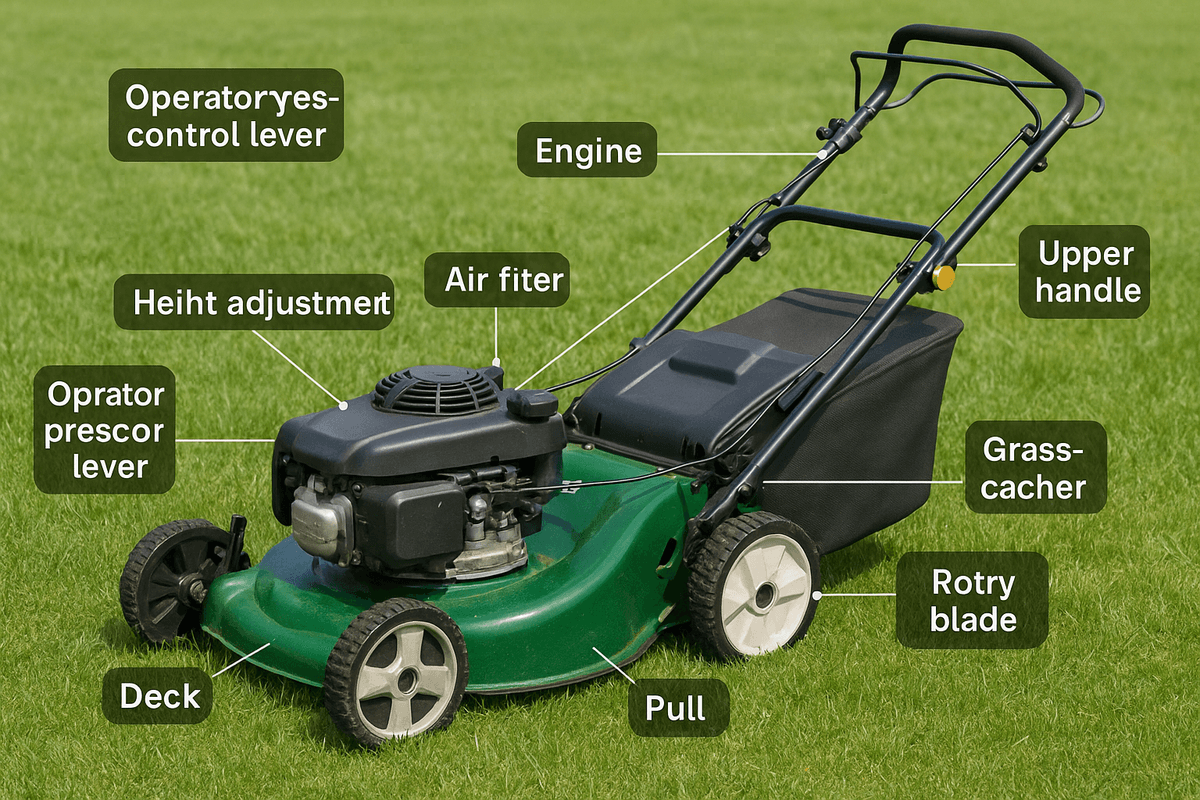
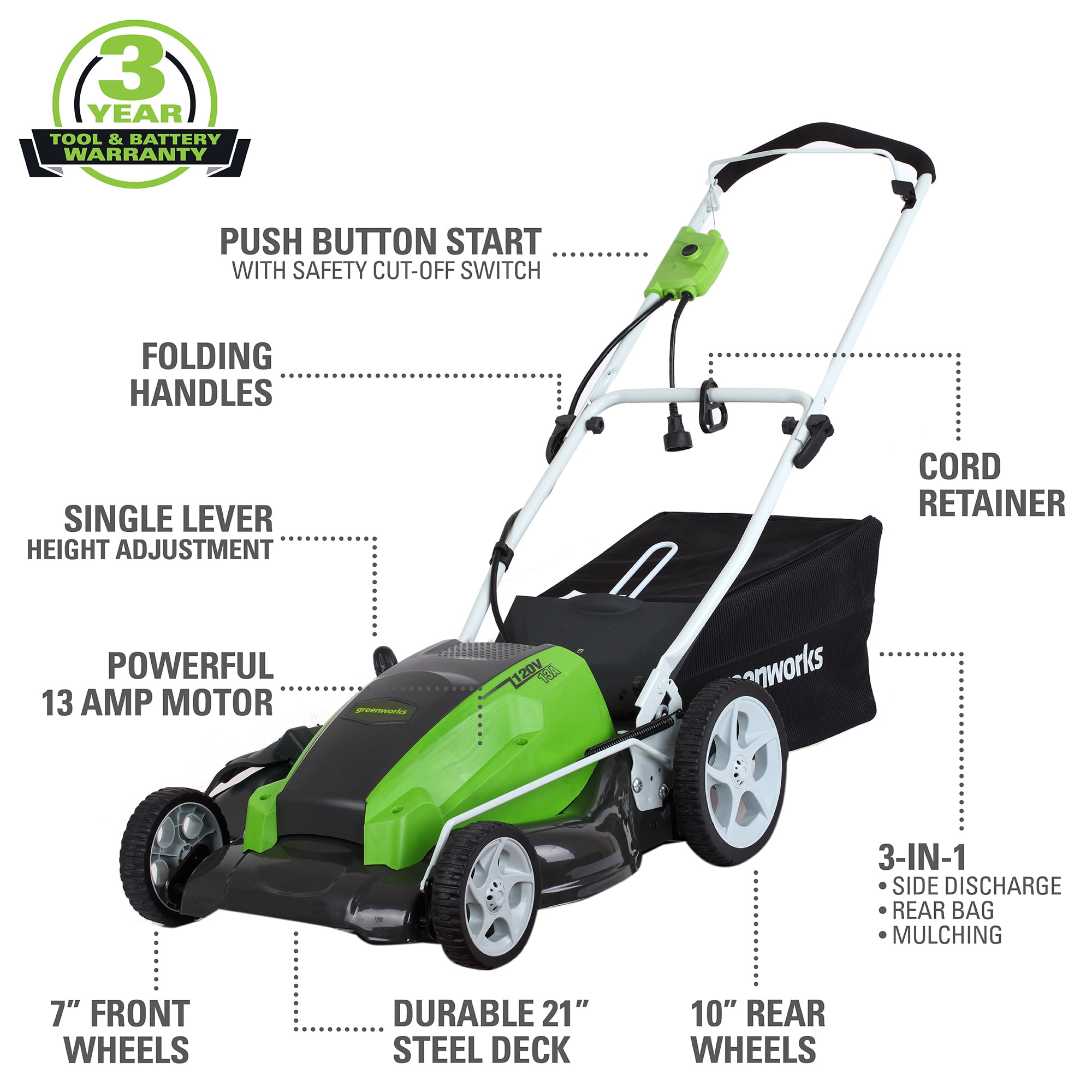
A corded lawn mower is a walk-behind mower that runs from an outdoor electrical outlet instead of a gasoline engine or rechargeable battery. It normally has a motor, blade, mower deck, wheels, power switch, safety bail, and power-cord connection.
Most models sold for residential use in the United States plug into a standard 120-volt outlet. The exact motor type, current draw, blade design, and cord requirements vary by model, so the owner’s manual remains the final source for operating limits.
A corded mower is different from:
- A battery mower: Stores energy in a rechargeable battery.
- A gas mower: Burns fuel in an internal-combustion engine.
- A riding mower: Uses a seat and larger drive system for the operator.
- A corded string trimmer: Uses a flexible cutting line rather than a metal or composite mower blade.
The term “corded” refers to the mower’s energy source. It does not mean that the cutting blade is connected directly to the outlet. Electricity first passes through the mower’s control system and motor.

How Does a Corded Lawn Mower Work?
A corded lawn mower works by sending household AC power through a safety switch to an electric motor. The motor creates magnetic forces that produce torque. That torque spins a shaft, and the shaft turns the cutting blade.
The operating process is simple:
- You plug an outdoor-rated extension cord into a suitable outlet.
- You connect the extension cord to the mower’s power lead.
- You press the start control or button.
- You hold the safety bail or handle in the operating position.
- Electricity reaches the motor.
- The motor spins the blade at high speed.
- The blade cuts grass and moves air inside the mower deck.
- Releasing the safety control interrupts power.
1. Electricity enters the mower
A household outlet supplies alternating current, commonly called AC. The power travels through the extension cord and enters the mower through a plug, connector, or short attached lead.
The cord must carry enough current for the mower without excessive voltage loss or heat. A cord that is too long, too thin, damaged, or rated only for indoor use can create a shock or fire risk.
2. The safety controls complete the circuit
The mower’s start button, switch, and safety bail control the electrical path to the motor. On many walk-behind models, the blade runs only while the operator holds the bail against the handle.
This is called a dead-man control. If the operator lets go, the circuit opens and the motor loses power. The blade may continue moving briefly because of its momentum, so you should still wait for it to stop before touching the deck.
3. The motor creates rotation
Many corded residential mowers use a compact high-speed electric motor. Common designs include universal motors and other motor arrangements selected by the manufacturer.
Inside the motor, current flows through coils. The coils interact with magnetic fields and create rotational force, called torque. The motor shaft transfers this rotation to the blade through a direct connection or a small drive arrangement.
Electric motors do not burn fuel to create power. They use electromagnetic force. This explains why a corded mower can start quickly and does not need an oil filter, spark plug, carburetor, or fuel tank.
4. The blade cuts the grass
The motor turns the blade under the mower deck. A typical rotary mower blade has sharpened edges and may also have raised sections that lift air and grass.
The spinning blade performs two jobs:
- Cuts the grass blades.
- Creates airflow that lifts clippings and helps move them into a bag or across the lawn.
Wet, tall, thick, or dense grass places more load on the blade. The motor then draws more current and may slow down. Some mowers respond by reducing blade speed, while others may trip a circuit breaker or stop.
5. The deck directs the clippings
The mower deck surrounds the blade and controls the flow of air and grass. Depending on the mower design, the deck may discharge clippings from the side, send them into a collection bag, or support mulching.
A blocked discharge path can increase motor load. Always turn off and unplug the mower before clearing grass from beneath the deck.

How Does a Corded Mower Get Enough Power?
A corded mower gets power from the outlet through the complete electrical path: the receptacle, extension cord, mower lead, controls, motor, and return conductor.
Electrical power can be estimated with this basic formula:
Watts = volts × amps
For a hypothetical 120-volt mower rated at 12 amps:
120 volts × 12 amps = 1,440 watts
This is an approximate input-power calculation. Actual power use changes with grass height, moisture, blade condition, and motor load. The number on the mower label is not a promise that the mower will always draw that exact amount.
Why voltage drop matters
Voltage drop occurs when resistance in the cord reduces the voltage reaching the motor. It becomes more likely when you use:
- A very long extension cord.
- A small-gauge cord.
- A damaged or coiled cord.
- A cord shared with another high-power appliance.
- A connection with loose or corroded contacts.
The result may be weak cutting, a hot cord, motor noise, or repeated breaker trips. Use the cord type, gauge, and maximum length listed in the mower manual. If the manual gives no clear guidance, contact the manufacturer instead of guessing.
What does cord gauge mean?
Cord gauge describes the thickness of the conductors. A lower American Wire Gauge number means a thicker conductor.
| Cord feature | Practical meaning |
|---|---|
| Lower gauge number | Thicker wire and usually lower resistance |
| Higher gauge number | Thinner wire and usually more voltage drop under load |
| Longer cord | Greater chance of voltage drop |
| Outdoor rating | Designed for outdoor exposure and use conditions |
| Three-wire grounding | Includes a grounding path for compatible equipment |
Do not select a cord only because its plug fits. Check the mower manual and the extension-cord label. Use a grounded, outdoor-rated cord in good condition.

What Happens When You Mow With a Corded Mower?
As you push the mower, the blade meets grass and the motor supplies torque to maintain rotation. The motor works harder when the blade must cut more material.
A corded mower usually handles normal, dry residential grass well when the blade is sharp and the cutting height is suitable. Performance can change when:
- Grass is unusually tall.
- The lawn is wet.
- The deck is packed with clippings.
- The blade is dull or bent.
- The extension cord is too long or undersized.
- The mower is pushed too quickly.
- The grass is thick or overgrown.
Why the mower may slow down
A mower can slow when the cutting load exceeds the motor’s available torque. The motor may also receive lower voltage because of resistance in the extension cord.
Slow blade speed often causes poor cutting and larger clumps of grass. Continuing to force the mower can overheat the motor or trip the circuit.
Raise the cutting height, mow more slowly, clear the deck safely, and check the cord setup. If the motor still struggles in normal grass, stop using it and follow the troubleshooting instructions in the manual.
Why corded mowers are often quieter than gas mowers
A corded mower has no combustion engine, exhaust system, or fuel explosions. That usually reduces the type and level of noise associated with gasoline mowers.
It is not silent. The motor, blade, airflow, and contact with grass still create sound. Wear hearing protection if the mower’s instructions recommend it or if the sound level feels uncomfortable.
How Do You Use a Corded Lawn Mower Safely?
Use a corded mower only when the mower, extension cord, outlet, and weather conditions are suitable. Electrical safety matters as much as blade safety.
Before mowing:
- Read the mower’s manual and safety labels.
- Inspect the mower, plug, power lead, and extension cord.
- Replace cords with cuts, crushed areas, exposed wires, melted insulation, or damaged plugs.
- Use an outdoor-rated, grounded extension cord that matches the manual.
- Confirm that the outlet has ground-fault circuit-interrupter protection when required or recommended.
- Keep children, pets, and bystanders away from the mowing area.
- Remove stones, sticks, toys, and other objects from the lawn.
- Wear sturdy, closed-toe shoes and eye protection.
While mowing:
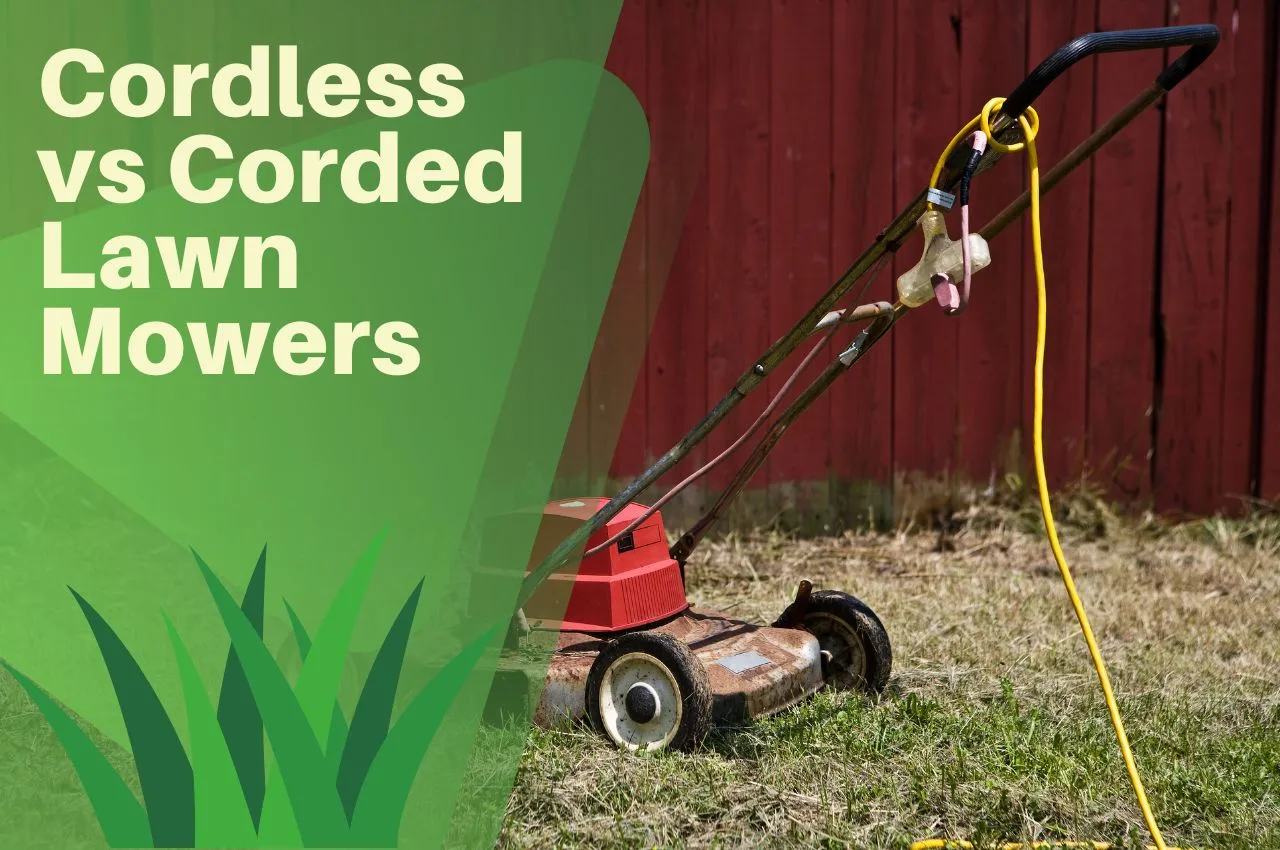
- Keep the cord behind you and on the side you have already cut.
- Make each pass away from the cord.
- Never mow over the cord.
- Do not pull the mower by the cord.
- Do not use the mower in rain or through standing water unless the manufacturer explicitly permits it.
- Keep hands and feet away from the blade and discharge opening.
- Stop the motor and unplug the mower before adjusting the height, clearing a blockage, or inspecting the blade.
The U.S. Consumer Product Safety Commission advises consumers to follow lawn-mower safety practices, including keeping hands and feet away from moving blades and removing the spark plug wire or disconnecting the power source before servicing. For a corded mower, unplugging it is essential, but do not rely only on the switch.
A GFCI can reduce the risk of severe shock by interrupting power when it detects an imbalance in current. It does not make a damaged cord or wet mower safe.

What Maintenance Does a Corded Mower Need?
Corded electric mowers need less engine maintenance than gas mowers, but they still need regular care. The most important tasks are cleaning, blade care, cord inspection, and safe storage.
Clean the mower deck
After disconnecting power, remove grass from the deck and discharge area with a brush or cloth. Do not spray water into the motor housing, controls, plug, or electrical connections.
Grass buildup can restrict airflow, increase blade drag, and make the motor work harder.
Inspect and sharpen the blade
A dull blade tears grass instead of making a clean cut. A damaged or bent blade can create vibration and may be unsafe.
Follow the mower manual for blade removal and sharpening. Disconnect the mower from power first. If the blade is cracked, badly bent, or severely worn, replace it with the correct part rather than trying to repair it.
Check the cord and connector
Look for:
- Cuts or crushed insulation.
- Loose plugs.
- Burn marks.
- Exposed conductors.
- A connector that separates during normal use.
- Heat or melting near the plug.
Do not tape over serious cord damage. Replace the cord or have the mower inspected by a qualified repair professional.
Store it correctly
Store the mower in a dry place away from rain, irrigation, chemicals, and extreme heat. Do not wrap the extension cord tightly around the mower or sharply bend it near the plug.

Corded Mower Troubleshooting
Check the safest and simplest causes first. Disconnect the mower from power before inspecting the blade, deck, or connector.
| Symptom | Possible cause | Safe first check |
|---|---|---|
| Mower will not start | No power, tripped GFCI, loose connection, released safety bail | Test the outlet with an approved method, reset the GFCI if safe, and reconnect firmly |
| Motor starts then stops | Overload, blocked deck, damaged cord, overheating protection | Unplug it, allow cooling, and remove grass only after power is disconnected |
| Blade runs slowly | Wet or tall grass, dull blade, voltage drop, overloaded circuit | Raise cut height, use the specified cord, and avoid sharing the circuit |
| Breaker trips | Excess load, damaged equipment, blocked blade, wiring fault | Stop using the mower and inspect for obvious damage; seek qualified help if it repeats |
| Cord gets hot | Undersized or damaged cord, loose connection, excessive length | Unplug immediately and replace the cord with the specified type |
| Uneven cutting | Dull blade, incorrect height, clogged deck, uneven lawn | Clean the deck and inspect the blade after disconnecting power |
| Excessive vibration | Bent blade, loose blade, damaged motor or deck | Stop use and have the blade and mower checked |
Do not repeatedly reset a breaker or GFCI without finding the cause. Repeated trips can indicate an overload, damaged cord, wet equipment, or an internal fault.

Corded vs. Battery vs. Gas Lawn Mowers
The right mower depends on the lawn layout, available power, maintenance preference, and tolerance for cord management.
| Type | Main strength | Main limitation |
|---|---|---|
| Corded electric | No fuel or battery charging; simple operation | Must stay within cord reach and requires cable management |
| Battery electric | No cord during mowing and low routine maintenance | Requires charging and eventual battery replacement |
| Gas | Long runtime and no electrical cord | Fuel, oil, exhaust, noise, and engine maintenance |
A corded mower often fits a small or medium lawn with an outdoor outlet near the mowing area. It becomes less practical when the yard has separate sections, distant areas, slopes with obstacles, or many trees and garden beds.
A battery mower may be easier when you need to move freely. A gas mower may suit larger properties or heavy, infrequent cutting, but it requires more maintenance and fuel handling.

Common Mistakes to Avoid
Several common mistakes reduce performance or create avoidable hazards.
Using an indoor extension cord outdoors
Indoor cords may not have the insulation, jacket, or moisture resistance intended for outdoor work. Use an outdoor-rated cord that matches the mower’s requirements.
Choosing the longest cord available
A longer cord is not automatically better. Extra length can increase voltage drop and create more cable to manage. Use only the length needed for the job.
Mowing over the cable
The blade can cut through insulation and conductors. Plan your path so the cord remains behind the mower and away from the cutting deck.
Pulling out the connector
If the mower plug disconnects from the extension cord, do not rely on a loose connection. Use the connector-retention method described in the manual, such as a suitable cord lock or knot approved by the manufacturer.
Clearing grass while the mower is plugged in
The blade can move unexpectedly if power is restored or a control is activated. Unplug the mower before clearing the deck or touching the blade area.
Mowing wet grass without checking the manual
Wet grass increases slip risk, clogs the deck, and can raise electrical risk. Wait for dry conditions unless the manufacturer gives specific instructions that permit otherwise.
Ignoring a hot cord
A warm connection, plug, or extension cord can signal excessive resistance or overload. Stop, unplug, and find the cause before using the mower again.

Frequently Asked Questions
Do corded lawn mowers use a lot of electricity?
They can use several hundred to more than 1,000 watts while running, depending on the model and grass load. Check the mower’s amp rating and multiply it by the supply voltage for a rough input-power estimate. Actual use depends on mowing time and motor load.
Can you use a corded mower with a regular household outlet?
Many residential corded mowers are designed for a standard U.S. 120-volt outlet, but the outlet should be properly grounded and protected as required by applicable electrical rules. Follow the mower manual, use the specified outdoor cord, and do not use an adapter that defeats grounding.
How long can a corded lawn mower extension cord be?
The safe maximum length depends on the mower’s current draw, cord gauge, and manufacturer instructions. A longer or thinner cord can cause voltage drop and overheating. Use the shortest outdoor-rated cord that meets the manual’s gauge and length requirements.
Can a corded lawn mower get wet?
Do not use or store a corded mower in rain or standing water unless the manufacturer specifically says it is designed for those conditions. Unplug the mower before cleaning it, and keep electrical connections dry.
Why does my corded mower keep tripping the breaker?
Possible causes include tall or wet grass, a blocked deck, a dull blade, an undersized or damaged extension cord, another appliance on the same circuit, or an electrical fault. Disconnect power, check the simple mechanical causes, and stop using the mower if the breaker continues to trip.
Key Takeaways
- A corded lawn mower uses household electricity to power an electric motor.
- The motor converts electrical energy into rotation that spins the blade.
- The safety bail interrupts power when released.
- Cord gauge, cord length, outlet condition, and motor load affect performance.
- Use only a suitable outdoor-rated extension cord.
- Keep the cord behind the mower and never mow over it.
- Unplug the mower before cleaning, clearing grass, adjusting the deck, or inspecting the blade.
- Repeated breaker trips, hot cords, exposed wires, or unusual vibration require further inspection.
Conclusion
Corded lawn mowers work through a simple chain: a U.S. outlet supplies electricity, the cord carries it to the mower, the controls regulate it, and the motor turns the blade. That design avoids gasoline and reduces engine maintenance, but it makes cord selection and cable handling part of every mowing session.
Before using one, check the manual, inspect the mower and cord, confirm the outlet is suitable, and plan a route that keeps the cable behind you. If the mower runs slowly, overheats, or repeatedly trips protection, stop using it until the cause is identified.


