How Much Does A Push Mower Weigh: Average Guide
A push mower can weigh anywhere from about 20 to 90 pounds, with many homeowner models falling between 40 and 70 pounds. Battery push mowers often weigh 35 to 70 pounds, while gas push mowers commonly weigh 50 to 85 pounds. Reel mowers can be much lighter, often 15 to 40 pounds. The right weight depends on your yard, slope, storage space, strength, and whether you want easy lifting or a sturdy feel.
Weight matters more than many first-time buyers expect. A mower that feels manageable in the store may feel heavy after 30 minutes of pushing, especially across thick grass or a sloped lawn. On the other hand, a very light mower may bounce over rough ground or struggle in tall turfgrass.
This guide explains average push mower weight, how mower design changes weight, and which range suits small yards, hills, seniors, renters, and experienced DIY users. It also covers gas, battery, corded, reel, self-propelled, riding, and zero-turn options so you can compare the right tools before you buy.

Quick answer: How much does a push mower weigh?
Most standard push mowers weigh 40 to 70 pounds. Lightweight reel and small electric mowers may weigh 15 to 40 pounds. Larger gas and battery mowers can weigh 60 to 90 pounds. A self-propelled mower may weigh 60 to 100 pounds because it has a drive system, gearbox, and extra parts.

The best mower weight for you depends on four things: how far you must push it, how steep the yard is, where you will store it, and whether you need to lift it into a vehicle. A 45-pound mower is often easier to turn and carry. A 75-pound mower may feel more stable and can have a wider deck, larger wheels, and a stronger frame.
These are useful general ranges, not fixed rules. Check the product page and owner’s manual for the exact weight. Some listings show shipping weight instead of operating weight. A battery mower may also list weight with or without the battery, which can change the real lifting weight by several pounds.
| Mower type | Common weight range | Good fit |
|---|---|---|
| Manual reel mower | 15–40 lb | Small, flat yards with short grass |
| Corded electric mower | 25–50 lb | Small yards near an outdoor outlet |
| Battery push mower | 35–70 lb | Small to medium yards without fuel |
| Gas push mower | 50–85 lb | Medium yards and thick grass |
| Self-propelled mower | 60–100 lb | Slopes, large yards, or users who need drive assistance |
The main takeaway is simple: push mower weight rises with deck size, battery size, engine size, drive parts, and metal construction. Light is easier to carry, while heavier is often more stable but harder to move by hand.
What adds weight to a push mower?
A mower’s weight comes from its deck, power source, wheels, handle, blade, and extra features. A small 16-inch corded mower has far fewer heavy parts than a 22-inch gas mower with a steel deck and self-propel system.
The cutting deck is the housing around the blade. It may be made from plastic, polymer, steel, or aluminum. Steel decks can add strength and stability, but they usually weigh more than plastic or polymer decks. Aluminum can offer a middle ground, though the full mower design still matters.
The blade adds only a small amount of weight. The engine or motor adds more. A gas engine includes a crankcase, carburetor or fuel system, muffler, oil, and fuel tank. A battery mower has a motor, wiring, controller, and battery. The battery may be removable, so you can lift the mower without it installed.
Deck size and material
Deck width has a direct effect on both mower weight and mowing speed. A 20-inch deck usually weighs less than a 22-inch deck made from the same material. A wider deck can reduce the number of passes, but it may be harder to fit through a gate or store in a small shed.
A plastic or polymer deck is often light and does not rust. It may suit a renter or homeowner who wants easy handling. A steel deck can feel solid and may handle routine contact with grass clippings and normal yard use well, but it needs care around rust and chipped paint.
Measure your gate before buying. A mower that fits the cutting area may not fit the narrow path to the backyard. Also measure the storage door, wall space, and the height of the folded handle.
Engine, motor, and battery weight
Gas engines often make a push mower heavier than a basic corded mower. Engine displacement, measured in cubic centimeters or cc, describes engine size. A higher cc number does not automatically mean a better mower, but a larger engine can support demanding work in thick or tall grass.
Battery mower weight depends on voltage and amp-hours, or Ah. Voltage describes the electrical power system. Amp-hours describe battery capacity. A higher-Ah battery can provide more stored energy, but it also tends to weigh more. Always check whether the listed mower weight includes the battery.
Brushless motors are efficient electric motors with no traditional carbon brushes. They can be durable and need less motor maintenance than brushed designs, but the mower’s total weight still depends on the deck, battery, wheels, and other parts.
Wheels, drive systems, and grass catchers
Large wheels, metal axles, ball-bearing parts, and height-adjustment hardware can add weight. A grass catcher also adds weight when empty and much more when full. Wet clippings can make a full bag surprisingly heavy.
A self-propelled mower has a transmission or gearbox, drive wheels, cables or controls, and other parts that a standard push mower does not need. That is why self-propelled models are often heavier. The motor helps move the mower, but you may still need to lift it into a shed or vehicle.
Mulching kits can add little weight. Mulching means the mower cuts clippings into small pieces and returns them to the lawn. Side discharge sends clippings out of the deck. A bagger collects them. Each setup changes how the mower feels and how often you must stop.
Average push mower weight by power source
The power source is one of the easiest ways to estimate weight. Gas mowers tend to be heavier and louder. Corded electric models can be light but need a long outdoor-rated extension cord. Battery mowers avoid fuel and cords, but their battery adds weight and cost.
The table below gives practical ranges for common homeowner designs. Treat the numbers as buying guidance, not a substitute for the exact specification.
| Power source | Typical mower weight | Main trade-off |
|---|---|---|
| Reel mower | 15–40 lb | Light and quiet, but needs frequent mowing |
| Corded electric | 25–50 lb | Light and low maintenance, but the cord limits movement |
| Battery electric | 35–70 lb | Quiet and convenient, but battery weight and cost matter |
| Gas push mower | 50–85 lb | Strong for thick grass, but louder and heavier |
| Gas self-propelled | 60–100 lb | Easier on slopes, but costly and harder to lift |
A light mower is not always the better mower. A 25-pound reel mower may be easy to carry, but it may not handle tall, wet, or neglected grass well. A 75-pound gas mower may be more useful on a rough half-acre, but it can be tiring to turn and store.
Reel mowers: the lightest option
A reel mower uses a cylinder of blades that spins as you push. It has no engine, fuel tank, battery, or power cord. Many models weigh between 15 and 40 pounds.
Reel mowers suit small, flat yards that receive regular care. They work best when grass is not tall, wet, woody, or full of sticks. They can be a good choice for a fit homeowner who wants quiet lawn care and has time to mow often.
They are less suitable for a large yard, a hilly lawn, thick warm-season turf, or someone who cannot comfortably push a mower. A reel mower also needs a sharp reel and bed knife. If the cutting parts are out of adjustment, it may push poorly or tear grass instead of making a clean cut.
Corded electric mowers
Corded electric mowers often weigh about 25 to 50 pounds. They start with a switch and do not need gasoline, oil, spark plugs, or fuel stabilizer. Their low weight can help renters and homeowners with small front lawns.
The cord is the main limit. You must use a suitable outdoor extension cord, keep it behind you, and avoid cutting across it. A corded mower works best when the yard is close to an outlet and has few trees, beds, fences, or other obstacles.
Never assume a lightweight corded mower is safe in rain. Follow the manual and local electrical safety rules. Store the mower and cord in a dry place.
Battery push mowers
Battery push mowers often fall between 35 and 70 pounds, with the battery installed. Some compact models are lighter. Larger 21- or 22-inch models with high-capacity batteries may approach the weight of a gas mower.
Battery mowers suit small and medium yards where low noise and easy starting matter. They can also suit a gift buyer shopping for a new homeowner who does not want to store gas. The buyer must confirm battery compatibility, charger type, voltage platform, and replacement battery cost.
Runtime depends on grass height, moisture, mowing speed, blade condition, temperature, deck width, and battery size. A manufacturer may state a runtime under certain conditions. Do not treat that figure as a promise for every yard.
Cold weather can reduce lithium-ion battery performance. Very wet grass can also drain a battery faster because the mower works harder. Let the battery cool as directed before charging, and store it according to the manual.
Gas push mowers
Gas push mowers commonly weigh 50 to 85 pounds. Some compact models weigh less, while steel-deck machines with large engines may weigh more. Fuel and oil add a small amount to the operating weight.
Gas models can suit medium yards, thick turfgrass, and areas where battery charging is inconvenient. They can also be useful when tall growth is common. Their drawbacks include noise, vibration, fuel storage, oil changes, spark plug service, air filter care, and cold-start problems.
Fresh fuel helps. Old fuel can cause hard starting and carburetor trouble. A fuel stabilizer may help during storage when used as directed. Never refuel a hot engine, and store gasoline only as local rules and the owner’s manual allow.
How much does a self-propelled mower weigh?
A self-propelled mower usually weighs 60 to 100 pounds. It may weigh more than a standard push mower because it includes a drive system. The drive can reduce the force needed to move forward, but it does not make the mower lighter for lifting, loading, or turning.
Self-propelled mowers suit medium or large yards, sloped sections, and users who find a heavy mower hard to push. They can help on hills, but they are not a reason to ignore slope safety. Never mow across a dangerous slope if the manual does not permit it. A mower can lose traction, tip, or pull you toward an obstacle.
A front-wheel-drive mower can be easier to turn around trees and beds because lifting or lightening the front wheels may help. A rear-wheel-drive model can offer better traction in some conditions, especially when the grass catcher is full. All-wheel-drive models may suit steeper or rougher yards but often cost more and weigh more.
A self-propel system also has parts that wear. Drive belts, cables, gears, and wheels may need service. Ask whether replacement parts are easy to find before buying.
Push mower versus self-propelled mower
The main difference is that a standard push mower relies on your force, while a self-propelled mower uses a powered drive system. If your yard is flat and small, a lighter push mower may be simpler. If the lawn is large or sloped, self-propulsion may reduce fatigue.
| Yard condition | Standard push mower | Self-propelled mower |
|---|---|---|
| Small, flat yard | Usually enough | May add cost and weight |
| Medium yard with mild slopes | Can work for fit users | Often more comfortable |
| Hilly lawn | More tiring and less suitable | Better option with safe handling |
| Narrow gates and tight beds | Easier to turn | Heavier and sometimes less nimble |
| User with limited strength | May be hard to push | Can reduce pushing effort |
A self-propelled mower is not automatically the best choice for seniors. The person must still control the machine, stop it, manage the drive speed, and lift or store it. A light battery mower, a lawn service, or a robotic mower may be safer for some users.
Choosing mower weight for your yard
The right weight is tied to the yard, not just the person holding the handle. A flat 2,000-square-foot lawn has different needs from a rough half-acre with slopes and thick grass.
Before shopping, measure the lawn area, gate width, slope, and storage space. Note the grass type and how often you mow. Cool-season grasses may grow quickly in spring. Warm-season turf can become dense in hot weather. Drought-stressed grass may be thin, while wet grass can be heavy and harder to cut.
| Yard type | Useful mower range | What to favor |
|---|---|---|
| Tiny flat lawn | 15–40 lb | Reel or compact electric mower |
| Small suburban lawn | 30–60 lb | Battery or corded mower |
| Medium flat lawn | 45–75 lb | Wider battery or gas mower |
| Hilly lawn | 60–100 lb | Self-propelled drive and strong traction |
| Rough or overgrown lawn | 55–90 lb | Gas or high-power battery model |
The best mower for small yards is often a compact model that fits through gates and stores easily. A wide deck may save time, but it can be awkward in tight spaces. For a hilly lawn, traction and control matter more than a low scale number.
Best weight for small yards
For a small, flat yard, a mower between 25 and 55 pounds is often easy to turn and store. A 16- to 20-inch cutting deck may fit narrow paths and reduce the need to trim around corners.
A battery mower is useful when you want no fuel and no cord. A corded mower may cost less and weigh less if an outlet is close. A reel mower may be the lightest choice if you mow often and the grass stays short.
Do not buy a large 22-inch mower only because it looks powerful. It may not fit your shed, gate, or body comfortably. A string trimmer and edger can handle spots the mower cannot reach.
Best weight for medium and large yards
A medium yard may justify a 45- to 75-pound mower with a 20- to 22-inch deck. A wider deck can reduce passes, but the mower may be harder to lift and turn. Battery capacity becomes more important as the cutting area grows.
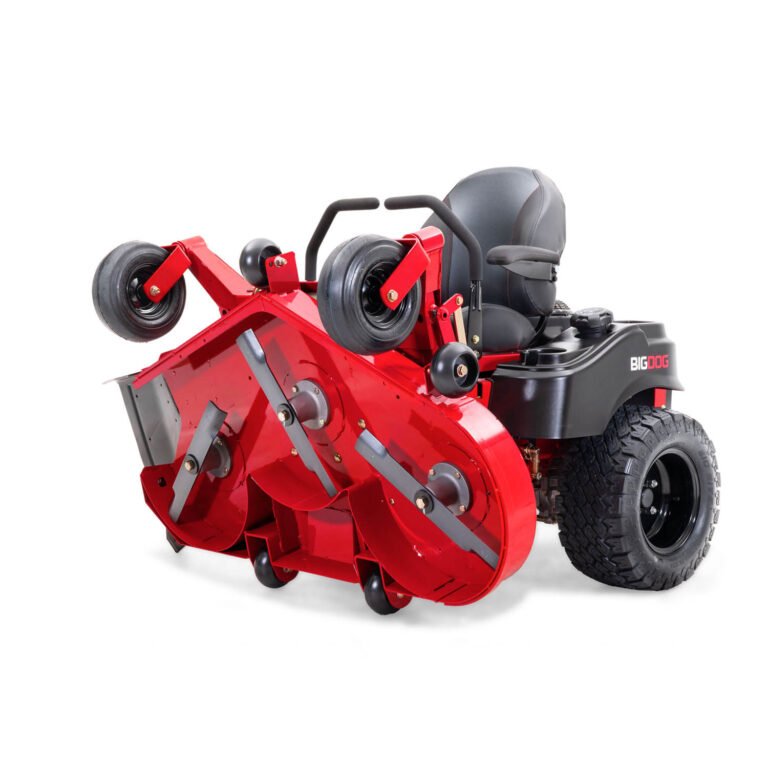
For a large property, a push mower may take too much time and effort. A riding mower can reduce walking, while a zero-turn mower can help cover open areas quickly. These machines are far heavier and need more storage, maintenance, and safety space.
A robotic mower is another alternative for some properties. It can mow on a schedule, but it needs setup, boundary planning, charging space, and a yard that fits the system. It may not suit rough ground, complex landscaping, or owners who want to mow only when needed.
Best weight for hills and slopes
Weight alone does not make a mower safe on a hill. A heavy mower may have better traction, but it can also be harder to stop or turn. Follow the slope limits in the manual and keep the deck, wheels, and drive system in good condition.
A self-propelled model can reduce effort on a slope. Rear-wheel drive may help when the grass catcher adds weight at the back. Still, wet grass is slippery. Do not mow wet grass on slopes, and never walk backward with a mower unless the manual specifically permits the action.
If a slope feels unsafe on foot, it is not a good place to use a walk-behind mower. Consider a professional lawn service or a different landscape design.
Best mower for seniors or users with limited strength
A senior homeowner may value easy starting, low noise, simple controls, and manageable storage more than maximum engine power. A 35- to 60-pound battery mower can be easier to handle than a gas model, but the exact balance matters.
Look for a padded adjustable handle, large wheels, easy height adjustment, and a battery that clicks in without force. A self-propelled mower can help with forward movement but may be too heavy to lift. A family member should watch the user operate the mower before choosing one as a gift.
🎁 Gift-Buyer Note: Do not buy by weight alone. Check whether the recipient can lift the mower, fold the handle, remove the battery, empty the grass catcher, and move it through the storage door.
Features that affect handling more than scale weight
Two mowers with the same listed weight can feel very different. Balance, wheel size, handle height, and controls affect how much effort you use.
A mower with a low center of gravity may feel steady. A mower with large rear wheels may roll over uneven ground more easily. A narrow deck may turn quickly, while a wide deck may take more effort in tight corners.
The blade condition also matters. A dull blade makes the engine or motor work harder. It can increase vibration and leave torn grass. Check the blade often and replace or sharpen it as the manual directs.
Cutting height and deck adjustment
Mowing height is the distance between the soil and the blade’s cutting level. A mower with several height settings lets you adjust for grass type, season, shade, and drought. Raising the height slightly during heat or dry weather can reduce stress on turfgrass, but follow local turf guidance.
A single-lever height adjustment is easy to use. Separate levers may save weight or cost but take more time. Make sure the adjustment locks in place. An uneven deck can create an uneven cut and make the mower feel unstable.
Grass catcher size
A larger catcher means fewer stops, but the full bag weighs more. Wet clippings add even more weight. If you have limited strength, a smaller catcher may be easier to empty.
Mulching can reduce bag lifting. It returns fine clippings to the soil when conditions are right. Do not mulch tall, wet grass if it causes clumps. Side discharge can help with long grass, but check where the clippings land.
Foldable handles and vertical storage
A folding handle can save room in a garage or shed. It does not always make the mower lighter. Some folding joints add hardware, and some machines cannot be stored vertically unless the manual allows it.
Measure the folded height and width. Keep fuel-powered mowers in a ventilated area as required by local rules. Keep batteries dry and away from heat. Do not block exits with a mower.
Mower weight, durability, and expected life
A heavier mower may use a stronger deck, larger wheels, or more durable hardware, but weight is not proof of quality. A light mower can last for years with proper care, while a neglected heavy mower can fail early.
The parts that wear first are often the blade, wheels, belts, cables, spark plug, air filter, and battery. Gas engines may need oil changes and fuel-system care. Battery mowers avoid many engine parts but depend on battery health and charger support.
How long does a mower last? A well-maintained homeowner mower may serve for many seasons, but life varies with use, storage, climate, repair quality, and materials. A mower used weekly on a flat small lawn faces less stress than one used in tall wet grass on rough ground.
| Part | What causes wear | What to check |
|---|---|---|
| Blade | Rocks, sand, normal cutting | Sharp edge, cracks, balance |
| Wheels | Rough ground and heavy use | Free movement and tread |
| Belt or cable | Heat, age, debris | Slipping, fraying, weak drive |
| Spark plug | Fuel and engine hours | Hard starting or fouling |
| Battery | Heat, age, deep discharge | Runtime and charging behavior |
Keep the underside clear of packed grass. Clean only as the manual permits. Disconnect the spark plug wire on gas models or remove the battery on electric models before service.
Price and value by mower weight
Weight and price often rise together, but not in a straight line. A light premium battery mower may cost more than a heavier basic gas mower. You are paying for the motor platform, deck, battery, charger, controls, warranty, and parts support.
The table below shows broad buying tiers without locking the advice to a short-term price. Listings change, so check current retailer and manufacturer pages.
| Price tier | What you may get | Who it suits |
|---|---|---|
| Entry level | Narrow deck, basic controls, lighter build | Small flat yards and occasional use |
| Midrange | Better wheels, wider deck, battery platform or gas features | Regular homeowner mowing |
| Premium | Stronger materials, drive systems, advanced controls | Large, hilly, or demanding yards |
An inexpensive mower can be worth the money if the yard is small and the parts are available. A high-priced mower may not be worth it if you only mow a tiny patch or cannot store it safely.
Include the cost of batteries, chargers, fuel, oil, blades, spark plugs, air filters, extension cords, and repairs. For some buyers, a local lawn service costs less over several years than buying and maintaining equipment.
Common buyer mistakes
Many mower problems begin before the first cut. Buyers focus on scale weight but forget the full use case.
Buying a mower that is too wide
A 22-inch deck can cover ground faster, but it may not fit through a 24-inch gate with room to turn. Measure the narrowest point, not just the main gate.
Ignoring operating weight
Check whether the listed weight includes the battery, grass catcher, oil, or fuel. For a gift buyer, the lifting weight matters more than the shipping box weight.
Choosing gas for a tiny yard
Gas power may be unnecessary for a small patch beside a driveway. A battery or corded mower can reduce noise and routine engine work. Check HOA rules and local restrictions first.
Choosing a light mower for rough grass
A very light mower may bounce on uneven ground. It may also have small wheels and a narrow deck. For rough areas, focus on wheel size, deck strength, power, and control.
Forgetting storage
A mower needs a dry, secure place. Fuel, batteries, and chargers need special care. Do not leave a mower where children can reach the controls or where rain can enter electrical parts.
Assuming self-propelled means effortless
Self-propelled systems still need steering and stopping. Drive cables and belts can wear. A heavy machine may remain hard to load into a vehicle.
How to compare push mowers before buying
Use a short checklist. It keeps the decision tied to your lawn instead of a large marketing claim.
- Measure the lawn, gate, shed door, and storage area.
- Check the slope and decide whether a walk-behind mower is safe.
- Note your grass type, mowing frequency, and wet-season growth.
- Compare operating weight with the battery or fluids included.
- Confirm the cutting width and mowing height range.
- Check battery voltage, amp-hours, charger, and replacement cost.
- Confirm blade, belt, spark plug, and air filter part numbers.
- Read the manual for slope, cleaning, storage, and service rules.
- Compare noise, fuel needs, charging time, and local restrictions.
- Decide who will lift, push, clean, and maintain the mower.
The right mower should match the user as well as the lawn. A first-time homeowner may need simple controls. An experienced DIYer may value serviceable parts. A family buying for a senior should focus on control, safe storage, and real lifting ability.
💡 Pro Tip: Walk behind a display model with the motor off. Turn it, tilt it as the manual allows, adjust the handle, and imagine emptying the catcher. Handling tells you more than the number on the box.
Safety, maintenance, and storage basics
Safe mower use starts before the motor runs. Wear eye protection, hearing protection, closed-toe shoes, and work gloves when appropriate. Clear stones, sticks, wire, toys, and other debris from the lawn.
Keep children and pets away from the mowing area. Never mow wet grass on slopes. Avoid loose clothing and never place hands or feet near the blade. Disconnect the spark plug or remove the battery before servicing, cleaning under the deck, or handling the blade.
Never refuel a hot engine. Let it cool outdoors, away from flames and sparks. Follow the owner’s manual for fuel, oil, battery charging, and vertical storage.
For gas equipment, dispose of old fuel and oil at a hazardous-waste site. Do not pour them on soil or down a drain. Recycle lithium-ion batteries at a designated drop-off. Donate or recycle a usable old mower instead of leaving it in the trash when local programs allow.
⚠️ Safety Warning: A mower’s weight does not protect you from blade injuries, thrown debris, falls, or carbon monoxide. Use the controls and safety steps in the manual every time.
Alternatives to a standard push mower
A push mower is not the only answer for home lawn care. The best alternative depends on area, terrain, time, and budget.
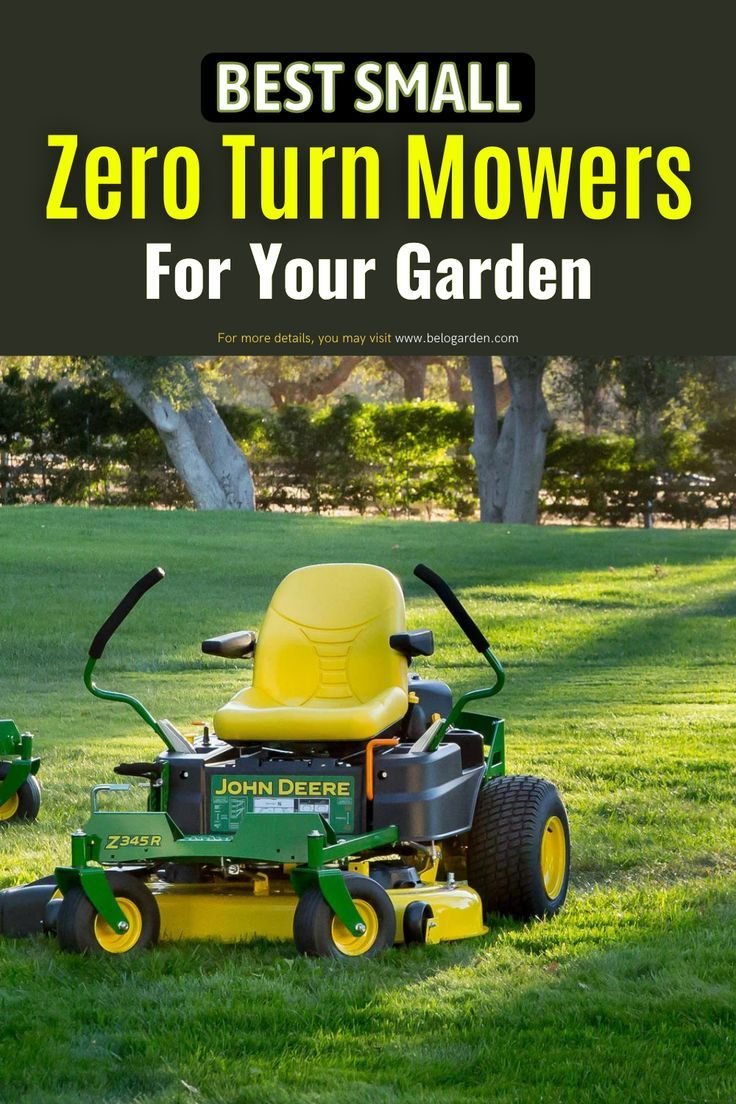
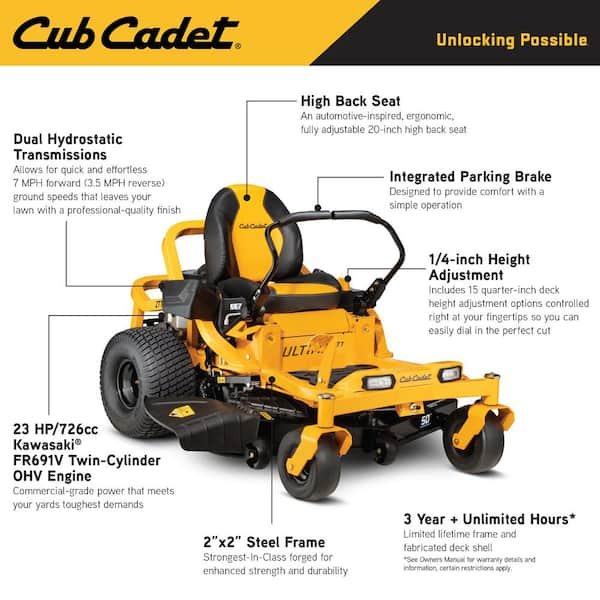
A self-propelled mower can help on slopes and larger lawns. A riding mower can suit a large open property where walking takes too long. A zero-turn mower can maneuver quickly around open spaces, but it costs more, needs more storage, and requires careful training.
A robotic mower may suit a lawn that is fairly clear and can support boundary setup. It can reduce routine mowing but may not handle every slope, edge, or rough patch. A reel mower suits a small, level lawn that is cut often.
For edges and obstacles, use a string trimmer or edger. A leaf blower can clear clippings from walks, but check noise rules and avoid blowing debris toward people, roads, or storm drains.
Frequently asked questions
Q: Is 50 pounds heavy for a push mower?
A: Fifty pounds is near the middle of the common range. It may feel manageable for many users on a flat yard, but it can feel heavy when carried up steps, lifted into a car, or pushed through thick grass. Balance and wheel design matter as much as the listed weight.
Q: What is the lightest type of lawn mower?
A: Manual reel mowers are usually the lightest, often weighing 15 to 40 pounds. Compact corded electric mowers can also be light. Reel mowers suit short grass and flat yards that receive frequent care.
Q: Are battery mowers heavier than gas mowers?
A: It depends on the model. A compact battery mower can weigh less than a gas mower. A large battery mower with a high-capacity pack can weigh about the same or more. Check the operating weight with the battery installed.
Q: What is the best mower for a senior?
A: The best choice depends on the person’s strength, yard, slope, and storage. A light battery mower may suit a small flat yard. A self-propelled model may help on a mild slope but can be harder to lift. A lawn service may be safer for steep or uneven ground.
Q: Is a self-propelled mower worth the extra weight?
A: It can be worth it for a medium or large lawn, mild slopes, or a user who tires while pushing. It may not be worth it for a tiny flat yard. Remember that self-propulsion reduces forward effort but does not reduce lifting weight.
Q: Does a heavier mower cut better?
A: Not always. Cut quality depends on blade sharpness, blade speed, deck design, power, mowing height, and grass condition. Weight can improve stability, but it does not guarantee a clean cut.
Q: How much does a 21-inch mower weigh?
A: Many 21-inch homeowner mowers weigh about 45 to 85 pounds. Gas, battery, deck material, drive system, and catcher design cause large differences. Check the exact operating specification.
Q: Can one person lift a push mower?
A: Many compact mowers can be lifted by one person, but lifting can be unsafe if the mower is awkward or too heavy. Remove the battery or empty the catcher only when the manual permits it. Use a ramp for loading a heavy mower into a vehicle.
Q: Should I buy a gas or battery mower?
A: Choose battery for lower noise, easy starting, and less engine service on small to medium yards. Choose gas when thick grass, long mowing sessions, or remote areas make charging difficult. Compare local rules, fuel storage, battery cost, and maintenance.
Q: How long does a push mower last?
A: Service life varies with build quality, use, storage, weather, and maintenance. Blades, belts, wheels, spark plugs, air filters, and batteries may need replacement before the main deck or motor fails. Proper seasonal care can extend useful life.
Q: Can I store a mower upright?
A: Only if the manufacturer says upright storage is safe. Gas, oil, battery placement, and deck design affect storage. Never guess. Follow the manual and keep the mower stable where children cannot access it.
Q: What mower weight is best for hills?
A: Weight is not the main safety measure. A self-propelled mower with suitable traction may reduce effort on a mild slope, but every yard must follow the manual’s slope limits. Avoid wet grass and hire help for slopes that feel unsafe.
Q: Do I need a grass catcher?
A: Not always. A catcher helps when you need to collect clippings, leaves, or seed heads. Mulching can return fine clippings to the lawn, while side discharge can handle taller grass. Choose based on local lawn care needs and the weight you can empty safely.
Q: Are lighter mowers less durable?
A: Not automatically. Light plastic, polymer, or aluminum designs can last with proper care. Durability depends on materials, engineering, use, replacement parts, and maintenance. A steel deck may feel more rugged but can rust if neglected.
Final advice
For most homeowners, a push mower between 40 and 70 pounds is a practical middle range. Choose closer to 25 to 50 pounds for a small, flat yard, narrow gates, or frequent lifting. Consider 60 to 90 pounds when you need a wider deck, stronger power, larger wheels, or a self-propelled drive for a medium or hilly lawn.
The best mower is the one you can safely push, turn, clean, store, and maintain. Measure first. Check the real weight with the battery, catcher, or fluids included. Confirm deck width, parts, voltage, blade type, slope limits, and local rules before ordering.
Affiliate disclosure: This article may contain affiliate links. If you buy through an affiliate link, the publisher may earn a commission at no extra cost to you. Product details, prices, availability, battery compatibility, and safety instructions can change, so confirm current information on the manufacturer’s product page and in the owner’s manual.



One Comment