How Often Should You Mow In Spring: Best Mowing Schedule
Spring can make a lawn change fast. One week, the grass looks flat and brown. The next week, it is tall, soft, and hard to cut. So, how often should you mow in spring? For most lawns, mow when the grass is about one-third taller than your chosen mowing height. In many yards, that means every 7 to 14 days early in spring, then every 5 to 7 days during the fastest growth.
The right schedule depends on grass type, rain, sun, soil, temperature, and your mower. Cool-season turfgrass, such as Kentucky bluegrass, tall fescue, perennial ryegrass, and fine fescue, often grows fast in cool spring weather. Warm-season grass, such as bermudagrass, zoysiagrass, centipedegrass, and St. Augustinegrass, may need little mowing until soil and air temperatures rise.

Affiliate disclosure: This article may contain affiliate links. If you buy through one of these links, we may earn a commission at no extra cost to you. Always confirm current product details, compatibility, local rules, and safety instructions before buying or using lawn equipment.
Quick answer: mow when the grass needs it, not by the calendar
Most lawns need mowing every 7 to 14 days in early spring and every 5 to 7 days during peak spring growth. Use the one-third rule: never remove more than one-third of the grass blade in one cut. Mow dry grass when possible, keep the blade sharp, and adjust the schedule after rain, cold snaps, drought, or rapid growth.

A slow-growing lawn may need mowing only every two weeks. A sunny lawn with good soil and spring rain may need mowing twice a week. The best spring mowing schedule is based on grass height and lawn condition, not a fixed date.
| Spring lawn condition | Usual mowing interval | Main action |
|---|---|---|
| Cool, dry, slow growth | 10–14 days | Check height before mowing |
| Mild weather with steady rain | 5–7 days | Mow before the lawn gets too tall |
| Fast growth in warm weather | 4–6 days | Use the one-third rule |
| Warm-season grass still dormant | None or very little | Wait for active green growth |
| Wet, soft, or muddy soil | Delay mowing | Let the surface firm up |
The key takeaway is simple: check the grass twice each week. If it has grown beyond your target height, plan to mow when the blades are dry and the soil can support the mower.
Why spring mowing needs a flexible plan
Spring brings uneven growth. Sunlight, rain, soil temperature, and grass type can all change within a few days. One side of your yard may need mowing while a shaded side still looks short.

The first spring cut is also different from later cuts. Grass may be weak after winter. Leaves, twigs, stones, and wet clumps may hide in the turf. A careful first pass protects the mower and gives the lawn a cleaner start.
Cool-season grass grows early
Cool-season grass often begins active growth when air temperatures are mild and soil temperatures move above winter levels. Kentucky bluegrass, tall fescue, perennial ryegrass, and fine fescue can grow before warm-season grass wakes up.
These grasses may need mowing every 7 to 10 days in early spring. With rain and fertilizer, growth can speed up. During the strongest growth period, mowing every 4 to 6 days may be needed.
Do not scalp cool-season grass to remove brown winter tips. Set the mower at the upper end of the recommended mowing height. A taller cut can help shade the soil and reduce stress.
Warm-season grass may need patience
Warm-season grass grows best in warm soil and warm air. Bermudagrass, zoysiagrass, centipedegrass, and St. Augustinegrass may stay brown or thin in early spring.

Wait until the grass shows steady green growth before mowing often. An early cut can remove weak new shoots and expose bare soil. This can increase stress if another cold spell arrives.
In many warm regions, the first spring mowing may happen in late spring. Local weather matters more than the month on the calendar.
Rain can shorten the mowing interval
Rain supplies water that grass can use for growth. If temperatures are mild, a rainy week can turn a seven-day schedule into a four- or five-day schedule.
Wet grass is a different issue. A lawn may need mowing, but the soil may be too soft to support a mower. Tire marks can compact the soil and damage the turf. Wait until the grass and soil surface are firm enough.
Fertilizer can increase growth
Nitrogen fertilizer can increase leaf growth. That may create a darker lawn, but it can also mean more mowing. Apply fertilizer based on a soil test, grass type, and local guidance.

Avoid using fertilizer just to make mowing more frequent. Fast, soft growth may need more water and can be more prone to disease. A balanced lawn care plan is better than chasing color alone.
The one-third mowing rule is the best starting point
The one-third rule means you should remove no more than one-third of the grass blade in one mowing. This rule helps reduce shock, clumping, and brown tips.

For example, if you mow at 3 inches, allow the grass to reach about 4.5 inches before cutting. If it grows to 6 inches, do not force it down to 3 inches in one pass. Raise the deck, mow off one-third, and lower the height over later cuts.
| Target mowing height | Mow when grass reaches about | Approximate interval in active growth |
|---|---|---|
| 2 inches | 3 inches | 4–7 days |
| 2.5 inches | 3.75 inches | 5–8 days |
| 3 inches | 4.5 inches | 5–10 days |
| 3.5 inches | 5.25 inches | 7–12 days |
| 4 inches | 6 inches | 7–14 days |
These are planning ranges, not strict rules. Grass can grow faster after rain and slower during cold or dry weather.
Recommended mowing heights by grass type
Different turfgrass types have different needs. Check your local extension service or seed supplier if you are unsure of the grass in your yard.

| Grass type | Common spring mowing range | Spring note |
|---|---|---|
| Kentucky bluegrass | 2.5–3.5 inches | Avoid cutting too short |
| Tall fescue | 3–4 inches | A higher cut helps during stress |
| Perennial ryegrass | 2–3 inches | May grow early and fast |
| Fine fescue | 2.5–4 inches | Use care in shade |
| Bermudagrass | 0.5–2 inches | Wait for active green growth |
| Zoysiagrass | 1–2.5 inches | Start after steady growth |
| St. Augustinegrass | 2.5–4 inches | Keep a higher cut |
| Centipedegrass | 1.5–2.5 inches | Avoid early scalping |
The best height for your lawn also depends on the mower. A reel mower may handle short grass well. A basic push mower may perform better with a moderate deck height. Always check the owner’s manual.
Why cutting too short causes trouble
Cutting too short is called scalping. It removes too much leaf tissue and can expose the crown, soil, and thatch. Thatch is a layer of dead roots and stems between the soil and green grass.

Scalping can make a lawn look thin. It can also increase weed pressure, soil heat, and moisture loss. On slopes, short grass may offer less cushion and can show tire or foot traffic more clearly.
A short lawn is not always a low-maintenance lawn. In many yards, a slightly taller cut is easier to maintain and more forgiving.
A practical spring mowing schedule
A spring mowing schedule should follow growth stages. The dates differ by climate, but the pattern stays useful.

Early spring: inspect before the first cut
Start with a yard walk. Look for branches, toys, stones, wire, sprinkler heads, and animal waste. Check for soft soil and standing water.

If the grass is still dormant, wait. If it is growing but only a little, use a high deck setting. The first cut is often more about cleanup than appearance.
Inspect the mower before use. Check the blade, wheels, deck, battery, cord, fuel, and controls. A dull blade can tear grass instead of cutting it cleanly.
Mid-spring: check twice each week
During active growth, walk the lawn every three or four days. Measure a few blades in sunny and shaded areas. Mow when the tallest areas reach about one-third above your target height.

Many cool-season lawns need mowing every 5 to 8 days during this stage. A small lawn may take only 20 minutes with a push mower. A large or hilly yard may take much longer and may need a self-propelled mower or riding mower.
Late spring: prepare for fast growth
Late spring may bring warmer soil, longer days, and frequent rain. Growth can speed up quickly. You may need to mow every 4 to 6 days.

Do not wait until the lawn is very tall. Tall grass can bend under the mower deck, clog the discharge chute, and leave uneven strips. If the lawn gets too tall, raise the mower height and make two cuts on different days.
| Spring stage | What to watch | Mowing approach |
|---|---|---|
| Early spring | Dormancy, debris, soft soil | Mow high and only when needed |
| Mid-spring | New growth and rain | Check twice weekly |
| Late spring | Fast growth and clumps | Mow every 4–6 days if needed |
| Cold snap | Slow or stopped growth | Delay mowing |
| Dry spell | Wilt and foot stress | Mow less often and higher |
The main lesson is to let growth set the pace. A calendar can remind you to inspect the lawn, but it should not force a mowing day.
Mowing after rain requires extra care
The best time to mow is often when the grass is dry and the soil is firm. Wet blades can bend away from the mower blade. They can also stick under the deck and form clumps.

Wet mowing can leave ruts. It can spread some lawn diseases through dirty equipment and plant contact. It can also make a hill much more dangerous.
How long should you wait after rain?
There is no single wait time. Light rain may dry in a few hours. Heavy rain may leave the soil soft for a day or more.
Press a shoe into the lawn. If water rises or soil sticks to the sole, wait. Walk across a slope and watch for slipping. If your mower leaves deep tracks, the soil is not ready.
A dry grass blade is helpful, but firm soil matters just as much.
What to do when the grass is too tall
If rain delays mowing and the grass becomes tall, do not remove half its height in one pass. Set the deck higher than normal.
Make a light cut first. Let the lawn recover for a day or two. Then mow again at the normal setting. Use the side-discharge setting if the grass is long and damp, but avoid leaving heavy rows of clippings.
A grass catcher can help with excess clippings, but it adds weight and requires frequent emptying.
⚠️ Safety Warning: Never mow wet grass on a slope. Wet turf can cause slips, loss of control, and rollover risks with riding equipment. Wear closed-toe shoes, keep children and pets away, and follow the mower manual.
Choose a mower that matches your spring yard
The mower affects how often you can mow and how easy each session feels. A small push mower may suit a flat town lot. A self-propelled mower may help on slopes. A riding mower may save time on a large property.
The “best” mower for a small yard is not the same as the best mower for hills or a large rural lot. Measure the yard, gate width, slope, and storage space before buying.
| Mower type | Suits | Limits |
|---|---|---|
| Reel mower | Small, flat, tidy lawns | Needs frequent cuts and dry grass |
| Corded electric mower | Small yards near an outlet | Cord management and limited reach |
| Battery push mower | Small to medium flat yards | Runtime and battery cost |
| Self-propelled mower | Medium yards or mild slopes | Heavier and more costly |
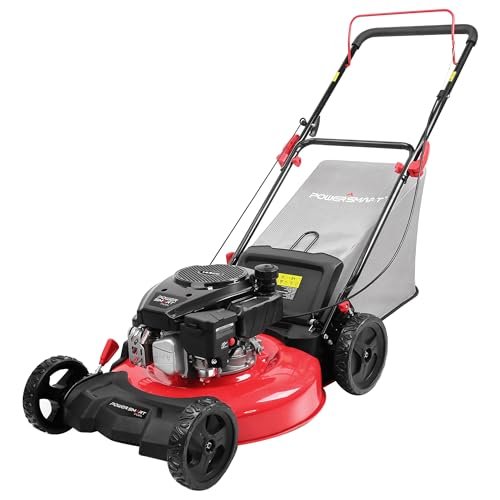
| Gas push mower | Larger yards and long sessions | Fuel, noise, service, and storage |
| Riding mower | Large open lawns | Needs storage and wide access |
| Zero-turn mower | Large open areas with many turns | Poor fit for tight spaces and steep slopes |
| Robotic mower | Suitable enclosed lawns | Setup, boundary wires, and higher cost |
Small flat yards
A reel mower, corded mower, or battery push mower may work well for a small, flat yard. A 14- to 21-inch cutting deck is common in this group.
A narrower deck can fit through gates and around beds. A battery mower may be easier for renters or first-time homeowners because it avoids gasoline storage. Check the battery voltage, amp-hours, charger, and replacement battery cost.
A reel mower is quiet and simple, but it works best when you mow often. It may struggle with tall spring growth, sticks, weeds, and rough ground.
Medium yards and gentle slopes
A self-propelled mower can help when the yard is too large for a comfortable push mower or has mild slopes. Self-propelled means the mower drives its wheels while you guide it.
Front-wheel drive can help with turns and flat lawns. Rear-wheel drive may provide better traction on slopes. All-wheel drive can help with varied terrain, but it often adds weight and cost.
For seniors or gift buyers, consider handle height, control effort, weight, battery charging, and storage. A lighter battery mower may be easier to lift. A self-propelled mower may reduce pushing effort but can be harder to maneuver in tight spaces.
Large open lawns
A riding mower may suit a large, open yard with wide gates and a safe storage area. A 42-inch deck covers more ground per pass than a 21-inch push mower, but size is not the only issue.
A zero-turn mower can turn within its own footprint and work well around trees on broad, mostly level land. It is not a good choice for every slope. Read the slope limits in the manual.
Riding mowers need battery care, belt checks, blade service, oil changes, tire checks, and secure storage. They can also create more noise than a battery push mower.
Robotic mowing
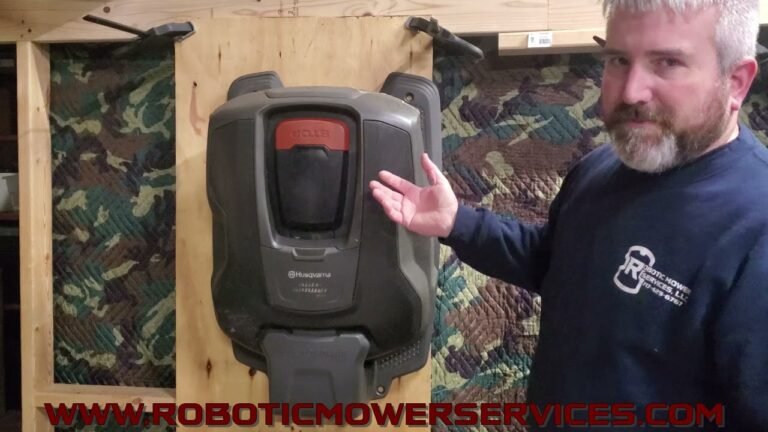
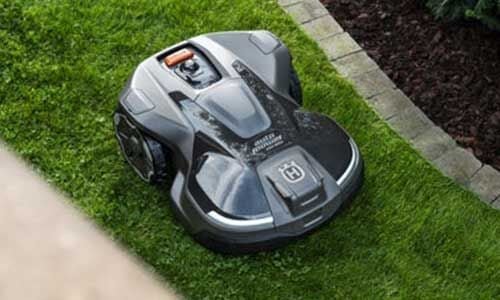
A robotic mower can maintain a set schedule on a suitable lawn. Many models need boundary wires or mapped boundaries. They may suit a small to medium lawn with limited debris and manageable slopes.
Robotic mowers are not “set and forget.” You still need to clear sticks, check the blade, manage the boundary, and keep pets and children safe. Check local rules and manufacturer limits before buying.
Spring mowing methods that protect the lawn
A good method can matter as much as the mower. Use a sharp blade, mow in changing directions, and avoid repeated turns in the same tire tracks.
Mulching means the mower chops clippings into small pieces and returns them to the lawn. Side discharge sends clippings out through the side of the deck. Bagging collects clippings in a grass catcher.
Mulching versus bagging
Mulching can return nutrients to the turf when clippings are short and spread evenly. It can save time because you do not need to empty a bag.
Bagging may help when spring growth is too tall, leaves cover the lawn, or clippings form heavy piles. It also gives a neat look near sidewalks and driveways.
Do not bag every short clipping by habit. Leaving light clippings can support the soil. Do not leave thick mats that block light and air.
Change mowing direction
Mowing the same way every time can press the grass in one direction. It can also create ruts and wear.
Change direction each time. Mow north to south one day and east to west the next. If you like lawn striping, use smooth, straight passes. Striping is the light-and-dark pattern made when grass blades bend in different directions.
Keep the blade sharp
A sharp mower blade cuts grass cleanly. A dull blade can rip the tips and leave a pale or brown cast.
Check the blade during spring service and after striking a hard object. Replace a bent or badly worn blade. Confirm the blade type and part number before ordering.
Disconnect the spark plug wire on a gas mower or remove the battery on an electric mower before touching the blade. Wear work gloves, but do not rely on gloves alone to prevent movement.
Mower care before spring growth peaks
A mower that starts easily and cuts evenly makes frequent spring mowing less tiring. Basic care also helps you spot problems before they become costly.
| Mower type | Spring checks | Parts that may wear first |
|---|---|---|
| Battery mower | Battery charge, blade, deck, charger | Blade, battery, wheels |
| Corded mower | Cord, plug, strain relief, blade | Cord, blade, switch |
| Gas mower | Oil, fuel, spark plug, air filter | Blade, spark plug, belt |
| Riding mower | Tire pressure, belts, battery, deck | Blades, belts, battery |
| Reel mower | Reel, bed knife, wheels | Reel edge, bed knife, wheels |
Check the owner’s manual for service intervals. Engine displacement, or cc, describes engine size on gas equipment. A higher cc number does not automatically make a mower right for your yard.
Battery mower care
Keep lithium-ion batteries in a dry place at the temperature listed in the manual. Do not charge a damaged, swollen, hot, or wet battery.
Check amp-hours, written as Ah, when comparing batteries. A higher Ah rating often means more stored energy, but runtime depends on grass height, deck width, blade condition, and mowing speed. Confirm that the battery fits the mower and charger.
Do not leave batteries in a hot vehicle or damp shed. Store the charger as directed by the manufacturer.
Gas mower care
Use fresh fuel and the correct oil. A spark plug creates the ignition spark in the engine. An air filter helps keep dirt out of the engine.
Replace or clean these parts as the manual directs. Fuel stabilizer can help during storage, but it does not fix old or contaminated fuel. Never refuel a hot engine. Store fuel only as allowed by local fire and fuel-storage rules.
Old gas and oil belong at a hazardous-waste site or approved collection point. Do not pour them onto soil, into drains, or into trash.
Deck and blade care
Grass clumps under the deck can block airflow and reduce cutting performance. Clean the deck only with the mower made safe and tipped in the approved direction.
Never use a pressure washer near electric parts, bearings, switches, or a battery compartment. Dry the deck before storage. Check that the blade bolt is tight according to the manual.
Common spring mowing mistakes
Most spring lawn problems come from timing, height, or wet conditions. Small changes can prevent many of them.
| Mistake | What can happen | Better choice |
|---|---|---|
| Cutting more than one-third | Stress, clumps, brown tips | Mow higher or make two cuts |
| Mowing wet soil | Ruts and compaction | Wait until the soil firms |
| Using a dull blade | Torn grass and uneven color | Sharpen or replace the blade |
| Cutting dormant grass | Weak turf and exposed soil | Wait for active growth |
| Ignoring debris | Blade damage or thrown objects | Walk the yard first |
| Mowing too low | More stress and weeds | Use the right height |
| Bagging every time | More work and lost nutrients | Mulch light, dry clippings |
| Skipping mower service | Poor starts and rough cuts | Inspect before spring use |
Mowing on a slope
A walk-behind mower can be hard to control on steep or wet slopes. Follow the manual’s slope guidance. Some walk-behind mowers are designed to move across a slope, while others may be safer when used up and down.
Never guess with a riding mower. The risk of rollover rises with slope, speed, wet grass, holes, and sharp turns. If the yard has a steep or uneven bank, a lawn care professional may be safer.
Mowing around trees and beds
Do not force the mower deck against tree trunks, edging, rocks, or raised beds. Impact can bend the blade or damage the crankshaft.
Use a string trimmer for places the mower cannot reach. An edger can define a sidewalk or driveway edge. Keep both tools away from people, windows, and fragile plants.
Leaving heavy clippings
Short clippings usually break down. Thick piles can block sunlight and air. They may also wash onto sidewalks and drains during spring rain.
If clippings are heavy, spread them with a rake or make a second pass after the lawn dries. Use a catcher if the grass is long or diseased, and follow local disposal rules.
A simple spring lawn care routine
Mowing is one part of spring lawn care. A short routine can keep the work under control.
Weekly lawn check
Walk the lawn once or twice each week. Look for standing water, bare spots, weeds, pests, pet waste, and mower damage.
Measure grass height in more than one area. Sunny spots often grow faster than shaded areas. Note how quickly the lawn grows after rain.
Monthly equipment check
Inspect the blade, wheels, deck, handle, controls, cord, battery, and fuel system. Check the air filter and spark plug on a gas mower as directed by the manual.
Keep a small record of service dates. This helps homeowners, renters, and gift recipients know when a blade was changed or a battery was stored.
Spring equipment checklist
These tools cover most small and medium yards. Choose only what matches the property.
| Tool or supply | Why it helps | Best fit |
|---|---|---|
| Mower blade tool | Helps with safe blade service | DIY owners |
| Safety glasses | Protects eyes from debris | Every mower user |
| Ear protection | Reduces noise exposure | Gas and riding mowers |
| Work gloves | Helps with dirty or sharp parts | Maintenance work |
| String trimmer | Cuts around obstacles | Beds, fences, trees |
| Edger | Defines hard borders | Sidewalks and driveways |
| Leaf blower or rake | Clears clippings and debris | Most spring yards |
| Fuel stabilizer | Supports fuel storage | Gas mower owners |
Takeaways: safety glasses, closed-toe shoes, and debris checks matter for every mower. A string trimmer, edger, or leaf blower is useful only if the yard has areas the mower cannot reach.
When mowing less often is better
More mowing is not always better lawn care. A lawn that grows slowly may not need frequent cuts. A stressed lawn can benefit from a higher cut and fewer passes.
During drought, cold snaps, heat waves, or disease pressure, let growth guide your schedule. Avoid mowing simply because it is the same weekday as usual.
Dormant or stressed grass
Dormant grass may not need mowing. If the blades are not growing, the mower cannot improve them.
Foot traffic can harm stressed turf. Keep heavy equipment off weak areas when possible. Raise the deck when you resume mowing.
Shade and thin turf
Shade often slows growth. It may also make grass more delicate. Mow shaded areas at the proper height and avoid scalping them.
If grass stays thin, the issue may be light, soil, drainage, or grass choice. Mowing more often will not solve every turf problem.
New sod and seed
New sod and seedlings need special care. Do not follow the same schedule as an established lawn. Wait until sod roots are established and seed has reached the height and strength recommended by the grower or local extension service.
Use a light mower only when the soil is firm. Avoid sharp turns that can pull up new sod.
Local rules, noise, and environmental care
Spring mowing affects neighbors, wildlife, and local waterways. Gas mowers can be loud, and some cities restrict when outdoor power equipment may run.
📜 Check Local Rules: Confirm HOA limits, local noise ordinances, gas-equipment restrictions, water-use rules, and fuel-storage laws with your city or homeowners association. Rules can differ by neighborhood.
Battery and corded mowers are often quieter than gas models, but “quiet” does not mean silent. Early morning mowing may disturb neighbors even when local rules allow it.
Disposal and recycling
Do not place lithium-ion batteries in regular trash or curbside recycling unless your local program says it is allowed. Take them to a designated battery drop-off.
🌿 Eco or Disposal Note: Recycle lithium-ion batteries at approved collection points. Take old gas and oil to a hazardous-waste site. Donate or recycle a usable mower instead of abandoning it.
Keep clippings out of storm drains. Sweep sidewalks and driveways after mowing. If local rules allow, compost clean grass clippings or leave light clippings on the lawn.
When to hire a lawn care professional
A professional can help when the yard is too steep, large, wet, or difficult to access. Hire help if you cannot safely control the mower or maintain the equipment.
Professional service may also make sense for seniors, people with limited strength, renters without storage, or homeowners who travel during fast spring growth. Ask what equipment they use and whether they handle clippings.
Situations that need extra care
Consider professional help for:
- Steep slopes or uneven banks
- Large lawns that need frequent mowing
- Wet areas with poor drainage
- Mowers that smoke, spark, or lose power
- Repeated blade or belt failures
- Difficult fuel or battery storage
- Yards with hidden debris or unsafe access
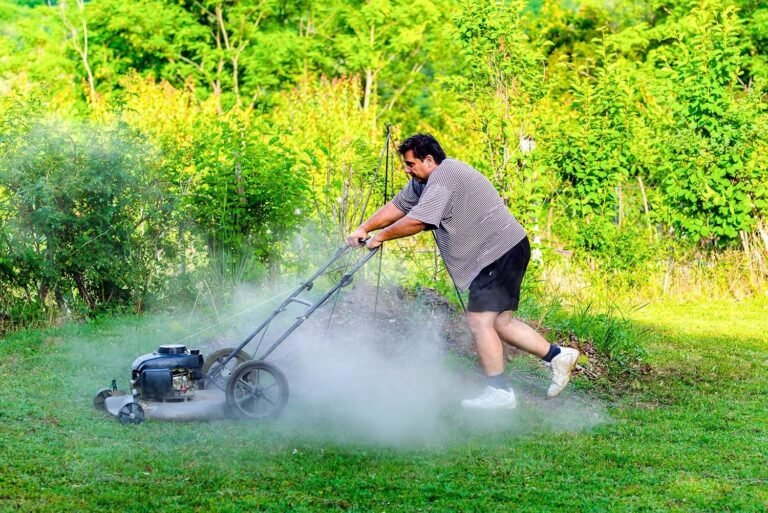
Do not ignore engine smoke, fuel leaks, damaged wiring, or a mower that vibrates heavily. Stop using it and follow the manual or contact a qualified repair shop.
FAQs about spring mowing
Q: How often should you mow in spring?
A: Most lawns need mowing every 7 to 14 days in early spring and every 5 to 7 days during fast growth. Check the grass height instead of following a fixed calendar. Mow when the grass is about one-third taller than your chosen mowing height.
Q: Can I mow once a week in spring?
A: Yes, once a week may work for many lawns during active spring growth. It may be too often for slow, dormant grass and too infrequent for a rainy lawn with rapid growth. Use the one-third rule.
Q: What is the best mowing height in spring?
A: The best height depends on grass type. Many cool-season lawns do well around 2.5 to 4 inches. Warm-season grasses often use lower settings, but the exact range varies. Check local turf guidance and the mower manual.
Q: Should I mow before or after rain?
A: Mow before rain when the grass is tall and the soil is firm. If rain has already fallen, wait until the grass dries and the soil supports the mower without footprints or ruts.
Q: Should I mow dormant grass in early spring?
A: Usually, no. Dormant grass does not need regular mowing. You can remove light debris with a rake, but wait for active green growth before setting a normal mowing schedule.
Q: Can I mow wet grass if I must?
A: It is better to wait. Wet grass can clog the deck, leave clumps, reduce traction, and damage soft soil. Never mow wet grass on a slope.
Q: Is mulching good in spring?
A: Mulching can work when the grass is dry and the clippings are short. It returns small clippings to the lawn. Bag heavy, wet, or diseased clippings instead.
Q: How often should I sharpen a mower blade?
A: Check the blade during spring service and after hitting a hard object. Sharpening needs depend on yard size, debris, soil, and mowing frequency. Replace a blade that is bent, cracked, or badly worn.
Q: What mower is best for a small yard?
A: A reel mower, corded electric mower, or battery push mower may suit a small, flat yard. A battery model can help renters and new homeowners who do not want fuel storage. A reel mower needs frequent mowing and a smooth lawn.
Q: What mower is best for hills?
A: A self-propelled mower with suitable traction may help on mild slopes. The best choice depends on slope angle, surface, and manufacturer limits. Do not use riding or zero-turn equipment on slopes beyond the manual’s guidance.
Q: Is a self-propelled mower worth it?
A: It can be worth the extra cost for a medium yard, a mild slope, or a user who finds pushing tiring. It may not be worth it for a tiny, flat yard. Check weight, drive type, controls, repair costs, and battery compatibility.
Q: How long does a mower last?
A: Service life varies with build quality, use, storage, cleaning, and repairs. Blades, belts, tires, spark plugs, batteries, and cables wear before the main frame or engine. Regular maintenance can help extend useful life.
Q: Can I mow after applying fertilizer?
A: Follow the fertilizer label. Some products need watering or time to settle. Avoid mowing while granules are sitting on hard surfaces or when the lawn is wet and soft.
Q: How often should I mow new grass?
A: Follow guidance for the seed or sod. New grass needs enough root growth and strength to handle a mower. Use a sharp blade, a suitable height, and gentle turns.
Q: Should I use a grass catcher every time?
A: No. A catcher helps with tall growth, heavy clumps, leaves, and some disease cleanup. Light, dry clippings can often stay on the lawn if they spread evenly.
Q: What should I do with old mower fuel?
A: Do not pour it onto soil or into a drain. Take old gas to a local hazardous-waste site or approved fuel collection program. Use fuel stabilizer only as directed for future storage.
Final advice for a healthy spring mowing routine
The best spring mowing schedule is the one that follows grass growth. Start with a lawn check, use the one-third rule, and mow dry grass when the soil is firm. Cool-season lawns may need a cut every 5 to 7 days during rapid growth, while dormant warm-season lawns may need almost none early in spring.
Choose equipment for the real yard, not an ideal yard. Measure gates, slopes, storage space, and lawn size before buying. A small battery push mower may suit a flat town lot, while a self-propelled mower may help on a larger or gently sloped yard. A riding mower or zero-turn mower belongs on larger properties with safe access and proper storage.
Keep the blade sharp, clear debris first, wear eye and hearing protection, and keep children and pets away. Disconnect the spark plug or remove the battery before servicing. With a flexible schedule and safe habits, spring mowing becomes a short routine instead of a race against overgrown grass.