
Craftsman Lawn Mower Not Bagging: Easy Fixes
When a Craftsman lawn mower is not bagging, the cause is often simple: the grass catcher is full, the chute is blocked, the blade is dull, or the grass is too wet. A mower can still start and cut while failing to move clippings into the bag. That makes this problem easy to miss until clumps cover the lawn.
The good news is that most bagging problems do not require a new mower. A careful check of the bag, chute, deck, blade, engine speed, and mowing method can restore normal airflow. This guide explains what to check, what to clean, which parts may need replacement, and when a repair shop is the safer choice.
The steps suit first-time homeowners, renters with small yards, DIY users, and family members helping a senior. They also apply to many Craftsman push mowers, self-propelled mowers, gas models, and battery lawn mowers. Always confirm the exact deck design, blade part number, and catcher style in your owner’s manual.

Why a Craftsman mower stops bagging grass
A Craftsman mower bags clippings by creating airflow under the deck. The blade lifts and moves the cut grass through the discharge opening and into the grass catcher. If air cannot move, the mower may cut the lawn but leave most of the clippings behind.
The most common causes are a clogged chute, a packed grass bag, a low engine speed, wet turf, or a blade that no longer creates a strong lift. A bag that looks attached may also be fitted backward, collapsed, or blocked by fine dust and damp clippings.
Bagging depends on three things:
- Airflow: The blade and deck must move air toward the bag.
- Space: The chute and catcher must have room for clippings to pass.
- Cut quality: Short, dry, loose clippings move more easily than long, wet strands.
How the bagging system works
Most Craftsman mowers use a blade with a curved edge or lift wing. As the blade spins, it creates air movement inside the deck. That air carries grass through the side or rear discharge opening and into the catcher.
The deck is the metal or plastic housing around the blade. The chute is the path that carries clippings from the deck to the bag. The catcher may use a fabric body, plastic lid, wire frame, or a mix of these parts.
If the blade is spinning too slowly, airflow drops. If the deck is packed with wet grass, the opening narrows. If the bag fabric is coated with dust, air cannot escape through the mesh, so new clippings stop entering.
What the symptoms tell you
The location of the leftover grass can help you find the fault. Grass left in a line behind the mower often points to a clogged chute or full bag. Grass stuck under the deck suggests wet mowing or a dirty housing.
The table below links common signs to likely causes.
| What you notice | Likely cause | First check |
|---|---|---|
| Grass stays in the discharge chute | Chute blockage or wet clippings | Stop the mower and inspect the chute |
| Bag fills only partway | Blocked bag mesh or weak airflow | Clean the catcher and check engine speed |
| Clumps remain under the deck | Wet grass or packed deck | Clean the deck after disconnecting power |
| Mower leaves a strip of grass | Dull or damaged blade | Inspect and sharpen or replace the blade |
| Bag blows off | Full bag, poor fit, or broken clips | Empty the bag and check the attachment points |
| Engine slows in tall grass | Low throttle, dull blade, or heavy cut | Raise the deck and mow more slowly |
The first takeaway is simple: do not replace the mower before checking airflow. The second is that bagging trouble often starts with mowing conditions, not a failed engine.
Quick answer: what to do when a Craftsman mower is not bagging
Empty and clean the grass catcher, then inspect the discharge chute and underside of the deck for wet clippings. With the spark plug wire disconnected on a gas mower, or the battery removed on a cordless mower, check the blade for damage and sharpness. Reattach the bag correctly, use full engine speed, mow dry grass, and take a narrower cut. If the mower still will not bag, inspect the blade adapter, belt, chute door, and catcher for damage.

A fast fix often takes less than 15 minutes. Let the grass dry, empty the bag before it becomes packed, and brush dust from the catcher mesh. Never reach into a chute or under a deck while the blade could turn.
🔧 Quick Fix: If the bag is clean but clippings still stop at the chute, raise the cutting height by one setting and mow at a slower pace. This reduces the amount of grass entering the deck at once.
Checks to make before repairing anything
Begin with the simple checks. Park the mower on a flat surface, stop the engine, remove the key if it has one, and disconnect the spark plug wire or battery. Let hot parts cool before you touch them.
Wear work gloves when handling the blade or wet grass. Do not use your hand to clear a chute. A blade can store energy and move even when the engine is off.

Confirm the catcher is the correct one
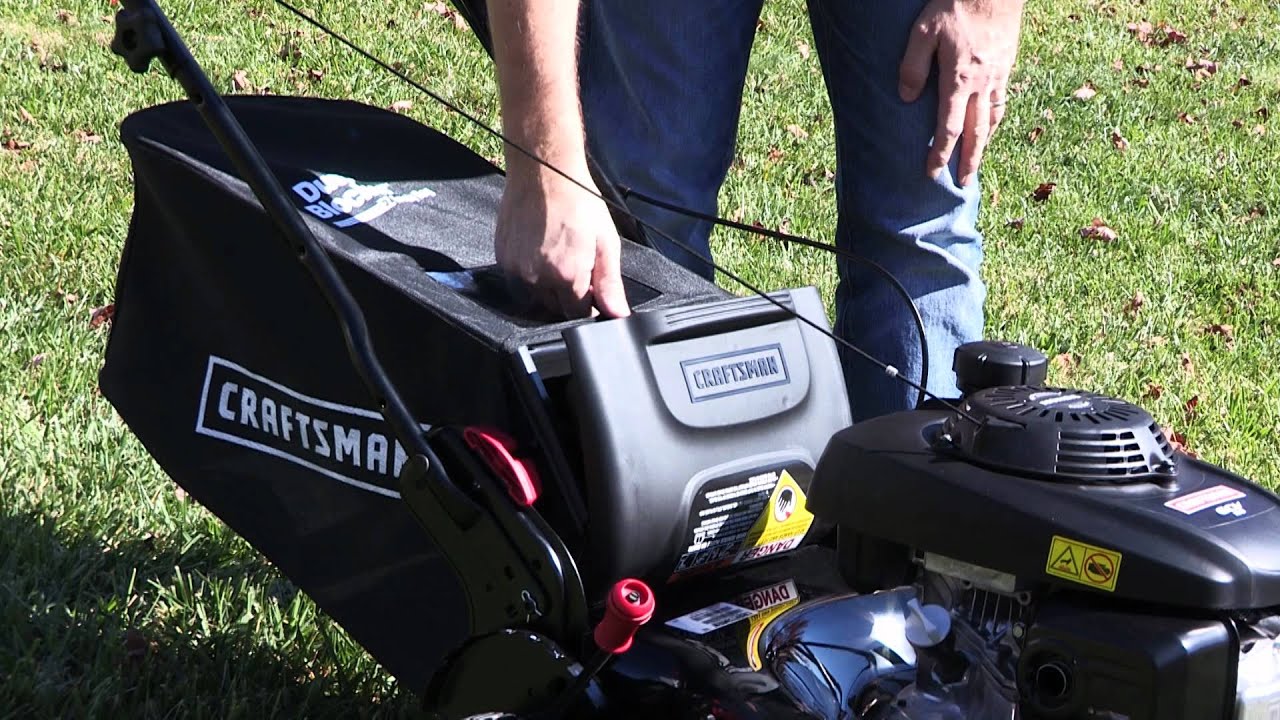
A replacement grass catcher must match the mower deck and discharge design. Craftsman has used different bag frames, lids, clips, and chute systems across model lines. A bag that looks close may not seal or vent correctly.
Check the model number on the mower deck or frame. Then compare the catcher, upper chute, lower chute, and mounting clips with the owner’s manual. Confirm the part number before ordering.
Check the bag for blocked mesh
A fabric bag must let air pass through it. Fine dust, pollen, dry soil, and crushed grass can seal the pores. The bag may look empty but still block the airflow needed to pull in new clippings.
Remove the bag and brush it from the outside. If the manual allows washing, rinse it with clean water and let it dry fully before use. Do not store a damp catcher in a shed, as mildew can weaken the fabric.
Look at the bag frame and door
The frame must hold the catcher open. A bent frame can pinch the bag opening. A cracked lid or weak latch can create a gap that lets clippings fall out.
Check whether the rear door closes against the catcher. On some models, the door helps seal the airflow path. If it stays partly open, the mower may discharge grass onto the lawn instead of into the bag.
Causes and fixes for a Craftsman mower that will not bag
The most useful repair plan follows the airflow path. Start at the blade, move through the deck and chute, and finish at the catcher. This order helps you avoid replacing a good part.

| Cause | Why it stops bagging | Practical fix |
|---|---|---|
| Full grass catcher | No room remains for new clippings | Empty the bag before it is packed tight |
| Clogged mesh | Air cannot leave the catcher | Brush or wash the bag as the manual allows |
| Blocked chute | Grass cannot reach the catcher | Disconnect power and clear the chute with a tool |
| Wet grass | Clippings stick to the deck and chute | Wait for dry turf and clean the housing |
| Dull blade | Poor lift and large, heavy clippings | Sharpen or replace the blade |
| Low engine speed | The blade lacks air movement | Use the mower’s full operating throttle |
| Mowing too fast | Too much grass enters at once | Slow down and overlap passes slightly |
| Deck set too low | The blade cuts a heavy load | Raise the mowing height |
| Wrong blade | The blade may not create the right airflow | Install the specified blade |
| Damaged chute door | Air and grass escape before the bag | Replace the door, spring, or chute part |
The table shows why “not bagging” is not one single fault. A clogged bag and a damaged blade can produce similar symptoms. Test one change at a time when possible.
Step-by-step fixes that restore bagging
The best way to repair a bagging problem is to work from safe cleaning to part inspection. Do not skip the power-disconnect step, even if the engine is off.
1. Empty and clean the catcher
Turn off the mower. Remove the catcher and empty it away from the mowing area. Shake out loose clippings, then inspect the opening and mesh.
Brush the mesh with a soft brush. If the manual permits water, rinse away dust and leave the catcher open until completely dry. A wet or blocked bag can stop bagging even when the mower is otherwise healthy.
2. Clear the discharge chute
On a gas mower, disconnect the spark plug wire and keep it away from the plug. On a battery mower, remove the battery and keep it away from the mower.
Use a stick, plastic scraper, or another tool approved by the manual to remove grass from the chute. Never put your fingers into the chute. Check both the upper and lower sections if the mower uses a two-piece design.
3. Clean the underside of the deck
Tilt the mower only as the owner’s manual directs. Some gas mowers should be tilted with the air filter and carburetor side facing up. A wrong tilt can let oil or fuel enter areas where it should not.
Scrape away packed grass with a plastic tool. Avoid bending the blade, damaging the deck, or spraying water onto electrical parts. A clean deck gives clippings more room to move.
4. Inspect the blade
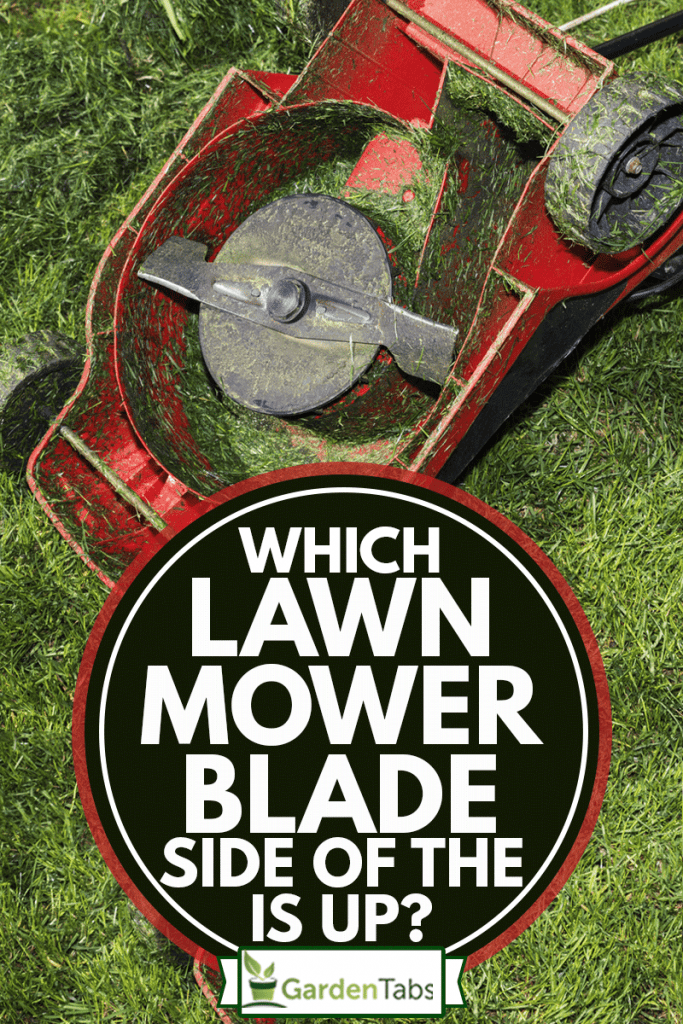
Look for a bent edge, deep nicks, cracks, heavy rust, or a blade that is worn thin. A dull blade may still cut, but it can tear grass and make large pieces that clog the bag.
A blade should be balanced after sharpening. If you do not have a blade balancer or the blade is bent, replacement is safer. Use the exact blade type and part number listed for the mower.
5. Check the blade adapter and fastener
The blade adapter connects the blade to the engine shaft. If it is cracked, worn, or installed incorrectly, the blade may wobble or fail to spin as intended.
Do not guess at the blade bolt direction or torque. Follow the manual. A loose blade is a serious hazard and can damage the deck.
6. Refit the catcher
Install the bag, frame, lid, and chute in the order shown by Craftsman. Make sure the clips engage and the rear door rests in the correct position.
Try lifting the catcher gently. It should not fall away from the deck. If the bag sags into the blade area or the door cannot close, stop and correct the fit before starting the mower.
7. Test on a small dry area
Choose a short strip of dry lawn. Use the full operating speed recommended by the manual. Walk at a steady pace and watch the bag opening, not just the cut grass.
If the bag fills and the chute stays open, the repair likely worked. If the chute blocks again, stop and reassess the blade, height, moisture, and grass load.
⚠️ Safety Warning: Wear safety glasses, hearing protection, closed-toe shoes, and work gloves. Clear stones, sticks, wire, and toys first. Keep children and pets away, and disconnect the spark plug or remove the battery before servicing.
Mowing habits that help a Craftsman bagger work
A mower bags best when the grass is dry and the cut is not too heavy. Mow after dew has dried and avoid cutting just after rain. Wet grass sticks to the deck and can form a plug in minutes.
Do not remove more than about one-third of the grass blade at one time. If the lawn has become very tall, raise the deck and make a first pass. Then lower the height on a later pass if needed for your turfgrass type.
Set the right mowing height
The correct mowing height depends on the grass type, climate, season, and shade. Cool-season grasses often need a different height from warm-season grasses. Your local extension service can provide guidance for your area.
A low setting can overload the blade. A higher setting often improves bagging in tall or stressed turf because the mower handles less material at once. Avoid scalping, which removes too much leaf tissue and can weaken the lawn.
Use full blade speed
Gas mowers usually have a throttle or engine control. Battery mowers may use an automatic speed system. Use the setting recommended in the manual for mowing, not a low idle setting.
If the engine hunts, surges, or loses speed, the issue may involve an air filter, spark plug, fuel system, battery, or motor control. Do not assume the bag is the main fault when the blade is not spinning at a steady speed.
Slow down in heavy grass
A fast walking speed can overload even a working mower. Tall grass, thick turf, leaves, and damp growth need more time to move through the deck.
For a small yard, a slower pace adds little time. For a large lawn, make narrower passes or use a self-propelled mower at a lower drive speed. A riding mower or zero-turn mower may suit a large open lot better than a walk-behind model, but it still needs dry conditions and a clear discharge path.
Use the correct blade type
Some blades are designed for mulching, some for bagging, and some for side discharge. A mulching blade cuts clippings into smaller pieces, but it may not provide the same airflow as a high-lift bagging blade on a specific deck.
Do not choose a blade only by length. Confirm the center hole, mounting pattern, width, thickness, rotation direction, and part number. An incorrect blade can damage the mower or create a safety risk.
Battery and gas mower differences
A battery Craftsman mower can stop bagging when the battery is low, the system enters a reduced-power mode, or the blade speed changes in thick grass. A gas mower may lose bagging power because of a dirty air filter, old fuel, a worn spark plug, or a throttle problem.
Battery runtime also changes with grass height, temperature, blade condition, and battery age. Confirm the voltage and amp-hour rating before buying a replacement battery. Amp-hours, or Ah, describe stored battery capacity; they do not guarantee a fixed mowing time.

| Mower type | Bagging issue to check | Best fit |
|---|---|---|
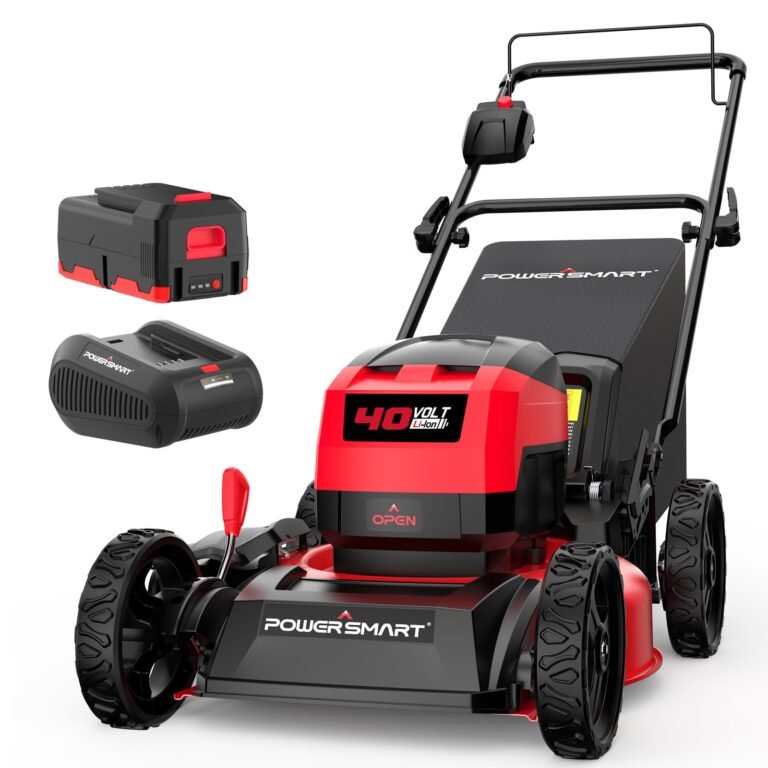
| Battery push mower | Charge level, blade speed, battery fit | Small to medium yards with nearby charging |
| Gas push mower | Fuel, air filter, spark plug, throttle | Yards without charging access and users who accept engine care |
| Self-propelled mower | Drive speed set too high or engine overloaded | Medium yards, slopes, or users who need less pushing |
| Corded electric mower | Cord drag and limited reach | Small yards with safe outdoor power access |
| Riding mower | Full catcher, belt, deck chute, blade speed | Larger lots with wide gates and storage space |
The main difference is the power source, but the airflow path remains much the same. A senior may prefer self-propelled operation on a mild slope, while a renter with a small flat yard may need a light battery push mower.
💡 Pro Tip: Test bagging with a fully charged battery or fresh, approved fuel. A weak power source can look like a chute problem because the blade slows under load.
When a mower blade, belt, or engine part needs attention
The blade is one of the first wear parts to inspect. It hits dust, sticks, small stones, and uneven soil. A blade may need sharpening during the mowing season and replacement when it is bent, cracked, too thin, or impossible to balance.
On some Craftsman models, a belt transfers power to the blade or drive system. A loose, glazed, stretched, or broken belt may reduce blade speed. Belt access varies by model, so check the service manual before removing covers.

Air filters and spark plugs
A dirty air filter can reduce engine power. A worn spark plug can cause hard starting, rough running, or weak output. These parts do not directly push grass into the bag, but they can reduce the blade speed that creates airflow.
Replace or clean them according to the manual. Foam and paper filters need different care. Never wash a paper filter unless the manufacturer says it is washable.
Fuel and cold-start problems
Old gasoline can cause rough running and low power. Fuel stabilizer helps during storage when used as directed, but it does not restore badly degraded fuel. Never refuel a hot engine, and store fuel only as local rules and the product label allow.
Cold weather can make starting harder. Thick oil, stale fuel, and a weak battery can also reduce engine performance. Let the engine warm as directed, but do not run it in an enclosed garage.
Battery contacts and battery age
Remove the battery and inspect the contacts for dirt or moisture. Keep the battery dry and charge it with the approved charger. Do not use a battery pack that is swollen, cracked, hot, or damaged.
Lithium-ion batteries lose capacity over time. Recycle old packs at a designated battery drop-off. Do not place them in household trash or curbside recycling unless your local program accepts them.
Prevention and maintenance schedule
Regular care keeps the bagging system open and helps you find wear before it becomes a failure. Clean the deck after heavy use, inspect the blade often, and empty the catcher before it becomes tightly packed.
Storage also matters. Keep a gas mower dry and protected from rain. Store a battery mower with the battery according to the manual, away from extreme heat and freezing conditions. Keep the catcher dry so its mesh remains open.
| Interval | Maintenance task | Why it helps |
|---|---|---|
| Every use | Empty and inspect the catcher | Prevents packed clippings and torn fabric |
| Every use | Check for debris under the deck | Preserves airflow |
| Every few uses | Brush the catcher mesh | Keeps air moving |
| Monthly in season | Inspect blade and fastener | Finds wear and loose parts |
| As needed | Clean or replace air filter | Supports engine power |
| Seasonally | Check spark plug, fuel, and belts | Reduces starting and power faults |
| Before storage | Clean, dry, and protect the mower | Limits rust and stale fuel problems |
Do not use a pressure washer on sensitive electrical parts or engine controls. Follow the storage steps in the manual, since gas and battery models need different care.
A simple bagging check before each mow
Before you start, look at the catcher, chute, blade area, and mowing height. Confirm the bag is dry and the discharge door moves freely. Walk the lawn and remove hidden objects.
After mowing, clear clippings from the deck while the mower is fully disabled. This small habit can prevent a hard, thick plug from forming during the next cut.
Common mistakes that make bagging worse
Many bagging complaints come from trying to force the mower through conditions it cannot handle. Cutting wet grass, moving too fast, and setting the deck too low are common examples.
Another mistake is installing a blade based only on a similar appearance. A mower blade is a working safety part, not a generic piece of metal. Check every dimension and the approved part number.
Mistake: washing the bag and using it wet
A wet bag blocks airflow and makes grass stick to the fabric. It can also add weight and strain the frame. Let the catcher dry fully before mowing.
Mistake: clearing a chute with the engine off but power connected
The blade can move if the engine starts, the battery is inserted, or a control is triggered. Disconnect the spark plug wire or remove the battery first. Use a tool, not your hand.
Mistake: sharpening a cracked or bent blade
Sharpening cannot repair a structural fault. Replace a blade with cracks, severe bends, missing metal, or a damaged mounting hole.
Mistake: mowing too short to avoid bag emptying
A low cut creates a heavy load and can stress turfgrass. It also creates more clippings per pass. Set a suitable mowing height and empty the bag before it becomes hard to lift.
Mistake: assuming a new bag will solve every problem
A new catcher will not fix a dull blade, clogged deck, weak engine, or wrong mowing method. Repair the full airflow system.
Choosing another mower if bagging remains a problem
If your Craftsman mower is old, badly damaged, or too small for the yard, replacement may make sense. Measure the lot, gate width, slope, and storage area first. A wide deck can shorten mowing time, but it may not fit through a narrow gate or shed door.
For small, flat yards, a light push mower can be easy to store. For hills, a self-propelled mower may reduce physical strain. For large open lawns, a riding mower or zero-turn mower may save time, but it needs more space, maintenance, and budget.

| Yard and user | Mower type to consider | Limitation |
|---|---|---|
| Small flat yard, low budget | Push battery or gas mower | More walking and smaller catcher |
| Small yard, quiet neighborhood | Battery mower or reel mower | Battery charging or more physical effort |
| Medium yard with mild slopes | Self-propelled battery or gas mower | Added weight and drive maintenance |
| Large open lot | Riding mower or zero-turn mower | Higher cost and larger storage needs |
| Yard with strict noise rules | Battery or reel mower | Confirm local rules and charging needs |
| Senior user with limited strength | Self-propelled mower or lawn service | Still requires safe handling and control |
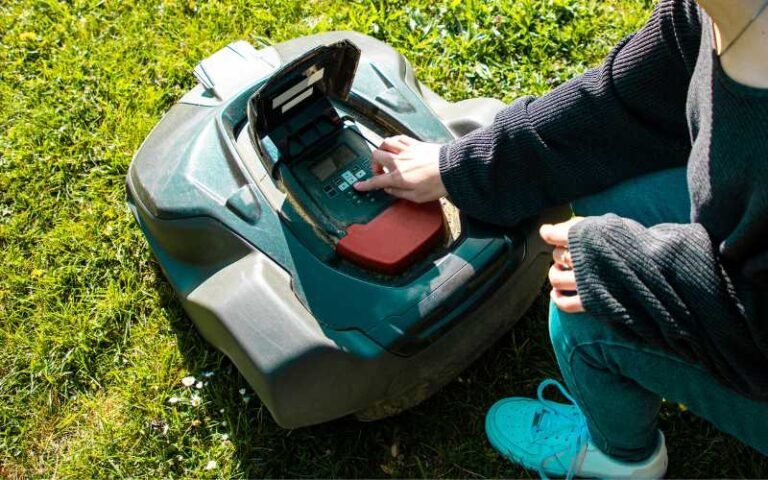
A reel mower can suit a small, level yard with short grass, but it usually does not bag as easily as a powered mower and needs steady pushing. A robotic mower can reduce routine mowing work, yet it may not collect clippings and needs boundary setup.
Corded electric mowers can work for very small yards, but the cord must stay clear of the blade and outdoor outlet. String trimmers, edgers, and leaf blowers help with lawn care, but they cannot solve a mower’s bagging fault.
📜 Check Local Rules: Confirm HOA limits, local noise ordinances, gas-equipment restrictions, fuel-storage laws, and battery disposal rules. Some communities limit when gas mowers may run.
When to call a repair shop
Stop DIY work when the blade shaft is bent, the engine vibrates badly, the deck is cracked, or fuel leaks. A severe vibration can damage the mower and may throw a blade part. Do not keep mowing to “see if it gets better.”
A repair shop is also useful when the engine runs poorly after basic maintenance, the blade does not reach normal speed, or a belt and pulley system is hard to access. Take the full model number and describe when the bagging failure occurs.

Seek professional help if:
- The mower vibrates strongly after blade service.
- The blade bolt will not loosen or will not tighten correctly.
- The engine surges, smokes, leaks fuel, or loses power.
- A battery is swollen, cracked, or unusually hot.
- The deck, chute, or rear door is broken.
- You cannot identify the correct replacement blade.
- The mower remains under warranty.
A repair may be worth the money for a newer self-propelled mower with a sound deck and engine. For an old mower with several worn systems, compare the repair estimate with a new mower suited to your yard.
Affiliate disclosure
This article may contain affiliate links. If you buy a product through one of these links, the publisher may earn a commission at no extra cost to you. Product availability, specifications, compatibility, and prices can change, so confirm details on the manufacturer’s product page and in the owner’s manual before buying.
Frequently asked questions
Q: Why is my Craftsman mower leaving grass behind instead of filling the bag?
A: Check the catcher mesh, chute, deck, blade, and mowing conditions. A full or dusty bag can block airflow. Wet grass, a dull blade, low engine speed, and mowing too fast can also leave clippings behind.
Q: Why does my Craftsman mower bag only fill halfway?
A: The bag may have blocked mesh, or the chute may be partly clogged. The blade may also be turning too slowly. Clean and dry the catcher, clear the chute safely, and test the mower with a sharp, correct blade.
Q: Can I wash a Craftsman grass catcher?
A: Many fabric catchers can be rinsed, but check the manual first. Let the bag dry fully before use. A wet catcher can block airflow and add weight to the frame.
Q: Should the Craftsman mower run at full throttle while bagging?
A: Use the mowing speed recommended in the owner’s manual. A low throttle setting can reduce blade speed and airflow. Do not change the governor or engine controls beyond approved adjustments.
Q: Does a dull blade stop a mower from bagging?
A: It can. A dull blade may tear grass into large, heavy pieces and create weak lift. Sharpen a sound blade correctly or replace a damaged one with the specified part.
Q: Why does wet grass clog my mower chute?
A: Wet grass sticks to the deck, blade, chute, and bag mesh. It also forms heavy clumps. Wait for dry turf, raise the deck if the grass is tall, and clean the mower after use.
Q: Is a mulching blade good for bagging?
A: It depends on the mower and blade design. Some mulching blades work with a catcher, while others may not create the best airflow for that deck. Confirm the approved blade type and part number.
Q: How often should I sharpen a Craftsman mower blade?
A: Inspect the blade often during the mowing season. Sharpen it when the edge becomes dull or the cut looks torn. Replace it if it is cracked, bent, badly worn, or cannot be balanced.
Q: Can a low battery cause a battery mower not to bag?
A: Yes. A low battery may reduce blade speed under load. Charge the approved battery fully and check that the voltage and amp-hour rating match the mower.
Q: Is a self-propelled mower better for a hilly lawn?
A: It can reduce pushing effort on mild slopes, but it still requires careful control. Never mow wet grass on a slope. For steep terrain, consider a professional lawn service or equipment designed for that setting.
Q: How long should a Craftsman mower last?
A: Service life depends on the model, use, storage, climate, and maintenance. A clean deck, sharp blade, fresh fuel care, sound battery practices, and timely repairs can help. There is no single life span for every mower.
Q: Can I replace the Craftsman grass bag with a universal bag?
A: Only if it is confirmed compatible with your exact model. Check the frame, clips, lid, chute opening, and part number. A poor fit can cause clippings to escape or create a safety risk.
Q: Why does my mower bag work when the grass is short but not when it is tall?
A: Tall grass creates a much heavier load. Raise the deck, mow more slowly, and make a second pass later if needed. Do not remove more than about one-third of the grass blade at once.
Q: What should I do with an old mower or battery?
A: Donate or recycle a usable mower. Take lithium-ion batteries to a designated battery drop-off. Bring old gasoline and oil to a household hazardous-waste site, and follow local disposal rules.
Final thoughts
A Craftsman lawn mower that is not bagging usually needs an airflow check, not an immediate replacement. Clean the catcher and chute, inspect the deck and blade, use full mowing power, and cut dry grass at a steady pace.
If the mower still fails, check the exact blade, belt, engine, battery, and catcher parts for your model. Choose replacement equipment only after measuring the yard, slope, gate, and storage space. Safe servicing matters more than a fast fix, so follow the manual and call a repair shop when the problem involves vibration, fuel, electrical damage, or uncertain blade work.



One Comment