Lawn Mower Flooded With Gas: Easy Fix Guide
A lawn mower flooded with gas can smell strong, crank without starting, or start for a few seconds and then stall. The good news is that most flooded push mowers and riding mowers can recover with a simple fuel-and-air reset. The key is to stop adding gas, let the engine clear the excess fuel, and check for a stuck carburetor, a dirty air filter, or a worn spark plug.
This guide explains how to fix a flooded lawn mower safely. It also covers why flooding happens, what the symptoms mean, when to drain the oil, and how to prevent the same problem after cold starts, storage, or steep mowing. The steps suit first-time homeowners, DIY repairers, and gift buyers helping an older adult or new mower owner.

Why a Lawn Mower Floods With Gas
A mower floods when too much gasoline enters the engine and not enough air enters to burn it. The extra fuel wets the spark plug, fills the carburetor area, and makes the air-fuel mix too rich. A rich mix has more fuel than the engine can burn.
The most common causes are repeated starting attempts, pressing the primer bulb too many times, leaving the choke closed, tipping the mower the wrong way, or having a carburetor float that does not shut off fuel. A dirty air filter can also limit air flow and make flooding more likely.

What “Flooded” Means
A small engine needs three things to run: fuel, air, and a spark. Flooding means fuel is present in excess. The engine may have a strong gas smell, but the spark plug cannot ignite the wet mixture.
Most walk-behind gas mowers use a carburetor. The carburetor mixes gasoline with air before the mixture reaches the cylinder. A float and needle valve help control fuel flow. If the needle sticks open, gas can keep flowing even when the engine does not need it.
A mower can flood after only a few pulls. This is more likely when the engine is warm, the choke is on, or the primer bulb is pressed again and again.

Flooding Versus a Different Starting Problem
A gas smell does not prove the mower is flooded. A failed ignition coil, blocked fuel line, bad safety switch, or empty tank can cause similar starting trouble. Look for several signs before taking the mower apart.
| Sign | What it often means | First check |
|---|---|---|
| Strong gas smell and wet plug | Too much fuel | Dry or replace the spark plug |
| Engine cranks but will not fire | Flooded cylinder or no spark | Test the plug and let fuel evaporate |
| Gas leaks from the carburetor | Stuck float or needle valve | Shut off fuel and inspect the carburetor |
| Oil level rises or smells like gas | Fuel entered the crankcase | Change the oil before running |
The main clue is a combination of a raw gas smell, hard starting, and a wet spark plug. Gas in the crankcase is more serious because it thins the oil and can damage engine parts.
Quick Answer: How to Fix a Flooded Lawn mower
the best way to fix a flooded lawn mower is to turn off the fuel supply, move the mower outdoors, remove or disable the spark plug wire, and wait 15 to 30 minutes. Then install a dry spark plug, set the throttle or choke to the correct start position, and try starting without pressing the primer repeatedly. If gasoline has entered the crankcase, drain and replace the oil before running the engine.
Do not keep pulling the starter while the mower smells strongly of gas. Do not smoke, create sparks, or work near a flame. Always follow the owner’s manual because choke controls, fuel shutoffs, and spark plug access differ by model.

A basic flooded-mower fix usually needs:
- A safe outdoor work area.
- A spark plug socket.
- A dry rag.
- Eye protection and work gloves.
- A replacement spark plug if the old one is wet or fouled.
- Fresh engine oil if the oil smells like gasoline.
Symptoms That Point to Excess Fuel
The strongest flooding symptoms are a raw gas odor, a wet spark plug, and an engine that cranks but does not start. Some mowers may briefly start, blow dark smoke, and stall. A flooded engine can also sound as if it is trying to start but cannot keep running.
These clues help separate a fuel problem from a dead battery, dull blade, damaged starter rope, or blocked mower deck. A dull mower blade affects cutting, not usually starting. A clogged deck can overload a running engine, but it does not normally create a raw gas smell before startup.

Common Signs
| Symptom | Likely reason | What to do |
|---|---|---|
| Raw gasoline smell | Excess fuel in the carburetor or cylinder | Stop cranking and ventilate |
| Wet spark plug tip | Fuel has soaked the plug | Dry or replace the plug |
| Black exhaust smoke | Rich fuel mixture | Check choke, air filter, and carburetor |
| Starts, then stalls | Fuel mix is too rich or carburetor is dirty | Let it clear, then inspect fuel system |
| Gas under the mower | Leaking carburetor, tank, or fuel line | Shut off fuel and repair the leak |
| Oil smells like gas | Fuel has passed the piston rings | Change oil before use |
The safest rule is simple: stop when the odor becomes strong. Repeated cranking can send more fuel into the engine and increase the fire risk.
⚠️ Safety Warning: Work outdoors or in a wide-open, well-ventilated space. Keep cigarettes, heaters, pilot lights, and power tools that can spark away from gasoline.
Causes of a Flooded Mower
Flooding often starts with a small mistake, such as using the choke after the engine is already warm. It can also point to a worn part. Finding the cause matters because drying the spark plug will not fix a float that continues to leak fuel.

| Cause | Why it floods the engine | Clue to look for |
|---|---|---|
| Too much priming | Extra fuel enters the carburetor | Several bulb presses before starting |
| Choke left on | Air flow stays too low | Black smoke or rough running |
| Repeated pulls | Each attempt adds more fuel | Strong smell after many starts |
| Dirty air filter | Not enough air reaches the engine | Filter is dark, oily, or packed with dust |
| Stuck float or needle | Fuel does not shut off | Gas drips from the carburetor |
| Wrong tipping direction | Fuel moves into the air filter or cylinder | Wet filter or gas near the deck |
| Old gasoline | Deposits affect fuel control | Hard starts after winter storage |
| Faulty primer bulb | Too much fuel is pushed in | Cracked or collapsed bulb |
The most urgent causes are fuel leaks and gas in the engine oil. Both need attention before the mower runs again.
Too Much Primer or Choke
A primer bulb pushes fuel into the carburetor to help a cold engine start. It does not usually need repeated pressing once the engine has received fuel. Pressing it many times can flood a small engine.
A choke restricts air for a cold start. Once the engine starts, the choke should move to the run position. Leaving it closed can cause black smoke, rough running, and another flood.

A Stuck Carburetor Float
The float controls the fuel level inside the carburetor bowl. A needle valve closes the fuel passage when the bowl is full. Dirt, varnish, rust, or a worn needle can keep the valve open.
When that happens, gasoline may flow into the carburetor while the engine is off. You may see fuel dripping from the air filter housing or notice gas pooling under the mower. This issue may need carburetor cleaning or replacement.

A Dirty Air Filter
A clogged air filter limits air. The engine then receives a fuel-heavy mixture. Paper air filters should usually be replaced when dirty. Foam filters can often be washed, dried fully, and treated with the correct amount of clean filter oil if the manual allows it.
Never run a mower without its air filter for normal mowing. A short test may be allowed by some service instructions, but dirt can enter the engine quickly. Follow the manual.
Step-by-Step Fix for a Flooded Gas Mower
A flooded mower can often be restored in less than an hour. Take your time, control the fuel, and avoid guessing with the choke. If the mower has a fuel-injection system, a riding mower with electronic controls, or a special starting system, use the manufacturer’s procedure first.

1. Move the Mower to a Safe Area
Push the mower outdoors onto a level surface. Keep it away from dry grass, buildings, vehicles, and open flames. Remove the grass catcher and clear loose debris from around the deck.
Wear safety glasses, closed-toe shoes, and work gloves. Keep children and pets away. Do not service a mower on a slope where it could roll.

2. Stop the Fuel Supply
Turn the fuel shutoff valve to the off position if the mower has one. If there is no valve, keep the mower level and do not squeeze the primer bulb again.
For a riding mower, set the parking brake, place the transmission in neutral, and remove the key. For an electric mower, remove the battery before inspection. Gas and electric systems have different risks, so do not use the same repair steps for both.
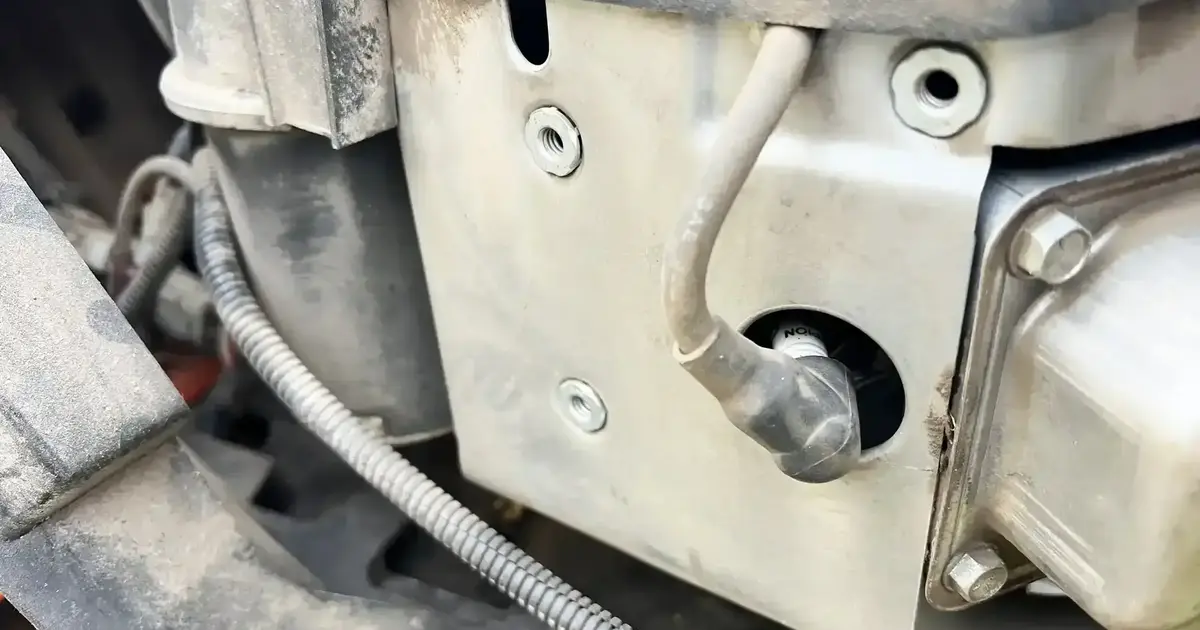
3. Disconnect the Spark Plug Wire
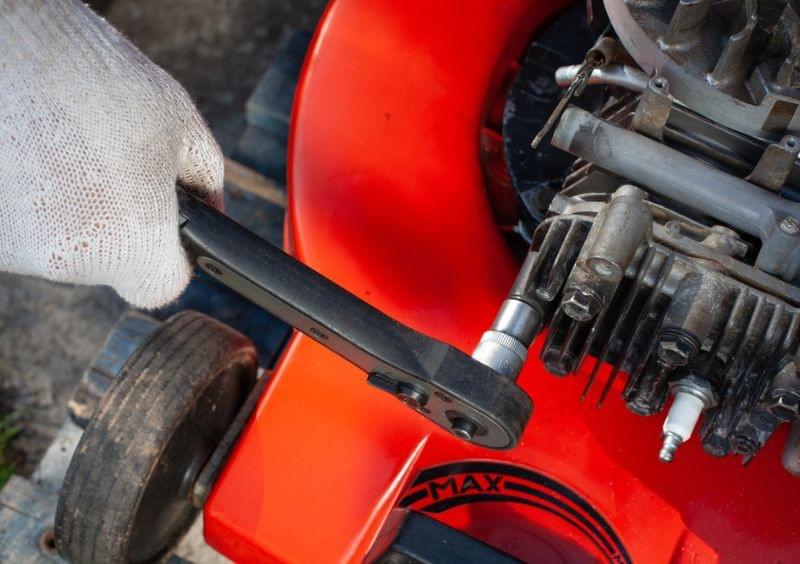
Find the spark plug and pull the rubber boot from the plug. Pull the boot, not the wire. Keep the wire away from the plug so the engine cannot accidentally start.
On a riding mower, disconnect the battery if the manual directs you to do so. Never work near the blade with the ignition active.

4. Wait for Excess Fuel to Evaporate
Leave the mower alone for 15 to 30 minutes. In cold or damp weather, it may need longer. Keep the mower outside while the fumes clear.
Do not use a heat gun, hair dryer, or space heater to speed evaporation. Heat and gasoline vapor are a dangerous mix.
💡 Pro Tip: If the air filter is wet with fuel, remove it and let it dry in a safe place. Replace a paper filter if it is soaked or misshapen.
5. Remove and Inspect the Spark Plug
Use the correct spark plug socket. Remove the plug and inspect the tip. A wet plug confirms that gasoline reached the combustion chamber.
Wipe a reusable plug with a clean, dry rag and allow it to dry. A plug with heavy carbon, a cracked ceramic insulator, worn electrodes, or a damaged gasket should be replaced. Confirm the exact plug number and gap in the owner’s manual.
6. Clear the Cylinder
With the spark plug still out, hold the spark plug wire away from the opening. Follow the manual’s method for turning the engine over. On many pull-start mowers, a few slow pulls can push out excess vapor. Do not spray fuel or starting fluid into the cylinder.
Keep your face and hands away from the spark plug opening. A small amount of fuel mist can escape. Stop if liquid gasoline comes out in a stream.

7. Check the Engine Oil
Pull the oil dipstick and smell the oil. If the level is higher than normal or the oil smells like gasoline, do not start the mower. Fuel has likely entered the crankcase.
Drain the oil into an approved container and refill with the exact oil grade and amount listed in the manual. Old oil and gasoline must go to a household hazardous-waste site or another approved collection point. Never pour them onto soil, into a drain, or into trash.

8. Reinstall the Plug and Start Correctly
Install a dry or new spark plug. Tighten it to the manual’s specification. Push the wire boot firmly onto the plug.
Set the controls for a cold or warm start as the manual shows. Use the choke only when the engine is cold. Do not press the primer unless the instructions call for it. Try a few pulls, then pause instead of flooding the engine again.
9. Let the Engine Run and Clear
The mower may run unevenly for a short time. It may produce a little dark smoke as the remaining rich mixture burns. Move the choke toward run as the engine warms.
Shut the engine off if smoke becomes heavy, fuel leaks, or the engine surges badly. A brief rough idle can clear, but a continued fuel smell points to a fault that needs repair.
Tools and Parts for the Repair
The right tools make this job cleaner and safer. You usually do not need a full engine-repair kit for a simple flood. Use parts made for the exact mower model, not a spark plug or air filter that merely looks similar.
| Item | Use | Notes |
|---|---|---|
| Spark plug socket | Removes the plug | Match the plug size |
| Safety glasses | Protects eyes from fuel mist | Wear during service |
| Work gloves | Protects hands | Use fuel-safe gloves |
| Dry rags | Wipes fuel and oil | Keep used rags outdoors |
| Replacement plug | Restores ignition | Check part number and gap |
| Fresh oil | Replaces fuel-thinned oil | Use the manual’s grade |
| Fuel container | Holds drained gas or oil | Use an approved container |
A socket set, small brush, and flashlight can help with inspection. Do not use compressed air around spilled gasoline unless the area is fully safe and ventilated.
When the Simple Fix Does Not Work
If the mower still will not start after the plug dries, check for fuel, spark, and air. These are the three basic needs of a gasoline engine. Test one system at a time instead of replacing random parts.
A bad spark plug, failed ignition coil, blocked carburetor jet, damaged fuel line, or defective safety switch can all stop the engine. A mower that starts only with the air filter removed may have a restricted filter or an overly rich carburetor.
Check the Spark
Use an approved spark tester if you have one. It can show whether the ignition system produces a spark while you pull the starter. Do not hold a loose spark plug by hand while testing.
No spark may mean a bad plug, damaged ignition coil, broken wire, or engaged safety control. The exact test differs by mower. Use the service manual for resistance values and ignition checks.
Check the Air Filter
Remove the filter and inspect it in good light. A paper filter that is dark, crushed, oily, or wet should usually be replaced. A foam filter must be fully dry before it goes back on the mower.
A replacement filter is often inexpensive, but the part number matters. A poorly fitting filter can allow dirt into the engine or restrict air.
Check for a Fuel Leak
Look around the carburetor bowl, fuel line, tank, and primer bulb. Do not touch wet gasoline with bare hands. If fuel continues to flow with the engine off, close the fuel valve or drain the tank safely.
A leaking carburetor often needs a new needle, seat, float, gasket, or complete carburetor. Do not keep using the mower until the leak is fixed.
Clean or Replace the Carburetor
A carburetor cleaner may remove light deposits from accessible parts. It will not repair a cracked float, worn needle, blocked internal passage, or damaged gasket. Remove the carburetor only if you can label each hose and linkage.
Take photos before disassembly. Protect small springs and clips. For a first-time owner, paying a repair shop may cost less than losing parts or installing the throttle linkage incorrectly.
What Not to Do
Many failed repairs come from adding more fuel or using the wrong starting trick. A flooded mower needs less fuel, not more. Avoid shortcuts that create fire, engine, or injury risks.
| Mistake | Why it causes trouble | Safer choice |
|---|---|---|
| Keep pulling the rope | Adds more fuel and heat | Pause and let the engine clear |
| Use starting fluid | Can damage parts and increase fire risk | Follow the manual |
| Tip the mower randomly | Gas may enter the air filter or oil | Check the manual’s tilt direction |
| Run with no air filter | Dirt can enter the engine | Install the correct filter |
| Ignore gas in the oil | Thin oil cannot protect the engine well | Change oil before use |
| Test near a garage door | Vapor can collect and ignite | Work outdoors |
Do not wash gasoline from a mower with a garden hose. Contaminated runoff can harm soil, turfgrass, drains, and waterways. Absorb small spills with an approved material and follow local disposal rules.
Preventing Another Flooded Mower
The best prevention is a correct start routine. Read the starting label on the mower and learn whether it uses a primer bulb, choke, automatic choke, or fuel-injection system. Start with the controls in the position the manufacturer lists.
Store the mower level in a dry, ventilated shed or garage. Keep it away from furnaces, water heaters, and other ignition sources. Local fuel storage laws may limit how much gasoline you can keep at home.
Use the Right Cold-Start Routine
For a cold engine, use the listed number of primer presses. Then pull the starter with a steady motion. Once the engine starts, move the choke toward run as directed.
For a warm engine, many mowers need little or no choke. Pressing the primer as if the engine were cold can flood it. If the engine does not start after a few attempts, stop and inspect rather than continuing.
Keep Fuel Fresh
Old gasoline can form gum and varnish. These deposits can restrict carburetor passages and make the float needle stick. Use fresh fuel from a clean, approved container.
Fuel stabilizer can help when it is mixed at the correct ratio. It does not turn very old or contaminated gasoline into fresh fuel. Before seasonal storage, follow the manual’s advice on draining the tank or treating the fuel.
Service the Air Filter and Spark Plug
A clean air filter supports the correct fuel-air mix. Check it during the mowing season and after mowing in dusty conditions. Replace it when cleaning no longer restores its shape and cleanliness.
Inspect the spark plug at the interval in the manual. Spark plugs wear out before many major engine parts. A worn plug can make starting harder and tempt you to over-prime the engine.
Avoid Incorrect Tipping
If you must tip a walk-behind mower to inspect the deck or mower blade, follow the manual. Many engines should be tipped with the air filter and carburetor side up. The wrong direction can send oil or fuel into the filter, muffler, or cylinder.
Remove the spark plug wire before reaching under the deck. Never place your hands near a blade unless the spark plug wire is disconnected and the blade is secured.
📜 Check Local Rules: Some cities restrict gas-powered equipment by noise level, time of day, or emissions. HOAs may also limit mowing hours or fuel storage. Check your city, county, HOA, and local fire rules.
A Simple Mower Maintenance Schedule
Regular care lowers the chance of flooding and helps reveal leaks early. The exact schedule depends on engine design, mowing hours, dust, grass type, and climate. Hot, dry weather can load an air filter with dust, while wet grass can make the deck and filter dirty.
| Interval | Task | Why it matters |
|---|---|---|
| Before each mow | Check fuel leaks, oil level, and debris | Finds hazards early |
| Every few uses | Inspect the air filter and underside | Supports air flow and safe cutting |
| Monthly in season | Check spark plug wire and fuel line | Finds wear and loose connections |
| At oil service | Change oil as listed in the manual | Protects engine parts |
| Before storage | Treat or drain fuel as directed | Reduces stale-fuel problems |
A clean deck also helps the mower work with less strain. Never clean under the deck while the spark plug wire or battery remains connected.
Gas Mowers Versus Other Mower Types
A flooded gas mower is a fuel-system problem. Electric and battery mowers do not flood with gasoline, but they have different care needs. Battery mowers need charged batteries, clean cooling areas, and correct storage temperatures. Corded mowers need safe cable handling and a suitable outdoor-rated extension cord.
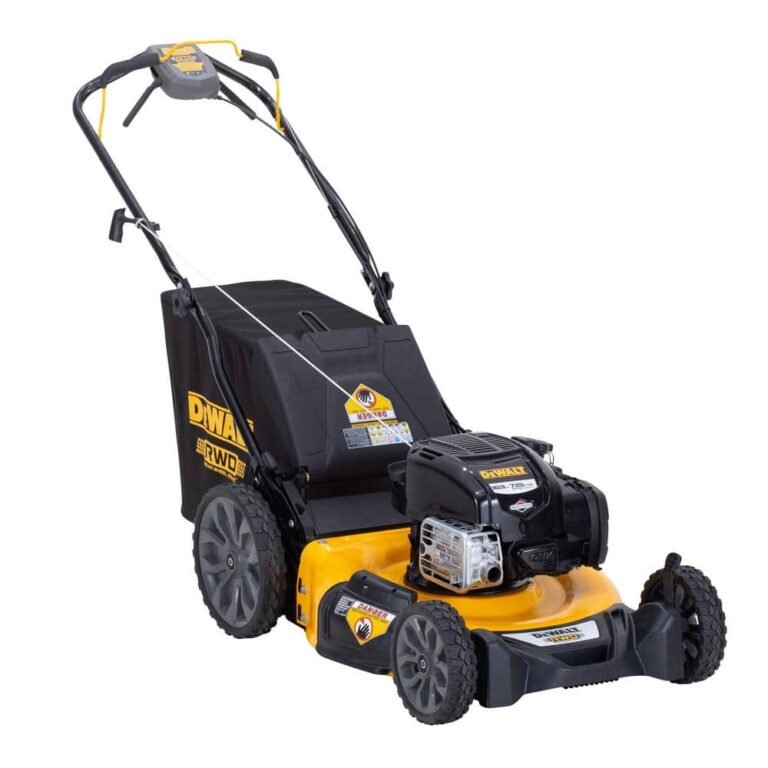
Push mowers suit small, mostly level yards and owners who want a lower purchase cost. Self-propelled mowers help on larger or sloped lawns because the drive system moves the mower, but they cost more and add belts, gears, and controls that can wear.
| Mower type | Suits | Main limitation |
|---|---|---|
| Gas push mower | Small to medium yards and lower budgets | Fuel, oil, noise, and maintenance |
| Battery push mower | Small to medium yards with charging space | Runtime and battery replacement cost |
| Self-propelled mower | Larger or hilly lawns | Heavier and more complex |
| Riding mower | Larger lots with open access | Needs storage and wider gates |
| Zero-turn mower | Large open yards and fast coverage | Less useful in tight, uneven spaces |
| Reel mower | Small, level yards with fine grass | Needs frequent mowing and effort |
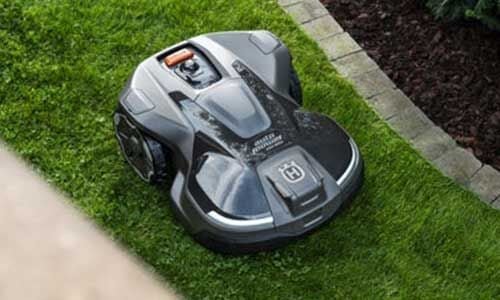
| Robotic mower | Suitable yards with mapped boundaries | High setup cost and complex layout |
The best mower for a small yard may be a light push or battery mower, not a riding mower. A senior may prefer self-propelled operation, electric starting, and low noise, but should still consider weight, handle height, slope, and charging or fuel storage.
🎁 Gift-Buyer Note: Before buying for a new homeowner or senior, measure the gate, shed door, storage area, and steepest slope. Confirm who will handle fuel, oil changes, blade service, and battery charging.
When to Call a Repair Shop
Call a qualified repair shop when gasoline keeps leaking, the engine oil is repeatedly contaminated, or the mower has a damaged fuel tank. Professional help also makes sense when the mower has electronic fuel injection, complex riding-mower wiring, or a hard-to-reach carburetor.
Take the mower in if the starter rope kicks back, the flywheel key may be damaged, or the blade spindle has a serious impact. A bent crankshaft can create vibration and is not a good beginner repair.
Repair Shop Warning Signs
- Gas flows from the carburetor after the engine stops.
- The mower floods again after a new spark plug.
- The oil level rises without adding oil.
- The engine smokes heavily after an oil change.
- The mower has no spark after basic checks.
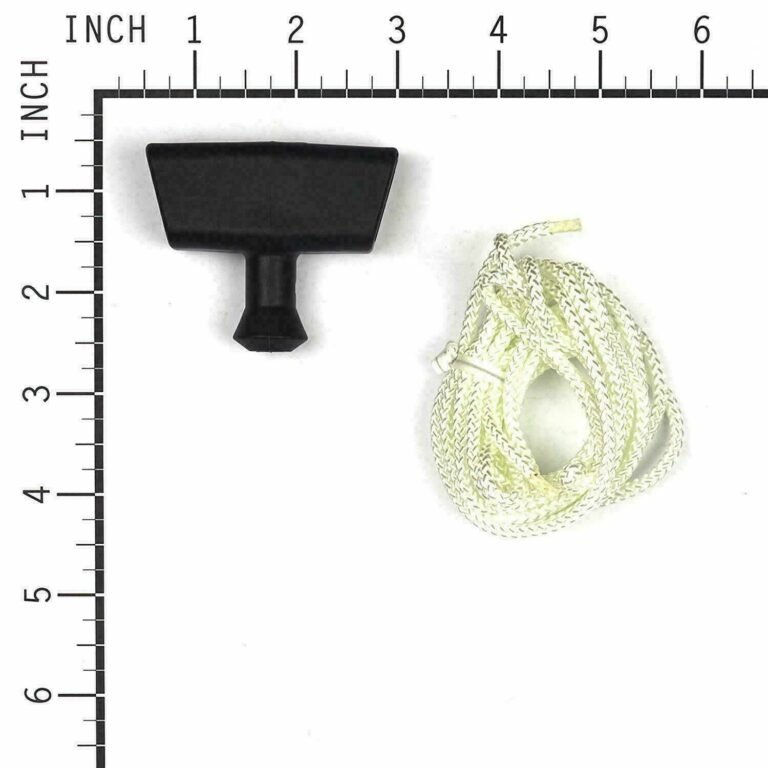
- The starter rope is unusually hard to pull.
- The machine has a fuel-injection or electronic control fault.
- You smell gas during storage.
A shop can test compression, ignition, carburetor flow, and safety switches. Ask for a written estimate before approving major work. Compare the cost with the mower’s age, deck condition, engine health, and replacement value.
How Long a Mower Can Last After a Flood
One flooding event does not usually end the life of a mower. If you clear the fuel, replace contaminated oil, and correct the cause, the engine may continue to serve for many seasons. Damage becomes more likely when the mower runs with gasoline-thinned oil or suffers repeated hydrolock.
The parts that often wear first are spark plugs, air filters, belts, cables, batteries, wheels, and mower blades. A deck with rust-through, a cracked engine housing, or a badly worn transmission may make replacement more sensible than repair.
Climate matters too. Cold weather makes starting harder, while hot weather increases vapor and storage risks. Wet grass can clog the deck and add load. Drought can create dust that blocks air filters and wears moving parts.
Frequently Asked Questions
Q: How long should I wait after flooding a lawn mower?
A: Wait at least 15 to 30 minutes in a ventilated outdoor area. A very wet spark plug or cold, damp weather may require more time. Do not use artificial heat to speed evaporation.
Q: Should I keep pressing the primer bulb?
A: No. Stop pressing it once you have followed the starting instructions. Repeated priming adds fuel and can make the flooding worse.
Q: Will a flooded mower fix itself?
A: It may clear after the excess fuel evaporates, but not always. A wet spark plug, dirty air filter, stuck float, or leaking needle valve may still need service.
Q: Can I start a flooded mower with the choke on?
A: Usually not. The choke limits air, which can add to a rich fuel mixture. Follow the manual’s clearing procedure and use the choke only for the required cold-start step.
Q: Why is gas coming out of my lawn mower air filter?
A: Gas at the air filter often points to a stuck carburetor float, a leaking needle valve, or an over-primed engine. Shut off the fuel and avoid running the mower until the cause is found.
Q: Is it safe to run a mower after gas gets into the oil?
A: No. Gasoline thins engine oil and can reduce lubrication. Drain the contaminated oil, refill with the correct oil, and find out why fuel entered the crankcase.
Q: Should I replace a spark plug after flooding?
A: Not every time. A lightly wet plug can dry and work again. Replace it if it stays wet, has heavy carbon, shows a cracked insulator, or fails a spark test.
Q: Can bad gasoline flood a mower?
A: Old fuel more often causes hard starting, deposits, and poor running. It can also contribute to a sticking float or needle valve, which may lead to flooding.
Q: Can I use starting fluid?
A: Avoid it unless the owner’s manual or a qualified technician specifically permits it. Starting fluid is highly flammable and can damage some small engines or hide a fuel-system fault.
Q: Why does my mower flood only when hot?
A: A warm engine usually needs less choke and less priming. A leaking float valve, vapor buildup, or incorrect warm-start procedure can also cause hot flooding.
Q: Does tipping a mower cause flooding?
A: It can. The wrong tilt direction may move fuel into the carburetor, air filter, muffler, or cylinder. Follow the mower manual before lifting or tipping it.
Q: Is a battery mower better for someone who keeps flooding a gas mower?
A: It can reduce fuel, oil, spark plug, and carburetor maintenance. The buyer still needs a charger, a compatible battery, safe storage, and enough runtime for the yard.
Q: When should I replace the mower instead of repairing it?
A: Compare the repair estimate with the mower’s age and condition. Replacement may make sense when the deck is rusted through, the engine has low compression, the transmission is worn, or several major parts fail at once.
Final Thoughts
A lawn mower flooded with gas usually needs patience, not force. Stop the fuel, ventilate the area, disconnect the spark plug wire, let the excess fuel clear, and inspect the plug, air filter, carburetor, and oil. If gasoline keeps leaking or enters the crankcase, stop using the mower and arrange a proper repair.
Keep the owner’s manual near the mower. Use the correct start routine, fresh fuel, clean filters, and regular oil service. For small, level yards, a light push or battery mower may simplify care. For large or hilly lawns, a self-propelled, riding, or zero-turn mower may suit the terrain better, but each brings its own maintenance and storage needs.
🌿 Eco and Disposal Note: Recycle lithium-ion mower batteries through a designated battery drop-off. Take old gasoline and oil to an approved hazardous-waste site. Donate or recycle a usable mower instead of abandoning it or placing fuel-contaminated parts in household trash.
Affiliate disclosure: This article may contain affiliate links. If you buy through one, we may earn a commission at no extra cost to you. Check the current product page, owner’s manual, voltage, part number, blade type, and compatibility before purchasing.