


The John Deere GT235 is a reliable lawn mower, but like any machine, it can develop issues over time. Common problems include engine starting difficulties, cutting deck malfunctions, and transmission issues. With proper maintenance and timely repairs, most of these problems can be easily resolved, ensuring your mower stays in top shape year after year.
The John Deere GT235 is a popular mid-sized lawn tractor that many homeowners and small property owners rely on for consistent mowing performance. Known for its sturdy build, comfortable ride, and versatile attachments, the GT235 has earned a solid reputation over the years. However, even the best machines aren’t immune to wear and tear. Like any piece of equipment, the GT235 can develop problems—especially if it’s not properly maintained or used in demanding conditions. Understanding the common issues and how to address them can save you time, money, and frustration.
Whether you’re a first-time owner or someone who’s had the GT235 for years, knowing what to look for helps you stay ahead of breakdowns. This article dives deep into the most frequent John Deere GT235 problems, offering clear explanations, practical solutions, and maintenance tips to keep your mower running like new. From engine hiccups to hydrostatic transmission quirks, we’ll walk you through each issue step by step so you can mow with confidence.
Key Takeaways
- Engine Starting Issues: Weak batteries, faulty spark plugs, or clogged air filters are common causes of hard starts or no-start conditions in the John Deere GT235.
- Cutting Deck Problems: Uneven cutting, blade slippage, or deck not engaging often stem from belt wear, pulley misalignment, or debris buildup.
- Transmission Troubles: Difficulty shifting gears or sudden stops can indicate low fluid levels, worn belts, or internal transmission wear.
- Hydrostatic System Failures: Hydro models may experience slow response or fluid leaks due to worn pump seals or contaminated fluid.
- Fuel System Complications: Clogged fuel filters, old fuel, or carburetor issues can lead to poor performance or stalling.
- Electrical Malfunctions: Faulty wiring, loose connections, or a failing alternator can cause dashboard lights to flicker or the engine to cut out.
- Preventive Maintenance: Regular oil changes, blade sharpening, and filter replacements go a long way in preventing most common problems.
📑 Table of Contents
Engine Starting and Performance Issues
One of the most frustrating experiences with any lawn tractor is the engine refusing to start or struggling to turn over. The John Deere GT235 is no exception. When your mower won’t start, it’s usually due to one of a few common culprits.
Weak or Dead Battery
A weak battery is often the first thing to check. Lawn tractors like the GT235 rely on a 12-volt battery to kickstart the engine. Over time, batteries lose their charge, especially if the mower sits unused for long periods. If you turn the key and hear a clicking sound but the engine doesn’t crank, the battery is likely the issue.
To test the battery, use a multimeter to check the voltage. A healthy battery should read around 12.6 volts when fully charged. If it’s below 12 volts, try jump-starting the mower. If it starts but dies quickly, the battery may be failing and need replacement.
Pro tip: Always disconnect the battery when storing the mower for the winter to prevent slow discharge.
Faulty Spark Plug or Ignition System
A worn or fouled spark plug can prevent the engine from starting. Over time, the spark plug electrode can erode, or carbon buildup can clog the tip. This stops the spark needed to ignite the fuel-air mixture.
Check the spark plug by removing it and inspecting the tip. If it’s blackened, wet, or shows signs of wear, replace it with a new one (typically a 3/8-inch thread, 14mm reach, and 5/8-inch reach for the GT235). Also, inspect the spark plug wire for cracks or loose connections.
Clogged Air Filter
A dirty air filter restricts airflow to the engine, making it harder to start and reducing performance. Grass clippings, dust, and debris can clog the paper or foam filter over time.
To fix this, locate the air filter cover—usually on the side of the engine—and remove the old filter. Clean or replace it according to the manual. A clean air filter ensures the engine gets the oxygen it needs for efficient combustion.
Fuel Issues
Old or contaminated fuel is another common cause of starting problems. Gasoline can degrade after a few months, especially in warm climates, forming varnish and gum that clog the fuel system.
If your GT235 won’t start and the battery and spark plug are fine, drain the old fuel and replace it with fresh gasoline. Also, check the fuel filter and carburetor for blockages. Using a fuel stabilizer when storing the mower can prevent this issue.
Starter Motor or Solenoid Problems
If the engine cranks slowly or not at all, the issue might be with the starter motor or solenoid. A failing solenoid may not send enough power to the starter, preventing the engine from turning over.
Listen carefully when you turn the key. A loud click usually means the solenoid is engaging but the starter isn’t getting enough juice. This could be due to a weak battery or a faulty solenoid. In some cases, the starter motor itself may be worn out and need replacement.
Cutting Deck Problems
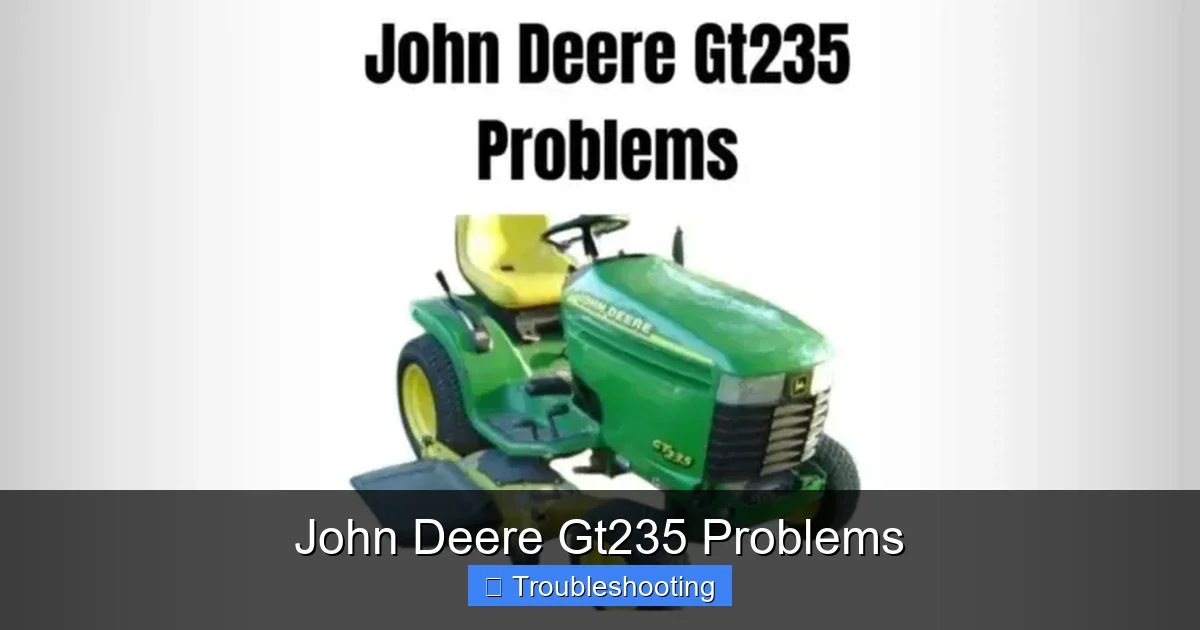
Visual guide about John Deere Gt235 Problems
Image source: lawnmowerly.com
The cutting deck is the heart of your mower’s performance. If it’s not working right, your lawn will suffer. The John Deere GT235 uses a three-blade cutting deck that requires regular maintenance to stay sharp and aligned.
Uneven Cutting or Scalping
If your lawn looks patchy or scalped in spots, the deck may be uneven. This can happen if the deck is not level with the ground or if one of the deck wheels is worn.
To fix this, check the deck level using the adjustment bolts under the deck. Adjust the height so the blades are parallel to the ground. Also, inspect the deck wheels—replace them if they’re cracked or unevenly worn.
Blade Slippage or Not Spinning
Sometimes the blades spin freely when the deck is engaged, but they don’t cut. This usually means the belt has slipped off the pulley or is worn thin.
Open the belt cover and check the belt for cracks, fraying, or looseness. If it’s loose, tighten the idler pulley. If it’s worn, replace it. Also, make sure the belt is seated properly on the pulleys. A misaligned belt can cause slippage and reduce cutting efficiency.
Deck Not Engaging
If you pull the engagement lever and nothing happens, the deck may not be engaging due to a broken belt, worn clutch, or faulty safety switch.
Start by checking the PTO (power take-off) belt. Remove the belt cover and inspect the belt for breaks or looseness. If the belt is intact, check the deck clutch—the small electric clutch that spins the blades. If it’s not engaging, the clutch may be faulty or the wiring may be loose.
Also, ensure all safety switches (like the seat switch or blade brake) are working. A faulty switch can prevent the deck from turning on.
Debris Buildup in the Deck
Grass clippings and dirt can accumulate inside the deck, blocking airflow and causing uneven cutting. This is especially common in humid or wet conditions.
To clean the deck, turn off the mower and disconnect the spark plug. Tilt the deck and remove the blades. Use a brush or hose to clear out grass and debris from inside the housing. Check the discharge chute and chute deflector for clogs.
Transmission and Hydrostatic System Issues
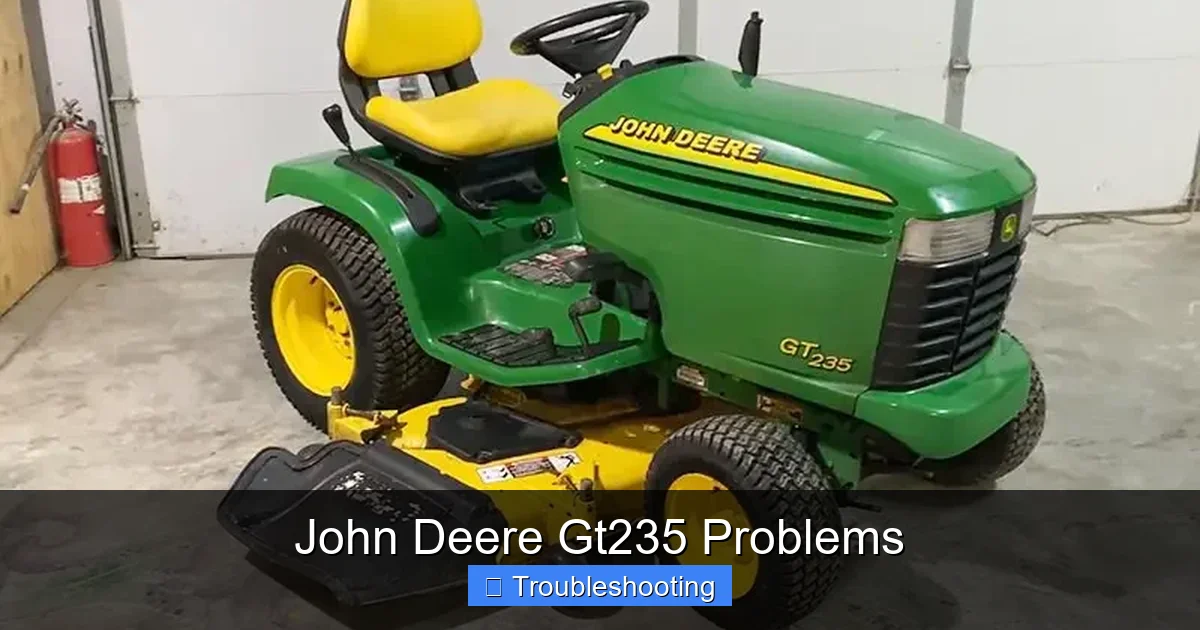
Visual guide about John Deere Gt235 Problems
Image source: lawnmowerswiki.com
The GT235 comes in both manual and hydrostatic models. The hydrostatic transmission (HST) is popular for its smooth, variable-speed control. But like any transmission, it can develop problems over time.
Difficulty Shifting Gears
If you’re having trouble shifting between forward and reverse, or the mower feels sluggish, the issue may be low hydraulic fluid or a clogged filter.
Check the fluid level in the hydrostatic pump. It should be between the full and add marks on the dipstick. If it’s low, top it off with SAE 10W-30 oil. Also, inspect the oil filter and replace it if it’s dirty.
Hydrostatic Pump Failure
A failing hydrostatic pump can cause the mower to move slowly or not at all. You might hear whining noises or notice a burning smell.
If the pump is worn, it may not generate enough pressure. In some cases, the pump can be rebuilt, but replacement is often more cost-effective.
Fluid Leaks
Leaks around the hydrostatic unit can lead to low fluid levels and poor performance. Check for oil spots under the mower. Common leak points include seals, gaskets, and hoses.
Replace any damaged seals or hoses. Tighten fittings if they’re loose. Regularly inspecting the transmission area during maintenance can help catch leaks early.
Worn Drive Belts
The hydrostatic transmission uses belts to transfer power. Over time, these belts stretch and wear out, causing slippage and reduced speed.
Inspect the belts for cracks, fraying, or looseness. Replace them if they’re worn. Also, check the belt tension—too tight can strain the pump, too loose and it slips.
Fuel System Complications

Visual guide about John Deere Gt235 Problems
Image source: thebrightesthub.com
The fuel system delivers gasoline from the tank to the engine. Any disruption in this system can cause starting issues, poor performance, or stalling.
Clogged Fuel Filter
The fuel filter traps dirt and debris before it reaches the carburetor. A clogged filter restricts fuel flow, leading to engine hesitation or stalling.
Replace the fuel filter every 100 hours of use or as recommended in the manual. It’s usually located along the fuel line near the carburetor.
Carburetor Problems
The carburetor mixes air and fuel for combustion. If it’s dirty or clogged, the engine may run rich (too much fuel) or lean (too little).
Symptoms include rough idling, stalling, or black smoke. Clean the carburetor using a carburetor cleaner and rebuild kit. Pay attention to the float bowl and jets—these are common clog points.
Fuel Line Cracks or Leaks
Old fuel lines can crack, leading to leaks or air entering the system. This disrupts fuel flow and causes starting problems.
Inspect the fuel lines for cracks, soft spots, or brittleness. Replace any damaged lines with new ones rated for gasoline.
Old or Contaminated Fuel
Gasoline can go bad in as little as 30 days. Old fuel creates gum and varnish that clog the fuel system.
Always use fresh fuel, and consider adding a fuel stabilizer when storing the mower. Drain old fuel before storing and refill with fresh gas before the next season.
Electrical System Malfunctions
The GT235’s electrical system powers the lights, ignition, and deck clutch. Electrical issues can be tricky because they often involve multiple components.
Flickering or Dim Lights
If your headlights flicker or are dim, the alternator may not be charging the battery properly. A weak alternator or loose wiring can cause this.
Check the alternator belt for tightness and wear. Inspect the wiring connections at the battery and alternator. Clean any corrosion from the terminals.
Loose or Corroded Battery Cables
Corroded or loose battery cables prevent proper electrical flow. This can cause starting problems or intermittent electrical issues.
Remove the battery terminals and clean them with a wire brush. Apply a thin layer of petroleum jelly to prevent future corrosion.
Faulty Safety Switches
The GT235 has several safety switches—seat, brake, and PTO switches—that prevent the engine from starting unless certain conditions are met.
If one of these switches fails, the engine may not start or the deck may not engage. Test each switch with a multimeter or replace them if suspected.
Dashboard Gauges Not Working
Faulty gauges or wiring can make it hard to monitor engine performance. Check the fuse box for blown fuses and replace them if needed.
Also, inspect the gauge connectors for damage or loose wires.
Preventive Maintenance Tips
The best way to avoid John Deere GT235 problems is through consistent maintenance. Here are some essential practices to keep your mower in top shape:
Change the Oil Regularly
Engine oil lubricates moving parts and prevents overheating. Change the oil every 50 hours of use or once a season. Use SAE 10W-30 for optimal performance.
Sharpen or Replace Blades
Dull blades tear grass instead of cutting it cleanly. Sharpen the blades every season or replace them if they’re cracked or bent.
Clean the Deck After Each Use
Grass buildup can lead to clogs and uneven cutting. Clean the deck after every mowing session.
Check and Replace Filters
Replace the air filter, oil filter, and fuel filter as recommended. Clean or replace the foam air filter if it’s dirty.
Inspect Belts and Pulleys
Check belts for wear and tension. Replace them if they’re cracked or loose.
Keep the Battery Charged
Use a trickle charger during long storage periods to maintain battery health.
Lube Moving Parts
Lubricate the deck spindles, steering components, and other pivot points to reduce friction and wear.
When to Call a Professional
While many John Deere GT235 problems can be fixed at home, some issues require expert attention. If you’re dealing with complex transmission repairs, electrical diagnostics, or engine rebuilds, it’s best to consult a certified technician.
Deere dealers and authorized service centers have the tools and expertise to handle advanced repairs. They can also provide genuine parts and warranty support.
Don’t hesitate to seek professional help if you’re unsure about a repair or if the problem persists after troubleshooting.
Conclusion
The John Deere GT235 is a dependable lawn tractor that delivers excellent performance when properly maintained. While it’s not immune to problems, most common issues—like starting difficulties, deck malfunctions, and transmission quirks—can be resolved with the right knowledge and tools. By staying on top of maintenance and addressing problems early, you can extend the life of your mower and enjoy a perfectly manicured lawn year after year.
Remember, prevention is always better than cure. Regular oil changes, blade sharpening, and filter replacements can prevent many of the most common problems. And when in doubt, consult your owner’s manual or a professional technician.
With care and attention, your GT235 will keep cutting through the grass like a champ.
Frequently Asked Questions
Why won’t my John Deere GT235 start?
Common causes include a dead battery, faulty spark plug, clogged air filter, or old fuel. Check these components first and test the battery voltage with a multimeter.
How do I fix a deck that won’t engage?
Check the PTO belt for wear or looseness, inspect the deck clutch, and ensure all safety switches (like the seat or brake switch) are functioning properly.
What should I do if the GT235 is cutting unevenly?
Level the deck using the adjustment bolts, inspect the deck wheels, and sharpen or replace the blades if they’re dull or damaged.
Why is my hydrostatic transmission slow?
This could be due to low hydraulic fluid, a clogged filter, or a worn pump. Check the fluid level and replace the filter. If the problem persists, the pump may need servicing.
How often should I change the oil in my GT235?
Change the oil every 50 hours of use or once per season. Use SAE 10W-30 oil for best performance.
Can I clean the carburetor myself?
Yes, but it requires disassembling the carburetor and using a carburetor cleaner. Make sure to follow the manual and use a rebuild kit for best results.
