


The John Deere D140 is a reliable lawn mower, but like any machine, it can develop issues over time. From engine troubles to cutting performance problems, knowing the most common D140 problems helps owners diagnose and fix issues quickly. With proper maintenance and timely repairs, your D140 can continue delivering excellent performance season after season.
Key Takeaways
- Understanding John Deere D140 Problems: Provides essential knowledge
📑 Table of Contents
Introduction to the John Deere D140
The John Deere D140 is a popular lawn tractor known for its reliability, comfort, and versatility. With a 22-horsepower Kohler engine, hydrostatic transmission, and 42-inch deck, it’s designed for homeowners who need a powerful machine to maintain medium to large lawns. Since its release, the D140 has earned a solid reputation for performance, but like any piece of equipment, it’s not immune to problems. Understanding the most common John Deere D140 problems can save you time, money, and frustration.
In this comprehensive guide, we’ll walk through the top issues owners encounter, explain their causes, and offer practical solutions. Whether you’re troubleshooting a no-start condition or trying to fix uneven cutting, this article will help you diagnose and resolve D140 issues with confidence. We’ll also share maintenance tips to prevent future problems and extend the life of your mower.
Common John Deere D140 Problems and Solutions
1. Engine Won’t Start
One of the most frustrating D140 problems is when the engine refuses to start. Before you panic, go through these common causes step by step.
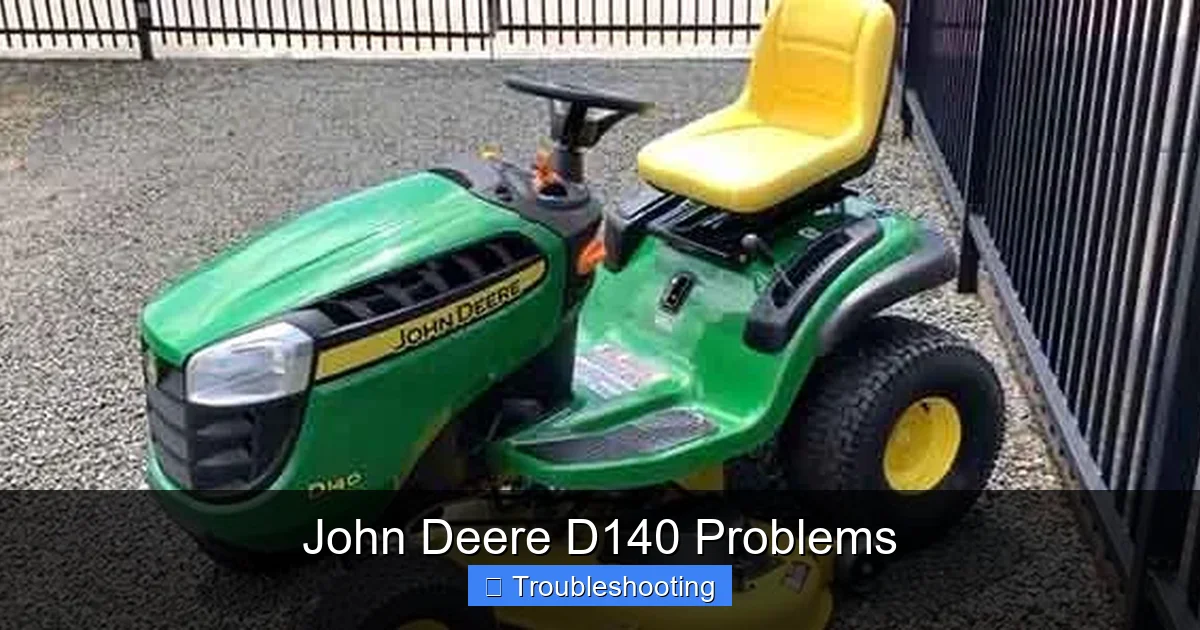
Visual guide about John Deere D140 Problems
Image source: denresidence.com
- Fuel Issues: Old or contaminated fuel is a frequent culprit. Gasoline can degrade after 30 days, leading to hard starts or no start at all. Always use fresh fuel and consider adding a fuel stabilizer if storing the mower for long periods.
- Spark Plug Failure: A worn or fouled spark plug won’t ignite the fuel-air mixture. Remove the spark plug, clean it with a wire brush, or replace it if damaged. Make sure the gap is set correctly according to the manual.
- Battery Problems: A weak or dead battery can prevent the starter from turning over. Check the battery voltage with a multimeter. If it’s below 12 volts, charge or replace the battery. Also, inspect the battery terminals for corrosion and clean them if needed.
- Ignition Switch or Safety Switches: The D140 has several safety switches (seat, blade engagement, brake) that must be closed for the engine to start. If one fails, the engine won’t crank. Test each switch with a multimeter or bypass temporarily to identify the issue.
2. Loss of Power or Poor Performance
If your D140 struggles to climb hills or cuts slowly, it may be experiencing a loss of power. This issue is often easy to fix with routine maintenance.
- Dirty Air Filter: A clogged air filter restricts airflow to the engine, reducing power. Remove the air filter cover and inspect the foam and paper elements. Clean the foam with mild soap and air dry. Replace the paper filter if it’s dirty or torn.
- Clogged Fuel Filter: Over time, dirt and sediment can clog the fuel filter, limiting fuel flow. Replace the fuel filter every 100 hours of use or as recommended in the manual.
- Carburetor Issues: A dirty or malfunctioning carburetor can cause poor fuel mixing and reduced performance. Clean the carburetor using a carb cleaner spray. If problems persist, consider rebuilding or replacing it.
- Exhaust Blockage: A plugged exhaust can cause backpressure and reduce engine efficiency. Inspect the muffler and exhaust port for carbon buildup. Use a wire brush to clean debris.
3. Excessive Vibration
Unusual vibrations during operation are a red flag. They can indicate worn parts or improper setup.
- Worn or Damaged Blade: A cracked or unbalanced blade creates shaking. Inspect the blade for damage and balance it using a blade balancer tool. Replace if necessary.
- Loose Deck Bolts: The mower deck must be securely attached. Check all bolts and tighten them to the correct torque specification.
- Worn Deck Bearings or Spindles: Over time, bearings and spindles wear out, causing play and vibration. Replace worn components to restore smooth operation.
- Uneven Tires: If the tires are underinflated or of different sizes, the deck may sit unevenly, leading to vibration. Inflate tires to the recommended PSI and ensure they’re balanced.
4. Uneven Cutting or Scalping
Uneven cuts can ruin your lawn’s appearance. This problem is often due to simple adjustments or maintenance oversights.
- Dull Blades: Dull blades tear grass instead of cutting cleanly. Sharpen blades every 25–30 hours of use or replace them if damaged.
- Incorrect Deck Height: If the deck is set too low, it scalps the lawn. Adjust the deck to the recommended height for your grass type and mowing conditions.
- Debris Buildup: Grass clippings, mud, or oil can accumulate under the deck, causing uneven cutting. Clean the underside of the deck after every use.
- Wobbling Blade Spindles: Loose or worn spindles cause the blade to wobble, leading to inconsistent cuts. Tighten or replace as needed.
5. Stalling While Mowing
Stalling during operation is dangerous and inconvenient. It’s often caused by fuel or air flow issues.
- Dirty Air Filter: Again, a clogged air filter can cause stalling. Clean or replace it regularly.
- Clogged Fuel Line: Debris in the fuel system can block flow. Replace the fuel filter and inspect the lines.
- Throttle or Governor Issues: The governor controls engine speed. If it’s malfunctioning, the engine may not maintain idle. Clean the governor linkage and check for wear.
- Overheating: If the engine runs too hot, it may stall. Check the cooling fins and clean them of grass and debris. Ensure the oil level is correct.
6. Oil Leaks
Oil leaks are not just messy—they can lead to engine damage if ignored.
- Worn Gaskets or Seals: Over time, gaskets and seals dry out and crack. Common leak points include the valve cover, oil pan, and rear main seal. Replace these components when you notice leaks.
- Loose Oil Filter: If the oil filter isn’t tightened properly, it can leak. Always hand-tighten the filter, then give it an extra quarter turn after it seats.
- Overfilled Oil: Too much oil can cause pressure buildup and leaks. Check the dipstick and ensure the oil level is within the recommended range.
7. Electrical Issues
Electrical problems can range from dim lights to a complete failure of the charging system.
- Dead Battery: A weak battery won’t hold a charge. Test it with a multimeter. If it won’t hold 12.6 volts, replace it.
- Faulty Alternator: The alternator charges the battery while the engine runs. If the battery keeps dying, test the alternator’s output. It should read between 13.5 and 14.5 volts at idle.
- Corroded Connections: Clean battery terminals and wiring connections with a wire brush and baking soda solution.
- Blown Fuses: Check the fuse box for blown fuses related to lights or ignition. Replace with the same amperage rating.
Preventive Maintenance Tips for the John Deere D140
Preventing D140 problems starts with regular maintenance. A well-maintained mower is less likely to break down and will last longer.
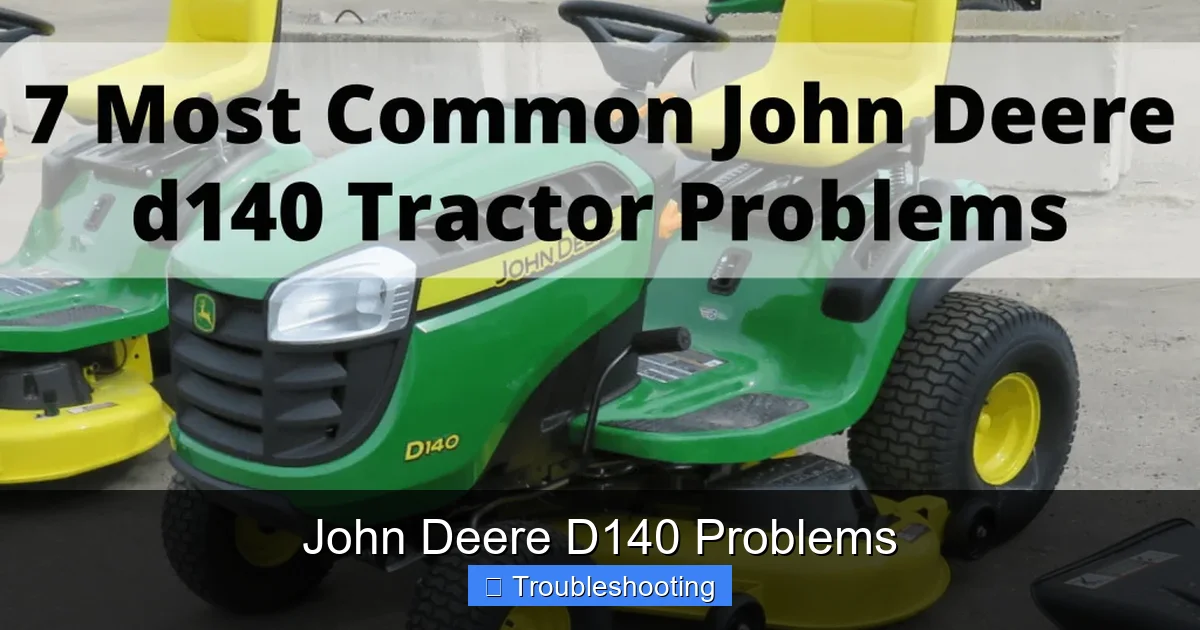
Visual guide about John Deere D140 Problems
Image source: farmsunseed.com
Follow the Maintenance Schedule
Stick to the manufacturer’s recommended service intervals. This includes changing the oil every 50 hours, replacing the air filter annually, and inspecting belts and hoses regularly.
Clean After Every Use
Remove grass clippings, dirt, and debris from the deck, engine, and undercarriage. A clean mower runs better and lasts longer.
Use Fresh Fuel
Always use fresh gasoline and consider adding a fuel stabilizer if storing the mower for more than 30 days.
Check Tire Pressure
Properly inflated tires ensure even cutting and reduce strain on the transmission.
Sharpen or Replace Blades
Sharp blades cut cleanly and reduce stress on the engine. Replace blades if they’re cracked or excessively worn.
When to Call a Professional
While many John Deere D140 problems can be fixed at home, some issues require expert help. If you’re unsure about electrical systems, transmission repairs, or major engine work, consult a certified John Deere technician. Attempting complex repairs without experience can lead to further damage.
Visual guide about John Deere D140 Problems
Image source: lawnmowerly.com
Also, if your mower is under warranty, avoid DIY fixes that might void the coverage. Always use genuine John Deere parts when possible.
Conclusion
The John Deere D140 is a dependable lawn tractor, but it’s not without its challenges. From engine stalling to uneven cutting, knowing how to identify and fix common D140 problems empowers you to keep your mower running smoothly. By performing regular maintenance, using fresh fuel, and addressing issues early, you can avoid many of the most frustrating breakdowns.
Remember, the key to a long-lasting D140 is consistent care. With the right knowledge and tools, most problems can be resolved quickly and safely. Whether you’re a seasoned DIYer or new to lawn equipment, this guide gives you the confidence to tackle the most common issues head-on.
Keep your D140 in top shape, and it will reward you with years of reliable service and a beautifully maintained lawn.
Frequently Asked Questions
Why won’t my John Deere D140 start?
Common reasons include old fuel, a dead battery, a faulty spark plug, or a failed safety switch. Check the fuel, battery, and spark plug first, then inspect the ignition system.
How do I fix uneven cutting on my D140?
Uneven cutting is often due to dull blades, incorrect deck height, or debris buildup. Sharpen or replace the blade, adjust the deck, and clean the underside after each use.
What causes excessive vibration in the D140?
Vibration usually comes from a damaged blade, loose deck bolts, or worn bearings. Inspect and replace worn parts, and ensure all hardware is tightened properly.
Why does my D140 lose power when climbing hills?
This is typically caused by a clogged air filter, dirty carburetor, or restricted exhaust. Clean or replace these components to restore performance.
How often should I change the oil in my D140?
Change the oil every 50 operating hours or at least once per mowing season, whichever comes first. Use high-quality oil as recommended in the manual.
Can I use synthetic oil in my John Deere D140?
Yes, but only if it meets the specifications in your owner’s manual. Most D140 models require SAE 10W-30 oil, whether conventional or synthetic.
