


The John Deere X570 riding mower is a powerful workhorse, but like any machine, it can develop problems over time. Common issues include engine stalling, battery failure, hydraulic leaks, and transmission troubles. Most of these problems have straightforward solutions when you know where to look. This guide walks you through the top John Deere X570 problems, explains their causes, and offers practical repair tips to get your mower back in action quickly and safely.
Key Takeaways
- Engine Won’t Start: Often caused by a dead battery, faulty ignition switch, or clogged fuel filter. Check connections and replace the battery if needed.
- Excessive Vibration: Usually due to loose blades, unbalanced cutting decks, or worn drive belts. Inspect and tighten components regularly.
- Transmission Slipping: Frequent in X570 models, often from low hydraulic fluid or worn drive belts. Top up fluid and replace belts when cracked.
- Electrical Issues: Flickering lights, dashboard errors, or charging problems may stem from a failing alternator or corroded wiring.
- Hydraulic Leaks: Common around hoses and seals. Replace damaged hoses and use high-quality hydraulic fluid to prevent future leaks.
- Overheating Engine: Caused by dirty air filters, blocked cooling fins, or low coolant. Clean or replace filters and check coolant levels.
- Uneven Cutting: Results from worn blades, incorrect deck height, or uneven terrain. Sharpen blades and adjust deck height for consistent performance.
📑 Table of Contents
- Introduction: Why the John Deere X570 Is a Favorite—But Not Without Challenges
- Engine Performance Issues: When the Power Cuts Out
- Electrical System Failures: Lights, Gauges, and No Power
- Transmission and Drive System Troubles
- Hydraulic System Leaks and Maintenance
- Cutting Deck and Blade Issues
- Overheating and Cooling System Failures
- Steering and Suspension Problems
- Conclusion: Keep Your X570 Running Strong
Introduction: Why the John Deere X570 Is a Favorite—But Not Without Challenges
The John Deere X570 is a mid-sized riding lawn mower that packs serious power into a compact frame. With a 22-horsepower Briggs & Stratton engine, 50-inch cutting deck options, and a comfortable suspension seat, it’s a favorite among homeowners with larger yards and commercial landscapers alike. But even the best machines have their quirks. Over time, many X570 owners report encountering frustrating issues—ranging from engine stalling to transmission slipping. These problems aren’t usually signs of a major design flaw, but rather common wear-and-tear or maintenance oversights.
In this guide, we’ll dive deep into the most frequent John Deere X570 problems and walk you through practical, step-by-step solutions. Whether you’re troubleshooting a no-start condition or fixing a hydraulic leak, you’ll find clear, actionable advice to keep your mower running like new. We’ll cover everything from simple fixes you can do in your driveway to when it’s time to call a professional. By the end, you’ll know how to diagnose and resolve the top issues affecting X570 performance—so you can spend less time worrying and more time enjoying your lawn.
Engine Performance Issues: When the Power Cuts Out
One of the most frustrating John Deere X570 problems is engine performance that drops suddenly or fails to start altogether. If your mower cranks but won’t turn over, or if it sputters and dies while mowing, the issue often lies in the fuel, electrical, or air systems.

Visual guide about John Deere X570 Problems
Image source: farmsunseed.com
Common Causes of Engine Stalling
Engine stalling can be triggered by several factors. The most frequent culprits include:
- Clogged fuel filter: Over time, dirt and debris can block fuel flow, starving the engine.
- Old or contaminated fuel: Gas left in the tank for months loses potency and can gum up the carburetor.
- Faulty spark plug: A worn or fouled spark plug disrupts ignition.
- Air filter blockage: A dirty air filter restricts airflow, leading to poor combustion.
To diagnose, start by checking the fuel filter and replacing it if it looks dirty. Next, inspect the spark plug—replace it if it’s blackened or has a carbon buildup. Finally, clean or replace the air filter. These simple steps often restore smooth engine operation.
Fuel System Maintenance Tips
Preventing fuel-related issues starts with routine maintenance. Always use fresh gasoline (less than 30 days old), and add a fuel stabilizer if storing the mower for more than a month. Drain old fuel if you won’t be using the mower for an extended period. Also, consider installing a fuel filter with a clear housing so you can visually inspect fuel flow.
When to Check the Carburetor
If the engine still runs rough after checking the basics, the carburetor may need cleaning. Carbon deposits can clog tiny jets, disrupting the air-fuel mixture. Use a carburetor cleaner spray and follow the manufacturer’s instructions. For persistent issues, professional cleaning or rebuilding may be necessary.
Electrical System Failures: Lights, Gauges, and No Power
Another frequent John Deere X570 problem involves electrical gremlins—things like dim headlights, a non-functional dashboard, or a battery that won’t hold a charge. These issues can be tricky because they’re not always easy to trace.

Visual guide about John Deere X570 Problems
Image source: farmsunseed.com
Battery and Charging Problems
A dead or weak battery is often the first thing to check. If the mower won’t start or the lights flicker, inspect the battery terminals for corrosion. Clean them with a wire brush and baking soda solution. Also, test the battery voltage with a multimeter—it should read around 12.6 volts when fully charged.
If the battery checks out, the problem may lie in the charging system. The alternator or voltage regulator could be failing. A professional mechanic can test the alternator output, but a quick DIY check involves measuring voltage at the battery terminals with the engine running. If it’s below 13.5 volts, the charging system needs attention.
Faulty Wiring and Connectors
Corroded or loose wiring is another common electrical issue. Over time, moisture and vibration can cause connections to degrade. Inspect the wiring harness under the seat and near the engine for frayed wires or loose connectors. Replace damaged wires and ensure all connections are snug.
Dashboard and Sensor Errors
The X570 features a digital dashboard with warning lights and diagnostics. If you see error codes or inconsistent readings, the issue could be a faulty sensor or a communication glitch in the wiring. Resetting the system by disconnecting the battery for 10 minutes can sometimes clear temporary faults. If errors persist, consult the service manual for code interpretation.
Transmission and Drive System Troubles
The transmission is the heart of the X570’s drivetrain. When it slips, jerks, or refuses to move, it’s more than just an inconvenience—it can be dangerous. Transmission issues are among the top John Deere X570 problems reported by users.
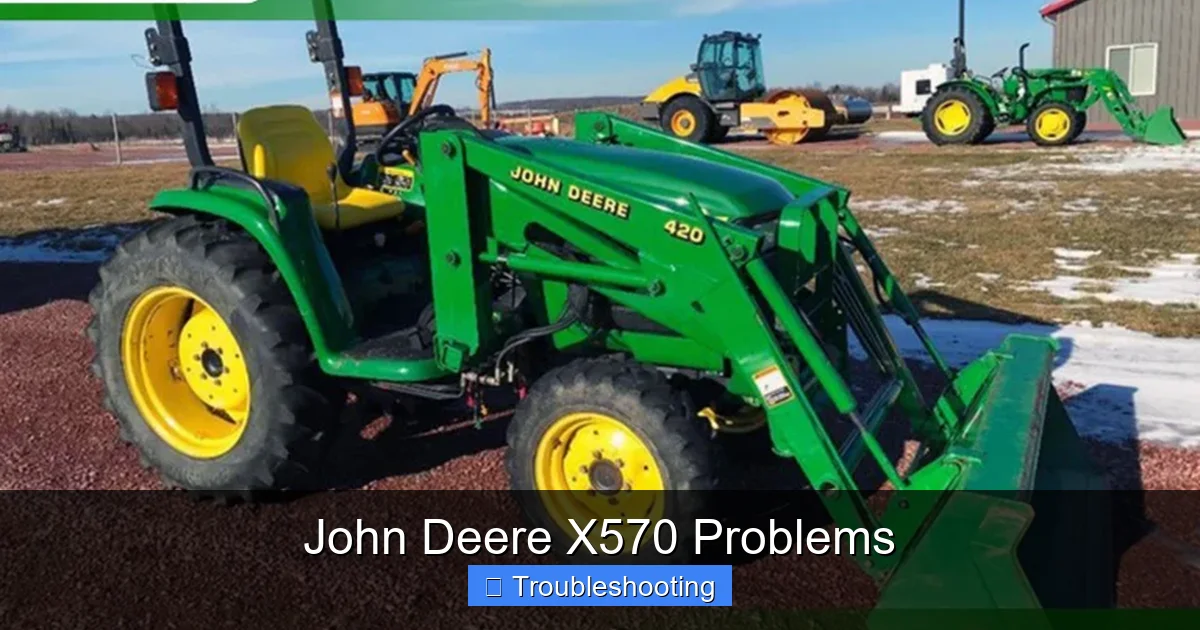
Visual guide about John Deere X570 Problems
Image source: farmsunseed.com
Slipping and Jerky Movement
If your mower lurches forward when you engage the drive or feels like it’s “drifting” without input, the problem is likely in the hydrostatic transmission or drive belt system. The most common cause is a worn drive belt. Over time, belts stretch and fray, reducing grip and causing slippage.
To fix this, locate the drive belt under the seat or behind the engine. Inspect it for cracks, fraying, or looseness. Replace it if it shows signs of wear. Also, check the tension—too loose and it slips; too tight and it strains the transmission.
Low Hydraulic Fluid
The X570 uses hydraulic fluid to power the transmission. If the fluid level is low, the system can’t generate enough pressure, leading to poor performance. Check the fluid reservoir (usually near the engine) and top it up with the recommended fluid (typically SAE 10W-30 or equivalent hydraulic oil). Look for leaks around hoses and seals as well.
Grinding or Unusual Noises
Grinding sounds when shifting or driving usually indicate internal transmission wear. This is more serious and may require professional servicing. In some cases, replacing the drive belt and ensuring proper alignment can reduce strain on the transmission and prevent further damage.
Hydraulic System Leaks and Maintenance
Hydraulic systems are critical for steering, cutting deck lift, and transmission operation. Leaks in the X570 are common and can lead to fluid loss, reduced performance, and safety hazards.
Identifying Hydraulic Leaks
Hydraulic fluid is usually dyed bright green or red for easy identification. Check under the mower after use—drips or puddles indicate a leak. Common leak points include:
- Hoses and fittings
- Seals in the steering cylinder
- The hydraulic pump
- The deck lift cylinder
Inspect hoses for cracks or bulges, and tighten loose fittings. Replace damaged hoses immediately—leaking fluid can ignite if it contacts hot engine parts.
Preventing Future Leaks
Use high-quality hydraulic hoses and seals. After replacing a hose, run the mower and check for leaks. Also, avoid over-tightening fittings, which can crack the hose housing. Regularly inspect the system during routine maintenance.
Fluid Contamination
Contaminated fluid (with dirt or water) can damage internal components. Always use a clean funnel when adding fluid and store the bottle in a sealed container. Change the fluid annually or every 50 hours of use, depending on usage.
Cutting Deck and Blade Issues
A well-maintained cutting deck ensures a clean, even cut. But many X570 owners face problems like uneven cutting, grass clumping, or the deck not lifting.
Uneven Cutting Patterns
If your lawn has patches or scalping, the issue is often the cutting deck. Check the deck height—ensure all wheels are adjusted to the same setting. Also, inspect the blades for damage or imbalance. Bent or dull blades tear grass instead of cutting it cleanly.
Blade Maintenance Tips
Sharpen blades every 20–25 hours of use. Remove the blades, balance them on a blade balancer, and sharpen evenly. Replace blades if they’re cracked or excessively worn. Always disconnect the spark plug before working on the deck.
Deck Lift Problems
If the deck won’t lift or feels stiff, the hydraulic lift cylinder may be worn or low on fluid. Check the fluid level and inspect the cylinder for leaks. Replacing the cylinder or adding fluid often resolves the issue.
Overheating and Cooling System Failures
Overheating can lead to engine damage and sudden shutdowns. The X570’s cooling system relies on airflow through the radiator and cooling fins.
Dirty Air Filters and Cooling Fins
A clogged air filter restricts airflow to the engine, increasing internal temperatures. Clean or replace the air filter regularly. Also, check the cooling fins on the radiator and engine—remove grass clippings and debris that block airflow.
Low Coolant or Radiator Issues
While most lawn mowers don’t use liquid coolant, some models have cooling systems that require attention. If your X570 has a coolant reservoir, check the level and top it up if needed. Also, inspect the radiator for blockages.
Engine Overload
Mowing thick grass or hilly terrain can overwork the engine. Avoid prolonged high-speed mowing and take breaks during heavy use. Consider upgrading to a heavier-duty model if you frequently face demanding conditions.
Steering and Suspension Problems
The X570 features a hydrostatic steering system and a suspension seat for comfort. But steering that feels loose or unresponsive can make mowing difficult and unsafe.
Loose or Worn Steering Components
Check the steering linkage and tie rods for looseness. Tighten any loose bolts or replace worn parts. Also, inspect the steering cylinder for leaks—this is a common cause of steering issues.
Seat and Suspension Wear
The suspension seat uses springs and dampers. Over time, these can wear out, leading to a bouncy ride. Replace worn springs or dampers to restore smooth operation.
Conclusion: Keep Your X570 Running Strong
The John Deere X570 is a reliable and powerful mower, but like any machine, it needs regular care to perform at its best. The most common John Deere X570 problems—engine stalling, electrical failures, transmission slipping, hydraulic leaks, and cutting issues—are often preventable with routine maintenance and timely repairs.
By staying proactive—checking fluid levels, replacing filters, inspecting belts, and addressing small issues early—you can avoid costly breakdowns and extend the life of your mower. When in doubt, consult your owner’s manual or a certified John Deere technician. With the right care, your X570 will keep cutting your lawn with precision and power for years to come.
Frequently Asked Questions
Why does my John Deere X570 engine keep stalling?
Engine stalling in the X570 is often caused by a clogged fuel filter, old fuel, or a faulty spark plug. Check and replace these components first. Also, inspect the air filter and carburetor for blockages or buildup.
How do I fix a slipping transmission on my X570?
Slipping is usually due to a worn drive belt or low hydraulic fluid. Replace the belt if cracked or loose, and top up the hydraulic fluid. Inspect for leaks and ensure proper belt tension.
What should I do if my X570 won’t start?
Start by checking the battery and charging system. Clean the terminals and test the voltage. If the battery is fine, inspect the spark plug, fuel filter, and ignition switch for faults.
Are hydraulic leaks common in the John Deere X570?
Yes, hydraulic leaks are among the top John Deere X570 problems. They often occur around hoses, seals, or cylinders. Regularly inspect hoses for cracks and replace damaged parts promptly.
How often should I sharpen the cutting blades on my X570?
Sharpen blades every 20–25 hours of use or once per season. Dull blades tear grass, leading to uneven cutting. Always balance and inspect blades for damage before use.
Can I use regular oil instead of hydraulic fluid in my X570?
No. Use only the hydraulic fluid specified in the owner’s manual. Regular motor oil doesn’t provide the right viscosity or additives for hydraulic systems and can cause damage.
