


The John Deere X300 series lawn tractors are popular for their reliability—but even the best machines can develop problems over time. Common issues include engine stalling, transmission slipping, and electrical glitches. With proper maintenance and timely repairs, most John Deere X300 problems can be resolved without costly replacements.
The John Deere X300 series—including models like the X300R, X310, and X330—has long been a favorite among homeowners and landscapers for its blend of power, comfort, and ease of use. Known for their durable construction and user-friendly design, these lawn tractors offer reliable performance year after year. But like any mechanical equipment, they’re not immune to wear and tear. Over time, even well-maintained John Deere X300 tractors can develop issues that affect performance, safety, or usability.
Whether you’re a first-time owner or a seasoned operator, understanding common John Deere X300 problems can save you time, money, and frustration. From engine hiccups to transmission quirks, many issues have straightforward fixes—especially when caught early. This guide dives deep into the most frequent problems owners report, explains their causes, and offers practical solutions to get your machine back in top shape.
Key Takeaways
- Engine Won’t Start: Often caused by a faulty battery, bad spark plug, or clogged fuel filter. Check connections and replace worn components.
- Transmission Slips or Won’t Move: Usually due to low or contaminated hydraulic fluid. Inspect the transmission and refill with the correct fluid type.
- Excessive Vibration: Typically from loose blades, unbalanced cutting decks, or worn drive belts. Tighten bolts and balance components.
- Electrical Issues: Flickering lights or dead battery? Likely a failing alternator or corroded wiring. Test voltage and clean terminals.
- Cutting Inconsistently: Uneven mowing often stems from dull blades or misaligned deck height. Sharpen blades and check leveling.
- Overheating Engine: Caused by dirty air filters, clogged radiator, or low coolant. Clean or replace filters and inspect cooling systems.
- Steering Problems: Stiff or unresponsive steering usually points to low tire pressure or worn steering components. Inflate tires and inspect linkages.
📑 Table of Contents
Common John Deere X300 Problems and How to Fix Them
1. Engine Won’t Start or Cranks But Won’t Fire
One of the most stressful experiences for any lawn tractor owner is turning the key and hearing nothing but silence—or worse, a weak cranking sound with no ignition. If your John Deere X300 won’t start, don’t panic. Most of the time, the issue lies in one of three areas: the battery, fuel system, or ignition components.
Start with the basics: check the battery terminals for corrosion or looseness. Corroded connections can prevent proper current flow, even if the battery itself is fine. Clean the terminals with a wire brush and baking soda solution, then tighten the clamps securely. If the battery is old (typically over three years), it may no longer hold a charge. Use a multimeter to test voltage—it should read at least 12.4 volts when fully charged. Anything below 12 volts suggests a failing battery.
Next, inspect the fuel system. Old or contaminated fuel is a common culprit. If the tractor hasn’t been used in a few weeks, stale gasoline can gum up the carburetor. Drain the old fuel and replace it with fresh, ethanol-free gas. Also, check the fuel filter—clogged filters restrict fuel flow and can prevent the engine from starting.
Finally, examine the spark plug. A worn or fouled spark plug won’t ignite the fuel-air mixture. Remove the plug, inspect it for carbon buildup or damage, and replace it if necessary. Make sure the gap is set correctly according to your owner’s manual.
2. Transmission Issues: Slipping, Slow Response, or Won’t Move
The John Deere X300 uses a hydrostatic transmission (HST), which allows for smooth, variable-speed forward and reverse motion. While generally reliable, these transmissions can develop problems—especially if maintenance is neglected.
If your tractor feels sluggish, jerks when accelerating, or suddenly won’t move at all, the issue is likely related to hydraulic fluid. Low fluid levels reduce hydraulic pressure, causing the transmission to slip or fail. Check the fluid reservoir (usually located near the engine) and top it off with John Deere HST fluid if needed. Always use the correct type—typically John Deere Hy-Gard or equivalent ISO 150 synthetic fluid.
Another common cause is contaminated fluid. Over time, dirt and debris can clog internal valves and filters. If you suspect contamination, drain the transmission fluid, flush the system, and replace the filter and fluid. Be sure to follow proper disposal procedures for used oil.
In rare cases, a failing transmission pump or worn internal components may require professional repair or replacement. If you’ve ruled out fluid levels and cleanliness and the problem persists, consult a certified John Deere technician.
3. Excessive Engine Vibration or Unusual Noises
A healthy John Deere X300 should run smoothly with minimal vibration. If you notice shaking, rattling, or grinding noises, it’s a sign something isn’t right—often in the cutting deck or drive system.
Loose or unbalanced blades are a frequent cause. When blades aren’t securely fastened or are uneven in weight, they create wobbling that transfers to the entire deck. Shut off the engine and remove the spark plug wire for safety. Inspect the blade bolts and tighten them to the manufacturer’s torque specifications. If the blade is bent or damaged, replace it with an OEM or high-quality aftermarket part.
Another source of vibration is a worn drive belt. Over time, belts stretch and lose tension, leading to slippage and noise. Check the belt for cracks, fraying, or looseness. If it’s loose, adjust the belt tensioner according to the manual. If the belt is cracked, replace it immediately.
Engine mounts can also degrade, allowing excessive movement. Inspect the rubber mounts for cracks or separation. Worn mounts not only cause noise but can lead to misalignment of engine components.
4. Electrical Problems: Lights Flickering, Battery Draining, or Dashboard Glitches
Modern lawn tractors like the John Deere X300 rely heavily on electrical systems for starting, lighting, and instrumentation. Electrical issues can range from minor annoyances—like dim headlights—to serious problems that prevent operation.
Flickering lights often point to a failing alternator or a loose connection in the charging system. The alternator powers the lights and recharges the battery while the engine runs. If it’s not working properly, the battery drains quickly, and lights behave erratically. Test the alternator output with a multimeter—it should produce between 13.5 and 14.5 volts at idle. If readings are low, the alternator may need repair or replacement.
Corroded battery terminals are another common electrical issue. Even a small amount of corrosion increases resistance, reducing efficiency. Clean terminals regularly and apply a thin layer of dielectric grease to prevent future buildup.
Dashboard warnings or blank displays can indicate a problem with the wiring harness or control module. Inspect connectors for damage or looseness, especially near the steering column or under the seat.
5. Cutting Performance Issues: Uneven Mowing or Scalping
A well-maintained John Deere X300 should leave a clean, even cut across your lawn. If you notice scalping, uneven patches, or grass being shredded instead of cleanly sliced, the issue is likely in the cutting system.
Dull blades are the number one cause of poor cutting performance. Blades lose sharpness over time and begin to tear grass rather than cut it. Inspect blades monthly during mowing season. Replace them every 20–25 hours of use or when you notice performance decline. Always use sharp, balanced blades—dull ones increase strain on the engine and reduce efficiency.
Deck height misalignment can also cause uneven cuts. The cutting deck should be level from side to side and front to back. Check the deck hangers and adjust the height settings as needed. If one side is lower, grass on that side will be shorter, creating a patchy appearance.
Clogged underdeck surfaces restrict airflow and reduce lift, leading to scalping. Clean the underside of the deck weekly, especially after mowing thick or wet grass. Use a brush or pressure washer (on low setting) to remove dried clippings.
6. Overheating Engine or Poor Cooling
The John Deere X300 is equipped with an air-cooled engine, which relies on airflow and cooling fins rather than a radiator and coolant system. While this design is simple and robust, it can overheat under certain conditions—especially in hot weather or during heavy use.
Common causes of overheating include dirty air filters, blocked cooling fins, or excessive grass clippings around the engine. A clogged air filter restricts airflow to the engine, increasing internal temperatures. Replace the air filter every 50 hours or when visibly dirty.
Check the engine compartment regularly for debris buildup. Grass, leaves, and dust can accumulate around the flywheel and cooling fins, trapping heat. Use a leaf blower or compressed air to clear out the area.
If the engine still runs hot, inspect the flywheel fins for damage. Bent or missing fins reduce cooling efficiency. In extreme cases, internal engine wear (such as worn piston rings or valves) can cause overheating, which requires professional diagnosis.
7. Steering Problems: Stiff, Loose, or Unresponsive Controls
Steering in the John Deere X300 is hydraulically assisted, meaning it should feel light and responsive. If steering feels stiff, heavy, or jerky, the issue may be related to tire pressure, hydraulic fluid, or mechanical wear.
Start by checking tire pressure. Underinflated tires increase rolling resistance and make steering feel sluggish. Inflate all tires to the recommended PSI (usually 15–18 psi for most X300 models).
Next, inspect the hydraulic fluid level in the steering gearbox or reservoir (depending on model). Low fluid can cause stiff steering. Add the correct fluid type if needed.
Worn steering components—such as tie rods, drag links, or ball joints—can also contribute to steering issues. Look for play or looseness when rocking the front wheels. If components are loose or damaged, they should be replaced promptly to maintain safety and handling.
Preventive Maintenance Tips to Avoid John Deere X300 Problems
The best way to avoid John Deere X300 problems is through consistent, proactive maintenance. Follow the manufacturer’s recommended service intervals, which typically include:
– Oil and filter changes every 50 hours
– Air filter inspection/replacement as needed
– Deck blade sharpening or replacement
– Belt inspection and tension adjustment
– Hydraulic fluid checks and top-offs
– Battery terminal cleaning and testing
Keep a maintenance log to track service dates and tasks. This helps you stay on schedule and catch potential issues before they escalate.
Store the tractor in a dry, covered area during winter to protect electrical components and prevent corrosion. Use a battery tender if storing for long periods.
Finally, always use genuine John Deere parts or high-quality equivalents. Cheap aftermarket components may save money upfront but often fail faster and cause more problems down the road.
Conclusion
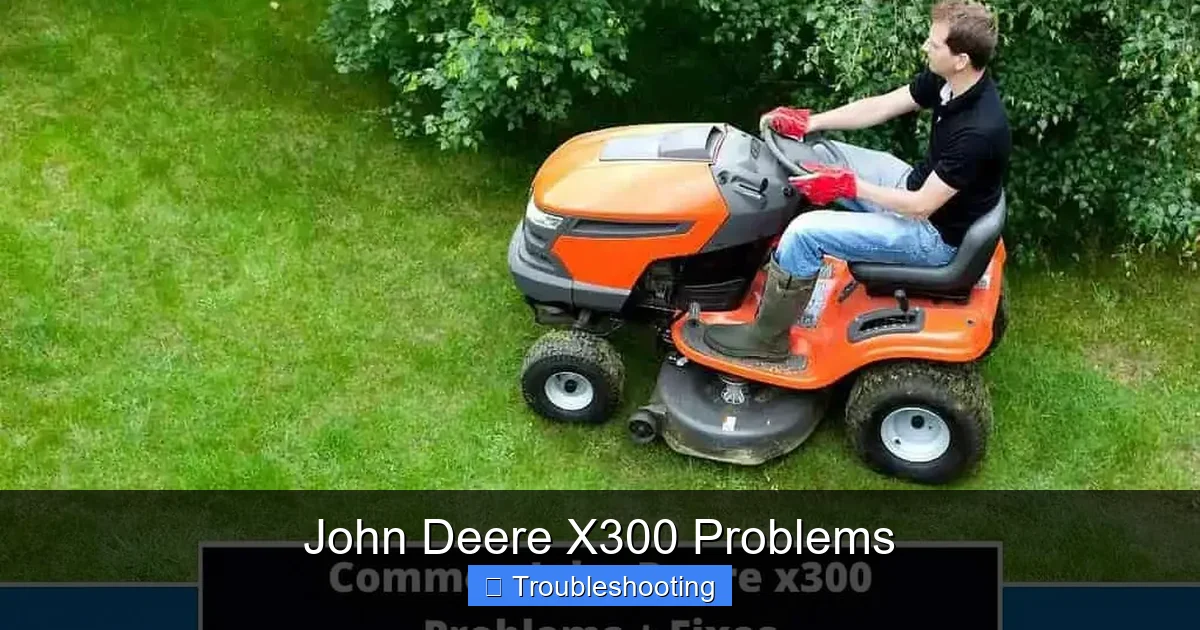
Visual guide about John Deere X300 Problems
Image source: homemashal.com
While the John Deere X300 series is renowned for its durability and performance, it’s not immune to mechanical issues. From engine starting problems to transmission quirks and electrical glitches, many common John Deere X300 problems have practical, DIY-friendly solutions. By understanding the root causes—and knowing how to address them—you can keep your lawn tractor running smoothly for years.
Regular maintenance is your best defense. Simple tasks like checking fluid levels, cleaning air filters, and sharpening blades go a long way in preventing costly repairs. When in doubt, consult your owner’s manual or reach out to a certified technician.
With the right care and attention, your John Deere X300 can deliver reliable service season after season—keeping your lawn looking its best with minimal hassle.
Frequently Asked Questions
Why won’t my John Deere X300 start even though the battery is good?
If the battery is fully charged but the engine still won’t start, check the spark plug, fuel filter, and ignition switch. A faulty spark plug or clogged fuel filter can prevent ignition, and a bad ignition switch may interrupt the starting circuit.
How often should I change the oil in my John Deere X300?
It’s recommended to change the engine oil and filter every 50 hours of operation or at least once per mowing season. Using fresh oil helps prevent engine wear and keeps the John Deere X300 running efficiently.
What type of hydraulic fluid does the John Deere X300 use?
The John Deere X300 requires John Deere Hy-Gard fluid or an equivalent ISO 150 synthetic hydraulic fluid. Using the wrong fluid can damage the hydrostatic transmission.
Can I sharpen the cutting blades myself?
Yes, you can sharpen the blades using a file or angle grinder. Make sure to maintain the original angle and balance the blade after sharpening to prevent vibration.
Why is my John Deere X300 vibrating excessively?
Excessive vibration is often caused by loose or unbalanced blades, a worn drive belt, or damaged engine mounts. Inspect and tighten all bolts, check belt tension, and balance the cutting deck.
How do I winterize my John Deere X300?
To winterize, change the oil, drain the fuel (or add stabilizer), clean the deck, check tire pressure, and store the tractor in a dry, covered area. Disconnect the battery if storing long-term.
