


Keep your Troy Bilt riding mower performing at its best with the right front tire. Whether you’re replacing a worn-out tire or upgrading for better traction, this guide walks you through everything from identifying the correct size to installing and maintaining your new front tire. We’ll also share expert tips and trusted brands so you can make a smart, confident choice—no guesswork required.
Key Takeaways
- Know your tire size: Troy Bilt front tires come in common sizes like 15×6.00-6 or 16×6.50-8—check your owner’s manual or current tire for accuracy.
- Compatibility is key: Not all tires fit every model. Use the Troy Bilt model number to ensure a perfect match.
- Proper inflation matters: Overinflation or underinflation affects handling, tire wear, and mower performance.
- Regular maintenance extends life: Clean debris, inspect for cracks or dry rot, and rotate tires if your mower supports it.
- DIY installation is doable: With the right tools and a jack, most riders can replace front tires in under an hour.
- Consider tread type: Smooth treads are great for pavement; knobby treads offer better grip on grass and dirt.
📑 Table of Contents
- Introduction
- Understanding Troy Bilt Front Tire Specifications
- Why Front Tires Matter on a Riding Mower
- Signs You Need a New Front Tire
- Choosing the Right Front Tire for Your Troy Bilt
- Step-by-Step Guide to Replacing the Front Tire
- Maintenance Tips to Extend Front Tire Life
- Top Brands for Troy Bilt Front Tires
- Conclusion
Introduction
Let’s be honest—your Troy Bilt riding mower is more than just a lawn tool. It’s your trusty sidekick for maintaining a lush, green yard. But like any reliable machine, it needs a little TLC to keep running smoothly. One of the most common issues riders face? Worn or damaged front tires. Whether it’s a flat, a cracked sidewall, or just general wear from mowing season after season, the front tire plays a huge role in how your mower handles, steers, and cuts your lawn.
Replacing the front tire might sound intimidating, but it’s actually one of the simpler maintenance tasks you can tackle. In this guide, we’ll walk you through everything you need to know—from identifying the right size and type of tire to installing it like a pro. We’ll also share practical tips to help you avoid common mistakes and keep your mower in top shape for years to come. So grab your wrench, roll up your sleeves, and let’s get started!
Understanding Troy Bilt Front Tire Specifications
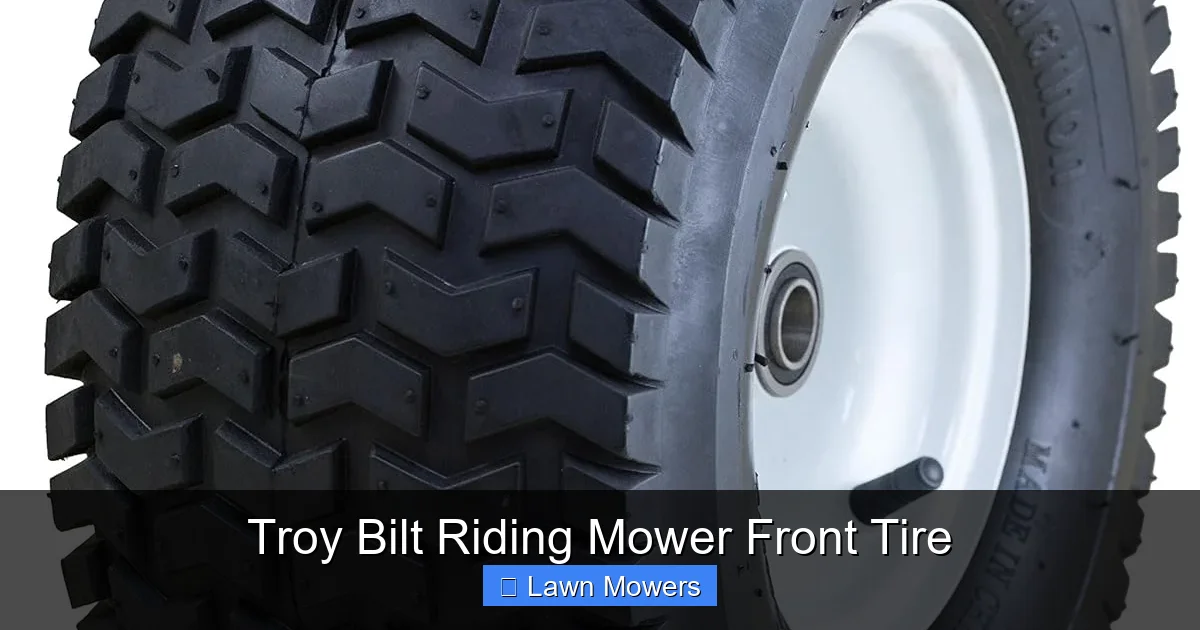
Before you rush to the hardware store, it’s crucial to understand what kind of tire your Troy Bilt riding mower needs. The front tire isn’t a one-size-fits-all part—it depends on your specific model, year of manufacture, and even the type of terrain you mow. Getting the wrong size can lead to poor performance, uneven cutting, or even damage to your mower.
Visual guide about Troy Bilt Riding Mower Front Tire
Image source: images-na.ssl-images-amazon.com
How to Identify the Correct Tire Size
The easiest way to find your tire size is to look at the sidewall of your current front tire. You’ll usually see a series of numbers and letters stamped right into the rubber. For example, a common Troy Bilt front tire size is 15×6.00-6 or 16×6.50-8. Here’s what each part means:
- 15×6.00-6: The first number (15) is the diameter in inches, the second (6.00) is the width, and the last (6) is the rim diameter.
- 16×6.50-8: Same format—16 inches tall, 6.50 inches wide, and designed to fit an 8-inch rim.
If your tire is already off the mower or you can’t read the markings, check your owner’s manual. Troy Bilt includes a parts list with exact tire specifications for every model. You can also search online using your mower’s model number—something like “Troy Bilt 169cc” or “TB200”—to find compatible parts.
Common Troy Bilt Front Tire Sizes
While Troy Bilt produces a wide range of riding mowers, most front tires fall into a few standard sizes. Here’s a quick reference:
- 15×6.00-6: Found on many older models and compact riding mowers.
- 16×6.50-8: Common on mid-size models with better suspension and comfort features.
- 18×8.50-8: Used on larger, heavier-duty mowers for improved stability.
Keep in mind that some models may have dual front wheels (two small tires on each side), while others have a single front wheel. Make sure you’re replacing both tires if your mower has dual wheels—uneven front wheels can cause steering issues and uneven cutting.
Why Front Tires Matter on a Riding Mower
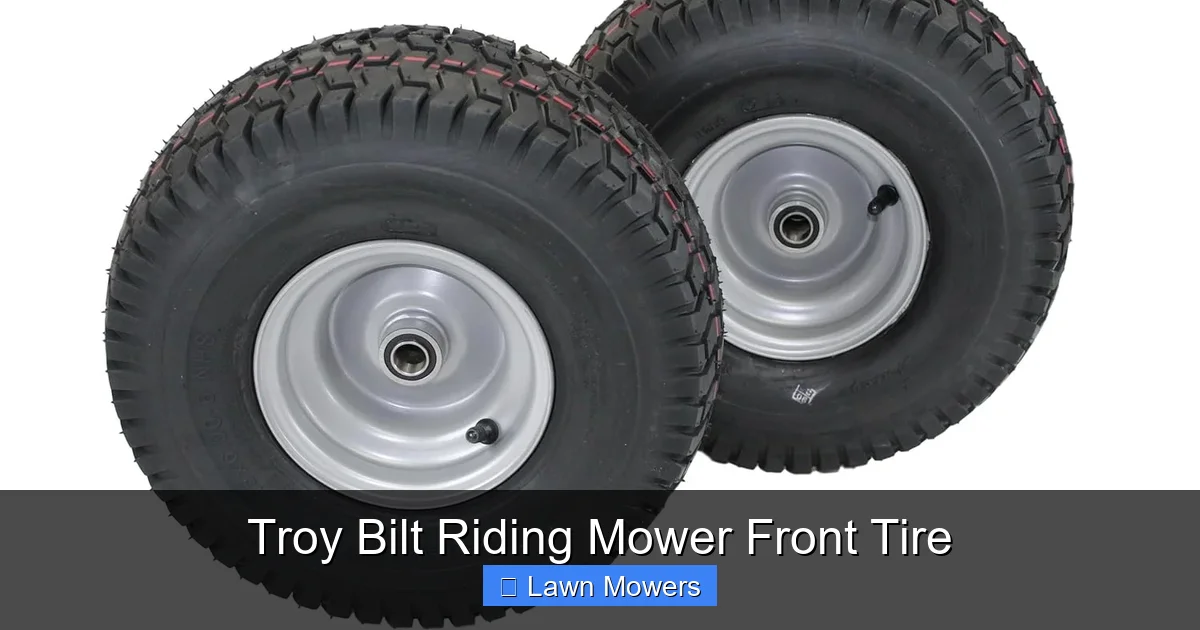
You might wonder, “Why focus on the front tire? After all, the rear wheels do most of the work, right?” Not quite. The front tires are actually just as important as the rear ones—if not more so—when it comes to steering, balance, and overall mower performance.
Visual guide about Troy Bilt Riding Mower Front Tire
Image source: images-na.ssl-images-amazon.com
Steering and Maneuverability
The front tires are your mower’s steering mechanism. On most Troy Bilt riding mowers, the front wheels are fixed (non-swiveling), but they’re designed to pivot around the steering shaft. This allows the mower to turn smoothly and make tight corners. If your front tires are worn, cracked, or improperly inflated, you’ll notice sluggish steering, difficulty turning, or even the mower pulling to one side.
Weight Distribution
Front tires help distribute the weight of the mower and the operator. A balanced weight distribution ensures even cutting and reduces strain on the transmission and engine. Worn front tires can throw off this balance, leading to uneven grass cutting and increased wear on other components.
Terrain Handling
Whether you’re mowing flat lawns, sloped yards, or bumpy terrain, the front tires help maintain traction and stability. On grassy or uneven ground, knobby treads provide better grip, while smooth tires work well on paved surfaces or manicured lawns.
Signs You Need a New Front Tire
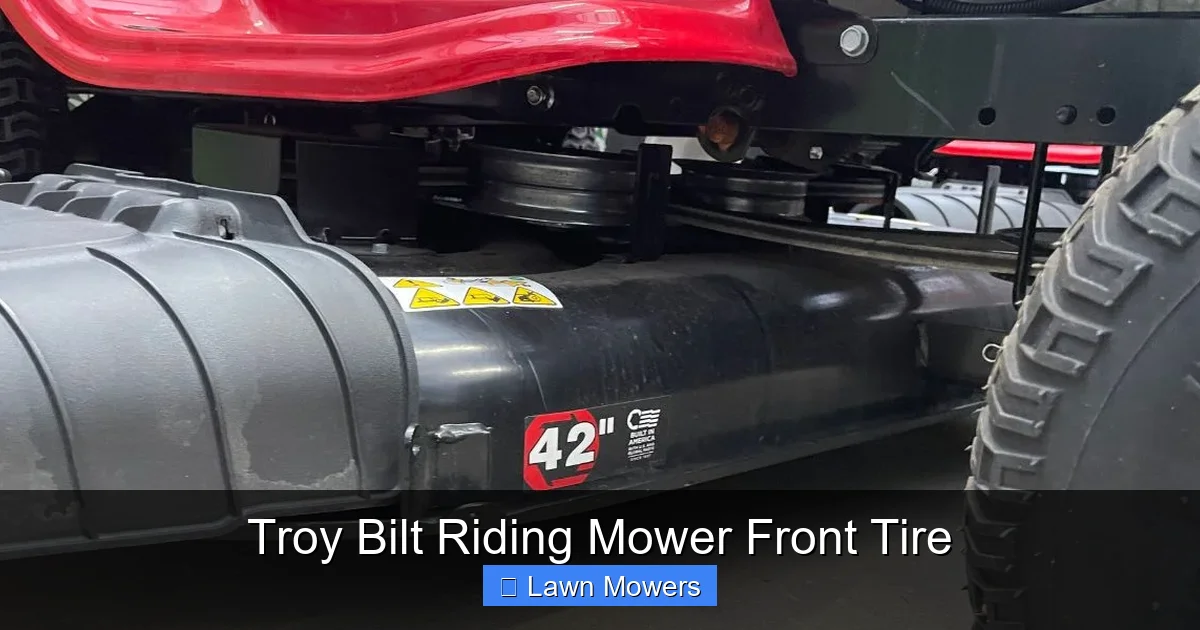
Knowing when to replace your front tire can save you money and prevent bigger issues down the road. Here are the most common signs that it’s time for a new tire:
Visual guide about Troy Bilt Riding Mower Front Tire
Image source: poweredoutdoors.com
Visible Wear and Damage
Check your front tires regularly for:
- Cracks or dry rot: These indicate aging rubber and can lead to sudden blowouts.
- Uneven tread wear: This may suggest misalignment or improper inflation.
- Deep cuts or bulges: These are red flags—replace the tire immediately.
Flat Tires or Loss of Air
If you’re constantly pumping up your front tires or dealing with slow leaks, the tire may be damaged or have a puncture. Sometimes the valve stem or rim is the culprit, but other times the tire itself needs replacing.
Poor Performance
Are you struggling to turn? Is the mower wobbling or pulling to one side? These are signs that your front tires aren’t doing their job. A worn tire can also make the mower harder to control, especially on slopes or rough terrain.
Age of the Tire
Tires don’t last forever—even if they look fine. Most rubber tires have a lifespan of 5 to 7 years. Check the manufacturing date (usually on the sidewall as a DOT code) to see if your tire is due for replacement.
Choosing the Right Front Tire for Your Troy Bilt
Once you’ve confirmed your tire size and need a replacement, the next step is choosing the right brand and type. While OEM (Original Equipment Manufacturer) parts are always an option, many riders find that aftermarket tires offer better value, wider selection, and improved performance.
OEM vs. Aftermarket Tires
OEM tires are made by Troy Bilt or its authorized partners. They’re guaranteed to fit perfectly and come with a warranty. However, they can be more expensive and may not always offer the best tread or durability.
Aftermarket tires—like those from brands such as Carlisle, Michelin, or even AmazonBasics—are often more affordable and available in a wider range of tread patterns. Just make sure to double-check compatibility before purchasing.
Tread Type and Terrain
Your choice of tread depends on how and where you use your mower:
- Smooth tread: Best for flat, paved areas or manicured lawns. Offers a clean cut and reduces grass pickup.
- Knobby tread: Ideal for uneven, grassy, or hilly terrain. Provides better grip and traction.
- Ribbed tread: A middle ground—good for mixed use and offers decent traction without being too aggressive.
Inflation Pressure
Always inflate your front tires to the recommended PSI, which is usually listed on the tire sidewall or in the owner’s manual. For example, a 15×6.00-6 tire might require 15 PSI. Underinflation leads to excessive flexing and wear, while overinflation reduces grip and can cause a harsh ride.
Step-by-Step Guide to Replacing the Front Tire
Replacing the front tire on your Troy Bilt riding mower is a DIY-friendly task that most homeowners can complete in under an hour. You’ll need a few basic tools and a bit of patience. Let’s walk through the process step by step.
Tools and Materials You’ll Need
- Jack or ramps to lift the front of the mower
- Jack stands (optional but recommended for safety)
- Socket wrench or lug wrench
- Flathead screwdriver
- New front tire (make sure it’s the correct size!)
- Tire iron or bead breaker (if the tire is stuck to the rim)
- Air compressor (for inflation)
Step 1: Safety First
Park your mower on a flat, level surface. Engage the parking brake and turn off the engine. Disconnect the spark plug to prevent accidental starting. If you’re using ramps, make sure they’re securely placed and the mower is stable.
Step 2: Lift the Mower
Use a floor jack or ramps to lift the front of the mower. Place jack stands under the frame for added safety—never rely solely on ramps or a jack. Make sure the mower is secure before crawling underneath.
Step 3: Remove the Old Tire
Use the lug wrench to loosen the bolts on the front wheel hub. Remove them completely and carefully pull the wheel off. If the tire is stuck to the rim, you may need a tire iron to break the bead seal.
Step 4: Install the New Tire
Slide the new tire onto the rim, making sure it seats properly. If it’s tight, use a rubber mallet or tire iron to gently tap it into place. Reinstall the wheel and hand-tighten the bolts.
Step 5: Lower and Tighten
Lower the mower back to the ground and use the wrench to fully tighten the bolts in a star pattern. This ensures even pressure and prevents warping.
Step 6: Inflate and Test
Inflate the new tire to the recommended PSI. Take the mower for a short test run on flat ground to check for wobbling or uneven handling. Adjust if necessary.
Maintenance Tips to Extend Front Tire Life
Even the best tires wear out over time—but with proper care, you can maximize their lifespan and keep your mower running smoothly. Here are some simple maintenance tips:
Check Inflation Weekly
Underinflated tires are a leading cause of premature wear. Use a tire pressure gauge to check PSI regularly and adjust as needed.
Clean After Each Use
Grass clippings, mud, and debris can get lodged in the tread and cause damage. After mowing, wipe down the tires and remove any buildup.
Inspect for Damage Monthly
Look for cracks, cuts, or bulges. Catching problems early can prevent blowouts and costly repairs.
Avoid Sharp Turns
While Troy Bilt mowers are designed for maneuverability, slamming on the steering can stress the front tires. Use smooth, gradual movements.
Rotate Tires (If Applicable)
Some models allow front-to-rear tire rotation, which helps distribute wear evenly. Check your manual to see if it’s recommended.
Top Brands for Troy Bilt Front Tires
Not all replacement tires are created equal. Some brands are known for durability, performance, and compatibility with Troy Bilt mowers. Here are a few top picks:
Carlisle Lawn & Garden Tire
Carlisle is a trusted name in outdoor equipment tires. Their 15×6.00-6 model is a direct fit for many Troy Bilt mowers and offers excellent tread life and traction.
Michelin X-Ice
While primarily known for automotive tires, Michelin also makes high-quality lawn mower tires. Their smooth tread models are great for paved areas and offer quiet operation.
AmazonBasics Lawn Mower Tire
For budget-conscious buyers, AmazonBasics offers affordable, no-frills tires that are compatible with many Troy Bilt models. They’re not the most durable long-term, but they’re perfect for light use.
Troy Bilt OEM Tires
If you prefer factory-matched parts, Troy Bilt OEM tires are available through authorized dealers and online retailers. They come with a warranty and are guaranteed to fit.
John Deere Gator Tires
Some Troy Bilt models are compatible with John Deere Gator tires due to shared OEM suppliers. Always verify fitment before purchasing.
Conclusion
Your Troy Bilt riding mower front tire may seem like a small part, but it plays a big role in how well your lawn looks and how easy it is to mow. Whether you’re replacing a worn tire or upgrading for better performance, taking the time to choose the right size, tread, and brand will pay off in the long run. With proper installation and maintenance, your new front tire can last for years—keeping your mower running smoothly and your lawn looking its best.
Remember: the key is knowing your mower, understanding your tire needs, and acting before problems arise. So the next time you notice steering issues or uneven cutting, don’t ignore it—check those front tires. With a little know-how and the right tools, you’ll have your mower back in top shape in no time.
Frequently Asked Questions
What size front tire does a Troy Bilt riding mower use?
Troy Bilt riding mowers commonly use front tires in sizes like 15×6.00-6 or 16×6.50-8. The exact size depends on your model and year. Check the sidewall of your current tire or consult your owner’s manual for the correct specification.
Can I use a different brand of front tire for my Troy Bilt?
Yes, as long as the tire matches the correct size and fits your mower’s rim. Many aftermarket brands like Carlisle and Michelin offer compatible tires, but always verify compatibility before purchasing.
How often should I replace the front tire on my riding mower?
Front tires should be replaced when you notice visible wear, cracks, or poor performance. Most tires last 5–7 years, but heavy use or rough terrain can shorten that lifespan.
Do I need special tools to replace the front tire?
No special tools are required beyond a jack, lug wrench, and possibly a tire iron. Most homeowners can complete the job with basic garage tools.
Can I replace just one front tire or should I replace both?
If your mower has dual front wheels, you should replace both tires at the same time. Uneven front tires can cause steering issues and uneven cutting.
How do I know if my front tire is causing steering problems?
Signs include sluggish turning, the mower pulling to one side, or a wobbling front end. Check for proper inflation, tread wear, and damage to identify the issue.
