


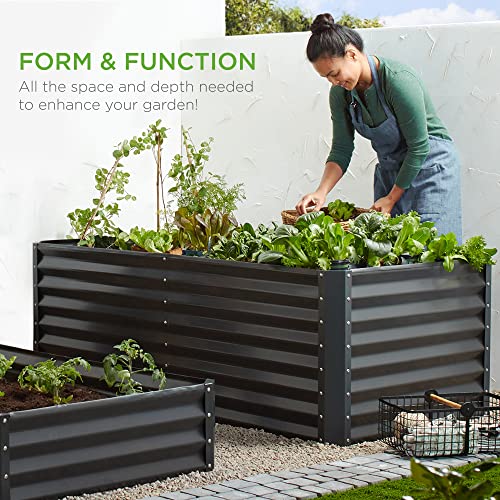
The best raised garden bed plants are herbs, leafy greens, tomatoes, peppers, carrots, radishes, and compact flowers.
A small yard, weak soil, or sore back can make gardening feel harder than it should. Raised beds solve much of that trouble by giving you better control over soil, drainage, sunlight, and plant spacing. I reviewed seven popular raised garden beds and matched each one with crops that fit its size and design. Whether you want fresh salad greens, patio herbs, or a large harvest of tomatoes, this guide will help you choose the right bed and grow the best raised garden bed plants with less guesswork.
Best Choice 6x3x2ft Metal Raised Garden Bed
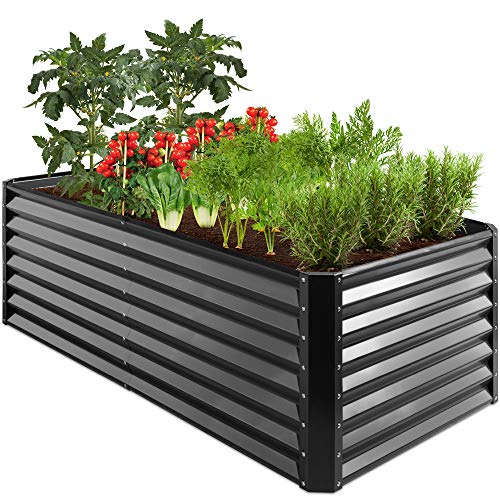
This large metal raised bed gives plants plenty of room for deep roots. Its 6-by-3-foot footprint works well for vegetables, herbs, and flowers in one organized space. The 2-foot height also makes it easier to add rich soil without digging into poor ground. I especially like this size for gardeners who want a serious harvest but do not want to build a bed from scratch.
The deep design suits crops such as tomatoes, peppers, cucumbers, bush beans, and carrots. It also gives root vegetables more usable soil than a shallow planter. The non-toxic material is a helpful feature for anyone growing food for the family, though I still suggest using high-quality garden soil and compost. Place this bed where it will receive at least six hours of direct sun for the best results.
Pros:
- Large growing area for vegetables and flowers
- Deep design supports stronger root growth
- Raised height improves access for many gardeners
- Metal construction resists rot and soil contact
- Works well for mixed crops and succession planting
- Useful for gardens with poor or compacted ground
Cons:
- Large size needs a fairly open location
- Filling the deep bed can require a lot of soil
- Metal may warm faster in strong summer sun
My Recommendation
This is my top pick for gardeners who want the best raised garden bed plants in generous amounts. I would use it for tomatoes in the center, peppers along the sunny edge, and basil or marigolds near the border. It is also a strong choice for carrots, beets, lettuce, and bush beans. The size offers excellent value when you plan to grow food often rather than treat the bed as a small decorative planter.
Best Choice 48x24x30-Inch Wood Planter
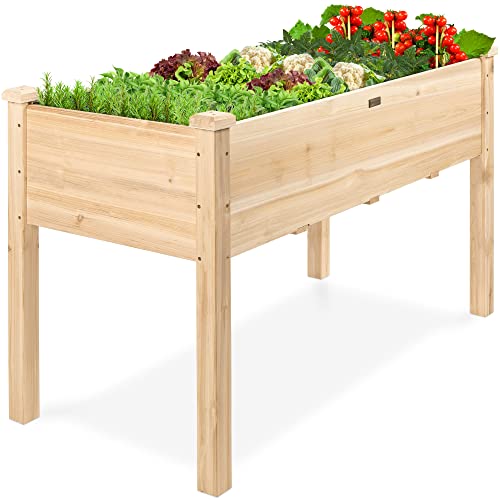
This elevated wood planter has a comfortable working height for patios, balconies, decks, and small backyards. The 48-by-24-inch size provides enough room for a useful kitchen garden without taking over the space. Its natural wood look blends well with outdoor furniture and containers. The included liner helps keep soil in place and reduces direct contact between damp soil and the wood.
I see this bed as an excellent match for shallow-rooted crops and kitchen herbs. Lettuce, spinach, arugula, chives, parsley, thyme, and basil can all perform well when the soil stays loose and drains freely. You can also grow compact peppers or patio tomatoes if you choose a small variety. The 200-pound capacity gives you a firm base, but I would avoid filling it with heavy wet soil beyond its intended load.
Pros:
- Comfortable 30-inch working height
- Good fit for patios and balconies
- Attractive natural wood appearance
- Includes a protective bed liner
- Useful size for herbs and salad greens
- Helps reduce bending and kneeling
Cons:
- Not deep enough for large root crops
- Wood needs protection from long-term moisture
- Limited width may not suit sprawling plants
Rakukiri 5-Foot Oval Galvanized Garden Bed

The Rakukiri oval bed brings a softer shape to the usual straight-sided garden box. Its galvanized metal body is made for outdoor use and has a rot-resistant design. The five-foot form gives you a useful planting zone while leaving a smooth outline around walkways. I like this style for gardeners who want a neat feature bed that still grows practical food.
The oval shape makes it easy to place taller crops in the center and shorter plants around the sides. Try cherry tomatoes, kale, Swiss chard, bush beans, and compact peppers for a productive mix. Flowers such as nasturtiums and marigolds can fill open spaces and attract helpful pollinators. Since metal can heat up in hot weather, a thick mulch layer can help protect soil moisture and plant roots.
Pros:
- Rot-resistant galvanized metal body
- Oval shape creates a polished garden look
- Good space for vegetables, herbs, and flowers
- Easy to organize by plant height
- Suitable for many soil types
- Recycled material supports a lower-waste choice
Cons:
- Metal sides can become warm in full sun
- Oval edges may waste a little corner space
- May need extra mulch during dry weather
LEETOLLA 32-Inch Raised Bed With Wheels

The LEETOLLA elevated bed is built for gardeners who value access and mobility. Its 32-inch height keeps the planting area near waist level, which can make daily watering and trimming much easier. Wheels let you shift the bed when the season changes or when a patio needs more room. This design is especially useful for renters, older gardeners, and anyone who gardens on a hard surface.
The growing space is best for compact crops rather than large vines or heavy root systems. Leaf lettuce, baby spinach, radishes, green onions, cilantro, and dwarf herbs are good choices. You can also grow a compact pepper or patio tomato if you use a support stake and keep the plant pruned. Before moving the bed, check that the wheels are clear and lock it firmly in its final sunny spot.
Pros:
- Raised 32-inch height supports easy access
- Wheels make relocation simple
- Strong choice for patios and hard floors
- Good for herbs and quick salad crops
- Reduces bending during care and harvest
- Works well for accessible gardening
Cons:
- Smaller soil volume than a full-size bed
- Not ideal for sprawling crops
- Wheels may need a level surface
Best Choice 34x18x30-Inch Kids’ Planter

This compact elevated planter gives children a clear space to learn how plants grow. Its 30-inch height keeps the bed easy to reach, while the smaller footprint fits a porch, patio, or family garden. The wood design feels warm and approachable, and the liner helps hold the growing mix in place. A dedicated bed can turn watering and harvesting into a simple daily activity for young gardeners.
For children, I recommend fast and visible crops such as radishes, lettuce, peas, strawberries, basil, and cherry tomatoes. Flowers like sunflowers may become too large, but dwarf marigolds and nasturtiums can add color without taking over. Choose plants with safe, easy-to-grip harvests so children see quick results. Adult supervision is still wise when using tools, fertilizer, or any pest treatment.
Pros:
- Child-friendly working height
- Compact footprint for small outdoor areas
- Good way to teach basic garden skills
- Includes a liner for cleaner soil control
- 150-pound capacity suits a small planting mix
- Natural wood finish looks good near a home
Cons:
- Limited space for large vegetables
- Children may need help with heavy watering cans
- Wood requires protection from constant moisture
Best Choice Mobile 48x24x32-Inch Planter
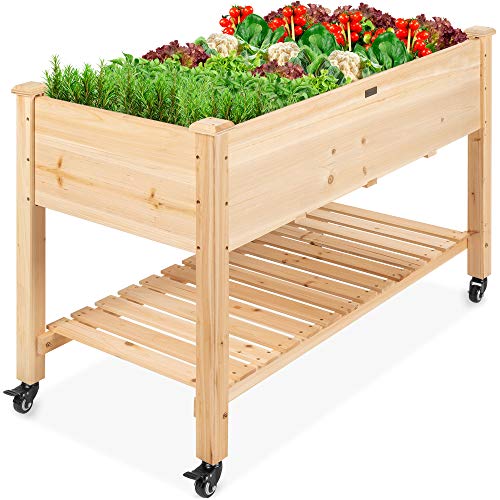
This mobile wood planter offers a strong balance between growing room and easy access. The 32-inch height helps limit back strain, while lockable wheels let you move the bed when needed. A lower shelf adds room for gloves, pruners, pots, or a watering can. The protective liner creates a cleaner planting space and helps separate wet soil from the wood body.
The 48-by-24-inch layout is wide enough for a productive patio garden. Plant basil, parsley, thyme, lettuce, kale, peppers, and compact tomatoes in separate sections. You can also use trellis support for peas or a small cucumber variety, but keep trailing growth under control. Lock the wheels before planting and place the bed where it gets strong sun for at least six hours each day.
Pros:
- Lockable wheels improve placement flexibility
- Large surface for an elevated planter
- Useful lower shelf adds storage
- 32-inch height reduces bending
- Protective liner supports cleaner use
- Good fit for herbs and patio vegetables
Cons:
- Wood can weather without regular care
- Moving a filled bed may be difficult
- Storage shelf needs protection from standing water
WTFGO 33.7-Inch Resin Planter With Wheels
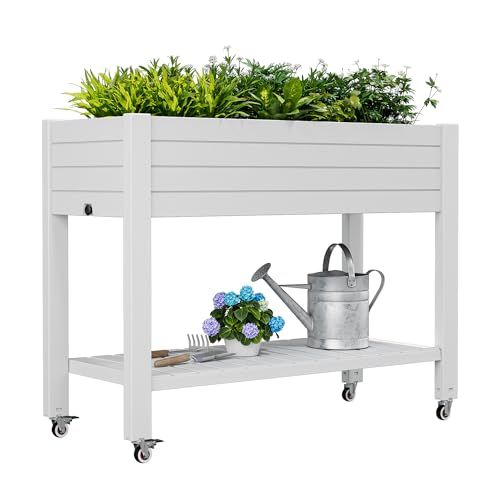
The WTFGO planter uses a tall resin body for a low-maintenance growing setup. Its 33.7-inch height gives you a comfortable work level for planting, pruning, and picking. Wheels make it easier to adjust the bed around a patio or move it away from harsh weather. The divisible design also gives you more control over how you group herbs and vegetables.
This planter is a practical home for basil, mint, chives, lettuce, spinach, and other compact crops. A drainage gauge can help you avoid keeping the soil too wet, which matters because soggy roots often lead to poor growth. Use a quality potting mix rather than dense yard soil in a resin container. The bed is a good option when you want the best raised garden bed plants close to the kitchen door.
Pros:
- Tall height supports comfortable gardening
- Resin body needs less upkeep than wood
- Wheels add useful mobility
- Divisible design helps separate plant types
- Drainage gauge supports better watering control
- Good for herbs and compact greens
Cons:
- Resin may look less natural than wood
- Smaller sections limit large root crops
- Wheels work best on a smooth surface
SnugNiture 3-Piece Galvanized Raised Bed Set

This three-piece SnugNiture set gives gardeners several beds instead of one large planting box. Each bed has a 17-inch height and a 4-by-2-foot footprint, so you can separate plants by sunlight, watering needs, or harvest time. The galvanized metal construction is suited to outdoor use and avoids the rot concerns linked with untreated wood. The oval design also gives the set a softer appearance than a plain rectangular frame.
I would use one bed for leafy greens, one for peppers and herbs, and one for root crops or flowers. Carrots, radishes, onions, kale, Swiss chard, and bush beans are among the best raised garden bed plants for this layout. Separate beds can also slow the spread of some pests and make crop rotation easier from year to year. Add compost each season, and keep a mulch layer on top to protect moisture during hot weather.
Pros:
- Three beds create flexible planting zones
- 17-inch height improves soil access
- Galvanized metal resists outdoor wear
- Good for separating crops by water needs
- Useful for vegetables, fruit, herbs, and flowers
- Oval shape gives a clean decorative look
Cons:
- Three beds require more assembly space
- Several beds take more soil to fill
- Metal may need extra mulch in hot areas
How to Choose the Best Raised Garden Bed Plants
Choosing plants begins with the bed, not the seed packet. A deep metal bed can support crops that need more root room, while a shallow elevated planter works better for herbs and greens. I always check the bed’s depth, width, drainage, height, and location before choosing what to grow. This simple step prevents crowded plants and wasted soil.
Match plant roots to bed depth
Shallow-rooted crops need less soil. Lettuce, spinach, arugula, chives, thyme, and radishes can grow well in smaller beds. Carrots, beets, potatoes, and parsnips need deeper soil, especially if you want full-size roots. Tomatoes and peppers also perform better when their roots have enough space and steady moisture.
A 30-inch elevated bed may look deep, but the usable depth depends on the inner box. Check the actual planting depth rather than judging by the outside height. If a planter has a shelf or lower frame, some of its total height may not hold soil.
Choose plants for your sunlight
Most fruiting crops need full sun. Tomatoes, peppers, cucumbers, beans, and strawberries usually need about six to eight hours of direct light for strong growth. Leafy greens can handle some morning sun and afternoon shade, especially in hot areas. Mint, parsley, cilantro, and chives also tolerate less sun than tomatoes.
Watch the area for one full day before filling the bed. A bright patio in the morning may become shaded after lunch. Put tall plants on the north side when possible. This keeps them from blocking low plants as the sun moves across the sky.
Best raised garden bed plants for beginners
If you are new to gardening, start with plants that grow quickly and show clear results. Radishes can be ready in a few weeks, depending on the variety and weather. Leaf lettuce, baby spinach, green onions, basil, and bush beans are also simple choices. These plants help new gardeners learn watering, thinning, harvesting, and pest checks.
Cherry tomatoes are rewarding, but they need more care than lettuce. They need sun, regular water, support, and enough airflow. If you grow tomatoes in a small bed, choose a determinate or patio type. Avoid placing too many plants together because crowded leaves stay wet and invite disease.
Best vegetables for large raised beds
Large beds allow you to combine crops with different growth habits. Place tomatoes or peppers where they will not shade shorter plants. Grow carrots and radishes near the front edge so you can thin and harvest them easily. Bush beans can fill a middle row, while basil, marigolds, or nasturtiums can occupy open border space.
Cucumbers and peas need a trellis. Add the support before the plants become large. A trellis saves ground space and keeps fruit cleaner. It also improves airflow, which can reduce some leaf problems.
Best herbs for raised planters
Herbs are among the best raised garden bed plants because they need little space and provide frequent harvests. Basil, parsley, thyme, oregano, sage, rosemary, chives, and cilantro all work well in suitable conditions. Place herbs near the kitchen so you remember to use them. Regular trimming often keeps them bushy and productive.
Keep spreading herbs contained. Mint can take over an open bed, so grow it in a separate pot or a divided section. Rosemary and thyme prefer drier soil than basil and parsley. Group plants with similar water needs to make care easier.
Best flowers for raised vegetable beds
Flowers can make a food garden brighter and more useful. Marigolds, nasturtiums, calendula, alyssum, and dwarf zinnias fit well around vegetable plants. Their color can attract pollinators and bring more life to a patio garden. Some flowers also give you edible petals or leaves, but confirm that the variety is safe to eat before harvesting.
Avoid planting large flowers that will shade the full bed. Sunflowers can grow tall and may compete for water. If you want them, place dwarf types near the north edge. That keeps their leaves and stems from covering smaller crops.
Soil and Drainage Tips for Raised Beds
Good soil is the heart of every raised bed. The United States Department of Agriculture recommends building healthy soil with organic matter, and that advice applies to containers and raised beds too. I suggest a quality raised-bed mix blended with finished compost. Avoid using pure compost because it can hold too much water or settle unevenly.
A simple starting mix uses screened topsoil, compost, and a light material such as pine fines or aged bark. The exact ratio can vary by product and climate. The mix should feel loose, crumbly, and easy to dig by hand. If water sits on top, the soil needs more air space or better drainage.
Do not place a raised bed on a surface that blocks drainage unless the design includes a proper drainage system. Elevated beds usually drain through the bottom, while open-bottom beds drain into the soil below. Check the manufacturer’s instructions before adding a liner. A liner that blocks drainage can harm roots.
Water slowly at the soil line. Wet leaves can spread fungal problems, while very light watering can leave dry pockets below the surface. Push a finger into the soil before watering. If the top inch feels dry, many young plants need water, but always consider the weather and plant type.
Plant Spacing in Raised Garden Beds
Plant spacing affects harvest size, airflow, and disease risk. Crowding may seem like a way to grow more food, but it often creates weak plants. Use the spacing listed on the seed packet as a starting point. Some gardeners use intensive spacing, but they must monitor water and nutrition more closely.
A narrow bed is easier to reach when you can work from both sides. Try not to make a bed so wide that you must step into it. Walking on the soil presses out air and can damage roots. The 2-foot beds in this guide are easy to reach, while larger beds may need a careful planting plan.
Use succession planting to keep space productive. When you harvest radishes or baby greens, plant another short crop in that open spot. This method works well in the Best Choice metal bed and the SnugNiture three-piece set. It also helps you enjoy fresh crops across more months.
Raised Bed Care Through the Season
Start each season by checking the frame, liner, fasteners, and drainage path. Look for loose parts or soil that has settled below the expected level. Add compost to the top rather than disturbing plant roots. A 1- to 2-inch mulch layer can slow evaporation and reduce weeds.
Feed plants based on their needs. Leafy greens often need nitrogen for healthy leaves, while fruiting plants need balanced nutrition and steady water. Too much fertilizer can burn roots or create lots of leaves with few fruits. Follow the label on any fertilizer, and avoid mixing several products without a clear plan.
Inspect plants twice each week. Look under leaves for insects, check stems for damage, and remove sick leaves early. Hand-pick larger pests when possible. Use only treatments labeled for the crop and follow the product directions. This careful approach protects pollinators and keeps food gardening safer.
At the end of the season, remove dead annual plants and clean up fallen leaves. Do not place diseased plant material into home compost unless the pile reaches a temperature that kills pathogens. Add a fresh layer of compost before the next season. Good cleanup gives the best raised garden bed plants a healthier start each year.
Best Raised Garden Bed Plants by Bed Type
For a deep, full-size metal bed, grow tomatoes, peppers, carrots, bush beans, cucumbers, kale, and beets. Use the center for taller plants and the edges for herbs or flowers. This plan makes good use of the large soil volume.
For a wood planter on a patio, choose lettuce, spinach, basil, parsley, chives, thyme, and compact peppers. These crops stay manageable and provide useful harvests. A patio tomato can work if the container has enough depth and the plant has support.
For a mobile elevated bed, choose crops that do not become too heavy or sprawling. Salad greens, radishes, green onions, dwarf herbs, and compact peppers are dependable choices. Mobility is most useful when the bed remains light enough to move safely.
For a children’s planter, grow radishes, peas, lettuce, strawberries, basil, and small marigolds. These crops offer visible changes and simple harvests. Let children choose a few plants, but keep the number low enough that care does not feel like a chore.
For a three-bed metal set, assign each bed a job. One can hold greens, one can hold roots, and one can hold herbs and flowers. This simple system makes watering and crop rotation easier. It also gives you room to test new varieties without risking the whole garden.
FAQs Of best raised garden bed plants
What are the easiest plants for a raised garden bed?
Lettuce, radishes, basil, chives, green onions, bush beans, and marigolds are easy choices. They grow quickly and do not need complex support. Start with a few plants rather than filling the bed at once.
How deep should a raised bed be for vegetables?
A depth of 12 inches works for many vegetables, but deeper beds are better for tomatoes, carrots, potatoes, and other crops with larger roots. Always check the plant’s mature root needs. The inside soil depth matters more than the outside frame height.
Can I grow tomatoes in a raised garden bed?
Yes. Tomatoes need full sun, steady water, rich soil, and support. Choose compact varieties for small beds, and give each plant enough space for airflow. Do not place tomatoes where they shade all the shorter plants.
What soil is best for raised garden beds?
Use a loose raised-bed mix with quality topsoil, finished compost, and material that improves drainage. Avoid dense clay soil and pure compost. Test the mix by squeezing a handful; it should hold together lightly but break apart with a touch.
How often should I water raised bed plants?
Check the soil instead of following a strict calendar. Water when the upper soil begins to dry, then water deeply at the base. Hot weather, small beds, metal sides, and strong wind can increase water needs.
Final Verdict: Which Should You Buy?
The Best Choice 6x3x2-foot metal bed is my top pick for the best raised garden bed plants because it offers deep soil and ample room. Choose the elevated wood or mobile models for herbs, greens, and patios.
Match the bed to your space, sunlight, and plant roots. With good soil and steady care, the best raised garden bed plants can provide fresh food all season.
