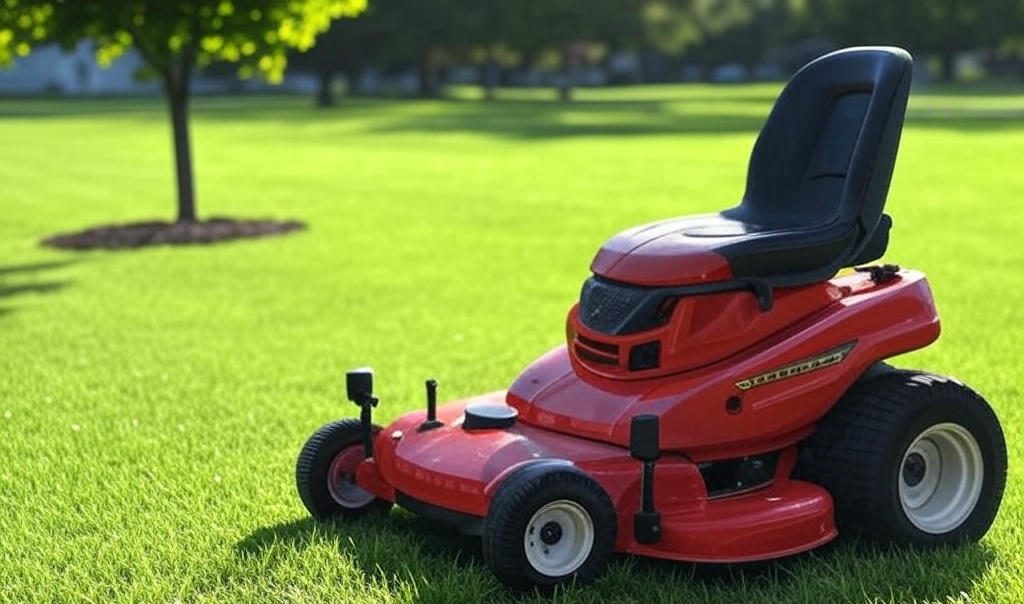
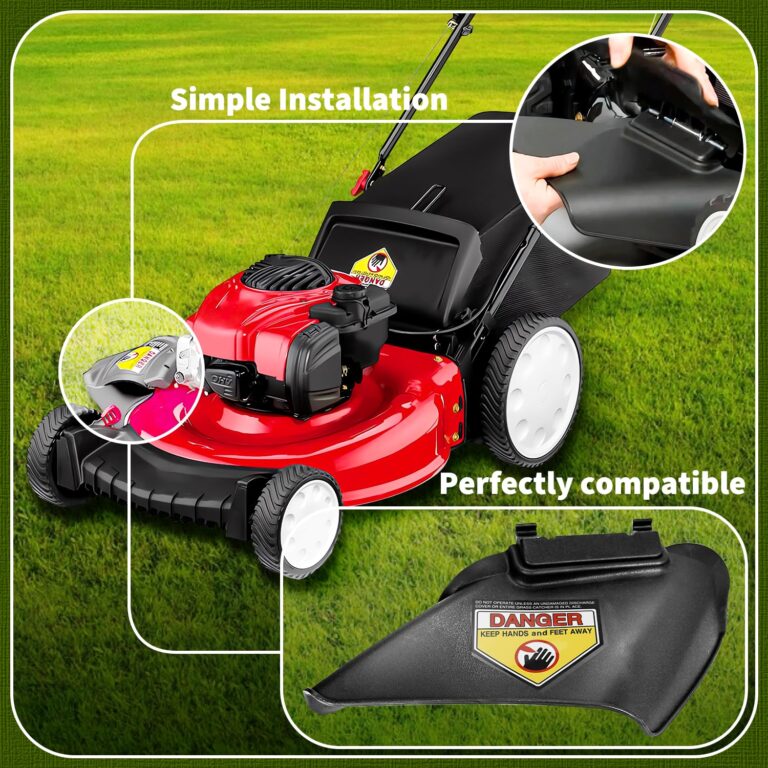
Self propelled lawn mowers work by using a powered transmission system that turns the mower wheels and moves the machine forward while the operator only guides its direction.
In the United States, many homeowners use self propelled lawn mowers to maintain suburban yards, larger residential lawns, and uneven outdoor spaces with less physical effort than traditional push mowers. These machines use an engine or electric motor to power both the cutting blade and a separate drive system that helps move the mower across the grass.
A self propelled mower does not move by itself without control from the operator. The user typically squeezes a drive control lever or engages a speed control, which connects power from the motor to the wheels through a transmission, belt, gearbox, or electric drive mechanism. Understanding this system helps homeowners choose the right mower, maintain it properly, and diagnose common problems.
A self propelled lawn mower is a walk behind mower that uses its own power source to move forward. Unlike a standard push mower, where the operator supplies all the force needed to move the machine, a self propelled model transfers some engine or motor power to the wheels.
The operator still controls the mower by walking behind it, steering, adjusting speed, and stopping when necessary. The self propulsion system mainly reduces the effort required to push the mower, especially across thick grass, slopes, or larger lawns.
Source: botusmov.com
Main purpose
The drive system reduces physical pushing effort and allows more consistent mowing speed.
Power sources
Self propelled mowers may use gasoline engines, battery powered electric motors, or corded electric systems depending on the model.
How It Differs From a Push Mower
A push mower depends on the operator to move the entire machine. A self propelled mower uses mechanical power to rotate the wheels, making it easier to handle in demanding mowing conditions.
Less physical effort
The operator guides the mower instead of constantly pushing its full weight.
How the Self Propelled Drive System Works
The self propelled system begins when the operator activates the drive control. This engagement connects the power source to a transmission that transfers rotational energy to the wheels.
In gasoline models, the engine creates mechanical power that can be shared between the cutting blade and wheel drive system. In battery models, an electric motor can separately power the blade and wheel movement using electronic controls.
Source: builditsolar.com
Drive control
A handle lever, trigger, or control mechanism activates wheel movement when the operator wants forward motion.
Transmission
The transmission changes and transfers power so the wheels can rotate at a useful mowing speed.
Wheel movement
Powered wheels pull the mower forward while the operator controls direction.
Key Components Inside the System
Several mechanical and electrical parts work together to move a self propelled mower. A failure in any major component can cause the mower to stop moving even if the cutting system still works.
Self propelled lawn mowers are commonly grouped by which wheels receive power. The best type depends on lawn size, terrain, slopes, and how much maneuverability the operator needs.
Source: i.ytimg.com
Front wheel drive
Powered front wheels make turning easier and work well on mostly flat lawns with frequent obstacles.
Rear wheel drive
Powered rear wheels provide better traction on hills and uneven ground because weight transfers toward the back during operation.
All wheel drive
Power goes to all wheels, offering improved traction for challenging terrain but often with added complexity.
Which Drive Type Works Best?
Flat suburban lawns often work well with front wheel drive models, while properties with slopes or rough areas may benefit from rear wheel or all wheel drive systems.
Consider your yard
Terrain is usually more important than mower size when selecting a drive type.
Gas and Electric Self Propelled Mowers: How They Compare
Both gasoline and electric self propelled mowers use the same basic idea: a power source drives the wheels. The main difference is how that power is created and controlled.
Gas models typically use internal combustion engines, while battery powered models use rechargeable batteries and electric motors. Electric systems often require less routine engine maintenance, while gasoline models may provide longer operating time with fuel availability.
Source: grasscure.com
Gasoline models
Common for larger lawns and users who need extended mowing sessions.
Battery electric models
Useful for homeowners who prefer quieter operation and simpler maintenance.
Choosing Based on Lawn Conditions
The right choice depends on lawn size, grass thickness, storage space, charging access, and personal maintenance preferences.
Large properties
May require longer runtime or larger fuel capacity.
Common Self Propelled Lawn Mower Problems and Solutions
When a self propelled mower stops moving, the cutting blade may still operate because the drive system and cutting system are separate. Checking the simplest causes first can help identify the problem safely.
Source: simsgardenmachinery.co.uk
Mower will not move
Possible causes include a damaged drive belt, disconnected cable, worn transmission, or incorrect drive engagement.
Mower moves slowly
Possible causes include worn drive parts, wheel problems, low battery charge, or engine performance issues.
Drive control feels loose
The control cable or linkage may need adjustment or replacement.
Basic Maintenance Steps
Regular maintenance can improve reliability. Follow the manufacturer manual for exact procedures because designs vary between mower models.
Inspect moving parts
Check belts, cables, wheels, and drive components for visible damage or excessive wear.
Keep the mower clean
Remove grass buildup that can interfere with moving parts.
Frequently Asked Questions
Q
Do self propelled lawn mowers pull themselves without help?
No. A self propelled mower moves forward using powered wheels, but the operator must still guide the machine, control speed, and operate safety controls.
Q
Can a self propelled mower work on hills?
Yes, many self propelled mowers can handle slopes better than push mowers. Rear wheel drive and all wheel drive models often provide better traction on uneven terrain.
Q
Why does my self propelled mower blade work but the wheels do not move?
The cutting system and wheel drive system are separate. A failed belt, cable, transmission, or wheel drive component can prevent movement while the blade continues operating.
Q
Are electric self propelled mowers different from gas models?
The basic operating principle is similar, but electric models use batteries and motors instead of gasoline engines. Controls and maintenance requirements can differ by model.
Q
How long do self propelled lawn mowers usually last?
Lifespan depends on build quality, usage, storage, and maintenance. Regular cleaning, proper servicing, and replacing worn parts can extend operating life.
✦ Wrapping Up
Conclusion
Self propelled lawn mowers work by transferring power from an engine or electric motor to the wheels through a drive system. This allows homeowners to mow with less effort while still maintaining full control over the machine.
Understanding the drive type, major components, and common problems makes it easier to operate, maintain, and choose a mower that matches your lawn conditions.
💡 Key Takeaway
Before buying or repairing a self propelled mower, identify the drive type, check the condition of the drive components, and follow the manufacturer’s maintenance instructions.
Learn when a gas oil mix lawn mower requires mixed fuel, the correct gas-to-oil ratios, how to identify two-stroke engines, common mistakes, and safe fuel handling tips.
If you’ve ever noticed your lawn looking uneven, with torn grass tips or patches of brown after mowing, chances are your blade is the real culprit. The Ryobi Lawn Mower Replacement Blades you choose can completely change how your yard looks and how efficiently your mower runs. A sharp, well-balanced blade doesn’t just make mowing…
Learn how to use a string trimmer as an edger to create clean lawn borders, prepare your equipment, follow proper techniques, avoid mistakes, and improve your yard’s appearance.
Learn how much lawn mower blades cost, including replacement prices, sharpening costs, factors that affect pricing, and tips for choosing the right blade for your mower.
Learn how often you should replace lawn mower blades, the signs of wear, factors that affect blade life, and how to keep your mower cutting efficiently and safely.