Most homeowners in the United States should replace lawn mower blades about once every 1 to 2 mowing seasons, but the exact timing depends on mowing frequency, lawn conditions, blade damage, and maintenance habits.
Across the United States, lawn mower blades handle different levels of stress depending on regional grass types, mowing schedules, soil conditions, and yard debris. A homeowner mowing a suburban lawn in the Midwest every week during the growing season may wear blades faster than someone mowing less often in a dry western climate.
A dull or damaged mower blade does more than reduce cutting quality. It can tear grass instead of creating a clean cut, leave uneven patches, increase mowing time, and place additional strain on the mower engine. Checking blade condition regularly and replacing blades when they are worn or damaged helps maintain healthier turf and safer equipment operation.
For most American homeowners, replacing lawn mower blades every 1 to 2 years is a practical maintenance schedule. However, this is only a general guideline. The correct replacement interval depends on how often the mower is used and the conditions it encounters.
A homeowner who cuts grass weekly throughout the growing season may need replacement blades sooner than someone who mows only occasionally. Commercial landscapers and property managers usually replace blades more frequently because their equipment operates for many more hours.
Source: slashgear.com
Light residential use
A mower used occasionally on a small, well-maintained lawn may keep the same blades for up to two seasons if they remain sharp and undamaged.
Regular residential mowing
A typical homeowner mowing once per week during active growing months may need blade replacement about once per season or every other season.
Heavy-duty mowing
Frequent mowing, large properties, or rough terrain can require more frequent inspections and earlier replacement.
Why mowing conditions change blade lifespan
Lawn mower blades lose sharpness as they repeatedly contact grass, soil particles, and hidden objects. Even small amounts of sand or dirt can act like an abrasive and gradually wear down the cutting edge.
Lawns with sticks, rocks, uneven ground, or thick vegetation usually cause more wear than smooth lawns with regularly maintained grass.
Sandy soil
Sand can quickly dull the cutting edge because it creates repeated abrasion against the blade.
Debris exposure
Sticks, stones, and other objects can nick, bend, or crack mower blades.
Signs Your Lawn Mower Blades Need Replacement
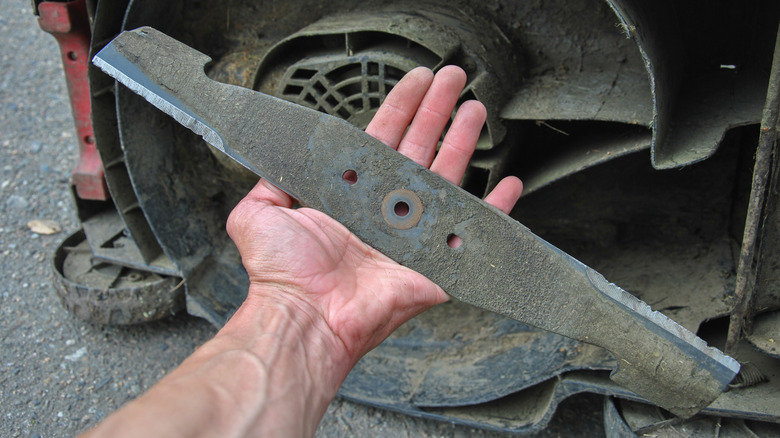
The condition of the cut is usually the clearest indicator that mower blades need attention. A blade does not have to be completely broken before replacement becomes necessary.
Inspect the blade after turning off the mower safely and following the manufacturer’s instructions. Look for physical damage as well as changes in mowing performance.
Source: cdn.shopify.com
Grass looks torn or ragged
A dull blade often tears grass blades instead of making a clean cut, leaving brown or frayed tips.
Uneven cutting pattern
Worn or bent blades may create uneven grass height across the lawn.
Visible cracks or bends
A cracked or bent blade should be replaced because sharpening cannot correct structural damage.
Repeated sharpening no longer helps
When too much metal has worn away, the blade may no longer maintain an effective cutting edge.
Many mower blades can be sharpened several times before replacement is needed. Sharpening is appropriate when the blade is dull but still straight, balanced, and free from major damage.
Replacement is the safer option when a blade has cracks, severe corrosion, missing metal, or significant deformation.
Sharpen the blade
Use sharpening when the blade edge is dull but the blade body remains in good condition.
Replace the blade
Choose replacement when damage affects the blade’s structure or cutting performance.
Factors That Affect How Long Lawn Mower Blades Last
Blade lifespan is determined by more than time. Two identical mowers can need replacement blades at different intervals because their operating conditions are different.
Understanding these factors helps homeowners avoid replacing blades too early while also preventing poor mowing results caused by worn equipment.
Source: nurserylady.com
Mowing frequency
The more hours a mower operates, the faster the cutting edge wears down.
Grass type
Dense or tough grass varieties can create more resistance and increase blade wear.
Terrain condition
Uneven lawns increase the chance of blade impacts with soil or obstacles.
Maintenance routine
Cleaning, inspecting, and properly sharpening blades can extend useful life.
A simple replacement decision guide
Use the mower’s condition and cutting results together rather than relying only on a calendar schedule. A blade that still performs well after inspection may not require immediate replacement, while a damaged blade should be replaced regardless of age.
Replace now
The blade is cracked, bent, badly damaged, or produces poor cuts even after sharpening.
Inspect and sharpen
The blade is dull but structurally sound.
Continue using
The blade remains straight, sharp, and cuts grass evenly.
How to Maintain Lawn Mower Blades Between Replacements
Proper maintenance can help mower blades last longer and maintain better cutting performance. Regular inspection is one of the easiest ways to identify problems before they affect the lawn or mower.
Always follow the mower manufacturer’s safety instructions before working near the blade. Disconnect power sources as recommended and prevent accidental starting before inspection or removal.
Remove grass buildup and debris from the mower deck and blade area.
Inspect regularly
Check for damage, unusual wear, and changes in cutting quality.
Keep blades balanced
An unbalanced blade can cause vibration and place stress on mower components.
Common blade replacement mistakes
Some homeowners continue using damaged blades because the mower still runs. Operating with a severely damaged blade can reduce cutting quality and may create additional mechanical problems.
Ignoring vibration
New or increasing vibration can indicate blade damage or imbalance that requires inspection.
Using the wrong replacement blade
Always match replacement blades to the mower model and manufacturer’s specifications.
What Happens If You Do Not Replace Worn Mower Blades?
Continuing to use worn mower blades can reduce lawn appearance and make mowing less efficient. A dull blade often requires more passes and may leave grass stressed after cutting.
A damaged blade can also contribute to excessive vibration, which may affect mower components over time.
Source: i.ytimg.com
Poor grass health
Ragged cuts can leave grass more vulnerable to stress and discoloration.
Longer mowing time
Poor cutting performance may require additional passes across the lawn.
Equipment strain
Unbalanced or damaged blades may increase vibration and mechanical stress.
Frequently Asked Questions
Q
How many years should lawn mower blades last?
Most residential lawn mower blades last about 1 to 2 mowing seasons, but lifespan varies depending on mowing frequency, lawn conditions, and blade maintenance.
Q
Can you sharpen lawn mower blades instead of replacing them?
Yes, sharpening is often enough when a blade is dull but still straight and undamaged. Replace the blade if it has cracks, bends, or excessive wear.
Q
How do I know if my mower blade is dull?
Common signs include torn grass tips, uneven cutting, missed patches, and a lawn that looks rough after mowing.
Q
Should I replace both blades on a riding mower at the same time?
For riding mowers with multiple blades, replacing blades together can help maintain balanced cutting performance, especially if both blades have similar wear.
Q
Is a bent lawn mower blade dangerous?
A bent blade should be inspected and usually replaced because it can cause vibration, uneven cutting, and additional stress on mower parts.
✦ Wrapping Up
Conclusion
For most homeowners in the United States, replacing lawn mower blades every 1 to 2 mowing seasons is a reasonable starting point. The best replacement schedule depends on actual blade condition, mowing habits, and lawn conditions.
Regular inspections, proper sharpening, and timely replacement help maintain a cleaner cut, healthier lawn, and safer mower operation.
💡 Key Takeaway
Inspect your mower blade at least once each mowing season and replace it when damage, excessive wear, or poor cutting performance shows that sharpening is no longer enough.
Nothing ruins a weekend lawn care plan faster than a Toro lawn mower that refuses to start because the pull string snapped or jammed. One small rope, and your reliable mower becomes a heavy garden ornament. If you’ve ever yanked the handle only to feel it give way or fail to retract, you know the…
Learn how to sharpen lawn mower blades with a file using simple tools and safe techniques. This guide explains preparation, filing steps, blade checks, mistakes, and maintenance tips.
You finally have a sunny weekend to mow the lawn, but the moment you start your mower, something feels wrong. You squeeze the self-propel lever—nothing happens. Suddenly, you’re the one doing all the work, sweating as if your mower turned into a stubborn shopping cart. If your lawn mower self propelled not working, you’re not…
If your Husqvarna lawn mower is slow to start, loses power midway, or simply refuses to crank, there’s a good chance the battery is to blame. Just like the heart of your mower’s electrical system, the battery ensures smooth starts, stable operation, and consistent performance across seasons. A weak or dying battery can turn mowing…