
How Long Do Lawn Mower Blades Last: Lifespan Guide
Lawn mower blades do not last forever. A sharp blade gives grass a clean cut, while a dull, bent, or cracked blade can tear the tips, stress the turf, and make the mower work harder. For most homeowners, a mower blade lasts about 1 to 3 mowing seasons, or roughly 25 to 50 hours of use, when it is kept clean and sharpened. Rough yards, sandy soil, rocks, wet grass, and frequent mowing can shorten that lifespan.
The good news is that many blades do not need immediate replacement. A blade can often be sharpened several times if it is straight, thick, and free of cracks. Replacement makes more sense when the metal is thin, badly worn, bent, chipped, or unsafe to balance. This guide explains how long mower blades last, how to spot wear, when sharpening is enough, and how to maintain blades on push mowers, self-propelled mowers, riding mowers, zero-turn mowers, and robotic mowers.
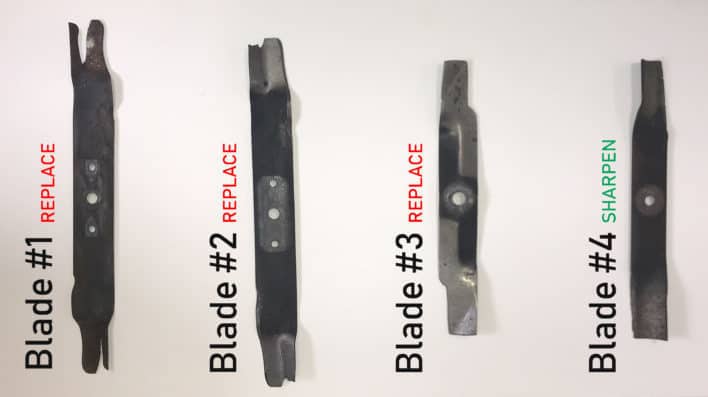
Quick answer: How long do lawn mower blades last?
Most lawn mower blades last 25 to 50 hours of mowing, or about one to three seasons for a typical home yard. Sharpen the blade every 20 to 25 hours, or at least once per season. Replace it sooner if it is cracked, bent, deeply chipped, badly rusted, too thin, or impossible to balance. A blade used on a rocky or sandy lawn may need replacement much sooner.

A small, smooth suburban lawn may let a blade last for years. A large lot with hidden stones may wear one out in a single season. The mower type also matters. A riding mower with two or three blades may need more frequent inspection because it covers more ground and may strike more debris.
The best rule is simple: inspect the blade often, sharpen it when it is dull, and replace it when its shape or strength is in doubt.
What affects mower blade lifespan?
Blade life depends on the yard, the blade metal, mowing habits, and storage. The same blade can last several seasons in a clean, level yard but fail early in a rough field or neglected lot.

Grass, soil, and hidden debris
Grass itself does not usually damage a blade quickly. Soil, gravel, sticks, roots, wire, toys, and sprinkler heads cause more harm. Even a small stone can nick the cutting edge. Repeated impacts can also bend the blade or create a crack near the center hole.
Sandy soil is hard on mower blades. Fine sand acts like sandpaper and wears away the edge each time the mower passes over it. Dry grass and dusty conditions can speed up this wear. Wet grass may not dull steel as fast, but it sticks under the deck and can cause rust if the mower is stored dirty.
Mowing frequency and cutting height
A mower used twice a week will naturally wear its blade faster than one used every 10 days. Fast spring growth can add many hours of use. A blade also works harder when the grass is tall, wet, thick, or lodged.
Do not remove more than one-third of the grass blade in one cut. This turfgrass rule helps the lawn, but it also reduces strain on the mower. Raise the mowing height during drought or heat. The right mowing height varies by grass type, so check local turf guidance or your county extension service.
Blade quality and mower design
A stamped blade is formed from sheet steel. It is common on many residential mowers and can work well for normal use. A thicker or forged blade may resist bending better, but it can cost more and may still crack after a severe impact.
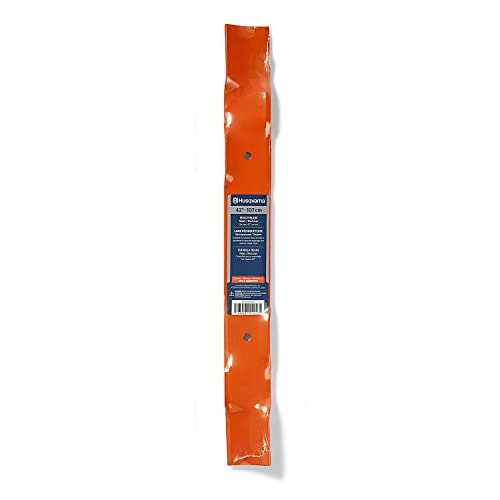
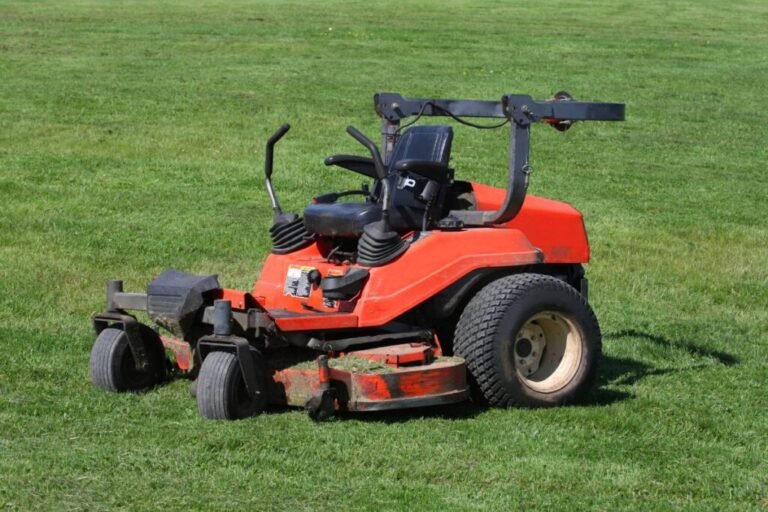
Push mowers and self-propelled mowers often use one blade. Riding mowers and zero-turn mowers may use two or three blades. Robotic mowers use smaller blades that may need more frequent replacement, depending on the model. Always match the blade length, center hole, side holes, lift design, and part number to the mower manual.
| Yard condition | Likely effect on blade life | Good response |
|---|---|---|
| Small, level yard with few obstacles | Blade may last several seasons | Inspect and sharpen once or twice each season |
| Sandy soil or dry, dusty lawn | Edge wears faster | Check the edge often and clean the deck |
| Rocky lot, sticks, roots, or rough ground | Nicks, bends, and cracks are more likely | Walk the yard first and inspect after impacts |
| Wet or thick grass | More deck buildup and load | Mow when grass is dry and avoid cutting too low |
| Large yard with frequent mowing | More total wear | Track mowing hours and keep a spare blade |
The main takeaway is that hours of use matter more than the calendar alone. A blade may look fine after one year, while a heavily used blade may be unsafe after a few months.
Signs it is time to replace your mower blade
The clearest signs include cracks, bends, severe chips, a thin cutting edge, poor balance, and repeated vibration. A dull edge alone usually calls for sharpening, not replacement.
The blade is bent
A bent blade can cause vibration, uneven cutting, and stripes of uncut grass. It may also damage the blade adapter, spindle, deck, or engine crankshaft. Do not try to hammer a mower blade straight and return it to service. Heat and bending can weaken the steel.
Replace a blade that is visibly bent. If the mower began vibrating after hitting a rock, stop the engine, disconnect the spark plug wire or remove the battery, and inspect the blade before using the mower again.
The blade has a crack
Never use a cracked mower blade. A crack can spread at high speed and allow part of the blade to break free. Inspect both the cutting edge and the center area around the mounting hole. Rust can hide a small crack, so clean the blade before inspection.
A cracked blade is not a sharpening problem. Replace it with the correct part.
The blade has deep chips or missing metal
Small nicks can often be removed during sharpening. Deep chips are different. If a large piece of the cutting edge is missing, the blade may no longer balance or retain enough metal.
Do not grind away half the blade to create a new edge. The blade needs its original shape and weight. A badly chipped blade should be replaced.
The blade is too thin
Every sharpening removes a small amount of metal. Over many sharpenings, the cutting edge can become thin and fragile. The rear portion of the blade can also wear from sand and corrosion.
Compare the worn blade with a new blade of the same type if you are unsure. Do not use a blade that has become narrow, deeply pitted, or paper-thin along the edge.
The mower vibrates or shakes
Vibration may come from a bent blade, an unbalanced blade, loose mounting hardware, a damaged blade adapter, or a worn spindle. It is not normal and should not be ignored.
Stop mowing and inspect the entire cutting system. If a new, balanced blade still vibrates, have a repair shop inspect the mower.
The grass looks torn or ragged
Ragged grass tips often point to a dull blade. The cut ends may look white, brown, or shredded a day after mowing. This can increase water loss and make the lawn look uneven.
Ragged tips can also result from mowing wet grass, mowing too fast, or using a deck with heavy buildup. Sharpen the blade and clean the deck before assuming the blade must be replaced.
| Symptom | Most likely cause | Recommended action |
|---|---|---|
| Ragged or torn grass tips | Dull blade or wet mowing | Sharpen the blade and mow dry grass |
| Strong vibration | Bent or unbalanced blade | Stop mowing and inspect or replace |
| One strip of grass remains | Dull, bent, or wrong blade | Check blade shape, balance, and part number |
| Clunk after hitting an object | Blade, adapter, or spindle damage | Disconnect power and inspect before use |
| Blade will not balance | Uneven sharpening or damaged metal | Replace the blade |
| Rust spots only | Surface rust | Clean, dry, and inspect closely |
| Cracks or deep pits | Structural damage | Replace immediately |
A mower does not need to sound rough to have a dangerous blade. Visual inspection and balance checks are more reliable than noise alone.
Sharpening versus replacing a lawn mower blade
Sharpen a blade when it is dull but straight, intact, and thick enough to hold an edge. Replace it when the steel is damaged or the blade cannot be balanced.
When sharpening is the right choice
Sharpening is suitable when the blade has light nicks, a rounded edge, or normal wear. Most homeowners can sharpen a blade once or twice each season with a file, bench grinder, or angle grinder. A repair shop can also sharpen it for a modest service fee.
The goal is not a razor edge. A mower blade needs a durable bevel that can handle grass and small bits of debris. An overly thin edge may become dull faster.
When replacement is safer
Replacement is the safer choice when the blade has:
- A crack of any size
- A visible bend or twist
- Deep chips
- Severe rust or pitting
- A worn center hole
- Missing lift wings
- Excessive thinning
- A balance problem after sharpening
The lift wings are the raised parts that help move grass through the deck. If they are damaged, the blade may not mulch, side-discharge, or fill the grass catcher correctly.
Is a more expensive blade worth it?
A higher-priced blade can be worthwhile for a large yard, rough conditions, or a mower that sees heavy use. It is not automatically better for every homeowner. A standard replacement blade may be the better choice for a small, level yard and a budget push mower.
Never choose a blade only because it fits the bolt. Confirm the exact mower model, deck size, blade length, center hole, side holes, rotation direction, and manufacturer part number.
| Blade condition | Sharpen it? | Replace it? |
|---|---|---|
| Slightly dull with no damage | Yes | No |
| Small nicks in the edge | Usually | Not unless severe |
| Bent after hitting a rock | No | Yes |
| Cracked near the center hole | No | Yes |
| Surface rust with solid metal | Yes, after cleaning | Not usually |
| Deep rust or thin metal | No | Yes |
| Cannot balance after sharpening | No | Yes |
A sharp, balanced old blade is safer than a poorly fitted “universal” blade. Fit and condition matter more than price.
How to inspect a mower blade safely
Inspect the blade before the first spring mowing, after hitting an object, and whenever the mower vibrates or cuts poorly. The exact service steps differ by mower, so the owner’s manual comes first.
Safety steps before lifting the mower
Wear safety glasses, work gloves, and closed-toe shoes. Keep children and pets away. Work on a flat, dry surface with good light.
For a gas mower, disconnect the spark plug wire and secure it away from the plug. For a battery mower, remove the battery and keep it away from the mower. Never rely only on the ignition switch. On some models, tilting the mower the wrong way can let oil enter the air filter or muffler, so follow the manual.
⚠️ Safety Warning: Never put a hand under a mower deck while the blade can move. Disconnect the spark plug or remove the battery before touching the blade, cleaning grass, or checking the spindle.
What to look for
Clean packed grass from the underside with a plastic scraper or brush. Do not use bare hands. Look for bends, cracks, deep chips, thinning, loose hardware, and a damaged blade adapter.
Check the deck too. A dented deck can alter blade clearance. A damaged spindle can create vibration even with a new blade.
How to check balance
After removing and cleaning the blade, place its center hole on a blade balancer or a sturdy nail fixed level in a wall. The blade should rest level. If one side drops, remove a small amount of metal from the heavier side, keeping both cutting angles similar.
A blade balancer is more precise than balancing the blade on a screwdriver. If the blade has major wear or needs a large amount of grinding, replace it.
| Item | Why it matters | Basic advice |
|---|---|---|
| Safety glasses | Protect eyes from rust and metal | Wear them during removal and sharpening |
| Work gloves | Protect hands from sharp edges | Handle the blade by its center |
| Blade balancer | Shows uneven weight | Use after sharpening |
| Torque wrench | Helps set mounting tension | Follow the mower manual |
| File or grinder | Restores the cutting edge | Keep the factory bevel |
| Plastic scraper | Removes deck buildup | Avoid hands and sharp tools |
The key takeaway is to inspect the blade as a system. The blade, adapter, spindle, bolt, and deck all affect safe operation.
How to sharpen a lawn mower blade
A file offers the most control for beginners. A bench grinder or angle grinder is faster, but it can remove too much metal and heat the blade if used carelessly.
Sharpening with a hand file
Remove the blade and secure it in a vise. Follow the original bevel on the cutting edge. Push the file in one direction rather than rubbing it back and forth. Make a similar number of strokes on each side.
Remove only enough metal to create a clean edge. Do not sharpen the back edge unless the manual shows a special design. Some blades have a specific cutting direction, so note how the blade was installed.
Sharpening with a grinder
Use eye protection and keep sparks away from fuel, dry leaves, and other flammable items. Touch the blade to the wheel in short passes. Dip the blade in water if it becomes hot, but do not quench a glowing blade suddenly.
Blue or dark heat marks mean the steel may have been overheated. A badly overheated blade should be replaced, especially if it has lost its original temper.
Setting the correct blade angle
Many mower blades use a bevel near 30 degrees, but designs vary. The owner’s manual or the old edge is the best guide. Matching the original bevel is more important than chasing an exact number.
Do not turn the blade into a knife edge. A slightly durable edge stays useful longer and is less likely to roll after contact with grass and light debris.
Balancing after sharpening
Always balance the blade after sharpening. If one side is heavier, remove small amounts from the cutting edge or another approved area. Do not drill holes or grind away the lift wing to correct balance.
Reinstall the blade with the correct side facing the deck. Many blades are marked “bottom,” “grass side,” or “this side up.” Tighten the bolt to the manual’s specification.
💡 Pro Tip: Mark the grass-facing side with chalk before removing the blade. This small step helps prevent an upside-down installation, which can cause poor cutting and unsafe operation.
Mower blade maintenance tools by budget
You do not need a full workshop to maintain a mower blade. A few basic tools can cover inspection, cleaning, sharpening, and balance checks.
| Budget level | Useful tools | Best for |
|---|---|---|
| Basic | Gloves, safety glasses, file, plastic scraper | Small yards and first-time owners |
| Mid-range | Vise, blade balancer, torque wrench, wire brush | DIY homeowners who service blades each season |
| Workshop | Bench grinder, impact driver, lift or service stand | Large yards and frequent mower use |
A file is slow but forgiving. A grinder saves time but demands more care. A lift can help with riding and zero-turn mowers, but it must be rated for the mower’s weight and used on a stable surface.
For gift buyers, a blade balancer, safety glasses, gloves, and a manual file make a practical care kit for a new homeowner or senior who still performs light yard work. Avoid buying a replacement blade without the exact mower model.
Mower types and typical blade life
The mower type changes the workload, blade count, service access, and cost of replacement. The best setup for a small yard may not suit a large or hilly property.
| Mower type | Typical blade setup | Who it suits |
|---|---|---|
| Push mower | One blade, often 18–22 inches | Small, level yards and budget buyers |
| Self-propelled mower | One blade, often wider than a basic push model | Medium yards or users who want less pushing |
| Riding mower | Two or three blades under a wide deck | Larger lots with open mowing areas |
| Zero-turn mower | Two or three high-speed blades | Large, open yards where fast turning helps |
| Robotic mower | Small replaceable blades | Maintained lawns with clear boundaries |
| Reel mower | Cylindrical reel and bed knife | Small, level lawns with frequent mowing |
Push and self-propelled mower blades are usually easy to remove. Riding mower blades may require a lift, block, or service tool. Zero-turn blades spin at high speed, so inspection and torque checks deserve extra care.
A reel mower does not use a standard rotary blade. Its reel and bed knife need alignment and sharpening. Do not order a rotary blade for a reel mower.
A simple lawn mower blade maintenance schedule
A short inspection routine prevents many blade problems. Tie the schedule to mowing hours as well as the season.
| Timing | Maintenance task | Reason |
|---|---|---|
| Before each mowing session | Walk the yard and remove toys, stones, wire, and sticks | Prevents impact damage |
| Every 5–10 hours | Check for vibration, ragged cuts, and deck buildup | Finds problems early |
| Every 20–25 hours | Remove, clean, sharpen, and balance the blade | Restores cutting performance |
| After hitting an object | Stop, disconnect power, and inspect | Prevents hidden damage |
| End of season | Clean, dry, inspect, and store properly | Limits rust and corrosion |
| Start of season | Check blade, bolt, adapter, and deck | Prepares the mower for safe use |
The exact schedule depends on the manual and the yard. A mower used in sandy soil may need attention more often than the table suggests.
Spring maintenance
Inspect the blade before the first major growth flush. Remove rust, check the blade bolt, and look for damage from winter storage. Replace the blade if it was left wet or exposed to road salt.
Check the air filter, spark plug, oil, battery, and drive belt as well. Blade problems often appear alongside other seasonal service needs.
Summer maintenance
Heat and drought can stress both turfgrass and equipment. Raise the mowing height when local grass guidance supports it. Avoid cutting severely wilted grass too short.
Mow when the grass is dry. If the lawn is very tall, make two passes rather than forcing the mower to cut everything at once. This can reduce engine load and improve discharge.
Fall maintenance
Leaves can hide sticks, stones, and edging debris. Do not treat a mower as a leaf vacuum unless the manual and setup support that use. A mulching kit chops clippings and leaves into smaller pieces, while a grass catcher collects material for removal.
Inspect the blade more often during leaf season. Wet leaves can pack under the deck and encourage rust.
Winter storage
Clean the deck, dry the blade, and store the mower in a dry garage or shed. Do not wrap a damp mower in plastic. Moisture trapped inside can accelerate corrosion.
For gas mowers, follow the manual for fuel storage. Some engines call for draining fuel, while others use fresh fuel with fuel stabilizer. Never store gasoline in an unapproved container or near a heat source. Battery mowers should be stored with the battery at the charge level recommended by the manufacturer.
🌿 Eco or Disposal Note: Recycle lithium-ion mower batteries through a designated battery drop-off. Take old gasoline and oil to a household hazardous-waste site. Usable mowers can often be donated, sold, or recycled through a local program.
How to replace a lawn mower blade
Blade replacement is a manageable DIY task for many push mower owners. Riding mower and zero-turn owners may need a lift or a repair shop if access is difficult.
Tools and preparation
Gather the replacement blade, gloves, safety glasses, a socket or wrench, a block of wood, a torque wrench if available, and the mower manual. Confirm the replacement part number before opening the package.
Measure the old blade only as a reference. The manual and mower model are more reliable because two blades can share a length but use different center holes or lift designs.
Numbered replacement steps
- Move the mower to a flat surface. Turn off the engine and remove the key if it has one.
- Disconnect the power source. Remove the battery from an electric mower. Disconnect the spark plug wire on a gas mower.
- Prevent blade movement. Use a wood block, not your hand, to hold the blade.
- Loosen the blade bolt. Turn the wrench in the correct direction. Some models use reverse threads, so check the manual.
- Remove and inspect the hardware. Check the bolt, washer, adapter, and spindle for damage.
- Install the new blade correctly. Point the cutting edge in the rotation direction and place the marked side toward the deck as directed.
- Tighten the bolt. Use the manual’s torque specification. Do not guess if a torque value is provided.
- Reconnect power and test briefly. Keep people and pets away. Stop at once if there is vibration or unusual noise.
Do not install a blade that is longer than the deck allows. The blade must clear the deck walls and other parts throughout its rotation.
After the replacement
Mow a small area and check the grass. Listen for vibration, scraping, or knocking. Shut down and inspect again if anything feels unusual.
A new blade does not fix every cutting issue. The deck may be clogged, the wheels may be set at different heights, or the mower may have a damaged spindle.
Common mower blade mistakes
Most blade failures come from rushed service, poor storage, or the wrong replacement part. Avoiding a few simple errors can save money and reduce risk.
Using a universal blade without checking fit
A blade may look close enough but still have the wrong center hole, lift shape, width, or rotation direction. Use the mower model and manual to verify compatibility. Ask a hardware or outdoor power equipment store to cross-check the part number.
Sharpening unevenly
Removing too much metal from one side causes imbalance. This can lead to vibration and stress on the spindle. Use a balancer after every sharpening.
Mowing over objects
A mower should not be used to clear sticks, toys, wire, stones, or construction debris. Walk the yard first, especially if children use the space or if the property has recently had landscaping work.
Cleaning with a pressure washer
A pressure washer can force water into bearings, electrical parts, and engine areas. It may also drive grit deeper into the deck. A plastic scraper, brush, and low-pressure rinse are safer choices when the manual permits water cleaning.
Storing the mower dirty
Grass clippings hold moisture against the blade and deck. Clean the underside after the mower cools. Dry the mower before putting it away.
Forgetting neighboring equipment
A string trimmer, edger, and leaf blower may make the lawn look finished, but they do not replace a sharp mower blade. The mower still needs its own inspection schedule.
Ignoring noise rules
Gas mowers can be loud, and some communities limit outdoor equipment hours. Electric and battery mowers may reduce noise, but they still produce sound. Check city rules, rental rules, and HOA restrictions before changing equipment or mowing early.
Blade care for different yard types
The right maintenance plan depends on lot size, slope, grass, and the person using the mower. A small flat yard needs less equipment than a large hilly lawn.
| Yard or user | Blade care advice | Mower considerations |
|---|---|---|
| Small flat yard | Inspect monthly and sharpen once or twice a season | Push, reel, corded, or battery mower may fit |
| Medium yard | Track mowing hours and keep a spare blade | Self-propelled or battery mower can reduce effort |
| Hilly lawn | Inspect after impacts and keep the blade balanced | Use a mower rated for slopes; never mow wet slopes |
| Large open lot | Service all blades as a set when needed | Riding or zero-turn mower may save time |
| Senior user or gift recipient | Choose easy service access and clear safety controls | Avoid heavy equipment without help or training |
| Rocky or rough property | Expect shorter blade life and frequent inspections | Consider yard cleanup before every mowing session |
Seniors and first-time homeowners may benefit from a lightweight battery push mower for a small, level yard, but weight and battery cost still matter. A self-propelled mower can help on a medium yard, yet it may be harder to control on slopes.
For a large lot, a riding mower or zero-turn mower may reduce walking time. However, these machines cost more, need more storage space, and have more blades, belts, tires, and spindles to maintain.
Gas, electric, and robotic mower blade care
The cutting edge still needs care no matter what powers the mower. The main difference is how you disconnect power and how often the mower runs.
Gas mowers
Gas mowers often use a spark plug, air filter, engine oil, and fuel system. Disconnect the spark plug wire before blade service. Never refuel a hot engine, and store fuel only as local rules and the manual allow.
Gas engines can handle dense grass well when maintained, but they create exhaust and more noise. Some cities or HOAs may limit gas equipment.
Battery and corded electric mowers
Battery mowers are usually quieter and avoid fuel storage. Remove the battery before servicing. Keep spare batteries dry and use only the charger approved for the system.
Corded mowers can suit very small yards, but the cable must remain clear of the blade and wheels. They are not a good fit for yards where the cord cannot reach safely.
Robotic mowers
Robotic mowers use small cutting blades and often run many short sessions. Their blades may need replacement more often than a traditional mower, depending on the model and schedule.
Follow the manufacturer’s instructions for turning off the mower and isolating its charging station. Keep pets, children, and loose objects away during operation. A robotic mower also needs a clear lawn, boundary setup, and secure storage for the control equipment.
Is sharpening mower blades worth the money?
Sharpening is usually worth it for a straight, solid blade. It costs less than repeated replacement and can restore a clean cut. Replacement is worth the money when damage affects safety, balance, or blade strength.
A first-time homeowner with a small yard may prefer a repair shop. This avoids buying a grinder and removes the risk of overheating or uneven sharpening. A DIYer with a large lot may save time by keeping a file, balancer, and spare blades on hand.
Gift buyers should focus on safe, useful tools rather than guessing at a blade size. A service voucher, blade balancer, work gloves, and safety glasses can suit a new homeowner better than a random replacement blade.
A blade is not the place to chase the lowest price. But an expensive blade is not always needed. Match the part to the mower, yard, and service plan.
When to call a mower repair professional
Call a repair shop when the blade problem may involve the engine, spindle, deck, or electrical system. Professional help is also wise when safe lifting is difficult.
Seek service if:
- The mower still vibrates with a new, balanced blade.
- The blade bolt will not loosen or appears damaged.
- The spindle has side-to-side movement.
- The deck is cracked or badly bent.
- The engine crankshaft may be bent.
- A riding mower cannot be lifted safely.
- You are unsure how to disconnect the battery or spark plug.
- The mower has an electrical fault or burning smell.
A professional can check blade balance, spindle runout, deck damage, and engine alignment. Spending on diagnosis may prevent a larger repair later.
Frequently asked questions
Q: How often should I sharpen my lawn mower blade?
A: Sharpen the blade about every 20 to 25 mowing hours, or at least once each season. Sharpen sooner if the grass looks ragged, the mower hits debris, or the yard has sandy soil.
Q: Can a mower blade last five years?
A: It can, but only if the mower sees light use and the blade remains straight, thick, balanced, and free of cracks. Calendar age matters less than mowing hours and blade condition.
Q: Is a dull mower blade dangerous?
A: A dull blade may not be immediately dangerous, but it can increase engine load, create vibration, and produce poor cuts. A bent, cracked, or badly damaged blade is a direct safety concern and should be replaced.
Q: Can I sharpen a mower blade without removing it?
A: Removing the blade is safer and allows proper cleaning and balance checks. Follow the manual. Never place hands under the deck while the blade is connected to the engine or battery.
Q: How sharp should a mower blade be?
A: It should have a clean, durable cutting edge, not a razor edge. Follow the original bevel and avoid grinding away excessive metal.
Q: Should I replace both blades on a riding mower?
A: Replace both or all blades when they are worn as a set, especially if they have similar hours. If only one blade is damaged, compare condition, part number, balance, and manufacturer guidance before deciding.
Q: Can I use a mulching blade as a regular blade?
A: Only if the mower and deck are designed for it. Mulching blades have a different lift and cutting shape. Confirm compatibility with the manual.
Q: Why does my mower leave a strip of grass?
A: Possible causes include a dull or bent blade, an uneven deck, different wheel heights, an overloaded deck, or mowing too fast. Inspect the blade and deck before replacing parts.
Q: Can I mow wet grass with a sharp blade?
A: It is better to wait. Wet grass can clump under the deck, create an uneven cut, and make slopes slippery. Never mow wet grass on a slope.
Q: What should I do with an old mower blade?
A: Wrap it safely and follow local metal recycling or disposal rules. Do not leave a loose blade where children, pets, or waste workers can contact it.
Q: Are electric mower blades different from gas mower blades?
A: The blade shape is not determined only by the power source. Electric and gas mowers may use different blade sizes, mounting holes, and lift designs. Verify the exact mower model.
Q: How do I know if my mower blade is upside down?
A: Many blades have markings such as “bottom,” “grass side,” or “this side up.” The manual is the final authority. An upside-down blade may cut poorly and fail to move clippings correctly.
Q: What is the best mower blade for a small yard?
A: For a small, level yard, the best blade is the correct original-style replacement for the mower you already own. A standard blade may suit a budget push mower, while a reel mower uses a different cutting system.
Q: What mower is best for hills?
A: Choose a mower rated for the slope and suited to your strength and yard size. A self-propelled mower may help on moderate slopes, but never mow wet hills. For steep or unsafe terrain, hire a professional.
Final advice for longer-lasting mower blades
A mower blade can last for years when it is used on a clean yard, sharpened with care, kept balanced, and stored dry. It can fail quickly when it hits rocks, runs through sand, stays wet, or is forced through tall grass.
Inspect before mowing. Disconnect the spark plug or remove the battery before service. Sharpen a sound blade, but replace any blade that is cracked, bent, deeply chipped, badly rusted, too thin, or impossible to balance. Confirm the part number and fit before buying.
For a small yard, a simple file and seasonal inspection may be all you need. For a large lot, hilly property, or riding mower, keep better records and consider professional service when access or lifting is unsafe. The right blade care plan is the one that fits your yard, mower, budget, storage space, and comfort level.
Affiliate disclosure: This article may contain affiliate links. If you buy through one of these links, we may earn a commission at no extra cost to you. Product features, prices, compatibility, and availability can change, so confirm current details on the manufacturer’s product page and in your mower’s owner’s manual.


4 Comments