How Much Horsepower Does A Lawn Mower Have: Engine Guide
Horsepower tells you how much work a lawn mower engine can do, but it is not the only measure of mowing power. A typical walk-behind mower has about 3.5 to 7.5 horsepower (HP). Riding mowers often range from 14 to 25 HP, while zero-turn mowers may use engines from 18 to more than 35 HP. Battery mowers do not use horsepower ratings, so voltage, amp-hours, motor design, and blade speed matter more.
The right power level depends on your yard. A small, flat lawn may need only a light push mower. A large yard, thick turf, steep slope, or frequent wet grass may call for more torque, wider cutting width, self-propelled drive, or a riding mower. More horsepower can help, but it also often means more fuel use, noise, weight, cost, and maintenance.
This complete guide explains lawn mower horsepower, engine size, torque, electric mower ratings, mower types, yard size, hills, grass conditions, and buying mistakes. It is written for first-time homeowners, experienced DIY users, and family members shopping for a senior or new homeowner.
Quick answer: How much horsepower does a lawn mower have?
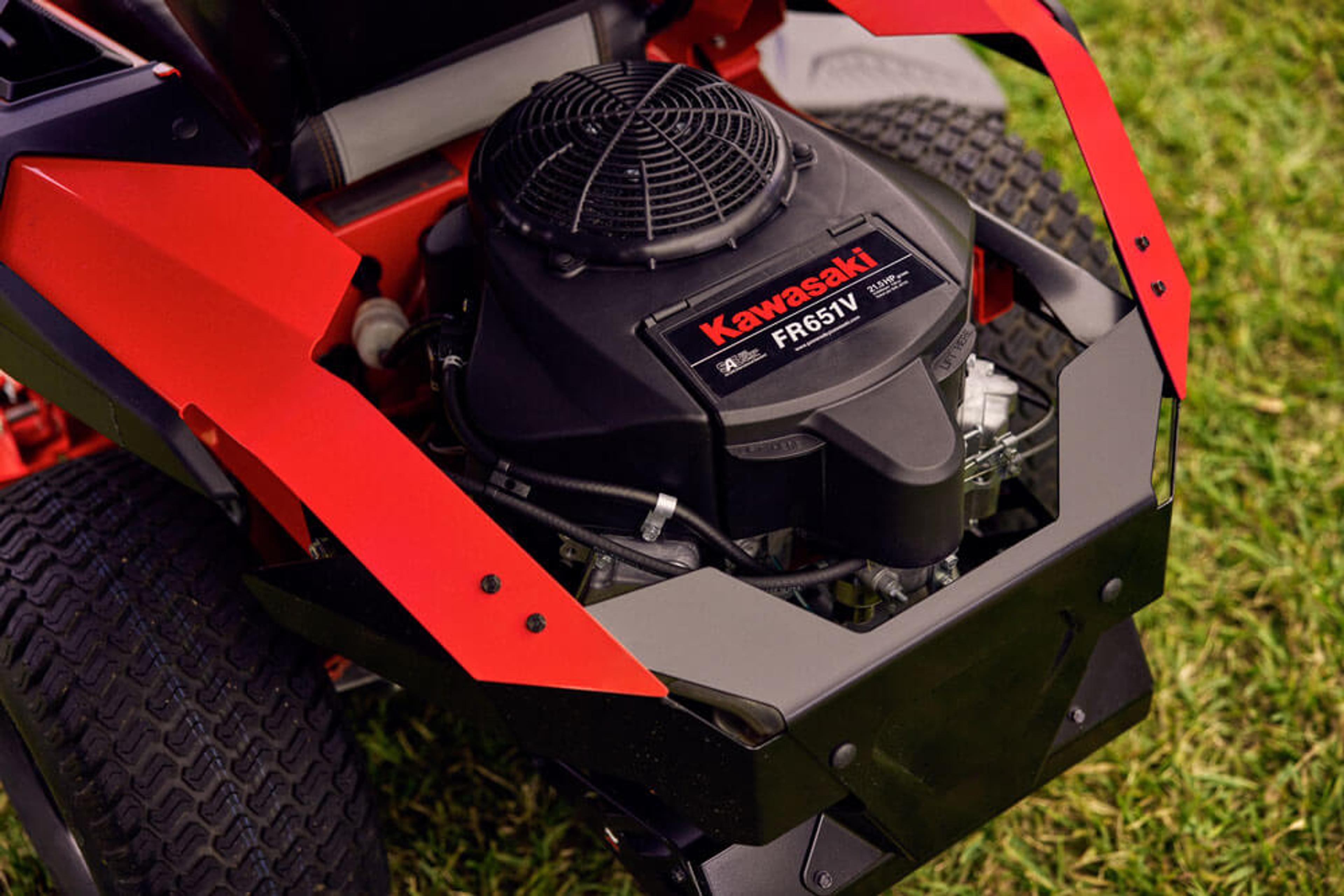
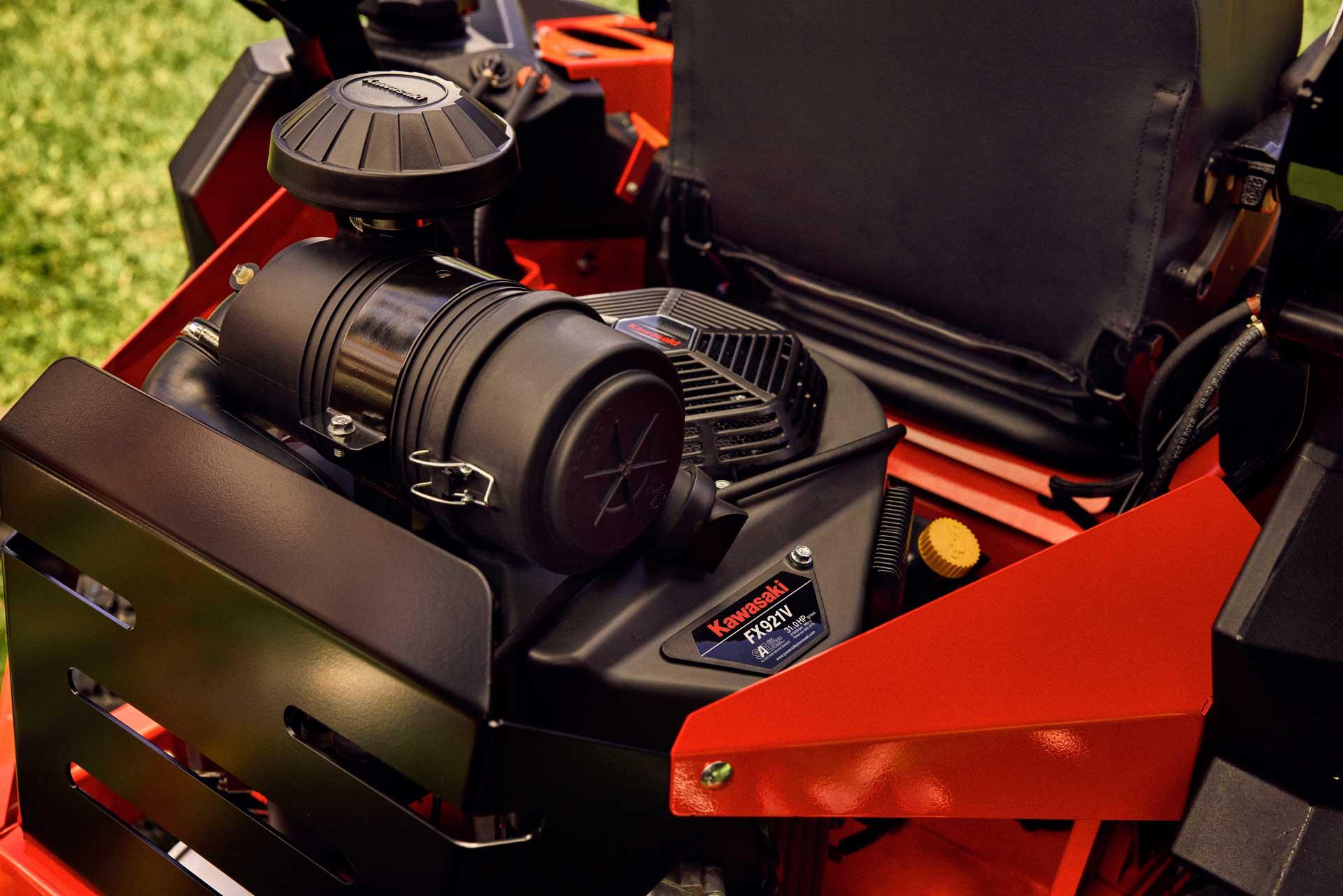
A gas push mower usually has 3.5 to 7.5 HP. Self-propelled walk-behind mowers commonly fall near 4.5 to 8 HP. Riding mowers often use 14 to 25 HP, and zero-turn mowers may use 18 to 35 HP or more. Electric mowers do not have a direct HP rating, so compare voltage, amp-hours, cutting width, blade speed, and the maker’s recommended lawn size.
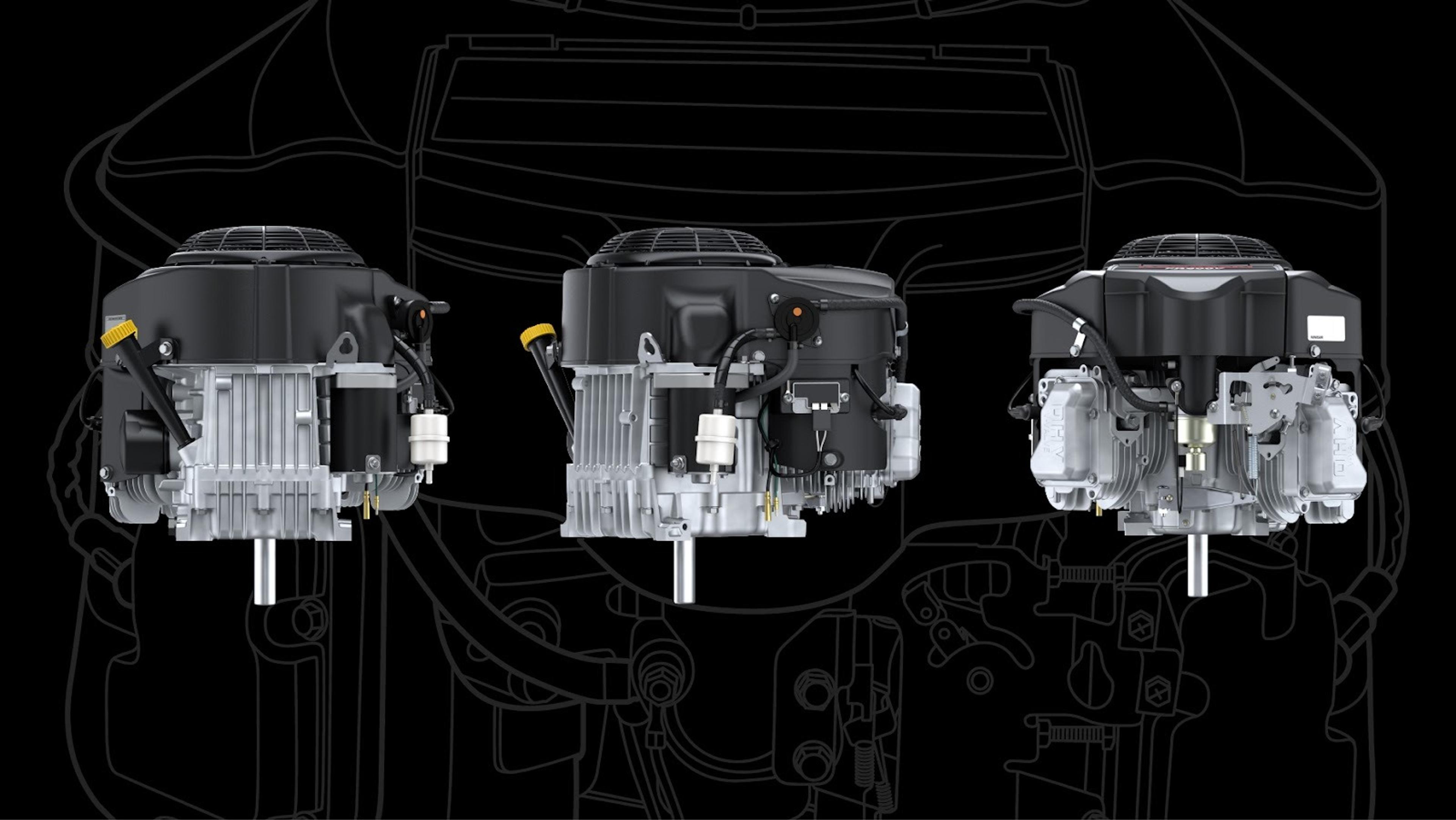
A mower with more horsepower is not always the better choice. A sharp blade, clean air filter, correct mowing height, good deck design, and enough torque can matter just as much. The best mower has enough power to keep its blade turning in your grass without forcing you to pay for capacity your yard does not need.
Horsepower, torque, and engine size explained
Horsepower measures the rate at which an engine can do work. In simple terms, it describes how much power the engine can produce over time. Torque is the turning force at the blade or drive system. A mower needs both.
Torque helps the blade keep turning when it meets thick grass, damp leaves, or heavy weeds. Horsepower helps the engine maintain that work for longer periods. This is why two engines with similar horsepower can feel different in real use.

What does cc mean on a mower?
The term cc means cubic centimeters. It measures engine displacement, or the total volume inside the engine cylinders. A larger engine often has more potential power, but cc does not equal horsepower in a fixed way.
For example, one 160 cc engine may produce a different amount of usable power from another 160 cc engine. Valve design, compression, tuning, governor settings, cooling, and the manufacturer’s rating method all affect the result.
As a broad guide, many walk-behind mower engines sit between about 125 cc and 224 cc. Always check the maker’s published horsepower or gross torque rating instead of converting cc into an exact HP number.
Gross horsepower and net horsepower
Older mower listings often used gross horsepower. This figure measures the engine in controlled conditions before the mower’s blade, cooling fan, and other parts add load.
Net horsepower is measured with more equipment attached. It may better reflect the power available during real use. However, brands do not always present figures in the same way.
When comparing two mowers, use the same type of rating if possible. If one listing gives gross horsepower and another gives net horsepower, the numbers are not a direct comparison.
Why torque ratings can be useful
Some modern mower engines promote gross torque instead of horsepower. Torque is often a useful figure for a mower because the blade must keep turning through grass.
Do not compare a torque number and a horsepower number as if they were the same unit. Instead, look at the whole mower. Consider the deck, blade design, engine size, drive system, warranty, replacement parts, and user reviews from people with similar yards.
Typical horsepower by mower type
The mower’s design has a major effect on its power needs. A lightweight reel mower does not need an engine at all, while a wide zero-turn mower must drive two wheels and spin large blades.
The ranges below are general guides, not fixed rules. Manufacturers may rate similar machines in different ways. Confirm the exact specification on the product page and in the owner’s manual.
| Mower type | Common power range | Best fit |
|---|---|---|
| Manual reel mower | No engine | Small, flat lawns with short grass |
| Corded electric mower | No HP rating | Small yards near a safe outdoor outlet |
| Battery push mower | No direct HP rating | Small to medium lawns |
| Gas push mower | About 3.5–6 HP | Small to medium yards |
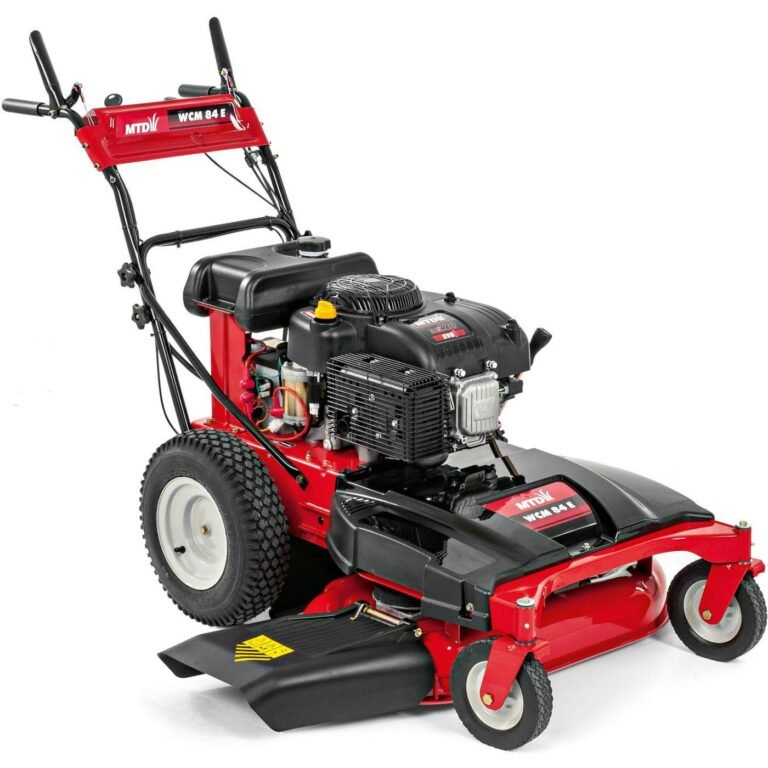
| Gas self-propelled mower | About 4.5–8 HP | Medium yards, slopes, or users needing drive help |
| Riding lawn mower | About 14–25 HP | Larger lawns with open mowing space |
| Zero-turn mower | About 18–35+ HP | Large yards, many turns, and fast mowing |
| Robotic mower | No direct HP rating | Maintained lawns within its mapped area |
The main takeaway is simple: horsepower rises with mower size and workload. A riding mower may have four or five times the horsepower of a push mower because it moves the machine, the operator, and a wider cutting deck.
How much horsepower do you need for your yard?
Most homeowners should choose power based on yard size, terrain, grass type, and mowing habits. A small flat lawn may not benefit from a large engine. A large yard with thick turf may punish an underpowered mower.
The best way to choose is to measure the lawn first. Check the total grass area, narrow gates, slopes, soft ground, storage space, and the time you want to spend mowing.

| Yard condition | Useful mower power approach | Mower types to consider |
|---|---|---|
| Under ¼ acre, flat and open | Light power is usually enough | Reel, corded, battery, or small gas push mower |
| ¼ to ½ acre, mostly flat | Moderate power and a 19–22-inch deck | Battery, gas push, or self-propelled mower |
| ½ to 1 acre | More endurance and drive assistance help | Strong self-propelled mower or riding mower |
| Over 1 acre | Prioritize speed, deck width, and comfort | Riding or zero-turn mower |
| Thick grass or frequent wet growth | Choose strong torque and avoid mowing wet turf | Gas or high-output battery mower |
| Hills or uneven ground | Prioritize control and traction over raw HP | Self-propelled mower or suitable riding mower |
Small yards
For a small yard, a 16- to 21-inch mower is often easier to store and turn. A battery mower can reduce fuel storage and may be quieter than a gas mower. A corded mower can work well if the lawn is close to an outdoor outlet and you can manage the cord safely.
A small gas mower with about 3.5 to 5.5 HP can also be a sensible choice. It may cost less than a high-end battery system, but it needs fuel, oil checks, air-filter service, spark-plug service, and winter storage.
A reel mower suits a small, flat lawn that is cut often. It needs no fuel or battery. It is less useful for tall grass, rough ground, weeds, or yards with sticks and pine cones.
Medium yards
Medium yards often benefit from a 19- to 22-inch deck. A self-propelled mower can reduce effort, especially when the lawn has a mild slope or the user has limited strength.
For thick cool-season grass, a gas mower in the 5 to 7 HP range may provide useful reserve power. A strong battery mower can also work well, but check the battery capacity and the maker’s stated coverage. Grass height, moisture, temperature, and blade condition can change runtime.
Large yards
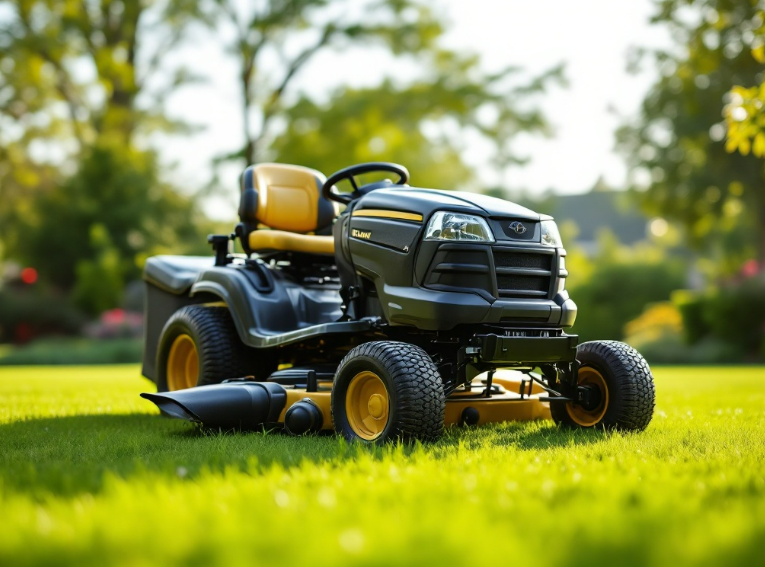
Once a lawn approaches half an acre or more, walking time becomes a major factor. A riding mower may be more comfortable and productive. Many lawn tractors use about 14 to 25 HP, while zero-turn mowers often use more.
Do not buy a riding mower based on horsepower alone. Check the deck width, turning radius, transmission, seat comfort, tire grip, service access, fuel tank, and storage needs. A very wide deck may save time in open areas but may not fit through your gate or around trees.
Hilly lawns
A hill creates two separate needs: engine power and safe control. More horsepower does not make an unsafe mower safe. A self-propelled walk-behind mower may offer better control on some slopes than a riding mower, depending on the terrain and the owner’s manual.
Never mow wet grass on a slope. Wet turf reduces traction, and a slip can quickly become a serious injury. Follow the slope limits in the manual. If the terrain is steep, rough, or hard to control, hire a lawn service rather than trying to solve the problem with a larger engine.
Gas mower horsepower compared with electric power
Gas and electric mowers use different rating systems. A gas mower is commonly described by horsepower, torque, or engine displacement. A battery mower is described by voltage, amp-hours, motor type, deck size, and expected coverage.
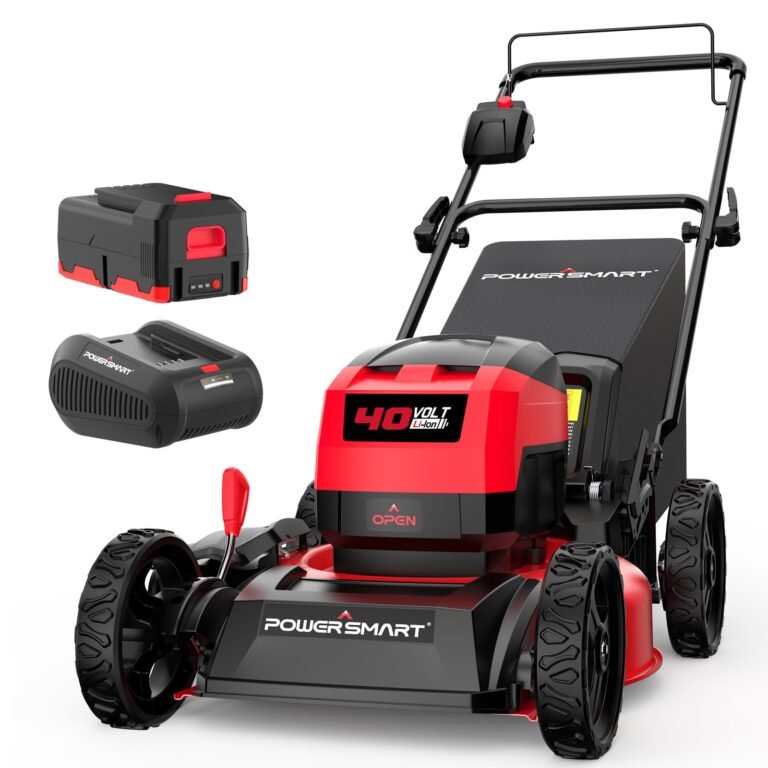
Voltage is electrical pressure. Amp-hours, written as Ah, describe battery capacity. A 40-volt battery with 5 Ah stores a different amount of energy from a 56-volt battery with 5 Ah. The simple watt-hour estimate is volts multiplied by amp-hours.
For example, 40 volts multiplied by 5 Ah equals about 200 watt-hours before real-world losses. This does not provide a direct horsepower conversion. Mowing load changes constantly, and the motor, controller, blade, grass, and battery temperature all affect performance.

| Power system | What to compare | Main limits |
|---|---|---|
| Gas engine | HP or torque, cc, deck, fuel tank, service parts | Noise, exhaust, fuel, oil, cold starts |
| Battery motor | Voltage, Ah, motor type, compatible batteries, coverage | Runtime, charging time, battery replacement cost |
| Corded motor | Motor wattage, cord length, deck, outlet rating | Cord management and distance from outlet |
| Manual reel | Cutting width, blade quality, adjustment range | Needs frequent mowing and flat ground |
Brushless versus brushed electric motors
A brushless motor uses electronic controls instead of traditional brushes to transfer power inside the motor. It can be efficient and may have less brush wear. A brushed motor can still perform well and may cost less.
The word brushless does not tell you the mower’s full cutting ability. Also check the blade, deck, battery system, drive wheels, and warranty. Confirm whether the battery and charger are included. Many tool-platform mowers are sold as bare tools.
Is a battery mower as powerful as a gas mower?
A battery mower can provide strong cutting power for many residential lawns, but the experience differs from gas. Battery systems may increase motor output when grass gets dense, then reduce output as the battery becomes depleted or hot.
A battery mower can suit a small or medium yard, a noise-sensitive neighborhood, or a user who wants less routine engine care. A gas mower may suit a large property, long mowing sessions, remote areas, or someone who already owns fuel and small-engine tools.
Neither system is automatically right for every user. Match the mower to the lawn rather than treating gas or electric as a universal answer.
Power needs by grass and mowing conditions
The same mower can feel strong in dry, short grass and weak in tall, wet grass. Turfgrass gains weight when wet, and a wet clump can block the deck. Tall grass also creates more resistance at the blade.
Warm-season grasses such as Bermuda, zoysia, and St. Augustine may grow thick during hot weather. Cool-season grasses such as tall fescue, Kentucky bluegrass, and perennial ryegrass may become dense during cooler seasons. Local climate and mowing height matter more than the grass name alone.

Wet grass
Avoid mowing wet grass when possible. It can clog the deck, leave clumps, stain surfaces, and reduce traction. It also increases the load on the engine or battery motor.
If you must mow after light moisture, raise the deck and cut slowly only when the ground is firm and the slope is safe. Never treat extra horsepower as a reason to mow unsafe or saturated turf.
Tall grass
A mower works best when you remove no more than about one-third of the grass blade at a time. Cutting much more can overload the mower and stress the turf.
For an overgrown lawn, raise the deck first. Make a second pass later at the normal height. Keep bystanders away because tall grass can hide stones, wire, toys, and other debris.
Mulching, bagging, and side discharge
Mulching means the mower cuts grass into small pieces and returns them to the lawn. Bagging sends clippings into a grass catcher. Side discharge throws clippings from the side of the deck.
Mulching can add organic matter to the lawn when the grass is cut on a regular schedule. Bagging may be useful when the lawn is overgrown or leaves are heavy. Side discharge can help with tall grass, but never direct clippings toward roads, pets, people, or windows.
A mulching kit can increase resistance because the clippings stay under the deck longer. A mower with limited power may bog down if the deck is full of wet material.
How horsepower affects mower performance
Horsepower can affect blade speed, forward travel, discharge, and the ability to recover after a heavy patch. It does not determine every part of the mowing experience.
The deck design controls airflow. The blade shape affects lift and discharge. A clean, sharp blade may make a modest engine feel more effective than a larger engine with a dull blade and clogged deck.
| Mower feature | Why it matters | What to check |
|---|---|---|
| Cutting width | Wider decks cover more ground per pass | Gate width, storage space, turning room |
| Mowing height | Protects turf and controls cut length | Adjustment range and easy height changes |
| Blade design | Affects cut, lift, and discharge | Correct replacement blade number |
| Drive system | Helps move the mower | Variable speed, wheel size, traction |
| Deck material | Affects weight and long-term wear | Steel, polymer, corrosion protection |
| Grass catcher | Holds clippings and leaves | Capacity, emptying method, fit |
| Engine cooling | Helps manage heat | Clear vents and clean deck underside |
Mower blade speed
Blade tip speed helps create a clean cut, but speed must stay within safety and design limits. A larger engine does not mean you should install a different blade or change the governor.
Use the blade specified by the manufacturer. A wrong blade can cause vibration, poor balance, deck damage, or injury. Disconnect the spark-plug wire or remove the battery before working near the blade.
Self-propelled drive
A self-propelled mower uses its engine or electric motor to turn the drive wheels. It can help on slopes, long lawns, and yards where pushing becomes tiring.
Self-propelled drive also adds weight, cost, belts, cables, gears, and parts that may wear. For a small flat lawn, it may be unnecessary. For a senior, a user with limited strength, or a yard with mild slopes, it can be a valuable comfort feature.
Zero-turn power
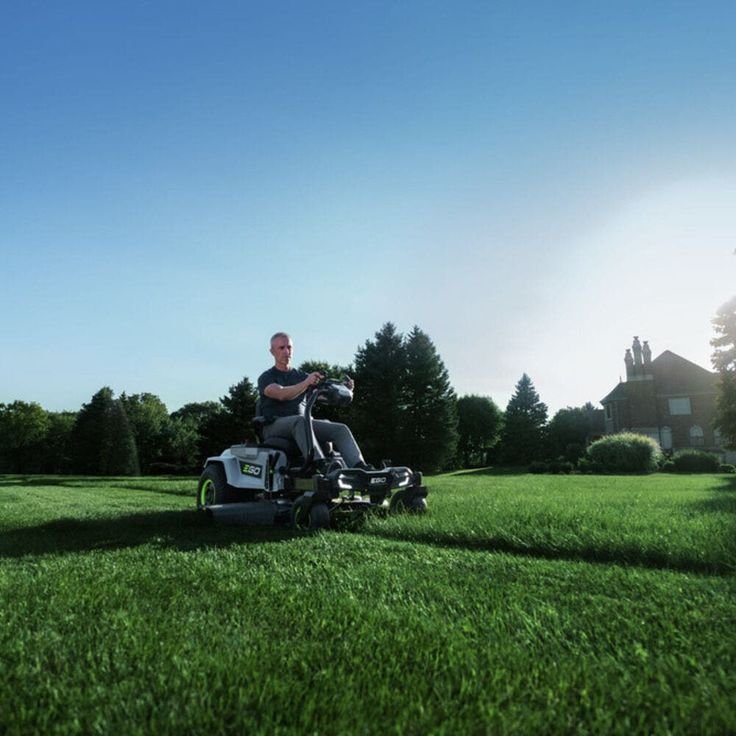
A zero-turn mower uses separate wheel controls to turn tightly. Many models have two or more blades and a wider deck. Extra horsepower helps move the heavier machine and maintain blade speed across a large area.
Zero-turn mowers suit large, open lawns with many obstacles. They may be a poor choice for steep slopes, narrow gates, rough ground, or a first-time user who has no space to practice. Read the slope guidance closely.
Mower power options and their trade-offs
Every power system has a reasonable use case. The right choice depends on noise, maintenance, storage, yard size, and local rules.
| Power option | Advantages | Drawbacks |
|---|---|---|
| Gas mower | Long run time and quick refueling | Noise, fumes, oil, fuel storage, engine service |
| Battery mower | Quieter use and no liquid fuel | Charging, runtime limits, battery cost |
| Corded mower | Low routine service and no battery | Cord can snag or limit reach |
| Reel mower | Quiet, simple, low operating cost | Needs frequent cuts and flat, clear turf |
| Robotic mower | Automated routine cutting | High purchase cost, setup, boundary planning |
Gas mowers may be useful where outlets are far away or mowing takes a long time. Battery mowers can be a thoughtful gift for a new homeowner who wants simple starting and less engine care. A reel mower can suit a careful gardener with a small lawn and time to mow often.
Robotic mowers can help maintain a compatible lawn on a set schedule. They still need blade changes, setup, boundary planning, and protection from theft and weather. Check local rules and the manufacturer’s safety guidance before installation.
What wears out first on a mower?
The parts that wear first are often the blade, drive belt, wheels, cables, battery, spark plug, air filter, and deck hardware. Heavy use, poor storage, wet grass, dust, and neglected service shorten part life.
A mower can last many years when it is cleaned, stored dry, serviced on schedule, and used within its design limits. There is no single answer to “how long does a mower last?” A light-use mower may outlast a commercial-looking machine that is overloaded every week.
Gas engine service
A gas mower may need:
- Fresh fuel
- Fuel stabilizer during storage
- Oil checks and oil changes
- Spark-plug inspection
- Air-filter cleaning or replacement
- Blade sharpening
- Cooling-fin and deck cleaning
Never refuel a hot engine. Store fuel only as local law allows, in an approved container, away from heat and ignition sources. Old gas and oil should go to a household hazardous-waste site, not onto soil or down a drain.
Battery mower service
Battery mowers need less mechanical service, but batteries are not permanent. Heat, deep discharge, freezing storage, and age can reduce capacity.
Use the correct charger. Store batteries in a dry place within the temperature range stated by the maker. Do not open, crush, burn, or place lithium-ion batteries in household trash. Take them to a designated battery recycling drop-off.
Cutting system service
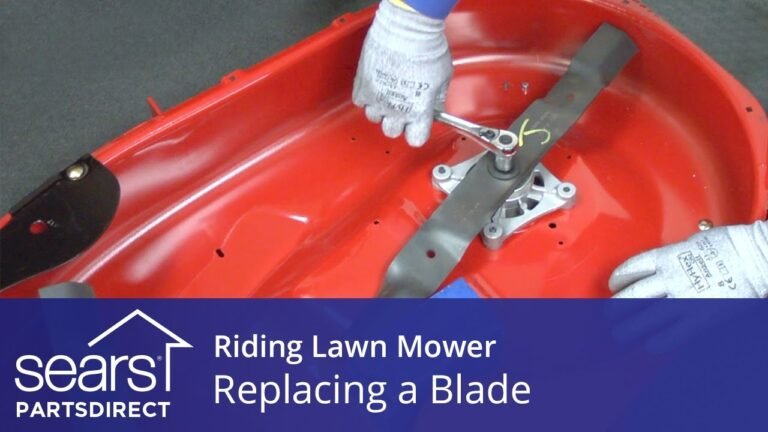
A dull blade can cause ragged cuts and increase load. Inspect the blade for bends, cracks, and missing metal. Balance it after sharpening, and replace it if damaged.
Also inspect the deck underside, wheels, height levers, grass catcher, drive belt, and control cable. Vibration is a warning sign. Stop the mower and inspect it rather than continuing to mow.
Price and value by power level
Mower prices change by season, brand, dealer, deck size, battery platform, and included accessories. Instead of using fixed prices, compare the total cost of ownership.
A low-cost mower may be a good fit for a small yard used once a week. A more expensive mower may be worthwhile if it saves time, reduces pushing effort, or shares batteries with tools you already own.
| Price tier | Usually includes | Best match |
|---|---|---|
| Entry level | Narrower deck, basic controls, fewer comfort features | Small, flat yards and light use |
| Mid-range | Better drive systems, stronger engines, larger batteries, improved adjustment | Medium yards and regular homeowners |
| Premium | Wider decks, stronger frames, advanced controls, better comfort or automation | Large yards, frequent use, or demanding terrain |
The cheapest mower is not always the least expensive over time. Check blade prices, battery replacement cost, belts, tires, spark plugs, service access, and warranty support.
Is a high-horsepower mower worth it?
It can be worth it when your yard is large, grass is thick, terrain is demanding, or mowing time matters. It is often not worth it for a small flat lawn where a light mower already handles the workload.
Extra power cannot correct a poor fit. A large mower that cannot pass through the gate or fit in the garage is money wasted. Measure before buying.
Common buyer mistakes
Many mower problems begin before the first cut. Buyers often focus on horsepower and forget the practical details that control daily use.
| Common mistake | Why it causes trouble | Better approach |
|---|---|---|
| Buying by HP alone | HP does not show deck, traction, or comfort | Compare the whole mower |
| Choosing too wide a deck | It may not fit gates or storage | Measure all access points |
| Ignoring slope limits | A powerful mower can still be unsafe | Read the manual and inspect terrain |
| Forgetting batteries or charger | Some electric tools are sold bare | Confirm what the box includes |
| Cutting wet or tall grass often | It increases load and clogging | Mow on schedule and adjust height |
| Storing fuel carelessly | It creates fire and legal risks | Follow local storage rules |
Buying for a senior
For a senior, low effort and control may matter more than maximum horsepower. A self-propelled mower with variable speed, easy height adjustment, large rear wheels, and clear controls can reduce strain.
A battery mower may be easier to start than a gas model. However, the user must be able to lift, charge, and safely store the battery. For a large lawn or steep property, professional lawn care may be safer than any walk-behind mower.
🎁 Gift-Buyer Note: Before buying, ask about yard size, slope, gate width, storage, and existing battery tools. A gift receipt and a store with local service can be more useful than a larger engine.
Buying for a new homeowner
A new homeowner may need more than a mower. String trimmers, edgers, leaf blowers, safety glasses, ear protection, work gloves, fuel containers, or spare batteries may also fit the lawn-care routine.
Choose a mower that leaves room in the budget for basic care. A correctly sized mower, sharp blade, and safe storage setup are better than a powerful machine with no maintenance plan.
Buying for an experienced DIY user
Experienced users may care about engine access, replacement parts, deck material, service manuals, transmission design, and battery-platform compatibility. They should also check whether the engine uses a common spark plug and air filter.
Do not assume that a familiar brand uses the same parts across models. Confirm the product number, blade shape, belt length, battery voltage, and charger compatibility.
Safety rules for every mower
Mower power increases risk when the machine is used carelessly. Treat the blade as a serious cutting tool, even when the engine is off.
⚠️ Safety Warning: Wear eye protection, hearing protection, closed-toe shoes, and work gloves when appropriate. Clear sticks, stones, toys, and wire before mowing. Keep children and pets away. Never mow wet grass on slopes. Disconnect the spark plug or remove the battery before servicing, and follow the owner’s manual.
Use the correct fuel and oil. Never refuel a hot engine. Keep hands and feet away from the deck opening. Never bypass a safety switch or carry passengers on a riding mower unless the manufacturer designed it for that purpose.
Be careful near roads, ponds, retaining walls, and drop-offs. Check behind you before backing up. Stop the blade before crossing gravel, sidewalks, or driveways when the manual allows that procedure.
Noise, storage, and local rules
Gas mowers can be loud enough to disturb neighbors, especially early in the morning or late in the evening. Battery and reel mowers may reduce noise, but no mower is silent in use.
HOAs, cities, and counties may have rules about mowing hours, gasoline equipment, fuel storage, and noise. Some areas also restrict gas-powered equipment during poor air-quality events or drought conditions.
📜 Check Local Rules: Confirm HOA policies, local noise ordinances, gas-equipment restrictions, and fuel-storage laws before buying. Rules vary by location and can change.
Store the mower in a dry, ventilated area. Keep it away from children, heaters, pilot lights, and open flames. Do not leave a battery in direct sun or inside a hot vehicle.
How to compare mower horsepower correctly
Use a short checklist when comparing models. This prevents a large HP number from hiding a poor fit.
- Measure the lawn and identify slopes.
- Measure gates, shed doors, garage doors, and storage space.
- Note the grass type and whether it grows thick or wet.
- Compare horsepower or torque using the same rating style.
- Check deck width and mowing-height adjustment.
- Confirm battery voltage, amp-hours, charger, and compatibility.
- Check replacement blade and maintenance-part numbers.
- Review the warranty and local service options.
- Estimate noise, fuel, charging, and storage needs.
- Read the owner’s manual before operating.
A product page may list a maximum cutting area or runtime. Treat it as a guide, not a promise. Temperature, grass height, mowing speed, terrain, blade condition, and battery age all affect actual results.
Pros and cons of more mower horsepower
More power can be helpful, but it also brings trade-offs. Think of horsepower as reserve capacity, not a guarantee of a better lawn.
| More horsepower can help with | More horsepower may also bring | Who should consider it |
|---|---|---|
| Thick grass and heavy growth | More fuel use or battery demand | Owners of dense turf |
| Wider cutting decks | Greater weight and storage needs | Large, open yards |
| Hills and long mowing sessions | Higher purchase and service cost | Suitable terrain and regular use |
| Mulching or wet clippings | More noise and vibration potential | Users who mow on schedule and maintain the deck |
For many small lawns, moderate power is enough. For large lawns, the time and comfort gains from a stronger mower may justify the cost.
When a mower is underpowered
An underpowered mower may slow sharply in thick grass, leave uncut strips, clog often, or struggle to maintain blade speed. An electric model may show reduced output as the battery drains. A gas engine may surge, stall, or smoke if overloaded or poorly maintained.
Before replacing the mower, check the blade, deck, air filter, fuel, spark plug, tire pressure, battery charge, and mowing height. A dull blade or clogged deck can make a healthy engine seem weak.
🔧 Quick Fix: Raise the deck, mow more often, clean the underside, and use the correct sharp blade. If the engine still loses power, stop using it and check the manual or consult a qualified repair shop.
When to replace or upgrade
Signs it may be time to replace a mower include a cracked deck, repeated engine failure, unavailable parts, severe corrosion, unsafe controls, or repair costs that exceed the machine’s practical value.
An upgrade may make sense when your yard has changed. A new home may have more acreage, steeper slopes, or thicker turf. A senior may need self-propelled drive. A homeowner may want to move from gas to battery power because of storage, noise, or local rules.
Do not upgrade only because a newer model has a larger HP number. Upgrade when the current mower no longer matches the yard, user, safety needs, or maintenance budget.
Frequently asked questions
Q: Is 5 horsepower enough for a lawn mower?
A: Five horsepower is often enough for a residential push mower on a small or medium lawn. It can handle normal grass when the blade is sharp and the deck is clear. Thick, wet, tall, or frequently neglected grass may need more reserve power or a slower mowing approach.
Q: Is 6.5 horsepower good for a lawn mower?
A: A 6.5 HP walk-behind mower can suit a medium yard, dense turf, or a user who wants extra reserve power. Check the deck width, weight, drive system, and manufacturer rating. Horsepower alone does not show how well the mower will handle hills or wet grass.
Q: How much horsepower does a riding lawn mower need?
A: Many residential riding mowers use about 14 to 25 HP. The right figure depends on deck width, yard size, slope, grass density, and transmission. A large engine is not a substitute for a mower rated for your terrain.
Q: How much horsepower does a zero-turn mower need?
A: Many residential zero-turn mowers use about 18 to 35 HP or more. Wider decks and heavier machines often need more power. Buyers should also consider slope limits, operator skill, turning space, service access, and storage.
Q: Does higher cc mean a better mower?
A: Not always. Higher cc often means a larger engine, but engine design, torque, deck airflow, blade condition, and mower weight also matter. Compare published ratings from the same manufacturer and check the full mower specification.
Q: What is the electric equivalent of 5 HP?
A: There is no simple electric horsepower equivalent for a lawn mower. Battery mowers use voltage, amp-hours, motor controls, and blade performance rather than a direct HP label. Compare the maker’s coverage guidance and the mower’s real features.
Q: Are battery mowers strong enough for hills?
A: Some battery mowers can handle mild slopes, but traction and control matter more than a power label. Use only a model rated for the terrain. Do not mow wet slopes, and follow the manual’s slope instructions.
Q: Is a self-propelled mower worth the money?
A: It can be worth the money for medium yards, mild hills, long mowing sessions, or users who find pushing tiring. It may not be needed for a small flat lawn. The drive system adds weight, cost, and parts that require care.
Q: How long does a gas lawn mower last?
A: A gas mower can last many years with regular maintenance and proper storage. Life depends on use, engine quality, climate, fuel care, deck corrosion, and repairs. Replace unsafe or heavily damaged machines rather than extending their life at any cost.
Q: How long does a battery mower last?
A: The mower body may last for years, while the battery has a separate service life. Heat, charge habits, storage, and use affect battery capacity. Check the battery warranty and replacement price before buying.
Q: Can more horsepower damage grass?
A: Horsepower itself does not damage grass. Damage usually comes from mowing too low, cutting wet turf, turning sharply, using a dull blade, or driving heavy equipment over soft soil. Use the correct mowing height and avoid saturated ground.
Q: What mower is best for a small yard?
A: A reel, corded, battery, or small gas push mower may suit a small flat yard. Choose based on grass height, outlet access, storage, noise, and maintenance preference. A self-propelled or riding mower may add cost and weight without much benefit.
Q: What mower is best for seniors?
A: A light self-propelled mower with variable speed and simple controls may suit a senior with a manageable lawn. A battery mower can remove pull-start effort. For steep slopes, large lawns, or balance concerns, professional service may be safer.
Q: Should I choose a gas or battery mower?
A: Choose gas for long, remote, or demanding mowing sessions if local rules allow it and you accept fuel and engine maintenance. Choose battery for quieter use, easier starting, and less routine engine service. Confirm runtime, battery cost, and charger details.
Q: Where should old mower fuel, oil, and batteries go?
A: Take old gasoline and oil to an approved household hazardous-waste site. Recycle lithium-ion batteries through a designated battery drop-off. Donate or recycle a usable mower instead of placing it in general trash.
Final advice
The average gas push mower has about 3.5 to 7.5 horsepower, but the right answer for your yard may be lower or higher. Small, flat lawns often need only a light push mower. Medium yards may benefit from a self-propelled model with moderate power. Large properties may justify a riding mower or zero-turn machine with a wider deck and more horsepower.
Look beyond the number on the engine. Compare torque, cc, deck size, blade design, mowing height, traction, battery capacity, noise, storage, parts, and service. Measure your yard and gates. Check slope limits and local rules. Then choose the least complex mower that can handle your real mowing conditions with a safe margin.
Affiliate disclosure: This article may contain affiliate links. If you buy through a link, the publisher may earn a commission at no extra cost to you. Product details, prices, power ratings, battery compatibility, and availability can change, so confirm current information on the manufacturer’s product page and in the owner’s manual.

2 Comments