
How To Sharpen A Manual Lawn Mower: Easy Guide
A manual lawn mower, also called a reel mower or push reel mower, can give a clean cut without gas, oil, a battery, or a loud motor. But its blades must stay sharp. A dull reel mower tears grass instead of slicing it. Torn grass may look brown at the tips, lose moisture faster, and become more open to stress and disease.
The good news is that sharpening a manual lawn mower is often a simple home repair. Most homeowners can restore a lightly dull mower with a reel mower sharpening kit and a process called backlapping. A badly damaged reel may need a file, a blade service, or a new reel and bedknife. The right choice depends on the mower’s design, the condition of the blades, and your comfort with hand tools.
This guide explains how to sharpen a manual lawn mower safely. It covers tools, blade checks, backlapping, hand filing, common mistakes, timing, costs, and when to use a repair shop. It also helps first-time homeowners, DIY users, and gift buyers choose a practical approach for a small flat yard, a hilly lawn, or a senior user who needs a light and easy-care mower.

Affiliate Disclosure: This article may contain affiliate links. If you buy through one of these links, we may earn a commission at no extra cost to you. Always confirm the mower model, blade type, kit contents, and replacement part number on the product page and in the owner’s manual.
Quick answer: the safest way to sharpen a manual lawn mower
The best way to sharpen a manual lawn mower is to clean the reel, inspect the cutting edges, and use a reel mower backlapping kit if the blades are only dull. Backlapping applies fine abrasive compound to the reel blades, then turns the reel backward against the fixed bedknife. For bent, chipped, or badly nicked blades, remove the reel or take the mower to a qualified repair shop.

Wear safety glasses, work gloves, and closed-toe shoes. Keep your fingers away from the reel, remove the handle if the manual calls for it, and follow the mower maker’s instructions. Never use a power grinder unless the manufacturer or a trained technician confirms that method is suitable for your mower.
How a manual lawn mower cuts grass
A manual lawn mower uses a spinning cylinder called a reel. Several curved blades are fixed around that cylinder. As you push the mower, the wheels turn the reel through a gear system.
A fixed bar at the bottom is called the bedknife or bottom blade. The reel blades pass very close to it. This creates a scissor-like cut. The reel does not need to touch the bedknife with heavy force. It needs a close, even gap across the cutting width.

Reel blade, bedknife, and cutting contact
The reel blade is the moving part. The bedknife is the fixed cutting surface. Both parts must be clean, straight, and correctly aligned.
A small amount of contact can be normal on some reel mower designs. Heavy contact creates drag. Too much clearance can cause missed grass, ragged tips, or strips of uncut turf. Always check the owner’s manual before adjusting the bedknife screws.
Why sharp blades matter for turfgrass
Sharp reel mower blades slice grass blades cleanly. This can help the turf recover with less visible fraying. A dull mower may pull at grass, bend it down, or leave uneven patches.
Manual reel mowers work best on regularly maintained turfgrass. They are often a good fit for fine grass and short mowing heights. They may struggle with tall weeds, thick stems, wet grass, sticks, and lawns with heavy thatch. Thatch is a layer of living and dead plant material between the soil and green grass.
Tools and materials for the job
You do not need a large tool chest to sharpen a basic manual lawn mower. The exact tools depend on whether you use backlapping or hand filing. Check the manual before buying a kit, because reel width, gear design, and blade shape vary.
| Tool or material | Purpose | Needed for |
|---|---|---|
| Safety glasses | Protect eyes from rust, grit, and compound | Every method |
| Work gloves | Protect hands while cleaning and handling parts | Every method |
| Stiff nylon brush | Removes grass, soil, and loose rust | Every method |
| Clean rag | Wipes the reel and bedknife | Every method |
| Reel mower sharpening compound | Restores the cutting edge through backlapping | Light to moderate dullness |
| Application brush | Spreads compound on the reel blades | Backlapping |
| Reel mower backlapping crank or drill adapter | Turns the reel backward | Backlapping |
| Flat file or honing tool | Repairs small burrs or rough spots | Minor damage |
| Socket or screwdriver set | Removes guards, wheels, or handle parts | As listed in manual |
| Workbench or stable stand | Holds the mower securely | Every method |
The main takeaway is simple: use abrasive compound for normal dullness and a file only for small defects. A grinder removes metal quickly and can change the blade shape or heat the edge.

Choosing a backlapping compound
Look for a compound made for reel mowers. Product labels may list grit sizes such as coarse, medium, or fine. A fine compound is often suitable for routine sharpening. A coarser compound may help with rough contact, but it removes more material.
Do not substitute household cleaners, sand, or random automotive compound. Use the amount and grit recommended by the kit maker or mower manual. Clean the compound off fully when the work is done.
Do you need a sharpening kit?
A kit can make the job easier for a beginner. It may include compound, a brush, and a crank or adapter. A confident DIY user may already have the right hand tools, but the mower still needs a safe way to turn the reel backward.
A gift buyer should choose a kit only after checking the recipient’s mower brand, reel width, and drive system. A generic kit may not fit every manual lawn mower.
Safety and preparation before sharpening
The safest sharpening job begins with a stable mower and a clean work area. Do not rush because a reel mower looks simple. Its blades are sharp enough to cut skin, even when they are too dull to cut grass well.
Clear children, pets, and bystanders from the area. Wear safety glasses, work gloves, and closed-toe shoes. Work on a dry floor with good light.

⚠️ Safety Warning: Keep your fingers away from the reel at all times. Do not hold the blade with one hand while turning the reel with the other. If a part must be removed, secure the mower first and follow the owner’s manual.
Before you begin, gather the mower manual, sharpening compound, brush, rags, and tools. If the mower has a grass catcher, remove it. If it has a handle that blocks access, remove or fold it only as the manual directs.
Never sharpen a reel mower while it is resting loosely on its side. The mower can roll, the reel can turn, and the bedknife can move. Use a stable stand or place the mower on a level workbench with the reel secured.
Inspect the mower before you sharpen it
A sharpening compound cannot fix a bent reel or a badly damaged bedknife. Inspect the mower first. This saves time and helps prevent a poor cut after the repair.
Brush away dry grass and dirt. Check the reel blades for nicks, dents, deep rust, and uneven wear. Look at the bedknife from end to end. It should be straight and firmly mounted.

Check the cutting edges
Run a clean cloth very lightly near the edge. Do not drag your fingers across it. A sharp edge should look even and clean. A rounded, shiny edge often shows wear.
Look for a section that is much brighter or darker than the rest. That can signal uneven contact. Also check whether the reel turns freely before applying compound. Heavy resistance may point to a bent blade, tight bearing, damaged gear, or poor bedknife adjustment.
Use a paper test with care
Some reel mower owners use a thin strip of paper to check the cut. With the mower secured, place the paper near the cutting point and turn the reel by the wheel or approved crank. The blades should cut the paper across much of the width.
Keep the test controlled. Never push paper into a moving reel by hand. If the paper test is inconsistent, do not assume sharpening alone will solve the problem. The bedknife may need adjustment or replacement.
Decide whether the mower needs more than sharpening
Use backlapping when the reel is dull but still straight. Use a file for a small burr only if the manual allows it. Take the mower to a repair shop when the reel is bent, several blades are chipped, the bedknife is deeply worn, or the reel binds.
| Condition | Likely need | Best next step |
|---|---|---|
| Grass tips look ragged but blades are straight | Routine sharpening | Backlap with suitable compound |
| Reel cuts paper in some areas only | Uneven contact or adjustment issue | Clean, inspect, then check bedknife adjustment |
| One small raised burr is visible | Minor edge defect | Use a fine hand file if allowed |
| Several deep chips or flat spots appear | Metal damage | Ask a reel mower repair shop |
| Reel wobbles or binds | Bent reel, bearing, or gear problem | Stop and arrange service |
| Bedknife edge is rounded across its width | Bedknife wear | Replace or have it professionally ground |
The key takeaway is that sharpening and adjustment are different jobs. Sharpening restores an edge. Adjustment sets the gap and alignment.

Method 1: backlapping a manual lawn mower
Backlapping is the most common home method for sharpening a reel mower. You brush abrasive compound onto the reel blades and turn the reel backward. The compound works between the reel and bedknife, creating a matching cutting edge.
This method works best when the reel and bedknife are in good shape. It suits first-time homeowners who want a low-cost repair and experienced DIY users who maintain a small, flat lawn.

Step 1: Remove grass and surface rust
Brush the reel, bedknife, wheels, and frame. Use a dry brush first. If the manual allows water, use a small amount and dry every metal part at once.
Do not leave moisture on the reel. Water left in tight spaces can cause rust. Avoid soaking bearings or gear housings unless the manual specifically permits it.
Step 2: Secure the mower
Place the mower on a stable bench or approved stand. The reel must be able to turn backward without the mower moving.
Some models require removal of a wheel, gear cover, or drive pin. Others use a reverse crank. Do not force a wheel backward if the drive system resists. Check the manual for the correct reverse direction and attachment point.
Step 3: Set the bedknife correctly
Many reel mowers have adjustment screws on each side of the bedknife. Turn them only in small amounts and count each adjustment. The goal is even, light contact, not strong pressure.
If the bedknife is too tight, the reel may stop or become hard to turn. If it is too loose, the compound may not sharpen the full edge. When in doubt, restore the original setting and ask a mower shop for help.
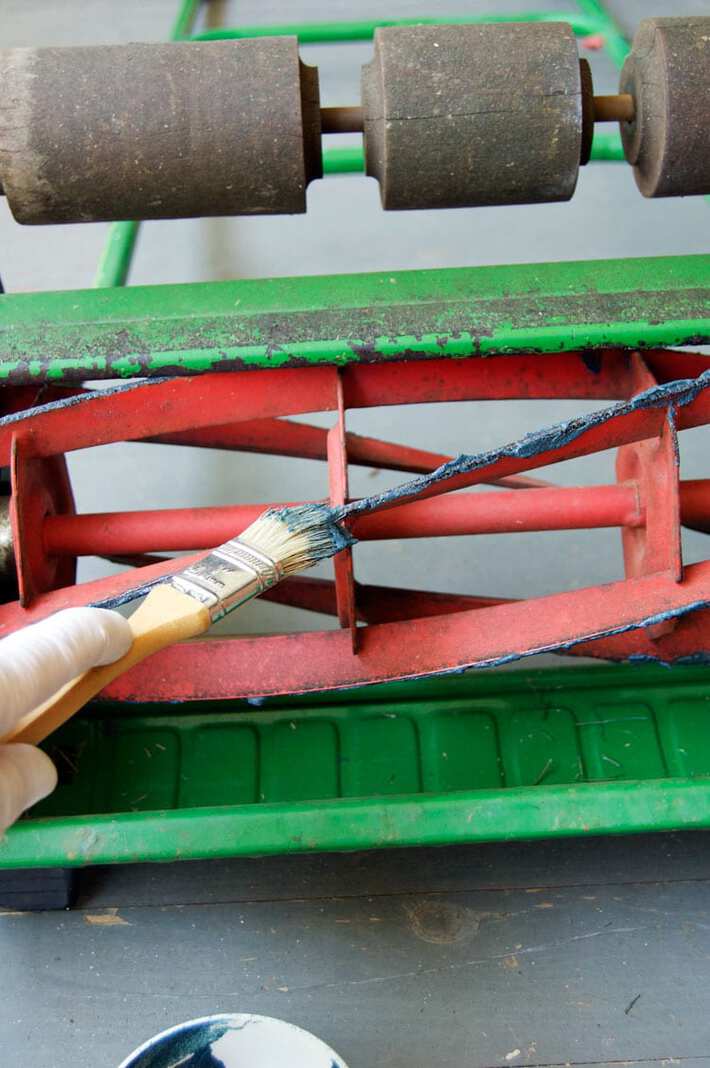
Step 4: Apply the compound
Use the brush supplied with the sharpening kit. Apply a thin, even coat to the cutting edge of each reel blade. You do not need a thick layer.
Keep compound off the wheels, gears, bearings, and painted surfaces when possible. If it lands on another part, wipe it away before it dries.
Step 5: Turn the reel backward
Turn the reel in the reverse direction shown by the manual or kit instructions. Use slow, steady strokes. The reel should move with consistent resistance.
Continue until the compound has worked across the cutting edge. The exact time varies with the mower and condition. Stop often to inspect rather than guessing that longer is better.
Step 6: Inspect the contact pattern
Wipe a small section clean. The sharpened area should show an even pattern across the blade. If one end has no contact, the bedknife may be out of alignment or the reel may have damage.
Do not keep backlapping to fix a bent part. More compound cannot correct a mechanical fault.
Step 7: Wash away all abrasive
Clean the reel and bedknife with a damp rag or the method listed in the manual. Remove every trace of compound. Pay attention to corners and the space below the bedknife.
Dry the metal well. Apply only the light oil or rust protection recommended by the mower maker. Do not oil the grass-cutting edge unless the manual says to do so.
Step 8: Test the cut
Recheck the reel by turning it slowly. It should not bind. Use a safe paper test if the mower’s design allows it.
Then test the mower on a small, dry patch of grass. Do not begin with tall or wet grass. Watch for missed strips, torn tips, unusual drag, or a grinding sound.
Method 2: hand filing small burrs
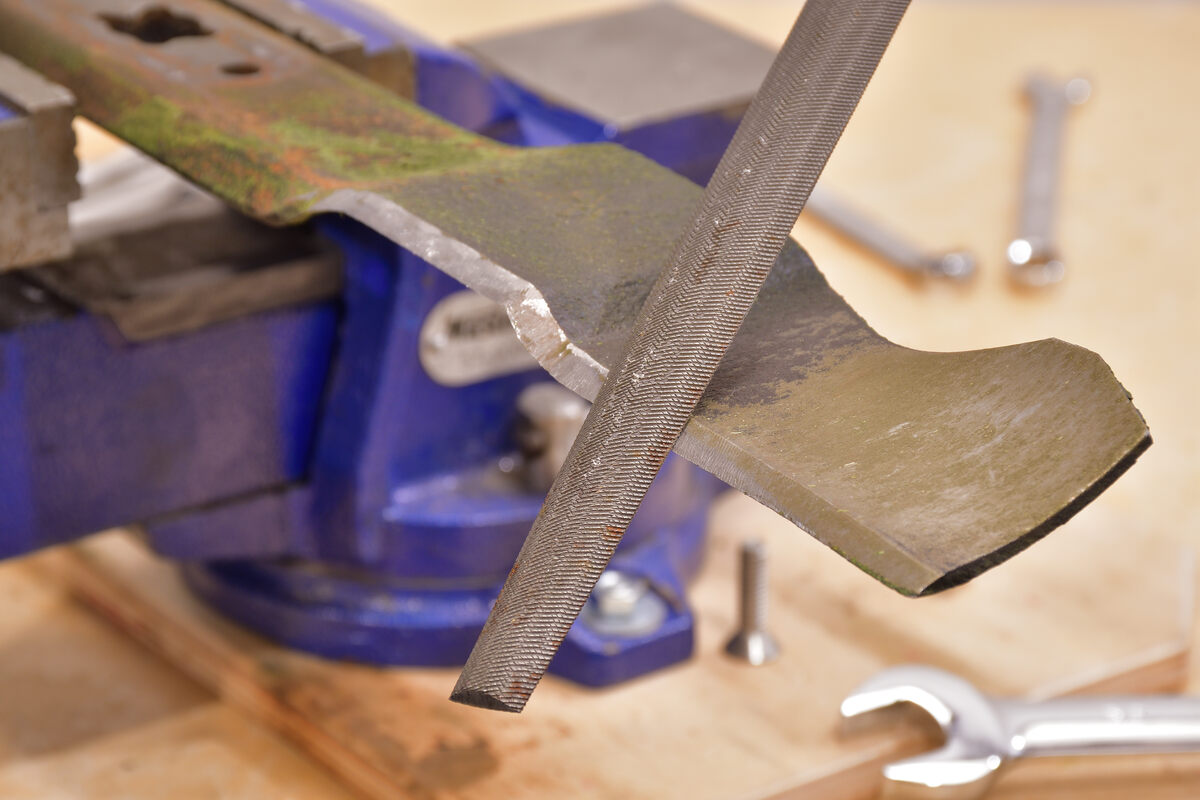
Hand filing is useful for a small burr or a tiny rough spot. It is not the best way to reshape a badly worn reel. A file can remove too much metal if you use force or the wrong angle.
Use a fine file made for the blade material. Follow the existing bevel. The bevel is the sloped face that forms the cutting edge.

File with the original blade shape
Hold the file so it follows the existing edge. Use light strokes in one direction. Do not saw back and forth with heavy pressure.
Remove only the raised metal. Stop as soon as the burr is gone. Then clean the part and use backlapping, if the manual recommends it, to help the reel and bedknife match.
Avoid changing the bevel
The exact bevel angle varies by mower design. Do not copy an angle from a different reel mower. A changed bevel can affect clearance, drag, and cut quality.
If you cannot see the original shape, stop filing. A professional reel mower service can grind the reel and bedknife with the correct equipment.
Should you use a bench grinder or angle grinder?
Most homeowners should skip a power grinder for a manual lawn mower reel. A grinder can remove metal fast, heat the edge, create an uneven bevel, or alter the reel’s balance. An angle grinder can also throw sparks and metal fragments.
Professional reel mower shops use controlled equipment, fixtures, and grinding methods. This is different from holding a reel blade against a general-purpose bench grinder.
💡 Pro Tip: If a reel needs major grinding, the cost of professional service may be lower than the cost of replacing a damaged reel. Ask the shop to inspect the bedknife, reel bearings, and adjustment hardware at the same time.
Adjusting the bedknife after sharpening
A sharp reel can still mow poorly if the bedknife is out of adjustment. The reel and bedknife need a close, even relationship across the full cutting width.
Start with the mower manual. Some models use two adjustment screws. Others use a different bracket or fixed setting. Never guess if the adjustment system is unfamiliar.

Signs of too much contact
The mower feels hard to push. The reel may make a heavy scraping sound. The wheels can slip because the reel creates too much drag.
Back off the bedknife in tiny, equal steps on both sides. Turn the reel after each change. Do not create a large gap to make the mower roll easily.
Signs of too little contact
The mower rolls easily but leaves uncut grass or ragged tips. The paper test may fail in one or more sections.
Move the bedknife closer in small steps. Check both ends and the center. The correct setting should allow the reel to turn without binding while maintaining a clean, even cut.
Why alignment matters on wide reels
A wider reel mower covers more grass in one pass, but it also gives alignment problems more room to show. A small error at one end can leave a visible strip.
For this reason, users with a larger reel mower or a high-value sports-turf mower may prefer professional service. A basic narrow mower for a small flat yard is more approachable for home maintenance.
Testing the mower after sharpening
A test cut tells you more than a visual inspection. Pick a dry area with grass at the normal mowing height. Avoid weeds, sticks, wet soil, and tall seed heads during the first test.
Push at a normal walking pace. A reel mower should cut grass when the reel moves fast enough. Walking too slowly can reduce reel speed, while forcing the mower through thick growth can make the cut look poor even with sharp blades.
Check the grass tips. A clean cut has a more even appearance. Ragged ends suggest dullness, poor adjustment, wet grass, or grass that is too tall for the mower.
Also check the lawn after you stop. Look for missed strips, wheel tracks, clumps, or a sudden change in mowing height. Make one adjustment at a time so you know what helped.
Common sharpening mistakes and their fixes
Most failed reel mower sharpening jobs come from using too much force, skipping inspection, or confusing a mechanical problem with a dull edge. The table below connects common symptoms with safer next steps.
| Mistake or symptom | Why it causes trouble | Better action |
|---|---|---|
| Turning the reel forward during backlapping | It can move compound in the wrong direction | Follow the kit and manual for reverse rotation |
| Using too much abrasive compound | It creates mess and may increase drag | Apply a thin, even coat |
| Grinding with an angle grinder | It can overheat or reshape the blade | Use backlapping or professional grinding |
| Tightening the bedknife too much | The reel becomes hard to push | Adjust in tiny steps and check free movement |
| Sharpening over dirt and grass | Debris hides damage and wears parts | Clean before inspection |
| Leaving compound on the mower | Abrasive can wear gears and bearings | Wash and dry every treated part |
| Testing on wet grass | Wet blades bend and clog easily | Test on dry grass |
| Ignoring a bent reel | Sharpening will not restore alignment | Use a repair shop |
| Filing without following the bevel | The edge shape becomes uneven | Match the existing bevel or stop |
The main lesson is to make small changes. A reel mower is a close-fit cutting system, not a single flat blade.

How often should you sharpen a manual lawn mower?
Sharpen a manual lawn mower when the cut becomes ragged or the mower needs unusual force. There is no single calendar interval for every yard. A small lawn with clean, dry turf may need less service than a mower used on rough ground with weeds and hidden debris.
Inspect the reel at the start of the mowing season. Check it again after hitting a stick, stone, edging strip, or metal object. A sudden change in sound or push effort is a useful warning.
| Use pattern | Inspection timing | Sharpening guidance |
|---|---|---|
| Small, clean residential lawn | Start of season and monthly | Backlap when cut quality drops |
| Fine grass cut short | Every few mowing sessions | Inspect often because the short cut shows defects |
| Rough lawn with weeds | Before each use | Sharpen or service as needed |
| Shared mower used by several homes | Before each user’s first cut | Keep a simple service log |
| Mower stored for winter | Before storage and before spring use | Clean, dry, protect, and inspect |
Takeaway: sharpening by condition is better than following a rigid date. The harder the lawn treats the reel, the more often you should inspect it.

Climate and grass conditions
Wet grass is hard on a reel mower. It can clog the reel, bend instead of cut, and leave clumps. Drought-stressed grass may be brittle, while cold weather can make stored grease and old metal parts feel stiff.
Let the lawn dry before mowing. In hot, dry weather, use the mowing height recommended for your grass type and local climate. Cutting too low can stress turfgrass and increase the load on a manual mower.
Thatch, sticks, and hidden debris
Heavy thatch can lift grass away from the reel. Sticks and stones can nick the reel blade or bedknife. Remove debris before mowing.
A string trimmer, edger, or leaf blower can help prepare borders and remove loose debris. None of these tools replaces a sharp mower. A dull reel may still struggle even on a clean lawn.
Time, cost, and skill level
Backlapping a basic manual lawn mower often takes about 30 to 60 minutes when the mower is clean and the adjustment system is familiar. Cleaning, drying, and testing add time. A first-time user may need longer to read the manual and set up a safe work area.
A sharpening kit usually costs less than professional reel grinding, but current prices vary by brand and kit contents. Professional service costs more but can address a bent reel, worn bedknife, bearings, and alignment in one visit.
| Service choice | Typical effort | Suits |
|---|---|---|
| Clean and inspect only | Low | New mower or mower with a clean cut |
| Home backlapping | Moderate | Lightly dull reel on a small yard mower |
| Hand-file minor burr | Moderate | Experienced DIY user with a visible small defect |
| Professional grinding | Higher cost, low home effort | Bent, chipped, or badly worn reel |
| Replacement reel or bedknife | Varies by model | Parts that are beyond safe repair |
The best value depends on the mower. A low-cost reel mower may not justify major repairs. A well-built mower with a comfortable handle and good parts support may be worth servicing.

Is sharpening a manual lawn mower worth it?
Sharpening is usually worth it when the mower is structurally sound and replacement parts are available. It can extend the useful life of the reel and help the mower remain easy to push.
It may not be worth a large repair bill on a rusty mower with loose wheels, damaged gears, a bent frame, and no replacement parts. Compare the service estimate with the cost of a new push reel mower, electric mower, or battery mower for your yard.
Who should use a manual lawn mower?
A manual lawn mower suits a small, fairly level yard with short grass and few obstacles. It needs no gas, spark plug, air filter, fuel stabilizer, or battery charging. It is also quiet, which can help in neighborhoods with noise concerns.
It may suit a first-time homeowner who wants low running costs. It can also suit a renter who has a small lawn and limited storage. A senior user may appreciate the low weight, but only if the mower rolls easily and the user can safely maintain it.
Best fit for a small flat yard
A push reel mower is practical for a small, open lawn with narrow gates and little storage space. It can be carried into a shed more easily than many gas mowers. It also avoids extension cords used by corded electric mowers.
The user still needs to keep the grass on a regular schedule. If grass grows tall between visits, a manual reel mower can become tiring.
When a different mower makes more sense
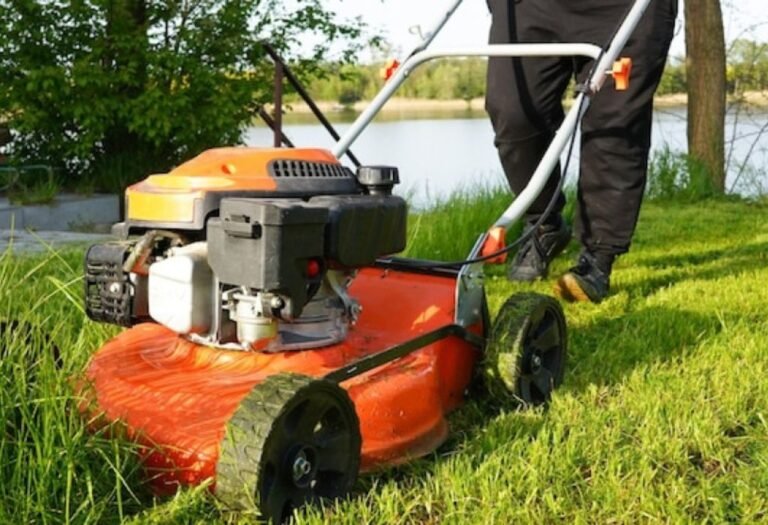
A self-propelled mower can suit a larger yard or a user who finds pushing difficult. A battery mower may suit someone who wants quiet operation but needs more power for thicker grass. A gas mower can handle demanding growth but brings fuel, oil, engine service, and noise.
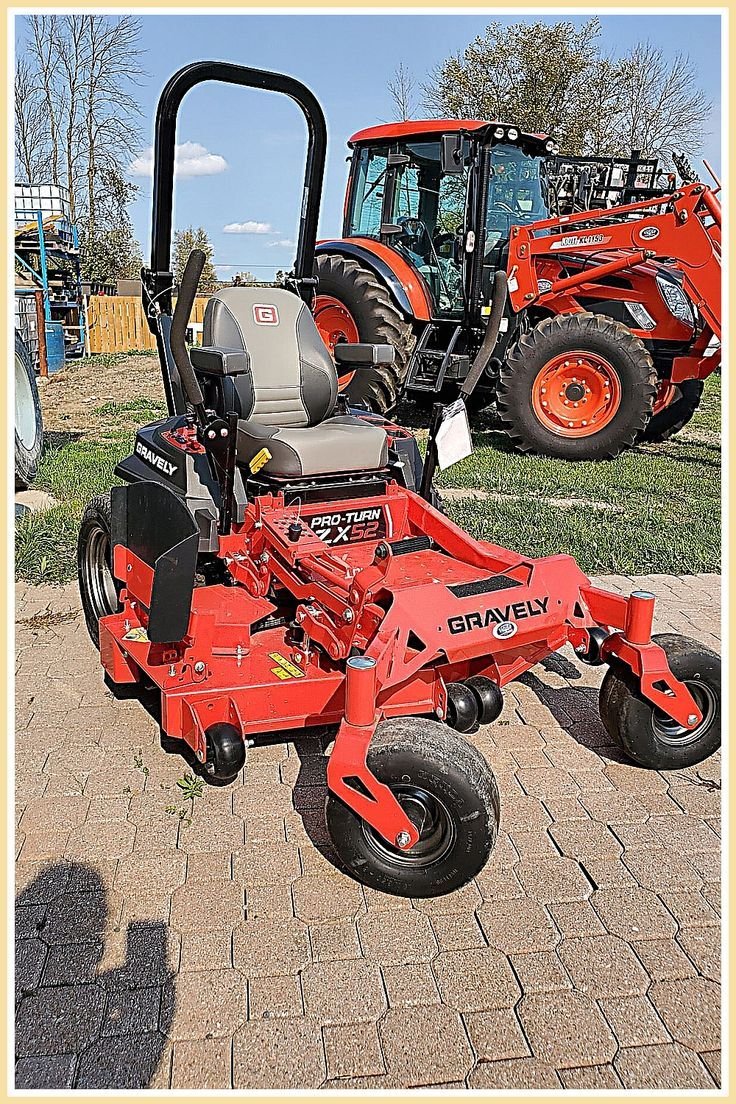
A riding mower or zero-turn mower fits a much larger property, not a small city lawn. A robotic mower can reduce routine labor but needs boundary setup, charging space, and a budget for a more complex system.
| Yard or user | Mower type to consider | Why a manual reel mower may not fit |
|---|---|---|
| Small, flat yard and regular mowing | Push reel mower | Usually a strong match |
| Small yard with thick, fast growth | Battery or gas push mower | Reel may bog down |
| Hilly lawn | Self-propelled mower | Manual pushing can be tiring and unsafe |
| Large property | Riding or zero-turn mower | Manual mowing takes too long |
| User with limited hand strength | Lightweight battery or self-propelled mower | Turning and pushing may be difficult |
| Quiet neighborhood setting | Reel or battery mower | Gas noise may be restricted |
| Yard with many obstacles | Battery push mower or robotic mower | Reel mower needs repeated turns |
The right choice depends on slope, grass type, mowing height, gate width, storage, and the user’s strength. Measure the yard and check local rules before buying.
Storage and care after sharpening
Good storage slows rust and protects the cutting edge. Clean grass from the reel after each use. Dry the mower before placing it in a shed or garage.
Store the mower off damp concrete when possible. Keep it away from fertilizer, pool chemicals, and salt. These materials can speed corrosion. Do not cover a wet mower with plastic.
Apply rust protection only where the manual recommends it. Keep oil away from the grass-cutting surfaces unless the manufacturer permits it. A light cover can protect the mower from dust, but allow trapped moisture to escape.
Before long-term storage, inspect the wheels, gears, handle fasteners, reel, and bedknife. If the mower has a grass catcher, empty and dry it. A clean catcher reduces mold and odor.
🌿 Eco or Disposal Note: If you replace a manual mower, donate or recycle it when possible. For electric alternatives, take lithium-ion batteries to a designated battery drop-off. Never place lithium batteries in household trash. Old gasoline and oil belong at a household hazardous-waste site, not in a drain or on soil.
When to hire a professional
A repair shop is the safer choice when the reel is bent, the bedknife is deeply worn, or the mower has a bearing or gear problem. Professional service also makes sense when the reel cannot be removed safely or the correct adjustment is unclear.
Take photos of the mower’s brand and model before calling. Ask whether the shop services manual reel mowers, whether it can grind both the reel and bedknife, and whether replacement parts are available.
Signs the reel needs professional grinding
Look for deep chips, flat spots, a visible wobble, uneven cutting across the width, or a reel that binds at one point. These signs suggest more than normal dullness.
A shop may tell you that the reel can be ground, the bedknife can be replaced, or the mower needs a new assembly. Ask for the full estimate before approving work.
Signs it is time to replace the mower
Replacement may make sense when the frame is badly rusted, wheels are cracked, gears slip, the handle cannot be secured, and parts are unavailable. A mower that is unsafe is not a good bargain.
For a gift buyer, a new lightweight reel mower may be easier than repairing an old one with an unknown history. For an experienced DIY user, a repairable model with available parts may offer better long-term value.
Frequently asked questions
Q: Can I sharpen a manual lawn mower without removing the reel?
A: Often, yes. Backlapping is designed for many reel mowers with the reel installed. You may need to remove a wheel, guard, or drive part to turn the reel backward. Follow the exact instructions for your mower.
Q: How do I know if my manual lawn mower is sharp?
A: A sharp reel and bedknife should cut grass cleanly across much of the mowing width. A careful paper test may help, but it does not replace a test cut on dry grass. Ragged tips, missed strips, and heavy pushing can point to dullness or poor adjustment.
Q: Can I use sandpaper to sharpen a reel mower?
A: Sandpaper is not a good replacement for reel mower compound. It may remove material unevenly and leave grit in the cutting system. Use a compound made for reel mowers or ask a repair shop.
Q: What grit should I use for backlapping?
A: Use the grit recommended by the mower or sharpening-kit maker. Fine compound is often used for routine work, while coarse compound may be used for heavier wear. Do not choose a grit only by color or a general sharpening chart.
Q: Can I sharpen a reel mower with a drill?
A: Some kits include a drill adapter, but the drill must turn the reel in the correct direction and at a controlled speed. A drill used too fast can create a mess and may damage parts. Use the adapter only if the kit and mower instructions allow it.
Q: Why is my reel mower hard to push after sharpening?
A: The bedknife may be adjusted too tightly, compound may remain in the cutting area, or a bearing or gear may have a problem. Clean the mower, check the manual, and make small adjustment changes. Stop if the reel binds.
Q: Should reel mower blades touch the bedknife?
A: The correct relationship depends on the mower design. Some use very light contact, while others rely on a close gap. Heavy scraping is not a sign of better sharpening. Follow the manufacturer’s setting.
Q: Can I sharpen a manual lawn mower with a file?
A: You can use a fine file for a small burr if the manual permits it. Keep the original bevel and remove as little metal as possible. Do not use a file to repair a bent or badly chipped reel.
Q: How long does a manual lawn mower last?
A: Service life depends on build quality, storage, use, corrosion, and replacement-part support. A clean mower with protected metal and maintained gears can last for many seasons, but no fixed life span applies to every model.
Q: Is a manual reel mower good for hills?
A: It can work on a mild slope if the user can push and control it safely on dry grass. A steep, uneven, or wet slope is a poor match. A self-propelled mower may be more suitable, but never mow wet grass on a slope.
Q: Is a manual lawn mower good for tall grass?
A: Most push reel mowers work best with regular mowing and moderate grass height. Tall, wet, coarse, or weedy growth can overwhelm the reel. Raise the mowing height and cut more often, or use a powered mower when needed.
Q: Do I need to sharpen a new manual lawn mower?
A: Usually not. Inspect it, read the setup instructions, and make sure the reel turns freely. If it arrives damaged or fails to cut correctly, contact the seller or manufacturer before changing the blade setting.
Q: Can I use WD-40 on a reel mower blade?
A: Check the manual first. A water-displacing spray may help with exterior rust protection, but it is not a substitute for proper lubricant and should not be left on the grass-cutting edge unless approved. Wipe excess product away.
Q: What safety gear should I wear?
A: Wear safety glasses, work gloves, and closed-toe shoes. Use hearing protection if you operate powered tools nearby. Keep children and pets away, clear debris first, and disconnect any spark plug or remove a battery before servicing a powered mower.
Q: Are manual reel mowers allowed in every neighborhood?
A: Manual mowers are usually quieter than gas equipment, but rules vary. Confirm HOA restrictions, local noise ordinances, and any gas-equipment limits with your city and HOA. These rules matter more when comparing a reel mower with a gas, battery, or corded model.
Final advice
Sharpening a manual lawn mower is mainly a matter of restoring a close, even cutting relationship between the reel and bedknife. Start with cleaning and inspection. For a lightly dull reel, backlapping with the correct compound is usually the most approachable home method. Use a file only for a small defect, and avoid power grinding unless a trained technician or the mower manual supports it.
A manual reel mower can be a sensible choice for a small, level yard, a quiet neighborhood, or a user who wants simple storage and no fuel. It is not the best fit for every slope, grass type, or mowing schedule. Keep blades clean, mow dry grass, store the mower in a dry place, and get professional help when the reel is bent or badly worn.



3 Comments