A push mower typically lasts 8 to 10 years with regular maintenance, although well-maintained models can sometimes operate for 15 years or more depending on the mower type, usage, storage conditions, and repair history.
For homeowners across the United States, a push mower is often one of the most frequently used pieces of lawn equipment during the growing season. Whether you maintain a small suburban yard in Texas, a cool-season lawn in the Midwest, or a larger property in the Northeast, the lifespan of your mower depends heavily on how often it is used and how well it is maintained.
A push mower does not have a fixed expiration date. Engine quality, mowing conditions, maintenance habits, fuel management, and storage practices all influence how long it remains reliable. A basic gas-powered push mower may last around a decade, while higher-quality models that receive consistent care may continue working much longer.
A push mower generally lasts between 8 and 10 years for the average American homeowner. This estimate assumes seasonal residential use, proper maintenance, and reasonable operating conditions. The actual lifespan can vary widely because different mower designs and power systems experience different levels of wear.
A mower used once a week on a small, flat lawn may last much longer than a mower used several times per week on rough terrain, tall grass, or large properties. The number of operating hours is often a better indicator of wear than the number of years since purchase.
Source: ursrobot.ai
Gas-powered push mowers
Most gas push mowers can provide many years of service when the engine, fuel system, and moving parts receive regular care.
Battery-powered models often have fewer mechanical parts, but battery condition can become a limiting factor after several years of use.
Manual reel mowers
Manual mowers can last many years because they have fewer components, although blade maintenance is still required.
What Factors Affect Push Mower Lifespan?
Several conditions determine whether a push mower reaches the lower or higher end of its expected lifespan. Two identical mowers can age very differently depending on how they are operated and maintained.
Understanding these factors helps homeowners prevent avoidable damage and decide when repairs are worthwhile.
Source: gardenlyhome.com
Maintenance schedule
Routine tasks such as changing oil, cleaning air filters, replacing spark plugs, and sharpening blades reduce stress on the mower.
Mowing frequency
A mower used frequently throughout a long growing season will accumulate operating hours faster than one used occasionally.
Grass and terrain conditions
Wet grass, steep slopes, thick weeds, rocks, and uneven ground can increase wear on blades, engines, and wheels.
Storage environment
Keeping a mower dry and protected from weather helps prevent corrosion and fuel-related problems.
How Operating Hours Compare With Age
A mower that is 10 years old but used lightly may be in better condition than a five-year-old mower that has worked several hours every week on difficult terrain. Operating hours, maintenance history, and physical condition provide a more accurate picture than age alone.
Light residential use
Occasional mowing on a small lawn generally creates less wear and may extend mower life.
Heavy residential use
Large lawns and frequent mowing schedules require more maintenance and may shorten service life.
Aging does not automatically mean a push mower should be replaced. However, certain problems indicate that repair costs or reliability concerns may outweigh the value of keeping the mower.
Source: gardenlyhome.com
Frequent starting problems
Repeated difficulty starting after basic maintenance may indicate engine, fuel, or ignition issues.
Excessive smoke or unusual noises
Persistent smoke, knocking sounds, or severe vibration can point to serious mechanical problems.
Rust and structural damage
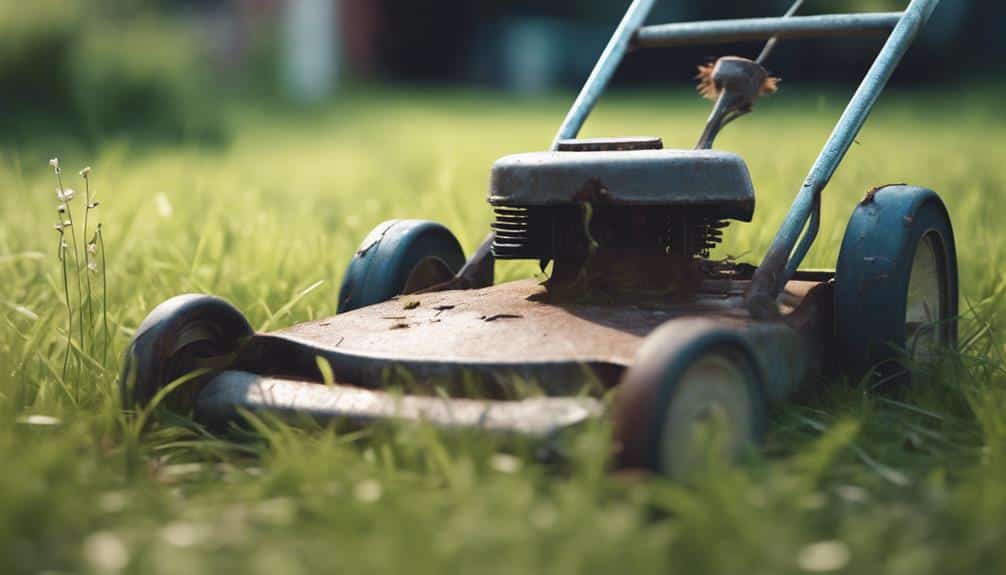
A severely corroded deck or damaged frame can make continued repairs impractical.
Repair costs exceed replacement value
Replacing a mower may make more financial sense when major repairs approach the cost of a new machine.
How to Make a Push Mower Last Longer
The best way to extend push mower life is to follow a consistent maintenance routine and prevent common sources of damage. Small maintenance tasks performed regularly can protect expensive components and improve reliability.
Source: gardenlyhome.com
Change engine oil regularly
Fresh oil helps reduce friction and protects internal engine components from excessive wear.
Keep blades sharp
Sharp blades improve cutting performance and reduce unnecessary strain on the mower engine.
Clean after mowing
Removing grass buildup helps prevent corrosion and keeps airflow around components clear.
Store fuel properly
Using fresh fuel and following proper storage practices helps prevent fuel system problems.
Seasonal Maintenance Checklist
Before and after each mowing season, inspect important components such as the blade, air filter, spark plug, wheels, and fuel system. Seasonal preparation reduces the chance of breakdowns during peak lawn-care months.
Before the mowing season
Check fluids, inspect parts, sharpen the blade, and test the mower before regular use.
After the mowing season
Clean the mower, store it in a dry location, and prepare the fuel system for storage.
Many premature mower failures happen because of avoidable mistakes. Correcting these habits can help a mower perform reliably for more years.
Source: gardenlyhome.com
Leaving old fuel in the tank
Stale gasoline can create fuel system problems and make starting difficult.
Mowing wet grass frequently
Wet grass increases strain on the mower and can contribute to buildup and corrosion.
Ignoring blade damage
A damaged or dull blade forces the mower to work harder and can reduce cutting quality.
Frequently Asked Questions
Q
Can a push mower last 20 years?
A push mower can last 20 years in some cases, but this is not typical. Reaching that age usually requires excellent maintenance, limited use, quality components, and timely repairs.
Q
How often should I service my push mower?
Most homeowners should inspect and maintain their mower at least once each mowing season. More frequent use may require additional maintenance throughout the year.
Q
Is it worth repairing an old push mower?
Repairing an old mower can be worthwhile when the engine and deck are still in good condition and the repair cost is reasonable. Replacement may be better when major components have failed or repairs become frequent.
Q
Does electric push mower battery life affect total mower lifespan?
Yes. For battery-powered push mowers, the battery is a major component that may eventually need replacement. The mower itself may continue working after a battery replacement if other parts remain in good condition.
Q
What is the most important maintenance task for a push mower?
Regular maintenance as a whole matters most, but keeping the engine properly lubricated, maintaining the blade, and preventing fuel problems are among the most important steps.
✦ Wrapping Up
Conclusion
A push mower usually lasts around 8 to 10 years, but its actual lifespan depends on maintenance, usage, storage, and operating conditions. A well-cared-for mower can often continue working beyond the average range, while neglected equipment may fail much sooner.
Instead of replacing a mower based only on age, evaluate its engine condition, repair history, performance, and maintenance needs. Proper seasonal care remains the most effective way to maximize the value of your lawn equipment.
💡 Key Takeaway
Maintain your push mower regularly, store it correctly, and evaluate its condition rather than its age alone when deciding whether to repair or replace it.
When your lawn mower starts leaving ragged edges instead of smooth, even grass, it’s usually not the mower’s fault—it’s the blade. Over time, blades lose their sharpness and balance, resulting in torn grass, weak roots, and a patchy lawn. That’s where Replacement Lawn Mower Blades come in. They’re not just spare parts; they’re the heart…
Learn how to know if a mower blade is upside down, identify warning signs, check blade orientation, and install your lawn mower blade correctly for safer and better cutting performance.
Learn how an edger is different from a weed eater, including their functions, blade and string systems, best uses, limitations, and which tool is right for your lawn care needs.