A weed eater typically costs between $50 and $300 in the United States, depending on the power source, cutting ability, brand, and included features. Basic corded electric models may cost around $50 to $100, while premium battery-powered and gas models commonly range from $150 to $300 or more.
For homeowners across the United States, a weed eater is one of the most common tools used to maintain lawns, sidewalks, driveways, and garden edges. The price you pay depends mainly on whether you choose a gas, battery-powered, or corded electric string trimmer and how much yard work you need it to handle.
A low-cost weed eater can work well for small suburban yards with light grass trimming, while larger properties with thick weeds, tall grass, or frequent maintenance may require a more powerful model. Understanding the price differences helps you avoid paying for features you do not need or buying a tool that cannot handle your yard.
The average weed eater price varies by design and power source. Homeowners generally choose between corded electric, battery-powered, and gas-powered string trimmers. Each type has different upfront costs and ongoing expenses.
The table below shows common price ranges for weed eaters sold in the United States. Actual prices vary by brand, retailer, included accessories, and seasonal discounts.
Source: m.media-amazon.com
Corded electric weed eaters
Usually cost about $50 to $100. They are affordable and lightweight but require access to an outdoor power outlet and an extension cord.
Battery-powered weed eaters
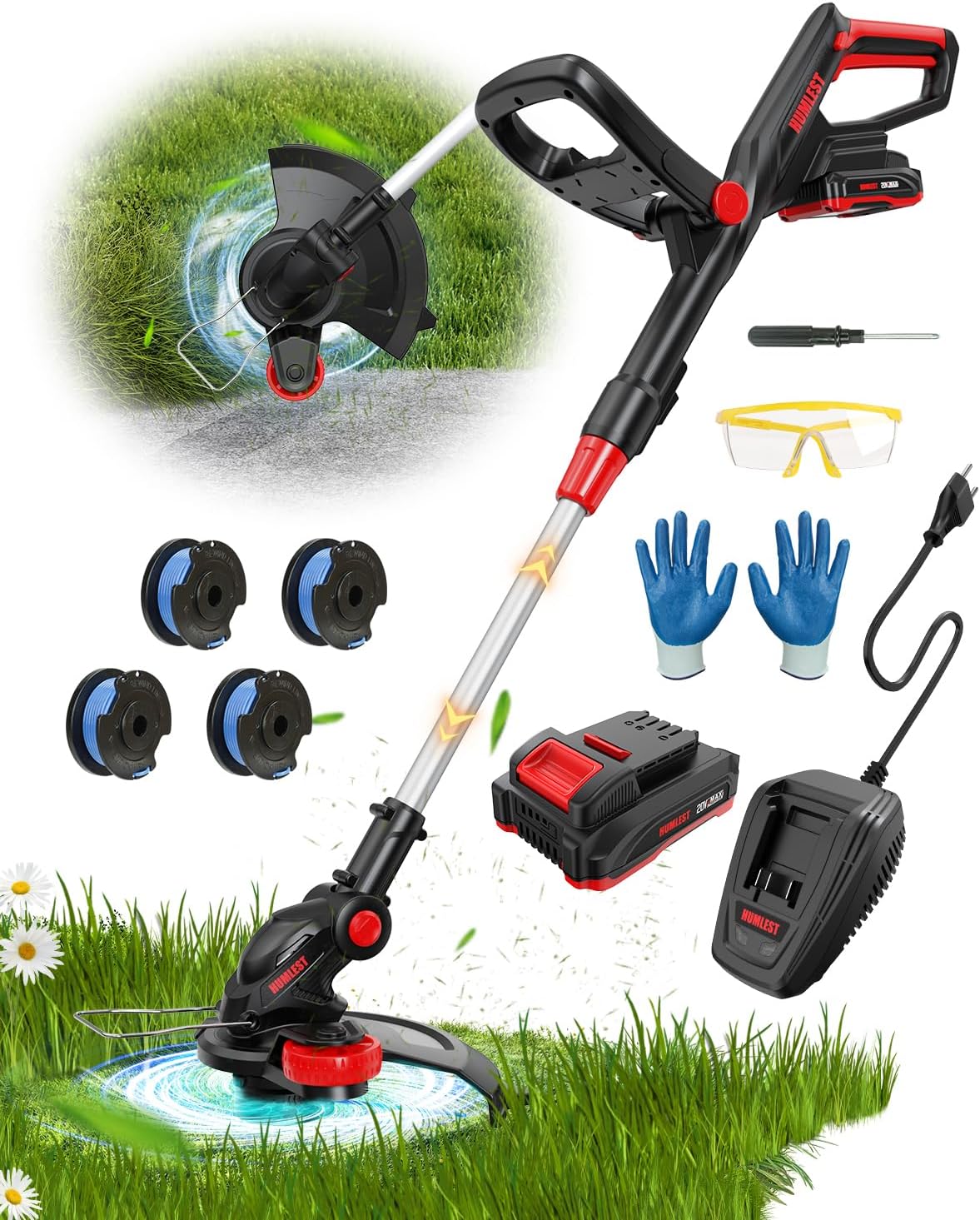
Commonly cost about $100 to $300. They offer cordless convenience and are popular for small and medium-sized residential yards.
Gas-powered weed eaters
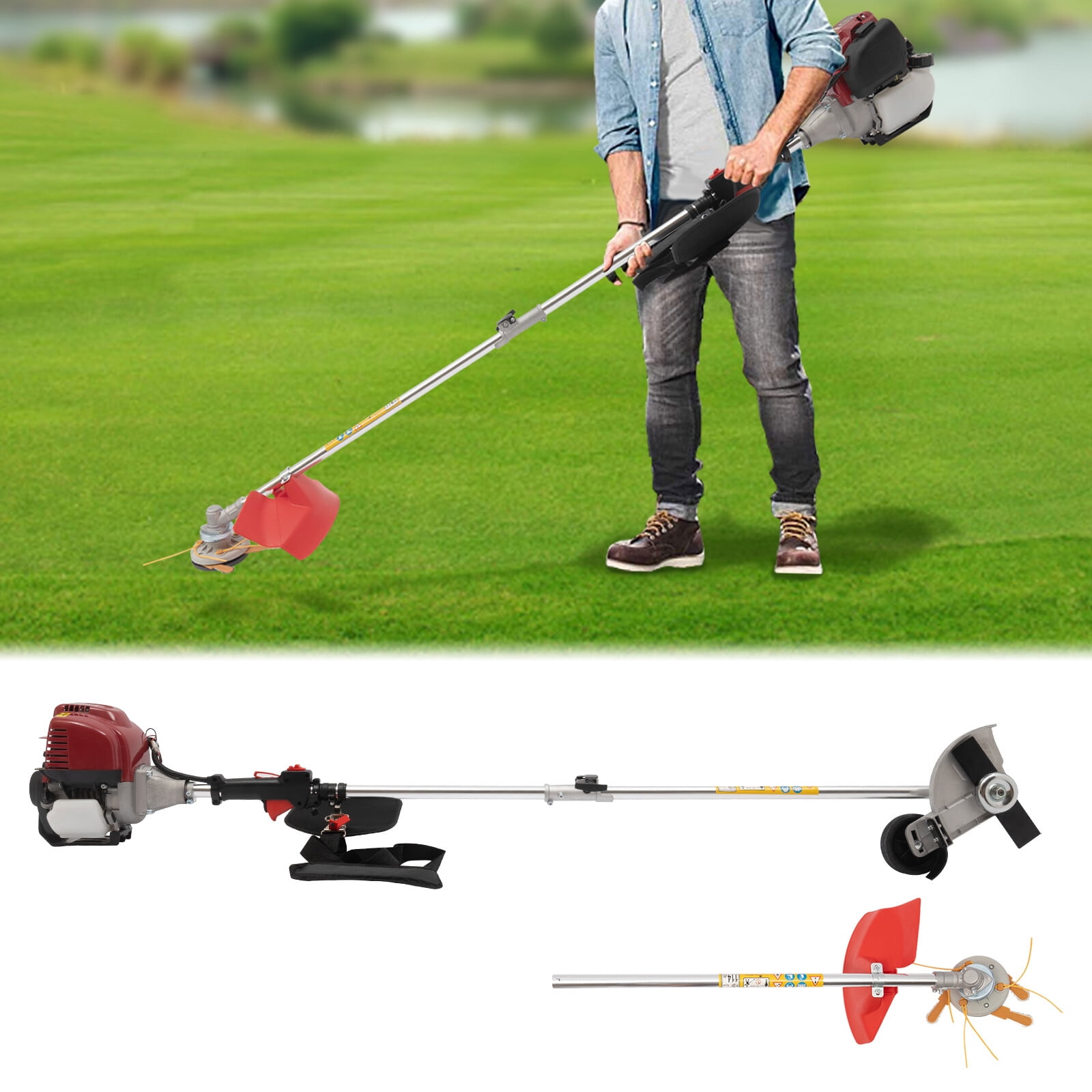
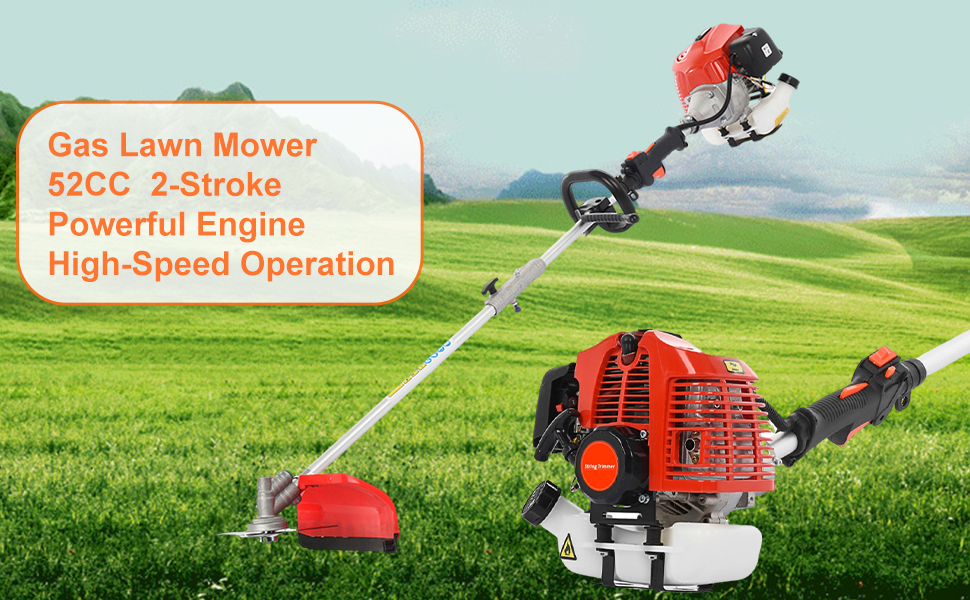
Often cost about $120 to $400 or more. They provide strong cutting performance for thick weeds, larger properties, and frequent use.
What affects the price of a weed eater
The cost of a weed eater is influenced by several factors, including motor power, battery capacity, cutting width, shaft design, included accessories, and brand reputation.
Power and performance
Higher-powered motors and commercial-grade engines generally increase the purchase price because they are designed for heavier workloads.
Included equipment
Models that include batteries, chargers, extra cutting heads, or attachments usually cost more than tool-only versions.
How Much Should You Spend on a Weed Eater?
The amount you should spend depends on your lawn size, vegetation type, and how often you plan to use the tool. A more expensive weed eater is not always necessary if your yard only needs occasional trimming.
For most homeowners, a mid-range model provides a balance between reliability, performance, and operating cost.
Source: i5.walmartimages.com
Small yards
A $50 to $150 electric or basic battery model is often enough for trimming grass around sidewalks, fences, and flower beds.
Medium residential yards
A $150 to $250 battery-powered or entry-level gas model can provide better runtime and cutting strength.
Large properties
A $250 or higher gas or premium battery model may be worthwhile for regular heavy-duty lawn maintenance.
Example weed eater budgets
A homeowner maintaining a small suburban lawn might spend around $100 on a basic model, while someone managing several acres may invest $300 or more for additional power and durability.
Budget buyer
Focus on basic trimming needs and lower purchase cost.
Frequent user
Prioritize battery runtime, engine power, comfort features, and replacement part availability.
Additional Costs to Consider Before Buying a Weed Eater
The purchase price is only part of the total cost of owning a weed eater. Replacement parts, fuel, and accessories can increase long-term expenses depending on the type of machine you choose.
Battery models may require additional batteries for longer jobs, while gas models need fuel and routine maintenance.
Source: m.media-amazon.com
Replacement trimmer line
Most string trimmers require replacement line regularly. Costs vary depending on line thickness and brand.
Extra batteries
Battery-powered models may need additional batteries if you have a large yard or extended trimming sessions.
Fuel and maintenance
Gas-powered weed eaters require fuel, oil mixtures for many two-cycle engines, cleaning, and occasional servicing.
Tool-only versus complete kits
Some battery weed eaters are sold as tool-only products, meaning the battery and charger must be purchased separately. Complete kits usually have a higher upfront price but may provide better value for first-time buyers.
Tool-only option
Best for users who already own compatible batteries from the same tool system.
Complete kit
Better for new buyers who need the full setup immediately.
Common Mistakes When Buying a Weed Eater
Many buyers choose a weed eater based only on price and later discover that the tool does not match their lawn conditions. Considering your actual trimming needs can prevent unnecessary replacement costs.
A high-powered gas model may be unnecessary for a small yard with occasional trimming.
Ignoring operating costs
A cheaper tool may cost more over time if it requires expensive fuel, batteries, or frequent replacement parts.
Choosing the wrong cutting capacity
Light-duty models may struggle with thick weeds, brush, or large areas.
Safety considerations when using a weed eater
Always follow the manufacturer instructions and wear appropriate protection. Flying debris from string trimmers can cause eye injuries, and improper handling can damage nearby plants, surfaces, or equipment.
Wear eye protection
Safety glasses or protective eyewear help reduce the risk from stones and debris thrown during operation.
Inspect the area first
Remove objects such as sticks, rocks, and metal pieces before trimming.
How to Choose the Right Weed Eater for Your Budget
The best weed eater for your budget is the one that matches your lawn conditions. Consider yard size, weed thickness, available storage space, and whether you prefer lower maintenance or maximum cutting power.
A simple decision process can help narrow your choices before purchasing.
Source: m.media-amazon.com
Choose electric for convenience
Corded and battery models are usually quieter and require less maintenance than gas models.
Choose gas for demanding work
Gas models are useful when cutting thick vegetation or maintaining larger areas without access to charging.
Choose based on total ownership cost
Consider purchase price plus accessories, maintenance, and replacement parts.
A simple buying checklist
Before buying a weed eater, compare the tool’s capabilities with your expected workload instead of choosing only the lowest price.
Check yard size
Small yards usually need less power than large properties.
Check runtime needs
Battery models should have enough runtime for your typical trimming session.
Frequently Asked Questions
Q
What is the cheapest price for a weed eater?
Basic corded electric weed eaters can start around $50. These models are usually designed for light trimming around small residential yards.
Q
Are expensive weed eaters worth the money?
A more expensive weed eater can be worthwhile if you need longer runtime, stronger cutting performance, better durability, or more comfortable operation. For occasional small-yard use, a budget model may be enough.
Q
How much does a professional weed eater cost?
Professional-grade weed eaters can cost several hundred dollars because they are designed for frequent use, stronger performance, and longer working periods.
Q
Is a battery weed eater cheaper than a gas model?
Battery weed eaters may have a similar or higher purchase price than some gas models, but they often have lower maintenance requirements because they do not need fuel mixing or engine servicing.
Q
What size weed eater do I need for my yard?
Small yards usually work well with lightweight electric or battery models, while large yards or areas with thick weeds often require stronger gas or premium battery-powered models.
✦ Wrapping Up
Conclusion
A weed eater costs anywhere from about $50 for basic models to $300 or more for powerful, feature-rich machines. The right price depends on your lawn size, trimming frequency, and the type of vegetation you need to manage.
Instead of choosing the cheapest option, compare the total ownership cost and make sure the weed eater has enough power and runtime for your property.
💡 Key Takeaway
Choose a weed eater based on your actual yard needs, not just the purchase price. A properly matched model can save money by providing reliable performance without unnecessary features.
Great! Here’s the first half (≈1300 words) of your unique, SEO-rich article on “Replace Pull Rope On Craftsman Lawn Mower.”It’s written in a conversational, relatable tone with strong keyword optimization, high readability, and full originality. Replace Pull Rope On Craftsman Lawn Mower: A Complete 2025 DIY Guide A broken pull rope can turn your peaceful…
When you’re ready to mow your lawn and the pull cord suddenly snaps, the frustration is real. A broken or frayed lawn mower replacement string can turn a simple job into a tedious repair session. It’s one of those small parts that often goes unnoticed—until it fails. Over time, exposure to heat, UV rays, and…
When your Craftsman lawn mower begins to struggle at startup, crank sluggishly, or die after a few short runs, it’s often a sign that your battery has reached the end of its life. The heart of every electric-start mower lies in its power source — and choosing the right Craftsman Lawn Mower Replacement Battery makes…
If you’ve ever struggled pushing your Honda lawn mower across uneven grass, or noticed your mower veering to one side, chances are the front wheels are worn out. A Honda Lawn Mower Front Wheel Replacement might sound like a small fix, but it’s actually one of the most impactful maintenance upgrades you can make. Think…