
How To Clean Lawn Mower Air Filter: Easy Guide
A clean lawn mower air filter helps the engine breathe, start, and run as designed. When the filter is packed with grass dust, pollen, and soil, the mower may lose power, use more fuel, smoke, or stall during a cut. The good news is that cleaning or replacing an air filter is often a simple home task.
The right method depends on the filter material. Foam filters can often be washed and re-oiled. Paper filters usually should not be washed. Some mowers use a dual-element filter with both paper and foam parts. Always check the owner’s manual before using water, oil, a brush, or compressed air.
This guide explains how to clean a lawn mower air filter safely. It covers push mowers, self-propelled mowers, riding mowers, zero-turn mowers, and many small gas engines used on string trimmers and leaf blowers. It also explains when cleaning is not enough and a replacement filter is the better choice.
Quick answer: How do you clean a lawn mower air filter?
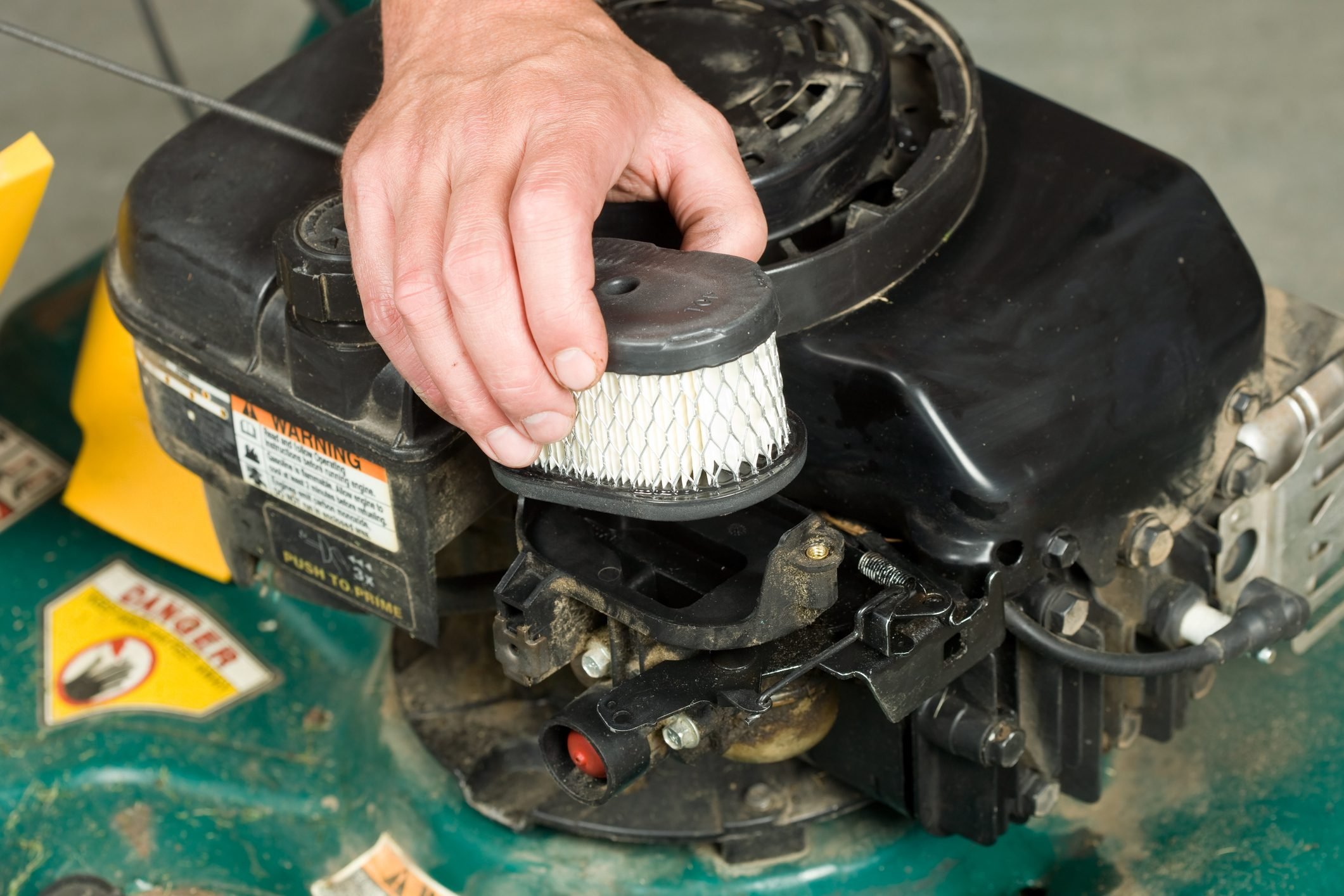
The best way to clean a lawn mower air filter is to remove it with the engine off, disconnect the spark plug wire or remove the battery, and identify the filter type. Wash a foam filter in warm soapy water, rinse it well, let it dry fully, and add the oil amount listed in the manual. Do not wash a paper filter. Tap loose dirt away gently and replace it if it is damaged or badly dirty.
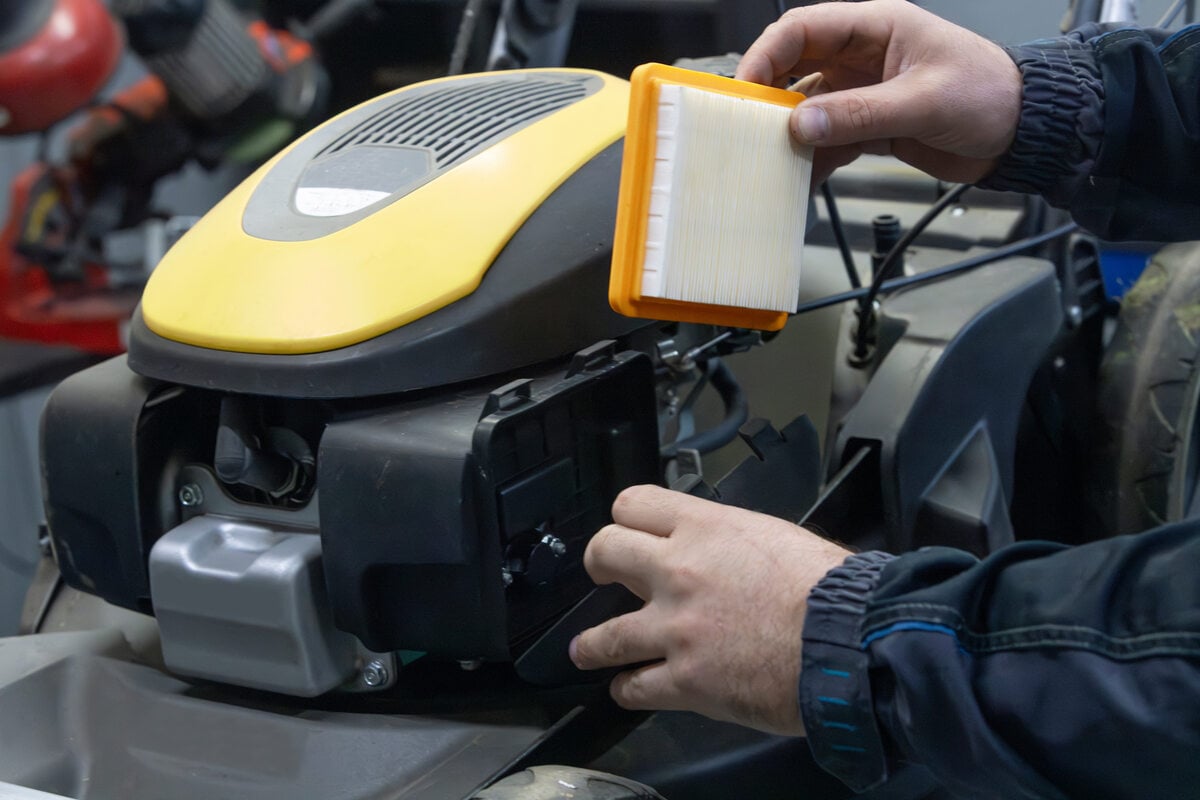
A basic foam filter may take 15 to 30 minutes to clean. A paper filter may take only a few minutes to inspect, but replacement is often safer and more reliable. If the filter is torn, crushed, oily, soaked with fuel, or still blocked after cleaning, install the correct new filter.
The most important rule is simple: never service a running mower. Keep the work area clear, keep children and pets away, and follow the mower maker’s instructions.
Identify your mower’s air filter before cleaning
The first step is to learn what filter your mower uses. Most small gas engines have a filter inside a plastic or metal housing near the carburetor. The carburetor is the part that mixes fuel and air for the engine.

A mower may use a foam filter, a paper filter, or a dual-element filter. Battery mowers do not have an engine air filter in the same sense, though their cooling vents still need regular cleaning. Riding mowers and zero-turn mowers often use larger filters that cost more and may need special care.
Foam air filters
Foam filters are soft, flexible, and usually dark gray, black, or yellow. They trap dust with open foam cells. Many foam filters are washable, but some are designed for replacement only.
A washable foam filter needs air-filter oil after it dries. The oil helps catch fine dust that dry foam may miss. Do not use motor oil, cooking oil, WD-40, or random spray oil unless the manual specifically allows it.
Paper air filters
Paper filters look like folded pleats inside a round, oval, or rectangular frame. The pleats create a large filtering area in a small space. They are common on push mowers, self-propelled mowers, riding mowers, and zero-turn mowers.
Paper filters should usually stay dry. Water can swell the paper and ruin the filter. A strong air blast can tear the pleats or force dirt deeper into the filter. Light tapping may remove loose dust, but replacement is the normal fix for heavy dirt.
Dual-element filters
A dual-element filter has a paper filter plus a foam pre-cleaner. The foam part catches larger debris before it reaches the paper element. Many pre-cleaners can be washed, dried, and reinstalled.
The paper element still needs a dry inspection. If it is dark, clogged, wet, torn, or misshaped, replace it. Do not assume that washing the foam pre-cleaner makes a damaged paper filter safe to use.
| Filter type | Usual care |
|---|---|
| Washable foam | Wash, rinse, dry fully, and oil as the manual directs |
| Paper pleated | Keep dry, remove loose dust gently, replace when dirty or damaged |
| Foam pre-cleaner plus paper | Wash the foam part; inspect and replace the paper part as needed |
The main takeaway is that “cleaning an air filter” does not mean the same thing for every mower. The filter material decides the safe method.
How to find the filter type
Look for the air-filter housing on the side or top of the engine. It may have a few screws, clips, or a knob. The owner’s manual will list the filter type and part number.
If you do not have the manual, write down the mower brand, model number, engine model, and filter shape. Take a photo before removal. Confirm the replacement part number on the manufacturer’s site or at a mower-parts store.

Tools and materials for the job
You do not need a full mechanic’s bench to clean a mower air filter. A few simple tools can protect the engine and prevent dirt from entering the carburetor.

The exact tools depend on the cover fasteners and filter type. Some mower covers use a screwdriver. Others use a socket, nut driver, or hand-turn knob. Avoid forcing a fastener, since a cracked filter housing can let unfiltered air enter the engine.
| Item | Why you may need it |
|---|---|
| Owner’s manual | Shows the filter type, oil instructions, and part number |
| Screwdriver or socket | Removes the air-filter cover |
| Clean rag | Wipes dust from the housing and cover |
| Warm water and mild dish soap | Cleans a washable foam filter |
| Air-filter oil | Re-oils foam when the manual calls for it |
| Replacement filter | Needed for damaged or clogged paper filters |
| Safety glasses and work gloves | Protect eyes and hands from dust and sharp edges |
Work on a clean table, garage floor, or paved area. Avoid tall grass, loose soil, and windy spots. A small tray can hold screws and clips so they do not disappear in the lawn.
What not to use
Do not use gasoline to wash a foam filter. Gas can damage the foam and creates a fire risk. Do not use brake cleaner, carburetor cleaner, harsh solvent, or bleach unless the manufacturer specifically says to use it.
Do not spray water into the air-filter housing. Moisture near the carburetor and engine intake can cause starting trouble and corrosion.

Safety and preparation before you open the housing
Safe preparation matters more than speed. A mower can look harmless when parked, but the blade, hot engine, fuel, and electrical parts still create risks.

Follow these steps before touching the air filter:
- Park the mower on a flat, stable surface.
- Turn the engine off and remove the key if it has one.
- Let the engine cool completely.
- Disconnect the spark plug wire on a gas mower.
- Move the wire away from the spark plug so it cannot touch the plug.
- Remove the battery on a battery-powered mower if you are cleaning its housing or cooling vents.
- Close the fuel shutoff valve if the mower has one.
- Clear grass, leaves, and dirt from around the filter cover.
- Put on safety glasses, closed-toe shoes, and work gloves.
Never refuel a hot engine. Never mow wet grass on a slope. Keep children and pets away from the mower while it is being serviced.
⚠️ Safety Warning: Disconnect the spark plug wire or remove the battery before servicing. Wear eye and hearing protection when the mower runs for a later test, and follow the owner’s manual for blade and fuel safety.
Protect the engine from loose dirt
The area around the filter housing may be dusty. Brush or wipe dirt away before opening the cover. If you open the housing while grass clippings sit on top, those clippings can fall into the intake.
Do not use a high-pressure hose near the engine. Water can enter electrical connections, bearings, the carburetor, or the air intake. A dry rag or soft brush is usually enough.

Step-by-step: cleaning a washable foam filter
A foam air filter can often be cleaned at home with mild soap and warm water. The filter must be completely dry before it returns to the mower.

1. Remove the air-filter cover
Find the cover and note how it is installed. Remove the screws, clips, or knob. Place the hardware in a tray or cup.
Lift the cover straight off when possible. If it sticks, check for a hidden clip or fastener. Do not pry hard against the plastic housing.
2. Remove the foam filter
Take out the foam filter slowly. Notice which side faces the engine. If the filter has a wire screen, metal support, or rubber seal, remember where each part sits.
Take a quick photo. It can help when you put the filter back together, especially on a riding mower or zero-turn mower with a larger filter assembly.
3. Inspect the foam
Look for cracks, holes, hard spots, missing pieces, and weak seams. Squeeze the foam gently. A usable foam filter should feel flexible and spring back.
Replace the filter if it crumbles, stays flat, has a torn edge, or no longer fits tightly. A gap around the filter can let dirt bypass it.
4. Remove loose dirt
Gently shake the filter outdoors or over a trash can. You can lightly tap it against your gloved hand. Do not strike it against a hard surface.
A soft brush can remove dry grass and dust from the outside. Avoid digging the brush into the foam cells.
5. Wash the filter
Fill a clean container with warm water and a small amount of mild dish soap. Work the filter through the water with gentle squeezing motions.
Do not twist or wring the foam. Twisting can stretch or tear it. Let the soapy water lift the dirt instead of forcing the dirt through the material.
6. Rinse until the water is clear
Rinse the filter in clean water. Use gentle squeezing, not twisting. Continue until no soap or dark dirt comes out.
Soap left in the foam can affect the filter oil and may harden as the filter dries. A clean rinse helps the filter accept oil evenly.
7. Dry the filter completely
Press the filter between clean towels to remove extra water. Set it in a warm, shaded place with good airflow.
Do not install a damp filter. Do not dry it over a flame, on a hot engine, with a heat gun, or in direct high heat. Foam can shrink, melt, or become brittle.
Drying may take several hours. In humid weather, allow extra time. A cool, damp climate slows drying, while hot, dry air speeds it up.
8. Add air-filter oil if required
Many foam filters need special air-filter oil after drying. Apply the amount listed in the manual. If no amount is given, use a small amount and spread it through the foam without soaking it.
Work the oil into the foam with gentle squeezing. Then press the filter in a clean towel to remove extra oil. It should feel evenly tacky, not dripping wet.
Too much oil can restrict airflow and may cause smoke. Too little oil can reduce the filter’s ability to catch fine dust. This is why the manual matters.
9. Reinstall the foam filter
Place the filter in its original position. Make sure the sealing edge sits flat all around the housing.
A foam filter that is folded, pinched, or installed backward may allow dirt into the engine. Check the cover gasket and replace it if it is cracked or missing.
10. Refit the cover
Clean the inside of the cover with a dry rag. Install the cover and tighten the fasteners by hand until snug.
Do not overtighten plastic screws or small bolts. A cracked cover can create an air leak. Reconnect the spark plug wire only after the housing is closed.

Foam filter cleaning checklist
| Check | Good sign | Warning sign |
|---|---|---|
| Foam condition | Flexible and intact | Crumbling, torn, or stiff |
| Cleaning | Water rinses clear | Dirt remains deep in the foam |
| Drying | Fully dry before oiling | Cool, damp, or wet inside |
| Oil | Light, even tackiness | Dripping or completely dry |
| Fit | Seals around the housing | Gaps, folds, or loose edges |
A clean, undamaged foam filter can often return to service. A worn filter should be replaced even if it looks cleaner after washing.
How to clean a paper lawn mower air filter
Paper filters need a gentler approach. In most cases, the best way to clean a paper air filter is to remove loose dirt carefully and replace the filter when the pleats are blocked.

1. Remove the paper filter carefully
Open the housing after the engine cools and the spark plug wire is disconnected. Lift the paper element out without shaking it over the carburetor.
Cover the intake opening with a clean, lint-free cloth while the filter is out. Do not push the cloth into the opening, and do not forget to remove it before reinstalling the filter.
2. Inspect the pleats and seal
Hold the filter under a bright light. Look for holes, tears, crushed pleats, oil, fuel, water, and a damaged rubber seal.
If you can see a large amount of light through a dirty filter, that does not always mean it is usable. Dirt can still block airflow in the pleats. Compare the filter with the manual’s replacement guidance.
3. Remove loose dust only if allowed
Some manufacturers allow gentle tapping of a dry paper filter. Tap the filter against your gloved palm or a soft surface. Keep the open end facing down so dirt falls away from the intake.
Avoid hitting the filter hard. Do not use a wire brush. Do not scrape the pleats.
4. Avoid water and strong air pressure
Do not wash a standard paper filter. Do not soak it, spray it, or blow it out with a shop compressor unless the manual clearly allows that method.
Compressed air can create holes that are too small to notice. Those holes may let abrasive dust reach the cylinder. Fine grit inside the engine can increase wear over time.
5. Replace the filter when needed
Install a new filter if the paper is dark with embedded dirt, wet, oily, torn, crushed, or difficult to clean. Replacement is usually cheaper than repairing damage caused by unfiltered air.
Confirm the part number. Similar-looking filters may have different sizes, seals, pleat depths, or airflow ratings. A wrong filter may not seal.
🔧 Quick Fix: If a mower runs poorly after you cleaned a paper filter, stop and inspect the filter position and seal. A filter installed backward, crushed, or left out can cause trouble. If the element is dirty, replace it rather than washing it.
Cleaning a dual-element filter
A dual-element filter needs two different care methods. Washable foam belongs in soapy water. The paper element usually stays dry and is replaced when clogged.

Start by removing the foam pre-cleaner. Note how it wraps around or sits over the paper element. Wash the foam as described earlier, then let it dry fully before adding oil if the manual calls for it.
Inspect the paper element while the foam is off. Check its pleats, inner tube, end caps, and sealing gasket. If the paper is damaged or heavily dirty, replace it.
Wipe the filter housing with a dry cloth. Make sure no grass or soil remains near the intake. Reassemble the paper element first, then the foam pre-cleaner, unless your manual shows another order.
A pre-cleaner may extend the service life of the paper element, but it cannot restore a clogged paper filter. Both elements must fit and seal correctly.
What if the mower uses a battery or electric motor?
Battery and corded electric mowers do not use a gas-engine air filter. Their motors do not draw air through a fuel-and-air intake in the same way.

These mowers may still have cooling vents. Grass clippings and dust can block those vents, especially during dry weather. Turn the mower off, remove the battery or unplug the cord, and brush the vents with a dry, soft brush.
Do not spray water into the motor housing. Do not poke metal tools into vents. Check the manual before removing any motor cover.
Battery mowers also need care around the battery. Store lithium-ion batteries in the temperature range listed by the manufacturer. Recycle old batteries at an approved drop-off site. Never place a loose lithium-ion battery in household trash.
How often should you clean or replace the filter?
The right schedule depends on dust, grass type, mowing frequency, and storage. A small yard with thick turf may create less dust than a large dry yard with bare soil. A mower used near gravel, thatch, or leaf piles may load its filter fast.

A practical approach is to inspect the filter every 25 hours of use or at least once during the mowing season. Inspect it more often in drought, dusty soil, heavy leaf season, or when mowing uncut fields.
Always follow the engine manual if it lists a different schedule. Some commercial-use engines require more frequent checks than a residential push mower.
| Use condition | Suggested action |
|---|---|
| Small, tidy lawn with little dust | Inspect at the start of the season and during regular service |
| Weekly mowing in normal conditions | Check about every 25 operating hours |
| Dry, dusty yard or bare soil | Inspect every few mowing sessions |
| Leaf cleanup or tall grass | Check after each heavy-use session |
| Commercial or frequent use | Follow the engine maker’s shorter service schedule |
These are practical inspection points, not universal rules. Dust level matters more than calendar time. A filter can clog quickly during a dry spell.
Signs it is time to replace the air filter
Replace the filter when cleaning cannot restore a clear, sound, well-sealed element. Common signs include:
- The paper pleats are packed with fine dust.
- The foam has holes, cracks, or hard areas.
- The filter smells strongly of fuel.
- The filter is soaked with oil or water.
- The rubber seal is split or flattened.
- The mower still loses power after basic maintenance.
- The filter does not sit tightly in the housing.
- Dirt has reached the clean side of the filter.
A filter is a small part, but it protects expensive engine parts. Replacing it can make more sense than trying to save a filter that no longer seals.
Common problems after cleaning
A mower can still run poorly after the air filter has been cleaned. The filter may not be the only cause. Fuel, spark, blade condition, mowing height, and grass moisture also affect engine behavior.

Use the table below as a first check. Stop if the engine backfires, leaks fuel, overheats, or makes a deep knocking sound.
| Symptom | Possible cause and next step |
|---|---|
| Engine starts, then stalls | Filter may be too wet, over-oiled, or still blocked; inspect fuel and spark too |
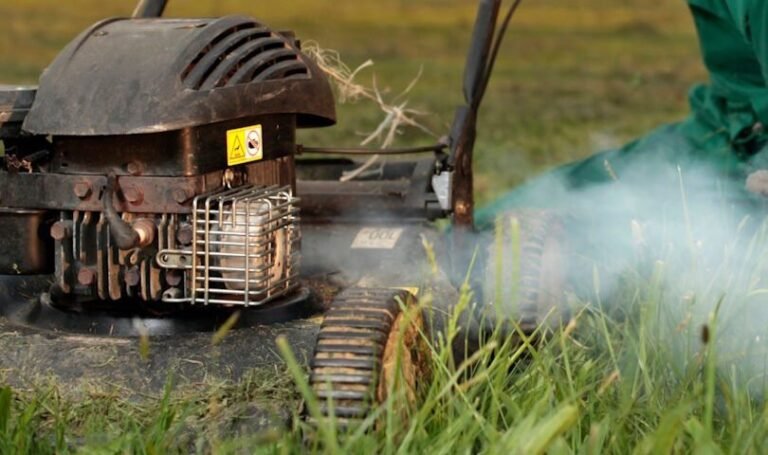
| Black smoke | Foam filter may have too much oil; let it dry and follow oil instructions |
| Low power in tall grass | Dirty filter, dull mower blade, wet grass, or cutting height set too low |
| Dust on the clean side | Damaged filter or poor seal; replace the filter and inspect the housing |
| Hard starting | Incorrect filter fit, stale fuel, fouled spark plug, or carburetor issue |
| Whistling near the housing | Cover, gasket, or filter may not be sealed |
| Mower surges | Air leak, fuel issue, carburetor problem, or restricted filter |
A dirty air filter is only one possible cause. Do not keep washing the same filter if the mower still has trouble. Check the spark plug, blade, fuel, and owner’s manual service steps.
Check the mower blade and mowing height
A dull blade makes the engine work harder. Wet grass does the same. If the filter is clean but the mower bogs down, inspect the blade and raise the cutting height for overgrown grass.
Do not remove or handle the blade with the spark plug connected. Wear gloves and use the method shown in the manual. A sharp blade also supports clean cuts, which can reduce torn grass tips.
Check fuel and the spark plug
Gasoline changes as it sits. Stale fuel can cause hard starts, surging, and poor power. Use fresh fuel that matches the engine manual, and use fuel stabilizer when the manufacturer recommends it for storage.
A worn or fouled spark plug can mimic an air-filter problem. Inspect or replace it at the interval listed in the manual. Never guess at the spark plug gap.
Common mistakes to avoid
Most air-filter problems come from a few simple mistakes. Slow down during removal and reassembly. Taking a photo can prevent many errors.
Washing a paper filter
Water can damage paper pleats. Replace a standard paper filter instead of trying to wash it.
Installing a foam filter while damp
Damp foam can restrict airflow and promote problems inside the housing. Give it enough time to dry fully.
Using too much oil on foam
Heavy oil can reduce airflow and lead to smoke. Use only the oil type and amount listed by the manual.
Blowing dirt into the engine
Compressed air can move dirt past the filter or damage paper pleats. Keep debris away from the intake.
Leaving the filter out during a test
Never run a gas mower without its air filter unless the manual gives a specific service procedure. The engine can draw abrasive dirt into the cylinder.
Overtightening the cover
A cracked cover or crushed seal can create an air leak. Tighten fasteners until secure, not until the plastic bends.
Using the wrong replacement part
Filter shapes can look close while sealing differently. Confirm the exact mower and engine model, filter part number, and dimensions.
💡 Pro Tip: Photograph the filter before removing it. Include the housing, gasket, and filter direction in the photo. This small step helps first-time homeowners, busy DIYers, and family members servicing a senior’s mower.
Air-filter care by mower and yard type
The best maintenance routine changes with the mower and the yard. A reel mower has no gas-engine air filter. A riding mower used on a large, dusty property may need more frequent inspection than a battery push mower used on a small lawn.
| Mower or yard | What deserves attention |
|---|---|
| Small flat yard with a push mower | Check the filter each season and after dusty mowing |
| Hilly lawn with a self-propelled mower | Keep the filter clean and never mow wet slopes |
| Large property with a riding mower | Inspect the larger filter often; keep grass and dust from the engine bay |
| Zero-turn mower on dry acreage | Check after long mowing sessions and near bare soil |
| Battery mower for a small yard | Clean cooling vents and protect the battery from heat and moisture |
| Reel mower for a tiny lawn | Clean the reel, bed knife, and grass catcher instead of an engine filter |
For seniors or people with limited hand strength, a mower with tool-free filter clips may be easier to service than one with several small screws. A family member buying a mower as a gift should check the manual, filter access, storage space, and local gas-equipment rules.
For a large yard, air-filter maintenance is only one part of the routine. Inspect mower blades, belts, deck buildup, spark plugs, fuel lines, grass catchers, and tires as listed by the manufacturer.
Hills and wet grass
Air-filter service does not make a mower safe on a wet slope. Wet grass can reduce traction and increase the chance of a slip or loss of control. Follow the mower manual for slope limits and mowing direction.
Avoid mowing wet grass when possible. Wet clippings can clog the deck and grass catcher, while damp soil can create ruts and harm turfgrass.
Seasonal maintenance plan
Air-filter care fits into a wider lawn-care schedule. A quick inspection before spring mowing can prevent a dirty filter from starting the season in poor shape.
| Season or timing | Air-filter task |
|---|---|
| Before spring mowing | Inspect the filter, housing, seal, and replacement part number |
| During dry summer weather | Check more often for dust and soil buildup |
| During fall leaf work | Inspect after using the mower near dry leaves and debris |
| Before winter storage | Clean or replace the filter and service the engine as directed |
| After long storage | Check for moisture, pests, oil, fuel, and filter damage |
Cold weather can make gas engines harder to start, especially with old fuel or a weak spark plug. A clean filter helps the engine receive air, but it cannot fix every cold-start problem.
Store the mower in a dry shed or garage. Do not store gasoline in an unapproved container or where local rules prohibit it. Check city, state, and fire-safety requirements for fuel storage.
🌿 Eco or Disposal Note: Recycle lithium-ion mower batteries through a designated battery drop-off. Take old gasoline and oil to a household hazardous-waste site. Donate or recycle a usable mower instead of sending it to a landfill.
When cleaning is not enough
Cleaning is worthwhile when a foam filter remains flexible, intact, and able to seal. Replacement is the better choice when the filter has reached the end of its useful life.
Signs that you need a replacement include a torn filter, crushed paper pleats, a loose seal, embedded dirt, fuel damage, and repeated engine trouble after cleaning. Replace the cover gasket if it no longer seals.
Use the manufacturer’s part number when possible. If you buy an aftermarket filter, confirm the fit, filter type, dimensions, and engine compatibility. Read the current product listing because designs and part numbers can change.
When to call a repair shop
Call a qualified repair shop if:
- The engine will not start after basic checks.
- Fuel leaks from the carburetor or fuel line.
- The mower backfires or overheats.
- Dirt reached the engine through a damaged filter.
- The air-filter housing is cracked.
- The engine makes a knocking or grinding sound.
- You are unsure how to disconnect the blade or fuel system.
- The mower is a commercial riding mower or zero-turn under warranty.
A shop can test compression, ignition, fuel flow, carburetor operation, and air leaks. This may save time when a filter is only one part of a larger issue.
Frequently asked questions
Q: Can I clean a lawn mower air filter with soap and water?
A: You can usually wash a washable foam filter with warm water and mild dish soap. Do not wash a standard paper filter unless the manufacturer specifically permits it. Rinse foam well, dry it fully, and oil it only as directed.
Q: Can I use compressed air on a mower air filter?
A: Compressed air is risky for paper filters because it can tear pleats or drive dirt through the material. It can also force debris into the engine intake. Use gentle tapping or replace the filter unless the manual allows compressed air.
Q: How often should I clean a foam mower filter?
A: Inspect it at least once during the mowing season and about every 25 operating hours in normal use. Check more often in dusty yards, during drought, or after mowing near gravel and bare soil.
Q: Should a foam air filter be oiled?
A: Many foam filters need air-filter oil after washing and drying. Some do not. Check the owner’s manual, since too much oil can restrict airflow and cause smoke.
Q: Why is my mower smoking after I cleaned the filter?
A: The foam filter may have too much oil, or oil may have entered the intake. Turn the mower off, let it cool, and inspect the filter. Follow the manual before running it again. Persistent smoke may point to an engine or fuel problem.
Q: Can I run my mower without an air filter?
A: Do not run a gas mower without its air filter. Dirt can enter the engine and cause wear. Reinstall a clean, dry, correctly fitted filter before starting the mower.
Q: Can I vacuum a paper lawn mower filter?
A: A vacuum can damage paper pleats if it pulls hard against the filter. Some manuals allow gentle cleaning, but replacement is usually safer for a dirty paper element. Confirm the method in the manual.
Q: What happens if the air filter is too dirty?
A: A clogged filter can reduce airflow. The mower may lose power, use more fuel, smoke, stall, or start poorly. These symptoms can have other causes, so inspect fuel, the spark plug, blade, and carburetor too.
Q: Is a lawn mower air filter the same as a car air filter?
A: Both filter air, but they are not interchangeable. Mower filters have different shapes, materials, seals, and airflow needs. Use the exact filter listed for the mower’s engine.
Q: Can I clean the air filter housing with water?
A: Keep water out of the housing and engine intake. Wipe the housing with a dry or slightly damp rag, then let it dry fully. Do not spray the engine with a hose or pressure washer.
Q: How do I clean a riding mower air filter?
A: Park it safely, remove the key, let the engine cool, disconnect the spark plug wires as directed, and open the filter housing. Wash only the foam pre-cleaner if the manual allows it. Replace a dirty or damaged paper element.
Q: Should I replace the filter every year?
A: Not always. A lightly used filter in a clean, small yard may last longer, while a filter used in dust, dry grass, or commercial work may need frequent replacement. Inspect the filter and follow the engine maker’s schedule.
Q: Can a dirty air filter damage a mower engine?
A: A dirty filter can restrict airflow. A damaged or poorly sealed filter can allow abrasive dirt into the engine, which may increase wear. Replacing a weak filter is usually a low-cost way to protect the engine.
Final thoughts
Cleaning a lawn mower air filter is a small job with a useful payoff. Start by identifying the filter material. Wash and oil a serviceable foam filter only as the manual directs, while keeping paper filters dry and replacing them when they are clogged or damaged.
Work on a cool mower, disconnect the spark plug wire or remove the battery, and keep dirt out of the intake. Confirm the exact replacement part number when needed. A clean filter supports proper airflow, but good mower care also includes fresh fuel, a sound spark plug, a sharp blade, safe storage, and the right mowing height for your turfgrass.
Affiliate disclosure: This article may contain affiliate links. If you buy a product through one of these links, we may earn a commission at no extra cost to you. Product details, fit, compatibility, and current pricing can change, so confirm them on the manufacturer’s product page and in your mower’s owner’s manual before buying.



One Comment