Is Lawn Mower Gas The Same As Car Gas: Fuel Facts
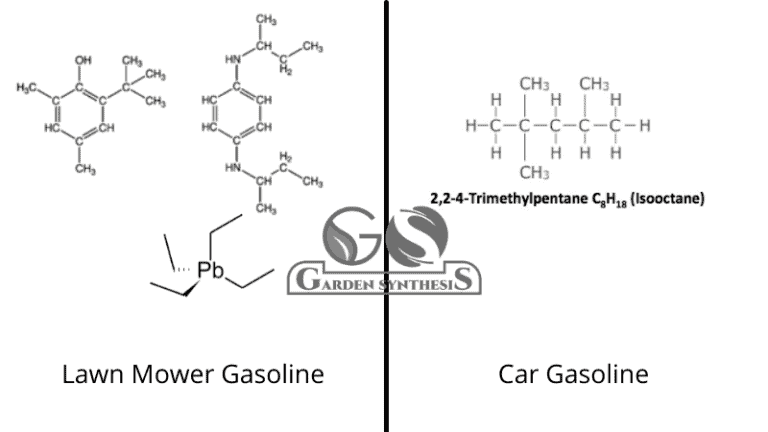
If you are standing beside a mower with a gas can in one hand and your car at the curb, you may wonder if the same fuel works for both. In most cases, the answer is yes: a typical four-stroke lawn mower uses the same regular unleaded gasoline sold for cars. However, the fuel must be fresh, clean, and used in the right engine. Two-stroke equipment, diesel riding mowers, old fuel, and gasoline mixed with the wrong oil are different matters.
The fuel choice affects starting, engine life, storage, and safety. A small push mower has less fuel capacity than a car, so even a little contamination can cause trouble. This guide explains the difference between lawn mower gas and car gas, which fuel types to use, what to avoid, and how to store gasoline safely.
Affiliate Disclosure: This article may contain affiliate links. If you buy through one of these links, we may earn a commission at no extra cost to you. Always confirm fuel requirements in your mower’s owner’s manual before buying or using gasoline.
Quick answer: Is lawn mower gas the same as car gas?
Yes, most gas-powered lawn mowers use the same regular unleaded gasoline used in cars. A four-stroke mower often runs on fresh gasoline with an octane rating of 87 or higher, with no oil added to the tank. The main exception is a two-stroke mower, which needs gasoline mixed with the correct two-cycle oil. Diesel riding mowers need diesel fuel, not gasoline.

The best way to choose mower fuel is to check the owner’s manual and the label near the fuel cap. Do not assume every mower takes the same fuel. Confirm the fuel type, minimum octane, ethanol limit, and whether the engine needs a premixed oil blend.
Simple explanation of mower gas and car gas
Gasoline is a liquid fuel made for spark-ignition engines. It burns inside the engine and creates the power that turns the mower blade or car wheels. The gasoline sold at a filling station can serve many small engines and vehicles, but the engine design determines what fuel is safe.

A modern car has a fuel system designed for regular use, long storage in the tank, fuel injection, and computer controls. A lawn mower has a much smaller fuel system. It may use a carburetor, a manual choke, and a simple mechanical governor. These parts are less forgiving when gasoline is stale, dirty, or mixed with water.
What “regular unleaded” means
Regular unleaded gasoline usually has an octane rating of 87 in the United States. Octane measures resistance to engine knock. A higher number is not automatically better for a mower. Use the grade listed by the manufacturer.
Most four-stroke lawn mowers can use regular unleaded fuel with no more than 10% ethanol, often called E10. Many mower manuals warn against E15 or E85. E85 contains much more ethanol and is not approved for most small engines.
Four-stroke and two-stroke engines
A four-stroke engine keeps gasoline and engine oil separate. Gas goes into the fuel tank, while oil goes into a separate crankcase. Most walk-behind gas mowers, many riding mowers, and some zero-turn mowers use four-stroke engines.
A two-stroke engine combines gasoline and special two-cycle oil. The fuel and oil mixture lubricates the engine as it runs. Some older lawn tools, string trimmers, leaf blowers, and chainsaws use this design. A two-stroke mower must use the exact fuel-to-oil ratio in the manual.
Why the engine type matters
Putting straight gasoline into a two-stroke engine can remove needed lubrication. The engine may run briefly and then suffer severe damage. Adding oil to the fuel tank of a four-stroke mower can foul the spark plug, smoke heavily, clog the carburetor, and cause poor running.
Look for terms such as 4-cycle, 4-stroke, 2-cycle, or 2-stroke on the engine cover, fuel cap, manual, or manufacturer’s website. If the label is missing, ask a mower repair shop before adding fuel.
Quick facts about lawn mower fuel
The table below covers the fuel details most homeowners need. The manual remains the final authority, especially for older engines and riding mowers.
| Fuel question | General guidance | Important limit |
|---|---|---|
| Typical fuel | Fresh regular unleaded gasoline | Often 87 octane or higher |
| Ethanol | E10 is commonly accepted | Avoid E15 and E85 unless approved |
| Oil in fuel | None for most four-stroke mowers | Two-stroke engines need the listed oil mix |
| Diesel fuel | Only for diesel engines | Never use diesel in a gasoline mower |
| Fuel age | Fresh fuel starts and runs better | Old fuel can form gum and varnish |
| Premium gasoline | Usually not needed | Use it only if the manual calls for it |
Most homeowners should buy a small amount of fresh regular gasoline and use it within a reasonable time. A small container is often wiser than a large one that sits through several seasons.
The main difference between mower fuel and car fuel
The main difference is usually not the gasoline itself. It is the way the engine stores, mixes, and burns that fuel. A car may have fuel injection and a sealed fuel system, while a push mower may rely on a vented gas cap and a carburetor.

Cars also use fuel more often. A mower may sit for weeks in summer and months during winter. During that time, gasoline can lose some of its easy-starting qualities. Ethanol fuel can also attract moisture in certain storage conditions. Water and fuel do not burn well together.
Fuel system size
A car fuel tank may hold 10 to 20 gallons or more. A push mower may hold less than one gallon. Because the tank and fuel lines are small, dirt or water can block the carburetor quickly.
A small engine also has less fuel flow to dilute contamination. A few drops of water may not stop a car, but they can make a mower sputter or refuse to start.
Engine controls
Cars use sensors and computers to adjust fuel delivery. Many lawn mowers use a carburetor with fixed passages. If old gasoline leaves a sticky deposit, fuel may not flow through the tiny openings.
This is why a mower can be more sensitive to stale fuel than a daily-driven car. The same gasoline may work well in a car today but cause a mower to start hard after sitting in a shed.
Fuel tank and venting
Mower fuel tanks often breathe through a vent in the cap. This helps air enter as fuel leaves the tank. It also means the fuel can be exposed to air and temperature changes.
Keep the cap clean and properly tightened. Never modify the cap or block the vent. A damaged cap can cause fuel leaks, poor running, or a strong gasoline smell.
Which gasoline should you put in a lawn mower?
For most four-stroke gas mowers, use fresh regular unleaded gasoline with an octane rating of at least 87 and an ethanol content no higher than the engine maker allows. Do not add motor oil unless the manual specifically says the engine is a two-stroke design.
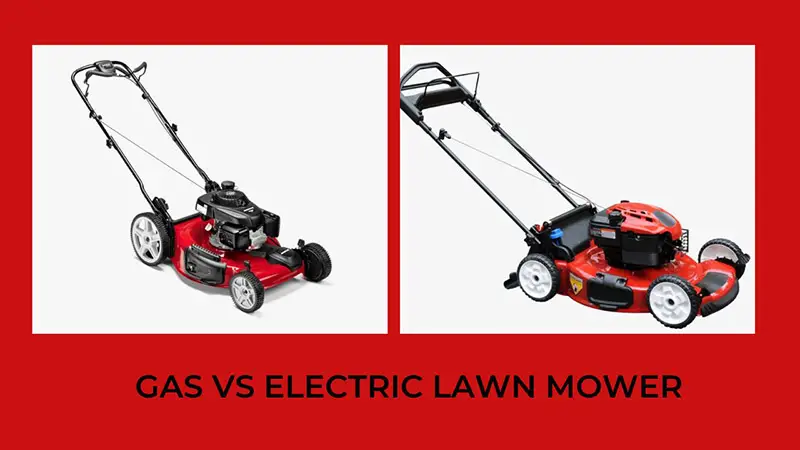
The best fuel for a mower depends on the machine, the season, and how often you mow. A homeowner with a small yard may need only a gallon or two at a time. Someone maintaining a large property with a riding mower may need better storage practices and fuel stabilizer.
Regular unleaded gasoline
Regular unleaded is the normal choice for most gas mowers. Premium fuel is not usually needed unless the manual calls for it. Higher octane does not clean the engine or create more cutting power by itself.
Buy fuel from a busy station when possible. High fuel turnover can reduce the chance of getting old gasoline. Use an approved fuel container, and do not fill it beyond the level marked by the manufacturer.
Ethanol-blended gasoline
Ethanol is added to much of the gasoline sold in the United States. E10 contains up to 10% ethanol. Many lawn mower engines are designed to use it.
Ethanol can absorb water from the air. It may also damage some older rubber parts or create problems when fuel sits for a long time. If the manual allows ethanol-free gasoline, it can be a useful choice for seasonal equipment, though it often costs more.
Ethanol-free gasoline
Ethanol-free fuel can be helpful for mowers that sit for long periods, such as a mower used only during part of the year. It may also suit older engines with fuel-system parts that are less compatible with ethanol.
It is not required for every mower. The higher cost may not make sense for a push mower used every week with fresh fuel. Check the manual and local fuel availability.
Premium gasoline
Premium gasoline has a higher octane rating, often 91 or 93. It is useful when an engine requires it or when the manufacturer lists it as an approved option.
For a basic 140 cc to 190 cc push mower, premium fuel usually offers little benefit if regular fuel is approved. Spending more does not replace proper blade care, air-filter cleaning, or correct mowing height.
Fuel choices by mower type
Different mower types have different fuel needs. The chart below helps match the machine to the fuel.
| Mower type | Common power source | Fuel guidance |
|---|---|---|
| Basic push mower | Four-stroke gasoline engine | Fresh regular unleaded is common |
| Self-propelled gas mower | Four-stroke gasoline engine | Use the manual’s octane and ethanol limit |
| Older two-stroke mower | Gasoline and two-cycle oil | Mix at the exact stated ratio |
| Riding mower | Gasoline or diesel engine | Confirm the engine label before fueling |
| Zero-turn mower | Gasoline or diesel engine | Fuel needs vary by engine model |
| Battery mower | Lithium-ion battery | No gasoline required |
| Corded mower | Electric cord | No gasoline required |
| Robotic mower | Rechargeable battery | No gasoline required |
A first-time homeowner with a small, flat lawn may find a battery push mower easier than storing fuel. A large yard with thick grass may still make a gas self-propelled mower or riding mower practical, depending on local rules and storage space.
What happens when you use the wrong fuel?
Using the wrong fuel can cause hard starting, smoke, poor power, engine knocking, or permanent damage. The result depends on the fuel mistake and how long the engine ran.

Do not keep trying to start a mower after a clear fueling error. Repeated cranking can move the wrong fuel through the carburetor and fuel line. Turn the mower off, move it outdoors, and follow the manual or contact a repair shop.
Gasoline in a diesel mower
Gasoline reduces the lubrication that a diesel fuel system needs. Even a small amount can damage a diesel injection pump or injectors. Do not run a diesel mower after adding gasoline.
A diesel riding mower should be drained and inspected by a qualified technician. The cost of a fuel-system service is far lower than the cost of replacing major diesel parts.
Diesel in a gasoline mower
Diesel is heavier and does not burn correctly in a typical gasoline mower. The engine may smoke, run roughly, stall, or fail to start.
Do not add more gasoline to “dilute” the diesel. The tank and fuel system may need to be drained. Follow the owner’s manual or ask a repair shop how to dispose of the contaminated fuel.
Oil in a four-stroke mower
Too much oil in the fuel tank can create smoke and foul the spark plug. The engine may also run poorly or not at all. A small amount may require draining the tank and replacing the fuel filter or spark plug.
Do not guess. The repair steps vary by mower design.
Straight gas in a two-stroke mower
A two-stroke engine needs oil mixed into the fuel for lubrication. Running it on straight gas can cause overheating and piston damage.
If you made this mistake, stop the engine at once. Use the correct premixed fuel or mix fresh fuel according to the manual before operating the mower again.
⚠️ Safety Warning: Never refuel a hot engine. Turn it off, let it cool, and move away from flames, cigarettes, grills, pilot lights, and other ignition sources. Wear eye protection and closed-toe shoes when draining or servicing a mower.
Gasoline, fuel stabilizer, and storage life
Fresh fuel is one of the easiest ways to improve mower starting. Gasoline does not become useless on a fixed schedule, but heat, air, moisture, and storage conditions affect it.
Fuel stabilizer can slow fuel breakdown. It does not turn very old or contaminated gasoline into fresh fuel. Add the correct amount to new fuel, mix it well, and follow the product label.
How long does mower gas last?
A sealed container of gasoline may stay usable longer than fuel left in a mower tank. A practical approach is to buy only what you expect to use within a month or two. For winter storage, follow the mower manual’s instructions.
Some manufacturers advise draining the carburetor. Others advise adding stabilizer and running the engine. Do not combine storage methods unless the manual supports them.
How to store gasoline safely
Store gasoline only in an approved container. Keep it in a cool, dry, well-ventilated area away from the house, heaters, electrical equipment, and sunlight.
Never store fuel in a living area, basement, vehicle passenger space, or near a furnace. Local fire codes may limit the amount of gasoline allowed at home.
| Storage practice | Why it helps | What to avoid |
|---|---|---|
| Use an approved fuel can | Reduces leak and vapor risk | Open buckets or glass jars |
| Keep the cap sealed | Limits air and moisture exposure | Loose or damaged caps |
| Label the container | Prevents fuel mix-ups | Unmarked containers |
| Store in a cool area | Slows fuel breakdown | Hot sheds and direct sun |
| Add stabilizer to fresh fuel | Helps during seasonal storage | Treating very old fuel |
| Check for leaks | Reduces fire and spill risk | Using cracked cans |
Store fuel away from children and pets. If the container smells strongly of gasoline or shows swelling, cracks, or a loose cap, stop using it and contact your local hazardous-waste program.
📜 Check Local Rules: Cities, counties, fire departments, and HOAs may have rules for fuel storage, gas-powered equipment, noise, and emissions. Confirm local requirements before storing several gallons or operating a gas mower early in the morning.
Gas versus electric mower fuel needs
A battery or corded mower does not use gasoline at all. This can simplify ownership, especially for a small yard, apartment rental, senior homeowner, or gift recipient who does not want to handle fuel.
Battery mowers use a rechargeable battery, often listed by voltage and amp-hours, or Ah. Voltage describes electrical pressure, while Ah gives a rough idea of battery capacity. Runtime depends on grass height, moisture, blade condition, mowing speed, temperature, and the mower design.
Corded mowers need a suitable outdoor-rated extension cord and a nearby outlet. They can suit small, flat lawns, but the cord can snag on trees, beds, fences, and play equipment.
| Power choice | Main advantage | Main drawback |
|---|---|---|
| Gas mower | Long use with quick refueling | Fuel, oil, noise, and maintenance |
| Battery mower | Quiet use and no gasoline storage | Charging and battery replacement cost |
| Corded mower | No battery or fuel to store | Cord management limits movement |
| Reel mower | Quiet and simple design | Needs frequent mowing and flat turf |
| Robotic mower | Automates repeated mowing | Setup, cost, and boundary planning |
For a yard under roughly one-quarter acre, a battery push mower can suit many users if the listed runtime and cutting width match the lawn. For large or hilly properties, a gas self-propelled mower, riding mower, or zero-turn mower may be more practical, but slope limits and local rules matter.
Does premium gas help a lawn mower?
Premium gas helps only when the engine requires or recommends a higher octane rating. In a mower approved for regular fuel, premium gasoline usually does not provide a clear advantage.
The main factors that affect mower performance are fresh fuel, a clean air filter, a sharp mower blade, the correct oil level, and a clean spark plug. A dull blade makes the engine work harder and can tear grass rather than make a clean cut.
What about fuel additives?
Some additives claim to clean carburetors, remove water, or improve starting. Use only products approved for small engines and follow the label. An additive cannot fix a blocked carburetor, damaged fuel line, bad spark plug, or worn ignition coil.
Avoid mixing several additives. More chemicals do not always mean better results.
Should you use canned premixed fuel?
Premixed fuel is gasoline already blended with two-cycle oil. It is convenient for two-stroke tools and can have a longer storage life than ordinary pump fuel, depending on the product.
Do not use two-stroke premix in a four-stroke mower unless the manufacturer specifically approves it. The oil can create smoke, deposits, and operating problems.
Fuel-related problems and practical solutions
Many mower starting problems begin with fuel, but not all of them do. This table separates common symptoms from likely causes.
| Symptom | Possible cause | First safe step |
|---|---|---|
| Engine will not start after winter | Stale fuel or clogged carburetor | Stop repeated cranking and check storage guidance |
| Engine starts, then dies | Restricted fuel flow or dirty carburetor | Inspect fuel cap, filter, and manual |
| White or blue smoke | Oil in fuel or overfilled crankcase | Shut down and check oil and fuel |
| Strong fuel smell | Leak, flooding, or loose cap | Turn off engine and inspect outdoors |
| Sputtering under load | Old fuel, dirty air filter, or dull blade | Check fuel quality and maintenance items |
| Engine runs hot | Wrong fuel mix, low oil, or blocked cooling fins | Stop mowing and let it cool |
Gasoline vapor is highly flammable. If you see a leak, do not start the engine. Move the mower away from ignition sources and arrange safe repair.
When a new spark plug may help
A fuel mistake can foul a spark plug. Signs include hard starting, rough running, and a wet or dark plug. Spark plugs are wear items, like mower blades and air filters.
Use the exact plug number listed in the manual. The wrong plug gap or heat range can cause poor performance or damage.
When the carburetor needs service
A carburetor may need cleaning when old fuel leaves varnish in its small passages. Symptoms include surging, stalling, or an engine that runs only with the choke partly closed.
Some carburetor service is simple for an experienced DIYer. A first-time owner may be better off using a repair shop, especially if the mower is still under warranty.
A safe fuel routine for homeowners
A short routine can prevent many fuel problems. It also helps gift buyers choose a mower that the recipient can manage.
- Read the mower manual before fueling.
- Confirm whether the engine is four-stroke or two-stroke.
- Buy the listed gasoline grade from a reliable station.
- Use a clean, approved fuel can.
- Add fuel outdoors on a cool engine.
- Wipe spills before starting.
- Keep the fuel cap secure.
- Store the can away from heat and living areas.
- Use fuel stabilizer only as directed.
- Dispose of old fuel through a local hazardous-waste program.
Wear safety glasses, hearing protection, work gloves when appropriate, and closed-toe shoes. Clear sticks, stones, wire, toys, and other debris before mowing. Keep children and pets away from the work area.
Never mow wet grass on slopes. Wet turf can reduce traction and increase the risk of sliding. Disconnect the spark plug wire or remove the battery before working near the blade, belt, or underside of the deck.
What mower fuel means for different buyers
The right choice depends on the yard and the person using the mower. A small, flat lawn does not need the same setup as a large, sloped property.
For first-time homeowners and renters
A basic four-stroke push mower can suit a small to medium lawn when you want a lower purchase cost and do not mind fuel maintenance. A battery push mower may be easier if storage is limited or local noise rules are strict.
Measure the gate, shed door, and storage area before buying. Check the mower’s cutting width, weight, handle-folding design, and bag capacity. A 20-inch mower may fit tight spaces better than a wider 22-inch model.
For experienced DIY users
Gas mowers can make sense when you mow thick grass, cover a large area, or work far from an outlet. A self-propelled mower can reduce pushing effort on moderate slopes, but it adds belts, cables, and drive parts that may need service.
For a large property, compare a riding mower or zero-turn mower with a wide deck. Confirm turning space, trailer access, slope limits, fuel capacity, and replacement blade or belt availability.
For seniors and gift buyers
A battery mower may suit a senior who wants less noise, no fuel can, and easy starting. Look for a manageable weight, simple controls, an adjustable handle, and a battery system with clear charge indicators.
A gas mower may still work well if the recipient already maintains small engines and has safe fuel storage. Avoid gifting a mower without checking who will lift it, service it, transport it, and store it.
🎁 Gift-Buyer Note: Ask about yard size, slope, gate width, storage space, and comfort with gasoline. A mower that looks powerful in a store may be too heavy or too complex for the person who must use it.
Gas mower maintenance beyond fuel
Fuel is only one part of lawn mower care. A mower that cuts cleanly also needs a sharp blade, clean airflow, and the right engine oil.
Check the oil level before use on a four-stroke engine. Change it at the interval listed in the manual. Keep the air filter clean, and replace it when it becomes damaged or heavily clogged.
Inspect the mower blade at least a few times each season. A bent or cracked blade needs replacement, not just sharpening. Disconnect the spark plug wire before handling the blade.
| Part | What to inspect | Common wear sign |
|---|---|---|
| Mower blade | Sharpness and cracks | Torn grass or vibration |
| Spark plug | Gap and deposits | Hard starting |
| Air filter | Dirt and damage | Weak power or black smoke |
| Fuel line | Cracks and leaks | Gas smell |
| Drive belt | Fraying and tension | Self-propel system slips |
| Battery | Charge and condition | Short runtime or swelling |
Mow at the proper height for your grass type and climate. Cutting too low can stress turfgrass during drought or heat. Removing too much leaf tissue at once can also weaken the lawn.
Mulching means returning fine grass clippings to the lawn. Side discharge spreads clippings to the side. A grass catcher collects them. Each method can work in the right yard, but wet grass can clog a deck and create heavy clumps.
Common myths about lawn mower gas
Several fuel ideas sound reasonable but can lead to trouble.
“Premium fuel is always better”
Premium is not automatically better. Use the octane and ethanol level listed by the manufacturer. Fresh regular fuel is often the correct choice for a basic mower.
“A car can burn any gasoline, so a mower can too”
Cars and mowers have different fuel systems and engine designs. A car may tolerate fuel that causes problems in a small carburetor. Do not use E85, diesel, or an unknown fuel blend unless the mower maker approves it.
“Old gas can be fixed with fresh gas”
Fresh fuel may dilute a small amount of older fuel, but it does not reliably remove gum, water, or contamination. If fuel smells sour, looks cloudy, or contains debris, do not use it.
“Oil belongs in every mower fuel tank”
Oil belongs in the fuel tank only when the engine is designed for a gasoline-oil mix. Most modern walk-behind gas mowers are four-stroke engines with separate oil fill points.
“Fuel stabilizer makes storage risk-free”
Stabilizer helps slow fuel breakdown. It does not prevent leaks, fire hazards, water contamination, or all carburetor problems. Safe storage still matters.
Pros and cons of gas-powered lawn mowers
Gas mowers remain useful, but they require more care than many electric models. Consider both sides before buying.
| Benefits of gas mowers | Drawbacks of gas mowers |
|---|---|
| Quick refueling | Fuel storage is required |
| Useful for larger lawns | More engine maintenance |
| No charging wait | Louder operation |
| Strong option for thick grass | Exhaust and fuel odors |
| Many sizes and deck widths | Cold starts can be harder |
| Long use with extra fuel | Local rules may restrict use |
Gas power can suit experienced DIY users with large yards, thick growth, or limited charging space. It may not suit a renter with no safe fuel-storage area or a user who wants quiet mowing.
How local climate affects mower fuel
Heat speeds fuel evaporation and can raise vapor pressure in a stored container. Keep fuel shaded and cool, but never store it in an area where vapors can collect near an ignition source.
Cold weather can make starting harder. Old fuel, a dirty air filter, weak battery, or incorrect choke use can add to the problem. Follow the starting steps in the manual.
Wet weather creates another risk. Wet grass can clog the deck, reduce traction, and make a slope dangerous. Let the lawn dry before mowing when possible.
Drought changes mowing needs too. Raise the mowing height within the range recommended for your grass type. Avoid removing too much of the leaf blade in one pass.
Environmental disposal and fuel safety
Never pour old gasoline or oil onto soil, into a storm drain, down a sink, or into household trash. These materials can pollute water and create fire hazards.
Take old gas and oil to a household hazardous-waste site or an approved collection event. Rules differ by location. Call first to learn whether the site accepts fuel and how it must be transported.
Recycle lithium-ion mower batteries at a designated battery drop-off or retailer program. Do not place swollen, damaged, or hot batteries in a curbside recycling bin. Donate or recycle usable mowers instead of abandoning them.
🌿 Eco and Disposal Note: A battery mower avoids gasoline storage and tailpipe emissions during use, but its battery still needs proper recycling at the end of its life. Gas and electric equipment both need responsible care.
Frequently asked questions
Q: Can I use car gas in my lawn mower?
A: Usually, yes. Most four-stroke lawn mowers use fresh regular unleaded gasoline similar to car fuel. Check the mower manual for the approved octane rating and ethanol limit. Do not use diesel or E85 unless the manufacturer specifically approves it.
Q: Is 87 octane gas okay for a lawn mower?
A: It is okay for many lawn mowers, but not every model. Many small engines list 87 octane as the minimum. Read the manual or the fuel label before filling the tank.
Q: Can I put premium gas in my lawn mower?
A: You can use premium only if it is approved by the manufacturer. It is usually unnecessary for a mower designed for regular unleaded. Higher octane does not replace fresh fuel or proper maintenance.
Q: Can I use E10 gasoline in a mower?
A: Many modern mowers allow E10, which contains up to 10% ethanol. Confirm the manual first. Avoid E15 and E85 unless the engine maker clearly lists them as safe.
Q: Can I use E85 in my lawn mower?
A: Most lawn mowers cannot use E85. It contains much more ethanol than standard E10 and may damage or disrupt the fuel system. Using it can also create starting and running problems.
Q: Does lawn mower gas need oil?
A: Most four-stroke mower engines do not need oil mixed into the gasoline. They use separate engine oil. Two-stroke engines do need a gasoline and two-cycle oil mixture at the exact ratio listed in the manual.
Q: How long can gas sit in a lawn mower?
A: Fuel life depends on age, heat, air, moisture, and storage conditions. Fresh fuel is the safest choice. For seasonal storage, follow the manual and use stabilizer only as directed.
Q: Should I drain the gas before winter?
A: Some manufacturers recommend draining the tank and carburetor. Others recommend fresh fuel with stabilizer. Use the storage method in your mower’s manual rather than guessing.
Q: Why does my mower run poorly after I add gas?
A: Possible causes include stale fuel, water, a clogged fuel filter, a dirty carburetor, a loose fuel cap, or the wrong fuel. Stop using the mower if you smell a leak or see smoke. Check the manual or call a repair shop.
Q: Can old gas damage a lawn mower?
A: Yes. Old gasoline can form deposits that restrict the carburetor and fuel passages. It can also make starting difficult. Do not use fuel that smells sour, looks cloudy, or contains dirt or water.
Q: Is ethanol-free gas worth the extra cost?
A: It may be worth considering for a mower that sits for long periods or an older engine that has fuel-system concerns. It is not necessary for every mower. Follow the manufacturer’s fuel guidance and consider how often you use the machine.
Q: What is the best fuel for a small yard mower?
A: For most small yards, fresh regular unleaded gasoline approved by the manual is enough. A battery mower may be easier if you want no gasoline storage, lower noise, and simple starting.
Q: What is the best mower for seniors?
A: A light battery push mower with simple controls may suit a senior with a small, level yard. A self-propelled model can reduce pushing effort, but it may weigh more and need more service. Check handle height, control force, battery weight, and storage space.
Q: Can I use two-stroke premix in a four-stroke mower?
A: Do not use it unless the manufacturer approves it. The oil in the premix can create smoke, deposits, and poor operation in a four-stroke engine. Use straight approved gasoline in the fuel tank and separate engine oil in the crankcase.
Q: When should I call a mower repair shop?
A: Call a professional after a diesel or gasoline mix-up, a fuel leak, repeated flooding, severe smoke, engine seizure, or a mower that will not run after basic checks. A shop can safely drain fuel, inspect the carburetor, and verify damage.
Final thoughts
For most gas-powered lawn mowers, lawn mower gas and car gas are the same basic product: fresh unleaded gasoline. The important details are the engine type, octane rating, ethanol content, fuel age, and storage method.
Use straight gasoline in a four-stroke mower unless the manual says otherwise. Use the correct gasoline-and-oil mix in a two-stroke engine. Never use diesel, E85, unknown fuel, or stale gasoline just because it is available.
A gas mower can suit a large yard, thick grass, and an experienced DIY user who is comfortable with fuel and engine care. A battery mower may better suit a small yard, renter, senior, or gift recipient who wants quieter operation and less maintenance. Measure the yard, check the slope and gate width, review local rules, and read the manual before the first fill-up.