


The Kubota B3030 is a reliable compact tractor, but like any machine, it can develop issues over time. From engine stalling to hydraulic leaks, understanding common problems helps you troubleshoot and fix them quickly. With proper maintenance and timely repairs, your B3030 can continue delivering strong performance for years.
Key Takeaways
- Engine Performance Issues: Common causes include fuel contamination, air filters, and timing problems. Regular filter changes and fuel checks can prevent many issues.
- Hydraulic System Failures: Low fluid levels, worn seals, or pump wear often lead to slow or inconsistent operation. Always inspect fluid levels and look for leaks.
- Electrical Problems: Frequent causes are bad batteries, faulty regulators, or corroded connections. A multimeter can help diagnose voltage issues.
- Transmission and Gear Issues: Slipping gears or difficulty shifting may stem from low transmission fluid or worn clutch components. Top up fluid and inspect linkage.
- PTO and Belt Concerns: Belt slippage or PTO not engaging usually results from tension problems or worn belts. Adjust tension and replace belts as needed.
- Overheating Symptoms: Blocked radiators, low coolant, or failing fans cause overheating. Clean radiators and check coolant levels regularly.
- Maintenance Tips: Follow the manual’s schedule for oil changes, filter replacements, and inspections. Keep a maintenance log to track service history.
📑 Table of Contents
- Introduction: Why the Kubota B3030 Matters (And Why It Needs Attention)
- 1. Engine Performance Issues: When Your Tractor Won’t Start or Runs Rough
- 2. Hydraulic System Failures: Slow Operation and Leaks
- 3. Electrical Problems: Lights, Gauges, and Ignition Glitches
- 4. Transmission and Gear Issues: Slipping and Difficulty Shifting
- 5. PTO and Belt Problems: Power Takeoff Malfunctions
- 6. Overheating: When the Engine Gets Too Hot
- Conclusion: Keep Your Kubota B3030 Running Strong
Introduction: Why the Kubota B3030 Matters (And Why It Needs Attention)
When it comes to compact tractors, the Kubota B3030 has earned a solid reputation among farmers, landscapers, and DIYers alike. With its 30 horsepower, 4-cylinder diesel engine, and versatile attachments, it’s a workhorse designed for everything from mowing to plowing. But even the most reliable machines aren’t immune to problems. Over time, the B3030 can develop issues that affect performance, efficiency, and longevity. Understanding these Kubota B3030 problems early can save you time, money, and frustration.
Whether you’re a seasoned operator or a first-time buyer, knowing what to look for is crucial. This article dives deep into the most common Kubota B3030 problems, how to spot them, and what you can do to fix or prevent them. From engine hiccups to hydraulic leaks, we’ll walk you through real-world scenarios and practical solutions. Think of this as your go-to guide for keeping your B3030 running like new—even when things go wrong.
1. Engine Performance Issues: When Your Tractor Won’t Start or Runs Rough
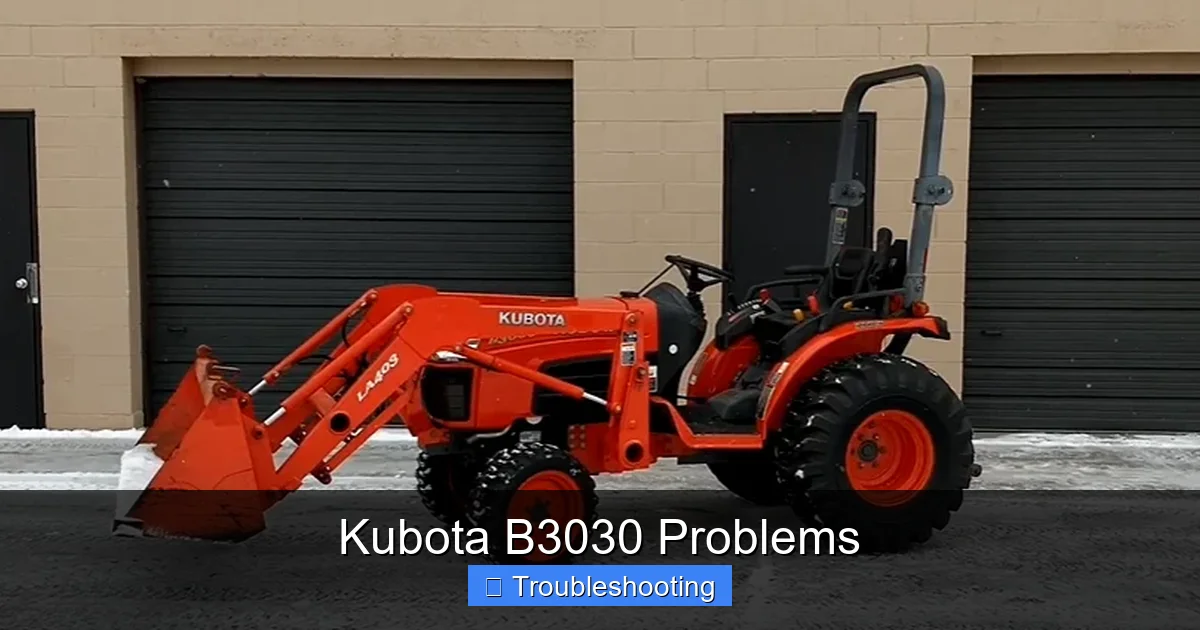
One of the most frustrating Kubota B3030 problems is when the engine won’t start or runs unevenly. You turn the key, and nothing happens—or worse, it sputters and dies. These issues are often related to fuel, air, or ignition systems. Let’s break down the common culprits.
Visual guide about Kubota B3030 Problems
Image source: lawnmowerly.com
Fuel System Misfires
The fuel system is the lifeblood of your B3030. Contaminated fuel, a clogged fuel filter, or a failing fuel pump can prevent the engine from starting. Diesel engines are especially sensitive to water in the fuel, which can cause injector failure or hard starting.
Tip: Always use clean, fresh diesel fuel. If you suspect contamination, drain the fuel filter and inspect for water or debris. Replace the filter every 250 hours or annually, whichever comes first.
Air Filter Clogging
A dirty air filter restricts airflow to the engine, leading to poor combustion and reduced power. The B3030 has a dry-type air filter system, which means it doesn’t use oil. Still, dust and debris can clog the filter element quickly, especially in dusty environments.
Example: A farmer in Arizona reported his B3030 losing power after three months of use. A quick inspection revealed a heavily clogged air filter. After cleaning and replacing it, the tractor ran smoothly again.
Timing and Compression Problems
Incorrect valve timing or low compression can cause rough idling, misfires, or failure to start. This is more common in older models or if the engine has been serviced improperly. Compression tests can help diagnose this issue.
Solution: If compression is low, inspect valves, rings, and head gaskets. A mechanic may need to perform valve adjustments or rebuild components.
2. Hydraulic System Failures: Slow Operation and Leaks
The hydraulic system powers the loader, backhoe, and other attachments. When it fails, your tractor becomes much less useful. Common Kubota B3030 problems in the hydraulic system include slow response, erratic movement, and visible leaks.
Visual guide about Kubota B3030 Problems
Image source: lawnmowerly.com
Low Hydraulic Fluid
Hydraulic fluid is stored in a separate reservoir. If the level is low, the pump won’t get enough fluid, leading to poor performance or complete failure. Low fluid can result from leaks or not checking levels regularly.
How to Check: Park on level ground, lower the loader, and check the fluid level in the sight glass. Top up with the manufacturer-recommended fluid if needed.
Worn Seals and Hoses
Over time, hydraulic seals and hoses can wear out, causing leaks. You might notice oil spots under the tractor or a drop in performance. The B3030 uses high-quality seals, but heavy use accelerates wear.
Tip: Inspect hoses and seals during routine maintenance. Replace any cracked or leaking components immediately to prevent bigger issues.
Pump Wear
The hydraulic pump is the heart of the system. If it starts to fail, you’ll notice reduced lift speed or pressure. This is often due to contamination or lack of maintenance.
Solution: Replace the hydraulic filter regularly and use clean fluid. If the pump is damaged, it may need professional repair or replacement.
3. Electrical Problems: Lights, Gauges, and Ignition Glitches
Modern tractors like the B3030 rely heavily on electrical systems. From the starter to the dashboard, a single faulty component can cause big problems. Electrical issues are tricky because they’re not always obvious.
Visual guide about Kubota B3030 Problems
Image source: lawnmowerly.com
Dead Battery
A weak or dead battery is one of the most common Kubota B3030 problems. If the tractor won’t start or the lights flicker, the battery might be the issue. Batteries lose charge over time, especially in cold weather.
Test Tip: Use a multimeter to check voltage. A healthy battery should read 12.6 volts or higher when the engine is off. Below 12 volts means it needs charging or replacement.
Faulty Alternator or Voltage Regulator
The alternator charges the battery while the engine runs. If it fails, the battery won’t recharge, leading to repeated starting issues. A bad voltage regulator can cause overcharging, which damages electrical components.
Signs: Dim lights, warning lights on the dashboard, or a burning smell. Have the alternator tested at a service center.
Corroded Connections
Corrosion on battery terminals or ground wires can disrupt electrical flow. This is common in humid or salty environments.
Prevention: Clean terminals with a wire brush and apply dielectric grease to prevent future corrosion.
4. Transmission and Gear Issues: Slipping and Difficulty Shifting
The B3030 uses a hydrostatic transmission, which allows smooth, continuous speed control without shifting gears. But sometimes, you might experience slipping, jerking, or difficulty moving.
Low Transmission Fluid
Like the hydraulic system, the transmission has its own fluid. Low levels can cause slipping and overheating. Check the fluid level with the engine off and cool.
Location: The transmission dipstick is usually near the engine. Top up with the correct fluid as specified in the manual.
Clutch Wear (Manual Variants)
Although most B3030 models use hydrostatic transmissions, some older or modified versions may have manual gearboxes. Worn clutch plates or linkage issues can cause hard shifting or slipping.
Solution: Inspect the clutch cable and adjust it according to the manual. Replace worn plates if necessary.
Pump or Motor Failure
In hydrostatic systems, a failing pump or motor can cause slow or erratic movement. This often requires professional diagnosis and repair.
Tip: If the tractor moves slowly even at full throttle, the hydrostatic system may need service.
5. PTO and Belt Problems: Power Takeoff Malfunctions
The Power Takeoff (PTO) engages tools like mowers or rotary tillers. If the PTO won’t engage or the belt slips, your attachments become useless.
Belt Slippage
PTO belts wear over time and can slip under load. This causes the attachment to spin slowly or not at all.
Fix: Tighten the belt tension using the adjustment lever. If the belt is cracked or glazed, replace it.
PTO Clutch Failure
The PTO clutch engages the belt. If it fails, the PTO won’t turn on. You might hear a clicking sound or smell burning.
Diagnosis: Check the clutch coil with a multimeter. If it reads open circuit, replace the coil or entire clutch assembly.
6. Overheating: When the Engine Gets Too Hot
Overheating is a serious issue that can cause engine damage. The B3030 has a liquid-cooled system, but it can still overheat due to blockages or low coolant.
Blocked Radiator
Dirt, grass, and debris can clog the radiator fins, reducing cooling efficiency. This is especially common in mowing or farming environments.
Prevention: Clean the radiator regularly with compressed air or a soft brush. Do this before and after heavy use.
Low Coolant Level
Coolant absorbs heat and circulates through the engine. If levels are low, overheating occurs.
Check Tip: Inspect the coolant reservoir and radiator. Top up with a 50/50 mix of coolant and distilled water.
Faulty Thermostat or Fan
A stuck thermostat prevents coolant from flowing, while a failing fan won’t pull air through the radiator.
Solution: Test the thermostat by checking if it opens when hot. Replace the fan motor or relay if it’s not spinning.
Conclusion: Keep Your Kubota B3030 Running Strong
The Kubota B3030 is a dependable machine, but it’s not without its challenges. From engine stalling to hydraulic leaks, understanding common Kubota B3030 problems helps you stay ahead of issues. Regular maintenance is the best defense—check filters, fluids, and belts as recommended. When problems do arise, diagnosing them early prevents costly repairs.
Remember, every tractor owner faces setbacks. The key is knowing how to respond. Whether it’s cleaning a clogged air filter or replacing a PTO belt, small fixes make a big difference. With the right care, your B3030 can keep working hard for years.
Stay proactive, stay informed, and your Kubota will keep you productive—rain or shine.
Frequently Asked Questions
Why won’t my Kubota B3030 start?
Common causes include a dead battery, clogged fuel filter, or air in the fuel system. Check the battery voltage, inspect the fuel filter, and bleed the fuel system if needed.
How often should I change the hydraulic fluid on a Kubota B3030?
It’s recommended to change the hydraulic fluid every 250 operating hours or once a year, whichever comes first. Always use the fluid specified in the owner’s manual.
What should I do if my Kubota B3030 overheats?
Check the coolant level, inspect the radiator for blockages, and ensure the fan is working. Top up coolant and clean the radiator if necessary. Avoid prolonged use in high temperatures.
Can I fix electrical issues on my Kubota B3030 myself?
Simple issues like corroded battery terminals can be fixed at home. For complex problems like alternator failure, it’s best to consult a professional technician.
Why is my Kubota B3030 losing power?
Power loss is often due to a clogged air filter, dirty fuel filter, or low compression. Inspect and replace filters, and consider a compression test if issues persist.
How do I prevent PTO belt slippage?
Regularly check belt tension and replace worn belts. Use the adjustment lever to maintain proper tension, and avoid overloading the attachment.
