


The John Deere 345 is a reliable compact tractor, but like any machine, it can face common issues over time. From engine performance to hydraulic leaks, understanding these frequent problems helps owners maintain efficiency and avoid costly repairs. This guide walks you through top John Deere 345 problems, their causes, and practical solutions.
The John Deere 345 is a popular compact utility tractor known for its versatility, durability, and ease of use. Since its introduction in the late 1970s, it has been a favorite among homeowners, small-scale farmers, and landscapers. With its 3-cylinder diesel engine and 35 horsepower, the 345 delivers solid performance for mowing, tilling, hauling, and light construction work. But despite its reputation for reliability, the John Deere 345 is not immune to problems. Over time, wear and tear, improper maintenance, or even environmental factors can lead to a variety of issues that affect performance, safety, and longevity.
One of the most common complaints among John Deere 345 owners is engine hard starting, especially in colder weather. This problem can be frustrating and time-consuming, especially during busy seasons when time is of the essence. Other frequent issues include hydraulic leaks, transmission slipping, electrical glitches, and overheating. While many of these problems have known causes and solutions, diagnosing them correctly requires a bit of mechanical know-how. In this article, we’ll walk you through the most common John Deere 345 problems, explain their root causes, and provide practical, step-by-step solutions to get your tractor back in top shape.
Whether you’re a seasoned operator or a first-time owner, understanding how to troubleshoot and maintain your John Deere 345 will save you money, reduce downtime, and extend the life of your machine. From checking fuel quality to inspecting hydraulic hoses, we’ll cover everything you need to know. Let’s dive into the most frequent John Deere 345 problems and how to fix them.
Key Takeaways
- Engine Hard Starting: Often caused by battery issues, fuel contamination, or air in the fuel system. Regular maintenance and fuel quality checks can prevent this.
- Hydraulic System Leaks: Common in older models due to worn seals or damaged hoses. Inspect regularly and replace parts promptly to avoid fluid loss.
- Transmission Slipping: May result from low transmission fluid or worn clutch components. Top up fluid and inspect linkage for smooth operation.
- Electrical Failures: Frequent in units with older wiring or corroded connections. Clean terminals and check fuses to restore functionality.
- Poor Engine Performance: Can stem from clogged air filters, dirty injectors, or timing issues. Clean or replace filters and service fuel systems as needed.
- Overheating Issues: Often due to low coolant levels, a faulty thermostat, or a clogged radiator. Maintain proper coolant levels and clean the cooling system.
- Uneven Tire Wear: Usually from improper tire pressure or alignment. Check and adjust pressure monthly and inspect for suspension wear.
📑 Table of Contents
Common Engine Problems in the John Deere 345
The heart of the John Deere 345 is its 3-cylinder diesel engine, which is robust but can develop issues over time. Engine-related problems are among the most reported concerns, and they often stem from poor maintenance or environmental conditions. Let’s break down the most common engine issues and how to address them.
Hard Starting or No Start
One of the first signs of an engine problem is difficulty starting. If your John Deere 345 cranks but won’t start, or takes several attempts to turn over, the issue could be related to fuel, air, or electrical systems.
Fuel System Issues: Diesel engines rely on clean, dry fuel. Contaminated fuel—especially water-laden diesel—can cause hard starting. Water in the fuel system creates air pockets and disrupts fuel flow. To fix this, drain the fuel filter and replace it with a new one. Always use a high-quality fuel filter and change it every 200–300 hours of operation.
Battery and Electrical Problems: A weak or dead battery is a frequent culprit. Check the battery terminals for corrosion and ensure they’re tightly connected. If the battery is old (over 3–4 years), it may need replacement. Also, inspect the starter solenoid and alternator for proper function.
Air in the Fuel System: Air trapped in the fuel lines after a filter change can prevent the engine from starting. To purge air, loosen the fuel line at the injection pump and crank the engine until clean fuel flows. Never crank the engine without fuel in the system.
Loss of Power or Rough Running
If your tractor feels sluggish or runs unevenly, it may be suffering from poor combustion. This can result from several factors:
Clogged Air Filter: A dirty air filter restricts airflow to the engine, reducing power. Inspect the air filter monthly and replace it every 100–150 hours. In dusty environments, change it more frequently.
Dirty Fuel Injectors: Over time, injectors can get clogged with carbon buildup, leading to poor spray patterns. Use a fuel injector cleaner or have the injectors professionally cleaned or replaced.
Timing Issues: Incorrect valve timing can cause poor performance. If you suspect timing problems, consult a certified technician, as adjusting timing requires specialized tools and knowledge.
Excessive Smoke from the Exhaust
Smoke is a telltale sign of engine problems. Here’s what different colors mean:
Black Smoke: Indicates too much fuel and not enough air—common with a clogged air filter or dirty injectors. Clean or replace the air filter and service the fuel system.
White Smoke: Usually caused by cold starts or coolant entering the combustion chamber. If it persists, check for a blown head gasket or cracked cylinder head.
Blue Smoke: Suggests oil burning in the combustion chamber. This could be due to worn piston rings or valve seals. A compression test can help diagnose the issue.
Hydraulic System Issues and Leaks
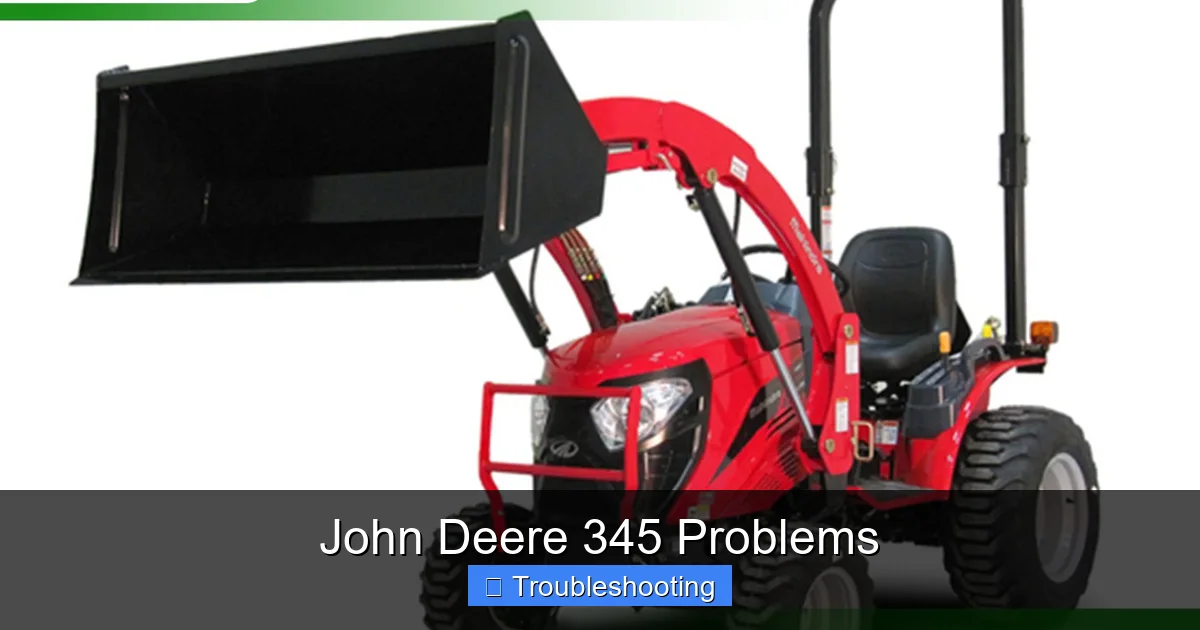
Visual guide about John Deere 345 Problems
Image source: farmsunseed.com
The hydraulic system in the John Deere 345 powers the 3-point hitch, front loader, and other attachments. Hydraulic problems are common and can range from minor leaks to complete system failure.
Hydraulic Fluid Leaks
Leaks are often the first sign of hydraulic system trouble. They usually occur at hose connections, seals, or the pump itself. Common leak points include:
Hose Connections: Loose or worn hose clamps can cause fluid to escape. Tighten clamps and inspect hoses for cracks or bulges.
Seal Failures: Over time, rubber seals harden and crack, especially in hot climates. Replace seals in the lift arms, cylinder rods, and valve bodies.
Pump Wear: The hydraulic pump can wear out, reducing pressure and flow. If the system feels weak and leaks are present, the pump may need rebuilding or replacement.
Slow or Unresponsive Hydraulics
If your 3-point hitch or loader moves slowly or doesn’t hold position, the issue could be low fluid, air in the system, or a failing pump.
Low Hydraulic Fluid: Check the fluid level in the reservoir regularly. Top up with the correct type of hydraulic fluid (usually ISO 32 or equivalent). Overfilling can cause foaming and aeration.
Air in the System: Air bubbles reduce hydraulic efficiency. To bleed air, operate the hydraulic controls fully several times with the engine running.
Pump Failure: A worn pump may not generate enough pressure. Listen for unusual noises like whining or grinding, which indicate pump damage.
Transmission and Clutch Problems
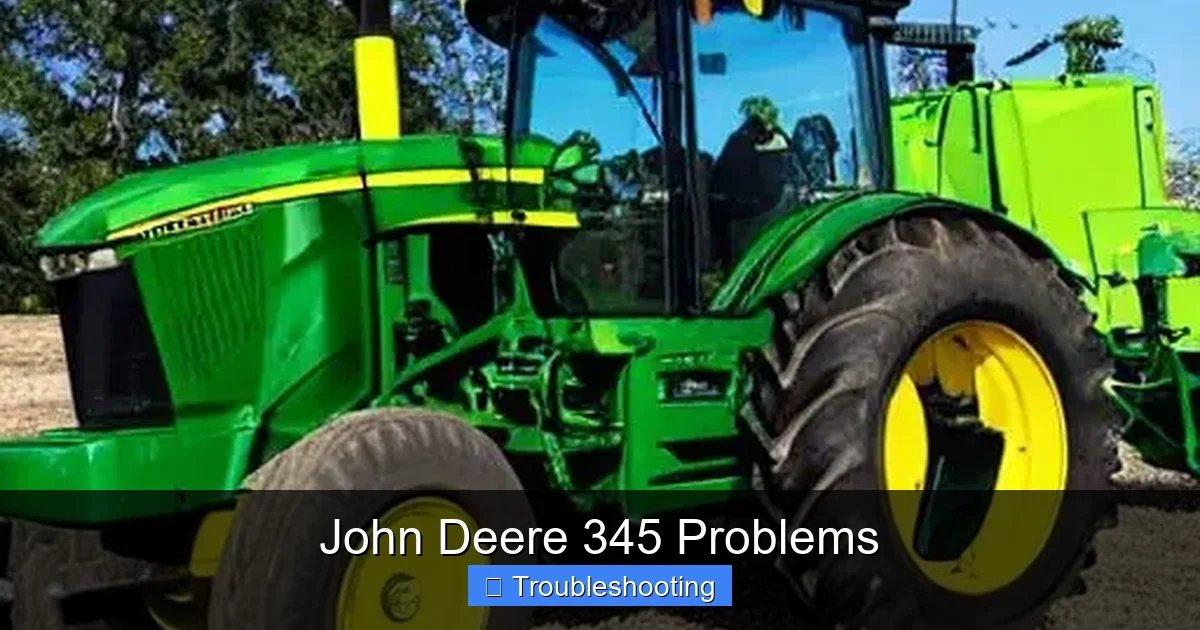
Visual guide about John Deere 345 Problems
Image source: gardentooly.com
The John Deere 345 uses a manual transmission with multiple forward and reverse gears. Transmission issues can make the tractor difficult to control or cause it to slip during operation.
Transmission Slipping
Slipping occurs when the clutch doesn’t fully engage, causing a loss of power. Common causes include:
Low Transmission Fluid: Check the fluid level in the transmission. Low fluid reduces clutch pressure and can lead to slipping. Top up with the correct type of transmission fluid (usually SAE 30 or multi-grade).
Worn Clutch Components: Over time, the clutch disc, pressure plate, or release bearing wear out. Symptoms include a spongy clutch pedal and difficulty shifting. A clutch adjustment may help temporarily, but replacement is often necessary.
Misaligned Linkage: If the clutch linkage is loose or misadjusted, it can prevent full disengagement. Inspect the linkage and adjust as needed.
Difficulty Shifting Gears
Hard shifting or grinding noises when changing gears may indicate:
Worn Synchronizers: In older models, synchronizers wear out, making gear changes difficult. This requires a transmission rebuild.
Low Fluid or Contaminated Fluid: Dirty or old fluid can cause shifting problems. Change the transmission fluid and filter every 200–300 hours.
Clutch Not Fully Released: If the clutch pedal doesn’t return fully, it can cause dragging and hard shifting. Check the pedal free play and adjust the linkage.
Electrical System Failures
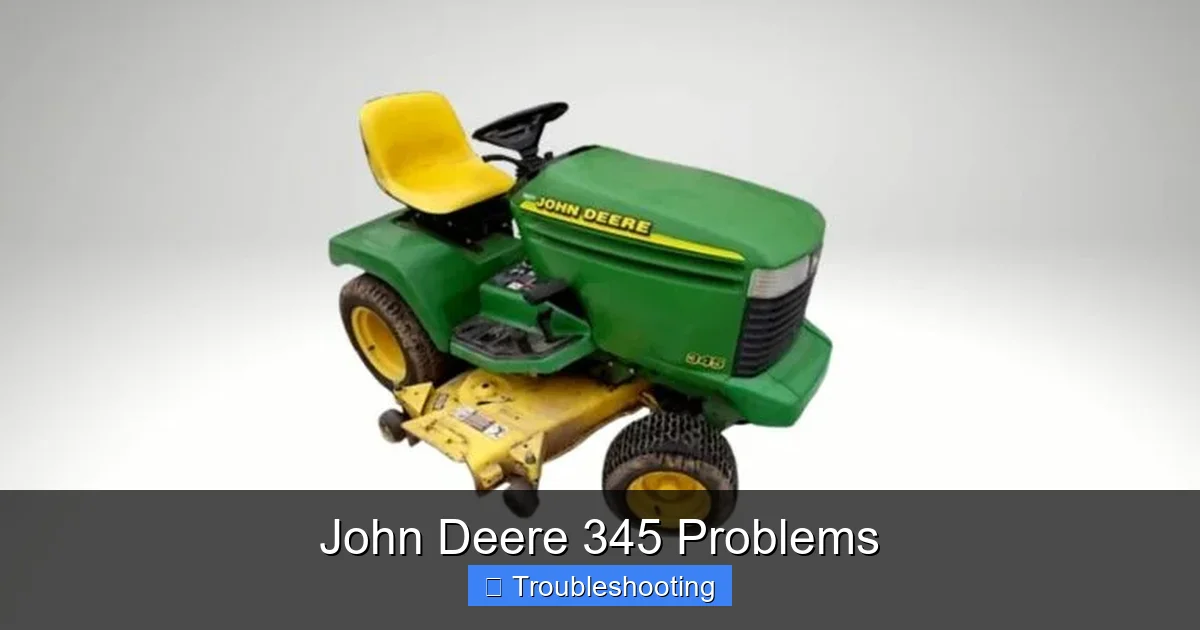
Visual guide about John Deere 345 Problems
Image source: lawnmowerly.b-cdn.net
The electrical system powers the starter, lights, gauges, and ignition. Electrical issues can be tricky because they may involve multiple components.
Dead Battery or No Power
If the tractor won’t start or the lights don’t work, the battery is the first thing to check. Common causes include:
Corroded Terminals: Clean the battery terminals with a wire brush and baking soda solution. Ensure connections are tight.
Weak Battery: Test the battery voltage with a multimeter. A reading below 12.4 volts indicates a weak battery. Replace if necessary.
Faulty Alternator: If the battery keeps dying, the alternator may not be charging it. Check the alternator output with a multimeter.
Faulty Gauges or Lights
Malfunctioning gauges or dim lights can indicate wiring issues or a failing voltage regulator. Inspect wiring harnesses for fraying or loose connections. Replace any damaged wires and ensure all connectors are secure.
Starter Motor Problems
A clicking starter or slow cranking may point to a failing starter motor or solenoid. Clean the solenoid contacts and ensure the starter gear engages properly with the flywheel.
Cooling System and Overheating Issues
The John Deere 345 uses a liquid-cooled system to regulate engine temperature. Overheating can cause serious engine damage if not addressed.
Causes of Overheating
Common reasons for overheating include:
Low Coolant Level: Check the coolant level in the radiator and overflow tank. Top up with a 50/50 mix of antifreeze and water.
Clogged Radiator: Dirt, debris, and bugs can block the radiator fins. Clean the radiator with a soft brush or compressed air.
Faulty Thermostat: A stuck thermostat can prevent coolant from circulating. Test the thermostat by placing it in hot water and checking if it opens.
Water Pump Failure: A failing water pump won’t circulate coolant. Look for leaks or listen for bearing noise.
Preventing Overheating
To avoid overheating:
– Check coolant levels monthly.
– Flush the cooling system every 2 years.
– Keep the radiator clean.
– Replace the thermostat every 4–5 years.
Steering and Alignment Problems
While less common, steering issues can affect control and safety.
Steering Drift
If the tractor pulls to one side, it may be due to:
Uneven Tire Pressure: Check and adjust tire pressure to the recommended PSI (usually 12–15 psi for front tires).
Worn Steering Components: Inspect tie rods, kingpins, and bushings for wear. Replace damaged parts.
Improper Alignment: Have the front axle aligned by a professional if drift persists.
Heavy Steering
Heavy steering can result from low tire pressure, binding steering components, or a lack of lubrication. Grease the steering linkage and ensure tires are properly inflated.
Preventive Maintenance Tips for the John Deere 345
Prevention is always better than repair. Regular maintenance can extend the life of your John Deere 345 and reduce the likelihood of common problems.
Follow the Maintenance Schedule
Refer to the owner’s manual for a detailed maintenance schedule. Key tasks include:
– Changing oil and filter every 100 hours
– Replacing air and fuel filters regularly
– Checking and topping off fluids
– Inspecting belts, hoses, and electrical connections
Use Quality Parts and Fluids
Always use John Deere-recommended parts and fluids. Aftermarket parts may save money but can reduce performance and reliability.
Store Properly
Store the tractor in a dry, covered area. Use a tractor cover to protect it from the elements. If storing for winter, drain the fuel system or add a fuel stabilizer.
Keep a Maintenance Log
Track service dates, fluid changes, and repairs. This helps identify patterns and ensures nothing is overlooked.
Address Problems Early
Don’t ignore warning signs like unusual noises, leaks, or performance drops. Early intervention can prevent minor issues from becoming major repairs.
Conclusion
The John Deere 345 is a dependable workhorse, but like any machine, it requires attention and care. By understanding the most common John Deere 345 problems—whether it’s hard starting, hydraulic leaks, transmission slipping, or overheating—you can take proactive steps to maintain your tractor’s performance. Regular maintenance, timely repairs, and a bit of mechanical knowledge go a long way in keeping your 345 running smoothly for years.
Remember, the key to avoiding costly breakdowns is prevention. Stick to the maintenance schedule, use quality parts, and address issues as soon as they arise. With the right care, your John Deere 345 will continue to deliver reliable performance, whether you’re mowing a lawn, tilling a garden, or hauling firewood.
If you’re ever unsure about a repair, don’t hesitate to consult a certified John Deere technician. They can provide expert diagnostics and service, ensuring your tractor stays in top condition. And always refer to your owner’s manual—it’s your best resource for troubleshooting and maintenance guidance.
With these tips and solutions, you’ll be well-equipped to handle the most common John Deere 345 problems and keep your tractor running strong for many seasons to come.
Frequently Asked Questions
Why won’t my John Deere 345 start?
Hard starting or no-start conditions are often due to fuel contamination, a weak battery, or air in the fuel system. Check the battery, clean or replace the fuel filter, and ensure the fuel is clean and dry. Also, verify that the glow plugs (if equipped) are functioning.
How do I fix hydraulic leaks in the John Deere 345?
Inspect hoses, seals, and connections for wear or damage. Tighten loose fittings and replace cracked hoses or worn seals. Always use the correct hydraulic fluid and keep the reservoir clean to prevent contamination.
Why is my John Deere 345 transmission slipping?
Transmission slipping is usually caused by low fluid levels or worn clutch components. Check the fluid level and top it up if low. If slipping persists, the clutch may need adjustment or replacement.
What should I do if my John Deere 345 overheats?
First, check the coolant level and radiator for blockages. Clean the radiator and ensure the thermostat is functioning. If the problem continues, inspect the water pump and fan belt for proper operation.
How often should I change the oil in my John Deere 345?
Change the engine oil and filter every 100 hours of operation or annually, whichever comes first. Use high-quality oil that meets John Deere specifications for optimal engine protection.
Can I use aftermarket parts on my John Deere 345?
While aftermarket parts may be cheaper, they can affect performance and reliability. For critical components like filters, belts, and hoses, it’s best to use John Deere-approved parts to ensure compatibility and longevity.

2 Comments
Pingback: Lawn Mower Won't Start After Winter: Easy Fixes - Toplawnmower
Pingback: How To Store Lawn Mower For Winter: Easy Guide - Toplawnmower