


The John Deere 1010 is a beloved classic tractor, but like any vintage machine, it can develop common issues over time. From engine problems to electrical gremlins, understanding these faults helps you keep your tractor running smoothly. With the right knowledge and maintenance, you can extend the life of your 1010 and enjoy years of reliable service.
Key Takeaways
- Engine Won’t Start: Check fuel quality, battery connections, and spark plug condition—common culprits in the John Deere 1010.
- Overheating Issues: Inspect the cooling system, fan belt, and radiator for blockages or wear.
- Transmission Problems: Listen for unusual noises and verify fluid levels in the gear box.
- Electrical Failures: Test wiring, fuses, and the voltage regulator—older wiring degrades over time.
- Hydraulic Leaks: Look for fluid under the tractor and check seals and hoses for cracks.
- Steering Difficulty: Grease front axle components and inspect tie rods for wear.
- Regular Maintenance Saves Money: Routine oil changes and filter replacements prevent many common John Deere 1010 problems.
📑 Table of Contents
Introduction to the John Deere 1010 and Its Legacy
When you think of classic American farm equipment, the John Deere 1010 often comes to mind. Introduced in 1953 and produced until 1963, this medium-duty tractor was built for reliability and versatility. With its 10 horsepower, two-cylinder engine, it powered everything from small farms to suburban properties. Over the decades, the 1010 has earned a reputation as a dependable workhorse—but even the best machines need attention.
Like any vintage tractor, the John Deere 1010 isn’t immune to problems. From fuel system hiccups to electrical gremlins, these issues can pop up if the tractor hasn’t been maintained. But don’t worry—most John Deere 1010 problems are fixable with some know-how and patience. Whether you’re restoring a barn find or maintaining your daily driver, understanding common faults helps you stay ahead of breakdowns.
Common John Deere 1010 Problems and How to Fix Them
Engine Won’t Start or Runs Rough
One of the most frustrating issues owners face is a John Deere 1010 that won’t start or runs unevenly. This could be due to several factors, starting with the fuel system.
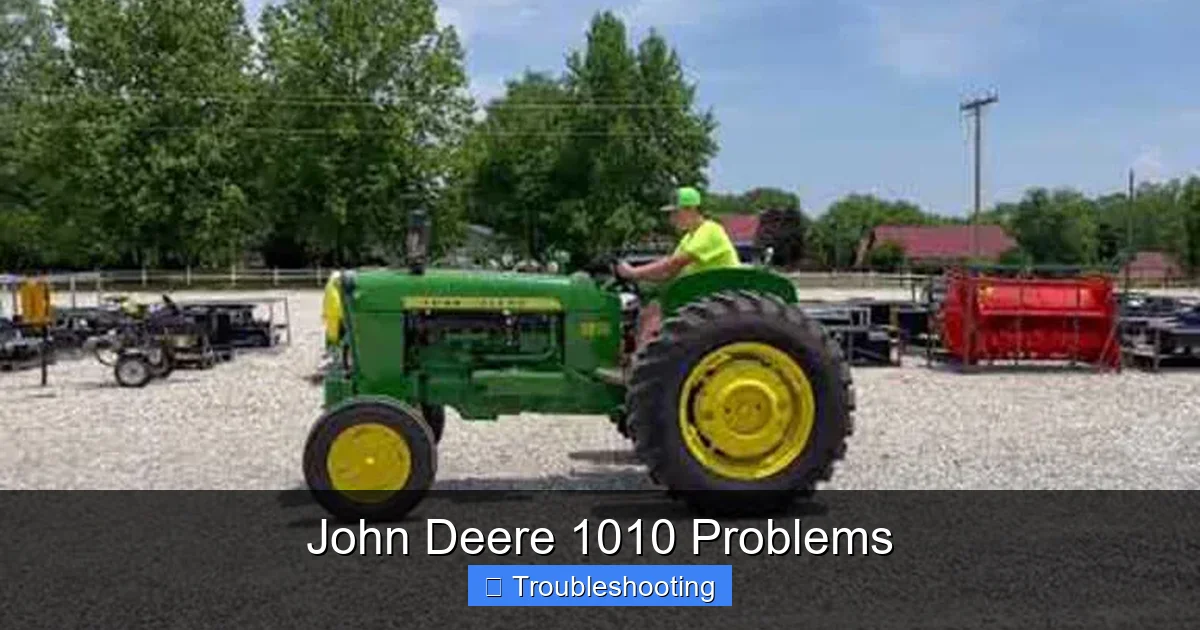
Visual guide about John Deere 1010 Problems
Image source: thebrightesthub.com
First, check the fuel. Old or contaminated gas is a frequent cause. If the tractor hasn’t been used in a while, the fuel may have degraded or separated. Drain the tank and refill with fresh gasoline. Always use a fuel stabilizer for storage.
Next, inspect the spark plugs. Carbon buildup or worn electrodes can prevent ignition. Remove the plugs, clean them with a wire brush, or replace them if they’re cracked or corroded. Make sure the gap is set correctly—usually around 0.030 inches for the 1010.
Also, check the battery. Weak batteries or loose terminals can prevent cranking. Clean the terminals with a wire brush and ensure they’re tight. If the battery is more than a few years old, consider replacing it.
Finally, verify the choke and throttle settings. A stuck choke or clogged air filter can cause rough running. Clean or replace the air filter and test the choke mechanism to ensure it opens and closes smoothly.
Overheating Engine
Overheating is another common John Deere 1010 problem, especially during long workdays or hot weather. The 1010 uses a liquid cooling system, so blockages or leaks can quickly raise engine temperatures.
Start by checking the radiator. Is it clean on both sides? Dirt, grass clippings, and bugs can clog the fins, reducing airflow. Use a hose to flush out debris from the front and back of the radiator. Don’t use high pressure—just a gentle spray to avoid bending the fins.
Next, inspect the fan belt. A loose or worn belt won’t spin the fan fast enough to cool the engine. Squeeze the belt—if it deflects more than half an inch, it’s too loose. Replace it if it’s cracked or glazed.
Also, check the thermostat. If it’s stuck closed, coolant can’t circulate. Test it by placing it in hot water—it should open gradually. Replace it if it doesn’t respond.
Finally, verify the coolant level. Low coolant reduces heat transfer. Top it off with a 50/50 mix of antifreeze and water. Look for leaks around hoses, the water pump, or the head gasket. A bluish-green smoke from the exhaust could indicate a blown head gasket—a more serious issue requiring professional attention.
Transmission and Gearbox Issues
The John Deere 1010 uses a sliding gear transmission, which is simple but can develop problems over time. Common symptoms include grinding gears, difficulty shifting, or unusual noises during operation.
First, check the transmission fluid. The 1010 uses a gear oil in the gearbox. If the fluid is dark, gritty, or smells burnt, it needs changing. Locate the fill plug on the side of the tractor and drain the old oil. Refill with 80W-90 gear oil until it starts to overflow.
Next, inspect the shift mechanism. Misaligned linkages or worn shift forks can cause hard shifting. Adjust the shifter cable if possible, or replace worn components. Lubricate all pivot points with grease.
Listen for grinding or whining noises. These could indicate worn gears or bearings. If the noise is coming from the gearbox, the internal components may need rebuilding. This is a job for a specialist unless you’re experienced with tractor transmissions.
Also, ensure the clutch is adjusted properly. A worn clutch disc or improper pedal adjustment can make shifting difficult. Check the clutch cable tension and replace the clutch if it slips or doesn’t disengage fully.
Electrical System Failures
Electrical issues are common in older tractors like the John Deere 1010. The original wiring can degrade, and the voltage regulator or generator may fail. Symptoms include dim lights, flickering, or complete electrical shutdown.
Start by checking the battery. A weak battery won’t hold a charge, especially if the generator isn’t working. Test the battery with a multimeter—it should read around 12.6 volts when fully charged.
Next, inspect the wiring. Look for frayed wires, corrosion, or loose connections. Pay special attention to the main harness under the dash and near the battery. Clean and tighten all terminals.
Test the voltage regulator. If the lights flicker or dim at idle, the regulator may be failing. Replace it with a new one—they’re inexpensive and easy to install.
Also, check the generator. A worn brush or faulty diode can prevent charging. Spin the pulley by hand and listen for unusual noises. Replace the generator if it’s not producing voltage when the engine runs.
Finally, verify the ground connections. Poor grounding causes all sorts of electrical gremlins. Clean the ground strap between the engine block and frame.
Hydraulic System Leaks and Weak Lifts
The John Deere 1010 uses a simple hydraulic system for lifting the three-point hitch. Leaks or weak lifts can make it hard to raise implements.
Start by inspecting the hydraulic lines and hoses. Look for cracks, bulges, or wet spots under the tractor. Replace any damaged hoses immediately—they can fail suddenly.
Check the hydraulic pump. A worn pump won’t generate enough pressure. Listen for a whining noise when the lift lever is engaged. If the pump is noisy, it may need rebuilding or replacement.
Also, inspect the lift cylinder seals. If fluid is leaking from the cylinder, the seals are worn. This requires removing the cylinder and replacing the seals—a job that takes time but is doable with basic tools.
Finally, verify the hydraulic oil level. Low oil reduces lift capacity. Check the dipstick and top off with SAE 30 hydraulic oil if needed.
Steering and Front End Problems
Steering issues can make the John Deere 1010 difficult to control. Common causes include worn tie rods, loose king pins, or lack of lubrication.
First, check the front axle. Look for play in the steering wheel. If there’s excessive movement, the tie rods may be loose. Tighten the locknuts or replace the rods if they’re worn.
Next, grease the front axle components. The king pins, tie rod ends, and steering arms need regular lubrication. Use a grease gun and apply until grease comes out of the zerk fittings.
Also, inspect the ball joints. If they’re loose, you’ll hear clunking when turning or going over bumps. Replace the bushings or entire joint if necessary.
Finally, verify the tire pressure. Uneven pressure can cause steering pull. Inflate tires to the recommended PSI—usually around 12-15 psi for the 1010.
Preventive Maintenance Tips to Avoid John Deere 1010 Problems
The best way to avoid John Deere 1010 problems is through consistent maintenance. Here are some practical tips to keep your tractor running smoothly:
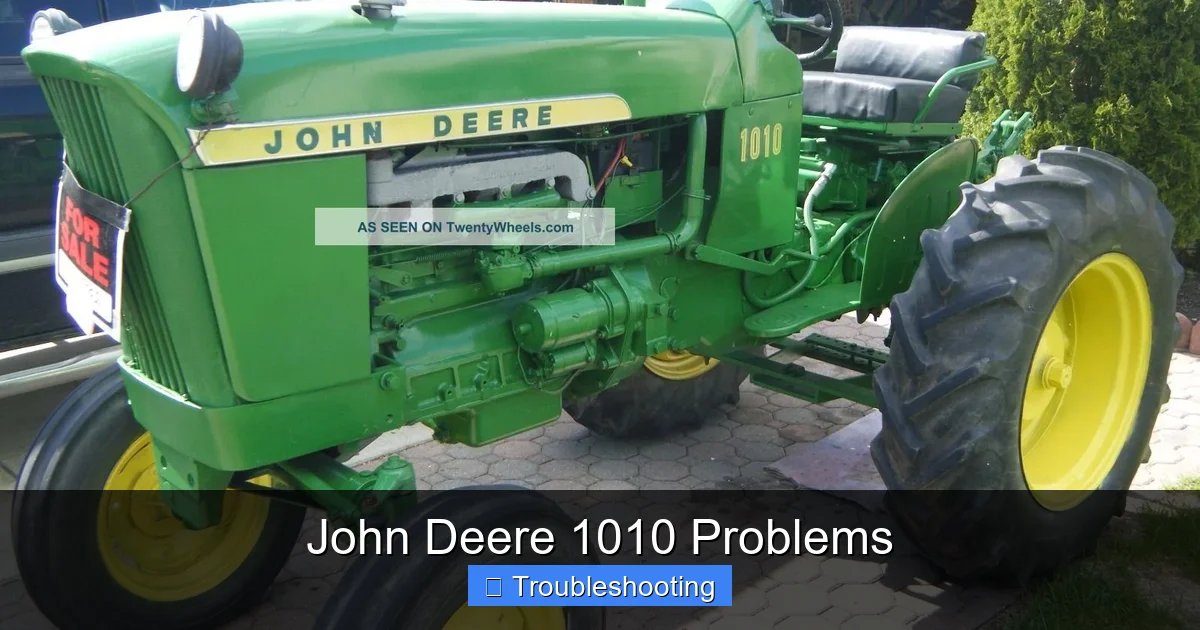
Visual guide about John Deere 1010 Problems
Image source: twentywheels.com
- Change the oil regularly: Use SAE 30 oil and replace it every 25-50 hours of use. Dirty oil causes engine wear.
- Replace air and fuel filters: Clogged filters restrict airflow and fuel flow, leading to poor performance.
- Grease moving parts: Apply grease to all zerk fittings monthly. This includes the PTO, steering, and hitch components.
- Store with care: Use a fuel stabilizer and disconnect the battery if storing for long periods.
- Keep the tractor clean: Wash off dirt and grime to prevent rust and corrosion.
By following these steps, you’ll reduce the risk of common John Deere 1010 problems and extend the life of your tractor.
Restoring a John Deere 1010: Common Challenges
Restoring a John Deere 1010 can be rewarding, but it comes with challenges. Parts may be hard to find, and some components require custom fabrication.
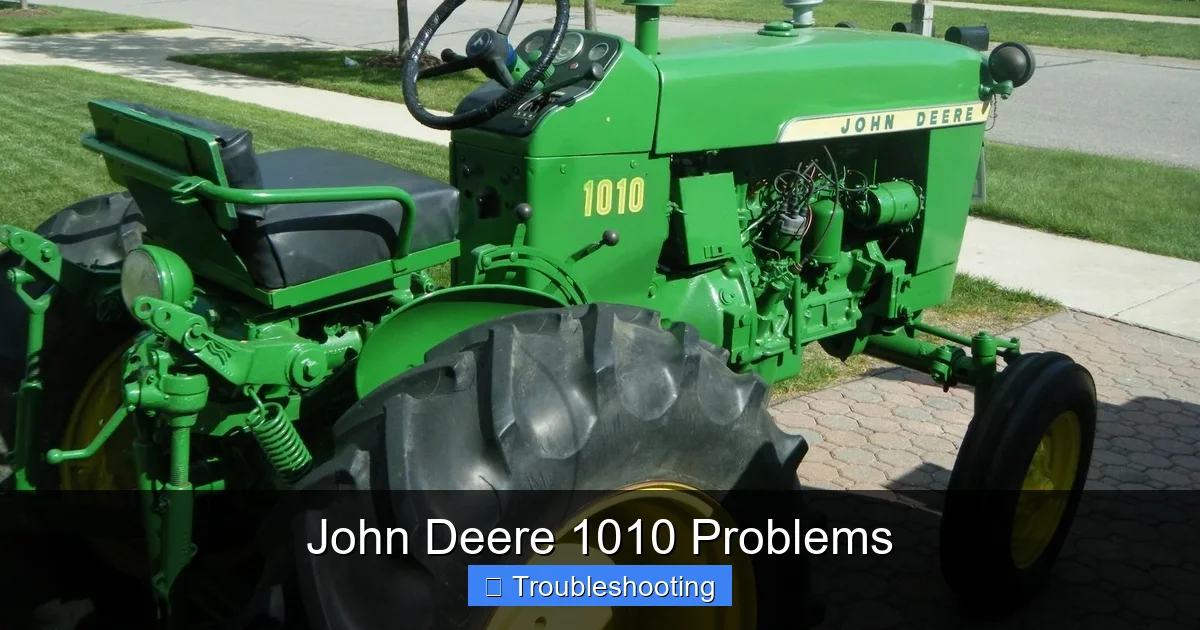
Visual guide about John Deere 1010 Problems
Image source: twentywheels.com
For example, the original carburetor—a Marvel-Schebler model—can be tricky to rebuild. You may need to source rebuild kits or replace it with a compatible aftermarket unit.
Also, the electrical system uses old-style wiring. Upgrading to a modern harness with better insulation and connectors can improve reliability.
Finally, consider upgrading the cooling system. Adding a larger radiator or electric fan can help prevent overheating, especially in hot climates.
Conclusion: Keeping Your John Deere 1010 Running Strong
The John Deere 1010 is a classic tractor that still delivers value today. While it’s not without its issues, most John Deere 1010 problems are manageable with the right knowledge and tools. From engine troubles to electrical gremlins, understanding common faults helps you stay ahead of breakdowns.
Regular maintenance is key. Change the oil, replace filters, grease fittings, and store the tractor properly. When problems do arise, tackle them early—don’t ignore warning signs like overheating or strange noises.
With care and attention, your John Deere 1010 can run for decades. Whether you use it for farming, landscaping, or restoration, it’s a piece of American history worth preserving.
Frequently Asked Questions
Why won’t my John Deere 1010 start?
Common causes include old fuel, a weak battery, or faulty spark plugs. Check the fuel system first, then test the battery and clean or replace the spark plugs. Also verify the choke and throttle settings.
How do I fix overheating in my John Deere 1010?
Inspect the radiator for blockages, check the fan belt for tightness, and verify the coolant level. Replace the thermostat if it’s stuck closed. A bluish exhaust smoke could indicate a blown head gasket.
What should I do if the transmission is grinding?
Check the transmission fluid level and quality. Change the oil if it’s dark or gritty. Inspect the shift linkage and adjust or replace worn components. Grinding noises may also point to internal gear damage.
How often should I change the oil in my John Deere 1010?
Change the oil every 25 to 50 hours of use, or at least once per year. Use SAE 30 oil for best performance. Regular changes prevent engine wear and common John Deere 1010 problems.
Can I upgrade the electrical system in my John Deere 1010?
Yes, many owners upgrade to modern wiring harnesses and voltage regulators. This improves reliability and makes troubleshooting easier. Just be sure to match connectors and voltage requirements.
Where can I find replacement parts for my John Deere 1010?
Check online retailers like Tractor Supply, eBay, or specialized suppliers like TractorJoe or JDPartsOnline. You can also find used parts at tractor shows or auctions. Always verify compatibility before ordering.
