
Lawn Mower Cutting Unevenly: Causes And Easy Fixes
A lawn mower cutting unevenly often has a dull blade, low tire, clogged deck, or uneven mower deck.
When a lawn mower leaves tall strips, stepped rows, or rough patches, the problem is usually fixable. I have found that a careful check of the blade, deck, tires, and mowing habits solves most cases faster than replacing the mower.

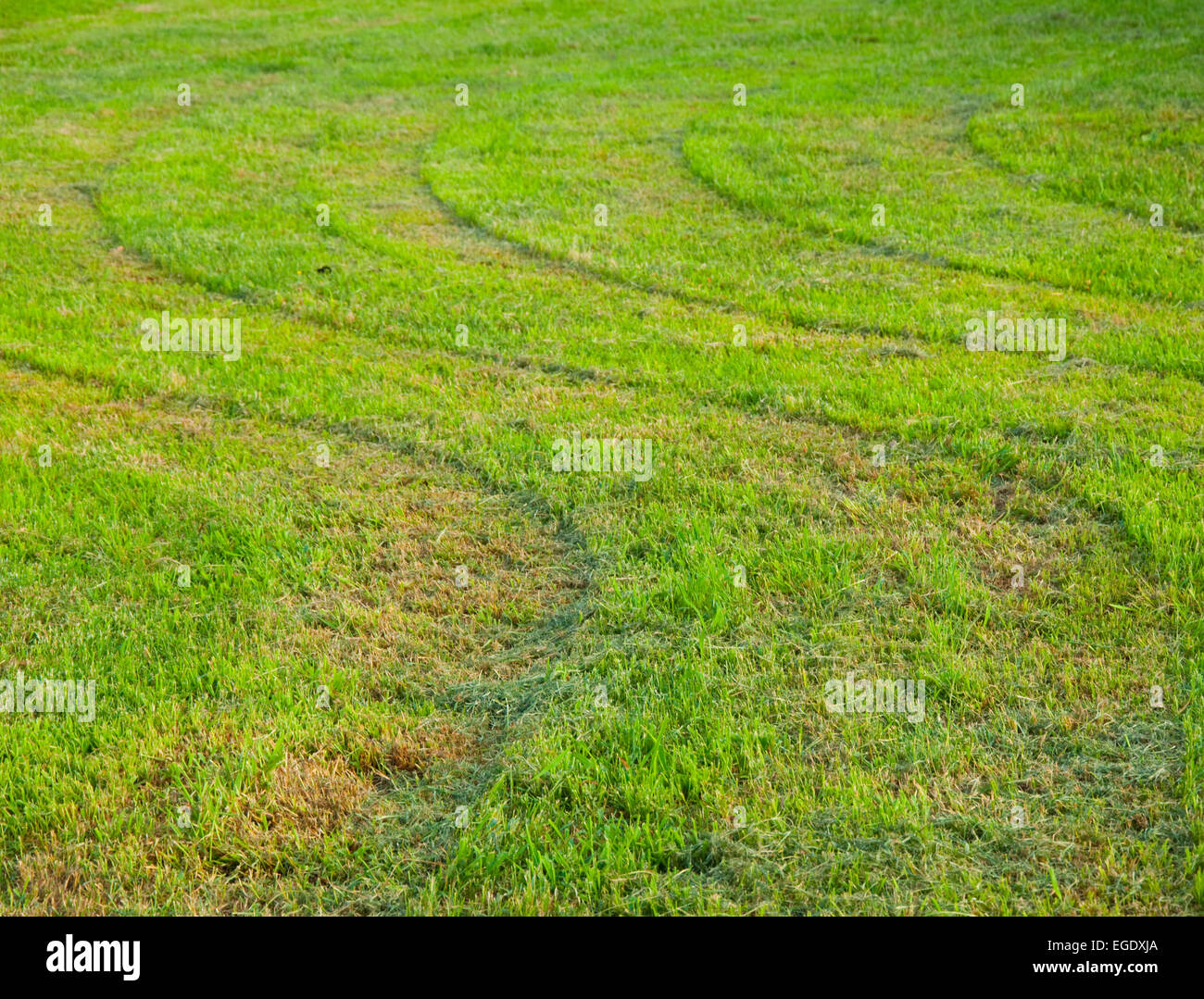
What an Uneven Lawn Mower Cut Looks Like
A lawn mower cutting unevenly may leave several different patterns. Each pattern can point to a different fault.
You may notice:
- Tall strips of grass between cutting paths
- A lower cut on one side of the lawn
- Uneven rows that look like small steps
- Torn, brown, or ragged grass tips
- Clumps of grass under the deck
- A lawn that looks smooth in one direction but rough in another
- Grass that bends down instead of getting cut
A clean mower cut should look fairly level across the full width of the deck. The grass tips should look sliced, not ripped. When the blades tear the grass, the lawn may develop brown tips and become more open to disease.
A lawn mower cutting unevenly does not always have a major mechanical problem. Wet grass, a fast mowing speed, or a steep mowing angle can create a poor cut even when the mower is in good condition.

Common Causes of a Lawn Mower Cutting Unevenly
Several parts and conditions can cause an uneven cut. Start with simple checks before taking apart the mower.
Dull or Damaged Blades
A dull blade is one of the most common causes of a lawn mower cutting unevenly. A blunt edge may push grass down instead of cutting it cleanly.
A bent blade creates an even bigger problem. It can cut lower on one side and higher on the other. A blade may bend after hitting a rock, tree root, sprinkler head, or hidden garden edge.
Look for these signs:
- Ragged grass tips
- More noise or vibration
- Strips of uncut grass
- A blade with a visible bend
- Uneven wear along the cutting edge
Do not try to straighten a badly bent blade. Replace it with the correct part for your mower. A damaged blade can also create dangerous vibration and place extra stress on the engine or electric motor.
An Uneven Mower Deck
The mower deck must sit level from side to side. If one side hangs lower, the mower will cut one side of the lawn shorter.
A deck can become uneven after:
- Hitting a solid object
- Losing or bending a deck bracket
- Adjusting the cutting height incorrectly
- Wearing out a wheel or axle
- Working on sloped ground
- Carrying or storing the mower poorly
A lawn mower cutting unevenly due to deck height often leaves a clear pattern. One side of each mowing pass will look shorter than the other.
Low or Uneven Tire Pressure
Uneven tire pressure changes the height of the deck. A tire that is only slightly low can make the mower lean to one side.
Check all four tires on a riding mower. Check both tires on a walk-behind mower if it uses adjustable wheels. Use the pressure listed in the owner’s manual or on the tire sidewall, while following the mower maker’s instructions.
Do not guess by looking at the tires. Small pressure changes may be hard to see but can still affect the cutting height.
A Clogged Mower Deck
Wet grass and dry clippings can build up under the deck. This buildup blocks grass flow and may stop the blade from cutting evenly.
A clogged deck can also reduce mulching performance. It may force clumps onto the lawn and make the engine work harder.
Always stop the engine, remove the ignition key, disconnect the spark plug wire on a gas mower, or remove the battery on a battery mower before cleaning. Never put your hand under the deck.

How to Diagnose the Problem Safely
A short inspection can often identify why your lawn mower is cutting unevenly. Work on a flat surface with the mower turned off.
Follow these steps:
- Park the mower on a level driveway or garage floor.
- Turn off the engine and remove the key.
- Disconnect the spark plug wire on a gas mower.
- Remove the battery or safety key on an electric mower.
- Check the tire pressure.
- Inspect the deck for grass buildup or dents.
- Look at the blade for bends, cracks, and dull edges.
- Check that the blade is installed in the correct direction.
- Measure the deck height from side to side.
- Reconnect the safety parts only after the inspection is complete.
Use thick work gloves when handling the blade. Even a stationary blade can have a sharp edge.
To check the deck, measure from the floor to the blade tip on each side. Turn the blade by hand only when the power source is disconnected. Keep the blade positioned front to back when comparing measurements.
If the two sides differ clearly, check the adjustment points and deck brackets. The exact method varies by mower model, so the owner’s manual should guide the final adjustment.

How to Fix a Lawn Mower Cutting Unevenly
Once you find the cause, most repairs are simple. Make one change at a time so you know what solved the issue.
Sharpen or Replace the Blade
A blade usually needs sharpening when the edge is dull but straight. Replace it when it is cracked, badly bent, deeply worn, or too thin.
If you sharpen the blade yourself:
- Remove it safely from the mower.
- Mark the top side before removal.
- Match the original cutting angle.
- Remove the same amount of metal from both ends.
- Balance the blade before reinstalling it.
- Tighten the blade according to the manual.
An unbalanced blade can cause vibration. You can check balance with a blade balancer or a simple balancing tool made for mower blades.
Many mower makers suggest checking the blade often during the mowing season. Sharpening needs depend on lawn size, soil type, and the number of hard objects in the yard.
Level the Mower Deck
A deck-leveling process normally includes two checks:
- Side-to-side level
- Front-to-back pitch
For many riding mowers, the front of the deck is set slightly lower than the back. This helps the blade cut grass once rather than striking it repeatedly. The correct difference depends on the model, so use the measurement in the manual.
Do not adjust the deck by guesswork. A small change in one linkage can affect several parts of the deck.
Set the Correct Cutting Height
Most cool-season lawns perform well when you remove no more than about one-third of the grass blade at a time. Cutting too low can stress the lawn and make small height differences much more visible.
A lawn mower cutting unevenly may seem worse when the deck is set very low. At a low setting, a small tire or deck problem creates a larger difference in the grass.
Raise the deck slightly if:
- The lawn is dry
- The grass is tall
- The weather is hot
- The lawn has thin or stressed areas
- The mower struggles through the grass
Clean the Deck
Remove packed grass with a plastic scraper or stiff brush. Avoid using a pressure washer near bearings, electrical parts, belts, and engine openings.
Cleaning the deck after mowing wet grass can prevent hard buildup. Let the deck dry before storing the mower.
Some mower decks have wash ports. Use them only as the manufacturer directs. Water may damage parts if the mower is tilted the wrong way or left wet.
Mowing Habits That Cause Uneven Results
A healthy mower can still produce a poor cut when mowing technique is wrong.
Mowing Too Fast
Driving or walking too fast gives the blade less time to lift and cut the grass. This can leave strips and clumps.
Slow down when the grass is tall, thick, wet, or dense. A steady pace often improves the cut more than installing a new blade.
Mowing Wet Grass
Wet grass bends under the mower and sticks to the deck. It can also clog the discharge path.
Wait until the lawn is dry when possible. If you must mow damp grass, use a higher deck setting, move slowly, and clean the deck afterward.
Mowing in the Same Direction
Repeatedly mowing in the same direction can press grass down in a lasting pattern. The wheels may also create ruts.
Change your mowing direction each time:
- Mow north to south one week.
- Mow east to west the next week.
- Use a light diagonal pattern when suitable.
Avoid sharp turns on wet soil. They can damage the lawn and cause the mower wheels to sink.
Using the Wrong Blade
A high-lift, low-lift, mulching, or standard blade may fit the mower but perform differently. The wrong blade can reduce grass lift, clog the deck, or affect discharge.
Use the blade type and size approved for your exact model. Never install a blade just because its mounting hole appears to fit.
When the Problem Is a Mechanical Fault
Sometimes a lawn mower cutting unevenly needs more than cleaning or sharpening.
Contact a qualified repair professional if you find:
- A cracked or badly dented deck
- A bent crankshaft
- Severe vibration
- A loose blade spindle
- Worn deck bearings
- A damaged wheel axle
- A belt that slips or jumps
- A deck that will not stay level
- Smoke, fuel leaks, or unusual engine noise
A bent crankshaft often causes strong vibration that continues even with a new blade. Continuing to mow can make the damage worse.
To check for a loose spindle, follow the mower manual and keep the power source disconnected. If the blade or spindle moves in a way the manual does not allow, stop using the mower.
Repair limits matter. A homeowner can often replace a blade, clean a deck, or adjust tire pressure. Structural damage and rotating-part repairs may require special tools and accurate torque settings.
How to Prevent an Uneven Lawn Mower Cut
Regular care keeps the mower deck and blade working together.
Use this basic maintenance plan:
- Inspect the blade before the mowing season.
- Sharpen or replace the blade when needed.
- Check tire pressure before regular mowing.
- Clean the underside of the deck.
- Look for loose bolts and damaged brackets.
- Keep the correct cutting height.
- Avoid rocks, roots, and sprinkler heads.
- Store the mower in a dry place.
- Follow the service schedule in the owner’s manual.
- Replace worn wheels and deck parts promptly.
In my own mower checks, tire pressure is the issue people miss most often. They inspect the blade and deck, then forget that one soft tire can tilt the whole cutting system.
Another lesson is to avoid mowing right after a storm. Waiting a few hours often gives a cleaner result and prevents heavy clumps under the deck.

Should You Repair or Replace the Mower?
A repair makes sense when the mower has a strong engine or motor, a solid deck, and only a worn blade, tire, belt, or wheel.
Replacement may be more practical when the mower has several major problems at once. Consider the mower’s age, repair cost, parts availability, safety, and how often you use it.
A new mower will not solve an uneven lawn if the yard is rough or the mowing method is poor. Before buying, check the deck design, cutting height range, wheel adjustment, blade availability, and service support.
For riding mowers, compare the cost of a deck rebuild with the value of the machine. For battery mowers, also consider battery age and replacement cost.
Frequently Asked Questions About Lawn Mower Cutting Unevenly
Why is my lawn mower cutting unevenly on one side?
The deck may be unlevel, or one tire may have low pressure. A bent blade, worn wheel, or damaged deck bracket can also make one side cut lower.
Can a dull blade make a lawn mower cut unevenly?
Yes. A dull blade can leave uncut strips and ragged grass, although it may not change the actual deck height. Sharpen a straight blade or replace one that is bent or damaged.
How often should I sharpen a mower blade?
Many homeowners sharpen the blade once or twice during the mowing season, but hard soil, sand, and debris may require more frequent service. Inspect the blade whenever the grass looks torn or the mower begins to vibrate.
Should mower tires have the same pressure?
The tires should match the pressure recommended for the mower. Equal pressure helps keep the deck level, but the correct pressure may not be the same as the maximum number printed on the tire.
Is it safe to wash under a lawn mower deck?
It can be safe when the mower maker allows it and the power source is fully disconnected. Do not place your hands under the deck, and keep water away from electrical parts, bearings, belts, and engine openings.
Why does my mower leave strips of tall grass?
The blade may be dull, the mower may be moving too fast, or the deck may be clogged. Tall, wet grass can also bend away from the blade and remain standing.
Conclusion
A lawn mower cutting unevenly usually points to a dull blade, uneven deck, low tire, clogged underside, or poor mowing conditions. Start with safe checks, then inspect the blade, tires, deck level, and cutting height.
Small maintenance steps can restore a clean cut and protect the lawn from torn grass and stress. Check your mower before the next mowing session, follow the owner’s manual, and share your results or questions in the comments.


