



The best garden bed layout maximizes sunlight, access, drainage, and harvests without wasting valuable growing space.
Have you ever planted a garden that looked fine at first, then became hard to water, weed, and harvest? A poor layout can turn simple garden care into a daily chore. The right garden bed plan solves that problem with clear paths, good sun, healthy soil, and enough room for roots to grow. I reviewed practical garden design guides, raised bed books, and a deep metal planter to help you choose a layout that fits your yard, time, and goals. Whether you garden on a city patio or a large rural plot, a smart plan helps every plant earn its space.
Raised Bed Garden Design Guide

Raised Bed Garden Design is a useful planning guide for gardeners who want to build beds with a clear purpose. It focuses on bed placement, soil depth, paths, and the steps needed to start a productive growing area. I like that the subject stays practical instead of treating garden design as only a decorative task. The ideas can help a new gardener avoid common mistakes before buying lumber, soil, or plants.
The book is especially helpful when you need to turn an empty lawn into a neat growing space. It encourages you to think about sun, water access, walking room, and the mature size of each crop. Those details form the backbone of the best garden bed layout. It also gives useful direction for gardeners who want deeper soil without digging into poor native ground.
Pros:
- Explains the basic steps for planning raised beds
- Helps readers consider sun and water access
- Useful for new gardeners and small yard projects
- Encourages better soil depth and drainage planning
- Supports neat paths and easier garden care
- Can reduce costly layout mistakes
Cons:
- It is a guide, not a physical garden bed
- Some readers may want more crop-specific detail
- Large garden owners may need more advanced plans
My Recommendation
I recommend this guide for a first-time raised bed gardener who needs a simple plan before starting. It is also a good choice for anyone rebuilding a messy garden and looking for a cleaner flow between beds. The strongest benefit is its focus on the full system, not just the box itself. For a practical best garden bed layout, it helps you match bed size, paths, soil, and daily access.
Square Foot Gardening, 4th Edition

Square Foot Gardening, 4th Edition is built around one clear idea: grow more food in less space. The method divides a bed into small planting squares, which makes planning feel less like guessing and more like using a simple map. This approach works well for raised beds, compact yards, and many patio gardens. It can also help beginners understand how plant spacing affects harvests.
I find this system useful because it keeps paths and planting areas easy to read. You can group crops by size, plan succession planting, and avoid leaving large unused gaps. The book also covers updated ideas for modern gardeners, including ways to make a small plot more productive. If you want the best garden bed layout for limited space, this is one of the clearest methods to study.
Pros:
- Makes small garden spaces more productive
- Uses simple grid planning for easy spacing
- Helps reduce wasted soil and empty areas
- Works well in raised beds and urban yards
- Makes crop planning easier for beginners
- Supports staggered planting for longer harvests
Cons:
- Some large plants need extra room beyond one square
- Grid planning may feel strict to free-form gardeners
- It may require careful crop spacing research
My Recommendation
This book is best for apartment gardeners, suburban homeowners, and anyone with limited growing room. I would also suggest it to busy gardeners who want a layout that is easy to track and maintain. Its main strength is efficient use of space without making the garden feel crowded. When your goal is the best garden bed layout for high output in a small footprint, square foot planning is hard to overlook.
The Vegetable Gardener’s Bible

The Vegetable Gardener’s Bible takes a broad look at vegetable growing through its W-O-R-D system. The book covers wide rows, organic methods, raised beds, and deep soil. That mix gives readers both a layout idea and a way to care for the plants after the bed is built. It is a strong reference for gardeners who want a productive food garden rather than a simple ornamental display.
The wide-row approach can reduce wasted walking space while keeping plants close enough for care. Deep soil also gives many crops a better root zone, provided the bed drains well and the soil stays loose. I appreciate the regional focus because growing conditions differ across North America. For gardeners comparing the best garden bed layout by climate, crop type, and soil method, this book offers a well-rounded starting point.
Pros:
- Covers layout, soil, and vegetable care together
- Explains wide rows for efficient planting
- Discusses raised beds and deep soil
- Useful across many North American garden regions
- Supports organic gardening practices
- Works as a long-term vegetable reference
Cons:
- Its broad coverage may feel less focused
- Wide rows may not suit every garden path plan
- Some advice may need adjustment for local climates
My Recommendation
I recommend this book for serious vegetable growers who want one reference for layout and plant care. It suits gardeners with medium or large spaces, especially those who want to grow food for much of the season. The book is less about one perfect shape and more about matching the design to your crops and region. That flexible approach makes it valuable when the best garden bed layout must support both high yields and healthy soil.
First-Time Gardener: Raised Bed Gardening
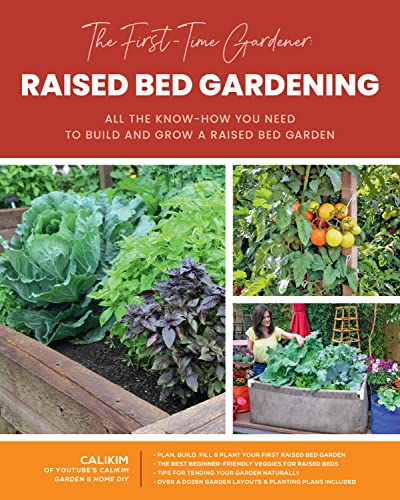
The First-Time Gardener: Raised Bed Gardening is aimed at people who want clear instructions without a steep learning curve. It explains how to build a raised bed, fill it, and begin growing in it. The book helps remove the fear that often comes with a first garden project. Its friendly style makes the process feel like a series of small wins instead of one large job.
This guide is useful when you need help choosing a bed location and deciding what to grow first. It also helps readers understand common tasks such as watering, planting, and soil preparation. I value its focus on basic skills because a simple plan often works better than an ambitious design. For beginners, the best garden bed layout is one they can reach, understand, and maintain each week.
Pros:
- Written for first-time raised bed gardeners
- Uses clear steps for building and planting
- Helps reduce confusion about soil preparation
- Encourages manageable garden projects
- Supports learning through simple daily tasks
- Useful for small and medium home gardens
Cons:
- Experienced growers may find it basic
- It does not replace local planting calendars
- Some projects may need extra material guidance
My Recommendation
This guide is best for a new gardener who wants calm, practical help from the first sketch to the first harvest. It is also a smart gift for someone starting a backyard or community garden plot. I like it for readers who may feel overwhelmed by advanced planting systems. If you need the best garden bed layout that is simple to build and easy to manage, this guide is a strong match.
Beds & Borders Garden Design

Beds & Borders looks at garden design from a wider landscape view. Instead of focusing only on food crops, it shows how beds and borders can shape the whole outdoor space. This is helpful if you want vegetables, herbs, flowers, shrubs, or paths to feel like part of one design. A good garden should work as a growing space and as a pleasant place to spend time.
The ideas in this book can help you think about color, height, edges, movement, and the view from the house. Those details matter when you place raised beds near a lawn, patio, fence, or walkway. I would use it beside a more crop-focused guide for the best results. It is especially useful for a best garden bed layout that must look attractive from every angle.
Pros:
- Connects garden beds with the wider landscape
- Helps create attractive borders and transitions
- Useful for mixed flower, herb, and vegetable spaces
- Encourages attention to height and color
- Can improve the look of front and backyard gardens
- Supports a more polished outdoor design
Cons:
- It may offer less detail on vegetable spacing
- Some design ideas need a larger yard
- Decorative layouts can require more upkeep
My Recommendation
I recommend this book for homeowners who want a garden that looks designed, not simply assembled. It suits people who mix food crops with flowers or who care about how beds frame a patio and home. Its value comes from helping you see the garden as a living room outdoors. Choose it when the best garden bed layout must offer good access and strong curb appeal.
Best Choice Products Metal Raised Bed
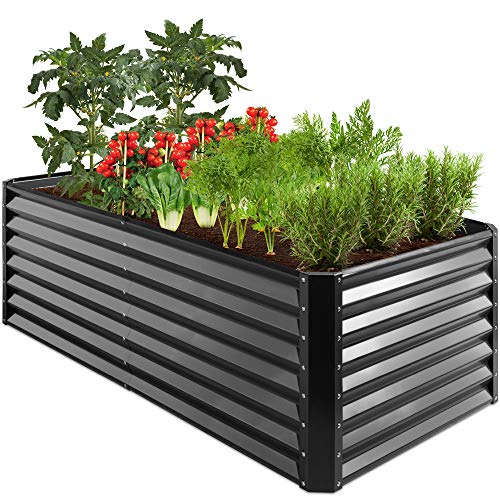
This Best Choice Products raised bed offers a long, deep planting space for vegetables, herbs, and flowers. Its 6-by-3-foot footprint gives enough room for several crops while keeping the bed narrow enough to reach from both sides. The 2-foot depth can suit crops that need a deeper root zone than a shallow planter provides. Its metal sides also create a clear visual border between the garden and the surrounding yard.
The large capacity is useful for gardeners who want a defined bed without building one from raw materials. Before filling it, I would choose a level location with strong sunlight and plan how to move soil into place. A 2-foot bed can hold a lot of growing mix, so delivery and filling require real effort. Still, for a durable best garden bed layout, this rectangular shape is easy to place, divide, and access.
Pros:
- Large 6-by-3-foot growing area
- Deep design supports many root crops
- Metal walls create a clean garden edge
- Long shape works well beside fences or paths
- Can hold vegetables, herbs, and flowers
- Does not require cutting lumber for assembly
Cons:
- Filling the deep bed can be expensive
- Metal may heat in strong summer sun
- Its size may not suit a small patio
- Users must check the surface for level placement
My Recommendation
This raised bed is best for homeowners who want a large, deep container for a serious planting season. It suits gardeners with sunny yards, poor native soil, or mobility needs that make ground-level work harder. I would place it where both long sides remain open, since that makes planting and harvest easier. If the best garden bed layout for you means strong boundaries and generous root space, this model deserves attention.
The Purposeful Gardener

The Purposeful Gardener brings together raised beds, vertical growing, and companion planting. That combination is helpful when you want more harvest without simply adding more ground space. Vertical supports can move vining crops upward, while companion planting can help you group plants with similar needs. The result is a garden plan that treats every layer of space as useful.
I like this book for gardeners who enjoy testing new methods but still want a clear goal. It encourages you to plan around food, sunlight, support structures, and plant relationships. You may need to adapt some ideas to your climate and crop mix, but the main concepts are flexible. For the best garden bed layout in a small yard, vertical growth can act like a second floor for the garden.
Pros:
- Combines raised beds and vertical growing
- Encourages better use of limited space
- Introduces companion planting ideas
- Can help increase harvests from small plots
- Supports creative garden planning
- Useful for gardeners who like layered designs
Cons:
- Vertical crops may need extra supports
- Companion planting results can vary by region
- More complex layouts may need more maintenance
My Recommendation
This book is best for gardeners who want to grow more while keeping the garden footprint small. It fits urban yards, side gardens, and sunny patios where vertical space is available. I would choose it for someone who enjoys learning and does not mind adding trellises or planning plant groups. It offers strong ideas for the best garden bed layout when floor space is limited but ambition is not.
No-Dig Gardening Guide

No-Dig Gardening explains ways to build productive beds without turning the soil over again and again. Layered materials can cover grass, improve the planting zone, and reduce the need for heavy digging. This method can save time and protect soil structure when used with suitable materials. It is a practical option for gardeners who want to start a bed with less strain.
The guide is also useful for gardeners working with compacted ground or poor soil. A no-dig bed still needs enough light, water, air, and good organic material, so the layout remains important. I would plan paths first, then build the bed layers where access and drainage work well. If the best garden bed layout should be kinder to your back and the soil, this approach is worth considering.
Pros:
- Reduces digging and heavy soil work
- Can improve poor or compacted ground
- Supports layered garden bed construction
- Useful for new beds over lawn or bare soil
- May help protect soil life and structure
- Works with many simple home garden designs
Cons:
- Layer materials can settle over time
- Good compost and mulch may cost more at first
- Weeds may return if the base is not prepared well
My Recommendation
I recommend this guide for gardeners who want less digging, less strain, and a soil-first method. It is a good fit for older gardeners, busy homeowners, and anyone starting over compacted ground. The method still needs thoughtful watering and regular mulch, but the starting work can feel much lighter. Choose it when the best garden bed layout should support healthy soil and easier construction.
Best For Comparison
| Best for | Why |
|---|---|
| Small spaces | Square foot and vertical methods help produce more food in less room. |
| First-time gardeners | Step-by-step raised bed guides make planning, filling, and planting easier. |
| Large food gardens | Deep beds, wide rows, and regional advice support bigger harvests. |
How to Choose the Best Garden Bed Layout
The best garden bed layout starts with the sun. Most vegetables need at least six hours of direct light, although leafy greens can handle some shade. Watch the yard during the day before you place a bed. A sunny spot in the morning may become shaded by a home, tree, or fence in the afternoon.
Next, think about access. A bed should not force you to step into the soil. Foot traffic can compact the root zone and make weeds harder to control. Keep paths wide enough for your body, watering can, wheelbarrow, or garden cart. For many home gardens, paths between 18 and 24 inches work well, while a main path may need more room.
Bed width matters just as much as bed length. If you can reach from both sides, a bed about 3 to 4 feet wide is often easy to manage. A bed against a wall or fence should be narrower, often about 2 feet, so you can reach the back. The best garden bed layout lets your hand reach the center without stretching, kneeling on the soil, or leaning on young plants.
Common Garden Bed Layout Ideas
Grid Layout
A grid layout divides one or more beds into clear squares. It works well for herbs, greens, carrots, beets, onions, and other compact crops. The grid makes crop spacing easy to see and helps new gardeners avoid crowding. It also gives the garden a calm, tidy look.
Long Rectangle Layout
Long rectangular beds are simple to build and easy to place beside a fence, driveway, or home. Keep both long sides open when possible. This layout suits beans, tomatoes, peppers, flowers, and mixed crops. Avoid making a long bed too wide, or the center will become hard to reach.
U-Shaped Layout
A U-shaped garden can create a central work space with beds around three sides. It gives excellent access and can hold many crops in a small area. However, the inside corners need careful planning. Leave enough room to turn, carry supplies, and move without brushing against plants.
Keyhole Layout
A keyhole garden uses a round or curved shape with a narrow path leading into the center. It can offer good access from several sides and make a strong visual feature. This design may be less simple to build than a rectangle. It also needs careful measuring so the center does not become too far away.
Row Layout
Traditional rows work well in a large plot, especially for corn, potatoes, squash, or crops grown in larger quantities. Leave enough space for a hoe, cart, or mower between rows. Rows are easy to expand, but they may use more space than intensive raised bed methods. Choose this layout when machine access and crop volume matter most.
How to Arrange Plants in a Raised Bed
Place tall plants where they will not shade shorter plants. In most northern parts of the United States, tall crops often work best on the north side of the bed. This lets sunlight reach lower plants from the south. In other climates, study the path of the sun and adjust the plan to protect crops from harsh afternoon heat.
Put trellises at the back or on the north edge when possible. Cucumbers, peas, pole beans, and some small melons can grow upward instead of spreading across the soil. Keep heavy fruit supported and check that the trellis will not fall in wind. A vertical frame can save space, but it must be strong enough for mature vines.
Group plants with similar needs. Put thirsty crops near a reliable water line. Place herbs that need less water in a drier section. Keep perennial herbs, such as mint, in containers because they can spread quickly. Thoughtful grouping reduces daily work and makes the bed easier to monitor.
Leave room for mature size, not just the size of a seedling. A small tomato plant can become wide and tall within weeks. Squash may travel far beyond its original spot. Check the plant tag or a trusted regional guide before planting. Crowded beds often have more disease, poor airflow, and smaller harvests.
Soil, Drainage, and Bed Direction
Good soil acts like a pantry for roots. It should hold moisture but drain extra water. A common raised bed mix includes quality topsoil, finished compost, and material that improves texture. Avoid filling beds with pure compost, since it can settle and may not provide a stable root environment.
Drainage is vital in both raised and ground-level beds. Do not place a bed where water sits after rain unless you first correct the problem. Raised beds can help, but their bottom still needs a healthy connection with the ground or a suitable drainage plan. If the bed has a solid bottom, confirm that excess water can escape.
Test your soil when possible, especially if you grow food near an old building, treated lumber, or a busy road. A soil test can show pH and key nutrients. Use the results to guide amendments instead of adding products at random. Healthy soil saves money over time because plants grow with fewer problems.
Bed direction depends on the site and crop mix. North-south beds can spread sunlight across both sides during the day. East-west beds may work well when a fence or slope controls the space. There is no single direction for every yard. The best garden bed layout responds to the actual sun, wind, drainage, and access on your property.
Raised Bed Materials and Safety
Untreated, rot-resistant wood remains a popular choice for raised beds. Cedar can last well, but prices vary by region. Metal beds offer clean lines and may last for years when made with suitable materials. Avoid materials that may leach harmful chemicals into soil, such as old painted boards, unknown treated lumber, tires, or salvaged materials with an unclear history.
Check the bed walls for sharp edges, loose parts, and stable corners. Metal sides may need a safe rim or careful placement away from play areas. Anchor tall beds when wind or uneven ground could shift them. A good bed should feel solid before you add soil, since repairs become harder after planting.
Depth depends on what you want to grow. Many leafy crops can grow in a shallower bed, while carrots, parsnips, tomatoes, and other deep-rooted plants need more room. A deep bed can also reduce bending, but it needs more soil and may cost more to fill. Balance root space with your budget and physical needs.
Best Garden Bed Layout for Beginners
Beginners often do best with one or two rectangular beds. Keep each bed easy to reach and choose crops that match your local season. Start with lettuce, herbs, radishes, beans, peppers, or bush cucumbers rather than planting every crop at once. A smaller success can teach more than a large garden that becomes hard to manage.
Draw the plan before you buy materials. Mark north, south, water taps, paths, gates, fences, and shade. Add the bed sizes and write down what will grow in each area. This simple map can reveal problems that are hard to see once soil and plants arrive.
Do not overlook water. Carrying a full watering can across a large yard becomes tiring fast. A hose, drip line, or nearby tap can make the garden easier to keep alive during hot weather. The best garden bed layout places water within easy reach while avoiding trip hazards.
Best Layout for Small Yards and Patios
Small spaces reward careful planning. Use compact beds, fabric grow bags, containers, trellises, and vertical supports. Keep tall crops away from windows if they block light or airflow. Place frequently harvested herbs close to the kitchen door so you use them often.
Containers need safe, level surfaces and good drainage. A balcony or roof must support the total weight of containers, wet soil, plants, and people. Ask a qualified professional about load limits when the structure is not clearly rated for garden use. Never assume a strong-looking surface can carry a large deep bed.
For a patio, choose beds that leave a clear walking route. Rounded corners can reduce bumps in tight areas. Light-colored containers may stay cooler in strong sun, while dark metal can become hot. Protect walls and decking from standing water with suitable feet, trays, or drainage gaps.
Garden Bed Layout Mistakes to Avoid
The first mistake is building too wide. A bed may look impressive when empty, but the center becomes frustrating after plants fill it. The second mistake is placing beds too close together. Narrow paths make weeding, harvest, and wheelbarrow work harder than they need to be.
Another mistake is ignoring shade. A garden can receive morning sun but lose most of the afternoon light behind a fence or tree. Track the site in spring and summer if possible. Remember that the sun angle changes through the year, so a plan that works in June may not work in October.
Some gardeners also overfill the first season. More plants do not always mean more food. Crowding can limit airflow and invite fungal disease. Give each plant the room it needs, then use succession planting to fill space after an early crop ends.
Finally, do not skip maintenance access. You may need to prune, tie, spray with water, add compost, inspect leaves, and harvest often. A beautiful design that blocks every route can quickly become a source of stress. Design for the gardener you will be on a hot, busy day.
How I Judge a Garden Bed Layout
I judge a layout by asking five simple questions. Does it receive enough light? Can I reach every plant? Can I water it without a struggle? Does excess water drain away? Can I keep the paths and soil healthy through the season?
I also consider how the layout fits the gardener. A raised bed may help someone with back pain, but a very deep bed may require a large filling budget. A square-foot grid may help a beginner, while a wide row may suit a grower with years of experience. The best garden bed layout is personal because the best garden is one you will keep using.
Product quality matters too. For books, I look for clear instructions, useful diagrams, updated advice, and ideas that work in real homes. For a physical bed, I look at size, depth, material, stability, drainage, and the effort needed to fill it. I also check whether the product matches the reader’s actual space and skill level.
FAQs Of best garden bed layout
What is the best garden bed layout for beginners?
A simple rectangle about 3 to 4 feet wide is a strong choice. Keep paths open and place the bed where it gets good sun. This design is easy to build, reach, water, and expand.
Should raised beds run north to south or east to west?
Both directions can work. North-south often spreads light well across the bed, but fences, trees, slopes, and tall crops may change the answer. Check the actual sun pattern in your yard before deciding.
How wide should a raised garden bed be?
A bed that is 3 to 4 feet wide often works well when you can reach both sides. Keep beds against walls or fences closer to 2 feet wide. The goal is to reach the center without stepping on the soil.
How much space should I leave between garden beds?
Leave at least 18 to 24 inches for walking. Use wider main paths if you need a wheelbarrow, cart, or mower. Good paths make watering, weeding, and harvesting much easier.
Is a deep raised bed better?
A deep bed can support deep-rooted crops and reduce bending, but it needs more soil and may cost more. Choose depth based on your crops, budget, drainage, and comfort. More depth is not always necessary for greens and herbs.
Final Verdict: Which Should You Buy?
Square Foot Gardening, 4th Edition is my top pick for most gardeners because it makes space, spacing, and planning simple. Choose the metal raised bed for a large, deep physical planter.
For the best garden bed layout, match the guide to your space, sunlight, and skill. A clear plan saves time, improves access, and helps every plant grow well.
