


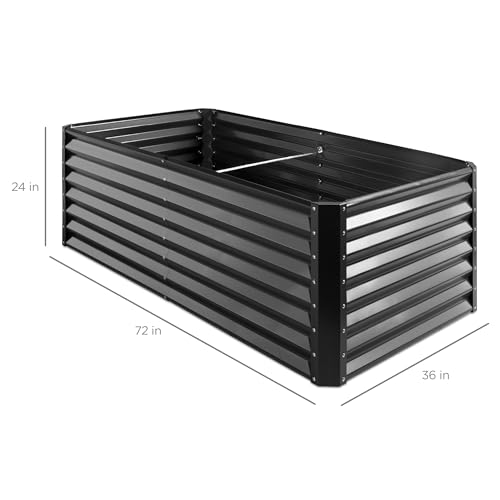
The best raised garden bed for vegetables offers deep soil, sturdy walls, good drainage, and easy access.
If your yard has hard clay, poor soil, weeds, or little space, growing vegetables can feel like a chore before the first seed sprouts. A raised garden bed fixes much of that trouble. It lifts the planting area, helps control soil quality, and can make watering and weeding easier. I compared these popular Amazon garden beds for depth, material, size, access, drainage, and everyday use. Below, I explain which option fits a large backyard, patio, balcony, small harvest, or deep-root crop best.
Best Choice 6x3x2ft Metal Garden Bed
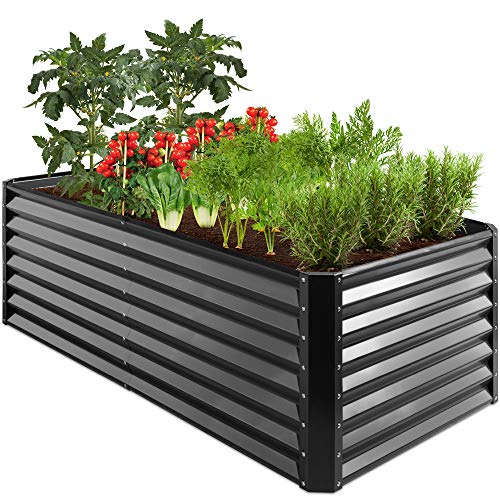
The Best Choice Products 6x3x2ft metal raised garden bed gives vegetables a deep and roomy place to grow. Its 2-foot depth suits crops that need more root space, such as tomatoes, carrots, potatoes, and some pepper varieties. The 6-by-3-foot footprint also gives you enough room to mix herbs, leafy greens, and flowering plants. For many gardeners, this size creates a useful balance between growing space and easy reach.
The metal panels have a clean look and should need less care than untreated wood. The listing describes the materials as non-toxic, which may appeal to gardeners who want a simple food-growing setup. I would still fill it with quality soil and compost made for vegetable gardens. Since a deep bed holds a large volume of soil, place it on a level area before filling it.
Pros:
- Deep 2-foot planting area for many root crops
- Large 6-by-3-foot size for mixed vegetables
- Metal construction needs little seasonal maintenance
- High walls help separate garden soil from lawn soil
- Useful capacity for family-sized planting plans
- Modern gray color fits many outdoor spaces
Cons:
- Deep beds need a large amount of soil and compost
- Long panels may need careful leveling during setup
- Large footprint may not suit a small patio or balcony
My Recommendation
I recommend this model to gardeners who want the best raised garden bed for vegetables in a spacious yard. The deep box works well for gardeners who plan to grow several crops in one place. It also helps people who want a clear border between the vegetable plot and surrounding grass. If you have room and can manage the soil cost, this bed offers strong growing capacity and good long-term value.
Land Guard Large Oval Galvanized Garden Bed
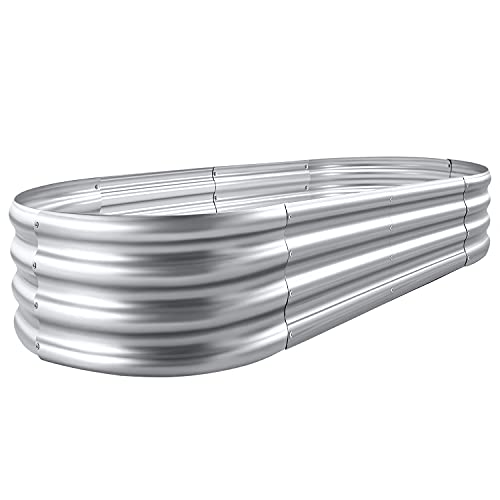
The Land Guard galvanized raised garden bed uses an oval shape to create a broad planting area without sharp outside corners. Its metal design suits gardeners who want a bed that looks neat and stands apart from common square boxes. The galvanized finish may help the panels handle outdoor moisture and changing weather. It is a practical choice for vegetables, flowers, and herbs.
The oval shape can make the bed feel less formal in a lawn or garden border. It also gives you several planting zones around the center, although you should avoid making the bed too wide to reach. I suggest placing taller crops toward the north side so they do not shade small plants. As with any metal bed, check that the frame sits flat before adding soil.
Pros:
- Oval shape creates a softer garden appearance
- Galvanized metal suits outdoor use
- Raised sides help reduce weed spread from the lawn
- Works for vegetables, herbs, and flowers
- Easy to organize with companion planting zones
- Does not require yearly painting like some wood beds
Cons:
- Oval walls can make plant spacing less familiar
- Metal may warm in strong summer sun
- Large versions require plenty of soil to fill
My Recommendation
This Land Guard model is best for gardeners who want a galvanized vegetable bed with a different shape. I especially like it for open yards where a soft oval outline looks more natural than a rigid rectangle. It may be the best raised garden bed for vegetables for someone who values simple upkeep and a tidy outdoor display. Measure your space first, then plan the soil mix and walking room around it.
Best Choice 48x24x30in Elevated Wood Planter
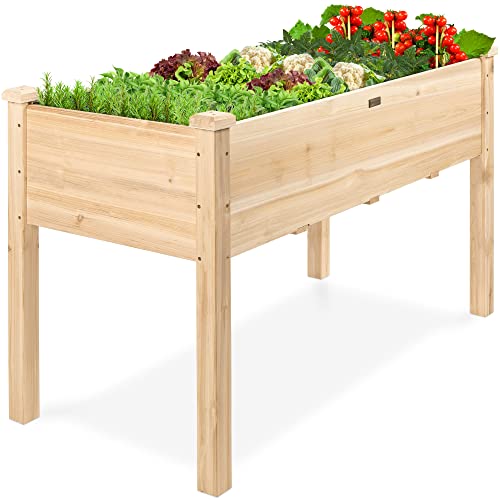
This elevated Best Choice Products planter stands about 30 inches high, so it brings the garden closer to your hands. The 48-by-24-inch size fits patios, balconies, porches, and small backyards better than a large ground bed. It includes a bed liner and has a listed 200-pound capacity. I see it as a useful way to grow salad greens, herbs, strawberries, and compact vegetables without kneeling on the ground.
The raised height can help older gardeners and anyone with limited mobility. It also makes it harder for some pets to reach the plants, though no elevated bed is completely pest-proof. The smaller soil area warms and dries faster than a deep ground bed, so check moisture on hot days. Use a light, well-draining vegetable mix rather than heavy soil from the yard.
Pros:
- Comfortable working height for many gardeners
- Good fit for patios, decks, and balconies
- Bed liner helps hold the growing mix in place
- Wood gives the planter a warm, home-like look
- Useful for herbs, greens, and compact crops
- Less bending and kneeling during garden care
Cons:
- Smaller planting area limits large crops
- Wood may need more care than metal over time
- Not ideal for deep-root vegetables or heavy vines
My Recommendation
I recommend this elevated planter to apartment gardeners, older adults, and anyone who dislikes kneeling. It is not the best raised garden bed for vegetables if you want a large harvest of tomatoes or squash, but it is excellent for fresh herbs and greens close to the kitchen. Its compact design makes small-space gardening feel less like a project and more like a daily habit. It also offers good value when access matters more than total planting volume.
Best Choice 6x3x2ft Metal Garden Bed in Black

This black Best Choice Products metal bed offers the same useful deep-bed format as the gray version, with a darker finish. The 6-by-3-foot footprint provides room for a serious vegetable plan. At 2 feet deep, it can support crops that need more root space than a shallow planter provides. The black color can blend with dark mulch, stone, and modern outdoor furniture.
I would use this bed for a planned crop rotation, such as lettuce and radishes in spring, peppers and beans in summer, and greens in fall. Its tall sides make a clear barrier against lawn roots and wandering grass. A deep bed can also improve drainage when you use a balanced soil mix instead of dense clay. Keep the bed in a spot with at least six to eight hours of direct sun for most fruiting vegetables.
Pros:
- Deep design supports a broad range of vegetables
- Large footprint gives space for succession planting
- Black finish suits modern yards and garden layouts
- Raised walls help control the soil blend
- Metal panels can be easier to maintain than wood
- Good choice for gardeners who want one large bed
Cons:
- Black metal may absorb more heat in full sun
- Filling a 2-foot bed can be costly
- It needs a firm, level surface for best results
My Recommendation
This black model is best for gardeners who want a large, deep vegetable bed with a bold look. It may be the best raised garden bed for vegetables for a homeowner who wants to grow several crop types in one contained area. I would choose it for tomatoes, peppers, beans, greens, and root crops rather than a small herb collection. Its value is strongest when you already have a sunny yard and a plan for filling the bed.
LEETOLLA 32-Inch Raised Garden Bed With Wheels

The LEETOLLA Elevate raised garden bed stands 32 inches high and includes wheels for easier movement. That feature can help when you need to shift the bed for sun, shade, cleaning, or weather protection. Its elevated design keeps vegetables within easy reach and reduces the need to bend. It fits the needs of balcony gardeners, renters, and people who want a flexible container garden.
Wheels are useful, but a filled planter becomes much heavier than an empty one. I recommend choosing its final soil mix carefully and moving it only on a firm, smooth surface. This style works best with shallow-rooted vegetables, herbs, greens, and compact pepper plants. Make sure the casters have a locking function or place the bed where wind and movement will not cause trouble.
Pros:
- 32-inch height supports comfortable gardening
- Wheels allow more flexible placement
- Good option for renters and small outdoor areas
- Useful for herbs, lettuce, and compact vegetables
- Raises plants away from some ground pests
- Reduces bending during planting and harvest
Cons:
- Wheels may not roll well on rough ground
- Filled beds can be difficult to move safely
- Limited depth may not suit large root crops
My Recommendation
I recommend the LEETOLLA for gardeners who need mobility and easy access. It is a strong choice for a sunny apartment balcony, porch, or paved patio where placement may change during the season. While it is not the best raised garden bed for vegetables that need deep roots, it can be the best match for herbs, greens, and small crops. Its main value comes from its working height and movable design.
Best Choice 6x3x2ft Peacock Blue Garden Bed

The peacock blue Best Choice Products garden bed brings color to the same deep, roomy format many vegetable growers want. Its 6-by-3-foot size gives you space for a mixed planting plan. The 2-foot depth is useful for plants with longer roots and for gardeners who want to build a custom soil blend above poor ground. The bright finish also makes the bed easy to spot as a central feature in the yard.
This option can turn a plain vegetable plot into a cheerful focal point. I would pair the blue sides with green herbs, red tomatoes, and yellow flowers for a lively look. The bed should sit on level ground, and its deep capacity means you should plan the soil purchase before assembly. The color is a style choice, but the real growing benefit comes from the depth and separation from native soil.
Pros:
- Deep 2-foot growing space for many vegetables
- Large footprint supports mixed planting
- Peacock blue finish adds visual appeal
- Helps isolate garden soil from weeds and poor ground
- Metal construction can reduce routine wood care
- Good for gardeners who want a decorative focal point
Cons:
- Bright color may not suit every landscape
- Deep soil capacity increases filling costs
- Wide bed may be hard to reach from one side
My Recommendation
This is best for gardeners who want practical depth without giving up style. It may be the best raised garden bed for vegetables for someone who wants a productive bed that also brightens the yard. I would place it where the color can stand out but where the plants still receive strong sun. Choose it when appearance matters almost as much as growing space.
Land Guard 2-Pack 6x3x2ft Metal Garden Beds

The Land Guard 2-pack gives gardeners two 6-by-3-by-2-foot beds for a larger growing plan. Two separate boxes let you divide crops by season, plant family, or watering needs. You can grow tomatoes in one bed and leafy greens in the other, for example. The deep galvanized metal design provides substantial root space for a productive backyard garden.
Separate beds also make crop rotation easier than one large box. You can leave a walking path between them, which helps with harvest and maintenance. However, two deep beds require a major amount of soil, so calculate volume before ordering compost and topsoil. I recommend filling each bed in layers with quality soil, compost, and organic matter rather than using plain topsoil alone.
Pros:
- Two beds support better crop organization
- Each bed offers deep root space
- Separate boxes make crop rotation easier
- Galvanized metal needs limited routine care
- Large total growing area for family gardens
- Walking space between beds improves access
Cons:
- Requires a large yard and much more soil
- Two beds take longer to assemble and fill
- May exceed the needs of a small household
My Recommendation
I recommend this two-pack to serious home growers and families who want more than one planting zone. It is a leading choice for the best raised garden bed for vegetables when crop separation and total space matter most. It works well for rotating crops and keeping tall plants away from low greens. If you only want a few herbs or salad plants, one smaller bed will offer better value.
Best Choice 6x3x2ft Dark Green Garden Bed

The dark green Best Choice Products bed offers a deep 6-by-3-foot growing space with a color that blends into many garden settings. Its 2-foot depth supports a wide range of vegetables, including crops that need more room below the surface. The large box can hold a planned mix of vegetables, herbs, and flowers. Its dark green finish may look more natural in a leafy backyard than brighter colors.
This model makes sense for gardeners who want a strong visual border without a stark metal appearance. I would use it for a permanent vegetable area near a fence, shed, or lawn edge. As with the other deep beds, the location matters because mature plants need sun and the structure needs stable ground. Add a layer of compost each season to help replace nutrients removed by heavy-feeding crops.
Pros:
- Deep bed supports many vegetable types
- Dark green color blends with plants and lawns
- Large size allows mixed crops and succession planting
- Raised walls help manage soil and weeds
- Metal design can reduce wood maintenance
- Works well as a permanent backyard garden feature
Cons:
- Large bed needs a sizeable planting area
- Soil filling costs can be high
- Plants in a wide bed may be hard to reach at the center
My Recommendation
This dark green model suits homeowners who want a deep, spacious bed that blends into the landscape. It can be the best raised garden bed for vegetables for a gardener who prefers a natural color and a permanent outdoor layout. I would choose it for a sunny backyard with enough room to walk around all sides. Its value improves when you plan to use the bed for several growing seasons.
Best For Comparison
| Best for | Why |
|---|---|
| Large vegetable harvests | The 6x3x2-foot metal beds offer deep soil and broad planting space. |
| Small spaces and easy access | The elevated wood planter and LEETOLLA bed reduce bending and fit patios or balconies. |
| Multiple crop zones | The Land Guard two-pack gives you separate beds for crop rotation and better organization. |
How I Choose the Best Raised Garden Bed for Vegetables
I start with depth because roots need room, but depth alone does not make a good garden bed. I also check the bed’s width, access, material, location, and expected soil cost. A bed that looks large in a product photo may be hard to reach once plants fill the center. Good design should make daily care simpler, not turn harvest into a stretch.
For most vegetables, a bed about 12 inches deep can work when the soil below drains well. Deep-root crops and plants in poor ground benefit from more space. These 2-foot metal beds offer plenty of depth, but their soil needs can surprise new gardeners. The elevated planters use less soil and offer easier access, but they limit the size of the root zone.
Material and Food-Growing Safety
Metal, wood, and composite planters each have useful traits. Galvanized metal resists many outdoor problems and does not need the same paint or stain care as wood. Wood offers a softer, classic look, but moisture and sun can wear it down over time. For food gardening, I look for clear product information and use a clean soil mix made for edible plants.
A metal bed may feel warm in hot sun, but soil volume helps buffer short-term temperature changes. Mulch can reduce water loss and protect the surface. I also avoid placing dark beds against heat-reflective walls in very hot climates. When in doubt, follow local gardening advice for your growing zone and watch the soil rather than guessing.
Drainage and Soil
Raised beds need water to leave the root zone. Most metal beds are open at the bottom, so they rely on the ground beneath them for drainage. Place them on soil, grass, or another surface that can handle water flow. An elevated planter needs drainage holes and a soil mix that does not pack into a heavy block.
I use a simple mix with quality topsoil, compost, and material that improves structure. Avoid filling a deep bed with pure compost because it can settle and hold too much water. Avoid heavy clay because roots need air as well as moisture. A good soil mix is the quiet engine behind the best raised garden bed for vegetables.
Choosing the Right Size
Measure the space before you buy. Leave enough room to walk, water, harvest, and move a wheelbarrow. A 6-by-3-foot bed offers a lot of growing area, but the center may be difficult to reach from one side. If you can reach both long sides, access becomes much easier.
For a small patio, an elevated 48-by-24-inch planter may be more useful than a large ground bed. It can hold salad greens and herbs close to the door. For a family garden, two large beds create better zones and more planting options. The right size is the one you can fill, reach, water, and maintain.
What Vegetables Grow Best in Raised Beds?
Raised beds suit lettuce, spinach, kale, radishes, carrots, beets, onions, herbs, peppers, and tomatoes. Bush beans and compact cucumbers can also do well when they have support. Deep beds are useful for carrots and other crops that dislike hard ground. Elevated beds are better for shallow-rooted crops unless they offer enough soil depth.
Large pumpkins, spreading squash, and vigorous melons may outgrow a small planter. You can still grow them in a large bed, but allow vines to trail outside the box. Tall tomatoes may need cages or stakes. Plan the support before the plants become heavy, because a young plant is easier to guide than a tangled one.
Sun, Water, and Daily Care
Most fruiting vegetables need about six to eight hours of direct sun. Leafy greens can tolerate some shade, especially in hot areas. Put the bed where a hose can reach it, but do not place it where water collects after rain. A sunny, easy-to-reach spot increases the chance that you will check the garden often.
Raised beds can drain faster than native soil, especially in warm weather. Touch the soil before watering. If the top inch feels dry, water slowly near the plant roots. Mulch can keep moisture in and reduce the number of weeds that sprout between plants.
Assembly and Placement Tips
Assemble the bed on a flat surface and check each corner before tightening every fastener. A small slope can become more obvious when the bed is full of wet soil. Once filled, a large bed is difficult to move. This matters even more with deep metal models and two-pack sets.
For an elevated bed, check the frame, wheels, and drainage before adding soil. Move a wheeled planter while it is empty or only partly filled. Lock it in place if the design allows. These simple steps prevent many common problems and help the bed last longer.
FAQs Of best raised garden bed for vegetables
What is the best depth for a vegetable raised bed?
A depth of 12 inches works for many vegetables. Deep-root crops and beds placed on poor ground can benefit from 18 to 24 inches. Always match depth to the crops you plan to grow.
Are metal raised garden beds safe for vegetables?
Many metal beds are made for outdoor gardening and use coated or galvanized panels. Check the product details, follow the maker’s instructions, and fill the bed with soil intended for food crops. Avoid unknown materials or old painted metal.
Do raised garden beds need a bottom?
Ground-level beds often work without a bottom if the site drains well. An open base lets roots and excess water connect with the ground. Elevated planters need a supported base, drainage holes, and a liner or tray when included by the maker.
How much sun do vegetables need in a raised bed?
Most tomatoes, peppers, beans, and root crops grow best with six to eight hours of direct sun. Lettuce and greens can manage less sun. Watch the space during the day before placing the bed.
Can I put a raised garden bed on grass?
Yes, but remove tall grass and level the site first. Use cardboard or a weed barrier if you want to block growth beneath the bed. Do not place a large bed on a steep slope or a spot that stays wet.
Final Verdict: Which Should You Buy?
For most large backyards, I would choose the Best Choice 6x3x2ft metal bed in the finish you like. It offers deep soil, generous space, and simple care. For small spaces, choose the elevated wood planter or LEETOLLA.
The best raised garden bed for vegetables is the one that fits your space, crops, reach, and soil budget. Measure first, choose good soil, and plan for drainage. A suitable bed can turn a difficult yard into a rewarding harvest.The best raised garden bed for vegetables is the one that fits your space, crops, reach, and soil budget. Measure first, choose good soil, and plan for drainage. A suitable bed can turn a difficult yard into a rewarding harvest.
