
How Does A Husqvarna Automower Work: Simple Guide
A Husqvarna Automower is a robotic lawn mower that cuts grass on its own. In a typical U.S. installation, you place a charging station in the yard, mark the mowing area with a boundary wire or virtual map, and set a schedule in the Automower Connect app. The mower then leaves the station, cuts small bits of grass, avoids obstacles, returns to charge, and resumes work later.
Most Automower models use one of two navigation systems:
- Physical boundary wires buried or pinned around the lawn
- Wireless EPOS™ navigation on compatible models
The exact features vary by model, lawn size, terrain, and region. Always check the manual for your model before installation or service.

What Is a Husqvarna Automower?
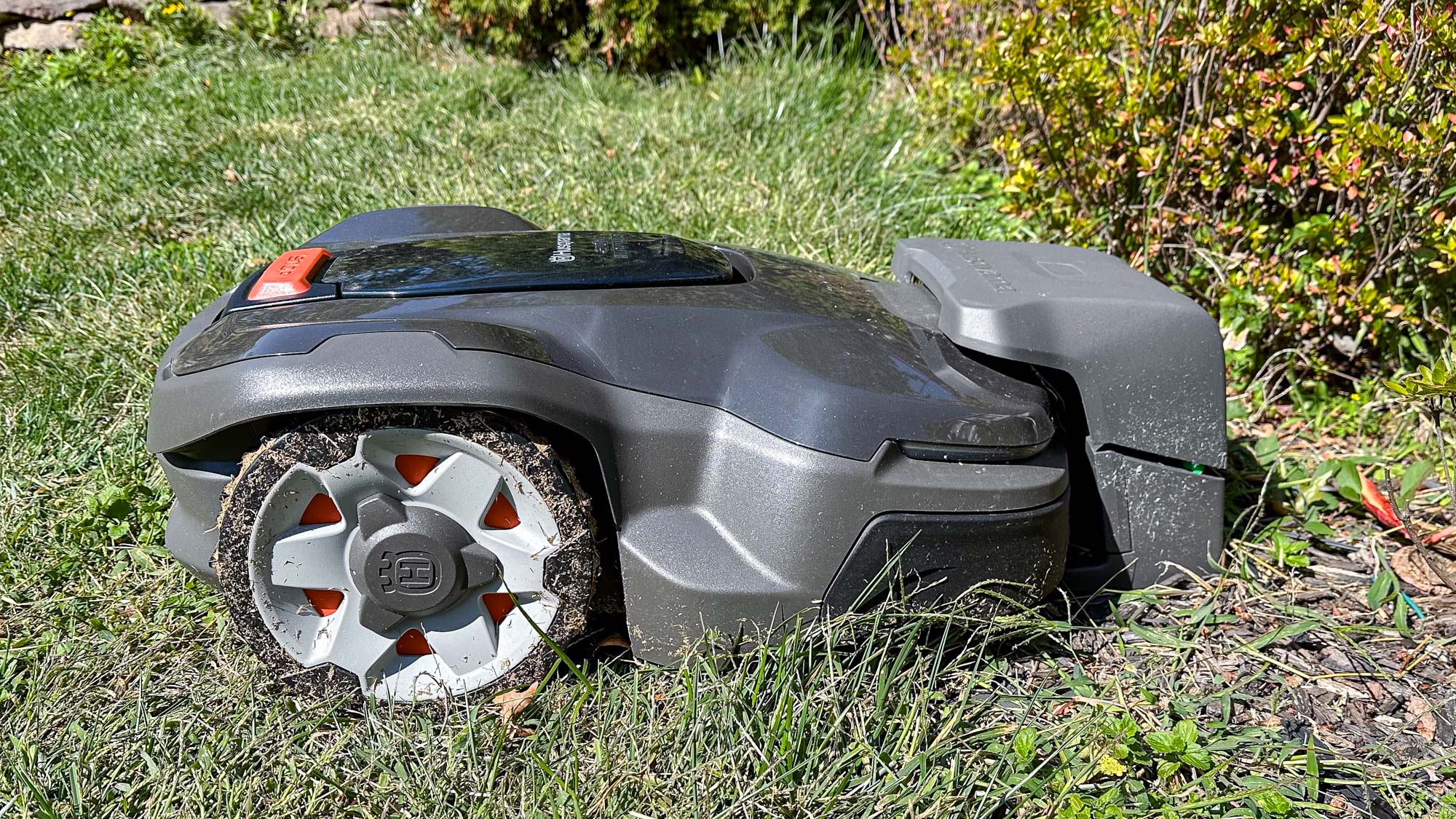
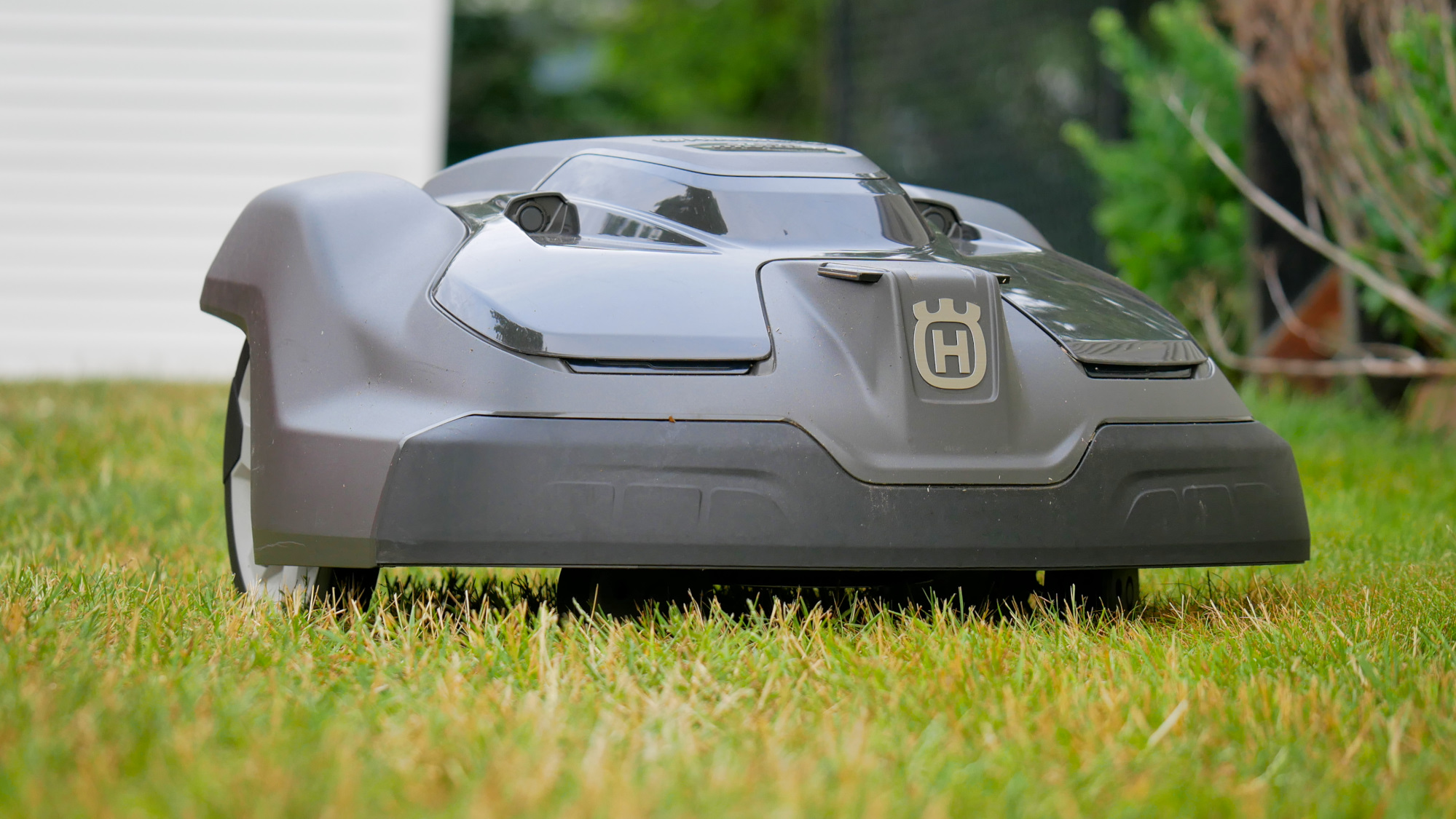
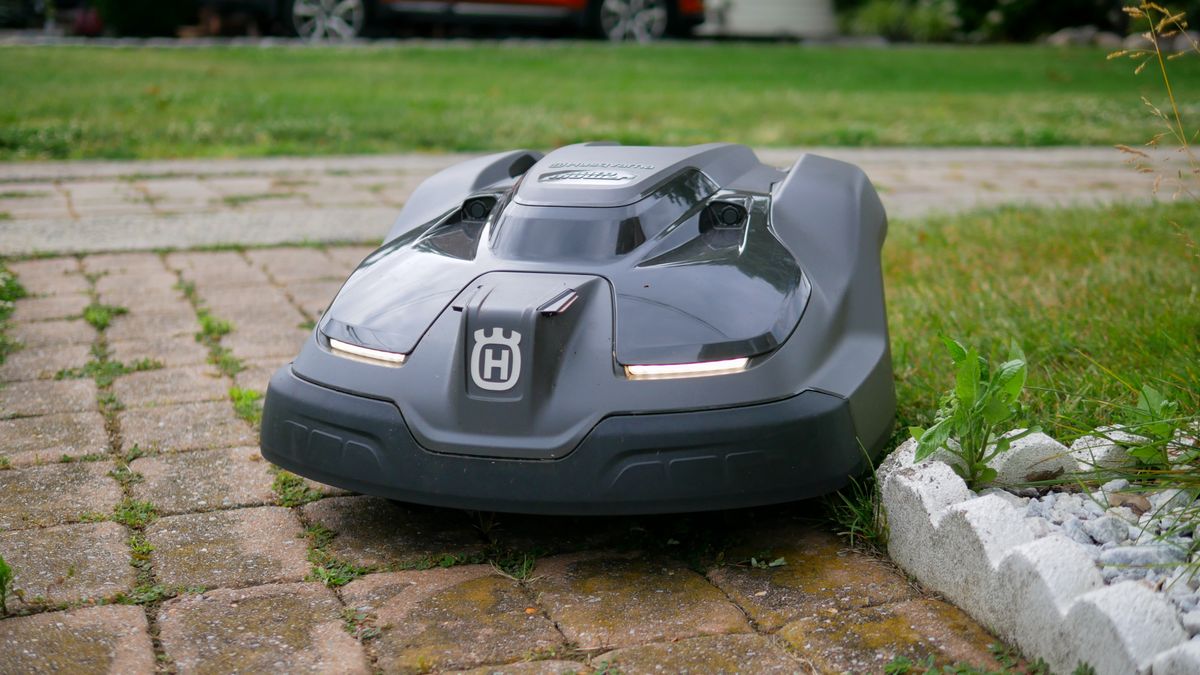
A Husqvarna Automower is an autonomous robotic mower for residential and commercial lawns. It uses electric motors, sensors, software, and a navigation system to mow without a person steering it.
Unlike a riding mower, an Automower does not cut the whole lawn in one pass. It works in short, repeated sessions. This method keeps grass short and leaves fine clippings on the lawn.
An Automower usually has these main parts:
- Rechargeable battery
- Cutting motor and small cutting blades
- Drive wheels
- Charging contacts
- Navigation sensors
- Boundary detection system
- Lift and tilt safety sensors
- Control panel or display
- Wi-Fi, Bluetooth®, cellular, or other communication features on some models
The mower is not a vacuum. It does not collect grass in a bag on most models. Instead, it uses a form of mulching. The small clippings fall between the grass blades and break down over time.
How Does a Husqvarna Automower Mow the Lawn?
The mower follows a repeating cycle:
- It leaves the charging station at a scheduled time.
- It checks its position and detects the mowing area.
- It drives across the lawn in a pattern set by its software.
- Small blades cut the grass.
- Sensors help it avoid objects and stay inside the work area.
- When the battery is low, it finds the charging station.
- It charges until it has enough power to continue.
- It returns to the lawn and resumes its schedule.
The mower does not need to cut every blade in a single trip. Its repeated travel spreads the work across the yard.
The cutting system
Most Automower models use a cutting disc with small, sharp blades. The disc spins under the mower body. As the mower moves over the lawn, the blades trim the grass.
The cutting height can usually be adjusted within the range listed for that model. A higher setting may suit tall or stressed grass. A lower setting may give a shorter lawn but can increase stress during hot or dry weather.
Husqvarna recommends replacing worn or damaged blades with the correct type. Dull blades may tear grass instead of making a clean cut.
Random and systematic mowing
Many boundary-wire Automower models use a flexible or irregular travel pattern. This helps the mower cover the lawn over time rather than follow the same line each day.
Some newer models offer systematic mowing in defined lanes or patterns. These models may use more advanced positioning systems, such as EPOS satellite navigation.
The mowing pattern depends on the model. It can also change when the mower detects narrow passages, slopes, lawn zones, or temporary obstacles.

How Does the Automower Know Where to Go?
A Husqvarna Automower uses boundaries, guides, sensors, and software to control where it travels. The exact method depends on the model.
Boundary-wire navigation
On many models, a low-voltage boundary wire marks the edge of the mowing area. The wire usually runs around:
- The outside edge of the lawn
- Flower beds
- Trees with exposed roots
- Ponds and pools
- Play areas
- Gravel paths
- Raised garden borders
- Other areas the mower must avoid
The mower detects the signal from the wire. When it approaches the boundary, it changes direction before leaving the work area.
The wire is usually placed on the ground with staples or installed just below the surface. A professional installation may bury it deeper in suitable areas. The correct placement depends on the surface, soil, roots, and mower instructions.
Guide wires
Some boundary-wire systems use one or more guide wires. A guide wire leads from the charging station into the lawn.
The mower uses the guide wire to:
- Find the charging station
- Reach distant parts of the lawn
- Move through narrow passages
- Improve return times in complex yards
A guide wire is different from a boundary wire. The boundary wire outlines the work area. The guide wire helps the mower travel through it.
EPOS satellite navigation
Compatible Automower models can use Husqvarna’s EPOS system. EPOS uses satellite positioning and correction data to create virtual boundaries. This can reduce or remove the need for physical boundary wires.
An EPOS installation still needs careful planning. Trees, buildings, fences, and other objects can block or weaken satellite signals. The system also needs suitable reference equipment and a clear view of the sky, depending on the model and installation.
Virtual boundaries can define:
- Mowing areas
- Stay-out zones
- Temporary areas
- Different mowing schedules
- Separate lawn sections
Do not assume that every Automower supports EPOS. Check the exact model and required accessories before buying or installing it.
Sensors and software
Automower models may use several types of sensors. These can detect:
- Contact with an object
- A lifted mower
- A tilted mower
- Excessive slope
- Boundary-wire signals
- Charging-station signals
- Frost or weather conditions on some models
- Navigation or positioning data
Sensors do not make the mower aware of every hazard. Small toys, pet waste, hoses, cables, and thin objects may not be detected reliably. The lawn still needs to be checked before each operating period.

How Does an Automower Return to Its Charging Station?
When the battery reaches its return level, the mower stops cutting and searches for a route to the charging station.
Depending on the model and installation, it may use:
- A guide wire
- The boundary wire
- A charging-station signal
- Satellite navigation
- A combination of these systems
The mower then aligns its charging contacts with the contacts on the station. It charges automatically and waits for the next scheduled mowing period.
A charging station needs a stable power supply and proper placement. The station should sit on a level surface with enough open space for the mower to approach and leave. Avoid locations that flood, collect heavy debris, or block the mower’s route.
If the mower cannot find the station, common causes include:
- A broken or poorly connected guide wire
- A damaged boundary wire
- A blocked route
- Incorrect installation
- A weak or interrupted station signal
- A low or failing battery
- A software or communication fault
The mower may display an error code. Check the model-specific manual before changing wires or electrical parts.

How Does the Automower Cut Grass Without a Bag?
An Automower normally uses frequent light cuts instead of occasional heavy cuts. The blades remove small amounts from the grass tips. The clippings are small enough to fall into the turf.
This can reduce the need to empty a grass bag. It also changes how the lawn should be managed:
- Keep the cutting blades sharp.
- Avoid letting the grass grow very tall before the first run.
- Raise the cutting height during hot, dry conditions if needed.
- Remove large sticks, stones, toys, and pet waste.
- Follow local watering and lawn-care rules.
A robotic mower is not a brush cutter. It may struggle with tall weeds, thick rough grass, long wet growth, and areas with deep holes.
For a new installation, mow the lawn to a suitable height first. Then set the Automower to a reasonable cutting height and allow it to lower the grass gradually.

What Happens When the Automower Hits an Obstacle?
The mower normally detects a solid object through a contact sensor or other obstacle-detection system. It stops, changes direction, and continues mowing.
Some models include additional object detection or smart features. These features differ by model and may require an active service, app, or accessory.
Do not rely on obstacle detection to protect:
- Children
- Pets
- Hands and feet
- Small toys
- Garden hoses
- Thin wires
- Clothing
- Small stones
- Pet waste
Remove hazards before the mower starts. Keep people and animals away while blades are turning. Supervise the first mowing sessions so you can find risks that were not obvious during installation.
The mower may also enter a stay-out zone or stop when it detects unusual conditions. A stay-out zone is a software or installation feature. It is not a substitute for a physical barrier around a pool, steep drop, roadway, or other serious hazard.
How Does the Automower App Work?
Many current Automower models connect to the Automower Connect app. The available functions depend on the mower, communication hardware, subscription, and local network or cellular service.
The app may allow you to:
- Start or stop mowing
- View the mower’s status
- Change the schedule
- Adjust some settings
- Create or edit work areas on compatible models
- Set stay-out zones on compatible EPOS models
- View alerts
- Track location on supported models
- Install software updates on supported equipment
Bluetooth control may work only when you are near the mower. Wi-Fi or cellular control may support remote access, but coverage and service requirements apply.
An app connection does not mean the mower can safely operate without site checks. You still need to inspect the lawn, blades, charging station, boundary system, and weather conditions.

How to Install a Husqvarna Automower
Installation requirements vary, but the general process is similar.
Before installation
Check these items first:
- Lawn size
- Number of lawn areas
- Narrow passages
- Slopes
- Obstacles
- Drainage and wet spots
- Power access
- Boundary-wire or EPOS compatibility
- Cellular or Wi-Fi coverage
- Local rules for outdoor electrical equipment
Read the manual for the exact model. Confirm the permitted slope, cutting height, charging-station clearance, and wire layout.
Boundary-wire installation
For a boundary-wire model:
- Choose a level, suitable location for the charging station.
- Connect the station to its approved power supply.
- Lay the boundary wire around the mowing area.
- Create loops around objects the mower must avoid.
- Install guide wires if the model requires them.
- Connect the wires to the charging station.
- Test the signal and mower route.
- Set the schedule and cutting height.
- Watch the first several mowing cycles.
Keep wire distances and corner shapes within the limits in the manual. Sharp corners, loose wire, and incorrect loop connections can cause poor navigation.
EPOS installation
For an EPOS model:
- Install the required reference equipment.
- Confirm that the mower receives a suitable positioning signal.
- Map the work area.
- Map stay-out zones.
- Define narrow passages and separate work areas.
- Test the virtual boundaries at low risk.
- Set a schedule after the map works as expected.
Satellite-based systems need more than a phone location signal. Buildings, trees, hills, and other obstructions may affect performance.
Signs of a successful installation
A properly installed system should:
- Leave and return to the station reliably
- Stay inside the intended work area
- Pass through planned routes
- Avoid excluded zones
- Charge without repeated alignment errors
- Complete scheduled runs without frequent stops
If the mower repeatedly crosses the boundary, gets stuck, or cannot find the station, stop the schedule and correct the installation before normal use.

How Much Electricity Does a Husqvarna Automower Use?
Electricity use depends on the model, lawn size, schedule, weather, terrain, battery condition, and cutting resistance. Husqvarna lists model-specific energy figures under stated test conditions, but real household use can differ.
A simple estimate is:
Estimated cost = energy used in kilowatt-hours × local electricity price
For example, if a mower uses an estimated 5 kWh in a month and electricity costs $0.18 per kWh:
5 × $0.18 = $0.90 per month
This is a hypothetical calculation, not a promise of actual use. A mower working on slopes, wet grass, or a large lawn may use more energy than the test estimate.
Other ongoing costs can include:
- Replacement blades
- Battery replacement after long-term use
- Boundary-wire repairs
- Installation labor
- Cellular service or other optional services
- Repairs after water, impact, or animal damage
Check the current U.S. model page and owner’s manual for exact specifications and service terms.
How Do You Maintain a Husqvarna Automower?
Regular care helps the mower work safely and reduces navigation problems.
Before cleaning or servicing
Always:
- Stop the mower.
- Turn it off.
- Remove or isolate the battery as directed by the manual.
- Confirm that the blades cannot start.
- Wear suitable hand protection when handling blades.
Never clean a powered mower while the cutting system may operate.
Routine maintenance
Inspect the following:
- Cutting blades
- Blade screws
- Cutting disc
- Wheels
- Wheel hubs
- Charging contacts
- Mower body
- Boundary wire
- Guide wire
- Charging-station connections
- Software and app status
Remove grass from the cutting deck as directed by Husqvarna. Do not use a pressure washer unless the specific manual allows it. Water forced into seals, bearings, or electronics can cause damage.
Replace blades when they are dull, bent, cracked, or damaged. Use the correct screws and blade type. A loose blade is a safety risk.
Seasonal storage
In cold parts of the United States, store the mower and battery according to the manual. A typical process may include:
- Fully charging the battery
- Cleaning and drying the mower
- Storing it indoors in a dry location
- Protecting the charging station and power supply
- Keeping the battery within the stated temperature range
- Checking the system before spring use
Do not guess about battery storage temperatures. Follow the exact model instructions.

Common Automower Problems and Fixes
Use this order: make the area safe, read the error message, check simple causes, and then inspect the installation.
| Symptom | Likely causes | First checks |
|---|---|---|
| Mower will not start | Schedule, low battery, active alarm, blocked blades | Check the app, display, battery, and cutting area |
| Mower leaves the lawn | Boundary wire fault or poor wire placement | Check wire connections and the boundary alarm |
| Mower cannot find the station | Guide-wire issue, blocked route, station problem | Clear the route and inspect guide-wire connections |
| Mower gets stuck | Holes, soft soil, narrow passage, wet grass | Improve the surface or mark the area as restricted |
| Poor cutting quality | Dull blades, wrong height, tall grass | Replace blades and raise the cutting height |
| Battery runs down quickly | Cold weather, large area, slope, aging battery | Check conditions and battery status |
| App will not connect | Bluetooth range, Wi-Fi, cellular, account, or service issue | Move closer, check network settings, and restart as directed |
| Mower stops in wet or cold conditions | Weather protection or sensor response | Check the model’s operating temperature and weather limits |
Do not bypass safety switches, remove protective parts, or connect wires in a way not shown in the manual. For electrical faults, battery faults, repeated charging errors, or damaged wiring, use an authorized Husqvarna service provider.

What Are the Main Limits of a Husqvarna Automower?
An Automower can reduce routine mowing work, but it still needs a suitable lawn and regular care.
Common limits include:
- It may not handle every slope.
- It may need help with separate lawn areas.
- It can become stuck in holes, soft ground, or tight spaces.
- It may not detect small objects.
- It does not remove leaves or large debris.
- It may not cut along every edge.
- Boundary-wire systems can fail if wires are cut.
- EPOS systems can lose accuracy when signals are blocked.
- Wet, frozen, or unusually tall grass can reduce performance.
- A robotic mower does not replace basic lawn inspection.
Edge performance is a frequent concern. Some models can cut close to a boundary, but a small strip may remain near walls, fences, curbs, or beds. You may still need a string trimmer.
The best result comes from matching the mower to the lawn. Measure the actual mowing area, not the total property size. Exclude driveways, buildings, wooded sections, and ornamental beds from the calculation.
Is a Husqvarna Automower Safe?
A Husqvarna Automower includes safety features such as blade-stop functions when the mower is lifted or tilted. These features reduce risk, but they do not make the mower harmless.
Follow these rules:
- Keep children away from the mower while it operates.
- Keep pets supervised until they are comfortable around it.
- Remove toys, cables, clothing, and tools from the lawn.
- Do not touch the underside while the mower is on.
- Turn the mower off before lifting it.
- Use gloves when handling blades.
- Keep people away during installation and wire testing.
- Use physical barriers near pools, steep drops, roads, and unsafe areas.
- Keep the power supply and outdoor connections protected as instructed.
- Stop use if the mower, battery, cable, or charger is damaged.
If a mower enters a dangerous area, stop it from the app or control panel only when safe. Then turn it off before retrieving it.

Key Takeaways
- A Husqvarna Automower cuts grass in small amounts on a regular schedule.
- It returns to its charging station when the battery is low.
- Boundary-wire models use physical wires for navigation.
- Compatible EPOS models use satellite-based virtual boundaries.
- Guide wires can help the mower reach distant areas and return home.
- Sensors help detect boundaries, lifts, tilts, and some obstacles.
- The mower still needs a clear lawn, sharp blades, proper setup, and routine checks.
- Model limits differ, especially for slope, lawn size, connectivity, and navigation.
- Never rely on the mower’s sensors as the only protection for children, pets, or dangerous areas.
Frequently Asked Questions
Does a Husqvarna Automower mow every day?
It can mow on a schedule that includes frequent sessions, but the best schedule depends on grass growth, lawn size, weather, and model capacity. Frequent light cuts are part of its normal design. Reduce or pause mowing during drought, freezing weather, very wet conditions, or lawn repair.
Can an Automower work without a boundary wire?
Some compatible Husqvarna models can use EPOS virtual boundaries instead of a traditional boundary wire. Other models require physical wires. Check the exact model, required EPOS equipment, signal conditions, and service requirements before choosing a wire-free setup.
Can a Husqvarna Automower mow in the rain?
Some models are designed to operate in rain, but performance and safety limits vary. Wet grass can stick under the deck and may reduce traction. Severe weather, standing water, flooding, snow, and freezing temperatures require extra caution. Follow the owner’s manual.
Will an Automower cut along fences and walls?
It may cut close to some edges, but a narrow strip can remain. The result depends on the model, boundary placement, edge design, and surface. Many lawns still need occasional trimming along fixed edges.
Can an Automower handle multiple lawn areas?
Some models can manage multiple work areas, but the method varies. A boundary-wire system may require guide wires or manual movement between areas. An EPOS model may support separate mapped zones. Confirm the model’s area and navigation features before installation.
How often should Automower blades be replaced?
Replacement timing depends on mowing hours, lawn size, soil, debris, and blade wear. Inspect the blades often. Replace them when they are dull, damaged, or no longer make a clean cut. Use the blade and screw type listed for the model.
Conclusion
A Husqvarna Automower works by combining an electric cutting system, rechargeable battery, navigation technology, sensors, and scheduled software. It repeatedly trims the lawn, returns to charge, and continues until the schedule ends.
The key decision is choosing the right navigation method for the yard. A boundary-wire system can suit many established lawns. EPOS may suit compatible yards where virtual mapping and satellite signals work well.
Before purchase or installation, confirm the mower’s lawn-area rating, slope limit, edge performance, weather limits, connectivity, maintenance needs, and required accessories. Then prepare the yard, follow the model manual, and supervise the first runs.


