
How Many Hours Is A Lot For A Lawn Mower: Lifespan Guide
A mower’s hour meter tells part of the story, but it does not tell the whole story. A well-serviced mower with 800 hours may have more useful life left than a neglected mower with 300 hours. Oil changes, storage, mowing conditions, engine type, and the skill of the operator all matter.
So, how many hours is a lot for a lawn mower? For a small residential push mower, 500 hours is often considered high. For a riding mower, 500 to 1,000 hours can be a normal service range. A commercial zero-turn mower may run for 2,000 to 4,000 hours when properly maintained. These are useful guideposts, not hard rules.
This complete guide explains mower hours, lifespan, wear parts, maintenance, buying advice, and signs that a mower is ready for repair or replacement. It is written for first-time homeowners, experienced DIY users, and people shopping for a mower as a gift.

Quick answer: how many hours is a lot for a lawn mower?
A lot of hours depends on the mower type. On a residential push mower, 300 to 500 hours is high use. On a riding mower, 500 to 1,000 hours is common but may bring major repairs. A commercial zero-turn mower can reach 2,000 to 4,000 hours with careful service. Battery mowers use battery cycles instead of engine hours, so check battery age, charge cycles, and runtime.

| Mower type | Hours that may be considered high |
|---|---|
| Reel or basic push mower | 200–400 hours |
| Gas push mower | 300–500 hours |
| Battery push mower | 3–8 years, depending on battery use |
| Residential riding mower | 500–1,000 hours |
| Residential zero-turn mower | 800–1,500 hours |
| Commercial zero-turn mower | 2,000–4,000 hours |
These ranges assume normal home use and regular care. A mower that cuts wet grass, climbs steep hills, hits rocks, or sits outside may wear out much sooner.
What mower hours really mean
Mower hours measure engine or operating time. They are similar to mileage on a car, but they are not a complete health report. Two machines with the same hour count can have very different levels of wear.

Why hours matter
Hours help you estimate how much work a mower has done. They can guide service intervals and help you compare used machines. Hour meters are especially useful on riding mowers, zero-turn mowers, and commercial equipment.
For example, a riding mower with 150 hours may be lightly used. One with 900 hours needs a closer inspection. But hours alone cannot tell you if the owner changed the oil, replaced belts, cleaned the deck, or stored the mower indoors.
Why hours can mislead you
Some residential push mowers do not have an hour meter. Owners may estimate use by mowing frequency. A person who mows a small 0.15-acre lawn once a week may run a mower for less than 30 minutes. A person caring for several acres may use the same mower for many hours each week.
An hour meter can also fail or be replaced. Ask for service records when buying used equipment. Look for matching wear on the steering wheel, foot rests, seat, controls, deck, and tires.
Engine hours versus blade hours
On some riding and commercial mowers, the meter records engine time. The blades may not run for every minute of that time. On other equipment, the meter may record operating time only when the mower is active.
This difference matters when you compare machines. Ask the seller what the hour meter records, and confirm the answer in the owner’s manual.
How long does a lawn mower last?
A lawn mower can last from five years to more than 20 years. The expected lifespan depends on the mower type, build quality, workload, climate, and care. A basic gas push mower may serve a small yard for 5 to 10 years, while a commercial mower may remain useful for 10 to 20 years.

| Mower type | Typical useful life with proper care | Main factors |
|---|---|---|
| Electric corded mower | 8–15 years | Cord care, motor cooling, deck condition |
| Battery push mower | 5–10 years | Battery replacement, storage, charge cycles |
| Gas push mower | 5–10 years | Oil, fuel, air filter, blade care |
| Residential riding mower | 8–15 years | Transaxle, deck, belts, engine service |
| Residential zero-turn mower | 8–15 years | Hydraulic system, frame, engine, deck |
| Commercial zero-turn mower | 10–20 years | Service history, workload, parts support |
These figures are broad estimates. A mower used for a small, flat lawn may last far longer than one used on a large, hilly property. Parts availability also affects practical lifespan. A machine may still run well but become difficult to repair when belts, control parts, or deck components are no longer sold.
What wears out first?
The first worn parts are often not the engine. Blades, belts, tires, batteries, spark plugs, air filters, pulleys, and deck spindles usually need attention first.
A blade becomes dull when it hits soil, sticks, stones, or roots. A belt can crack from heat and age. A battery loses capacity over time, even if the mower is used only a little.
Hour ranges by mower type
The best way to judge mower hours is to compare the number with the design of the machine. A lightweight push mower has a different workload from a heavy commercial zero-turn mower.

Push mowers
A gas push mower with 100 to 250 hours may still have plenty of life for a typical home. At 300 to 500 hours, inspect it carefully. The engine may still be sound, but the deck, wheels, handle, cable, and blade system may need repairs.
For a small yard, a 21-inch push mower may run for 20 to 40 minutes per cut. If it is used weekly during a six-month growing season, annual use may be only 20 to 25 hours. In that setting, a 300-hour mower has seen many seasons of work.
Battery push mowers do not use engine hours in the same way. Check the battery’s age and runtime. A replacement battery may cost a large share of the original mower price.
Self-propelled mowers
A self-propelled mower has a drive system that moves the mower without constant pushing. This helps on larger yards and gentle slopes. It also adds belts, gears, cables, and drive parts that can wear.
A gas self-propelled mower with 250 to 400 hours can be a reasonable used buy if the drive works smoothly and the engine starts easily. Test it on flat ground and a slope only if it is safe. Listen for clicking, slipping, grinding, or changes in speed.
Self-propelled models suit homeowners with medium yards, mild hills, or limited strength. They may not suit someone who wants low maintenance. A simple push mower has fewer moving parts.
Riding mowers
Residential riding mowers often use single-cylinder or twin-cylinder engines. Many have cutting decks from 38 to 54 inches. A 500-hour riding mower may be mid-life, not worn out, if it has been serviced.
At 800 to 1,000 hours, check the transaxle, deck spindles, steering, frame, and electrical system. Repairs can become expensive if several parts fail at once. A riding mower is often a good fit for a large yard, open lawn, or property where walking behind a mower would take too long.
Zero-turn mowers
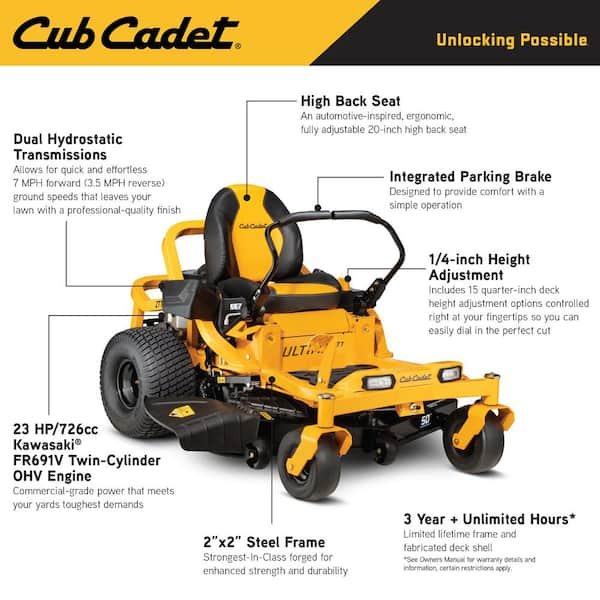
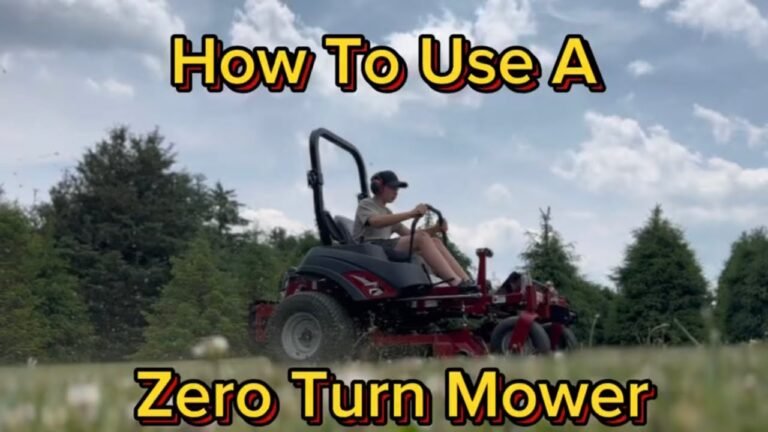
A zero-turn mower can rotate around its rear wheels and turn within its own footprint. This makes it fast and useful around trees and beds. It also has hydraulic drive components that need clean oil, cooling, and proper service.
Residential zero-turn mowers may show major wear around 800 to 1,500 hours. Commercial models are built for heavier use and may run well beyond 2,000 hours. Do not compare a 1,000-hour commercial mower directly with a 1,000-hour homeowner model.
Zero-turn mowers suit large, mostly open yards. They may not suit steep slopes, tight gates, rough ground, or new users who need a slower and simpler machine.
Reel mowers and corded mowers
A reel mower has spinning blades that work against a fixed blade. It has no engine hours and can last for decades with sharpening and adjustment. It works best on short, flat grass and small yards.
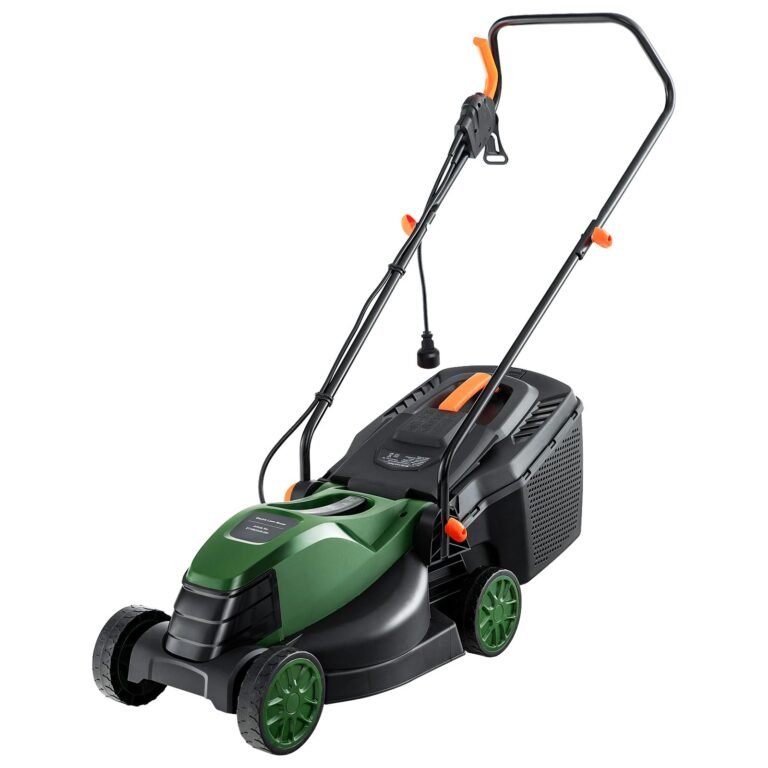
A corded mower has an electric motor and no fuel system. Its life depends on motor cooling, cord care, and storage. It suits small, close-to-house lawns where a power cord can reach safely.
What affects mower lifespan?
Mower hours are only one piece of the lifespan puzzle. The hardest conditions often cause more wear than the hour count suggests.
Mowing wet grass
Wet grass clogs the deck, adds load to the engine, and can cause poor discharge. It also creates slippery footing. Wet grass on a slope is a serious safety risk.
Frequent wet mowing can rust the deck and stress belts. If the lawn must be cut after rain, wait until the surface is firm and follow the mower manual.
Hills and uneven ground
Hills put extra pressure on the engine, transmission, tires, and operator. A riding mower designed for flat ground may not be safe on steep slopes. A walk-behind mower with large rear wheels may be easier to control on mild slopes.
Never use a riding mower across a slope if the manual warns against it. For steep or rough ground, ask a local dealer or lawn professional about a suitable method.
Grass type and mowing height
Fast-growing turfgrass creates more load than thin, slow-growing grass. Warm-season grasses may grow rapidly in hot weather. Cool-season grasses can grow quickly during mild spring and fall weather.
Set the mowing height to suit the grass and season. Cutting too short forces frequent mowing and can stress turfgrass. It can also increase the amount of material the mower must process at once.
Dust, sand, and thatch
Thatch is a layer of dead roots, stems, and organic matter near the soil surface. Heavy thatch and dry dust can enter the air filter and cooling areas. Sand can wear blades and deck parts.
Clean the mower after dusty work. Keep the air intake and engine cooling fins clear. Do not spray water into electrical parts or bearings unless the manual allows it.
Storage and climate
A mower stored in a damp shed may rust even when it has low hours. Cold weather can make gas engines harder to start. Heat can age batteries and fuel. Coastal air can speed corrosion.
Indoor storage in a dry, ventilated garage is helpful. Keep fuel equipment away from ignition sources. Follow local rules for fuel storage.
💡 Pro Tip: A service log is often more useful than an hour meter. Record oil changes, blade sharpening, belt replacement, battery changes, and unusual noises. This creates a clear history for your own use and for a future buyer.
How to judge a used mower by its hours
The best way to assess a used mower is to combine hours, condition, records, and a cold start. Do not let a clean plastic cover hide worn mechanical parts.
Inspect the hour meter and records
Ask when the hour meter was installed. Look for receipts from a dealer or repair shop. A log that shows regular oil changes and belt work is a good sign.
Compare the meter with visible wear. Heavy pedal wear with very low hours deserves questions. A replacement engine may also mean the hour reading no longer represents the full age of the machine.
Start the engine cold
Ask the seller not to warm the mower before you arrive. A cold start can reveal hard starting, smoke, weak compression, or carburetor problems.
Some brief white smoke may occur after storage, but thick blue smoke can indicate oil burning. Black smoke may point to a rich fuel mixture or a dirty air filter. Let a qualified technician inspect serious smoke.
Listen and watch during operation
The engine should run at a steady speed. The mower should not shake badly when the blades engage. Watch for belt slap, grinding bearings, uneven cutting, and oil leaks.
On a riding mower, test forward and reverse at low speed. Check that the brakes stop the machine. Test the deck lift, blade engagement, steering, and safety switches.
Inspect the deck and frame
Look under the deck for rust holes, welded cracks, bent metal, and packed grass. Surface rust may be manageable. A thin deck with deep corrosion can cost more to replace than the mower is worth.
Check the blade spindles for play. With the engine off and the spark plug disconnected or battery removed, move each blade carefully by hand. Follow the manual and wear work gloves.
Check the battery and charger
For a battery mower, ask how the battery was stored. A battery that charges but runs for only a short time may be near replacement. Confirm the voltage, amp-hours, charger model, and replacement part number.
Amp-hours, written as Ah, describe battery capacity. A higher Ah battery may offer more energy, but it may also weigh more and cost more. Use only batteries approved for the mower.
Maintenance that adds useful hours
Regular service does not stop every failure, but it can reduce avoidable wear. The correct schedule is always the one in the owner’s manual.
| Service item | Typical timing | Why it matters |
|---|---|---|
| Check oil level | Before each gas-mower use | Protects the engine from low oil |
| Change engine oil | Manual schedule or yearly | Removes heat and wear particles |
| Clean or replace air filter | As needed or by schedule | Supports proper air flow |
| Sharpen mower blades | Several times per season | Reduces load and improves cut quality |
| Inspect belts and cables | Monthly during use | Finds cracks and slipping early |
| Clean deck underside | Regularly | Reduces buildup and corrosion |
| Charge and store batteries | Manual instructions | Helps protect battery life |
Change engine oil when the engine is warm but not hot, if the manual permits it. Keep the mower level during service. Never work under a raised riding mower without approved supports.
Blade care
A sharp blade cuts grass cleanly. A dull or bent blade may tear grass and make the engine work harder. Sharpen blades carefully or have a shop do the work.
Balance the blade after sharpening. Replace it if it is cracked, badly bent, or worn thin. Confirm the correct blade length, center hole, lift design, and part number.
Fuel system care
Use fresh fuel and the correct fuel type. Fuel stabilizer can help during storage, but it does not repair old fuel. Drain or treat fuel according to the engine manual.
Never refuel a hot engine. Refuel outdoors or in a well-ventilated area. Keep gasoline in an approved container and follow local fuel storage laws.
Battery care
Do not leave a lithium-ion battery in a hot vehicle or damp shed. Use the approved charger. Store it as the manufacturer directs, often in a cool, dry area away from flammable materials.
Do not open, crush, burn, or modify a battery. Recycle old lithium-ion batteries at a designated drop-off.
How hours affect repair costs
Hours do not set a repair price by themselves. The cost depends on the failed part, access, labor rate, and mower type.
| Repair area | Common signs | Cost concern |
|---|---|---|
| Blades and belts | Poor cut, squeal, slipping | Usually routine wear |
| Spark plug and air filter | Hard starting, weak power | Often low-cost service |
| Carburetor or fuel system | Surging, stalling, no start | Can range from cleaning to replacement |
| Deck spindles | Grinding, blade wobble | Labor may add cost |
| Transaxle or hydraulics | Loss of drive, whining | Can be expensive |
| Battery pack | Short runtime, charging fault | Replacement may be costly |
A mower with several worn systems may not be worth rebuilding. Compare the repair estimate with the price of a similar new mower. Also consider whether the mower fits your yard and whether replacement parts remain available.
When a repair is usually worthwhile
Repair often makes sense when the frame and deck are solid, parts are available, and the engine or motor is healthy. A new belt, blade, spark plug, or air filter may restore normal use at modest cost.
Repair is also sensible when the mower is a high-quality model with a comfortable setup. A senior user may prefer repairing a familiar self-propelled mower rather than learning a new control system.
When replacement may make more sense
Replacement may be practical when the deck is rusted through, the frame is cracked, the transmission slips, and the engine smokes. Several major repairs at once can quickly exceed the mower’s value.
For a battery mower, compare the battery price with a new kit that includes a battery and charger. Confirm compatibility before buying. Some brands use several voltage systems that are not interchangeable.
Choosing a mower based on your yard and user
The right mower depends on lot size, terrain, storage, strength, and local rules. A large machine is not automatically a better choice.
| Yard and user | Mower type that may fit | Main limitation |
|---|---|---|
| Small, flat yard; first-time owner | Reel, corded, or battery push mower | Limited by grass height, cord reach, or battery |
| Medium yard; mild slopes | Self-propelled gas or battery mower | More parts and higher cost |
| Large open yard; experienced user | Riding mower or zero-turn mower | Needs storage and safe slope use |
| Senior user; flat to mild terrain | Light self-propelled battery mower | Battery weight and controls matter |
| Uneven acreage; rough grass | Heavy-duty riding mower | Needs careful slope and obstacle planning |
Best mower for small yards
A 16- to 21-inch push mower often suits a small yard. A battery model can reduce fuel handling and engine maintenance. A corded mower may cost less, but the cord requires planning and safe use.
A reel mower suits a small, flat lawn with short grass. Skip it if the grass grows tall, the yard is rough, or the user has limited pushing strength.
Best mower for seniors
A lightweight self-propelled battery mower may help a senior who has a flat or mildly sloped yard. Look for simple controls, a clear battery gauge, adjustable handle height, and a manageable weight.
Avoid choosing only by cutting width. A wide 21- or 22-inch deck may reduce passes but can be harder to lift or store. Confirm that the user can fold, move, charge, and clean the mower safely.
Best mower for hills
For mild hills, a self-propelled walk-behind mower with good traction may be suitable. For steeper slopes, a professional lawn service may be safer than a riding mower.
Never mow wet grass on a hill. Check the slope limit in the manual. A zero-turn mower can feel agile, but agility does not make it safe on every slope.
Best mower for large yards
A riding mower can save time on a large, open lawn. A 42- to 54-inch deck may suit many residential properties, but measure gates and storage doors first.
A zero-turn mower suits users who need to work around trees and beds. It requires practice and may be a poor fit for rough, steep, or crowded yards.
Gas, battery, electric, and riding mower hours compared
The main difference between gas and battery mower life is the way wear appears. Gas machines wear through engine use, fuel systems, vibration, and heat. Battery machines avoid those parts but rely on battery health and electronic controls.
| Power type | What to track | Who it suits |
|---|---|---|
| Gas | Engine hours, oil, fuel, spark plug | Larger yards and long work periods |
| Battery | Battery age, cycles, runtime, charger | Small to medium yards and low routine service |
| Corded electric | Motor condition, cord, reach | Small yards near an outlet |
| Riding gas | Engine hours, transaxle, deck, belts | Large open lawns |
| Robotic battery | Mowing schedule, battery health, boundary system | Regularly maintained yards with suitable layout |
Robotic mowers do not remove all lawn work. They need boundary setup, blade changes, cleaning, and safe placement. They may not suit yards with steep slopes, many separate sections, rough ground, or frequent debris.
Features that affect real-world lifespan
Some features improve comfort or productivity, while others add parts that need care. Choose features that match your yard rather than paying for every option.
Mulching
Mulching returns finely cut grass to the lawn. A mulching mower needs a suitable blade and deck design. It works best when the grass is dry and not overly tall.
Side discharge
Side discharge throws grass to the side instead of collecting it. It helps with tall grass and large areas, but clippings may land in beds, driveways, or nearby paths.
Grass catchers
A grass catcher collects clippings for removal. It suits formal lawns and areas where clippings cannot remain. It adds emptying time and can make the mower heavier.
Adjustable mowing height
A wide height range helps you adapt to grass type and season. Confirm the height range in the product listing and manual. Do not assume two mowers with the same deck size adjust in the same way.
Brushless motors
A brushless motor uses electronic control rather than brushes that wear against a rotating part. It can reduce routine motor wear, but the mower still depends on its battery, controller, blade, and cooling system.
Lawn striping
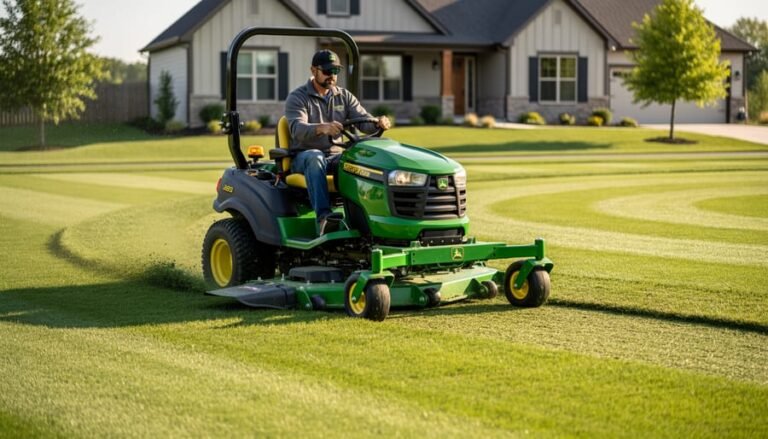
Lawn striping comes from bending grass in different directions. A rear roller or suitable riding mower can create this look. It is a visual feature, not a sign of turf health.
Common mistakes that shorten mower life
Small habits can add years of useful service. They can also prevent many hard-start and poor-cut problems.
Cutting too much grass at once
Avoid removing more than the grass can handle. Tall, wet grass overloads the deck and engine. Raise the deck and make more than one pass when needed.
Ignoring unusual sounds
A squeal may point to a belt. A grinding sound may indicate a spindle bearing. A vibration may come from a bent blade or damaged deck.
Stop the mower and inspect it. Do not keep running equipment that shakes or makes a new mechanical noise.
Washing without care
Water can remove dirt, but it can also enter bearings, electrical connectors, and fuel systems. Follow the manual for deck cleaning. Dry the mower before storage.
Leaving fuel for months
Old fuel can gum up the carburetor and cause hard starting. Use fresh fuel and follow the storage instructions. Never pour old gasoline onto soil or down a drain.
Skipping debris checks
Stones, wire, toys, and branches can damage blades and injure people. Walk the lawn before mowing. Keep children and pets away from the work area.
⚠️ Safety Warning: Wear safety glasses, hearing protection, work gloves when handling blades, and closed-toe shoes. Clear debris first. Keep children and pets away. Disconnect the spark plug or remove the battery before servicing, and follow the owner’s manual.
A simple mower maintenance schedule
A short checklist helps turn mower care into a habit. Adjust these tasks to the manual and the amount of use.
| Timing | Tasks |
|---|---|
| Before each use | Check oil, battery charge, tires, guards, controls, and debris |
| Every few uses | Inspect the blade, deck, belt, cable, and air intake |
| Monthly in season | Sharpen or replace the blade, clean the deck, check fasteners |
| Seasonally | Change oil as directed, replace filters and spark plugs as needed |
| Before storage | Clean, dry, stabilize or drain fuel, charge battery as directed |
A quick check can prevent a small problem from becoming a major repair. Keep service records with the mower manual.
When to replace a lawn mower
The best sign it is time to replace a mower is not a single hour number. Replacement makes sense when safety, reliability, repair cost, and yard fit all point in the same direction.
Signs your mower may need replacement
- The deck has rust holes or structural cracks.
- The frame is bent or unsafe.
- The engine burns heavy blue smoke.
- The mower loses drive under normal use.
- The battery lasts far less than needed.
- Parts are unavailable or hard to identify.
- Repair costs approach the price of a suitable replacement.
- The mower no longer fits the user’s strength or yard.
A mower with 700 hours is not automatically finished. A mower with 150 hours may be a poor buy if it was stored outside and never serviced.
Signs your mower can keep working
A mower may have many useful hours left when it starts easily, runs smoothly, cuts evenly, and has a solid deck. Good maintenance records support that judgment.
Replace worn blades, belts, filters, plugs, and batteries when needed. These parts are normal service items, not proof that the entire mower has failed.
Buying a used mower: a practical checklist
Used equipment can offer value, but it needs a slower buying process. Take a flashlight, gloves, and a few minutes to inspect the machine.
- Confirm the hour reading and ask how it was recorded.
- Check the model and serial number.
- Look up replacement parts before buying.
- Ask for service records.
- Start the gas engine cold.
- Check for smoke, leaks, vibration, and unusual noise.
- Test the drive, brakes, deck lift, and blade engagement.
- Inspect the deck, tires, frame, and controls.
- Test the battery and charger on electric models.
- Confirm the mower fits your gate, garage, shed, and trailer.
Measure your yard before shopping. Note its size, slope, grass type, narrow gates, trees, beds, and storage space. Gift buyers should also ask who will lift the mower, charge it, fuel it, and service it.
🎁 Gift-Buyer Note: Do not buy a large riding mower for a new homeowner without checking storage, gate width, slope, and comfort with the controls. A simple battery push mower may be a better gift for a small, flat yard.
Local rules, noise, and environmental care
Mower choice can depend on rules as well as mechanics. Some HOAs restrict storage, mowing times, visible fuel cans, or equipment noise. Some cities limit gas-powered equipment or set seasonal use rules.
📜 Check Local Rules: Confirm HOA policies, local noise ordinances, gas-equipment restrictions, and fuel storage laws with your city or property association. Rules can change by location.
Battery and corded mowers are often quieter than gas mowers, but they still make blade and motor noise. Be thoughtful about early-morning mowing and nearby homes.
Dispose of old gas and oil at a hazardous-waste site. Recycle lithium-ion batteries at designated drop-offs. Donate or recycle a usable mower rather than abandoning it.
Is a high-hour mower worth buying?
A high-hour mower can be worth buying when the price reflects its condition and the likely repairs are clear. It is a poor choice when the seller hides the service history or the mower has several major faults.
For a first-time homeowner, a lower-hour machine with a simple design may reduce risk. An experienced DIY owner may accept higher hours if parts are available and the engine, deck, and transmission are sound.
A gift buyer should favor ease of use and support over the lowest price. A mower that needs carburetor cleaning, belt work, or heavy lifting may create stress for the recipient.
The best value is not always the mower with the fewest hours. It is the mower that matches the yard, user, budget, and repair skills.
Frequently asked questions
Q: Is 1,000 hours a lot for a lawn mower?
A: It is high for most residential push mowers and a significant amount for a residential riding mower. It may be moderate for a commercial zero-turn mower. Inspect the service history, deck, engine, transmission, and parts support before deciding.
Q: How many hours should a riding mower last?
A: A residential riding mower may provide about 500 to 1,000 or more useful hours with proper care. Some last much longer. Heavy loads, hills, wet grass, poor storage, and skipped service can shorten that range.
Q: Is 500 hours a lot on a zero-turn mower?
A: It depends on the model. Five hundred hours may be moderate for a commercial zero-turn mower but more significant for a residential model. Check the hydraulic system, engine, deck spindles, frame, and maintenance records.
Q: How many hours is too many on a used push mower?
A: More than 300 to 500 hours deserves careful inspection. A well-kept mower can still work beyond that range, while a neglected mower can fail much sooner. Condition matters more than a single number.
Q: Do battery lawn mowers have hours?
A: Some do, but battery health is often more useful than hours. Check battery age, charge cycles if available, runtime, charging behavior, and replacement cost. Confirm the battery voltage and charger compatibility.
Q: Can a lawn mower last 20 years?
A: Yes. Reel mowers, simple corded mowers, and well-maintained gas or riding mowers can last 20 years or more. Parts availability, storage, and regular care determine whether that long life is practical.
Q: Is it better to repair or replace an old mower?
A: Repair it when the deck and frame are solid and the needed parts are affordable. Replace it when major systems fail together, the deck is unsafe, parts are unavailable, or the repair cost is close to a suitable new mower.
Q: What is the best mower for a small yard?
A: A reel mower, corded mower, or battery push mower often suits a small, flat yard. Choose based on grass height, storage, strength, cord reach, and battery access. A riding mower is usually unnecessary for this setting.
Q: What is the best mower for seniors?
A: A light battery mower or easy-to-control self-propelled mower may suit a senior with a flat or mildly sloped yard. Check handle height, controls, weight, battery charging, and the person’s ability to move and store it.
Q: Are zero-turn mowers good for hills?
A: They can be useful on some gentle slopes, but they are not safe for every hill. Follow the manual’s slope guidance. Avoid wet grass, sharp turns, and unsafe cross-slope mowing.
Q: How often should mower blades be sharpened?
A: Many homeowners sharpen blades several times each mowing season. Sandy soil, sticks, and rough yards may require more frequent service. Replace blades that are cracked, bent, or badly worn.
Q: Does mowing wet grass shorten mower life?
A: It can. Wet grass increases load, causes clogs, promotes rust, and creates slip risks. Wait for firm ground and dry grass when possible, especially on slopes.
Q: Can old gasoline ruin a lawn mower?
A: Old gasoline can cause hard starting, surging, clogged carburetors, and poor running. Use fresh fuel and follow the manual for stabilizing or draining fuel during storage.
Q: Should I buy a used mower with no hour meter?
A: You can, but inspect it more carefully. Estimate use from age, visible wear, records, and the seller’s answers. On a riding mower, missing or questionable hour information should lower your offer or increase caution.
Q: How do I store a mower for winter?
A: Clean and dry it, service it as directed, and stabilize or drain fuel according to the manual. Store batteries in the recommended indoor location. Keep the mower dry, secure, and away from ignition sources.
Final advice
There is no single hour count that ends a mower’s life. For a push mower, 300 to 500 hours is a useful point for closer inspection. For a residential riding mower, 500 to 1,000 hours is often a mid- to high-use range. Commercial zero-turn mowers can go much farther when their engines, decks, hydraulics, and cooling systems receive proper care.
Before buying, inspect the mower as a complete system. Check the deck, blade, belts, tires, battery, engine, transmission, storage needs, and parts supply. Match the mower to the yard and the person using it.
A mower with honest records and regular care is usually a safer bet than a low-hour mower with neglect behind it. Treat the hour meter as a clue, not a verdict.
Affiliate disclosure: This article may contain affiliate links. If you buy through one of these links, the publisher may earn a commission at no extra cost to you. Product features, prices, compatibility, and availability can change, so confirm current details on the manufacturer’s product page and in the owner’s manual.


One Comment