
Best Raised Garden Bed Material: Best Options For Gardens
Galvanized steel is the best raised garden bed material for durability, safety, drainage, and low long-term upkeep.
If your garden soil is poor, compacted, or full of weeds, a raised bed can make growing food much easier. The right material also matters. Wood can rot, plastic can fade, and thin metal can bend. After comparing size, design, drainage, reach, and stated materials, I found galvanized steel beds offer the best balance for most home gardeners. The models below cover large backyards, patios, balconies, and smaller planting spaces.
See the differences between my top picks at a glance.
Best Choice 6x3x2 ft Galvanized Steel Bed
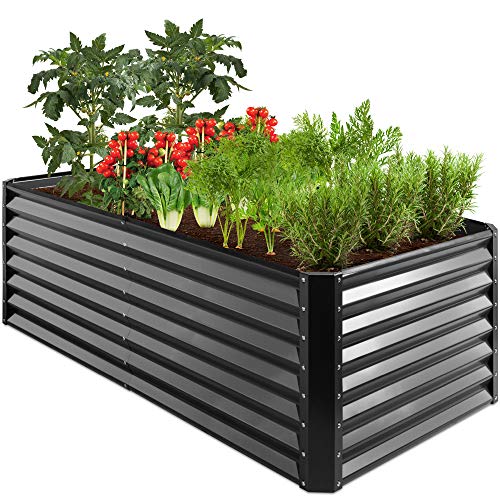
This 6-by-3-foot bed is a strong all-around choice for a home vegetable garden. Its galvanized steel construction gives it a clean look and helps it resist rot. The open bottom lets roots reach the soil below and helps excess water drain away. Its stated 269-gallon capacity gives gardeners room for vegetables, herbs, and flowers.
The 2-foot depth suits crops that need more root space than a shallow planter can offer. I also like the gray finish because it works well with most yards and patios. Place it on level ground before filling it, since a large bed becomes very heavy. For most buyers, this size offers a useful mix of growing room, material life, and manageable cost.
Pros:
- Durable galvanized steel construction
- Open bottom supports drainage and deep roots
- Useful 6-by-3-foot growing area
- Two-foot depth suits many vegetables
- Neutral gray finish fits many outdoor spaces
- Large stated 269-gallon capacity
Cons:
- Large size needs a level installation area
- Filling it requires a large amount of soil
- Metal sides may warm in strong summer sun
What Amazon Buyers Are Saying
Buyer feedback for this type of bed often focuses on the roomy size, simple open-bottom design, and neat appearance. Gardeners also tend to value the steel frame over wood because it does not need wood sealing. Common concerns include the work of assembly, moving the bed after filling, and the amount of soil required. Check current reviews for the latest comments about hardware and setup.
My Recommendation
I recommend this model for gardeners who want one dependable bed for a broad range of crops. It is a practical choice when you have a yard with enough room. The 6-by-3-foot layout feels more useful than a small starter bed without becoming as demanding as an extra-large model.
Best Choice 8x4x2 ft Large Steel Bed
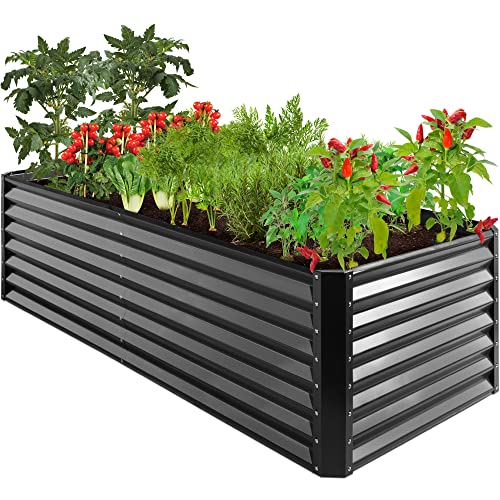
This is the largest bed in the main Best Choice lineup reviewed here. The 8-by-4-foot footprint gives you a broad planting zone for multiple crops. Its galvanized steel walls resist the rot that often limits untreated wood beds. The open bottom also allows the bed to connect with the ground below.
The stated 478-gallon capacity shows how much soil this design can hold. That is useful for a serious vegetable garden, but it also means higher soil cost and more planning. The two-foot depth works well for deep-rooted plants. I would place this bed in a permanent location because moving it after filling is not practical.
Pros:
- Very large planting surface
- Deep two-foot growing profile
- Open bottom improves soil connection
- Galvanized steel does not rot like wood
- Useful for several crop types at once
- Large stated 478-gallon capacity
Cons:
- Needs substantial yard space
- Soil filling cost can be high
- Hard to relocate once filled
What Amazon Buyers Are Saying
Reviews for large raised beds commonly praise the room for vegetables and the sturdy look of metal panels. Buyers also tend to mention that the bed creates a clear garden boundary. The main practical complaints involve assembly time, soil volume, and the need to prepare a level site. Read current buyer photos when checking how the panels look after setup.
My Recommendation
This is my choice for gardeners who want a large food-growing area from one bed. It offers excellent capacity and deep soil space. It is not the best fit for a small yard, balcony, or buyer who wants a quick, light planter.
Best Choice 72x24x30 Inch Elevated Bed

This elevated metal planter raises the growing surface to about 30 inches. That height can reduce bending for many gardeners and keeps the planting area easy to see. The 72-inch length provides plenty of room for herbs, greens, and compact vegetables. Its charcoal finish gives it a simple, modern look.
An elevated bed works well on a patio, deck, or firm outdoor surface. It also helps separate your potting mix from poor ground soil. However, buyers must check the base and drainage details before placing it on a finished surface. I see this model as a strong choice for gardeners who value reach more than maximum soil depth.
Pros:
- Raised working height
- Long 72-inch planting area
- Galvanized metal construction
- Good fit for patios and decks
- Charcoal color looks clean outdoors
- Less ground contact than an open-bottom bed
Cons:
- Limited to the soil space inside the planter
- May need careful placement on patios
- Not ideal for very deep-rooted crops
What Amazon Buyers Are Saying
Elevated planter reviews often praise easier access and the tidy shape. Buyers usually like using them for herbs, flowers, and small vegetables near a home. Common concerns include assembly, drainage, and the amount of soil the planter holds. Since comfort needs differ, compare the height with your own reach before ordering.
My Recommendation
I recommend this model for people who dislike kneeling or want a raised container near a patio. It is more accessible than a ground-level bed. For a large root garden, I would choose one of the deeper open-bottom beds instead.
Best Choice 4x2x2 ft Compact Steel Bed

This 4-by-2-foot bed gives new gardeners a simple way to start. It keeps the deep two-foot profile found in larger models while using less floor space. The stated 119-gallon capacity suits herbs, flowers, salad greens, and several compact vegetables. Its open bottom supports drainage and lets roots reach lower soil when conditions allow.
The smaller footprint makes site planning easier. You can place it beside a walkway, along a fence, or in a modest backyard. It still needs a level base and enough soil to fill the deep frame. I like this model for buyers who want the best raised garden bed material without committing to a very large garden.
Pros:
- Space-saving 4-by-2-foot footprint
- Deep two-foot growing area
- Galvanized steel construction
- Open bottom supports drainage
- Lower soil demand than larger beds
- Good starter size
Cons:
- Less planting room than larger beds
- Still needs a large soil fill for its depth
- Metal can heat in direct sun
What Amazon Buyers Are Saying
Small raised bed buyers often like the compact shape and clear planting boundary. Reviews for this style also tend to mention that two feet of depth feels useful for root growth. Some gardeners may find the bed smaller than expected, so check the listed measurements before purchase. Assembly and soil filling remain the main setup tasks.
My Recommendation
This is one of the best choices for a first raised bed, especially in a small yard. It offers steel durability without the footprint of a large garden box. Choose it when you prefer depth over a wide planting area.
Best Choice 48x24x30 Inch Charcoal Bed

This 48-by-24-inch elevated bed fits the needs of patio and balcony gardeners. Its 30-inch height makes planting more comfortable than working at ground level. The galvanized metal body offers a rot-resistant alternative to a wood planter. The charcoal finish also gives the unit a polished look near a home entrance.
The shorter length makes it easier to fit into a tight outdoor layout. It can hold herbs, flowers, leafy greens, and other plants suited to container growing. Measure your doorway, balcony, and final placement area before ordering. I consider this a useful middle option between a small pot and a full ground bed.
Pros:
- Good size for patios and balconies
- Comfortable elevated working height
- Rot-resistant galvanized metal
- Modern charcoal finish
- Easy to combine with other planters
- Suitable for herbs and compact crops
Cons:
- Less capacity than a ground-level bed
- Requires a stable, level surface
- May not suit large root crops
What Amazon Buyers Are Saying
Feedback on compact elevated beds often points to their neat appearance and easy access. Buyers commonly use this size for herbs, flowers, and small food crops. The most useful review details tend to concern assembly and drainage on hard surfaces. I suggest checking recent photos to judge the scale in a real patio setting.
My Recommendation
This is a good buy for a gardener with limited space. It offers the clean look and low rot risk of metal without taking over a patio. Select a ground-level model instead if you need deep soil or a large harvest.
Best Choice 48x24x30 Inch Peacock Blue Bed
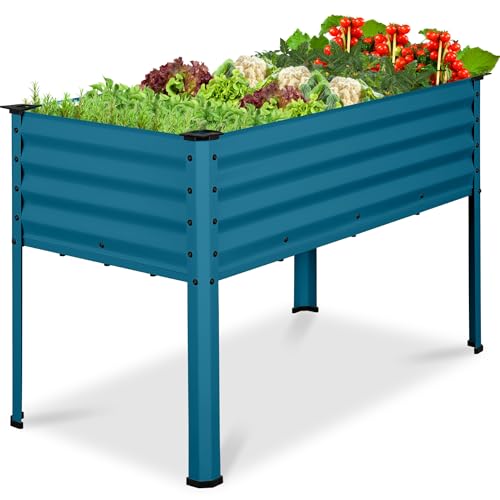
This peacock blue version uses the same useful 48-by-24-inch elevated format as the charcoal model. Its main difference is visual: the blue finish adds color to a patio, deck, or balcony. The raised height helps limit bending while you tend plants. Galvanized metal also avoids the common rot concern linked to many wood planters.
This bed suits gardeners who want function and a stronger design accent. It works best for herbs, flowers, and smaller vegetables. Keep in mind that bright colors may show dirt or scratches more clearly than gray or charcoal. With a firm base and suitable potting mix, it can become an attractive compact garden.
Pros:
- Distinctive peacock blue finish
- Comfortable elevated height
- Compact footprint for small spaces
- Galvanized metal body
- Useful for herbs and flowers
- Matches modern outdoor décor
Cons:
- Color may not suit every landscape
- Limited depth for large root crops
- Requires a stable hard surface
What Amazon Buyers Are Saying
Buyers who choose colored planters often care about appearance as much as planting space. Review themes for this style commonly include praise for the bright finish and raised access. Practical concerns usually involve assembly, drainage, and the smaller growing area. Check current listings for finish details before buying because color can look different under outdoor light.
My Recommendation
I recommend this version when style matters and you want a compact metal planter. It offers the same basic planting format as the charcoal option with a more visible finish. It is worth considering for balconies, porches, and decorative patio gardens.
Rakukiri 5-Foot Oval Galvanized Bed

The Rakukiri bed brings an oval shape to the raised garden bed market. Its five-foot length provides a useful planting zone while softening the straight lines common in metal beds. The listing describes a GRS-certified, recycled-material construction. Its silver finish keeps the design simple and easy to place in many landscapes.
The oval shape can work well as a focal point in a yard or flower garden. It also avoids sharp square corners along some walking paths. Like any metal bed, it needs careful assembly and a level site. I would choose this model for buyers who want a decorative form and a material story that includes recycled content.
Pros:
- Distinctive oval shape
- Five-foot planting length
- Rot-resistant galvanized metal
- Listing describes recycled material content
- Silver finish suits many garden styles
- Useful for flowers, herbs, and vegetables
Cons:
- Oval shape may be harder to arrange with square beds
- Silver metal can show soil marks
- Buyers should verify current certification details
What Amazon Buyers Are Saying
Reviews for oval beds often focus on the unusual shape and decorative appeal. Gardeners may like the way the rounded form fits flower borders and open yard areas. Assembly and panel alignment are the main details worth checking in current buyer feedback. I also suggest reviewing the listed dimensions so the oval does not feel smaller than expected.
My Recommendation
This is a strong option for a gardener who wants more character than a standard rectangle. The recycled-material claim and galvanized build add useful appeal. Choose it when the shape fits your layout and you value appearance as much as maximum capacity.
Best Choice 72-Inch Elevated Wood Planter

This elevated wood planter offers a warmer, more traditional look than metal. Its 72-inch length provides a long growing strip for herbs, flowers, and compact vegetables. The design includes a divider panel and six legs, according to the listing. Its stated 300-pound capacity is important because wet soil adds considerable weight.
The elevated format can help gardeners who prefer to sit or stand while tending plants. Wood also blends naturally with decks and garden furniture. However, wood needs more care than galvanized steel, especially when exposed to rain and wet soil. I would inspect the drainage, protect the base, and follow the care directions to help extend its useful life.
Pros:
- Warm natural wood appearance
- Elevated design reduces bending
- Long 72-inch planting area
- Divider supports separate plant groups
- Six-leg support design
- Stated 300-pound capacity
Cons:
- Wood can need more upkeep than metal
- Wet soil creates a heavy load
- Must sit on a stable, level surface
What Amazon Buyers Are Saying
Wood planter buyers often like the natural look and the easier working height. Reviews may also mention the useful length and divider for separate plants. Common concerns include assembly, drainage, wood condition, and long-term exposure to moisture. Check current comments for details about how the planter performs in your climate.
My Recommendation
This is worth buying if you prefer wood and want a comfortable elevated garden. It is not my top pick for the best raised garden bed material because galvanized steel usually asks for less maintenance. Still, it can be a pleasant choice for patios, decks, and seated gardeners.
Best Choice 6x3x2 ft Black Steel Bed

This black version gives gardeners the same useful 6-by-3-foot format as the gray all-around pick. Its dark finish creates a bold contrast with green leaves and bright flowers. The galvanized steel body offers a rot-resistant frame for an open-bottom garden. With a stated 269-gallon capacity, it provides room for a broad mix of plants.
The two-foot depth can support crops with larger root systems than a shallow decorative box. Black metal may absorb more solar heat than a lighter finish, so I would watch soil moisture during hot weather. Place it where you can reach all sides without stepping into the bed. This model works well when appearance and strong growing capacity both matter.
Pros:
- Large 6-by-3-foot footprint
- Bold black finish
- Galvanized steel frame
- Open bottom design
- Two-foot depth for root space
- Large stated 269-gallon capacity
Cons:
- Dark finish may warm faster in full sun
- Requires a large amount of soil
- Needs a level permanent site
What Amazon Buyers Are Saying
Reviews for this size of bed often praise its strong visual presence and generous planting area. Buyers may also like the open bottom and the lack of wood rot concerns. The most common practical issues usually relate to assembly, soil cost, and keeping the bed level. In hot regions, monitor moisture and follow good watering habits.
My Recommendation
I recommend this bed for gardeners who like a modern black finish and need a medium-large growing area. It is a solid alternative to the gray version. Pick the gray model if you prefer a lighter look in a very sunny location.
How to Choose the Best Raised Garden Bed Material
Choosing the best raised garden bed material starts with your site, crops, and care plan. A good bed should hold soil well, drain excess water, fit the space, and last through normal outdoor use. I also suggest checking the product page for current dimensions, hardware, coating details, and care advice before ordering.
1. Match the Material to Your Climate and Crops
Galvanized steel works well when you want a rot-resistant frame with little seasonal care. It suits vegetables, herbs, flowers, and many garden layouts. Wood gives a softer look, but moisture can shorten its life unless the design drains well and receives proper care. Plastic beds can be light and easy to move, yet buyers should check how the material handles sun and cold.
Think about root depth too. Lettuce and herbs can grow in less soil than tomatoes, carrots, or larger flowers. An open-bottom bed lets roots move into the ground when the site allows it. An elevated bed gives better separation from poor soil but limits roots to the planter area.
2. Check Drainage, Height, and Installation Space
Good drainage protects roots from standing water. Open-bottom beds suit yards with healthy ground drainage. Elevated planters need clear drainage paths and a stable base. Never place a heavy filled planter where the surface cannot support it.
Measure the site before you buy. Leave enough room to walk around the bed and reach the center without leaning across plants. A four-foot-wide bed may work well when you can reach both sides. Long beds need a clear path for assembly and delivery.
3. Compare Capacity, Upkeep, and Total Value
Do not judge value by the frame price alone. Add the cost of soil, compost, mulch, delivery, and any tools needed for assembly. A large bed can offer excellent growing space, but it also needs more soil and water. A compact bed may cost more per square foot yet fit your garden far better.
For most buyers, galvanized steel offers the best mix of service life, simple care, and useful design. Look for smooth edges, clear instructions, secure joints, and a finish that matches your site. If you choose wood, plan for moisture care. If you choose an elevated model, confirm its weight limit and drainage setup.
Final Verdict: Which Should You Buy?
For most gardeners, the Best Choice 6x3x2-foot gray galvanized bed is the best raised garden bed material pick and the best overall size. Choose the 8×4-foot model for maximum space, or the 4×2-foot model for a smaller yard.
Galvanized steel gives a strong balance of durability, drainage, and low upkeep. Pick an elevated bed for easier reach, and always match the size to your soil budget and garden space.
FAQs Of best raised garden bed material
What is the best raised garden bed material?
Galvanized steel is the best choice for most gardeners because it resists rot and needs little upkeep. Wood remains a good option when you prefer a natural look.
Is galvanized steel safe for vegetable garden beds?
Choose a product that clearly states its materials and intended garden use. Follow the maker’s care instructions, and check current product details before planting edible crops.
Are metal raised garden beds too hot for plants?
Metal can warm in strong sun. Use mulch, monitor soil moisture, and provide suitable sunlight for your crops. A lighter finish may absorb less heat than a dark one.
Should a raised garden bed have an open bottom?
An open bottom helps water drain and lets roots reach the ground below. An elevated planter works better when you need a clean base or easier access.
How deep should a raised garden bed be?
Many vegetables grow well with about 12 inches of soil, while deeper-rooted crops benefit from more space. Always check the needs of the plants you plan to grow.

3 Comments