Accidentally Put Gas Oil Mix In Lawn Mower: What To Do
Accidentally putting a gas-and-oil mix in a lawn mower is common, especially when you own both a string trimmer and a mower. Most walk-behind lawn mowers use a four-stroke engine and need fresh gasoline only. Many string trimmers, leaf blowers, chainsaws, and some older engines use a two-stroke mix of gasoline and oil.
The good news is that a small mistake does not always ruin the mower. What matters most is whether you started the engine, how much mixed fuel you added, and whether the mix contained the right type of oil. Stop using the mower, avoid starting it again, and follow the safe steps below. Acting early can limit smoke, spark-plug fouling, poor running, and costly repairs.

Quick Answer: What to Do Right Away
The best way to handle gas oil mix in a four-stroke lawn mower is to stop the engine, disconnect the spark-plug wire, drain the tank, and refill it with the fuel listed in the owner’s manual. If the mower was not started, the fix is usually simple. If it ran for several minutes, drain the fuel and ask a small-engine repair shop to check the oil, spark plug, air filter, and carburetor.

Do not mow “until the tank is empty.” That spreads the wrong fuel through the fuel line and carburetor. Do not add more plain gasoline to dilute the mixture unless the owner’s manual or a qualified technician specifically says it is safe.
| Situation | Best next step | Risk level |
|---|---|---|
| Mixed fuel was added, but the mower was not started | Drain the tank and refill with fresh gasoline | Low |
| Mower ran for less than a minute | Stop it, drain the fuel, and inspect the spark plug | Low to moderate |
| Mower ran for several minutes or smoked heavily | Drain fuel and engine oil; inspect before reuse | Moderate |
| Diesel or the wrong fuel was added | Do not start it; arrange fuel removal and service | High |
The key difference is the type of wrong fuel. Gasoline mixed with two-stroke oil may cause smoke and fouling. Diesel fuel, kerosene, or another petroleum product can create a more serious starting and combustion problem.
⚠️ Safety Warning: Work outdoors, away from flames, pilot lights, heaters, cigarettes, and electrical sparks. Wear safety glasses and fuel-resistant gloves. Never drain fuel into soil, a storm drain, or household trash.
Why Gas-and-Oil Mix Can Cause Trouble
A typical push mower, self-propelled mower, riding mower, or zero-turn mower has a four-stroke engine. It takes gasoline through the fuel system and keeps engine oil in a separate crankcase. The gasoline burns in the cylinder, while the crankcase oil lubricates moving parts.
A two-stroke engine works in a different way. It has no separate oil reservoir for engine lubrication. The oil is blended into the gasoline, often at a ratio such as 50:1. That mix travels through the carburetor and burns with the fuel.

When you put two-stroke fuel in a four-stroke mower, the mower receives gasoline with extra oil. The engine can still start because gasoline is present, but the oil does not belong in the fuel system. It may create blue or white smoke, foul the spark plug, leave carbon deposits, and make the engine surge or stall.
Four-Stroke and Two-Stroke Fuel Systems
The term cc, or cubic centimeters, describes engine size. A common walk-behind mower may have an engine in the 140cc to 200cc range. The exact size does not change the basic fuel rule: follow the manual and use the fuel grade and ethanol limit listed by the manufacturer.

A four-stroke mower has a separate oil fill tube or dipstick. A two-stroke string trimmer usually has one fuel tank for the gas-and-oil blend and no engine-oil dipstick. Looking at these parts can help you avoid the same mistake later.
| Engine type | Fuel requirement | Common equipment |
|---|---|---|
| Four-stroke | Gasoline in the fuel tank; engine oil in a separate crankcase | Push mowers, riding mowers, many zero-turn mowers |
| Two-stroke | Gasoline blended with the correct two-stroke oil | String trimmers, chainsaws, some leaf blowers |
| Battery electric | No gasoline or engine oil | Battery mowers, robotic mowers, cordless trimmers |
| Corded electric | No gasoline or engine oil | Corded mowers and some small outdoor tools |
A mower with a separate oil dipstick almost always needs separate gasoline and crankcase oil. A battery mower needs neither fuel nor spark plugs, but it does need the correct battery voltage and charging system.
What Happens Inside the Mower
The mixed fuel first reaches the fuel line, carburetor, and intake. From there, it enters the combustion chamber. The oil can burn along with the gasoline, but it may not burn cleanly in an engine designed for straight gasoline.
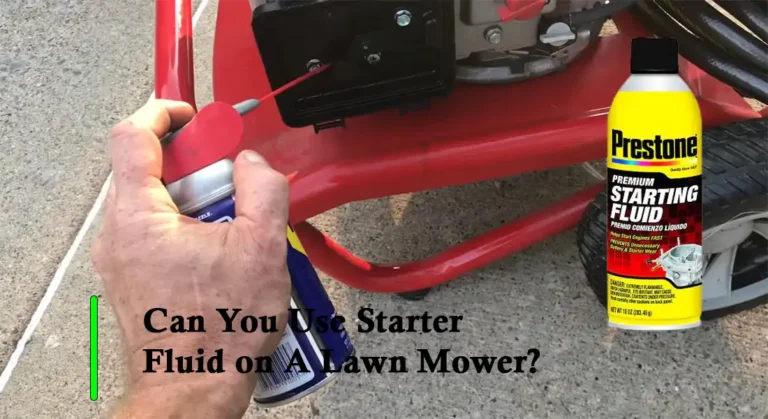
Common results include a smoky exhaust, a wet or black spark plug, a rough idle, hard starting, loss of power, and a strong oily smell. One short run may not cause lasting harm. Continued use raises the chance of carbon buildup and a clogged spark arrestor or muffler.
Signs You Put Gas Oil Mix in the Mower
The main signs are blue smoke, a rough-running engine, a fouled spark plug, and an oily smell from the exhaust. These signs do not prove the fuel is wrong, since a mower can smoke after being tipped on its side or overfilled with engine oil. Check the fuel container and your recent actions before diagnosing the mower.

A lawn mower may also make a popping sound, surge up and down, or stop under load. A dull blade, clogged air filter, stale gasoline, and wet grass can cause similar symptoms. Fuel history is an important clue.
| Symptom | Possible meaning | What to check |
|---|---|---|
| Blue or gray smoke | Oil is burning in the combustion process | Fuel type, engine-oil level, mower position |
| Hard starting | Spark plug is wet or fuel mix is too rich | Spark plug, fuel tank, air filter |
| Rough running | Combustion is uneven | Fuel, carburetor, plug, air filter |
| Strong oily exhaust smell | Two-stroke oil may be burning | Fuel container and tank contents |
| Engine starts, then dies | Fuel flow or plug fouling | Carburetor bowl, fuel line, spark plug |
| No start after refueling | Wrong fuel, flooded engine, or no spark | Manual troubleshooting steps |
Blue Smoke Does Not Always Mean a Ruined Engine
Blue smoke often means oil is burning. If the mower was tilted with the air-filter side down, engine oil may have entered the air filter or cylinder. Overfilling the crankcase can also cause smoke.

A small amount of smoke after a fuel mistake may clear once the wrong fuel is removed. Thick smoke that continues after fresh fuel is added needs further inspection. Stop using the mower if it loses power, knocks, overheats, or leaks fuel.
Check the Container Before You Drain Anything
Look at the fuel can. Confirm whether it contains gasoline and two-stroke oil, straight gasoline, diesel, or another product. If the mixture was made for a string trimmer, it likely contains two-stroke oil, but do not guess if the label is unclear.
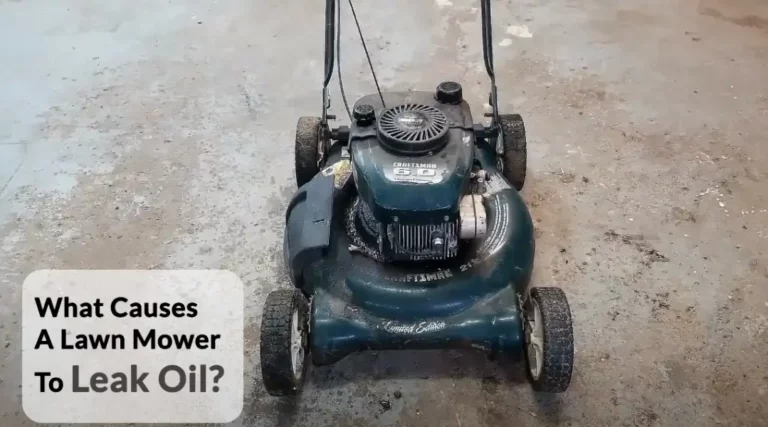
Also check the mix ratio. A 50:1 mix has less oil than a 32:1 mix. A high-oil blend is more likely to smoke and foul a mower spark plug. Any unknown fuel should be treated as contaminated until a repair professional identifies it.
How to Drain Gas Oil Mix From a Lawn Mower
The safest method is to remove the wrong fuel before the mower runs again. Work outdoors on a level surface. Let the engine cool fully, keep the mower away from grass and dry leaves, and use an approved fuel container.

Read the owner’s manual first. Some mowers have a fuel shutoff valve, drain screw, or removable fuel line. Others are designed to be drained with a hand siphon pump. Never use your mouth to siphon gasoline.
Tools and Materials
You do not need a large tool set for a basic fuel drain. The exact tools vary by mower design. A homeowner with a small flat yard can often handle the fuel removal, while an older riding mower or zero-turn may be better suited to a repair shop.

| Item | Why you may need it | Notes |
|---|---|---|
| Approved gasoline container | Holds the contaminated fuel | Use a container rated for fuel |
| Hand siphon pump | Removes fuel without starting the engine | Never siphon by mouth |
| Safety glasses and gloves | Protects eyes and skin | Use fuel-resistant gloves |
| Shop towels | Wipes small spills | Keep them away from ignition sources |
| Socket or wrench | Removes the spark plug if needed | Use the size listed in the manual |
| Fresh gasoline | Refills the mower | Match the manual’s fuel requirements |
Set the container on a stable surface. Do not use a drinking bottle, open bucket, or thin plastic jug. A proper fuel can reduces spills and vapor exposure.
Step 1: Move the Mower to a Safe Place
Push the mower to a flat outdoor area with good airflow. Keep children, pets, and bystanders away. Do not work in a closed garage, even if the garage door is open.

If you have a riding mower or zero-turn mower, engage the parking brake and remove the key. For a push mower, keep the blade-control bar released. Let the engine cool before opening the fuel tank.
Step 2: Disconnect the Spark Plug
Find the spark-plug wire and pull off the rubber boot. Do not pull on the wire itself. Disconnecting the wire helps prevent an accidental start while you drain fuel or work near the blade.

For a battery mower, remove the battery pack before servicing. For a corded mower, unplug it and keep the cord away from the work area. Always follow the manual because safety layouts differ.
🔧 Quick Fix: Take a photo of the fuel-line routing before removing a hose. This simple step helps DIY owners reconnect it correctly, especially on riding mowers with several fuel lines.
Step 3: Remove the Wrong Fuel
Use a hand siphon pump through the filler neck if the tank allows it. If the manual gives a different procedure, follow that method. Some mowers require access to the fuel line or carburetor drain.

Do not tip a mower over to pour out fuel unless the manual clearly permits it. Tipping can send gasoline into the air filter, muffler, crankcase, or carburetor. It can also create a spill near hot engine parts.
Step 4: Drain the Carburetor if Needed
Removing fuel from the tank may not remove the fuel already sitting in the carburetor bowl. If the mower was started, the carburetor likely contains some of the mix.
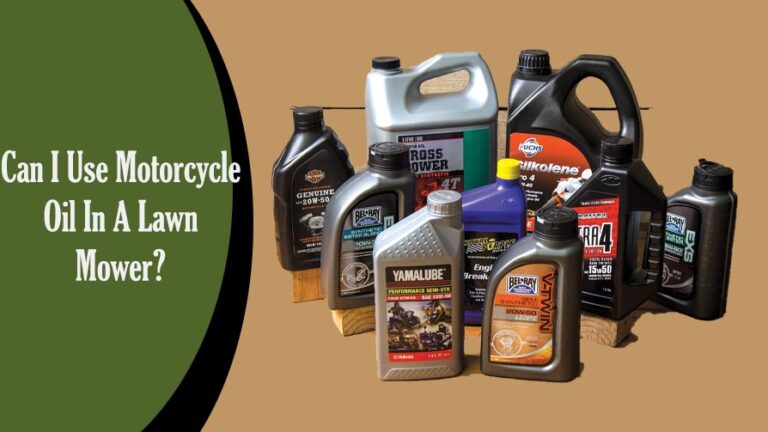
Many carburetors have a drain screw or bowl drain. Some use a small hose. Follow the manual, place a suitable container underneath, and do not force a stuck screw. A damaged carburetor drain can create a fuel leak.
Step 5: Refill With Fresh Fuel
Refill with the fuel listed in the owner’s manual. Most modern four-stroke mowers use fresh unleaded gasoline with a specified octane rating and ethanol limit. Some manufacturers allow E10 gasoline, while others advise against higher ethanol blends.

Do not add two-stroke oil to the mower’s fuel unless the manual specifically says the engine is a two-stroke design. Add engine oil only through the separate oil-fill opening. Check the oil level on level ground.
Step 6: Start and Observe the Mower
Reconnect the spark-plug wire after the wrong fuel is removed. Start the mower outdoors and let it run at idle for a short time. Watch for heavy smoke, fuel leaks, unusual knocking, strong surging, or an engine that will not stay running.
If the mower runs smoothly, shut it down and check the fuel tank, fuel line, and oil level again. If it still smokes or runs poorly, stop testing and arrange a proper inspection.
What If the Mower Already Ran?
If the mower ran for only a few seconds, draining the tank and carburetor may be enough. The spark plug may still be wet or coated with oil, so cleaning or replacing it can help. Use the exact plug number listed in the owner’s manual.
If the mower ran for several minutes, the oil in the fuel may have moved through the entire fuel system. The engine may need a fresh spark plug, a clean air filter, and carburetor inspection. A repair shop can also check the muffler and spark arrestor for carbon buildup.
If It Ran for Less Than One Minute
Stop the engine and disconnect the spark-plug wire. Drain the tank and carburetor, then refill with fresh gasoline. Allow the mower to cool before removing and checking the spark plug.
A short run often causes limited trouble. Still, do not assume the mower is safe just because it restarted. Watch the exhaust and listen for unusual sounds during the first test.
If It Ran for Several Minutes
Drain the contaminated fuel as soon as possible. Check the engine oil level and condition. If the oil level is too high, smells like gasoline, or looks unusually thin, change it before running the mower again.
Fuel in the crankcase oil is serious because it reduces lubrication. The crankshaft, connecting rod, piston, and other parts may suffer extra wear. A mower that keeps smoking, knocking, or losing power should go to a small-engine technician.
If You Added Diesel or Kerosene
Do not start the mower. Diesel does not burn the same way as gasoline in a small gasoline engine. It can cause hard starting, white smoke, stalling, and fuel-system contamination.
Drain the tank and carburetor with the method in the manual. If the engine was started, have the fuel system inspected. Diesel may require more than a simple tank drain.
Should You Change the Mower’s Engine Oil?
Changing the crankcase oil is wise if the mower ran on the wrong fuel or if the oil smells like gasoline. Two-stroke oil in the fuel tank does not always enter the crankcase, but fuel can reach the crankcase if the engine floods or the carburetor leaks.
Check the oil with the mower level and the engine cool. Follow the manual for the correct oil grade, capacity, drain method, and change interval. Do not overfill it.
| Oil condition | Recommended action |
|---|---|
| Normal level and normal oil smell; mower was never started | Usually no oil change is needed |
| Oil smells strongly like gasoline | Change the oil before running |
| Oil level is higher than normal | Stop and change the oil |
| Oil looks milky or contains debris | Ask a repair shop to inspect it |
| Engine ran with wrong fuel for a long time | Change oil and request an inspection |
Fresh oil cannot repair worn engine parts, but it restores proper lubrication after contamination. Use the manual’s oil specification rather than a generic guess.
Checking the Spark Plug
Remove the spark plug only after disconnecting its wire. Look at the electrode and ceramic insulator. A wet, oily, or heavily black plug may fail to spark well.
You can clean a lightly fouled plug if the manual allows it, but replacement is often inexpensive. Confirm the plug part number and gap. A plug that looks damaged, cracked, or badly worn should be replaced.
Checking the Air Filter
An oily air filter can restrict airflow. A foam filter may be washable, while a paper filter usually must be replaced. Do not oil a paper filter unless the manual says to do so.
The air filter matters because the engine needs the right balance of fuel and air. A dirty filter can make the mower run rich, smoke, and lose power even after the fuel is corrected.
Common Mistakes After a Fuel Mix-Up
The most common mistake is continuing to mow because the engine still runs. Another is adding more gasoline to the tank and hoping the oil becomes harmless. That approach may reduce the oil concentration but does not remove contaminated fuel from the carburetor.
A second mistake is tipping the mower on its side without checking the manual. The wrong side can send oil into the air filter or cylinder. This creates a new problem that looks like a fuel issue.
| Mistake | Why it causes trouble | Better choice |
|---|---|---|
| Keep mowing until the tank is empty | Spreads wrong fuel through the system | Drain the fuel first |
| Add straight gasoline to dilute it | Leaves mixed fuel in the carburetor | Remove the contaminated fuel |
| Tip the mower without checking the manual | Can flood the filter or cylinder | Use a siphon or approved drain method |
| Drain fuel into the yard | Pollutes soil and can harm turfgrass | Use a sealed fuel container |
| Test inside a garage | Gasoline vapors can ignite | Work outside |
| Guess the oil type or amount | Can cause overfill or poor lubrication | Check the manual |
Good lawn care includes fuel care. A clean mower with a sharp blade still needs correct fuel to run safely and cut turfgrass well.
How to Prevent the Same Mistake
The easiest prevention step is to label each fuel can. Use one can for four-stroke gasoline and a different can for two-stroke fuel. Store them apart and mark the mix ratio in large letters.
A separate storage plan helps first-time homeowners, renters, and gift buyers. A senior who uses a mower and string trimmer may benefit from high-contrast labels and a simple fuel chart near the shed.
Use Separate Fuel Containers
Choose fuel cans with clear labels and secure caps. Do not rely on the color of a can because colors are not universal. Write “MOWER—STRAIGHT GAS” or “TRIMMER—50:1 MIX” on the side.
Do not store gasoline near a furnace, water heater, battery charger, or other heat source. Follow local fuel-storage rules and the limits stated on the fuel-can label.
Buy Small Amounts of Fresh Fuel
Gasoline becomes less useful as it ages, especially when exposed to heat, air, and moisture. Buy an amount you can use within the period recommended by the mower maker or fuel supplier.
Fuel stabilizer can help stored gasoline last longer when used at the correct dose. It cannot fix fuel that already contains the wrong oil, water, or diesel.
Keep the Manual With the Mower
Store the owner’s manual in a sealed bag near the mower. Mark the pages for fuel, engine oil, spark plug, air filter, and blade service.
If you buy a used mower, confirm the engine model before adding fuel. A used push mower may look like a standard four-stroke model, but the manual is the safest source.
💡 Pro Tip: Keep a small fuel log in the shed. Write the date, fuel type, mix ratio, and stabilizer amount. This takes less than a minute and can prevent a costly guess later.
Ongoing Mower Maintenance After the Mistake
A fuel mistake is a useful reminder to maintain the mower on a schedule. Proper care helps the machine start more easily and supports a cleaner cut. It also lets you find wear before a small repair becomes a major one.
Your schedule depends on mowing frequency, grass type, climate, storage, and yard size. Wet grass, sandy soil, steep slopes, and heavy leaf work can increase wear on the blade, belt, deck, and engine.
| Service item | Check or service | Why it matters |
|---|---|---|
| Mower blade | Inspect often; sharpen or replace as needed | A dull blade tears grass and increases load |
| Spark plug | Inspect during regular service | Supports reliable ignition |
| Air filter | Clean or replace as specified | Maintains airflow |
| Engine oil | Check before use; change by manual schedule | Protects internal parts |
| Fuel system | Look for leaks and stale fuel | Reduces fire and starting risk |
| Drive belt | Inspect on self-propelled and riding mowers | Transfers power to wheels or blades |
Blade and Deck Care
Disconnect the spark-plug wire or remove the battery before touching the blade. Wear work gloves, and never hold the blade by its sharp edge.
A sharp blade can help produce a cleaner cut at the correct mowing height. A damaged or bent blade can cause vibration. Stop using the mower if the deck vibrates strongly after hitting a rock or root.
Wet Grass and Hilly Lawns
Avoid mowing wet grass, especially on a slope. Wet turf can clog the deck, reduce traction, and increase slip risk. A mower may also leave clumps that block light and air from the grass.
For a hilly lawn, compare a self-propelled mower with a riding mower only after checking slope limits, gate width, and storage space. A zero-turn mower can be useful on a large, open yard, but it may not suit narrow gates, steep slopes, or a small storage shed.
Noise, Neighbors, and Local Rules
Gas mowers are often louder than battery mowers. Ear protection helps protect the operator, but it does not remove the need to follow local quiet hours.
Before buying a replacement, check city rules, HOA restrictions, and any gas-equipment limits. Some areas restrict gas-powered tools at certain times or encourage electric and battery mowers.
When to Call a Repair Shop
Call a professional when the mower has a fuel leak, will not stop smoking, makes a knocking sound, or has no compression. A shop is also a good choice if you are not comfortable draining fuel from a riding mower or zero-turn mower.
A technician can test compression, inspect the carburetor, check the ignition coil, clean the fuel system, and confirm whether the oil was contaminated. This may cost more than a home drain, but it can prevent unsafe trial-and-error work.
Signs You Should Stop DIY Repairs
Stop and seek help if you find a cracked fuel line, damaged tank, stripped drain screw, or fuel leaking near the muffler. Do not run an engine with an active gasoline leak.
Get help if the mower stalls only when hot, backfires through the carburetor, or produces heavy smoke after fresh fuel and a new spark plug. These signs can point to valve, carburetor, ignition, or internal engine problems.
Matching the Repair to the Mower
A basic 21-inch push mower may be simple to service and economical to repair. A self-propelled mower has extra drive parts, while a riding mower or zero-turn has more belts, switches, fuel lines, and safety interlocks.
For a small yard under roughly one-quarter acre, a push mower or battery mower may be easier to maintain than a riding mower. For larger yards, rough terrain, or long mowing sessions, a riding mower may save time, but it needs more storage and maintenance.
Safe Disposal of the Wrong Fuel
Never pour gas-and-oil mix onto soil, into a drain, or into a trash can. It can harm turfgrass, contaminate groundwater, and create dangerous vapors.
Keep the contaminated fuel in an approved, sealed container. Contact your city, county, fire department, household hazardous-waste program, or recycling center for disposal instructions. Rules differ by location.
🌿 Eco or Disposal Note: Old gasoline and oil should go to a household hazardous-waste site or an approved fuel-recycling program. Recycle lithium-ion mower batteries at a designated drop-off. Donate or recycle a usable mower instead of sending it to a landfill.
Is It Better to Replace the Mower?
A single fuel mistake usually does not justify replacing a working mower. A repair may be reasonable when the deck is solid, the engine has good compression, and replacement parts remain available.
Replacement may make sense when the mower has severe rust, a cracked deck, repeated engine failures, unavailable parts, or repair costs close to a suitable replacement. Compare the mower’s age, cutting width, storage space, slope, and your comfort with maintenance.
Options for Small Yards
A 16- to 21-inch push mower can suit a small, flat yard with narrow gates and limited storage. A battery mower may reduce fuel handling and noise, but battery cost and compatibility matter.
A reel mower can suit a small, level lawn with fine grass and frequent mowing. It is quiet and simple, but it may struggle with tall weeds, rough ground, thick turf, and neglected lawns.
Options for Seniors and Gift Buyers
For many seniors, a lightweight battery mower with a push-button start can be easier than a gas mower. A self-propelled model may help on slopes, but it can add weight, cost, and control complexity.
Before buying for someone else, measure the gate width, yard size, slope, and storage area. Confirm battery voltage, amp-hours, charger type, deck width, grass-catcher size, and replacement blade availability.
Options for Large or Complex Yards
A riding mower or zero-turn mower may suit a large, open yard with broad access. A zero-turn mower can turn within its own footprint, but it may be harder to use near trees, drainage edges, steep slopes, and tight spaces.
A robotic mower can suit a regularly maintained yard with suitable boundaries and reliable charging space. It is not a simple answer for every lawn. Slopes, rough ground, fencing, pet access, and local rules all matter.
Frequently Asked Questions
Q: Can gas-and-oil mix ruin a lawn mower?
A: It can cause smoke, fouled spark plugs, rough running, carbon buildup, and poor starting. A short run often causes limited harm, but continued use can increase wear. Drain the fuel and inspect the mower before using it again.
Q: What if I accidentally put 50:1 fuel in my mower?
A: Stop the mower and remove the 50:1 fuel from the tank and carburetor. Refill with the correct gasoline. Check the spark plug and engine oil, especially if the mower ran for more than a minute.
Q: Can I dilute two-stroke fuel with regular gas?
A: Do not rely on dilution as the main fix. Mixed fuel remains in the fuel line and carburetor. Drain it, then refill with the fuel listed in the owner’s manual.
Q: Will two-stroke oil damage a four-stroke engine?
A: A small amount may only cause smoke or spark-plug fouling, but the result depends on the amount, mix ratio, and run time. A large amount or long run can create more serious combustion and lubrication problems.
Q: Do I need to change the mower oil?
A: Change the crankcase oil if it smells like gasoline, the oil level rose, or the mower ran for a long time on the wrong fuel. If the mower was never started and the crankcase oil is normal, an oil change may not be needed.
Q: Why is my mower smoking after I used the right fuel?
A: The mower may have been tilted the wrong way, overfilled with engine oil, or carrying an oily air filter. A dirty carburetor, worn piston rings, or a damaged breather system can also cause smoke.
Q: Can I use the gas-and-oil mix in my string trimmer?
A: Only if the mix matches the string trimmer’s required ratio and the fuel is fresh. Check the trimmer manual. Some engines require a specific ratio, and too much or too little oil can cause damage.
Q: What if the fuel mix contains diesel?
A: Do not start the mower. Drain the fuel and have the system inspected if the engine ran. Diesel can cause hard starting, smoke, and stalling in a gasoline mower.
Q: Is premium gasoline safer for a mower?
A: Not always. Use the fuel grade and ethanol limit stated by the manufacturer. Higher octane does not automatically correct mixed fuel or improve a mower that does not require it.
Q: How long does a lawn mower last?
A: Service life varies with design, storage, mowing hours, climate, and maintenance. Blades, belts, spark plugs, batteries, tires, and cables often wear out before the main engine or deck. A clean, maintained mower can remain useful for many seasons, but no life span is guaranteed.
Q: Should I use fuel stabilizer?
A: Fuel stabilizer can help gasoline remain usable during storage when used at the correct rate. It cannot separate two-stroke oil from gasoline or repair stale, watery, or contaminated fuel.
Q: Can I drain the fuel into a pan?
A: Use an approved fuel container instead. An open pan increases vapor and spill risk. Follow local hazardous-waste rules for disposal.
Q: Is a battery mower better after a fuel mistake?
A: A battery mower removes gasoline, engine oil, spark plugs, and carburetor maintenance. It still requires correct battery storage, charging, blade service, and compatibility checks. It suits many small and medium yards, but buyers should consider runtime, charging space, slope, and battery replacement cost.
Final Thoughts
Putting gas-and-oil mix in a lawn mower is stressful, but it is often fixable. The best response is simple: stop the engine, disconnect the spark plug, drain the contaminated fuel, check the spark plug and engine oil, and refill with the fuel named in the manual.
A mower that was never started usually needs only careful fuel removal. A mower that ran for several minutes, smoked heavily, leaked fuel, or now knocks deserves a professional inspection. Store two-stroke mix and straight gasoline in separate, clearly marked containers, and dispose of old fuel through an approved hazardous-waste program.
Affiliate Disclosure: This article may contain affiliate links. If you buy a product through one of these links, we may earn a commission at no extra cost to you. Product availability, specifications, compatibility, and prices can change, so confirm details on the manufacturer’s page and in the owner’s manual before buying.