


The John Deere L130 lawn tractor is a reliable machine, but like any equipment, it can face common issues. From engine stalling to transmission problems and electrical gremlins, many owners report specific challenges. Understanding these John Deere L130 problems early helps prevent costly repairs and keeps your yard work efficient. This guide walks you through the most frequent concerns, practical fixes, and maintenance tips to keep your L130 performing its best.
Key Takeaways
- Engine Won’t Start: Common causes include a dead battery, faulty spark plug, or clogged air filter. Always check the basics first before diving into complex repairs.
- Transmission Issues: The L130 uses a hydrostatic transmission that can suffer from low fluid, air in the lines, or worn drive belts. Regular fluid checks are essential.
- Electrical Problems: Faulty wiring, corroded connections, or a failing charging system can cause intermittent operation or complete shutdowns.
- Cutting Deck Malfunctions: Blade not spinning, uneven cutting, or deck vibrating excessively may stem from belt wear, deck height issues, or blade imbalance.
- Excessive Vibration: Often due to loose bolts, unbalanced blades, or a worn spindle assembly. Tightening hardware and balancing blades usually resolves it.
- Overheating Engine: Caused by clogged air filters, dirty cooling fins, or low oil levels. Clean regularly and maintain proper lubrication.
- Worn Drive Belt: A cracked or loose drive belt can cause slippage and poor performance. Replace it every 2–3 years or as needed.
📑 Table of Contents
- Introduction: Why the John Deere L130 Still Matters (Despite Its Problems)
- Common Engine Problems and Fixes
- Transmission and Drive System Issues
- Electrical System Troubleshooting
- Cutting Deck and Blade Problems
- Maintenance Tips to Prevent John Deere L130 Problems
- Conclusion: Keep Your John Deere L130 Running Strong
Introduction: Why the John Deere L130 Still Matters (Despite Its Problems)
If you’ve ever mowed a perfectly manicured lawn only to hear your John Deere L130 sputter and die mid-task, you’re not alone. The L130 is a popular lawn tractor, known for its durability and ease of use—but it’s not immune to problems. From engine hiccups to transmission quirks, many owners have faced John Deere L130 problems that can turn a peaceful afternoon into a DIY repair session.
Released in the early 2000s, the L130 was designed for homeowners who wanted power and reliability without the complexity of a full-sized tractor. With a 42-inch cutting deck and a 19 HP Kawasaki FR651V engine, it was a solid choice for medium to large lawns. But over time, users have reported a range of issues—some minor, others more serious. The good news? Most of these problems are fixable with a little know-how and the right tools.
In this comprehensive guide, we’ll walk through the most common John Deere L130 problems, explain what causes them, and offer step-by-step solutions. Whether you’re troubleshooting a no-start issue or dealing with a wobbly deck, you’ll find practical advice to get your mower back in action. Let’s dive into the details.
Common Engine Problems and Fixes
Engine Won’t Start: The First Thing to Check
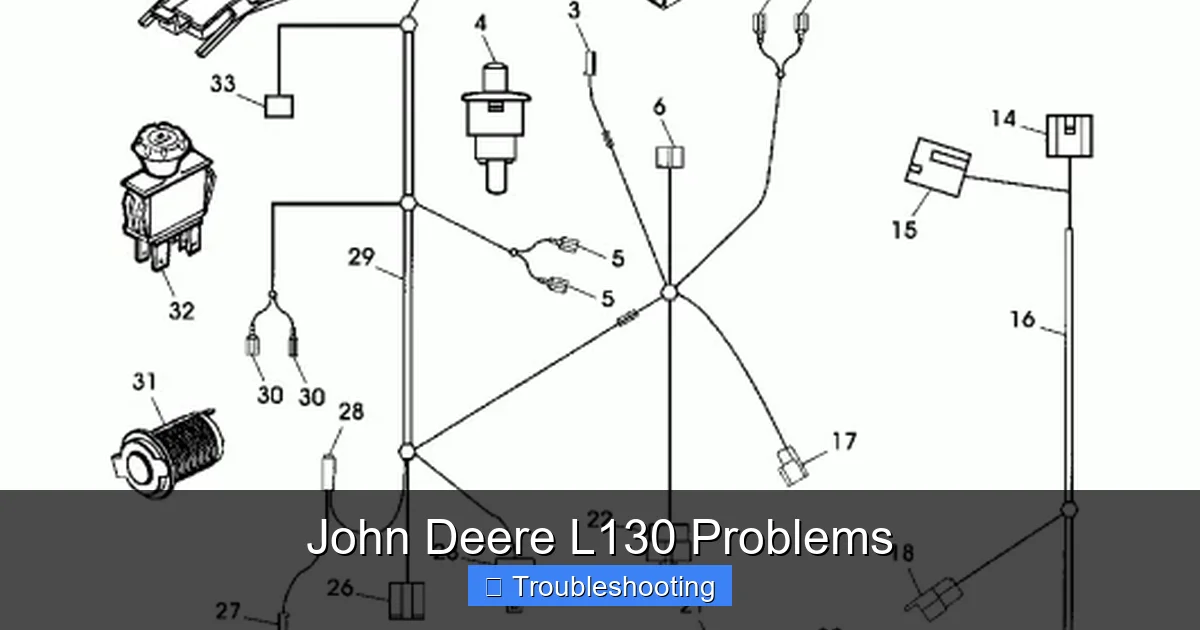
One of the most frustrating John Deere L130 problems is when the engine refuses to turn over. Before you assume it’s a major mechanical failure, start with the basics. A dead battery is often the culprit.
Visual guide about John Deere L130 Problems
Image source: tankbig.com
To test the battery, use a multimeter to check the voltage. A fully charged battery should read around 12.6 volts. If it’s below 12 volts, try jump-starting it or replacing it. Corroded battery terminals can also prevent proper connection—clean them with a wire brush and baking soda solution.
If the battery is fine, inspect the spark plug. Remove it and check for wear, carbon buildup, or a damaged insulator. Replace it if necessary. Also, ensure the fuel valve is open and the fuel tank has fresh gas. Old gasoline can gum up the carburetor and prevent starting.
Engine Stalling or Backfiring
An engine that starts but then stalls or backfires can indicate a fuel delivery issue. Clogged fuel filters or a dirty carburetor are common causes. Over time, moisture and debris can accumulate in the fuel system, leading to inconsistent performance.
Start by draining the old fuel and replacing the fuel filter. Then, take off the carburetor and clean it thoroughly. Use carburetor cleaner and a small brush to remove varnish and grime. If cleaning doesn’t help, consider rebuilding or replacing the carburetor.
Engine Overheating
Overheating is another frequent John Deere L130 problem, especially during long mowing sessions. The L130’s engine is air-cooled, so poor airflow can cause the temperature to rise quickly.
Check the air filter first. A dirty or clogged filter restricts airflow and reduces engine efficiency. Replace it if it’s dirty. Next, inspect the cooling fins on the engine block and deck. Use a soft brush or compressed air to remove grass clippings and debris that may be blocking airflow.
Low engine oil levels can also contribute to overheating. Check the oil level regularly and top it off with the recommended SAE 10W-30 oil. Never run the engine without adequate lubrication.
Transmission and Drive System Issues
Won’t Move or Moves Slowly
If your John Deere L130 moves sluggishly or won’t move at all, the issue is often in the hydrostatic transmission. This system uses fluid to transfer power to the wheels, so low fluid levels are a common cause of poor performance.
Visual guide about John Deere L130 Problems
Image source: denresidence.com
Check the transmission fluid level through the sight window on the side of the tractor. If it’s low, add the recommended SAE 15W-50 synthetic or non-synthetic hydraulic fluid. Avoid overfilling—too much fluid can cause foaming and pressure issues.
Another possibility is air in the transmission lines. If the fluid level is correct but the tractor still struggles, the system may have trapped air. To fix this, park the tractor on level ground, run the engine for 10 minutes, then slowly turn the wheels left and right several times. This helps bleed out air bubbles.
Unusual Noises from the Transmission
Grinding, whining, or clicking sounds from the transmission area often signal worn components. The drive belt, tensioner pulley, or internal gears may be failing.
Inspect the drive belt for cracks, fraying, or looseness. A worn belt can slip and cause noise. Tighten or replace it as needed. Also, check the belt tensioner for proper spring tension. If it feels loose or broken, replace the entire tensioner assembly.
If the noise persists, the issue may be internal—such as worn planetary gears or a failing pump. In these cases, professional repair or replacement of the transmission may be necessary.
Hydrostatic Transmission Leaks
Fluid leaks around the transmission are another John Deere L130 problem that can lead to low fluid levels and poor performance. Leaks often occur at the seals or gaskets, especially around the input and output shafts.
To locate a leak, wipe the area clean and run the tractor for a few minutes. Then, check for fresh fluid dripping or pooling. Common leak points include the transmission housing, drive belt cover, and wheel hubs.
If a seal is leaking, it may be replaceable, but it’s a complex job. Consider consulting a John Deere dealer or experienced mechanic for assistance. Using aftermarket parts can save money but may void warranties.
Electrical System Troubleshooting
Blown Fuses and Faulty Wiring
Electrical gremlins are among the trickier John Deere L130 problems. Blown fuses are a common symptom, often caused by a short circuit or overload. The L130 has multiple fuses—check the fuse box under the seat or near the battery.
Visual guide about John Deere L130 Problems
Image source: denresidence.com
Use a multimeter to test each fuse. If a fuse is blown, replace it with one of the same amperage. Never use a higher-rated fuse, as it can damage the electrical system.
Inspect the wiring harness for frayed wires, loose connections, or corrosion. Pay special attention to the battery terminals, ignition switch, and solenoid. Clean any corrosion with a wire brush and ensure all connections are tight.
Charging System Failure
If the battery keeps dying despite being new, the charging system may be faulty. The alternator or voltage regulator could be failing, preventing the battery from recharging while the engine runs.
To test the charging system, start the engine and measure the voltage at the battery with a multimeter. With the engine running, it should read between 13.8 and 14.4 volts. If it’s lower, the alternator may not be generating enough power.
Check the alternator belt for tension and wear. A loose or worn belt can slip and reduce charging efficiency. If the belt is fine, the alternator or regulator may need replacement.
Starter Motor Issues
A clicking sound when turning the key usually means the starter motor isn’t engaging. This could be due to a weak battery, faulty solenoid, or worn starter gear.
Test the battery first, as a weak charge can prevent the starter from turning the engine. If the battery is good, check the solenoid by tapping it lightly with a hammer while someone turns the key. If the engine cranks, the solenoid may be sticking.
If the starter motor itself is faulty, it may need rebuilding or replacement. Some owners opt for a remanufactured unit to save costs.
Cutting Deck and Blade Problems
Blade Not Spinning
If your deck blade stops spinning mid-mow, it’s often due to a worn or broken belt. The L130 uses a Kevlar-reinforced belt that can stretch or crack over time.
Remove the belt and inspect it for cracks, fraying, or signs of wear. If it’s damaged, replace it with a genuine John Deere part or a high-quality aftermarket equivalent. Make sure the belt is properly seated in the pulleys and tensioned according to specifications.
Also, check the blade spindle. A seized or damaged spindle can prevent the blade from turning. If the spindle feels stiff or makes noise, it may need lubrication or replacement.
Uneven Cutting
An uneven cut can result from incorrect deck height, a bent blade, or a clogged discharge chute. Start by adjusting the deck height using the lever under the seat. Ensure all four wheels are set at the same height.
Next, inspect the blade. A bent or dull blade creates an uneven cut. Sharpen or replace the blade as needed. Also, check the deck for debris buildup. Grass clippings and dirt can block airflow and affect cutting performance.
Deck Vibration and Excessive Noise
A vibrating deck is another common John Deere L130 problem. This usually stems from loose bolts, an unbalanced blade, or a worn spindle assembly.
First, remove the blade and check for balance. Hold the blade by the center hole and see if it wobbles. If it does, mark the heavy side and file it down until balanced. Reinstall the blade and tighten all mounting bolts securely.
Also, inspect the deck for loose hardware. Tighten all bolts, especially around the spindle area. If the vibration persists, the spindle bearings may be worn and need replacement.
Maintenance Tips to Prevent John Deere L130 Problems
Regular Oil and Filter Changes
One of the best ways to avoid John Deere L130 problems is through consistent maintenance. Change the engine oil and oil filter every 50 hours of use or once a year. Use high-quality SAE 10W-30 oil for optimal performance.
Also, replace the air filter every season or after heavy use. A clean air filter ensures proper combustion and prevents engine damage.
Clean the Deck and Undercarriage
Grass clippings, dirt, and debris can accumulate under the deck and around the engine. This not only affects performance but also creates a fire hazard. After each use, clean the deck thoroughly with a hose or pressure washer.
Check the underside of the deck for clogs and remove them. Also, clean the cooling fins and air intake vents to prevent overheating.
Inspect Belts and Pulleys
Belt wear is a common cause of both engine and deck issues. Inspect the drive belt and deck belt regularly for cracks, fraying, or looseness. Replace them every 2–3 years or as needed.
Ensure proper belt tension. Too tight can strain the engine; too loose can cause slippage. Adjust according to the owner’s manual.
Store Properly
When storing your L130 for the winter, drain the fuel or add a fuel stabilizer to prevent carburetor clogging. Store it in a dry, covered area to protect it from moisture and rust.
Also, disconnect the battery if storing for long periods. This prevents drain from parasitic loads and prolongs battery life.
Conclusion: Keep Your John Deere L130 Running Strong
The John Deere L130 is a reliable lawn tractor, but it’s not without its share of John Deere L130 problems. From engine stalling to transmission leaks and electrical issues, many of these concerns can be avoided with regular maintenance and timely repairs.
By understanding the common issues—like a failing spark plug, low transmission fluid, or a worn drive belt—you can address them before they escalate. Most problems are fixable with basic tools and a bit of patience. And when in doubt, consult your owner’s manual or a certified technician.
With the right care, your L130 can continue to deliver years of dependable service. Keep it clean, change the fluids, inspect the belts, and don’t ignore warning signs. A little prevention goes a long way in keeping your lawn looking its best.
Frequently Asked Questions
Why won’t my John Deere L130 start?
Common causes include a dead battery, faulty spark plug, or clogged fuel filter. Always check the battery voltage and clean the terminals first. If the battery is good, inspect the spark plug and replace it if worn. Also, ensure you’re using fresh fuel and the fuel valve is open.
How do I fix a slipping drive belt on my L130?
A slipping belt is usually due to looseness or wear. Check the belt tension and adjust it using the tensioner pulley. If the belt is cracked or frayed, replace it with a new one. Make sure it’s properly seated in the pulleys before reassembling.
What causes excessive vibration in the cutting deck?
Excessive vibration often comes from a loose blade, unbalanced blade, or worn spindle. Remove the blade and check for balance—file down the heavier side if needed. Also, tighten all bolts around the deck and spindle area. If the problem persists, the spindle bearings may need replacement.
How often should I change the transmission fluid?
It’s recommended to check the transmission fluid level monthly and top it off as needed. For long-term maintenance, change the fluid every 2 years or 200 operating hours, whichever comes first. Use SAE 15W-50 hydraulic fluid.
Can I use synthetic oil in my John Deere L130?
Yes, you can use synthetic oil, but it’s not required. Both synthetic and conventional SAE 10W-30 oils work well. Just make sure the oil meets the manufacturer’s specifications and change it regularly to prevent engine wear.
Why is my L130 overheating?
Overheating is often caused by a clogged air filter, dirty cooling fins, or low oil levels. Clean the air filter and deck regularly, and ensure the cooling fins are free of debris. Also, check the oil level and top it off if necessary. Never run the engine without adequate lubrication.
