


The John Deere 3320 is a reliable compact tractor, but like any machine, it can face issues over time. From electrical gremlins to hydraulic hiccups, understanding these common John Deere 3320 problems helps you troubleshoot faster and avoid costly repairs. With the right knowledge, you can keep your 3320 running strong for years.
The John Deere 3320 is a workhorse in the compact tractor world, known for its durability and versatility. Whether you’re mowing lawns, tilling soil, or hauling equipment, this tractor has earned a solid reputation among homeowners and small-scale farmers alike. But even the best machines aren’t immune to issues. Over time, the John Deere 3320 can develop problems that, if ignored, might lead to bigger repairs or downtime.
Understanding the most common John Deere 3320 problems is the first step toward keeping your tractor in top shape. From engine hiccups to electrical gremlins, many issues have straightforward solutions—especially when you know what to look for. In this guide, we’ll walk you through the most frequent complaints, explain why they happen, and offer practical tips to fix or prevent them.
Whether you’re a seasoned operator or new to the John Deere lineup, this article will give you the confidence to tackle troubleshooting like a pro. Let’s dive into the details and get your 3320 back to full power.
Key Takeaways
- Engine Won’t Start: Often caused by fuel, battery, or ignition issues—check the basics before calling a mechanic.
- Transmission Slipping: Usually due to low fluid or worn clutch components; regular maintenance is key.
- Hydraulic System Failure: Common in older models; leaks or low fluid levels can affect lift performance.
- Electrical Malfunctions: Fuses, alternators, and wiring can fail—diagnose with a multimeter for accuracy.
- PTO Not Engaging: May stem from clutch wear or electrical faults; inspect both systems.
- Overheating Issues: Often linked to coolant levels or radiator blockages—keep it clean and topped up.
- Steering Problems: Can result from fluid leaks or worn components in the power steering system.
📑 Table of Contents
Common Engine Issues and How to Fix Them
One of the most frequent complaints about the John Deere 3320 involves engine performance. If your tractor isn’t starting or runs rough, the engine is often the culprit. Let’s break down the most common engine-related problems and how to resolve them.
Engine Won’t Start
When your John Deere 3320 refuses to turn over, it’s usually one of three things: fuel, battery, or ignition. Start with the basics. Check the battery terminals—corrosion or loose connections can prevent power from reaching the starter. If the battery is old or weak, a jump start might help, but consider replacing it if it’s over three years old.
Next, inspect the fuel. Old or contaminated diesel can gum up the injectors. Drain a small amount of fuel from the bowl and look for water or debris. If it’s dirty, replace the fuel filter and refill with fresh fuel. Also, check the glow plugs—especially in cold weather. These small components preheat the combustion chamber and are essential for reliable starts.
If the engine cranks but won’t ignite, the issue might be the fuel pump or injectors. Listen for a humming sound when you turn the key—this indicates the fuel pump is working. If not, it may need repair or replacement.
Rough Running or Loss of Power
A sputtering engine or sudden drop in power can be frustrating. This often points to air in the fuel system. Bleed the system by loosening the fuel line near the injector pump and cranking the engine until clean fuel flows. You can also check the air filter—a clogged filter restricts airflow and reduces performance.
Another common cause is dirty injectors. Over time, fuel deposits can clog the tiny nozzles. Use a fuel injector cleaner additive, or have them professionally cleaned if the problem persists.
Excessive Smoke or Overheating
Black smoke usually means too much fuel and not enough air—check the air filter and intake system. Blue smoke often indicates burning oil, which could mean worn piston rings or valve seals. White smoke? That’s likely coolant entering the combustion chamber, possibly from a blown head gasket.
Overheating is another red flag. Make sure the coolant level is full and the radiator isn’t clogged with dirt or debris. A faulty thermostat or water pump can also cause hot spots. Never ignore overheating—it can lead to serious engine damage.
Transmission and Clutch Troubleshooting
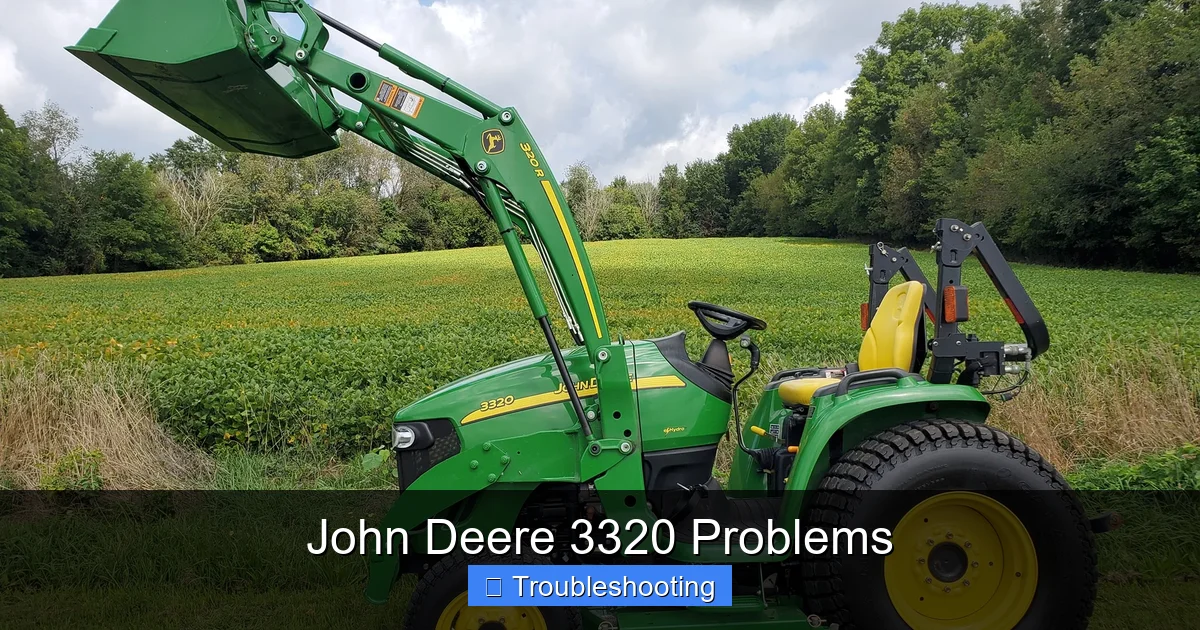
Visual guide about John Deere 3320 Problems
Image source: heavyequipmentspecs.s3.amazonaws.com
The transmission is the heart of your tractor’s drivetrain. If it’s not shifting smoothly or the clutch feels spongy, you’ll notice it right away. Let’s look at what’s behind these issues.
Transmission Slipping
If your John Deere 3320 suddenly loses power or the engine revs without moving, the transmission may be slipping. This is often due to low fluid levels or worn clutch components. Check the transmission dipstick—if the fluid is low, top it off with the manufacturer-recommended oil.
Worn clutch plates or a failing clutch cable can also cause slipping. Inspect the cable for kinks or fraying. If the clutch pedal feels loose or doesn’t return properly, the cable might need adjustment or replacement.
Difficulty Shifting Gears
Stiff or jerky shifting? That could be due to contaminated transmission fluid or a worn synchronizer. Drain and replace the fluid if it looks dirty or smells burnt. Also, check the shift linkage for wear or misalignment.
If the problem persists, internal gears or bearings might be damaged. This usually requires professional attention, but regular fluid changes can prevent most issues.
Clutch Not Fully Releasing
A clutch that doesn’t fully disengage makes shifting impossible. This is often caused by a worn release bearing or a misadjusted clutch cable. Adjust the cable first—there’s usually a locknut and adjuster screw near the pedal. If it still doesn’t work, the clutch assembly may need to be replaced.
Hydraulic System Problems and Fixes
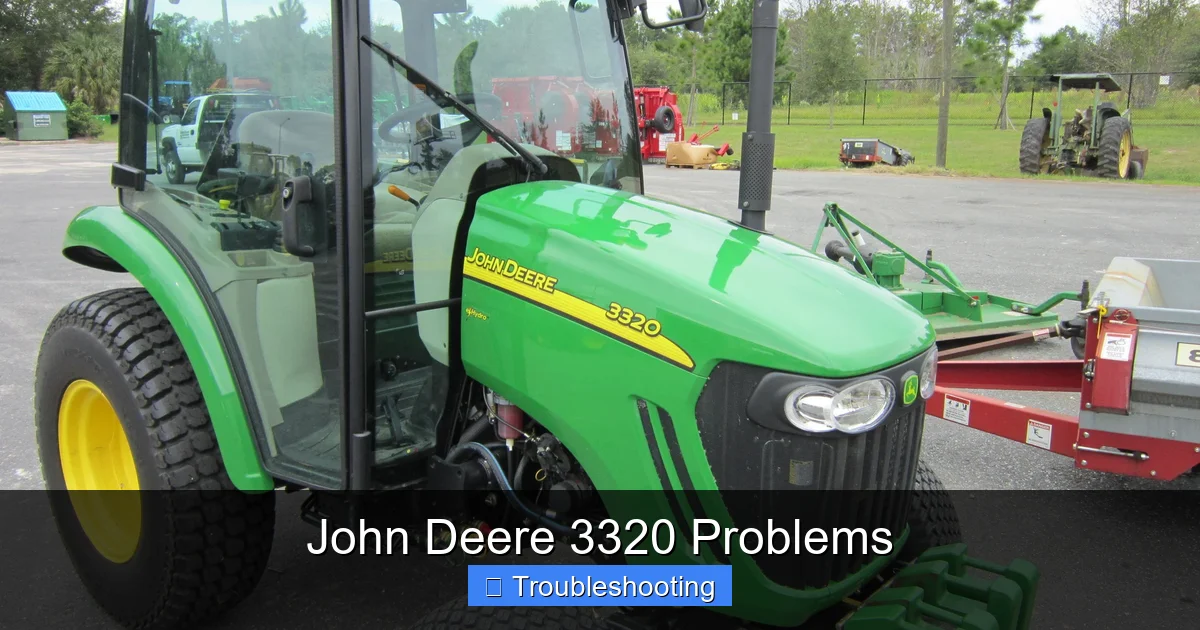
Visual guide about John Deere 3320 Problems
Image source: heavyequipmentspecs.s3.amazonaws.com
The hydraulic system powers the three-point hitch, loader, and other attachments. If it’s not lifting or holding position, the problem is likely in the hydraulics.
Slow or Weak Lift
If the lift arms move slowly or don’t reach full height, check the hydraulic fluid level first. Low fluid is a common cause. Also, inspect for leaks around hoses, seals, or the reservoir. A damaged O-ring or seal can let fluid escape, reducing pressure.
Air in the system can also cause spongy operation. Bleed the system by running the engine and moving the lift lever up and down several times while checking for air bubbles in the fluid.
Hydraulic Leaks
Leaks are not only messy—they’re dangerous. A leaking hydraulic hose or fitting can lead to sudden drops in pressure or even fire hazards if hot fluid sprays on skin. Tighten fittings first, but if the hose is cracked or the seal is worn, replace it immediately.
Regular inspections can catch leaks early. Look for wet spots under the tractor or oily residue on belts and hoses.
Hydraulic Fluid Contamination
Dirty or degraded hydraulic fluid reduces performance and can damage internal components. Change the fluid and filter annually, or more often if you use the tractor heavily. Use only the fluid type specified in the owner’s manual.
Electrical Malfunctions Explained
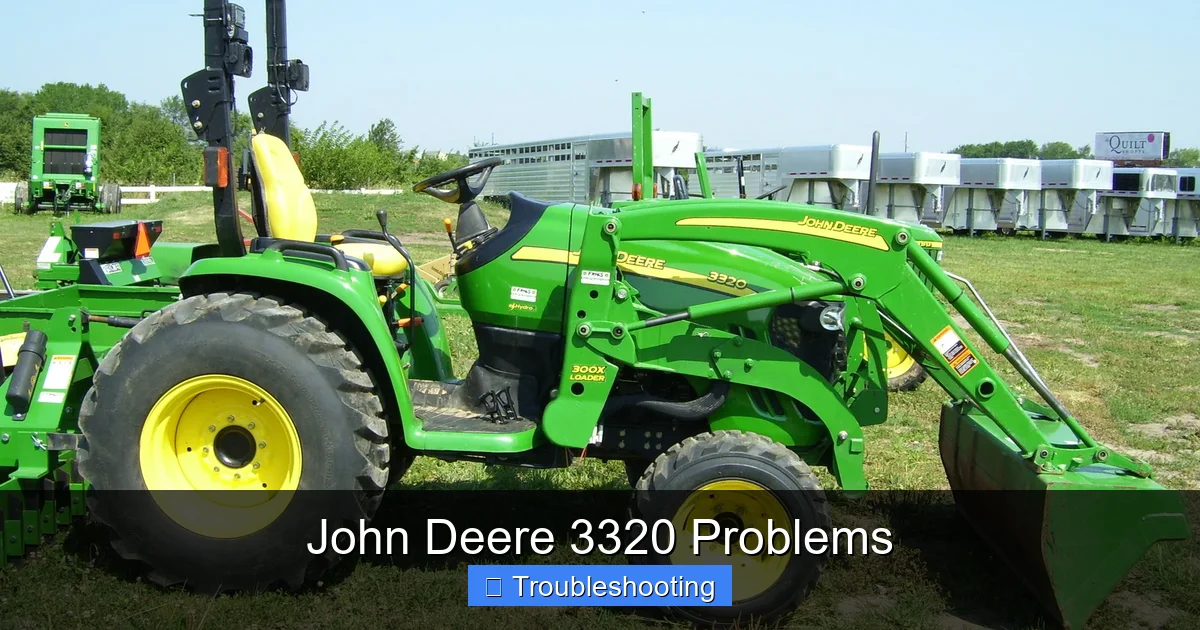
Visual guide about John Deere 3320 Problems
Image source: heavyequipmentspecs.s3.amazonaws.com
Electrical issues can be tricky because they’re not always obvious. From dead lights to non-working PTO, let’s decode the most common electrical problems.
Dashboard Lights Not Working
If your warning lights aren’t coming on, the issue could be a blown fuse, a faulty bulb, or a bad connection. Start by checking the fuse box under the dashboard. Replace any blown fuses with the same amperage. If the lights still don’t work, test the alternator output—it might not be charging the battery properly.
PTO Not Engaging
The Power Take-Off (PTO) is essential for running mowers and other attachments. If it won’t engage, check the PTO switch and clutch. A worn clutch plate or broken switch can prevent engagement. Also, inspect the wiring harness for damage or loose connections.
Starter Won’t Turn
If the starter doesn’t click or spin, the problem is often the solenoid or battery. Test the battery voltage—it should read around 12.6 volts when off and 13.5–14.5 volts when running. If it’s low, recharge or replace it. If the battery is fine, the solenoid might be faulty and need replacement.
Alternator Failure
A failing alternator won’t charge the battery, leading to dead batteries and electrical issues. Listen for a whining noise or smell burning—signs of alternator trouble. Use a multimeter to test output voltage. If it’s below 13 volts while the engine runs, the alternator likely needs servicing.
Steering and Braking Issues
Smooth steering and responsive brakes are crucial for safe operation. Problems here can be serious, so don’t ignore them.
Hard Steering or Pulling to One Side
If the steering feels stiff or the tractor drifts, check the power steering fluid level. Low fluid or a clogged filter can reduce assist. Also, inspect the steering linkage for wear or binding. A worn king pin or ball joint can cause misalignment.
Brake Pedal Feels Spongy
Spongy brakes usually mean air in the hydraulic brake lines. Bleed the system to remove air. Also, check the brake fluid level and condition. Contaminated fluid reduces braking efficiency.
Brake Drag or Locking Up
If one wheel keeps dragging or the brake won’t release, the brake shoe might be misadjusted or stuck. Inspect the brake components for damage or debris. Adjust or replace as needed.
Preventative Maintenance Tips
The best way to avoid John Deere 3320 problems is with consistent maintenance. Here’s how to keep your tractor in peak condition.
Follow the Maintenance Schedule
Refer to your owner’s manual for oil changes, filter replacements, and fluid checks. Don’t skip scheduled services—they prevent small issues from becoming big ones.
Keep It Clean
Dirt and debris clog filters, block radiators, and hide leaks. After each use, wipe down the tractor and clean the engine compartment. Use compressed air to blow out air filters and radiators.
Store Properly
Store your John Deere 3320 in a dry, covered area. Use a tractor cover to protect it from the elements. If storing for winter, change the oil, fuel the tank, and add fuel stabilizer to prevent gumming.
Use Quality Parts and Fluids
Always use OEM or high-quality aftermarket parts. Cheap filters or fluids can cause long-term damage. Stick to the manufacturer’s recommendations for oil, coolant, and hydraulic fluid.
Keep Records
Track maintenance and repairs in a log. This helps you spot patterns and plan future services. It’s also useful if you ever sell the tractor.
When to Call a Professional
While many John Deere 3320 problems can be fixed at home, some issues require expert help. If you’re unsure about electrical diagnostics, internal transmission repairs, or engine overhauls, don’t hesitate to call a dealer or certified mechanic. Trying to fix complex issues without experience can make things worse.
Signs you need professional help include:
– Persistent overheating or smoke
– Major hydraulic leaks
– Transmission rebuilds
– Engine rebuilds or major repairs
– Suspicious noises from the drivetrain
John Deere dealers have access to diagnostic tools and genuine parts, making them the best choice for serious repairs.
Conclusion
The John Deere 3320 is a dependable machine, but it’s not without its quirks. By understanding the most common John Deere 3320 problems—from engine starts to electrical gremlins—you can troubleshoot effectively and keep your tractor running smoothly. Regular maintenance, attention to warning signs, and timely repairs go a long way in extending the life of your investment.
Remember, prevention is always better than cure. Follow the maintenance schedule, keep the tractor clean, and don’t ignore unusual sounds or behaviors. With the right care, your John Deere 3320 will continue to deliver reliable performance for years to come.
Whether you’re mowing, tilling, or hauling, your 3320 is more than just a tractor—it’s a partner in your work. Treat it well, and it’ll never let you down.
Frequently Asked Questions
Why won’t my John Deere 3320 start?
Common causes include a dead battery, bad fuel, or faulty glow plugs. Check the battery connections, drain old fuel, and test the glow plugs. If the engine cranks but won’t ignite, the issue might be the fuel pump or injectors.
How do I fix transmission slipping in a John Deere 3320?
First, check the transmission fluid level and top it off if low. If the fluid is dirty or burnt, drain and replace it. Worn clutch plates or a failing clutch cable can also cause slipping—inspect and replace as needed.
Why is my John Deere 3320 overheating?
Overheating is often due to low coolant, a clogged radiator, or a faulty thermostat. Check the coolant level, clean the radiator, and test the thermostat. Never ignore overheating—it can cause serious engine damage.
What causes hydraulic leaks in the John Deere 3320?
Leaks are usually from damaged hoses, seals, or fittings. Inspect the hydraulic lines and reservoir for cracks or wear. Tighten loose fittings, but replace damaged components immediately to prevent pressure loss.
Why won’t the PTO engage on my John Deere 3320?
The PTO might not engage due to a faulty switch, worn clutch, or electrical issue. Check the PTO switch, inspect the clutch plate, and test the wiring harness for damage or loose connections.
How often should I change the oil in my John Deere 3320?
Change the engine oil and filter every 100 hours of operation or once a year, whichever comes first. Use high-quality oil and follow the specifications in the owner’s manual for best results.
