


Dixon zero turn mowers are powerful and efficient, but like any machine, they can face issues over time. From engine problems to steering malfunctions, knowing how to diagnose and fix common dixon zero turn mower problems can save you time and money. This guide covers everything from routine maintenance to advanced troubleshooting, helping you maintain peak performance.
Key Takeaways
- Understanding Dixon Zero Turn Mower Problems: Provides essential knowledge
📑 Table of Contents
Dixon Zero Turn Mower Problems: A Complete Guide to Troubleshooting and Maintenance
Have you ever been in the middle of mowing your lawn, only to have your Dixon zero turn mower suddenly lose power or start making strange noises? You’re not alone. Even the most reliable zero-turn mowers—like those made by Dixon—can run into problems over time. Whether it’s a sputtering engine, difficulty steering, or a belt that won’t stay tight, knowing how to identify and fix common issues can save you hours of frustration and costly repairs.
In this comprehensive guide, we’ll walk you through the most frequent dixon zero turn mower problems, explain their causes, and offer practical solutions to get your mower back in top shape. From basic maintenance tips to advanced troubleshooting, this article is your go-to resource for keeping your mower running smoothly season after season.
Common Dixon Zero Turn Mower Problems and How to Fix Them
Dixon zero turn mowers are known for their precision, speed, and durability. They’re designed to handle tough grass and uneven terrain with ease. But like any mechanical equipment, they require care and attention to function at their best. Below, we’ll break down the most common issues you might encounter and how to address them.
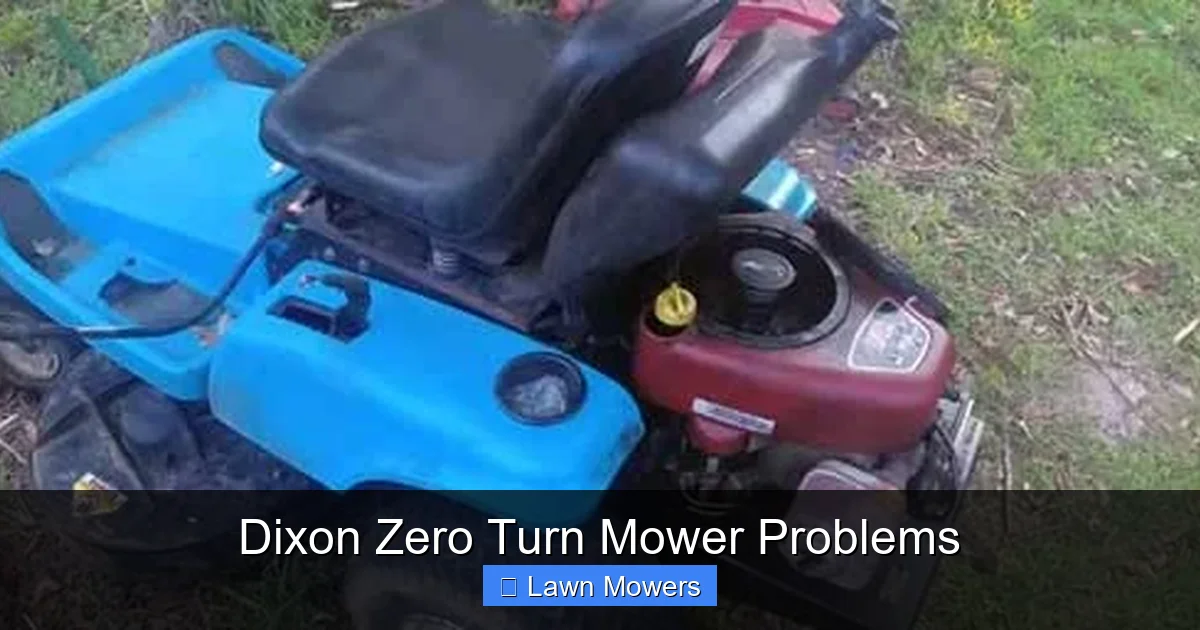
Visual guide about Dixon Zero Turn Mower Problems
Image source: denresidence.com
1. Engine Won’t Start or Runs Rough
If your Dixon zero turn mower won’t start or seems to sputter and stall, the problem could be related to fuel, spark, or air flow. One of the first things to check is the fuel system. Old or contaminated fuel is a frequent culprit. Over time, gas can degrade and form varnish-like deposits that clog the carburetor and fuel lines.
Another common issue is a faulty spark plug. A worn or dirty spark plug can prevent the engine from igniting properly. Simply removing the plug, inspecting it for carbon buildup or damage, and replacing it if necessary can often resolve starting issues.
Also, check the air filter. A clogged air filter restricts airflow, leading to poor combustion and engine performance. Cleaning or replacing the air filter every season or after every 25 hours of use is a simple but effective maintenance step.
For electric-start models, battery problems are often the issue. A weak or dead battery won’t provide enough power to turn over the engine. Make sure the battery terminals are clean and free of corrosion, and test the voltage with a multimeter. If the battery is old, consider replacing it.
2. Loss of Power or Sluggish Performance
A noticeable drop in power while mowing is another common problem. This can be caused by several factors, including a dirty air filter, clogged fuel filter, or a malfunctioning throttle cable.
The fuel filter, located between the fuel tank and the carburetor, can become clogged with debris over time. Replacing it annually or every 100 hours of operation helps maintain optimal fuel flow.
Additionally, the throttle cable might be loose or frayed, preventing the engine from reaching full RPMs. Inspect the cable for signs of wear and adjust or replace it as needed.
Another possibility is a problem with the transmission. If your mower is slow to respond or struggles on inclines, the transmission fluid might be low or contaminated. Check the fluid level and condition, and top it up or change it according to the manufacturer’s recommendations.
3. Steering Difficulty or Uneven Turning
One of the defining features of a zero-turn mower is its ability to pivot on the spot. If your Dixon mower is having trouble turning or feels sluggish in the controls, the issue could be in the steering or drive system.
The most common cause is low hydraulic fluid. The steering and drive systems are powered by hydraulics, and if the fluid level is low, you’ll notice reduced responsiveness. Check the hydraulic reservoir and top it off with the recommended fluid type.
Another possibility is a worn steering or drive belt. Over time, belts can stretch or fray, leading to slippage and poor performance. Inspect the belts for cracks, wear, or looseness. Tighten or replace them as needed.
If the problem persists, the issue might be with the control arms or pivot points. These components can wear out or become misaligned, affecting steering precision. Lubricate all pivot points with high-quality grease and ensure they move freely.
4. Belt Slippage or Breakage
Belt-driven systems are essential for the operation of your Dixon zero turn mower. The mower deck is powered by a belt that connects the engine to the cutting blades. If this belt slips or breaks, your mower won’t cut properly.
Belt slippage often occurs when the belt is loose or misaligned. Check the tension and adjust it according to the manufacturer’s specifications. A belt that’s too tight can also cause premature wear, so it’s important to find the right balance.
If the belt is old or shows signs of cracking, it’s time to replace it. Always use a genuine Dixon replacement belt to ensure compatibility and performance.
Another common issue is a damaged or worn pulley. Inspect the pulleys on both the engine and the deck for wear or damage. A bent or grooved pulley can cause the belt to slip or break prematurely.
5. Hydraulic System Leaks
Hydraulic systems are crucial for the smooth operation of your mower, especially for steering and deck lift functions. Leaks in the hydraulic system can lead to fluid loss, reduced performance, and even safety hazards.
The most common sources of hydraulic leaks are damaged hoses, seals, or connections. Inspect the entire hydraulic system for signs of fluid seepage or wet spots. Pay special attention to high-pressure lines and fittings.
If you find a leak, replace the damaged component immediately. Use only high-quality hydraulic fluid and ensure all connections are tight and secure.
Regular maintenance, including checking fluid levels and inspecting hoses, can prevent most hydraulic problems before they start.
6. Deck Issues: Uneven Cutting or Blade Problems
The mower deck is responsible for cutting the grass, so any issues here directly affect the quality of your lawn. Uneven cutting can be caused by a bent or dull blade, incorrect deck height, or a damaged spindle.
Start by inspecting the blades. Dull or damaged blades can tear grass instead of cutting it cleanly. Sharpen or replace the blades as needed. Make sure they are properly balanced to prevent vibration.
Check the deck level. If the deck is uneven, it can cause one side to cut too low or too high. Use a level to ensure the deck is parallel to the ground.
Also, inspect the spindles for wear or damage. Worn bearings or bushings can cause the blade to wobble, leading to an uneven cut. Replace any damaged components promptly.
Preventive Maintenance Tips to Avoid Common Problems
The best way to avoid dixon zero turn mower problems is through consistent preventive maintenance. A well-maintained mower not only performs better but also lasts longer and requires fewer repairs.
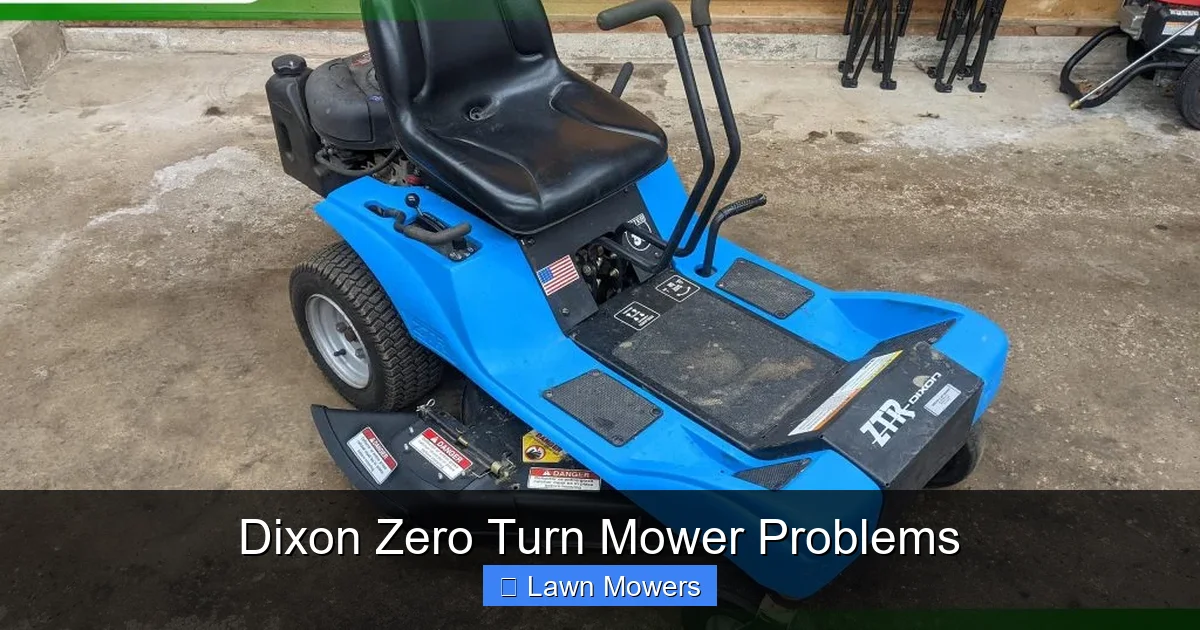
Visual guide about Dixon Zero Turn Mower Problems
Image source: farmsunseed.com
1. Follow the Maintenance Schedule
Dixon provides a detailed maintenance schedule in the owner’s manual. Stick to it! Regular oil changes, air filter replacements, and blade sharpening are essential.
2. Clean After Every Use
After mowing, take a few minutes to clean the mower deck, undercarriage, and wheels. Grass clippings and debris can build up and cause clogs or corrosion.
3. Store Properly
Store your mower in a dry, covered area to protect it from the elements. Use a cover to keep dust and moisture out.
4. Check Fluids Regularly
Monitor engine oil, hydraulic fluid, and fuel levels. Top off as needed and change fluids according to the schedule.
5. Inspect Belts and Hoses
Regularly check belts for wear and hoses for cracks or leaks. Replace any damaged components immediately.
When to Call a Professional
While many dixon zero turn mower problems can be fixed with basic tools and knowledge, some issues require professional attention. If you’re dealing with complex hydraulic repairs, transmission issues, or electrical faults, it’s best to contact a certified Dixon service technician.
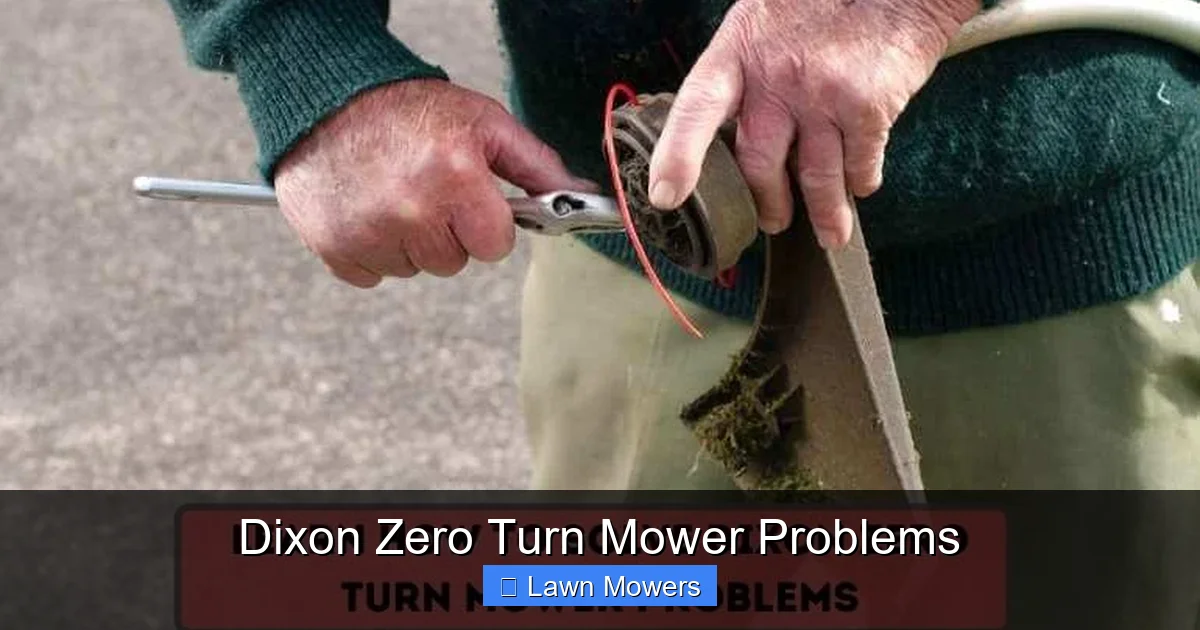
Visual guide about Dixon Zero Turn Mower Problems
Image source: homyholds.com
Attempting major repairs without the proper tools or expertise can void your warranty and potentially cause further damage. Always consult the owner’s manual and reach out to Dixon customer support if you’re unsure.
Conclusion
Dixon zero turn mowers are reliable workhorses, but they’re not immune to problems. By understanding the common issues—like engine troubles, steering difficulties, and belt wear—you can take proactive steps to prevent and fix them. Regular maintenance, timely inspections, and knowing when to seek professional help are key to keeping your mower in peak condition.
Remember, a well-cared-for mower delivers a better cut, saves you time, and extends the life of your investment. So the next time you notice something off with your Dixon zero turn mower, don’t panic. Refer to this guide, roll up your sleeves, and get back to mowing like a pro.
Frequently Asked Questions
Why is my Dixon zero turn mower not starting?
Common causes include a dead battery, old fuel, a faulty spark plug, or a clogged air filter. Check these components first and replace or clean as needed.
How often should I change the oil in my Dixon zero turn mower?
It’s recommended to change the oil every 50 hours of operation or once per season, whichever comes first.
What should I do if my mower is cutting unevenly?
Check the blade for dullness or damage, ensure the deck is level, and inspect the spindles for wear. Sharpen or replace the blade and adjust the deck height.
Can I fix a hydraulic leak myself?
Small leaks can often be fixed by replacing seals or hoses. However, major hydraulic issues should be handled by a professional to avoid further damage.
How do I know if my mower belt needs replacing?
Look for cracks, fraying, or signs of wear. A loose belt that slips or makes squeaking noises is also a sign it needs replacement.
Is it normal for my Dixon mower to vibrate?
Light vibration can be normal, but excessive vibration may indicate a loose blade, unbalanced deck, or worn bearings. Inspect and tighten or replace components as needed.
