Can I Use Old Gas In My Lawn Mower: Safe Guide
Gas left in a shed can look fine and still cause trouble in a lawn mower. Gasoline slowly loses its useful qualities. It can form gum, leave varnish in the carburetor, clog small fuel passages, and make an engine hard to start. This is more common with gas that contains ethanol, especially when the mower sits through a hot summer or cold winter.
So, can you use old gas in your lawn mower? Sometimes, but only if it is still fresh, clean, and stored well. Gas that is more than a few months old, smells sour, looks cloudy, contains water, or has visible sediment should not go into the tank. Draining and disposing of questionable fuel is often cheaper than repairing a carburetor.

Quick answer: Can you use old gas in a lawn mower?
You can use gasoline that is only slightly old if it was stored in a sealed, approved fuel can and still looks and smells normal. Fresh gas is usually best within about 30 days, while properly stabilized fuel may last longer if the label and mower manual allow it. Do not use fuel that is cloudy, dark, sour-smelling, separated, or contaminated with water. Drain bad gas and take it to a household hazardous-waste site.
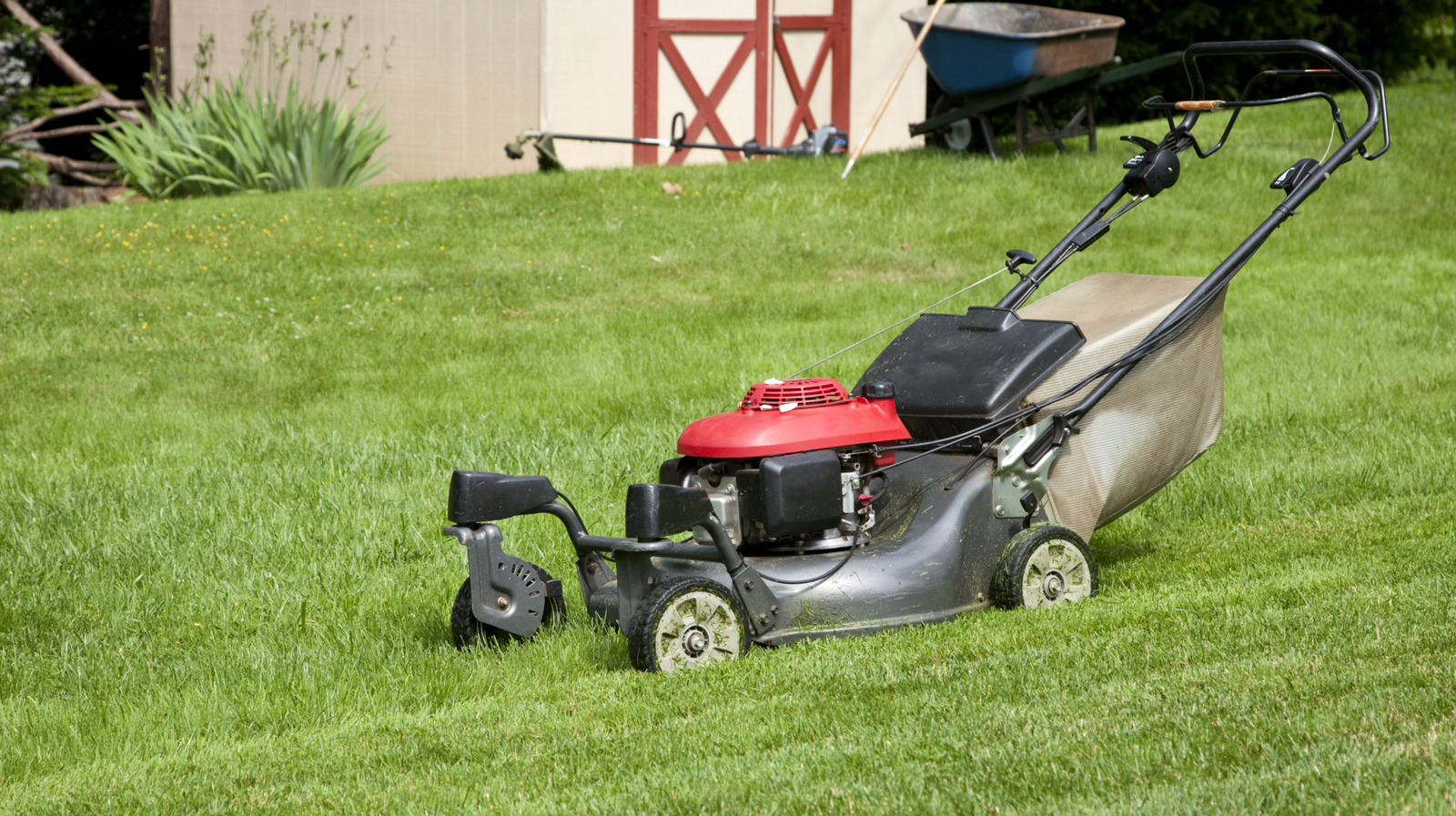
The safest choice for most homeowners is simple: if you are unsure, do not use the fuel. A small push mower has a small fuel system, and one tank of bad gasoline can create a large repair bill.
How old gas affects a lawn mower
Old gasoline changes as it sits. Some of its more volatile compounds evaporate first. These compounds help the engine start and run smoothly. What remains may be thicker and less useful.
Ethanol-blended gas creates another concern. Ethanol can pull moisture from the air. That moisture may lead to corrosion in the fuel tank, carburetor, fuel line, and metal parts. Water can also settle at the bottom of the tank, where the fuel pickup may draw it into the engine.
Gasoline can also leave sticky deposits. These deposits may affect the carburetor jets, which are tiny openings that meter fuel into the engine. A dirty jet often causes hard starting, surging, stalling, or poor power.

How long does gasoline last?
Unstabilized gasoline is generally best used within about 30 days, though actual life depends on the fuel blend, temperature, container, and storage conditions. Some fuel may remain usable for a few months, but age alone does not tell the whole story.
Fuel stabilizer can slow the aging process. It does not restore fuel that has already degraded. A stabilized fuel supply may last six months or longer, but you should follow the stabilizer label and the mower maker’s instructions.

What happens to ethanol gas?
Ethanol gas can absorb water over time. When enough water enters the fuel, the mixture may separate into layers. This process is called phase separation. The lower layer can contain water and ethanol, while the upper layer contains gasoline with reduced performance.
Phase-separated fuel should not be used in a lawn mower. It can cause rust, poor combustion, and fuel-system damage. This problem is more likely when a gas can is stored with a loose cap or large air space.

Does old gas always damage a mower?
No. Slightly old gas may not cause immediate damage. The greater risk comes from fuel that has degraded, absorbed water, or left deposits. A modern mower with a sensitive carburetor may show problems sooner than an older, simple engine.
Even when old fuel does not cause damage, it may cause weak starting or uneven running. You may pull the starter cord many times, drain the battery on an electric-start mower, or need to clean the carburetor later.
Signs gas is too old for your mower
The best way to judge old gas is to check its smell, appearance, storage history, and age together. Do not rely on just one sign. Gas that looks clear may still be stale if it sat in a warm, partly open container for months.
Pour a small amount into a clean, clear glass jar only if you can do so safely outdoors, away from flames and sparks. Never use a kitchen cup or any container that may later hold food. Close the container, inspect the fuel, and dispose of it properly if it looks or smells wrong.

| Sign | What it may mean | Recommended action |
|---|---|---|
| Sour or varnish-like smell | Fuel has oxidized and degraded | Do not use it |
| Cloudy appearance | Water or contamination may be present | Drain and dispose of it |
| Dark color or sediment | Fuel may have aged or picked up debris | Do not pour it into the mower |
| Visible water layer | Phase separation or contamination | Treat as waste fuel |
| Clean smell and clear color | Fuel may still be usable | Check age and storage history |
| Fuel older than several months | Quality is uncertain | Use caution or replace it |
The key takeaway is that clean-looking fuel is not automatically fresh. Age, storage, and the type of container matter just as much.
Smell test
Fresh gasoline has a sharp, familiar fuel smell. Old gasoline often smells sour, stale, sweet, or like varnish. The smell may be stronger than normal because some lighter compounds have evaporated.
Do not place your face over the container. Vapors are harmful and highly flammable. Use a quick outdoor check, then seal the container and wash your hands.

Appearance test
Good gasoline is usually clear and has a light color. Cloudiness, darkening, floating particles, rust, or a layer of liquid at the bottom are warning signs.
Never try to strain questionable fuel through a cloth and use it anyway. A filter may catch dirt, but it will not repair degraded gasoline or remove all water and chemical changes.

Storage test
Ask where the fuel sat. A sealed, approved gas can stored in a cool garage is in better shape than fuel left in a mower tank under direct sun. A container with a loose cap allows air and moisture to enter.
Heat speeds up fuel degradation. Frequent temperature changes can also cause the container to breathe in moist air. Fuel stored near a furnace, water heater, electrical panel, or other ignition source is a safety concern.

💡 Pro Tip: Write the purchase date on every fuel can with a permanent marker. This small habit helps you use older fuel first and avoid guessing next season.
When old gas may be safe to use
Slightly old gas may be suitable when it passes a visual and smell check and has a known storage history. It should be in an approved container with a tight cap. The fuel should not contain water, dirt, rust, or separated layers.
For a mower with a small tank, you can sometimes mix a small amount of questionable-but-clean fuel with fresh gasoline. This does not make bad fuel good. It only reduces the share of old fuel, and it should not be used when the fuel smells wrong or shows contamination.
Many repair technicians prefer not to dilute fuel that is more than a few months old. The possible savings are small compared with the cost of a carburetor cleaning, fuel-line replacement, or damaged fuel system.
A practical age guide
There is no single expiration date for every fuel blend. The following guide is a cautious starting point, not a replacement for the mower manual or fuel-stabilizer label.
| Fuel condition | Approximate age | General advice |
|---|---|---|
| Fresh, untreated gas | Less than 30 days | Usually the safest choice |
| Untreated gas in good storage | One to three months | Inspect before use |
| Stabilized gas in a sealed can | Several months | Often usable if clear and clean |
| Gas stored through a season | About six months or more | Replace if quality is uncertain |
| Old, sour, cloudy, or separated gas | Any age | Do not use |
The main point is simple: condition matters more than a date alone. When in doubt, fresh fuel is usually the lower-cost choice.
When mixing with fresh gas may work
Mixing may be reasonable when the old fuel is only slightly past its best, looks clear, smells normal, and was stored correctly. Use more fresh fuel than old fuel. Do not fill a mower with a large amount of questionable gas.
This approach is not suitable for fuel with water, sediment, a sour smell, or visible separation. It is also not a good idea for a mower that already has starting or running problems.

When you should never mix it
Do not mix bad fuel with fresh fuel to hide the problem. Contaminated gas can still carry water and debris into the carburetor. Dilution cannot remove varnish or reverse phase separation.
Do not put old gas into a riding mower, zero-turn mower, generator, string trimmer, leaf blower, or chainsaw just to use it up. Small engines share many of the same fuel-system risks.

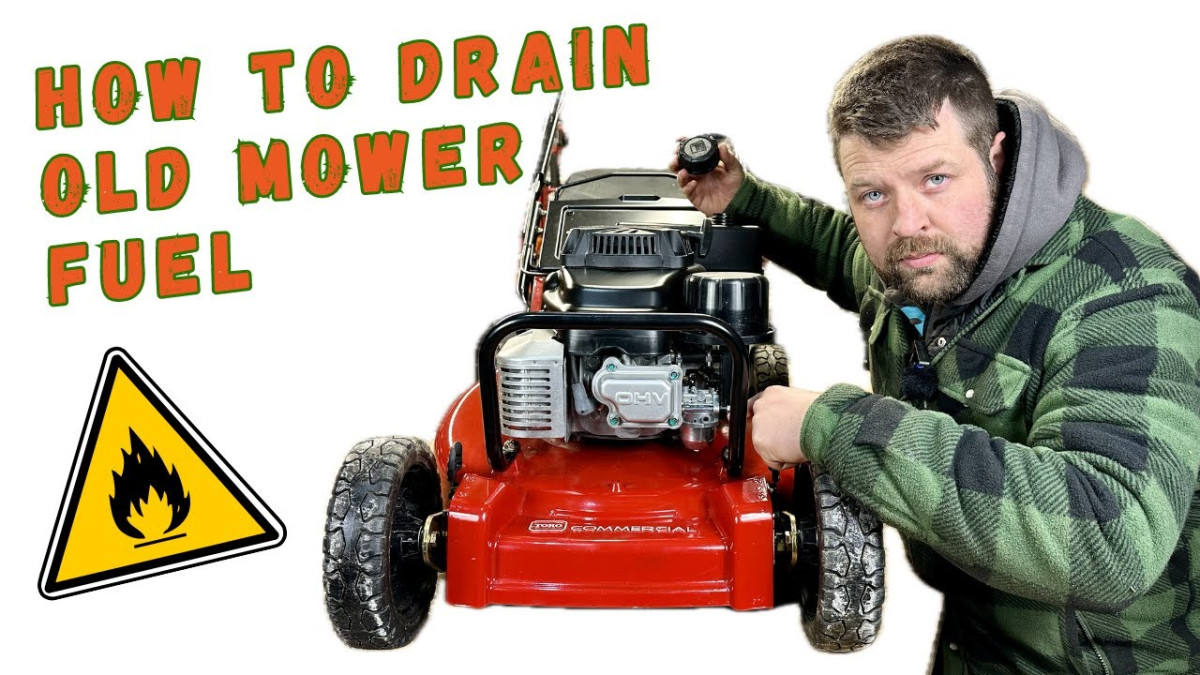
The safest way to drain old gas
The best way to remove questionable fuel is to work outdoors in a cool, well-ventilated area. Keep the mower away from cigarettes, pilot lights, electrical sparks, hot engines, and anything that can ignite vapors.
Read the owner’s manual first. Some mower tanks drain through the fuel line. Others have a drain screw, removable tank, or a design that allows careful siphoning. Never force a method that can crack the tank or spill fuel.

Tools and materials
Gather the right supplies before you begin. The exact items depend on the mower design.
| Item | Purpose | Notes |
|---|---|---|
| Approved gasoline container | Holds fuel for disposal | Use a container rated for gasoline |
| Hand siphon pump | Transfers fuel without mouth suction | Never siphon gasoline by mouth |
| Nitrile or fuel-resistant gloves | Protects skin | Replace damaged gloves |
| Safety glasses | Protects eyes from splashes | Wear during draining |
| Absorbent pads | Controls small spills | Keep them away from heat |
| Wrench or screwdriver | Opens clamps or drain screws | Use only as the manual directs |
| Fresh fuel and stabilizer | Refills the mower | Confirm the correct fuel type |
Do not use a plastic bottle, food jar, open bucket, or thin storage tub for gasoline. Vapors can escape, containers can fail, and the fuel can contaminate other materials.
Numbered steps for draining a mower
-
Move the mower outdoors. Choose level ground away from buildings, drains, flames, and traffic. Let a recently used engine cool fully.
-
Turn the engine off. Remove the ignition key if present. Set the parking brake on a riding mower and keep the mower stable.
-
Disconnect the spark plug wire. On a gas mower, pull the wire boot from the spark plug. Keep the boot away from the plug. This helps prevent an accidental start.
-
Find the fuel system parts. Identify the tank, fuel line, clamp, filter, and carburetor. Check the owner’s manual before removing anything.
-
Place the approved container below the fuel line. Keep it stable. Do not hold it in your hand while loosening a hose.
-
Drain the fuel. Use the manual’s method, a hand siphon pump, or the drain screw if provided. Avoid spilling fuel on grass, soil, concrete, or your skin.
-
Inspect the fuel. Look for water, dirt, rust, or sediment. Treat contaminated fuel as hazardous household waste.
-
Check the tank. If the tank contains dirt or rust flakes, clean it only as the manual permits. Do not use a vacuum or electrical tool near fuel vapors.
-
Reconnect the fuel system. Secure the hose and clamp. A loose fuel line can leak when the mower runs.
-
Add fresh fuel. Use the fuel grade and ethanol guidance listed in the manual. Add only enough for the job if the mower will sit soon.
-
Check for leaks. Wait a moment before starting. Stop if fuel drips or the fuel smell becomes strong.
-
Reconnect the spark plug wire. Start the mower outdoors and let it run briefly. Stop it if it surges, smokes heavily, leaks, or behaves unusually.

⚠️ Safety Warning: Never refuel a hot engine. Wear eye protection, hearing protection, closed-toe shoes, and work gloves. Keep children and pets away, clear debris before mowing, and follow the owner’s manual.
Should you run the mower dry?
Running a mower until it stops can remove much of the fuel, but it may not empty the tank or carburetor. Some manuals recommend this before seasonal storage. Others recommend draining the tank and adding stabilized fuel.
Do not run an engine indoors, inside a garage, or beside an open door. Carbon monoxide can build up quickly. Use the procedure in the manual, especially for riding mowers and engines with fuel pumps.
How to dispose of old lawn mower gas
Old gas should go to a household hazardous-waste collection site or another approved fuel-recycling program. Many cities and counties accept gasoline, oil, paint, and other flammable liquids on set collection days.
Call before you travel. Programs differ by location. Some sites limit container size or ask residents to keep fuel in an approved can. Never pour gasoline into a storm drain, onto soil, into a sink, into a toilet, or in household trash.

🌿 Eco or Disposal Note: Keep old gas in a sealed, labeled, approved container until you reach the disposal site. Do not mix it with motor oil unless the local program specifically tells you to do so.
What not to do with old gas
Avoid these common disposal mistakes:
- Do not burn gasoline in a fire pit or wood stove.
- Do not pour it on weeds or gravel.
- Do not leave an open container outside to evaporate.
- Do not put a fuel-soaked rag in a normal trash can.
- Do not give contaminated fuel to a neighbor without warning them.
- Do not store it beside a water heater or furnace.
- Do not combine fuel with cleaners or other chemicals.
Fuel vapor can travel along the ground and reach an ignition source. A small spill can create a serious fire risk.
Handling a small spill
If a small spill occurs, keep people and pets away. Remove ignition sources only if you can do so without creating a spark. Use an absorbent product made for fuel, then place the waste in a suitable container as directed by local rules.
Do not hose gasoline into the street or lawn. For a large spill, strong fumes, indoor spill, or spill near a drain, leave the area and contact the fire department or local emergency service for guidance.
What to do after putting old gas in the mower
If you already used old gas, do not panic. The mower may run normally if the fuel was only mildly stale. Watch for symptoms over the next several minutes and during the next mowing session.
Common signs include hard starting, rough idle, surging, stalling, smoke, weak power, or a mower that runs only with the choke partly engaged. The choke restricts air during starting. If an engine needs choke after it warms up, the fuel mixture may be too lean because of a dirty carburetor or restricted fuel flow.
| Symptom | Possible cause | First step |
|---|---|---|
| Engine will not start | Stale fuel, flooded engine, bad spark | Stop and check the manual |
| Starts, then stalls | Dirty carburetor or water in fuel | Drain questionable fuel |
| Surging speed | Restricted fuel flow or air leak | Inspect fuel line and filter |
| Runs only with choke | Partly blocked carburetor | Have the carburetor serviced |
| Strong fuel smell | Leak or flooded engine | Shut off fuel and inspect |
| White smoke briefly | Overfilled oil or fuel issue | Check oil level and manual |
| Weak cutting power | Dull blade or poor engine running | Inspect blade and fuel system |
Do not keep pulling the starter cord for an hour. Repeated starting attempts can flood the engine and make diagnosis harder. Stop, disconnect the spark plug wire, and inspect the mower safely.
When fresh fuel may solve the problem
Fresh fuel may help when the mower has only mild symptoms and the old fuel was not contaminated. Drain the tank, refill it with the correct fuel, and follow the manual’s starting procedure.
If the mower still runs poorly, the problem may involve the spark plug, air filter, fuel filter, carburetor, ignition coil, or mower blade. Gas is only one part of the system.
When the carburetor needs attention
A carburetor may need cleaning when old fuel has formed varnish. Symptoms include stalling, surging, hard starting, and an engine that will not run without choke.
Some carburetors can be cleaned by a careful DIY owner. Others have small gaskets, springs, and passages that are easy to damage or lose. If the mower belongs to a senior family member or has sentimental value, a repair shop may be the safer option.
Fresh fuel and mower care by mower type
Gas storage advice changes slightly with the equipment. A small push mower may use a simple gravity-fed carburetor. A riding mower may have a larger tank, fuel pump, fuel filter, and more expensive repair parts.
Battery mowers avoid gasoline storage, but they still need care. Remove the battery before servicing, store it according to the maker’s directions, and recycle it at a designated lithium-ion battery drop-off when it reaches the end of its life.
| Mower type | Fuel concern | Care note |
|---|---|---|
| Gas push mower | Small carburetor passages clog easily | Use fresh fuel and drain before long storage |
| Self-propelled gas mower | Same fuel risks plus drive system | Inspect belts and drive parts |
| Riding mower | Larger tank and fuel system | Use the storage steps in the manual |
| Zero-turn mower | Larger fuel volume and high repair cost | Check fuel filters and lines often |
| Battery mower | No gasoline or spark plug | Store and charge the battery correctly |
| Corded mower | No fuel tank | Keep the cord clear and inspect for damage |
| Reel mower | No engine fuel | Clean, sharpen, and adjust the reel |
The best choice depends on the yard. A battery or reel mower can suit a small, flat lawn and a noise-sensitive neighborhood. A gas or riding mower may fit a larger property, but it demands more fuel care and maintenance.
Small yards and first-time homeowners
For a small, flat yard, a 16- to 21-inch push mower is often easier to store and maintain than a riding mower. A battery push mower removes fuel storage and may be simpler for a first-time homeowner. A corded mower can work when an outdoor outlet and safe cord path are available.
A gas push mower may still make sense when mowing time is longer, the grass is thick, or the owner already has gas-powered outdoor tools. The trade-off is fuel handling, oil changes, spark plugs, air filters, and winter storage.
Hills and large lawns
Self-propelled mowers can help on moderate slopes because the drive system moves the mower forward. They do not remove the risk of slipping. Never mow wet grass on a slope, and avoid walking across a steep hill when the manual warns against it.
Riding mowers and zero-turn mowers suit some large properties, but slope limits vary by model. A zero-turn mower can turn tightly around trees and beds, yet its rear-drive layout may feel less stable on slopes. Read the slope guidance before buying.
Seniors and gift buyers
A battery mower may suit a senior who wants less fuel handling and easier starting. Look for a manageable weight, simple controls, a battery that is easy to remove, and a charger that can stay in a dry place. Self-propelled drive can help on a larger or gently sloped yard, but it adds controls and maintenance.
A gift buyer should not guess about yard size. Ask about gate width, storage space, grass type, slope, and whether the recipient prefers gas or battery power. Also check whether the person can safely lift the battery and mower.
🎁 Gift-Buyer Note: The easiest mower to own is not always the one with the largest engine or widest deck. For a small yard, lower weight, simple controls, and quiet operation may matter more than cutting speed.
Preventing old gas problems
Fresh fuel habits are easier than fuel-system repairs. Buy only enough gas for the expected mowing season. Keep the can closed, cool, upright, and away from living areas and ignition sources.
Use fuel stabilizer when the label supports it and add it when the gasoline is fresh. Stabilizer must mix through the fuel. Shake or gently move the container as directed, then run stabilized fuel through the mower so it reaches the carburetor.
A simple fuel routine
Follow this routine for most gas lawn mowers:
- Buy fuel from a busy station when possible.
- Use the correct gasoline listed in the manual.
- Avoid storing fuel in a mower for long periods.
- Add stabilizer to fuel that will sit.
- Mark the date on the fuel can.
- Keep the cap tight.
- Inspect fuel before pouring.
- Use or dispose of old fuel before buying more.
Do not assume premium gas is better for every mower. Higher octane does not automatically clean the engine or improve cutting. Follow the manufacturer’s fuel grade and ethanol instructions.
Mower storage checklist
The right storage method depends on the manual. Some engines should be stored with a dry carburetor. Others should have stabilized fuel in the tank to protect seals. Follow the maker’s instructions rather than using a habit from another mower.
| Storage task | Why it matters | Timing |
|---|---|---|
| Clean grass from the deck | Reduces rust and buildup | After the final mowing |
| Check or change engine oil | Protects internal parts | As the manual specifies |
| Inspect the blade | Finds damage and dull edges | Before storage and mowing |
| Manage fuel | Reduces stale-gas risk | Before long storage |
| Clean the air filter | Supports proper airflow | At the service interval |
| Inspect the spark plug | Supports reliable starting | At the service interval |
| Store indoors and dry | Protects metal and electronics | During non-use |
| Remove battery, if directed | Reduces drain and damage | During long storage |
Disconnect the spark plug wire or remove the battery before cleaning under the deck or servicing the blade. Wear gloves, but never rely on gloves alone to stop a blade from moving.
Common mistakes with old lawn mower gas
Most fuel problems come from a few simple errors. People often leave a half-full mower in a hot shed, keep an open gas can beside the machine, or pour questionable fuel into another tool. These choices can spread the problem across several engines.
Another mistake is blaming fuel for every mower issue. A dull mower blade can make the engine work harder. A clogged air filter can reduce power. A loose spark plug wire can prevent starting. Good troubleshooting checks the whole mower.
Mistake: storing gas in the mower all winter
Fuel left in a mower tank can degrade and leave deposits. Temperature changes may also bring moisture into the tank. The risk is higher when the mower is stored in a damp shed.
Use the storage plan in the manual. It may call for draining, stabilized fuel, or both. Keep the mower clean and dry, and do not cover a wet machine.
Mistake: using a household container
Milk jugs, water bottles, and food containers are not safe for gasoline. They can leak, soften, split, or be mistaken for something harmless. Children and pets may be exposed before anyone notices.
Use an approved fuel container with a secure cap. Label it clearly and keep it locked or out of reach.
Mistake: ignoring the mower blade
A dull or bent blade can make a mower seem weak. It can also tear grass instead of making a clean cut. Torn turf may look brown at the tips and may need more recovery.
Disconnect the spark plug wire or remove the battery before touching the blade. Replace a damaged blade with the correct part number. Confirm the blade type and mounting hardware in the manual.
Is using old gas worth the risk?
For a few dollars of fuel, the answer is usually no when the gas smells bad, looks cloudy, or has an unknown history. A new spark plug may cost less than a carburetor repair, but prevention is still easier than diagnosis.
Using mildly old, clean fuel may be reasonable for an experienced DIY owner who understands the risks and has a safe disposal plan. A first-time homeowner may save time and stress by draining the fuel and starting with fresh gasoline.
The right choice also depends on the mower’s value. A basic push mower may be simple to repair. A riding mower or zero-turn mower has more parts and can cost much more when fuel damage reaches the pump, carburetor, or fuel lines.
| Choice | Main benefit | Main drawback |
|---|---|---|
| Use fresh gasoline | Lowest fuel-system risk | Requires buying new fuel |
| Mix a small amount of clean old gas | Uses some stored fuel | Does not fix degraded fuel |
| Add fuel stabilizer | Helps protect fresh stored fuel | Does not restore bad fuel |
| Drain and dispose of old gas | Safest for questionable fuel | Requires time and a disposal site |
| Switch to a battery mower | Removes gasoline storage | Requires battery charging and replacement |
The best option for a small, flat yard may be a battery push mower. A large property with thick turf may still favor gas power. Choose based on the yard, storage space, noise limits, and comfort with maintenance.
Local rules and fuel storage
Gasoline storage rules vary by city, county, state, landlord, and insurance policy. Some homes, apartments, and HOAs restrict fuel storage or gas-powered equipment. Some communities also limit noise or restrict gas equipment during certain hours.
Check your local fire department, waste authority, HOA, and landlord rules. Confirm how much fuel you may store, which container is allowed, and where old gasoline can be dropped off.
📜 Check Local Rules: Noise ordinances, HOA rules, and gas-equipment restrictions can change by location. Confirm the current rules before buying a gas mower, storing fuel, or mowing early in the morning.
A garage is not automatically a safe fuel room. Keep fuel away from furnaces, water heaters, chargers, pilot lights, and electrical equipment. Store only the amount allowed by local rules and the fuel-container label.
When to call a mower repair shop
Call a repair shop when fuel leaks, the tank is damaged, the mower will not run after fresh fuel, or you are not comfortable working around gasoline. Professional help also makes sense when a riding mower has a fuel pump, complex fuel system, or hard-to-reach carburetor.
Stop using the mower if it backfires repeatedly, smokes heavily, leaks fuel, overheats, or loses control of the blade. Do not keep testing a machine that may be unsafe.
A shop can inspect the carburetor, spark plug, air filter, fuel filter, fuel line, ignition system, and compression. Ask for an estimate before approving major repairs. For an older mower, compare the repair cost with the price of a suitable new push mower or battery mower.
Frequently asked questions
Q: Can I use gas that sat in my lawn mower all winter?
A: It depends on the fuel’s condition and storage method. If the gas is clear, smells normal, and was stabilized, it may be usable. If it smells sour, looks cloudy, or has sediment, drain it and dispose of it properly.
Q: How old is too old for lawn mower gas?
A: Untreated gas is usually best within about 30 days. Properly stabilized gas may last several months, but heat, moisture, and container quality change the result. Condition matters more than age alone.
Q: Can I mix old gas with new gas?
A: You may mix a small amount of clean, slightly old gas with a larger amount of fresh gas. Do not mix fuel that is cloudy, separated, contaminated, or sour-smelling. Mixing does not repair bad fuel.
Q: Can old gas ruin a lawn mower?
A: Yes. Degraded or contaminated fuel can clog the carburetor, damage fuel-system parts, cause corrosion, and lead to hard starting or stalling. A single use may not ruin the engine, but the risk is real.
Q: Can I pour old gas into my car?
A: Do not add questionable lawn mower fuel to a car. Cars have sensitive fuel systems and fuel controls. Dispose of old gas through a household hazardous-waste program instead.
Q: Can I pour old gas on weeds?
A: No. Gasoline can contaminate soil and groundwater, harm plants and wildlife, and create a fire risk. It is also illegal in many places.
Q: Can I pour gasoline down a drain?
A: Never. Gasoline can pollute water, damage plumbing, create dangerous vapors, and cause a fire or explosion. Use an approved disposal site.
Q: Does fuel stabilizer make old gas fresh again?
A: No. Stabilizer helps slow degradation in fresh fuel. It does not remove water, reverse phase separation, or restore fuel that has formed varnish.
Q: Should I use premium gas in my lawn mower?
A: Use the fuel grade listed in the owner’s manual. Premium gas is not automatically better, cleaner, or safer for a small engine.
Q: Is ethanol-free gas better for a lawn mower?
A: Ethanol-free gasoline can reduce moisture-related concerns during storage, but availability and cost vary. Confirm that the fuel meets the mower manufacturer’s requirements. Never use diesel or the wrong fuel type.
Q: Why does my mower start and then stop after using old gas?
A: Stale fuel, water, a clogged carburetor jet, or a restricted fuel filter may be responsible. Drain questionable gas, add fresh fuel, and inspect the air filter and spark plug. Seek service if the issue continues.
Q: Should I empty the gas tank before winter?
A: Follow the mower manual. Some engines should be drained, while others should be stored with fresh, stabilized fuel. The correct method depends on the fuel system and engine design.
Q: Is a battery mower better for avoiding old gas?
A: A battery mower removes gasoline storage and spark-plug maintenance. It may suit small or medium yards, noise-sensitive areas, and owners who want simple starting. Check battery cost, charging space, runtime claims, and replacement availability.
Q: How long does a gas lawn mower last?
A: Service life varies with build quality, use, storage, mowing conditions, and maintenance. A mower that receives fresh fuel, clean oil, sharp blades, and dry storage can last much longer than one left wet and neglected. No service life is guaranteed.
Q: Can I use old gas in a string trimmer or leaf blower?
A: The same fuel risks apply. Do not move questionable gasoline from one machine to another. Small two-stroke engines also require the correct oil-to-fuel mix, so follow the manual closely.
Final advice
You can sometimes use slightly old gas in a lawn mower, but only when it is clear, clean, properly stored, and free of a sour smell or water. If the fuel is questionable, draining it is the safer choice. Fresh gasoline costs far less than a clogged carburetor or damaged fuel system.
Store fuel in an approved, sealed container. Mark the date, use stabilizer when appropriate, and keep the container cool and away from ignition sources. Before every mowing season, check the fuel, blade, oil, air filter, spark plug, tires, deck, and safety controls.
For a small flat yard, a battery or reel mower may reduce fuel chores. For a large lawn, a gas, riding, or zero-turn mower may still fit better. Measure the yard, consider the slope and storage space, follow local rules, and choose the mower and fuel plan that match the person who will use it.
Affiliate disclosure: This article may contain affiliate links. If you buy a product through one of these links, we may earn a commission at no extra cost to you. Product availability, specifications, compatibility, and prices can change, so confirm details on the manufacturer’s product page and in the owner’s manual before buying.