Can You Put Premium Gas In A Lawn Mower: What To Know
If you are standing at the gas pump with a mower can in hand, you may wonder if premium gas is safe for your lawn mower. The short answer is yes, in most cases. Premium gasoline will not usually harm a modern lawn mower when it is fresh, unleaded, and the correct fuel type. However, premium fuel often does not make a standard mower run better or last longer.
The fuel your mower needs depends more on the engine manual than on the number printed on the pump. Most four-stroke lawn mower engines are designed to run on regular unleaded gas with an octane rating near 87. Some small engines benefit from ethanol-free gasoline, especially during long storage. Two-stroke engines need the correct gas-and-oil mix, no matter whether the fuel is regular or premium.
This guide explains what premium gas does, when it may help, what fuel to avoid, and how to store gasoline safely. It also covers common questions from first-time homeowners, DIY users, and people buying a mower for a senior or new homeowner.

The quick answer about premium gas in a lawn mower
Yes, you can usually put premium unleaded gasoline in a lawn mower if the owner’s manual allows unleaded fuel. Premium gas has a higher octane rating, but most lawn mowers do not need it. Use fresh fuel with the right ethanol content, and never use diesel, leaded gas, E85, or straight gasoline in a two-stroke mower that needs mixed fuel.
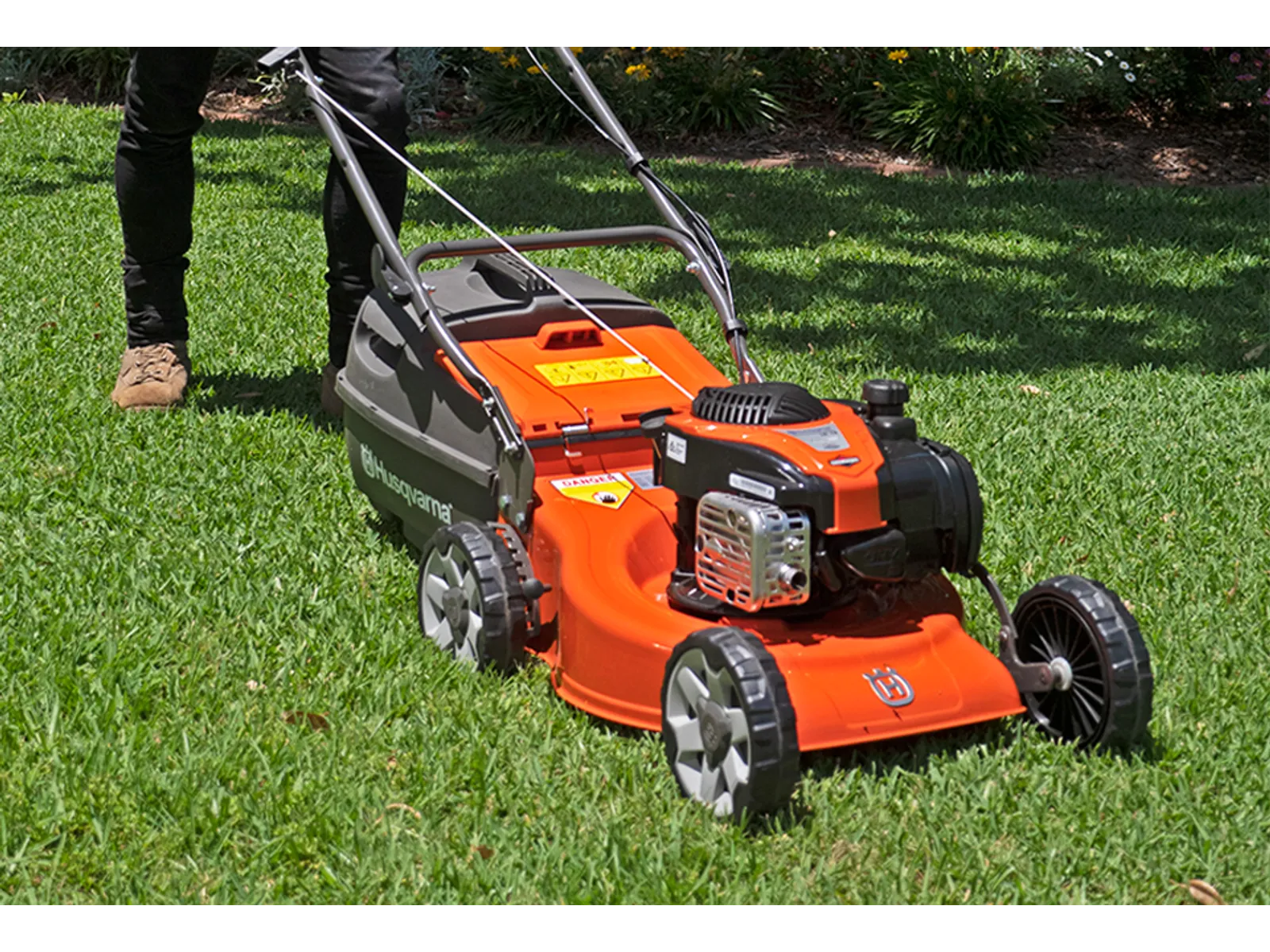
The main point is simple: higher octane does not mean higher power. Octane measures resistance to engine knock, which is unwanted early ignition inside the engine. A typical mower engine runs at low speed and low compression, so regular gas is often enough.
Premium fuel can still be a practical choice in a few cases. It may be useful if it is the only fresh fuel available, if the engine manual calls for it, or if you choose premium because it is ethanol-free. In that last case, the ethanol-free feature is the reason to choose it, not the higher octane number.
What “premium” means at the pump
In the United States, regular gas often has an octane rating of 87, midgrade is often 89, and premium is commonly 91 or 93. These numbers use the Anti-Knock Index, shown as AKI on the pump.
Octane is not a measure of cleanliness, energy, or fuel quality by itself. A 93-octane fuel is not automatically better for every engine. It simply resists knock more than an 87-octane fuel.

What matters more than octane
The fuel label should meet the mower maker’s rules for:
- Unleaded gasoline
- Minimum octane rating
- Maximum ethanol content
- Two-stroke oil mixing requirements
- Fuel age and storage limits
Most modern outdoor power equipment manuals allow gasoline with up to 10% ethanol, often marked E10. Many manufacturers warn against E15, which contains 15% ethanol, and E85, which contains about 85% ethanol. Always check your manual and the fuel cap label.
| Fuel choice | Usually suitable for a mower? | Main concern |
|---|---|---|
| Regular unleaded, 87 octane | Yes, for most four-stroke engines | Must be fresh and within the manual’s ethanol limit |
| Premium unleaded, 91–93 octane | Usually yes | Extra octane may offer no benefit |
| Ethanol-free gasoline | Often yes | Costs more and may be harder to find |
| E15 or E85 | Usually no | Can damage parts and cause poor running |
| Diesel or leaded gasoline | No | Wrong fuel type for a gasoline mower |
Premium and regular fuel can both be safe when they match the manual. The better choice is the fuel that is fresh, correctly labeled, and easy for you to store and use before it degrades.
Does premium gas improve lawn mower performance?
Premium gas usually does not improve the power, cutting quality, or fuel use of a standard lawn mower. A mower engine designed for regular gas will not normally gain useful horsepower from 91- or 93-octane fuel. The blade, air filter, spark plug, deck condition, and mowing habits have a much larger effect on performance.
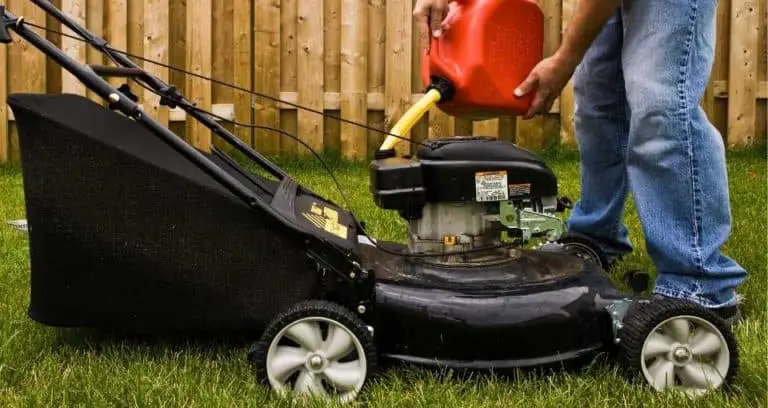
A mower may seem to run better after a fuel change, but the improvement may come from using fresh gasoline rather than premium gasoline. Old fuel can lose volatility and leave deposits in the carburetor. Replacing stale fuel with fresh regular gas may solve the issue just as well.
When higher octane can matter
Higher octane can matter when the engine manufacturer specifically requires it. This is more common in high-compression engines, certain performance machines, and some specialized equipment. If your manual says to use 91 octane or higher, follow that instruction.
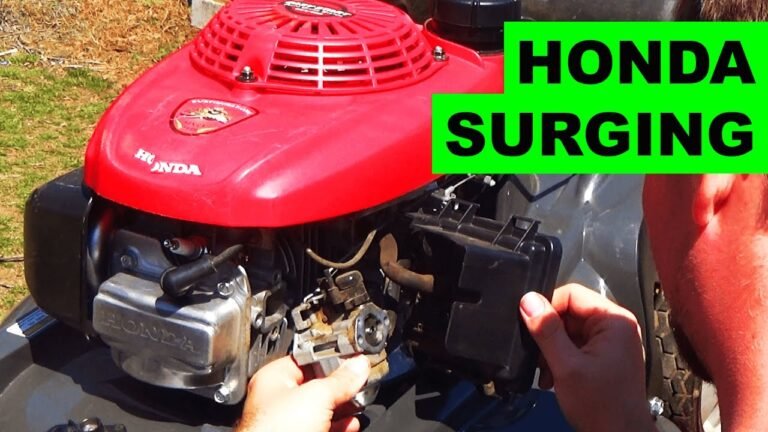
Knocking may sound like a sharp ping or rattle under load. A mower with the wrong fuel may also run hot, lose power, or surge. Still, many other problems can cause the same symptoms, including a dirty air filter, dull mower blade, clogged carburetor, damaged spark plug, or grass packed under the deck.
Why premium may feel like a waste
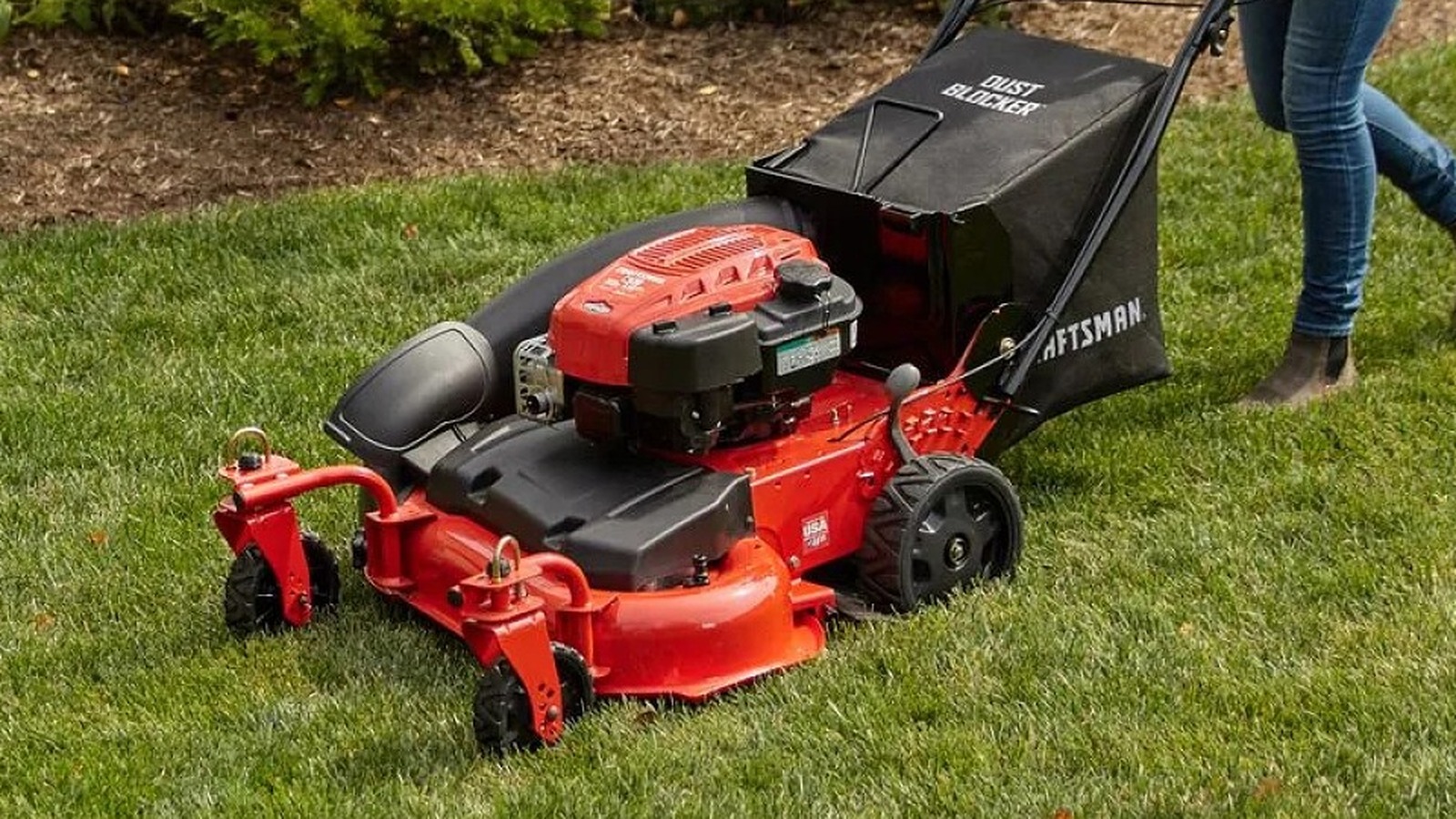
A higher pump number can sound like a smart upgrade. Yet a basic push mower with a 140cc to 190cc engine usually cannot use the extra knock resistance in a useful way. The engine’s compression ratio and ignition design determine whether premium has a benefit.
For a small yard, buying premium every time may add cost without changing the cut. For a large yard or a riding mower, the same rule applies unless the manual calls for higher octane. Spending that money on a new blade, air filter, spark plug, or fuel stabilizer may help more.
Premium gas versus ethanol-free gas
Premium and ethanol-free are not the same thing. Premium describes octane. Ethanol-free describes the absence of ethanol. A fuel can be premium with ethanol, or regular with no ethanol, depending on the station and product label.
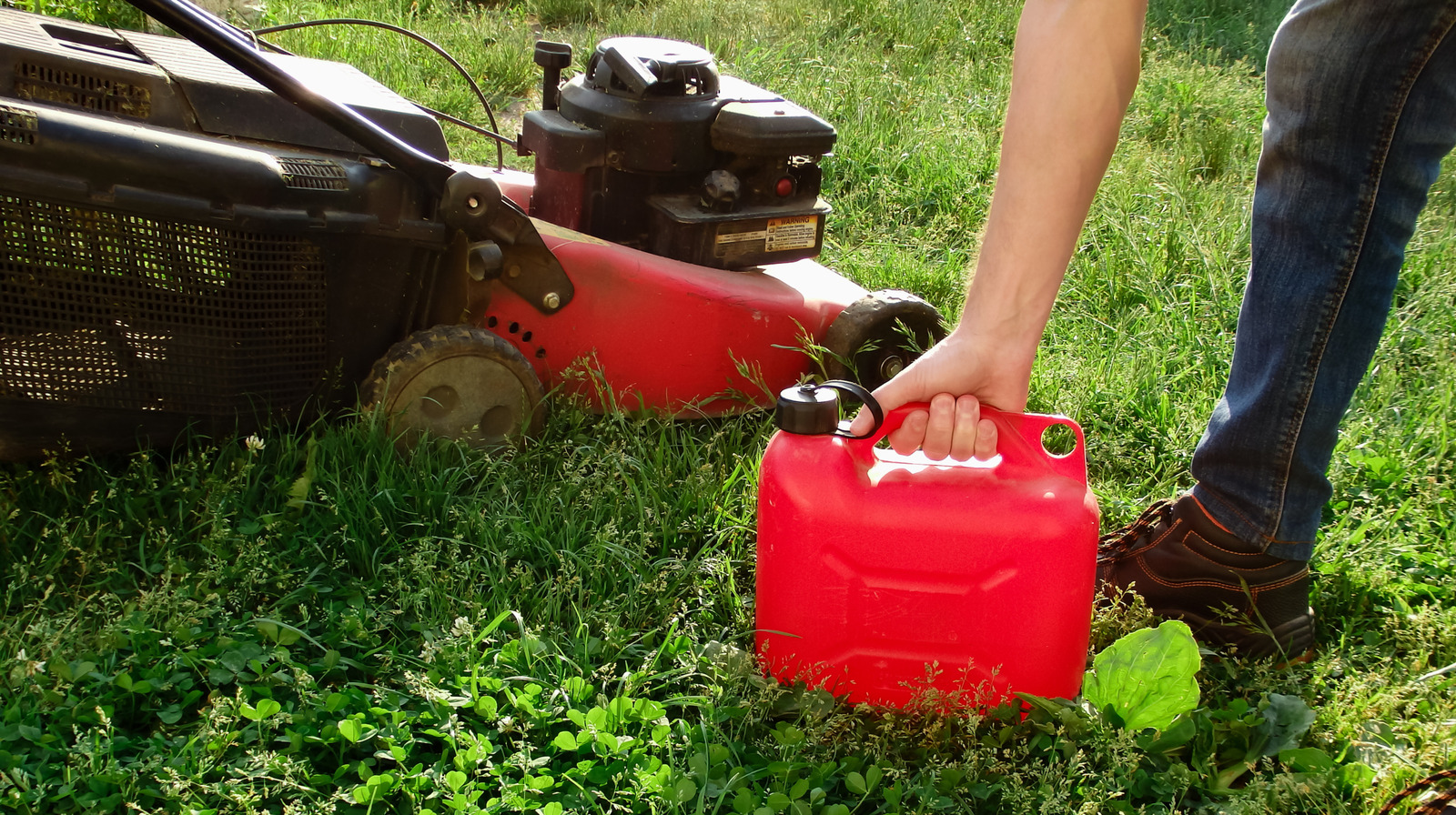
Ethanol-free fuel can be helpful for lawn mowers because small engines may sit for weeks or months between uses. Ethanol can attract moisture and may contribute to fuel-system problems during long storage. It can also affect older fuel lines, gaskets, and carburetor parts.
That does not mean every mower needs ethanol-free fuel. Many newer mowers are designed for E10 gasoline. The right choice depends on the manual, your storage habits, and local fuel access.
| Fuel feature | What it tells you | Why it matters |
|---|---|---|
| Octane rating | How well fuel resists knock | Important when the engine requires a higher rating |
| Ethanol content | How much ethanol is blended into gas | Important for storage and fuel-system compatibility |
| Freshness | How recently the fuel was bought or treated | Old gas can cause hard starting and surging |
| Fuel stabilizer | Helps slow fuel aging | Useful when fuel may sit for more than a few weeks |
The takeaway is clear: choose the correct ethanol level first, then meet the octane requirement. Do not assume premium means ethanol-free.
Is ethanol-free premium worth the cost?
It can be worth the extra cost for a mower that sits in a shed most of the winter, a generator used only during emergencies, or an older carbureted engine. It may also suit a homeowner who uses only a small amount of fuel and wants to reduce the chance of stale gas.
It may not be worth the cost for a busy lawn-care routine where you use fresh fuel every few weeks. A homeowner with a small, flat yard and a basic electric mower does not need gasoline at all.
Fuel for different mower engine types
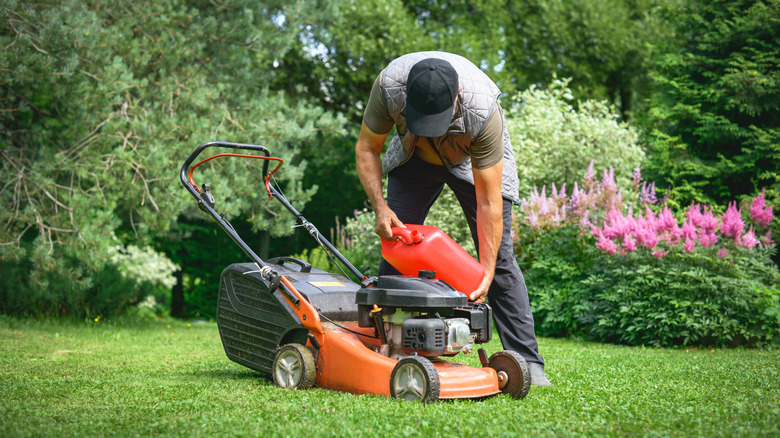
A four-stroke engine keeps gasoline and engine oil in separate places. You pour gas into the fuel tank and oil into the crankcase. Most walk-behind gas mowers use this design.
A two-stroke, or two-cycle, engine uses gasoline mixed with two-stroke oil. Some older lawn mowers, brush cutters, and string trimmers use this system. Using straight gas in a two-stroke engine can cause severe damage because the oil is part of the engine’s lubrication system.
Always check the fuel cap, manual, and engine label before filling the tank.
What fuel should you use in a lawn mower?
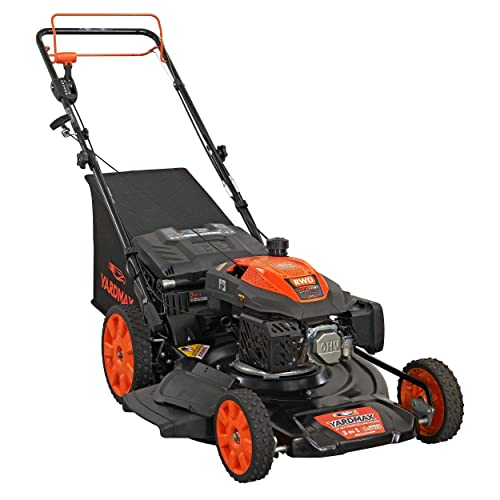
For most four-stroke lawn mowers, use fresh unleaded gasoline with the minimum octane listed in the manual. In many cases, that means regular 87-octane gas with no more than 10% ethanol. Use premium only if the manual requires it or if the premium fuel is the only suitable fresh option.
A good fuel routine looks like this:
- Read the mower manual.
- Confirm whether the engine is two-stroke or four-stroke.
- Check the allowed ethanol level.
- Buy only the amount you can use soon.
- Add fuel stabilizer if the product label and storage plan call for it.
- Keep gasoline in an approved container.
- Store the container in a cool, well-ventilated place away from flames.
Fuel choices for common mower users
| User and yard | Practical fuel choice | Why it fits |
|---|---|---|
| Renter with a small flat lawn | Fresh regular gas or a battery mower | Low fuel use and simple storage |
| First-time homeowner with ¼ acre | Regular unleaded for most gas mowers | Good balance of cost and availability |
| Senior using a self-propelled mower | Fresh fuel and easy-start care | Reduces hard starts and heavy pushing |
| DIY user with a riding mower | Manual-approved regular or premium | Larger tanks make fuel age important |
| Owner storing equipment for winter | Ethanol-free gas or stabilized approved fuel | Can reduce storage-related fuel problems |
A battery mower may suit a small yard with a nearby outlet and a dry place to store batteries. A gas push mower may suit a larger yard where runtime and quick refueling matter. A self-propelled mower can help on slopes, but it still needs careful handling on wet or steep ground.
Can premium gas damage a lawn mower?
Premium unleaded gas will not normally damage a lawn mower that accepts unleaded gasoline. The bigger risks come from using the wrong fuel type, stale fuel, too much ethanol, fuel mixed with the wrong oil, or gasoline contaminated with water or dirt.

Premium fuel can become a problem if it contains an additive or ethanol level that your mower manual does not allow. The word “premium” does not override the manufacturer’s fuel rules.
Fuel mistakes that cause real damage
| Mistake | Possible result | Better action |
|---|---|---|
| Using diesel in a gasoline mower | Engine may fail to start or run badly | Drain the tank and seek manual-based service |
| Using E85 | Fuel-system and engine problems | Use only the approved ethanol level |
| Using straight gas in a two-stroke engine | Loss of lubrication and engine damage | Use the exact gas-to-oil mix |
| Adding too much oil | Smoke, poor running, plug fouling | Measure the ratio carefully |
| Refueling a hot engine | Fire and burn risk | Shut down and let it cool |
| Storing old gas for months | Hard starting and carburetor deposits | Use fresh fuel and proper storage steps |
If you accidentally put diesel in the tank, do not keep trying to start the mower. Move the mower outdoors, away from ignition sources, and follow the manual or contact a small-engine repair shop. Fuel disposal may need to follow local hazardous-waste rules.
⚠️ Safety Warning: Never refuel a hot engine. Turn it off, let it cool, and keep the fuel can away from sparks, cigarettes, pilot lights, and power tools.
How to use premium gas safely in a lawn mower
The safest way to add premium gas is to confirm the fuel type, inspect the mower, and fill it only when the engine is cool. Do not guess if the machine has a two-stroke engine or an unusual fuel requirement.

Before you fill the tank
Check these points first:
- Read the owner’s manual.
- Look for the required octane rating.
- Confirm the maximum ethanol level.
- Check whether the mower uses mixed fuel.
- Inspect the fuel can for dirt, water, or old gas.
- Make sure the mower is outdoors or in a well-ventilated area.
- Keep children and pets away.
Use a clean, approved gasoline container. Do not use a food container, glass jar, or unmarked bottle. A proper can reduces spills and helps prevent confusion with other liquids.
Filling the mower
- Place the mower on a level surface.
- Turn off the engine.
- Let the engine and muffler cool.
- Remove the fuel cap slowly.
- Add the correct gasoline without overfilling.
- Wipe up any spill at once.
- Tighten the fuel cap.
- Move the mower away from the fueling area before starting it.
Do not fill the tank to the very top. Fuel expands as it warms. Leave the amount of space stated in the manual.
After fueling
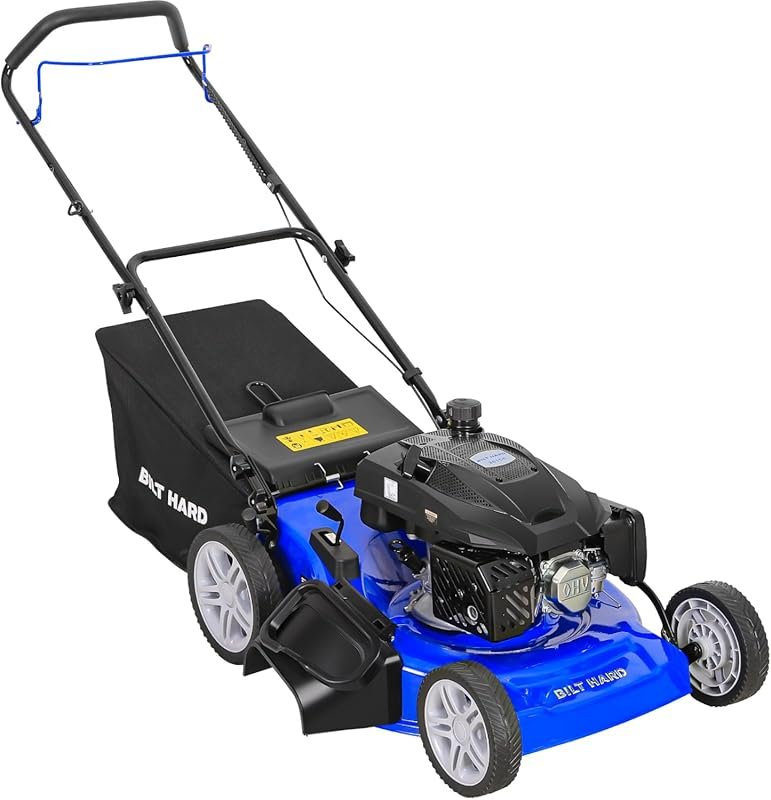
Start the mower outdoors. If it sputters, smokes heavily, surges, or smells strongly of fuel, shut it down and inspect the manual’s troubleshooting steps. Do not keep running an engine that appears to leak gasoline.
A fresh spark plug, clean air filter, and sharp mower blade can help the engine work under less strain. A dull blade forces the engine to work harder and may make a fuel change seem more important than it is.
What affects mower performance more than premium gas?
A sharp blade, correct mowing height, clean air flow, and dry grass often matter more than octane. These parts and conditions affect how much load the engine feels while cutting.

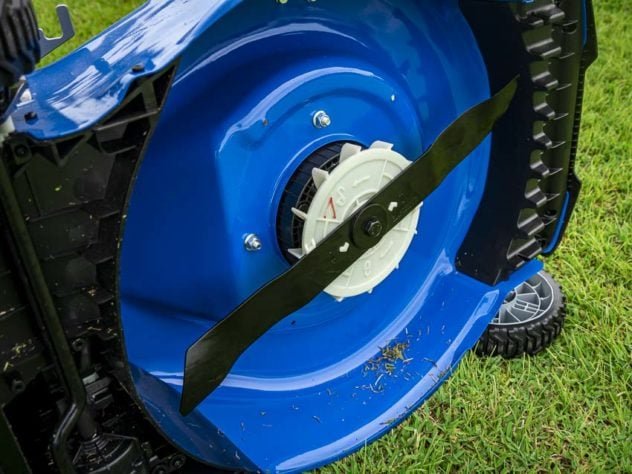
The mower deck is the metal housing around the blade. Grass, wet clippings, and thatch can collect beneath it. Thatch is a layer of dead roots and stems between the soil and green grass. A clogged deck can reduce airflow and make the mower labor.
Common causes of poor cutting
- Dull or bent mower blade
- Clogged air filter
- Worn or dirty spark plug
- Grass that is too tall or wet
- Low engine oil in a four-stroke mower
- Dirty carburetor
- Loose blade bolt
- Damaged drive belt on a self-propelled mower
- Incorrect mowing height
- Fuel that is old or contaminated
Mow no more than one-third of the grass blade height at a time. Raise the deck during drought or heat stress. For cool-season turfgrass, a taller setting can help shade the soil. Follow the needs of your grass type and local climate.

The role of the mower blade
A sharp blade can improve the look of the cut and reduce engine strain. It should not be razor sharp, but it should have a clean working edge and no major bends or cracks. Replace a blade that is damaged or worn beyond safe sharpening.
Disconnect the spark plug wire on a gas mower before working near the blade. On a battery mower, remove the battery pack. Wear work gloves, but do not rely on gloves alone to prevent a cut.
Gas mower choices for different yards
Premium gas questions often lead to a larger buying decision. The right mower depends on yard size, slope, grass type, gate width, storage, noise limits, and the user’s strength.

A small, flat yard may suit a push mower, reel mower, or battery mower. A hilly lawn may suit a self-propelled mower with controlled speed, but steep slopes can require professional equipment or a different mowing plan. A large property may justify a riding mower or zero-turn mower if there is enough open space and safe storage.
| Yard situation | Mower type to consider | Limitation |
|---|---|---|
| Small yard under about ¼ acre | Push, reel, corded, or battery mower | Corded models need outlet access and cable control |
| Medium yard with mild slopes | Self-propelled gas or battery mower | Adds weight, cost, and maintenance |
| Large open yard | Riding mower | Needs a shed, wider gates, and more service |
| Many trees and tight turns | Standard riding mower or walk-behind | Zero-turn models may be less useful in tight spaces |
| Steep or uneven lawn | Professional assessment first | Slopes raise rollover and traction risks |
| Quiet neighborhood setting | Battery, corded, or reel mower | Battery runtime and charging space matter |
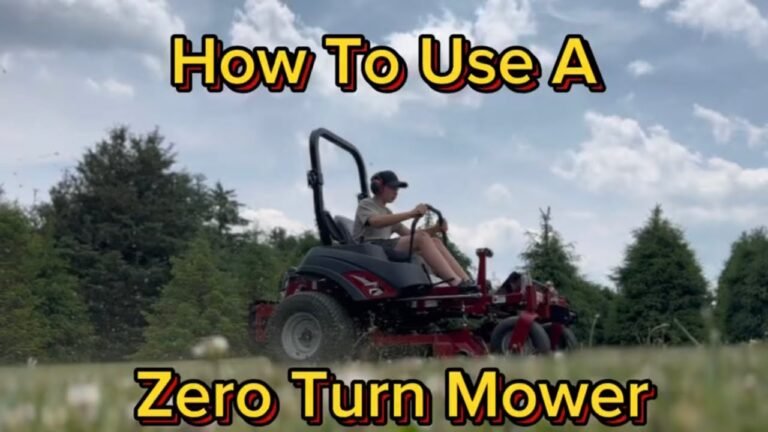
A zero-turn mower turns within its own footprint and can cover open areas quickly, but it may be a poor fit for narrow gates, steep slopes, or many obstacles. A robotic mower can suit a contained lawn with a suitable layout, but setup, boundary wire, charging space, and local rules matter.
Best mower approach for a small yard
For a small, flat yard, a lightweight push mower can be easier to store and maintain. A battery mower may work well when you want less noise and no gasoline storage. A reel mower can fit a small, level lawn with fine grass and frequent mowing, but it may struggle with tall or wet turf.
A renter or gift buyer should measure the gate, shed door, and storage area first. A mower that cannot fit through the gate is not a good bargain.
Best mower approach for hills
A self-propelled mower can reduce the pushing effort on a mild slope. It does not make a steep slope safe. Never mow across a slope if the mower manual warns against it, and never mow wet grass on a hill.
For serious slopes, ask a local lawn-care professional about safe equipment. A string trimmer may be safer than a walk-behind mower in some areas, but it can still throw debris and requires eye protection.

Best mower approach for seniors
A senior user may value low weight, easy starting, simple controls, and a handle that adjusts without tools. A battery mower can remove pull-start effort and gasoline handling. A self-propelled model can help on a mild hill, but its controls should be easy to understand.
A gift buyer should not choose a heavy riding mower without asking about storage, transport, maintenance, and the recipient’s comfort with the controls. A mower is only a useful gift when the user can operate and service it safely.
🎁 Gift-Buyer Note: Ask about yard size, slope, gate width, storage space, and hand strength before buying. A lighter battery mower may suit a small yard better than a large gas mower, even if the gas model has more power.
Premium fuel, storage, and seasonal care
Fuel storage is often more important than fuel grade. Gasoline changes over time, and the rate depends on temperature, container quality, moisture, and exposure to air.
For short-term use, buy only what you expect to use soon. Keep the can tightly closed and out of direct sun. For longer storage, use the mower maker’s instructions for fuel stabilizer, tank filling, draining, and carburetor care.
Storing fuel for a few weeks
If the mower will sit for several weeks, read the stabilizer label. Some products are designed to treat fresh fuel before storage. Stabilizer cannot restore badly degraded gasoline, so adding it to very old fuel may not solve the problem.
Run the mower only as the manual directs. Some manufacturers advise using treated fuel through the system. Others advise draining the tank and carburetor before long storage. Follow the specific engine instructions.
Winter storage
Before storing a gas mower for winter:
- Clean grass from the deck.
- Sharpen or replace the blade if needed.
- Change engine oil if the manual recommends it.
- Check the air filter and spark plug.
- Treat or drain fuel as directed.
- Store the mower dry and protected.
- Keep fuel cans in a legal, approved storage area.
- Keep the machine away from heaters and ignition sources.
Do not store gasoline in a living area, basement, or near a furnace. Local fire rules may limit the amount of fuel you can keep at home.
Hot weather and cold starts
Hot weather increases fuel expansion and fire risk. Keep the tank from being overfilled, and do not leave a fuel can in a hot vehicle. Heat can also speed fuel aging.
Cold weather can make starting harder, especially with old fuel, a dirty air filter, a weak spark plug, or thick oil. Premium gas does not automatically fix cold-start trouble. Maintenance and the correct oil grade are more likely to help.
📜 Check Local Rules: Some cities, states, and homeowners associations limit gas-powered equipment or set hours for noisy yard work. Confirm local noise rules, gas-equipment restrictions, fuel-storage laws, and HOA policies before you buy or operate a mower.
Premium gas compared with other mower power options
Gasoline is not the only choice. Electric and battery mowers can remove the need for fuel cans, oil changes, and spark plugs. Corded mowers can suit very small yards, but the cord must stay clear of the blade and outdoor conditions.
| Power type | Good fit | Main drawback |
|---|---|---|
| Gas mower | Larger yards and long mowing sessions | Noise, fuel storage, oil, and engine service |
| Battery mower | Small to medium yards and quieter neighborhoods | Battery cost, charging, and limited runtime |
| Corded mower | Small yard near an outdoor outlet | Cord management and limited reach |
| Reel mower | Small, level lawn with frequent mowing | Needs more effort with tall or wet grass |
| Robotic mower | Contained lawn with simple layout | Setup, boundary system, and ongoing care |
| Riding mower | Large open property | Higher cost, storage, and maintenance |
A battery mower uses a rechargeable lithium-ion battery. Battery capacity is often shown in amp-hours, or Ah. A larger Ah rating may provide more energy, but actual runtime depends on grass height, moisture, blade condition, temperature, and the mower design.
A brushless motor uses electronic control instead of traditional brushes. It may be efficient and durable, but the motor does not remove the need to check the blade, deck, battery, and safety controls.
For homeowners who dislike fuel storage, a battery mower may be worth considering. For a large rural lot, a gas riding mower may still offer practical range. Measure the property and think about the full job, including string trimming, edging, leaf blowing, and battery sharing.
Common myths about premium lawn mower gas
Premium gas does not clean every mower, create extra horsepower, or protect an engine from all fuel problems. These claims confuse octane with other fuel properties.
Myth: Premium gas makes every mower stronger
Higher octane does not add power to an engine that was built for regular gas. Power depends on engine design, air flow, fuel delivery, ignition timing, and load.
Myth: Premium gas keeps fuel fresh
Octane does not stop gasoline from aging. Freshness, storage, a sealed container, and the correct stabilizer matter more.
Myth: Premium gas prevents carburetor problems
A carburetor can clog from old fuel, dirt, varnish, or water. Premium fuel can still cause problems if it sits too long.
Myth: Ethanol-free always means premium
Ethanol-free fuel is sold in different octane grades. Read the pump label. Do not choose a fuel only by color or price.
Myth: A mower can use any gasoline
The engine may require a certain octane, ethanol limit, or gas-to-oil ratio. Always confirm the rules in the manual.
Fuel problems and simple solutions
Many mower fuel complaints have a clear cause. Start with the simplest safe checks before buying premium fuel or replacing parts.
| Symptom | Likely causes | Safe first step |
|---|---|---|
| Engine will not start | Old fuel, bad spark plug, blocked fuel path | Check fuel age and the manual |
| Engine surges | Dirty carburetor, air leak, stale fuel | Stop using old fuel and inspect the filter |
| Engine smokes | Too much oil, tipped mower, dirty filter | Shut down and check oil and filter |
| Engine loses power | Dull blade, wet grass, clogged deck | Clear debris only with the spark plug disconnected |
| Engine runs hot | Heavy load, blocked cooling fins, wrong fuel | Stop and let it cool before inspection |
| Fuel leaks | Loose cap, damaged line, cracked tank | Do not operate until repaired |
If the mower has been filled with the wrong fuel, do not guess at a repair. A small-engine shop can drain and inspect it. Keep receipts or fuel samples if a repair technician asks what was used.
Maintenance that helps any fuel choice
Good maintenance usually does more for mower life than switching from regular to premium gas. Follow the service schedule in the manual and use the specified oil, plug, filter, and blade parts.
Basic mower care checklist
| Service item | When to check | Why it matters |
|---|---|---|
| Mower blade | Before each use | A damaged blade is a safety risk |
| Deck and discharge opening | Before and after mowing | Grass buildup can restrict airflow |
| Air filter | During the season | A dirty filter limits air flow |
| Spark plug | At the manual’s interval | Supports reliable ignition |
| Engine oil | Before use and at service intervals | Protects four-stroke engine parts |
| Drive belt | During self-propelled service | Worn belts can reduce drive power |
| Battery and charger | Before storage and use | Supports safe charging and operation |
Never tip a mower in a way that lets oil or fuel enter the air filter or muffler. Ask the manual which side is safe for service. Remove the battery or disconnect the spark plug before touching the blade.
Wear safety glasses, hearing protection, work gloves, and closed-toe shoes. Clear sticks, stones, wire, toys, and pet waste before mowing. Keep children and pets far from the mower and the discharge path.
🌿 Eco or Disposal Note: Take old gasoline and used oil to an approved hazardous-waste site. Recycle lithium-ion mower batteries through a designated battery drop-off. Donate or recycle a usable mower instead of sending it to a landfill.
Is premium gas worth it for a lawn mower?
Premium gas is worth the cost when your mower manual requires it, when the fuel is fresh and ethanol-free, or when it is the only approved fuel available. It is usually not worth paying extra solely for a higher octane rating in a standard mower designed for regular gas.
For a first-time homeowner, regular unleaded is often the sensible starting point. For a DIY user, ethanol-free fuel may be useful for equipment that sits between jobs. For a senior or gift recipient, fuel simplicity may be a reason to choose a battery mower instead.
Think about the whole ownership cost:
- Purchase price
- Fuel or battery cost
- Oil and spark plugs
- Air filters and blades
- Charger or spare battery
- Storage space
- Local service access
- Noise and operating-hour rules
A mower that matches the yard is usually a better investment than one with a larger engine or a higher fuel requirement. Measure the lot, note the slopes, check gate width, and confirm where the mower will live.
Frequently asked questions
Q: Can I use 93 octane gas in my lawn mower?
A: Usually, yes, if it is fresh unleaded gasoline and the manual allows unleaded fuel. The higher octane may not improve performance. Check the ethanol content and avoid E15 or E85 unless the manufacturer specifically approves them.
Q: Is premium gas better for a lawn mower?
A: Not usually. Premium is better only when the engine requires higher octane or when the premium product has another useful feature, such as being ethanol-free. For many standard four-stroke mowers, fresh 87-octane fuel is enough.
Q: Can premium gas clean a mower carburetor?
A: No. Premium fuel does not replace carburetor cleaning. A dirty carburetor may need approved cleaner, careful service, or repair by a small-engine technician.
Q: Can I mix regular and premium gas in a mower?
A: Mixing regular and premium gas is generally safe when both fuels are unleaded and approved for the mower. The final octane will be between the two grades. Do not mix fuels that have different ethanol limits or mix gasoline with diesel.
Q: Can I use ethanol-free premium gas in a lawn mower?
A: Often, yes. Ethanol-free premium can be a good storage choice if the mower manual allows it. The benefit usually comes from the lack of ethanol, not the premium octane. Check the product label and manual.
Q: What happens if I put E85 in my lawn mower?
A: The mower may fail to start, run poorly, leak, or suffer fuel-system damage. Do not keep operating it. Move it away from ignition sources and follow the manual or ask a repair shop about draining the tank.
Q: Can I put premium gas in a two-stroke mower?
A: You can use premium only if the engine allows it, but you must still add the correct two-stroke oil at the stated ratio. Straight gasoline can damage a two-stroke engine even when it is premium fuel.
Q: How long does gasoline last in a lawn mower?
A: Fuel life varies with age, storage, temperature, container condition, and stabilizer. Buy small amounts and use them while fresh. Follow the fuel maker’s stabilizer directions and the mower manual rather than relying on a fixed time.
Q: Should I drain premium gas before winter?
A: Follow the mower manual. Some engines use treated fuel during storage, while others call for draining the tank and carburetor. Never store fuel in an unsafe indoor location, and dispose of old gas through a hazardous-waste program.
Q: Does premium gas help a mower start in cold weather?
A: Not by itself. Cold starts depend on fresh fuel, the right oil, a clean air filter, a good spark plug, and the engine’s starting system. Use the oil grade and starting method listed in the manual.
Q: Is premium gas worth it for a riding mower?
A: Only when the riding mower manual requires it or when the premium fuel has a useful ethanol-free formula. A large tank makes fuel storage and freshness important. Use the correct fuel rather than assuming a larger mower needs premium.
Q: Can I use car gas in my lawn mower?
A: Gasoline sold for cars can often be used if it matches the mower’s octane and ethanol requirements. Do not use fuel with an unapproved ethanol level, diesel, leaded gas, or fuel mixed with oil unless the mower requires that mixture.
Q: Can premium gas damage an older lawn mower?
A: Premium unleaded will not normally damage an older mower if the engine accepts unleaded gasoline. Older fuel lines and carburetor parts may be more sensitive to ethanol, so the manual or an equipment specialist may recommend ethanol-free fuel.
Q: When should I call a mower repair shop?
A: Call a repair shop when the mower has the wrong fuel, a fuel leak, repeated hard starts, heavy smoke, loud knocking, a damaged blade hub, or a problem that remains after basic checks. Do not work on a running or hot machine.
Final advice
You can usually put premium unleaded gas in a lawn mower, but most mowers do not need it. The safest choice is fresh fuel that meets the manual’s octane and ethanol rules. For many four-stroke walk-behind mowers, that means regular unleaded gas is enough.
Focus on fuel freshness, correct storage, the right oil, a clean air filter, a sound spark plug, and a sharp blade. If your mower sits for long periods, ethanol-free fuel may be more useful than premium octane. If gasoline handling is a burden, compare a battery mower, corded mower, reel mower, or robotic mower based on your yard and storage space.
Always wear eye and hearing protection, closed-toe shoes, and work gloves when needed. Clear debris first, keep children and pets away, never mow wet grass on slopes, disconnect the spark plug or remove the battery before service, never refuel a hot engine, and follow the owner’s manual.
Affiliate disclosure: This article may contain affiliate links. If you buy a product through one of these links, we may earn a commission at no extra cost to you. Product availability, specifications, compatibility, and prices can change, so confirm details on the manufacturer’s product page and in the owner’s manual before buying.